Bari Airport to Cruise Port: Taxi, Train and Bus Options
Compare private taxis, the train into Bari and airport buses for the run to the cruise terminal, with travel times and how much buffer to allow.
On this page
Bari's airport handles the arrivals for a cruise turnaround day, and the terminal sits close enough to the city that the transfer is measured in minutes rather than hours. That short distance makes the choice less about endurance and more about luggage: a fixed-price private car, the airport rail link into the city, or a taxi once you reach the station.
This guide sorts the options by how much walking and hauling each one demands, what the published driving time and distance look like, and how much slack to build in before all aboard. It suits passengers sailing the same day who want a low-risk plan, and passengers with a late flight who can afford the cheaper route.
Where the cruise terminal sits relative to town and the airport
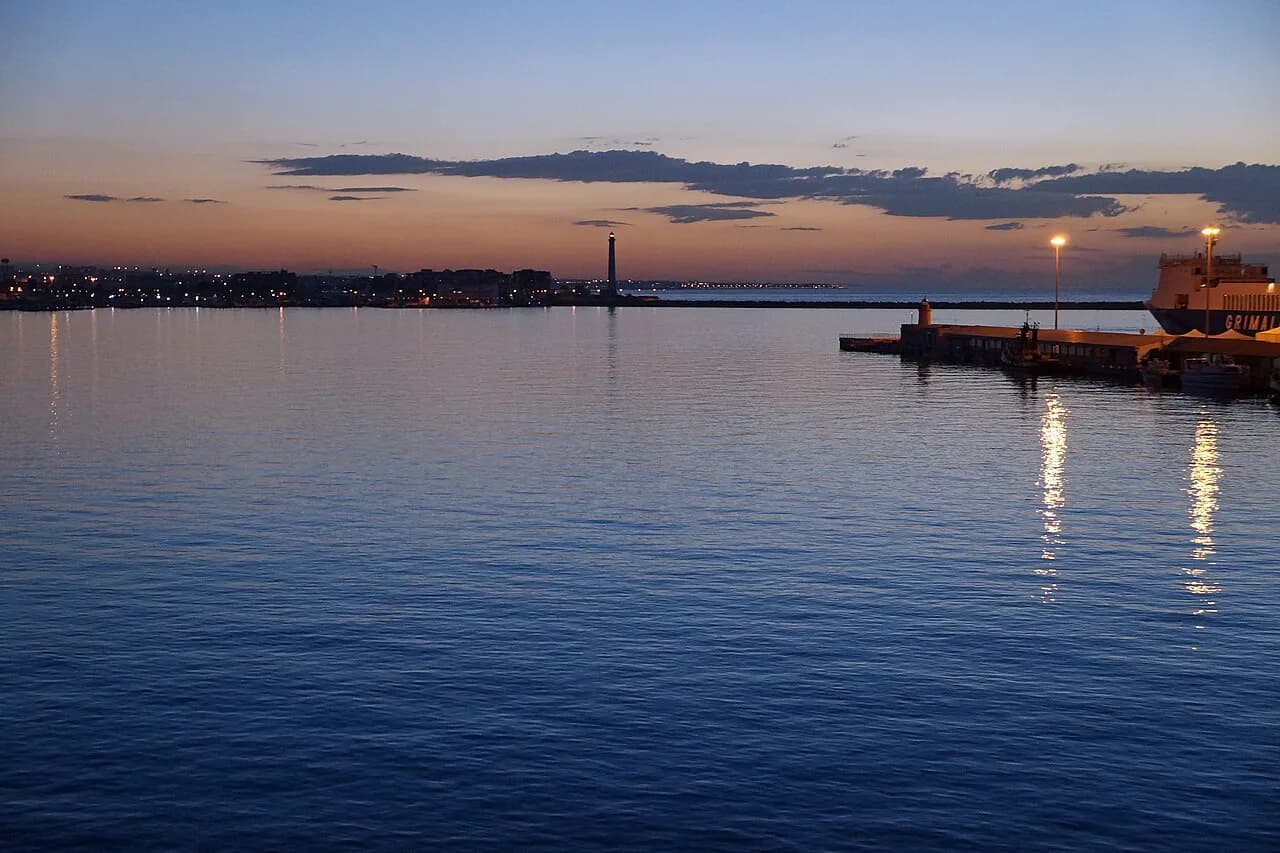
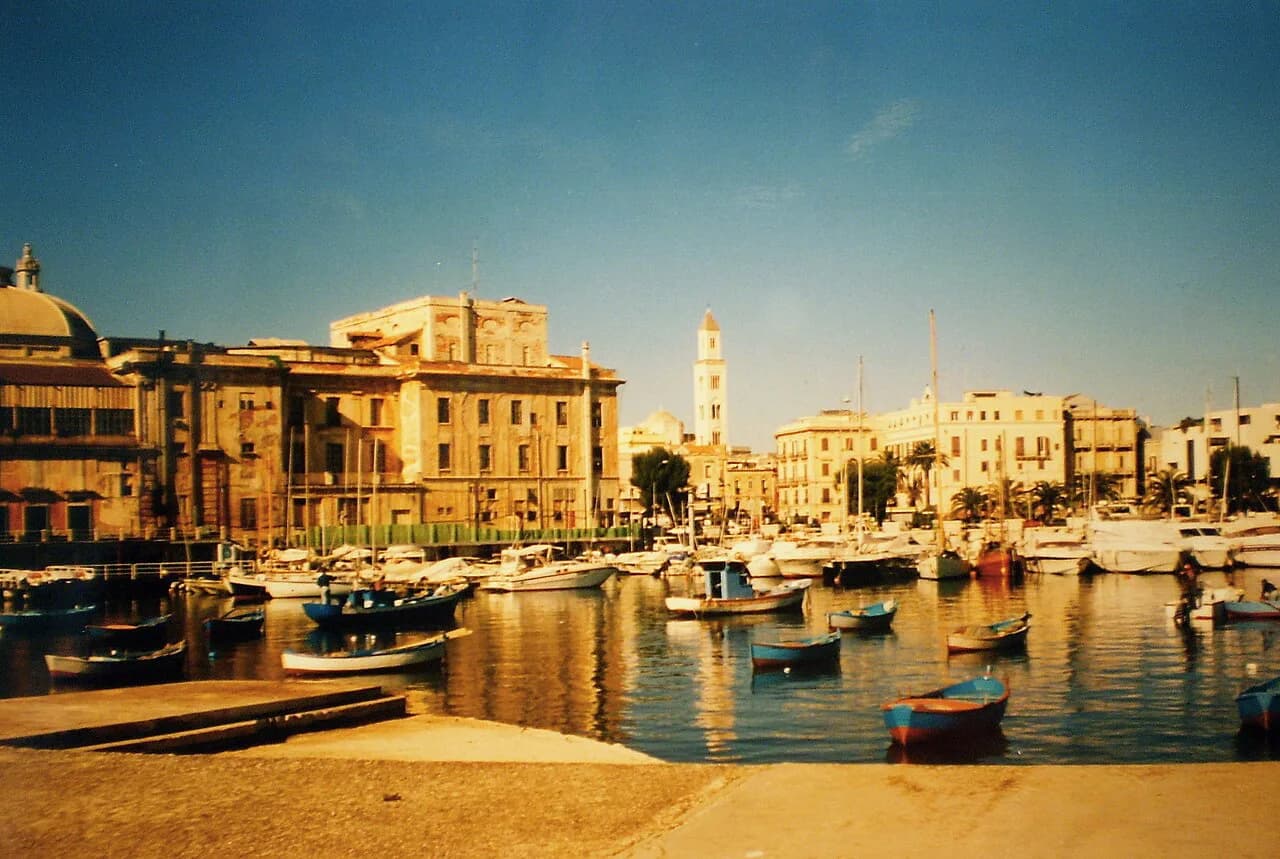
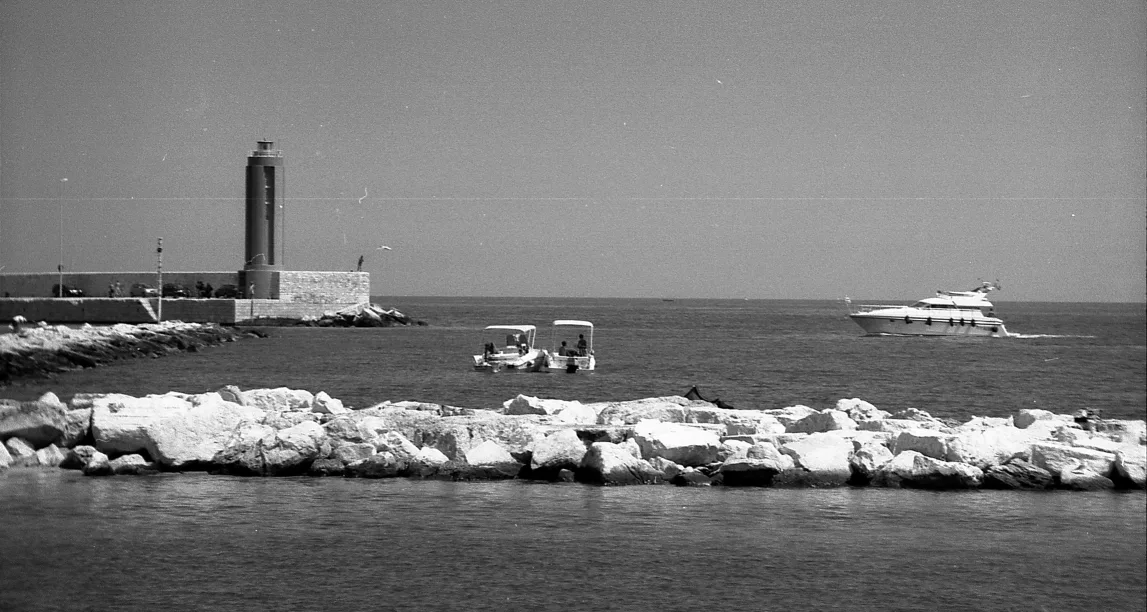
Cruise ships berth along Bari's waterfront, on the seaward edge of a city whose old town and main streets sit immediately behind the port area. That layout is the key fact for airport planning: once you reach the city, the berth is a short ride or a walkable stretch away rather than a separate excursion.
The airport lies inland from the city, and a private transfer covering the run reports 16 km and roughly 22 minutes of driving. Treat that as the driving benchmark on a clear road, and add time for airport exit traffic and the final approach to the berth on a busy turnaround morning.
Because the port hugs the centre, a transfer does not end at a remote industrial gate with a long shuttle ahead. Where your ship actually ties up along the waterfront is worth knowing when you book a car, since the drop-off point changes with the berth assignment.
Private transfer and taxi from Bari Airport
A pre-booked private transfer is the least effortful option with cruise luggage. uptransfers runs door-to-door service from the arrivals hall, meets passengers with a name sign, tracks flight delays and adjusts pickup times automatically, and includes 60 minutes of free waiting at the airport.
That structure suits anyone landing a few hours before all aboard who would rather not negotiate a taxi rank or drag cases through a station. The trade-off is paying a fixed premium for certainty; the published rates cover the whole vehicle, so a group splitting the fare feels the cost far less than a solo traveler.
If you prefer a metered taxi from the rank outside arrivals, the same short road distance applies, but the fare is set by the meter and traffic rather than by a published rate. Ask the driver to confirm the approximate fare to the cruise berth before you load bags, and keep small notes ready for the ride.
Airport transfer prices and what is included
The transfer operator publishes all-inclusive rates from Bari Airport to the cruise port: 100 EUR for a private taxi carrying one to three passengers, 144 EUR for an eight-seat minibus, and 288 EUR for a 16-seat minibus. Those figures are quoted per vehicle, so a family or group of friends travelling together divides them across the party.
The published price is described as fixed and all-inclusive, with no surge pricing and no hidden charges, and the booking includes flight monitoring and the airport meet-and-greet. Book no later than 24 hours before your scheduled arrival, since the service asks for that lead time on both the outbound and return legs.
For the return leg to the airport on turnaround day, uptransfers recommends adding 15 to 20 minutes to the journey time to protect against missing your flight. That advice is worth taking literally when you book a pickup time against a morning departure.
The train option from the airport into Bari
Bari's airport is linked to the city by rail, a route that puts you into the centre without a road transfer and at a fraction of the private-car cost. The practical catch is the change of mode at the city end: you still have to cover the last stretch from the station area to the ship.
Rail works best for travelers with wheeled cases and light bags who are comfortable moving through a station and hailing a short taxi or walking the final section. It suits anyone arriving with time to spare and a ship sailing in the evening, and it suits return journeys where a taxi to the airport is not budgeted.
A general transport comparison covers the run in about 20 minutes by the fastest mode, over roughly 13 km of road. Use that as a sanity check on your plan rather than a timetable: platform-to-berth time with luggage is always longer than the fastest vehicle time.
Local buses and public transport into the city centre
City bus routes connect the airport with central Bari, and they are the cheapest way to close the gap, at the cost of stops, loading bags on and off, and standing room at peak times. For a same-day sailing with two suitcases each, that effort usually outweighs the saving.
If you take the bus, plan the final leg from the city centre to the berth in advance rather than improvising at the stop. The walk from the central streets down to the waterfront is straightforward, and the old town sits between the shopping streets and the port, which makes the last stretch pleasant without luggage.
Cruise passengers regularly ask on Bari forums whether the train or bus is easy with cruise luggage and how to arrange a private return transfer, which reflects the real trade-off: public transport is manageable, private transfer is effortless.
Covering the last stretch from town to the berth on foot
The walk from Bari's central streets to the waterfront berths is short and mostly flat, which is why so many passengers treat the port as part of the city rather than a separate transfer. With wheeled luggage it is manageable for one person; with several bags it becomes a slow, hot walk in summer.
If you arrive by train, a short taxi from the station area to the ship removes the only awkward segment, and it costs far less than a car all the way from the airport. Ask the driver for the cruise berth rather than a street address, since the ship's position along the waterfront determines the right gate.
Passengers who want to see something of the city before boarding can leave bags at their hotel and walk the old town first, then head down to the ship in the early afternoon. If you are staying overnight before the cruise, hotels near the port put the old town and the berth within easy reach on foot.
Journey times and building in a buffer
Driving time between the airport and the port is quoted at about 22 minutes over 16 km by private transfer, and around 20 minutes by the fastest available mode in a general comparison, so both sources point to a compact run. None of that accounts for collecting bags, waiting at a rank, or the walk to the ship.
Aim to be at the berth at least two hours before the published all-aboard time, and three hours if you are using public transport or landing on the day of sailing. That gives room for a delayed flight, a missed train connection, and the check-in queue at the terminal.
Note that all-aboard is earlier than the ship's departure time and is set by the cruise line, so build your buffer against that time rather than the sailing time printed on your itinerary. The private transfer operator's own advice to add 15 to 20 minutes on the airport side of a journey is a useful floor, not a ceiling.

Choosing between a taxi, train and ship-arranged transfer
Pick a private transfer if you are landing on sailing day, travelling with more than one large case, or moving as a group of three or more, since the per-vehicle rate spreads across the party. Pick the train or bus if you have a light bag, arrive the day before, and want the lowest cost into the city. The same per-vehicle versus public transport trade-off shapes the airport to cruise port decision at other Italian turnaround ports.
A ship-arranged transfer bundles the airport run with the cruise, so the cruise line works to the ship's schedule and you join a group coach rather than a private car. The trade-off is waiting for the coach to fill and less flexibility on departure time; independent travelers keep control but carry the risk themselves.
No transfer arrangement obliges a ship to wait for late arrivals, so the safest plan for a same-day flight is the option with the fewest moving parts. If your flight lands late in the day, a fixed-price private car removes the uncertainty that a train change or a full bus would add.
Returning from the cruise port to the airport
On turnaround day, the return leg reverses the arrival plan, and the timing pressure shifts to your flight rather than the ship. Pre-book the car for a pickup that leaves slack for disembarkation queues, baggage collection and the drive, and check current prices and pickup times with your transfer company before you sail.
The transfer operator asks for return bookings at least 24 hours before the scheduled pickup, and advises adding 15 to 20 minutes to the drive time when planning a flight. Passengers taking the train back should allow extra time to reach the station with luggage before the airport service.
Plan Your Arrival Day
Bari is one of the easier Italian turnaround ports because the airport and the berths are close, which means the decision comes down to luggage and risk appetite rather than distance. A fixed-price private transfer removes the moving parts for a same-day sailing, while the train and bus keep costs down for travelers with time and light bags.
Whatever you choose, book against the all-aboard time rather than the sailing time, and leave a two-hour floor at the berth with more for public transport. Confirm your ship's assigned berth with the cruise line before fixing a drop-off point, then let the short drive do the rest.
Frequently Asked Questions
How far is Bari Airport from the cruise port?
The drive is short. A private transfer covering the airport-to-port run reports 16 km and roughly 22 minutes, while a general transport comparison puts the fastest mode at around 20 minutes over about 13 km of road. Bag collection, rank queues and the final approach to the berth add real time to either figure, so plan the arrival around the clock, not the odometer.
How long does the transfer from Bari Airport to the cruise terminal take?
Allow roughly half an hour of driving on a clear road, based on the published 22-minute private transfer time over 16 km. On a turnaround morning, airport exit traffic and the approach to the waterfront berth push that upward, so treat 45 minutes door to door as a working figure with luggage and check-in.
Is there a shuttle from Bari Airport to the cruise port?
There is no dedicated airport-to-berth shuttle described in the published transfer information. Your realistic choices are a pre-booked private car from the arrivals hall, a metered taxi from the airport rank, or the airport rail link into the city followed by a short taxi or walk to the ship. Cruise lines sometimes bundle coach transfers with a sailing, and customer service can say whether one runs on your date.
Is the train from Bari Airport to the port easy with luggage?
The rail link puts you into central Bari without a road transfer, and the berths sit on the waterfront just below the old town, so the last stretch is short. The friction is the change of mode: you handle bags through the station and then need a taxi or a walk to the correct gate. It suits travelers with wheeled cases and time to spare, not a tight same-day connection.
How much does a taxi from Bari Airport to the cruise port cost?
A metered taxi from the airport rank is priced by the meter and traffic, so the fare is agreed at the rank rather than published in advance. The transfer operator publishes its pre-booked private rates per vehicle on its own price list, split by party size, so the fare for a group falls as the vehicle fills. Rates change, so read the operator's published price list for your vehicle type and travel date before booking.
How much buffer should I leave before all aboard?
Be at the berth at least two hours before all-aboard, and three hours if you are arriving by public transport or landing on sailing day. All-aboard is earlier than departure and is set by the cruise line, so build the buffer against that time. On the return leg, the transfer operator advises adding 15 to 20 minutes to the drive when you are catching a flight.
Sources
Port-day notes for your next cruise
Optional updates to our port guides.
You might also like

Continue reading
More guides you'll find useful