Kotor Cruise Port: Where Ships Dock and How to Plan the Day
Ships berth in Kotor's bay near the Sea Gate into the walled old town. Plan the fort climb, bay boat trips and a safe all-aboard buffer.
On this page
Kotor delivers a rare combination in the Adriatic: a medieval walled town pressed against the water, mountain walls rising straight behind it, and a bay that ships enter through narrow channels. For a first call it suits passengers who want to step off and be inside the old town within minutes, with the option of a serious climb or a boat trip if the schedule allows. The best days here are decided by call length and by how much climbing you want to trade for sightseeing.
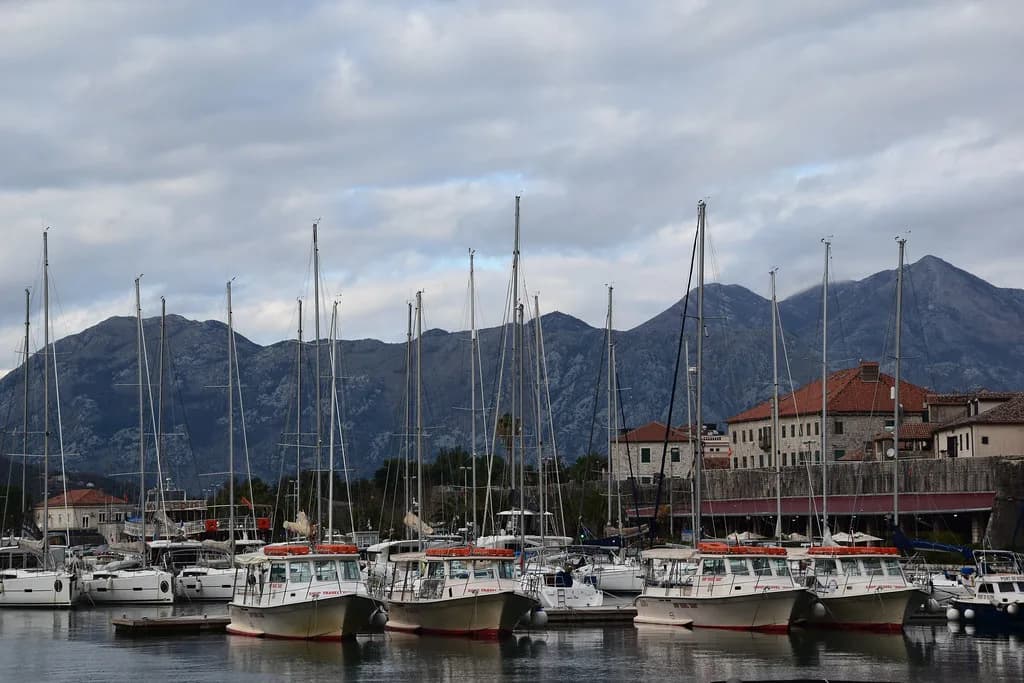
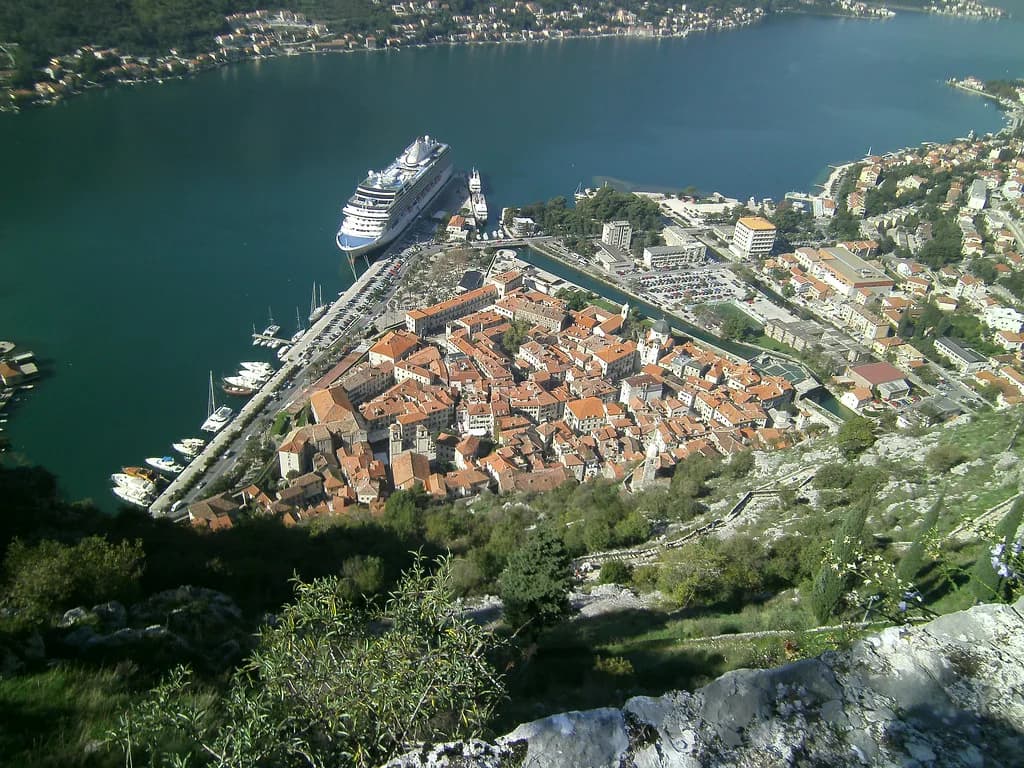
Cruise ships call in the sheltered Bay of Kotor and passengers come ashore by the old town, whose Sea Gate is the main entrance from the water side. That geography makes Kotor one of the simplest port days to plan: the town is your landmark, not a distant bus ride.
Where ships dock in Kotor
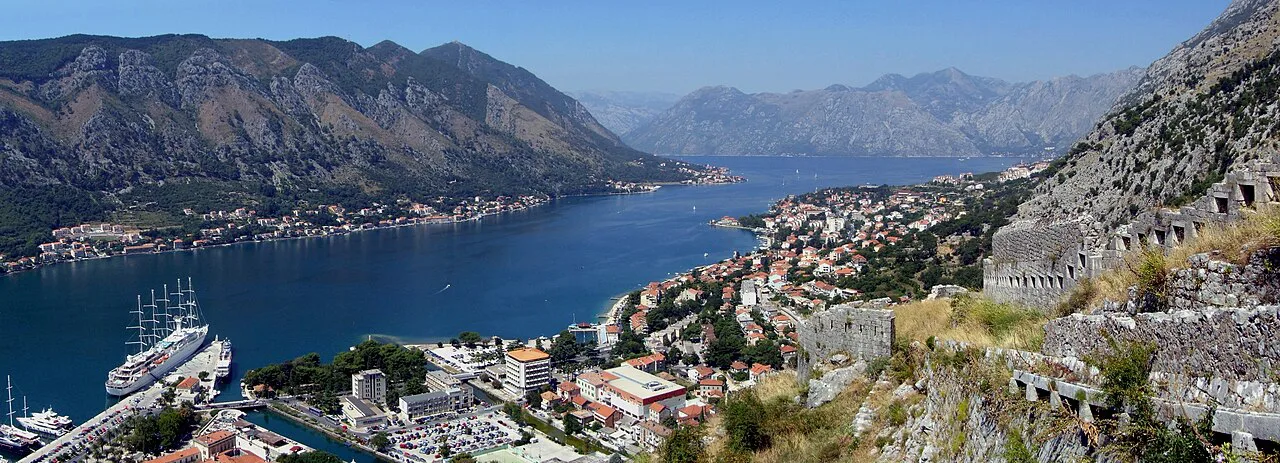
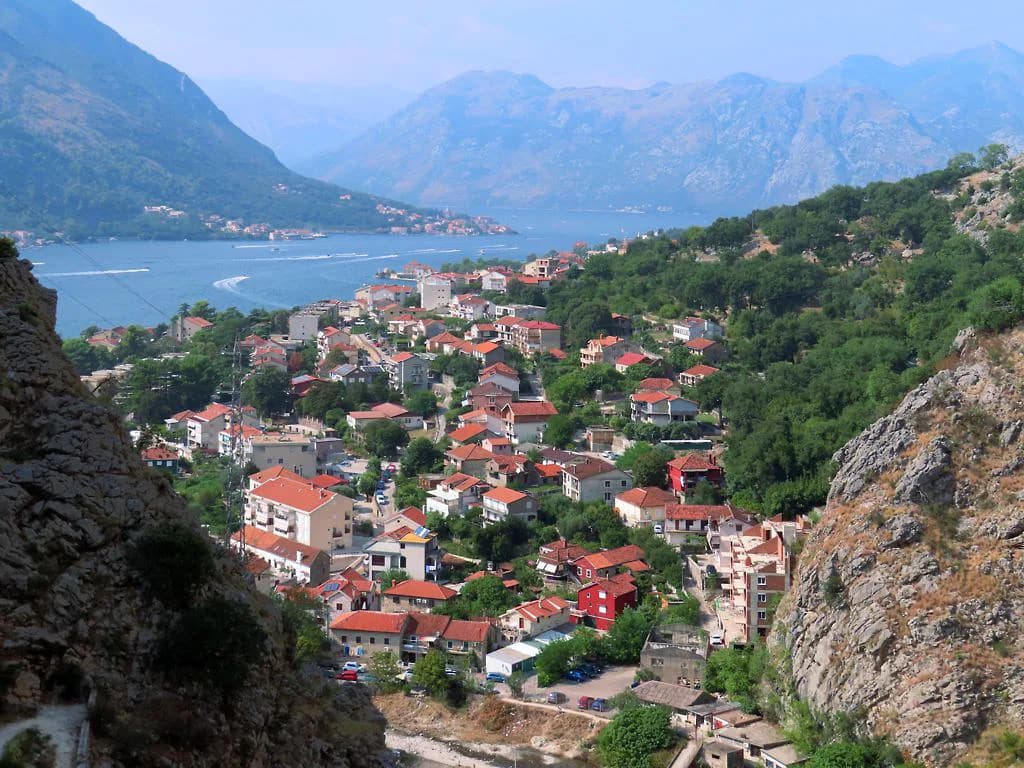
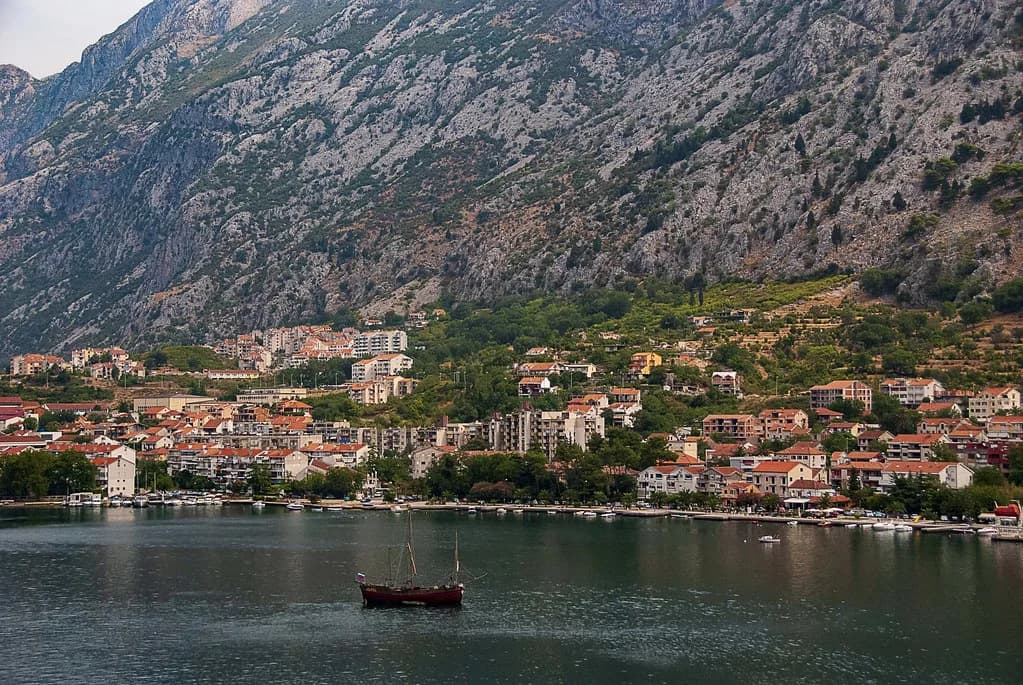
Kotor sits at the end of the Boka Kotorska bay, a fjord-like inlet below Mount Lovcen, and the old town is wrapped in a 4.5 km circuit of walls that rise from the shoreline to roughly 250 m. Visiting ships anchor in this protected harbor rather than at a purpose-built cruise terminal, which is why the arrival view of the walls and mountains is part of the day.
The Sea Gate on the western side is the main entrance into the town, framed by massive stone blocks and pillars, with the Clock Tower standing in the square just opposite. In effect, the berth-to-sightseeing transfer is a short walk through one historic gate rather than a coach transfer. Know that the paved waterfront and cobbled lanes inside the walls demand sensible shoes.
Some itineraries in the region use Tivat on the Bay of Kotor as an alternative call, from which Kotor's old town and Porto Montenegro are excursion targets rather than a walk from the ship. Read your itinerary carefully so you plan for the right town and the right transfer. If your sailing instead calls further up the Dalmatian coast, the Split cruise port guide explains a similar berth-to-old-town setup.
Getting into town from the berth
Kotor's old town has three gates: the Sea Gate on the western, water-facing side; the Northern Gate, also called the River Gate, which commemorates a victory over the Turkish admiral Barbarossa; and the Gurdic Gate to the south, once reached over a drawbridge. For cruise passengers the Sea Gate is the natural entry and exit point for the day, which keeps orientation simple if you remember one name.
Once through the Sea Gate you are in the heart of the town, with the Clock Tower square immediately in front of you and the Cathedral of Saint Tryphon a short walk deeper in. Because the town is compact and pedestrian, you can cover the main streets on foot without a shuttle, bus or taxi on the Kotor side of the water; plan your return by the same gate.
How long you need
A six-hour call comfortably covers the old town on foot: the Clock Tower square, St. Tryphon Cathedral, St. Luke's Church and the Maritime Museum, with time for a coffee inside the walls. Treat the fort climb as the decision point, because a wall ascent eats the hours you would otherwise spend on the town and the waterfront.
An eight-hour call gives you room for the old town plus one bigger add-on, such as the climb or a short boat trip on the bay. A ten-hour call is the point at which a longer excursion, to Budva, Jaz Beach or the Lustica Peninsula, stops feeling rushed and starts to make sense. In every case, work backwards from your ship's published all-aboard time, which is set by the cruise line.
The old town on foot
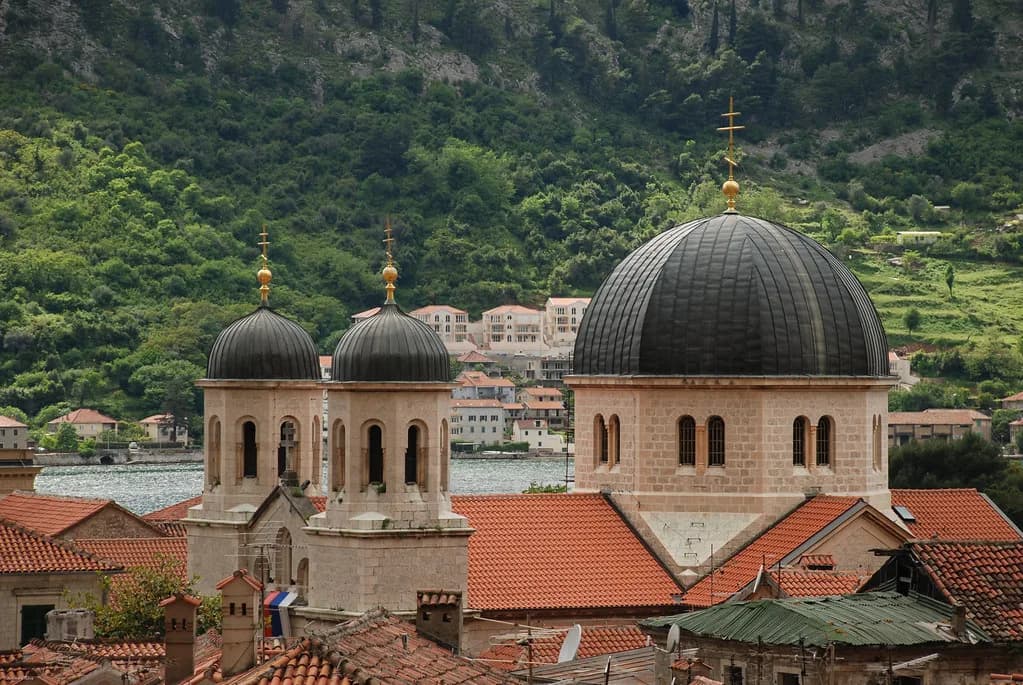
Inside the walls, the Clock Tower, built in 1602 and left leaning toward the sea by earthquakes, anchors the main square just opposite the Sea Gate, making it a natural meeting point. From there the lanes lead to the Cathedral of Saint Tryphon, begun in the mid-1100s and described as one of the oldest churches in Europe. Allow a couple of unhurried hours to walk the core without rushing.
The Church of Saint Luke, completed in the late 1100s in Roman and Byzantine style, is the one building in town that came through the 1979 earthquake without significant damage. The Maritime Museum holds the seafaring collections, ship models, charts and navigational instruments that explain why this harbor mattered for centuries. Pair the two for a compact history circuit that stays inside the walls.
The town fountain, built in the 17th century just left of the Maritime Museum, was the townsfolk's only drinking water source until the 20th century and carries a dragon-head spout. The Drago Palace, with its Gothic detail and dragon motifs, rounds out the architecture without adding distance. Walking the whole old town is the lowest-risk option on any call length because the ship is always within sight of the rooftops.
Climbing the town walls to the Fortress of Saint John
The climb to the Fortress of Saint John, about 280 m above sea level, follows roughly 1,350 steps up the fortifications, with rest spots on the way. The Church of Our Lady of Remedy, dating to 1518, sits about halfway and gives you a natural turnaround point if the heat or the clock is against you. Go early in the call, carry water and wear shoes with grip.
One cruise line describes the trek to St. Ivan's Castle at the top as a roughly 90-minute round trip, which is a fair planning figure for fit walkers who keep moving. Anyone with knee problems, a fear of heights or a short call should skip the summit and take the town instead. The trade-off is real: the view over the bay is the reward, and the old town sights are what you give up.
Bay of Kotor on the water
Boat trips and kayaking expeditions run out onto the Bay of Kotor, and the man-made island of Our Lady of the Rocks, with its church and museum, is the classic destination on the water. The setting is the point: steep mountains dropping into sheltered water, seen from below rather than from the walls. A half-day on the water fits an eight-hour call comfortably if you keep the trip short.
Kayaking suits passengers who want activity close to the town, while boat trips cover more of the bay in less time. Either way, pick the shortest version that reaches what you want to see and leave the rest of the call for the old town. Book through your cruise line or a local operator at the waterfront, and keep your return time well inside the all-aboard margin.
Beyond Kotor: longer-call options
With a long call, the Lustica Peninsula, with the Blue Grotto cave, and Budva, one of the oldest settlements on the Adriatic coast, are the standout trips beyond the bay. Jaz Beach is the alternative for a slower, swimming-focused day. These are road or boat excursions measured in hours each way, so they only work when your port time is generous.
An excursion to a family-run farm, with olive oil production and a tasting of prosciutto, cheese and wine, is a good middle-distance option for passengers who want Montenegro beyond the walls without a long coach ride. Match the trip to your call: the further you go, the less of Kotor itself you see, and the old town is the reason most ships stop here.
Ship tour vs. independent day
Kotor is unusually kind to independent travelers because the old town begins at the berth, so a guided walk adds context rather than solving a transport problem. A ship tour buys organization and a guaranteed departure time; a local operator or self-guided day buys flexibility and a lower cost, at the price of managing your own return. Weigh the fort climb and any boat trip on that basis.
If your plan stays within the walls and the waterfront, going independently is low-risk as long as you keep to the clock. If it involves a coach to Budva or a boat out on the bay, the return journey becomes the variable. No operator or cruise line guarantees the ship will wait for independent travelers, so treat every minute past all-aboard as your own responsibility.
Return-time buffer and all-aboard planning
The all-aboard time is set by your cruise line and is always earlier than the published departure, so note it before you leave the ship. For a day inside Kotor's walls, a 45-minute buffer is enough to walk back through the Sea Gate and be at the gangway; for a coach or boat excursion, build in an hour or more for the return leg.
Kotor's popularity shows in the schedule, with several ships calling on the same day in peak season and passenger counts that can put thousands of people into the old town at once. Check the published arrival and departure times against your plan, then start the fort climb or boat trip early and keep the last hour for the town.
Plan Your Kotor Port Day
Decide before you leave the ship: the old town only, the old town plus the fort, or a boat trip on the bay. Each fits a different call length, and only the first is safe on a short stop. The Sea Gate is your anchor point for the day, so learn its position from the Clock Tower square and use it for your return.
Weather is the other variable: summer heat makes the wall climb harder than the step count suggests, so start early and carry water. Seat your return plan around your ship's all-aboard time and you will have a day that fits Kotor's scale rather than fighting it.
Explore more Kotor cruise port guides
Frequently Asked Questions
Can you walk from the Kotor cruise berth to the old town?
Yes, in practice. Ships call in the shelter of the Bay of Kotor at the foot of the walled town, and the Sea Gate on the western side is the main entrance from the water. From the gangway it is a short walk through that gate into the Clock Tower square, so no shuttle, bus or taxi is needed for the old town itself. Passengers on itineraries that use Tivat instead should plan a road or boat transfer to reach Kotor.
Is Kotor a tender port?
Ships call in the protected harbor of the Bay of Kotor, and the old town's Sea Gate is described as the entrance from the sea side, which makes for a short step ashore rather than a long transfer. Whether your particular ship berths alongside or tenders is decided for each call, so look at the arrival instructions in your cruise line's daily programme the evening before.
How long does the climb to the Fortress of Saint John take?
The route up the town walls to the fortress, roughly 280 m above sea level, runs about 1,350 steps with places to rest, and the Church of Our Lady of Remedy sits about halfway as a natural turnaround. One cruise line budgets a roughly 90-minute round trip to St. Ivan's Castle at the top for walkers who keep moving. Add time for heat, photos and crowds, and skip the summit if you have knee trouble or a short call.
How many hours do you need in Kotor?
Six hours is enough for the old town on foot, including the Clock Tower square, St. Tryphon Cathedral, St. Luke's Church and the Maritime Museum. Eight hours lets you add either the wall climb or a short boat trip on the bay. Ten hours is the length that makes Budva, Jaz Beach or the Lustica Peninsula realistic without rushing, all measured against your ship's all-aboard time.
Should you book a ship tour in Kotor or explore independently?
The old town starts at the berth, so independent exploring works well if you stay inside the walls and waterfront and keep to the clock. A ship tour or a local operator makes more sense for anything on the water or beyond the bay, where the return leg is the variable. No operator guarantees the ship will wait for independent travelers, so build your own margin.
Sources
Port-day notes for your next cruise
Optional updates to our port guides.
You might also like
Continue reading
More guides you'll find useful