Naples Cruise Port Guide: Dock or Walk Into Town?
Naples cruise ships dock in the heart of downtown, with sidewalks leading into the historic center. Plan your call around walking time, Pompeii and Sorrento.
On this page
Naples is one of the few Mediterranean calls where the ship berths essentially downtown, so the city's churches, markets and pizza come with no transfer at all. That makes it a strong port for passengers who want a low-stress day ashore and an equally good base for full-day trips south to Pompeii and the Amalfi Coast. The trade-off is simple: every hour spent on a bus to the ruins is an hour not spent in Naples itself.
Decide before you leave the ship whether this is a city day or an archaeology day. A six-hour call realistically covers one of them, an eight-hour call covers one comfortably, and a ten-hour call is the point at which Pompeii plus a short city walk becomes plausible. Use the sections below to match the plan to your actual all-aboard time.
What a Naples port day offers and who it suits
The city itself is the underrated option. Passengers who stay in Naples get the historic center, the waterfront promenade and some of Italy's best street food within a walk of the gangway, with no dependence on traffic on the ring roads. This suits anyone traveling with limited mobility, families with young children, or anyone who has already done the big archaeological sites on a previous trip.
Pompeii and the Amalfi Coast are the headline excursions, and they justify the port's reputation. Both are south of the city and both consume the better part of a day once you count transfer time, entry and walking, so they suit passengers with a long call and a tolerance for an early start. Passengers on a short call who want ruins should weigh the time cost carefully before committing to excursions.
Where ships dock
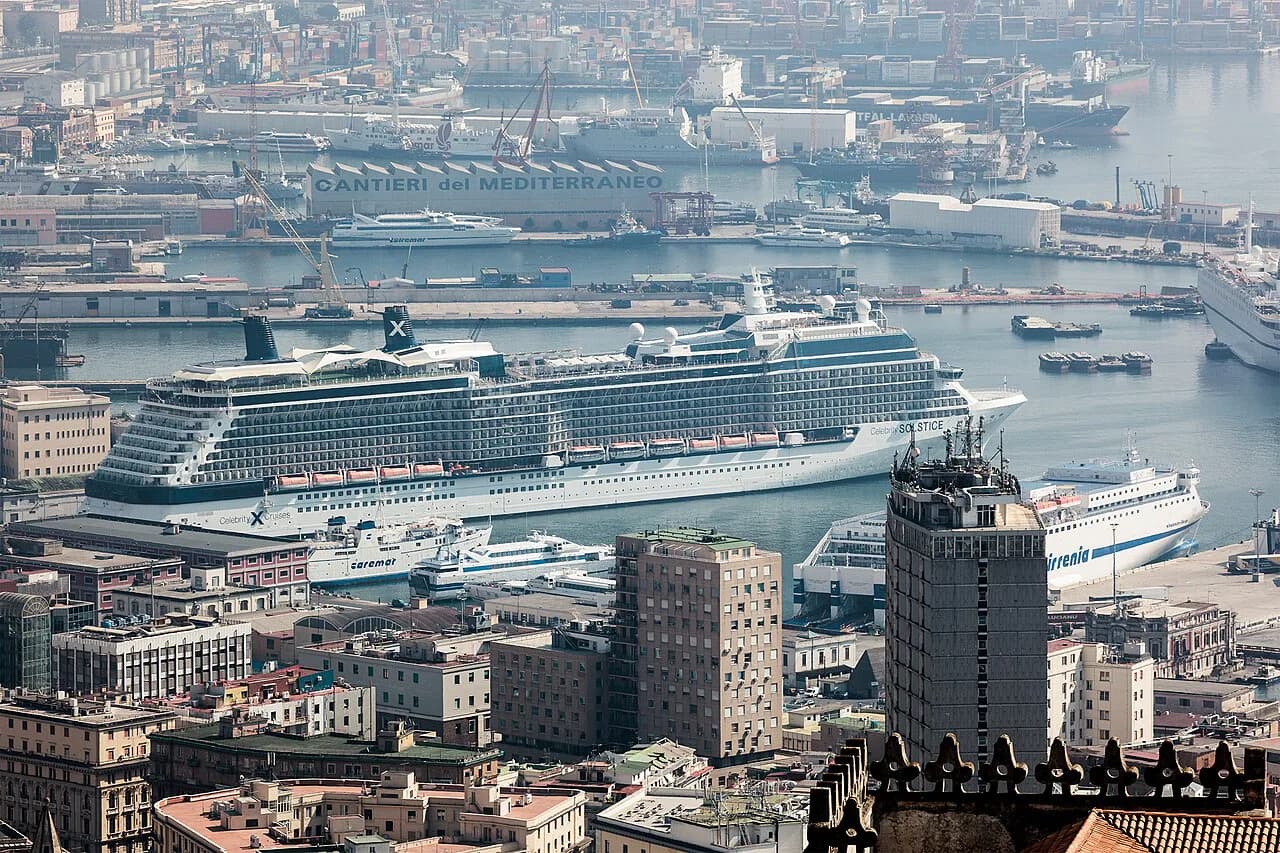
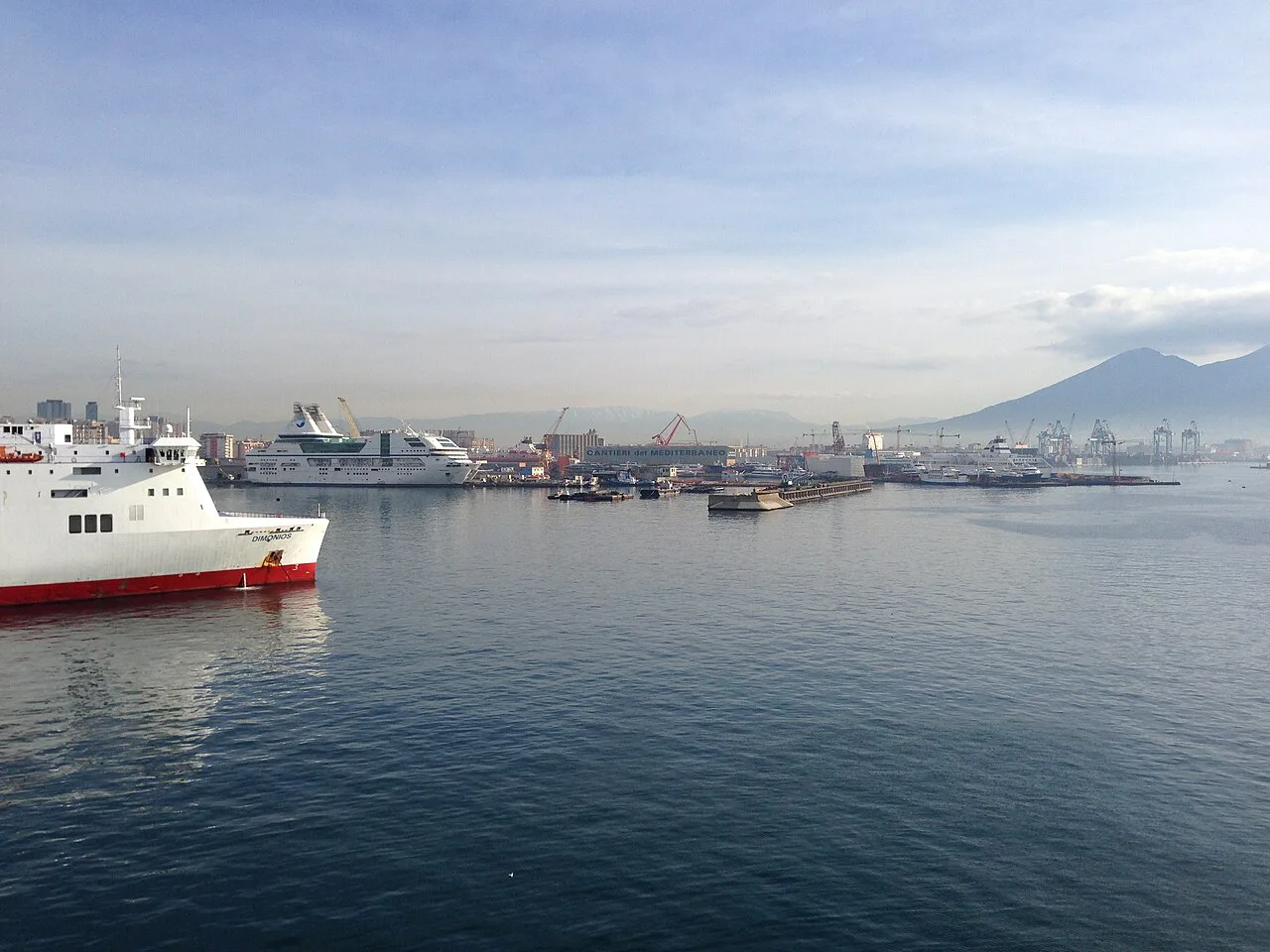
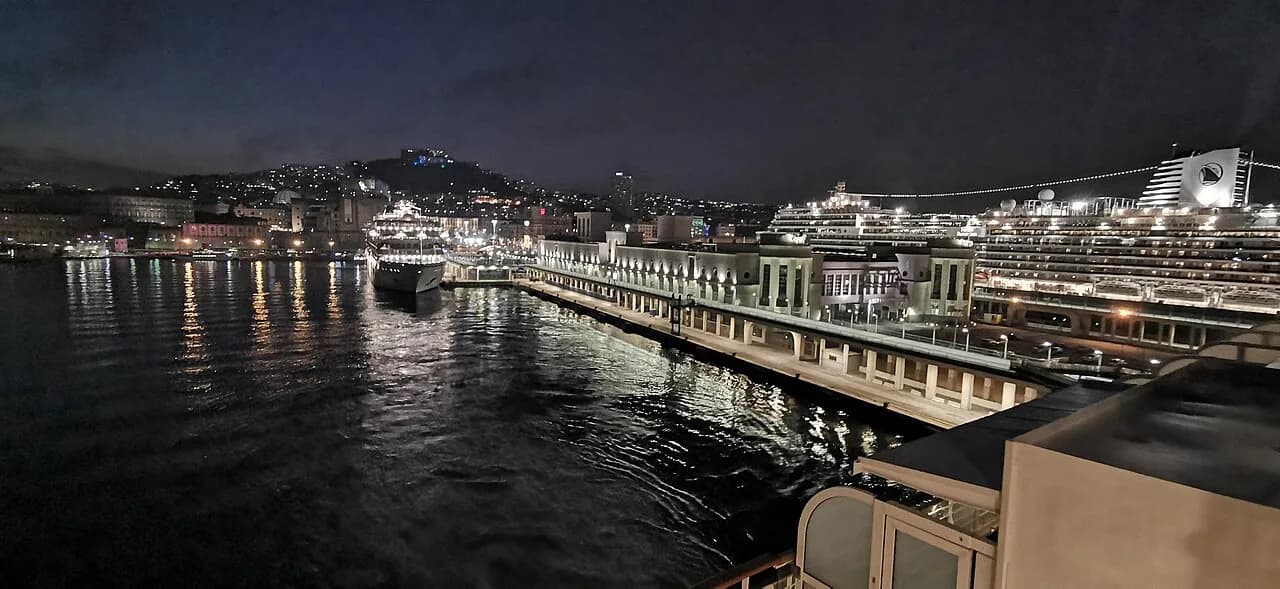
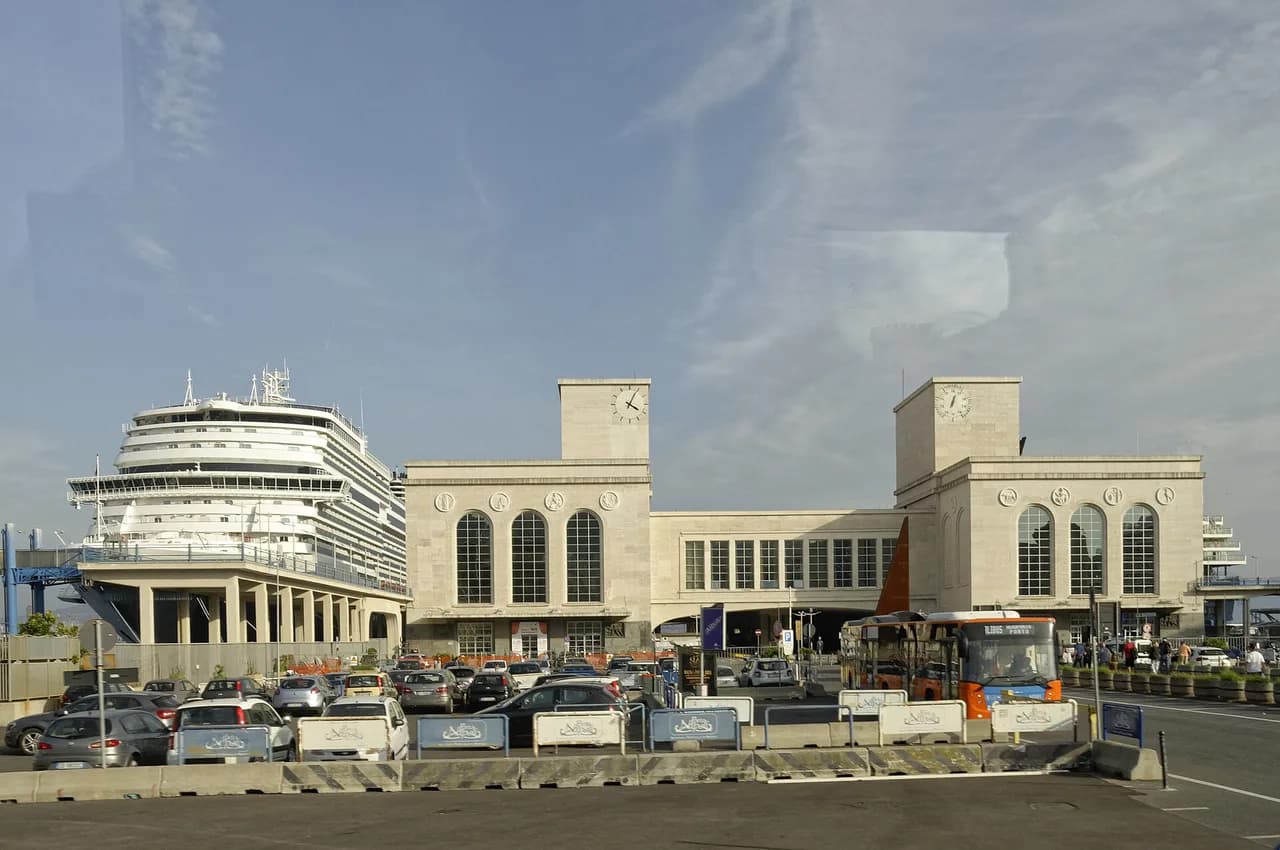
Cruise ships tie up in the port area immediately east of the city's central waterfront, and passengers step off with the historic center ahead of them rather than across a harbor. The practical consequence is that you do not need a shuttle to reach the city: the walk from the berths into the grid of downtown streets is short and on sidewalks. The port for cruise ships is right in the heart of downtown Naples, complete with plenty of sidewalks to walk on.
Naples operates as a port of call for MSC, Viking Ocean Cruises and Princess for much of the year, and MSC also runs a limited number of departures from the city, so the terminal can be busy with both turnaround and transit passengers on the same morning. If your call coincides with a turnaround day, expect more traffic at the terminal entrance and allow extra time to get through it.
Getting into town on foot
The default route into the city is on foot, and it is one of the easiest arrivals in the Mediterranean. From the terminal area you head west along the waterfront toward the Castel Nuovo and the Piazza del Plebiscito axis, or turn inland toward the older streets. Sidewalks are continuous, crossings are marked, and the distance is measured in minutes rather than kilometers.
Traffic is the variable. Neapolitan drivers are assertive and scooters filter through gaps, so cross at marked crossings and keep the group together when moving between the port and the centro storico. If anyone in your party finds busy streets difficult, a short taxi hop to the edge of the historic center removes the road crossings entirely.
How far the key sights are from the berth
Treat the waterfront and the historic center as walkable from the ship and everything beyond as a transport decision. The royal palace, the castle and the main shopping streets sit within a comfortable walk, while Spaccanapoli and the cathedral quarter are a slightly longer but still flat stroll inland. Because the berths are downtown, you can plan a loop on foot and return to the ship without ever buying a ticket.
For anything outside that core — the archaeological museum uphill, the funicular to the Vomero hill, or the ruins to the south — build in transport time. The city is dense and the roads are slow, so a destination that looks close on a map can take considerably longer than expected by taxi or bus. Plan on fewer stops than you think you can manage, and keep one anchor sight plus time to eat.
What fits in a 6-, 8- or 10-hour call
On a six-hour call, stay in the city. That is enough for the waterfront, a walk through the historic center, a coffee and a pizza, and a return to the ship with time to spare. Trying to add Pompeii to a call that short leaves no margin for the return journey.
An eight-hour call supports one substantial out-of-town trip or a thorough city day with a museum, and ten hours is where Pompeii plus a brief city wander becomes realistic. Remember that all-aboard is earlier than departure, and the drive back from the south can slow in traffic. Our guide to the naples port to pompeii run breaks down the transfer options and what they cost you in time.
Naples on foot: the historic center and the waterfront
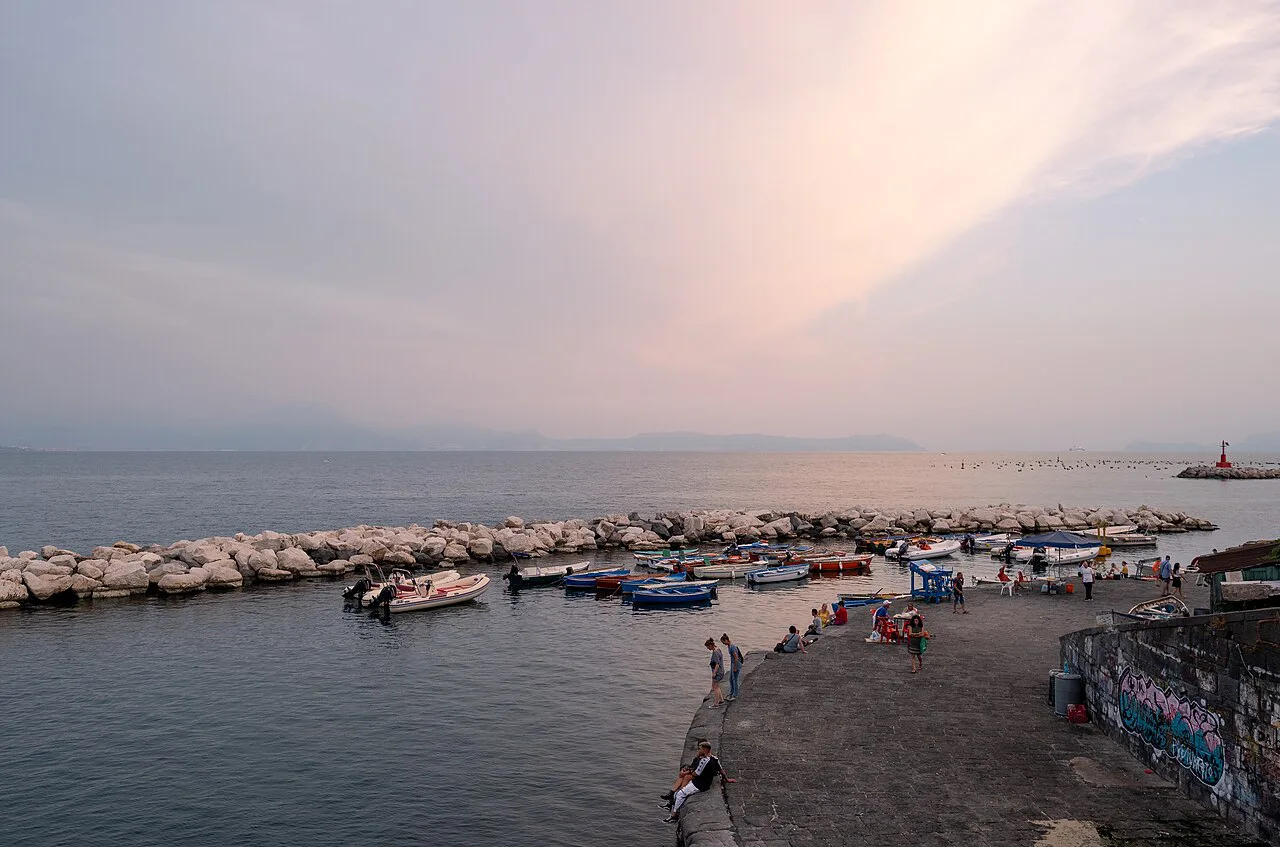
Start at the waterfront and walk inland through the straight, narrow streets of the centro storico, where Spaccanapoli cuts a long line through the old city. Along the way you pass churches, craft workshops and food stalls, and the whole district is a UNESCO-listed area that rewards slow wandering rather than a checklist. The scale is compact enough that a two- or three-hour walk covers a lot.
Reserve time to eat properly rather than grabbing a sandwich at the terminal. Naples is the home of pizza and the fried street snacks sold from small counters, and a seated lunch is part of the day rather than a delay. Keep the meal inside the city center so you can walk back to the ship afterward, and leave the last hour free for the return.
Pompeii from the cruise port
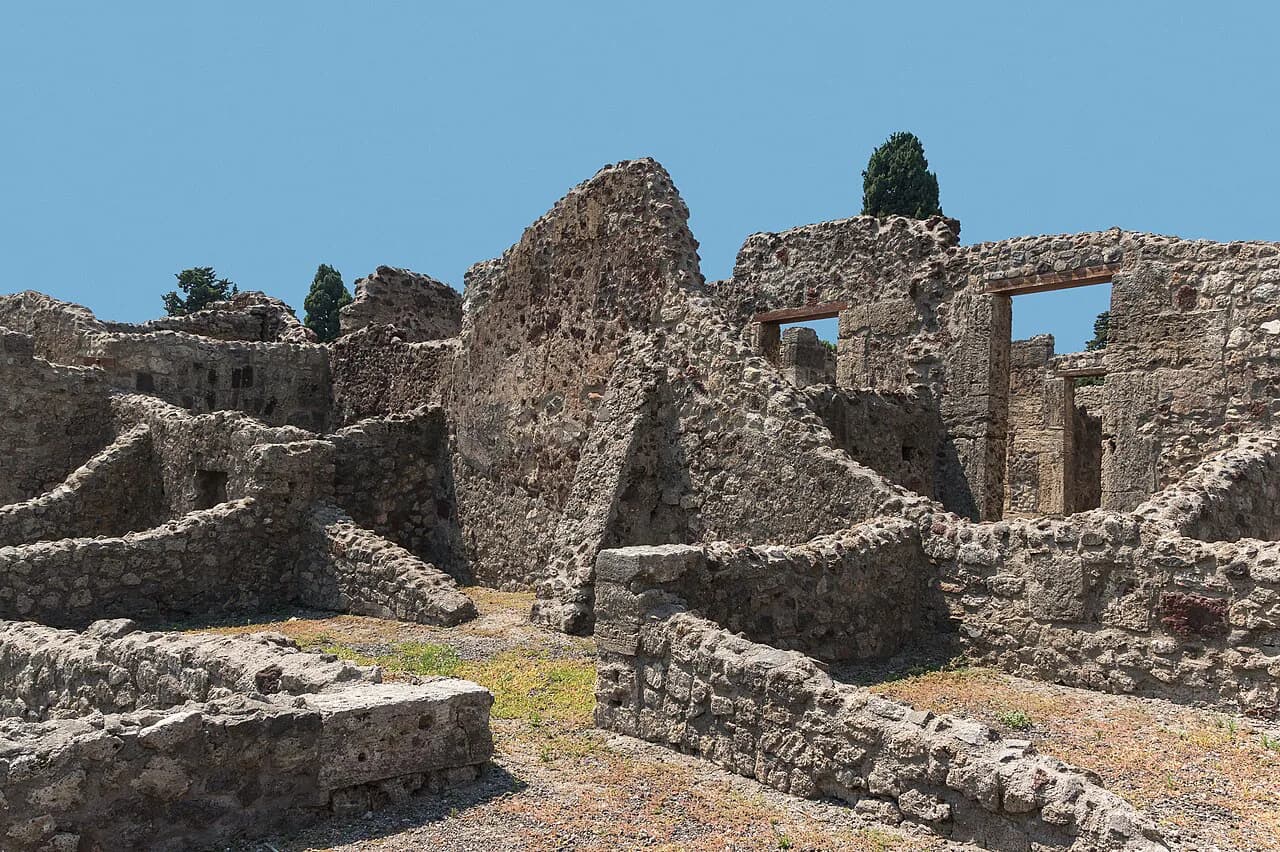
Pompeii is the single most popular thing to do from Naples, and it requires planning rather than improvisation. The site is large, the walking is exposed to sun, and the entrance is a fair distance from the actual streets of the ancient city, so even a direct transfer gives you a limited window. Passengers who book the ship's tour get the transfer and entry handled but move at group pace.
Independent travelers should decide in advance how much of the site they intend to see and accept that a port call covers only part of it. Rail from the city to the Pompeii area is the classic independent option, but it involves reaching the station from the port and matching train times to your all-aboard. Our guide to the port to pompeii covers the rail and road choices so you can pick a method that fits your call length.
Sorrento and the Amalfi Coast from Naples
Sorrento and the Amalfi Coast are full-day commitments, not add-ons. The coastal road is slow and congested in season, and the most scenic driving happens on the same roads that carry tour buses. A call of eight hours or more is the sensible minimum for Sorrento, and the Amalfi Coast proper usually needs the longest calls on the itinerary.
The compensation is scenery you cannot get in the city. If you take this option, accept that you will not see Naples at all, and choose a tour — ship or local operator — that keeps the driving time under control rather than one that tries to tick off four coastal towns. Details on the transfer and what the day involves are in our guide to naples port to sorrento.
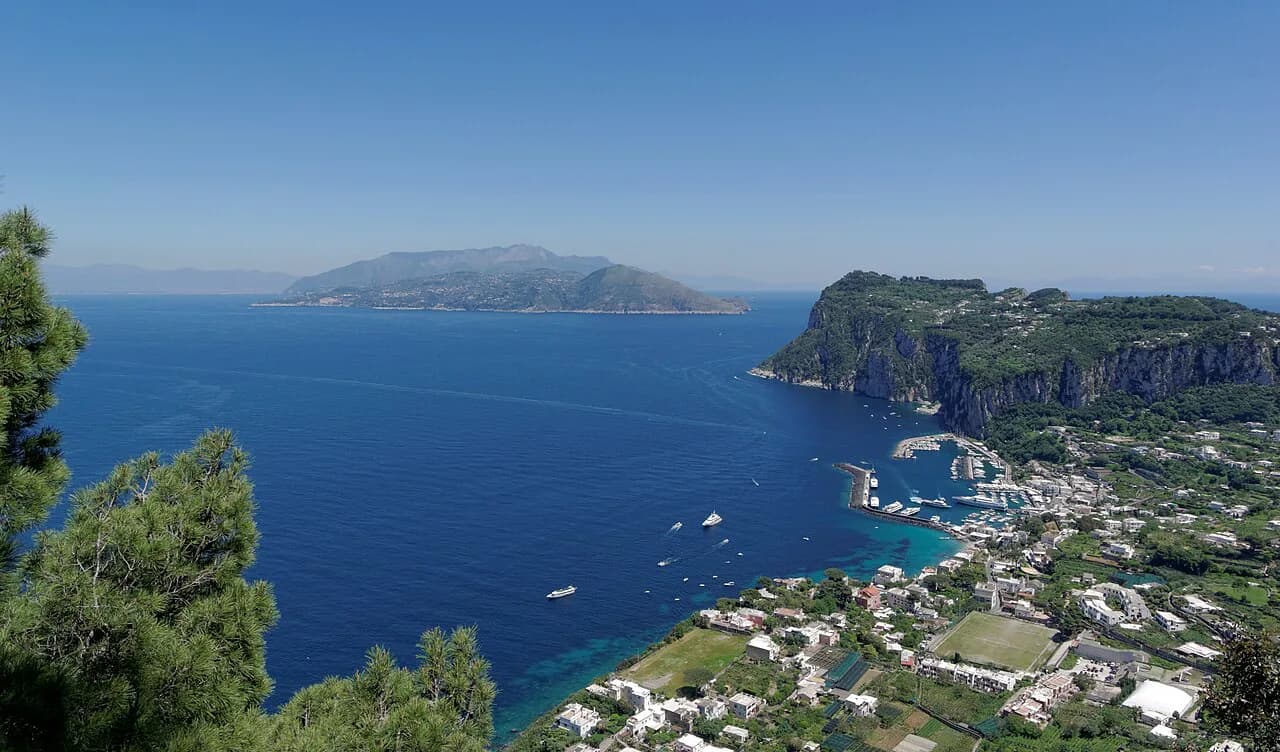
Capri is the other water-based alternative, reached by ferry from the city's harbor rather than by road. It suits a long call and a tolerance for boat timetables, since the ferries back to Naples run on their own schedule and not yours. Our page on capri from naples cruise port sets out how the day fits together.
The ship's tour versus going independently
Ship excursions win on risk. The line's shore-excursion team contracts the local provider, the departure point is usually at or near the terminal, and the tour is timed around all-aboard. That matters most for Pompeii and the coast, where road delays are common; a ship's tour does not guarantee the ship will wait, but it is the option the line coordinates with.
Independent travel wins on cost and flexibility. You set the pace, you can leave a site when you have had enough, and you can stop for lunch where you like. The price is that you own the return time, so pick transport you can rely on — published train and ferry schedules, or a licensed taxi you have arranged to collect you — and be at the ship well ahead of all-aboard.
Shuttle buses, taxis and public transport
Because the berths are downtown, a port shuttle is often unnecessary; walking is the normal way into the city from the terminal. Where a shuttle is running, use it for the return leg if the day has been long or the weather has turned. Taxis wait near the terminal and are the fastest way to reach the rail station or a specific sight outside the center.
Public transport in Naples is extensive but the useful pieces for a cruise call are limited: buses and metro for the uphill neighborhoods, and rail for Pompeii and Sorrento. Buy tickets from machines or authorized counters rather than from anyone approaching you, and validate them on boarding. Build the walk from the ship to the stop into your timing; transport does not start at the gangway. Check current prices and dates before you set out.
Return-time buffer for a Naples port day
Build slack in proportion to distance. For a city day on foot, an hour back at the ship before all-aboard is ample. For Pompeii, allow noticeably more, and for the Amalfi Coast or Capri, treat the last scheduled return as too late and aim for the one before it.
Traffic is the reason. The roads south of the city and the ring roads around it slow unpredictably, and a delayed tour bus does not speed up because your ship is waiting. Set a hard turnaround time when you leave the ship, tell your group what it is, and treat it as non-negotiable regardless of how the day is going.
Naples cruise port map: what to plot before you leave
Before you go ashore, plot the terminal, the Castel Nuovo, the historic center and whichever transport stop you intend to use. That short list is enough to orient you without a phone, and it makes the difference between a confident walk and a hesitant one at the terminal exit. If you are heading south, also plot the rail station or the pick-up point.
Plot the same sights on a broader Italy map if you are comparing calls on your itinerary. Passengers continuing down the coast often add stops at the bari cruise port or the catania cruise port, and knowing how each city's port sits relative to its center helps you decide where to spend the long day and where to stay local. For an overview of how port-day decisions play out across the region, our European Cruise Ports: A Practical Guide to Days Ashore sets out the same trade-offs for other calls.
The catania cruise port guide is a useful comparison for Sicily calls, where the port also sits close to the city center but the excursion geography is different. Use both to plan which Italian call gets your one big outing and which get a walking day.
Restaurants and food near the port for a short call
For a short call, eat within the historic center so the return is a walk rather than a ride. Look for the small pizza places and fried-food counters that serve quickly at lunch, and avoid anything with a view of the cruise terminal itself, where prices tend to reflect the foot traffic. Ask your server for the day's dish rather than ordering from a picture menu.
If you want a seated meal with more courses, start earlier than you think necessary. Neapolitan lunches run long, and a two-hour table is normal, which can swallow a short call. On a six-hour stop, pick either a proper lunch or a museum visit, not both.
Plan Your Visit
Naples works best when you choose one plan and commit to it. The city day needs no transfers at all, while Pompeii and the coast demand an early start, a return buffer and a willingness to skip the rest of Naples. Line up your all-aboard time, subtract the buffer, and let that number decide.
Get the practical details right before you sail: which berth your ship uses and the return times of any transport you intend to use. Your cruise line's shore-excursion desk and daily programme state the meeting points and all-aboard time for your call, and both are worth reading the night before.
Explore more Naples cruise port guides
- Excursions from Naples Cruise Port
- Naples Port to Pompeii
- Capri from the Naples Cruise Port
- Hotels Near the Naples Cruise Port
- Naples Airport to the Cruise Port
- Naples Cruise Port to Herculaneum
- Naples Cruise Port to the Amalfi Coast
- Naples Cruise Port to the City Centre
- Naples Port to Sorrento on a Cruise Call
- One Day in Naples From a Cruise Ship
Frequently Asked Questions
Where do cruise ships dock in Naples?
Ships berth in the downtown port area, directly against the city rather than across a harbor, so the historic center, the waterfront and the castle are reached on foot along continuous sidewalks. Your cruise line's daily programme names the exact berth and the gangway to use.
Can you walk from the Naples cruise port into town?
Yes. The berths sit in the heart of downtown and the walk into the grid of central streets is short and flat. Cross at marked crossings, keep your group together in traffic, and you will not need a shuttle or taxi for the historic center.
How long does a trip to Pompeii take from the cruise port?
Pompeii consumes most of a call once you count the transfer, entry and walking through a large exposed site. It suits an eight- to ten-hour call; on a six-hour call, stay in the city. Work backwards from all-aboard, keep a return buffer, and treat the site as a partial visit rather than a full one.
Is Sorrento or the Amalfi Coast possible on a port day?
Both are full-day commitments rather than add-ons, because the coastal road is slow and busy in season. An eight-hour call is the sensible minimum for Sorrento, and the Amalfi Coast needs the longer calls. Accept that a coast day means skipping Naples entirely.
Should you take the ship's tour or go independently?
Ship tours reduce risk because the operator is contracted to the line and the timing is built around all-aboard, though no tour guarantees the ship will wait. Independent travel is cheaper and more flexible, but you own the return time, so use reliable schedules and be back well before all-aboard.
Do you need a shuttle bus from the Naples cruise terminal?
Usually not, since walking into the city is the normal route from the berths. A shuttle is useful for the return leg after a long day. Taxis near the terminal are the quickest option for the rail station or a sight outside the center.
Sources
Port-day notes for your next cruise
Optional updates to our port guides.
You might also like

Continue reading
More guides you'll find useful