Barcelona Cruise Port Guide: Terminals, Transfers & Plans
Ships berth at Moll Adossat, about 2 km from the city center. Plan transfers, terminal logistics and realistic sightseeing for your Barcelona port call.
On this page
Barcelona hands cruise passengers a dense, walkable old city, a landmark skyline and a beach within a short ride of the quay, which makes it one of the Mediterranean's easiest port days to plan well. It suits first-time visitors who want the Gothic Quarter and La Rambla on foot, and repeat callers who would rather spend the hours on the Sagrada Familia or a tapas lunch than on logistics. Either way, the terminal layout decides your morning.
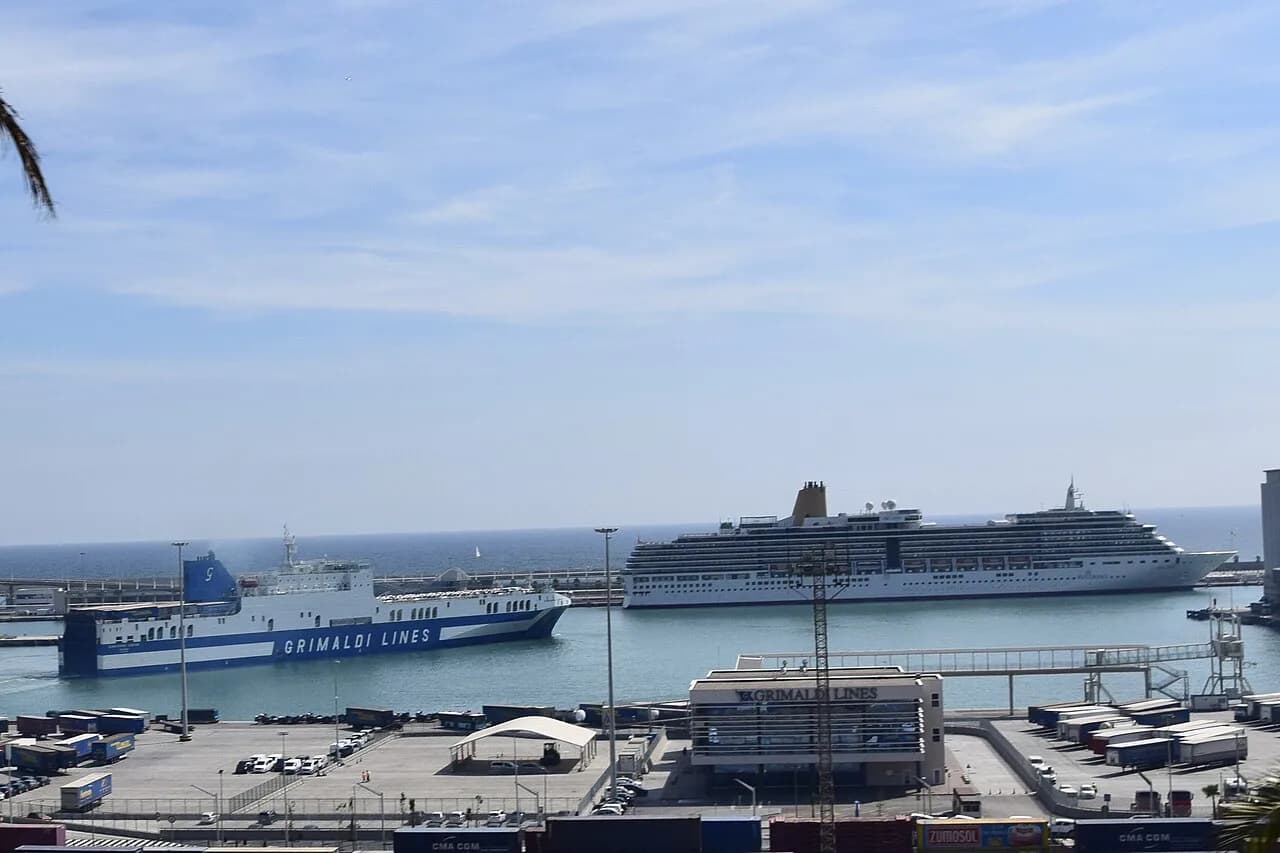
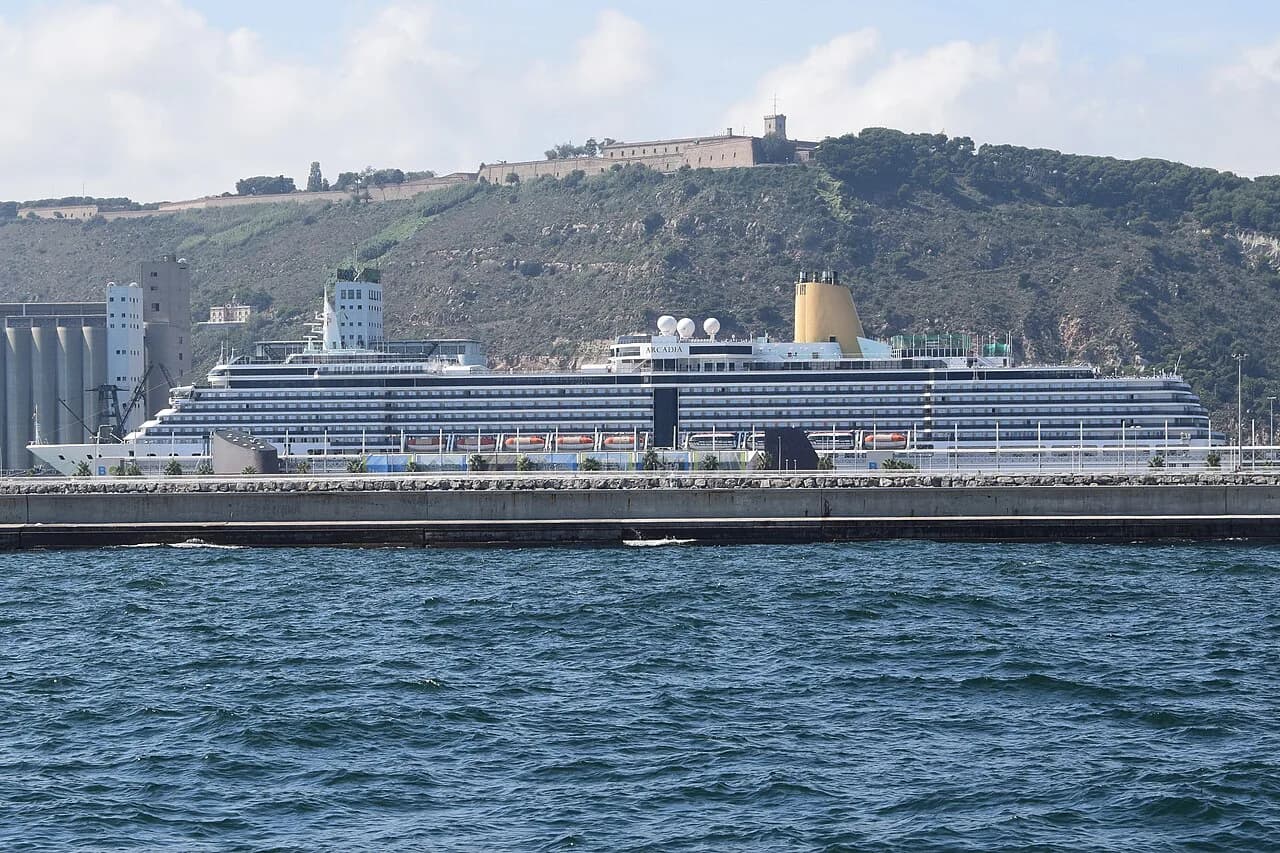
Cruise ships dock along Moll Adossat, the long quay southeast of the city center, though some berth at the World Trade Center closer to the foot of La Rambla. The distance from your berth to the sights, and the transfer you choose, set how much of the day is actually yours. The rest of this page works through berths, transfer options, airport arrivals, parking and realistic time budgets.
Where ships dock
Most large cruise ships berth along Moll Adossat, the quay that carries the Adossat Terminal addressed as Moll Adossat 1, 08039 Barcelona. Royal Caribbean lists this as its Barcelona terminal, so passengers on that line should treat the Adossat quay as the starting point for every plan.
A second berth area sits at the World Trade Center, about 2 km from the Moll Adossat Terminal. That puts the WTC berth meaningfully closer to the foot of La Rambla, so a ship assigned there enjoys a shorter walk or ride into the old city.
Your cruise line's app or pre-cruise documents name the berth, and the pattern is simple to read: Adossat means a transfer into town, WTC means you can walk. For the full set of quays and how they link to the city, use the Barcelona Cruise Ship Port guide.
Distance from the berths to the city center
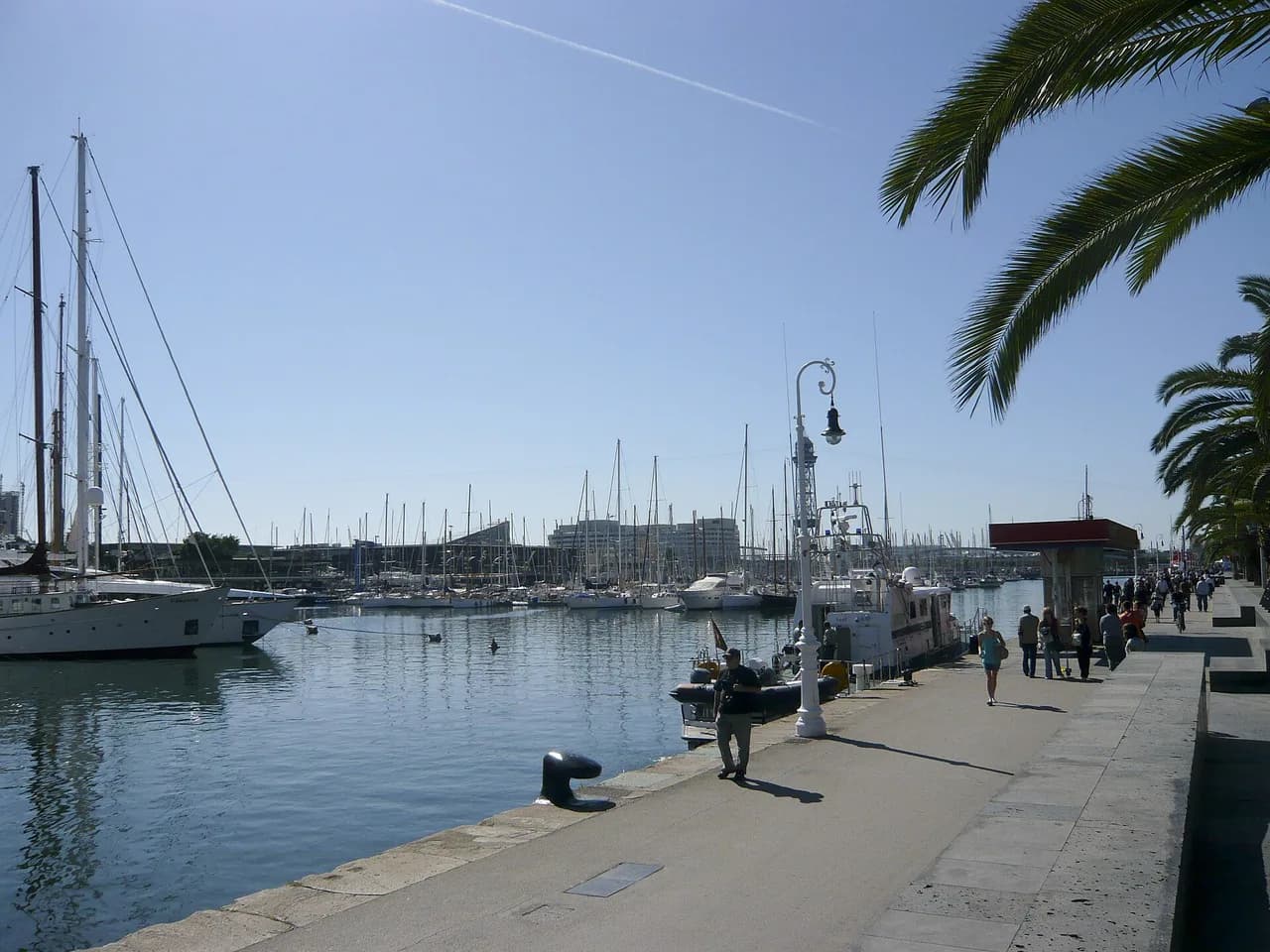
Moll Adossat sits across the harbor from the city center, with the Columbus Monument and the bottom of La Rambla on the far side of the water. The 2 km figure between the WTC berth and Moll Adossat shows how long the quay is: some Adossat berths are a serious walk from the port entrance, and the stroll into the Gothic Quarter adds more distance on top of that.
Treat the walk as a fallback for passengers on the nearer berths who have time to spare, not as a plan for a tight call. Most passengers cover the gap with the port shuttle or a taxi, which puts the Gothic Quarter, the Boqueria market and the waterfront within a short ride.
Getting into town
The port shuttle is the default for passengers on Moll Adossat without mobility constraints, since it runs the length of the quay and drops you at the port's city-side entrance near the Columbus Monument. From there La Rambla and the Gothic Quarter are a flat walk. The shuttle is designed for the berth-to-gate leg, not for sightseeing, so budget a short wait at busy times when several ships are in port.
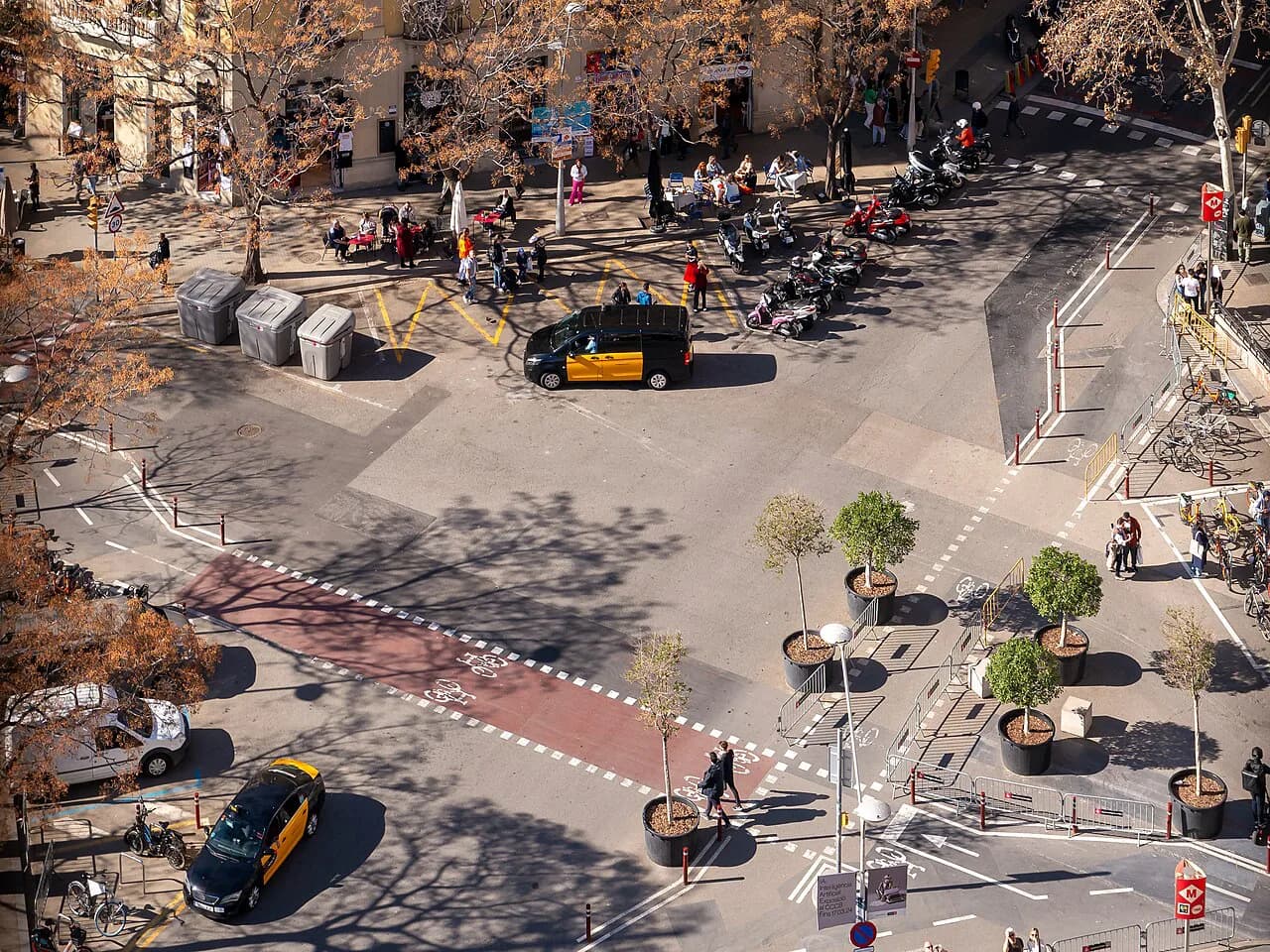
Taxis line up at the terminal when ships are alongside and are the fastest option for groups of three or four, for anyone heading to the Sagrada Familia first, or for passengers with luggage on turnaround day. Barcelona's metered taxis are strictly regulated, and the fare depends on the meter and traffic, so ask the driver to run the meter rather than agree a flat rate.
Public transport works for confident, light-packing passengers: buses run along the waterfront near the port entrance, and the metro stations around Drassanes and Paral·lel give access to the rest of the city. Buy tickets at station machines or from the driver, and keep the return leg simple by noting the metro stop nearest the port entrance before you set out.
Shuttle buses
The shuttle stop is at the terminal door on Moll Adossat, and the drop-off on the city side puts you within a couple of minutes of the Columbus Monument and the bottom of La Rambla. Board on the way out rather than walking the quay, and note where you are dropped so the return pickup is easy to find.
On your return, allow time for the shuttle queue as well as the ride, since the last buses before all-aboard fill quickly. If you are running late, a taxi from the Columbus Monument area is the safer call than waiting for the next shuttle.
Arriving by air: El Prat Airport to Moll Adossat
El Prat International Airport (BCN) sits about 10 miles from the pier, a drive Royal Caribbean estimates at roughly 40 minutes. The route runs into the city and then onto the Ronda Litoral Highway, where you follow the exit marked PUERTO and then the port signs.
For embarkation day, a pre-booked transfer or a metered taxi from the airport arrivals rank keeps luggage handling simple, and the driver will know the terminal by name. If you are weighing the airport leg in more detail, the Barcelona Cruise Port to the Airport guide covers the return direction and transfer choices.
Embarkation logistics: drop-off, luggage handling and terminal assignments
On turnaround day, taxis and transfers drop passengers at the terminal entrance on Moll Adossat, where porters take checked bags before you enter the building for security and check-in. Royal Caribbean advises expecting delays related to security and immigration procedures when arriving at the pier, so build a cushion into your arrival time.
The terminal assignment comes from your cruise line rather than the port as a whole, and Royal Caribbean's passengers use the Adossat Terminal. Confirm the berth on your cruise line's app or documents the day before you sail, since the quay is long and the wrong stop means a slow walk with bags.
Parking at or near the cruise port
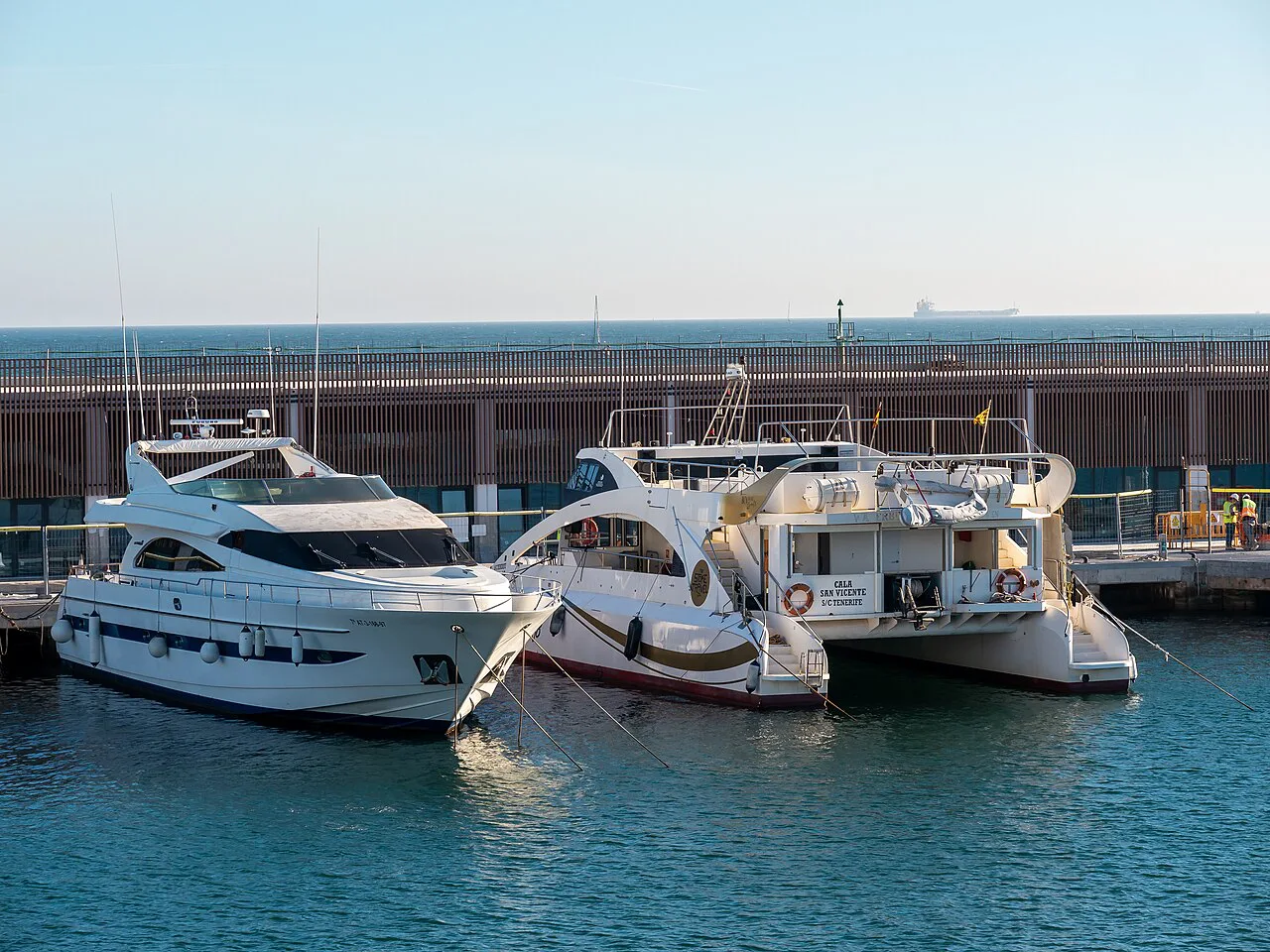
Royal Caribbean states that parking is not available at its Barcelona terminal, so driving to the quay and leaving the car there is not an option on that line. Passengers who drive should plan on a city car park away from the port and a taxi for the final leg.
If you are arriving by car, drop passengers and luggage at the terminal first, then move the car to a garage near the Columbus Monument or in the Raval and return by taxi. That sequence keeps the check-in window intact and avoids dragging bags along the quay.
Hotels near the port for pre- and post-cruise stays
Staying near the bottom of La Rambla or around the Columbus Monument puts you within a short taxi ride of Moll Adossat and an easy walk to the Gothic Quarter, which suits a night before or after the cruise. The hotels near Barcelona cruise port guide covers the neighborhoods and what each one buys you in transfer time.
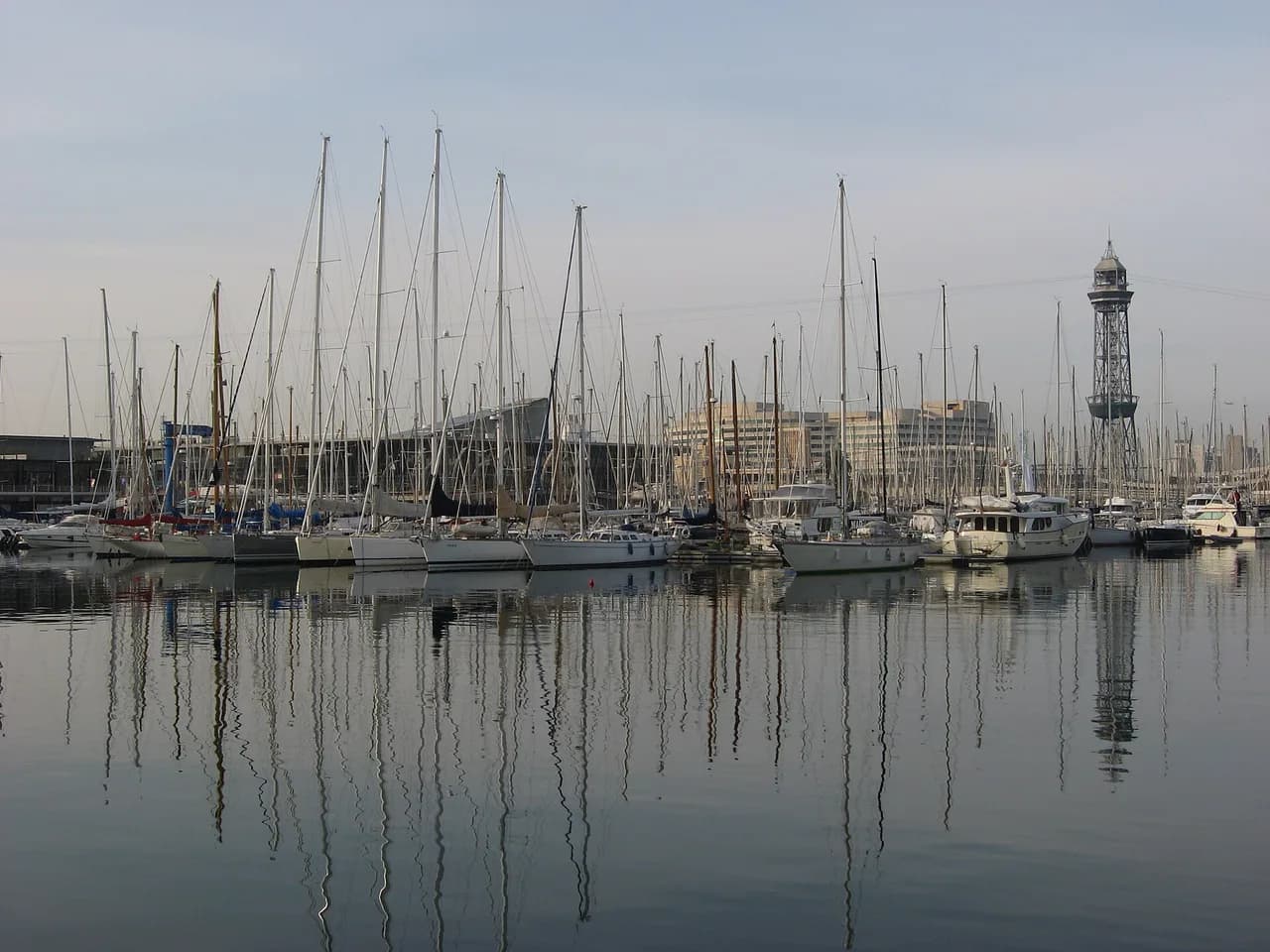
Hotels around the World Trade Center and Port Vell sit closest to the nearer berth, while properties in the Eixample trade proximity for a more residential base and metro access. Pick by your morning departure time, not by views, and if your itinerary continues north, weigh the same trade-off against the cadiz cruise port and its berths. Comparing how other ports place their berths is useful, so the Europe cruise port guide sets Spain's quays side by side.
What fits a 6-hour call
Six hours alongside is a city-center day. Take the shuttle or a taxi to the Columbus Monument, walk La Rambla to the Boqueria market, then loop through the Gothic Quarter and the cathedral square before heading back. That plan keeps you within walking distance of the port entrance and leaves a comfortable buffer.
Skip the Sagrada Familia on a six-hour call unless you pre-book a timed entry and accept a tight schedule. The queues and the trip across town eat the margin you need for the return shuttle.
What fits an 8-hour call
Eight hours opens up one major sight beyond the old city. Book a timed Sagrada Familia entry for the morning, take a taxi straight there from the terminal, then return to the Gothic Quarter for lunch and a walk along the waterfront. Taxi both ways keeps the day predictable.
If you would rather stay on foot, use the extra hours for the Picasso Museum or a longer circuit through El Born and the waterfront. The key is to fix one anchor sight and let the rest of the day flex around it.
What fits a 10-hour call
A ten-hour call supports a fuller day: a timed Sagrada Familia visit, a stop at Park Güell or a Montjuïc viewpoint, and still time for a proper lunch in the old city before the shuttle back. Plan the farthest point first and work back toward the port as the day goes on.
Long calls are also the moment to consider a guided small-group tour that handles transport between sights. If you prefer a curated day, the barcelona shore excursions options show what a ship-sponsored versus local version of the same route looks like.
Ship tours vs local operators vs going independent
A ship's tour solves the logistics: the coach leaves from the quay, the guide handles tickets and the schedule is built around all-aboard. You pay for that convenience and share the sights with a large group, but for a first visit with a tight call it is the lowest-risk way to reach the Sagrada Familia.
Local operators and independent sightseeing cost less and move faster, and Barcelona's compact center rewards passengers who go on foot. The trade-off is real: a taxi stuck on the Ronda Litoral or a missed metro connection is your problem, and the ship will not wait for independent travelers who run late.
Choose by risk tolerance and group size. A family with young children and one must-see sight does well on a ship tour, while a couple comfortable with metro maps can cover more of the city independently and keep the money for lunch.
Return-time buffer for all-aboard
Work backward from all-aboard rather than from the advertised departure time, and aim to be at the terminal gate at least an hour before it. That covers the shuttle queue along Moll Adossat, security at the terminal and the walk to the gangway on a long quay.
If your plan has you across town in the late afternoon, leave the Sagrada Familia or Park Güell with a taxi already booked or a metro route in mind. The buffer costs you thirty minutes of sightseeing and buys peace of mind.
Restaurants and essentials near the port
The streets around the Columbus Monument and La Rambla put you within minutes of tapas bars, cafés and markets, which makes lunch easy before the shuttle back. The Boqueria market is the practical stop for a quick, high-quality bite, and the Gothic Quarter's side streets are quieter than the Rambla itself.
Near the terminal there is little beyond the port itself, so eat and buy water on the city side before returning. ATMs and pharmacies cluster around the Rambla and the Gothic Quarter, so handle essentials before you head back to the quay.
Plan Your Visit
Barcelona rewards a simple plan: know whether your ship is at Moll Adossat or the World Trade Center berth, pick shuttle or taxi into town, and anchor the day on one major sight. Build the return around an hour of buffer before all-aboard rather than the departure time.
For the full picture of quays and how they connect to the city, the Barcelona Cruise Port guide is the place to start, and the Port of Barcelona pages cover hotels for a night either side of the cruise.
Explore more Barcelona cruise port guides
- Barcelona Cruise Port to the Airport
- Barcelona Cruise Ship Port
- Hotels Near Barcelona Cruise Port
- Barcelona Shore Excursions
- Barcelona Cruise Port Car Rental
- Barcelona Cruise Port Parking
- Barcelona Cruise Port to Sagrada Família
- Barcelona Cruise Port to the City Centre
- One Day in Barcelona from a Cruise Ship
Frequently Asked Questions
How far is the Barcelona cruise port from the city center?
Moll Adossat lies across the harbor from the Columbus Monument and the bottom of La Rambla. The World Trade Center berth is about 2 km from the Moll Adossat Terminal, which shows how long the quay is; from the Adossat berths the port shuttle or a taxi covers the gap to the city-side entrance in a short ride.
Where do cruise ships dock in Barcelona?
Most ships berth along Moll Adossat, which carries the Adossat Terminal that Royal Caribbean uses. Some ships tie up at the World Trade Center berth closer to the foot of La Rambla. Your cruise line's documents and app name your berth.
Is there a shuttle bus from the cruise terminal to the city?
A port shuttle runs the length of Moll Adossat and drops passengers at the port's city-side entrance near the Columbus Monument. From there La Rambla and the Gothic Quarter are a flat walk. Allow for queues when several ships are in port.
How much is a taxi from the Barcelona cruise port to the city center?
Barcelona taxis are metered and the fare depends on distance and traffic, so ask the driver to use the meter. Check the meter and any airport or port supplements on the official fare card displayed in the cab, and keep the receipt.
How do I get from Barcelona airport to the cruise port?
El Prat International Airport is about 10 miles from the pier, a drive of roughly 40 minutes by Royal Caribbean's estimate. The route runs into the city and onto the Ronda Litoral Highway, following the PUERTO exit and port signs. A pre-booked transfer or metered taxi keeps luggage handling simple.
Is parking available at the Barcelona cruise port?
Royal Caribbean states that parking is not available at its Barcelona terminal. Passengers who drive should drop bags at the terminal, leave the car in a city garage and return by taxi.
How early should I return to the ship in Barcelona?
Aim to be at the terminal gate at least an hour before all-aboard. That covers the shuttle queue, terminal security and the walk to the gangway on a long quay, and it leaves room for traffic on the Ronda Litoral.
What restaurants are near the Barcelona cruise port?
The terminal area itself has little beyond the port, so eat on the city side. Tapas bars, cafés and the Boqueria market sit within minutes of the Columbus Monument and La Rambla, and the Gothic Quarter's side streets are quieter for a sit-down lunch.
Sources
Port-day notes for your next cruise
Optional updates to our port guides.
You might also like
Continue reading
More guides you'll find useful