Genoa Cruise Port Guide: Terminals and Port Day Planning
Genoa's cruise terminals at Ponte dei Mille and Ponte Andrea Doria sit under two kilometres from the old town, with easy walks, trains and taxis into the city.
On this page
Genoa rewards passengers who treat the port as the start of a walking city rather than a coach transfer. Ships dock at Ponte dei Mille and Ponte Andrea Doria, less than two kilometres west of the historic centre, close to Genova Piazza Principe station and the Principe metro stop. That short gap makes a self-guided day realistic, whether you want the aquarium and the waterfront or the narrow caruggi alleys of the old town.
The day splits into three zones: Porto Antico immediately east of the terminal, the medieval old town behind it, and the Ligurian coast beyond the city. Each has a different return-time risk, and the size of your window ashore decides which ones fit.
Where ships dock in Genoa
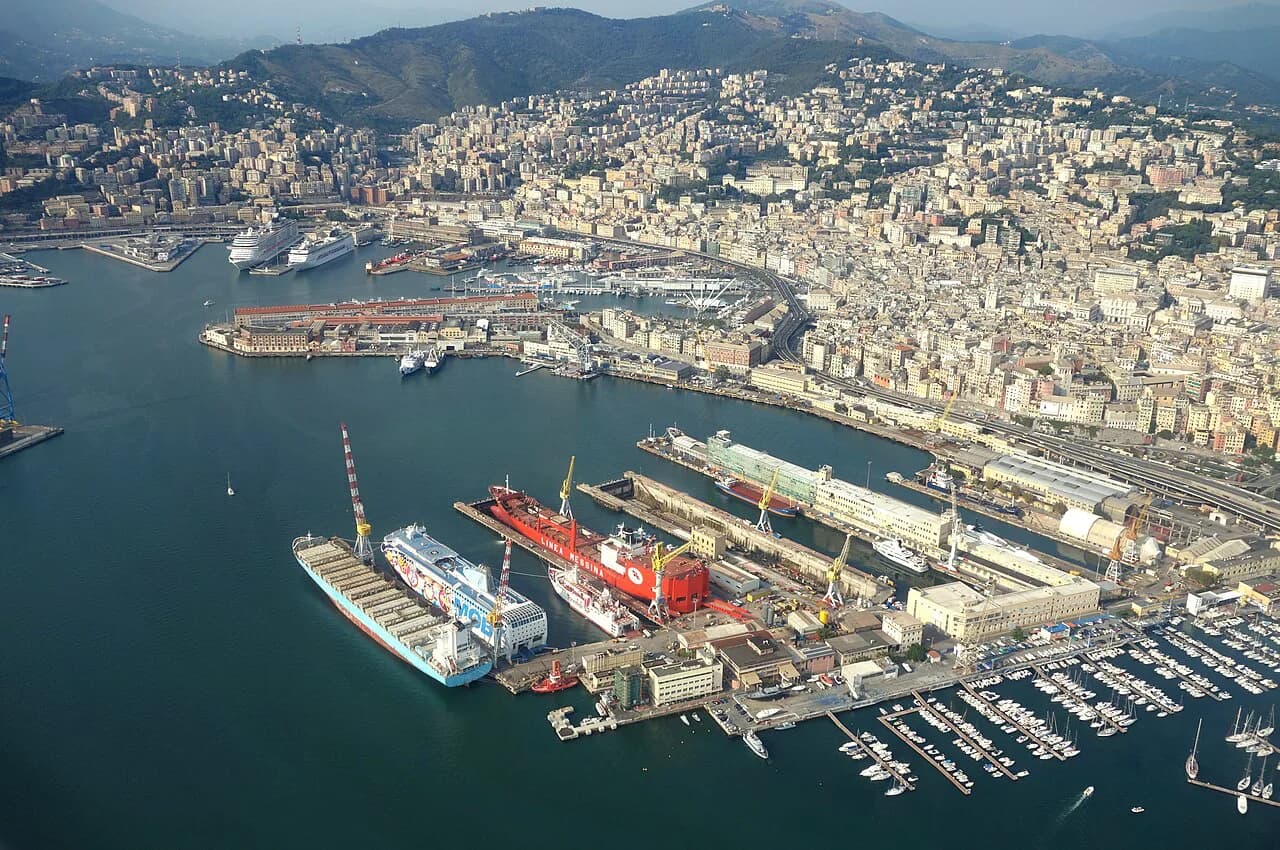
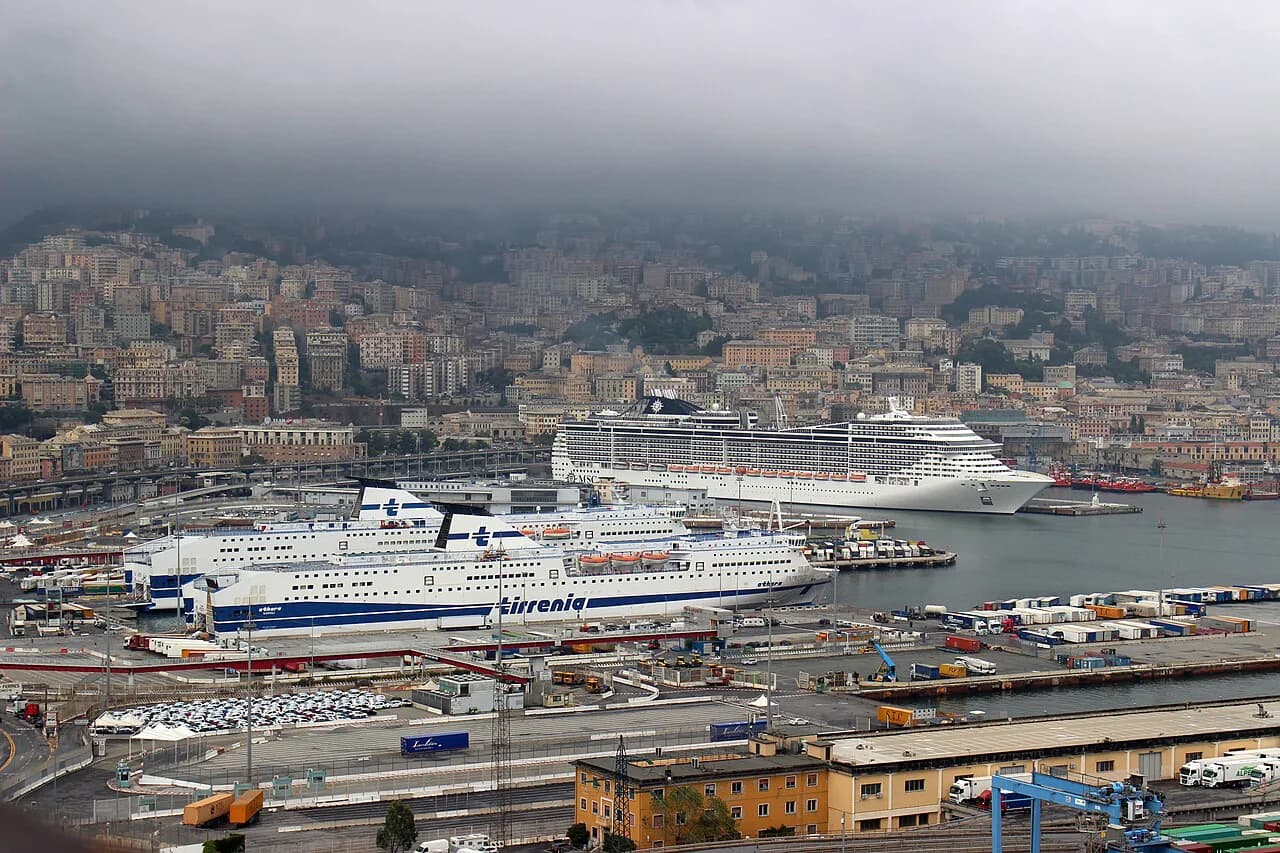
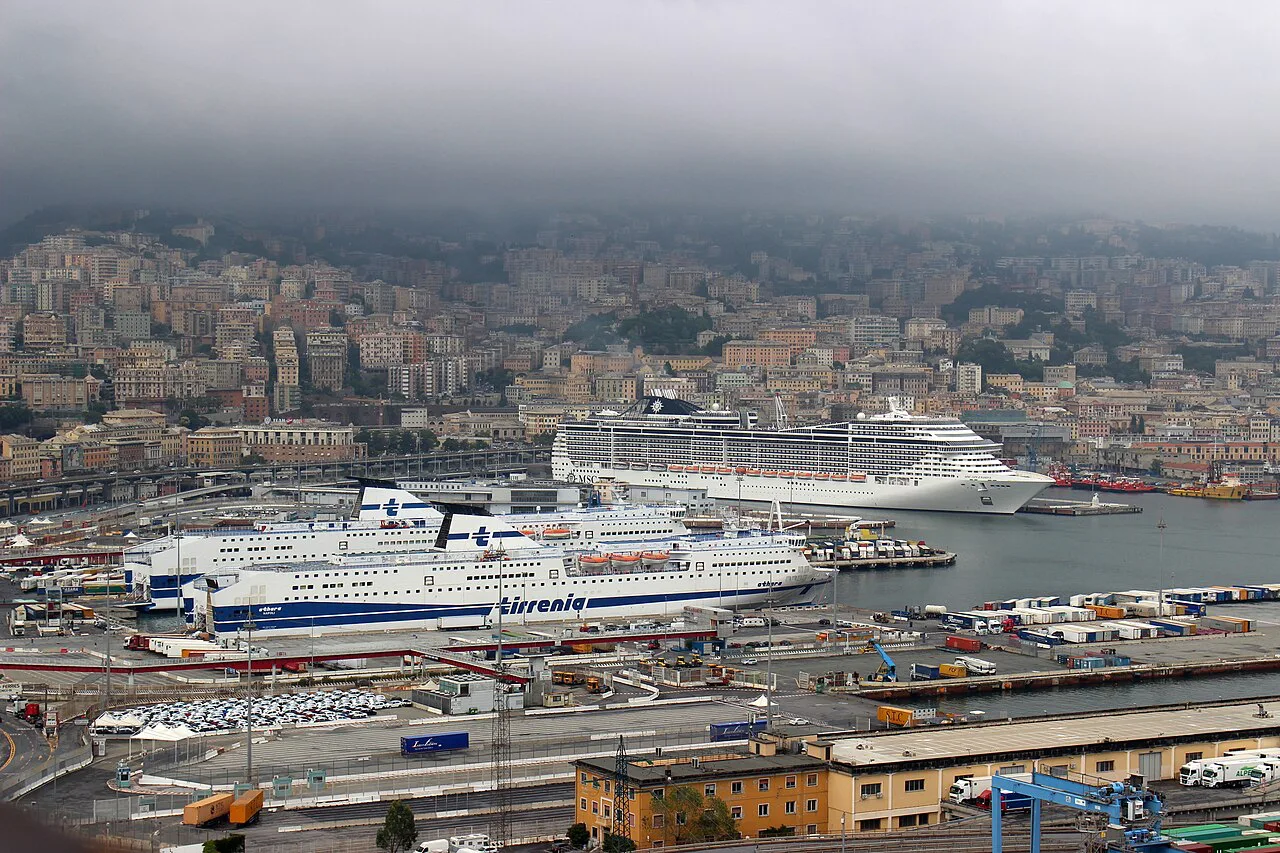
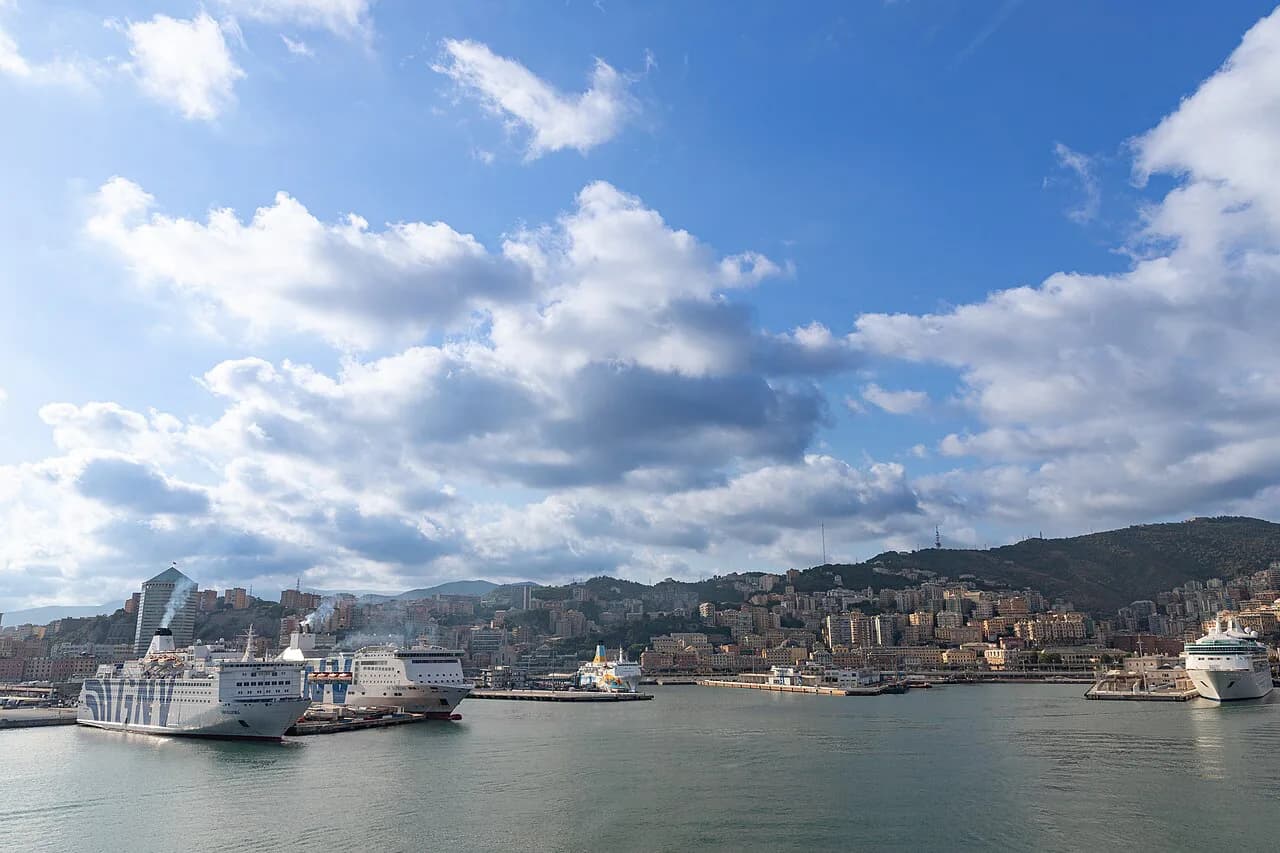
Cruise ships use the Stazioni Marittime complex on the waterfront, with the main berths at Ponte dei Mille and Ponte Andrea Doria. Ponte dei Mille dates from 1930 and can take three ships at once, while Ponte Andrea Doria handles two; both sit within the same terminal area off Via Andrea Doria. A third terminal at Ponte Parodi is under construction on a former industrial quay, so do not plan around it yet.
The berths are alongside rather than tender, which means you walk off through the terminal building and onto the street. CruiseMapper notes the terminal area is convenient to the old town but sits in a working industrial zone, so the immediate surroundings are not a promenade. Plan on a ten- to fifteen-minute walk to the waterfront sights, or a taxi if you are short on time.
Typical call patterns have ships arriving in the morning and leaving in the late afternoon or evening, so most port days run from around eight or nine in the morning to five or six. Treat published schedules as indicative of how busy the terminal will be rather than as fixed times for your own sailing.
Distance to the old town
Two kilometres is the figure to hold in your head: the piers lie less than that from the city centre, which puts Piazza de Ferrari, the cathedral and Via Garibaldi within a comfortable walk for most passengers. The walk is flat but includes stairs and an underpass beneath the elevated shore road, so it is not step-free throughout. Passengers with mobility limits should take a taxi from the terminal rank instead of attempting the descent.
Because the distance is short, the trade-off is not time but energy. Walking in saves taxi fare and drops you straight into Porto Antico; riding in delivers you to the historic core with more legs left for the caruggi and the palace streets. If your call is eight hours or more, walking in and taxiing back is a sensible split. Cruise passengers weighing a similar close-to-town port day can compare this with the bari cruise port, where ships also dock a short walk from the old town, or with the Savona cruise port guide, where the same walk-or-ride question decides the day.
The exit to town and the walk to Porto Antico
Leave the terminal building, head toward the road and take the stairs down beneath the elevated highway that follows the shoreline. Keep close to that overpass on the seaward side and follow it past shipyards and old warehouses; the walk opens out at the photogenic Neptune galleon, a replica built for a film and now a paid visitor attraction. From there the harbour promenade leads directly to the aquarium and the Bigo lift.
Porto Antico stacks several sights into a small area: the aquarium, the Bigo panoramic lift rising about 40 metres, the old city gate of Porta dei Vacca across the street, and the Eataly food hall whose upper floor gives a harbour view. This cluster is the most efficient use of a short call because nothing requires a bus or a train.
For the mechanics of the transfer, including the taxi rank, metro and walking options, see the dedicated guide to getting from the Genoa cruise port to the city centre.
Taxis and Principe metro for the short hop
If you would rather start at Piazza de Ferrari than at the water, take a taxi from the terminal or use Principe metro station, which sits close to the piers and puts the city's metro network within a few minutes of the gangway. Neither option is needed for Porto Antico, which is a walk. Treat the taxi as a time-saver for the old town and palace streets rather than for the waterfront.
Genova Piazza Principe, the main railway station, is about 500 metres from the cruise port, which makes the train station a practical drop-off and pickup point for anyone meeting a driver or continuing by rail after the cruise.
Arriving by train
If you arrive at Genova Piazza Principe, the terminal is roughly a 500-metre walk. Come out of the station onto Via Andrea Doria keeping to the right, look for stairs down on your left in front of Principe metro station, descend and cross the square to the main road, then turn right and immediately left to bring the terminal into view. Travel light for this stretch; the stairs are the awkward part with large cases.
Arriving by air
Genova City Airport, also called Christopher Columbus Airport, lies about six kilometres west of the cruise port. The Volabus airport shuttle runs directly to Genova Piazza Principe in around 30 minutes, while the train reaches the same station in about 10 minutes; note that the airport's own station, Genova Cornigliano, is around a ten-minute walk from the airport. From Principe it is the same short walk to the ship.
MSC offers a transfer service bookable through its call centre or your travel agent, which removes the luggage handling between modes. For a step-by-step comparison of the shuttle, the train and a taxi, the guide to transfers from Genoa Airport to the cruise port sets out the options.
A walking route through Porto Antico
Start at the Neptune galleon, walk the harbour edge past the aquarium, and take the Bigo lift for a rotating view over the port before cutting inland. Cross toward Palazzo San Giorgio and enter the old town by Via San Lorenzo. This sequence keeps the waterfront sights together and leaves the medieval streets for the middle of the day, when you are most likely to want shade.
The caruggi, the cathedral and Piazza Matteotti
The narrow alleys known as caruggi run off Via San Lorenzo, and the street opens onto the Cathedral of San Lorenzo, consecrated in 1118 and still carrying an unexploded British naval shell from a 1941 bombardment. Continue to Piazza Matteotti for the Palazzo Ducale and the Chiesa del Gesù, then pass through the old gate of Porta Soprana to the Christopher Columbus House. The route is compact and entirely on foot, but the alleys are dark and confusing, so keep a map on your phone.
Via Garibaldi and the Rolli palaces
From Piazza de Ferrari, Via XXV Aprile leads to Via Garibaldi, the UNESCO-listed street of Renaissance palaces once called the Golden Street. Several buildings open to visitors, including Palazzo Doria Tursi, which serves as the city hall, and Palazzo Rosso, a museum. The street is narrow, so read the facades from across the way and step into whichever courtyards are open rather than trying to see them all.
From Via Garibaldi the route continues along Via Cairoli to the Basilica della Santissima Annunziata del Vastato and down Via Balbi past the Palazzo Reale, then returns to the waterfront and the terminal. That full loop is the best self-guided use of an eight-hour call, and you can shorten it at any point by cutting back to the port road.
Boccadasse and the Ligurian coast beaches
Boccadasse, a former fishing village with a small beach wrapped in colorful Ligurian houses, sits around six kilometres east of the cruise port, with Spiaggia di Vernazzola and Spiaggia di Sturla nearby. Camogli is about twenty kilometres east and reachable in under an hour by train. Treat these as half-day plans rather than quick add-ons, and keep the train timetable in hand for the return.
Cinque Terre, Portofino and Milan
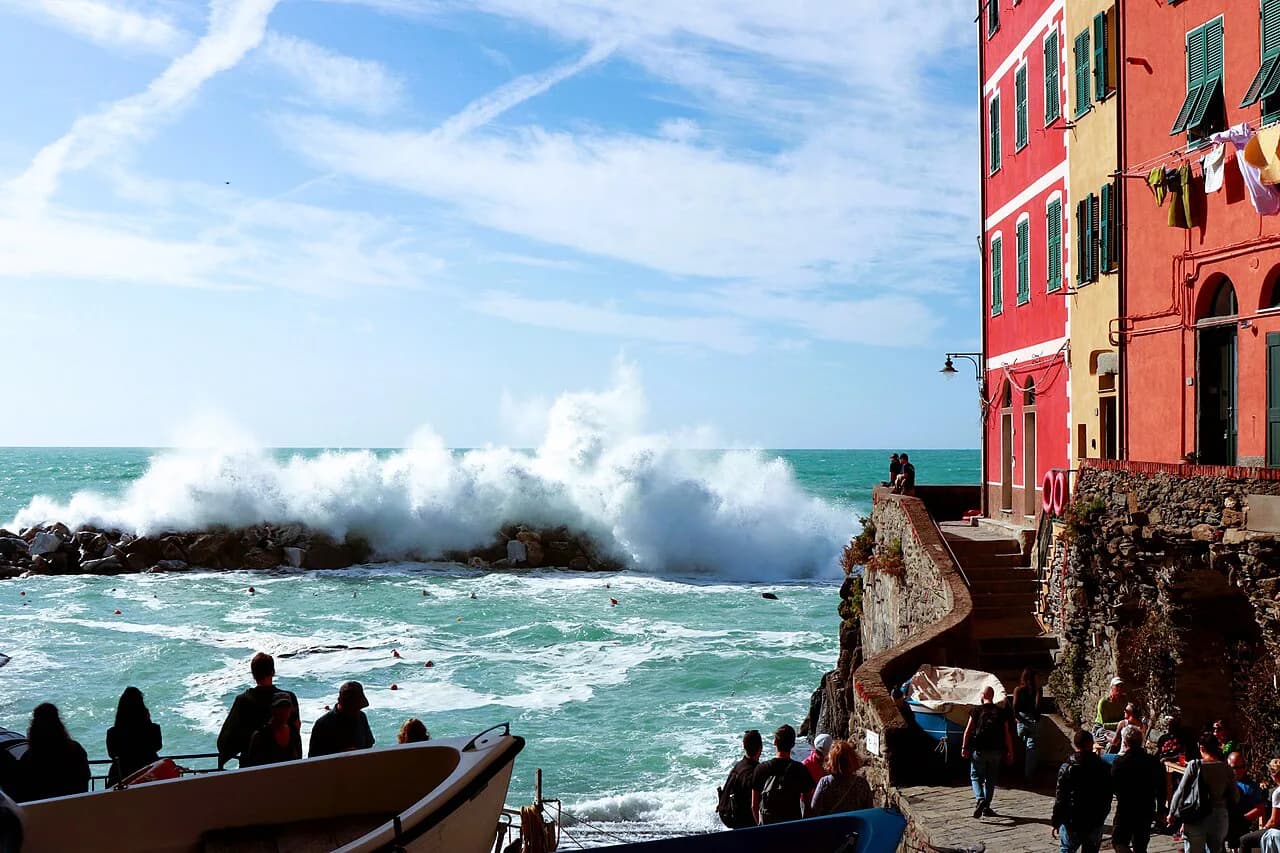
The Cinque Terre villages, Portofino and Milan all appear as excursion options from Genoa, but each consumes a large share of the call. Cinque Terre and Portofino reward you with coastal scenery; Milan is a long transfer for a short city visit. On a standard call of eight hours or less, pick one and accept that the old town goes unseen.
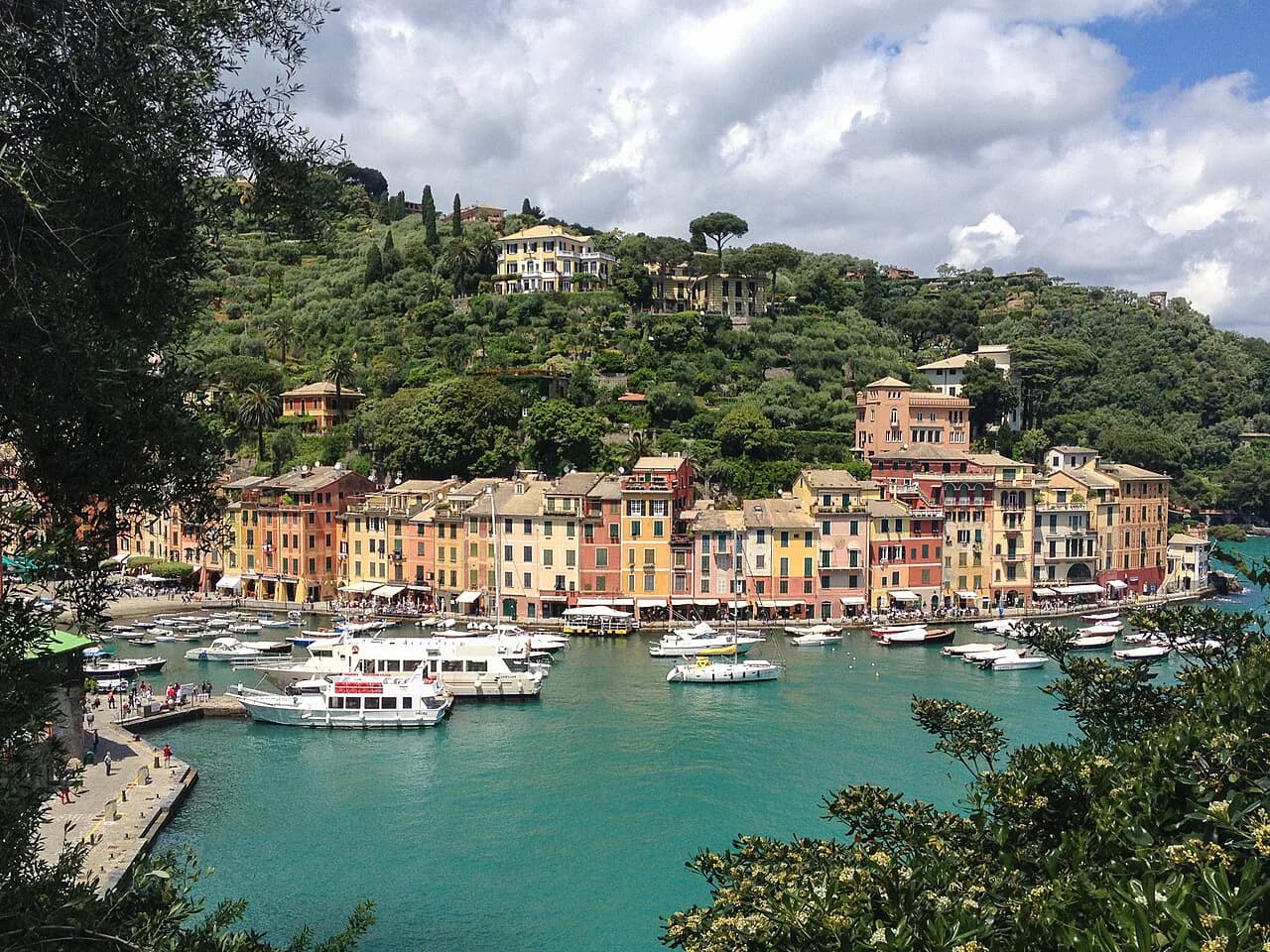
Portofino is the most manageable of the three for a cruise passenger, and the options for getting there by road, rail and boat are set out in the guide from the cruise port to Portofino, including the rail hub at Santa Margherita Ligure.
Ship tours versus independent sightseeing
A ship tour to the Cinque Terre, Portofino or Milan removes the planning and, critically, the transport risk on a long transfer day. Going independently is cheaper and more flexible, particularly for the old town and Porto Antico, where nothing can strand you far from the gangway. The judgement call is distance: keep independent plans inside the city and its rail corridor unless you have a very long call.
No operator can guarantee the ship will wait for a late independent traveller, so build your own buffer around the published all-aboard time rather than relying on the tour desk. Detailed comparisons of ship tours, local operators and independent routes are in the Genoa shore excursions guide.
How long you need
A six-hour call fits Porto Antico, the aquarium or a fast pass through the cathedral and caruggi, with a taxi back to the ship. An eight-hour call opens up the full walking loop through Via Garibaldi and the palaces, which is the strongest use of the port without a tour. A ten-hour call is the first point at which Boccadasse, Camogli or Portofino become comfortable rather than rushed.
Embarkation day: luggage and valet parking
Drivers follow signs to the terminal crociere from both the city and the airport, then MSC signs to the luggage drop-off, where the valet service takes the car. Garage Ponte dei Mille handles the parking, and MSC Parking can be booked online up to 48 hours before departure; later bookings go direct to MSC Parking with the same reduced rates on presentation of your cruise documents.
Published MSC valet rates run from 70 euros for a car or SUV over four days to 150 euros for thirteen days, and from 80 euros for a van over four days to 190 euros for thirteen days. The rate scales in daily bands, so match the band to your actual cruise length rather than rounding up.
Rail passengers arriving at Principe should drop bags at the terminal before exploring, since the 500-metre walk with luggage is the least pleasant part of embarkation day. Airport arrivals can use the Volabus or train to Principe and then walk or take the short taxi ride to the gangway.
Return-time buffer and all-aboard planning
For a city day on foot, allow 30 to 45 minutes to get from the old town back to the gangway, more if you plan to taxi from Piazza de Ferrari at a busy time. For a rail trip to Camogli or Portofino, add the walk from the station to the terminal and keep at least one earlier train as insurance. Check the all-aboard time with the cruise line at the gangway rather than relying on memory.
Plan Your Genoa Port Day
Genoa suits passengers who want a real city within walking distance of the ship, with the option of a coastal run if the hours allow. Decide between Porto Antico, the caruggi and Via Garibaldi, or a trip to Portofino or the Cinque Terre, and plan the rest of the day around that single choice.
Whichever you pick, leave the terminal with a return time in mind and keep the Principe station area as your fallback for taxis and trains. The port is close enough that Genoa rarely feels like a race, which is exactly why it works as a self-guided call.
Explore more Genoa cruise port guides
Frequently Asked Questions
Can you walk into Genoa from the cruise port?
Yes. The terminals at Ponte dei Mille and Ponte Andrea Doria lie less than two kilometres from the city centre, and the walk takes you under the elevated shore road to Porto Antico in about ten to fifteen minutes. The route includes stairs, so passengers with mobility limits should use a taxi from the terminal.
How far is Genoa cruise port from the city centre?
The piers are under two kilometres west of the historic centre, with Piazza de Ferrari, the cathedral and Via Garibaldi all within walking distance. Genova Piazza Principe railway station is about 500 metres from the terminal, making the port one of the easier Italian calls to reach on foot.
What can you do in Genoa in one day from a cruise ship?
A single day covers Porto Antico with the aquarium and the Bigo lift, the caruggi alleys around Via San Lorenzo, the Cathedral of San Lorenzo, Piazza Matteotti and the palace street of Via Garibaldi. Longer calls open up Boccadasse, Camogli or Portofino, but these need road or rail time and a clear return buffer.
How do you get from Genoa airport to the cruise terminal?
The Volabus shuttle reaches Genova Piazza Principe in around 30 minutes, and the train takes about 10 minutes, with the airport's own station roughly a ten-minute walk from the terminal building. From Principe it is a 500-metre walk to the cruise terminal, or a short taxi ride.
Is Genoa cruise port the same as Genova Piazza Principe station?
No. Principe is the main railway station, about 500 metres from the cruise terminal, and it is the natural arrival point for rail passengers and airport shuttle users. The ship berths are at Ponte dei Mille and Ponte Andrea Doria within the Stazioni Marittime complex on the waterfront.
Do you need a shore excursion to see Genoa?
No. The old town, Porto Antico and Via Garibaldi can all be covered on foot from the terminal. Ship tours make more sense for long transfers such as the Cinque Terre, Portofino or Milan, where the operator handles the transport and the timing risk.
Sources
Port-day notes for your next cruise
Optional updates to our port guides.
You might also like
Continue reading
More guides you'll find useful