Gran Canaria Cruise Port Guide: Docking & Port Days
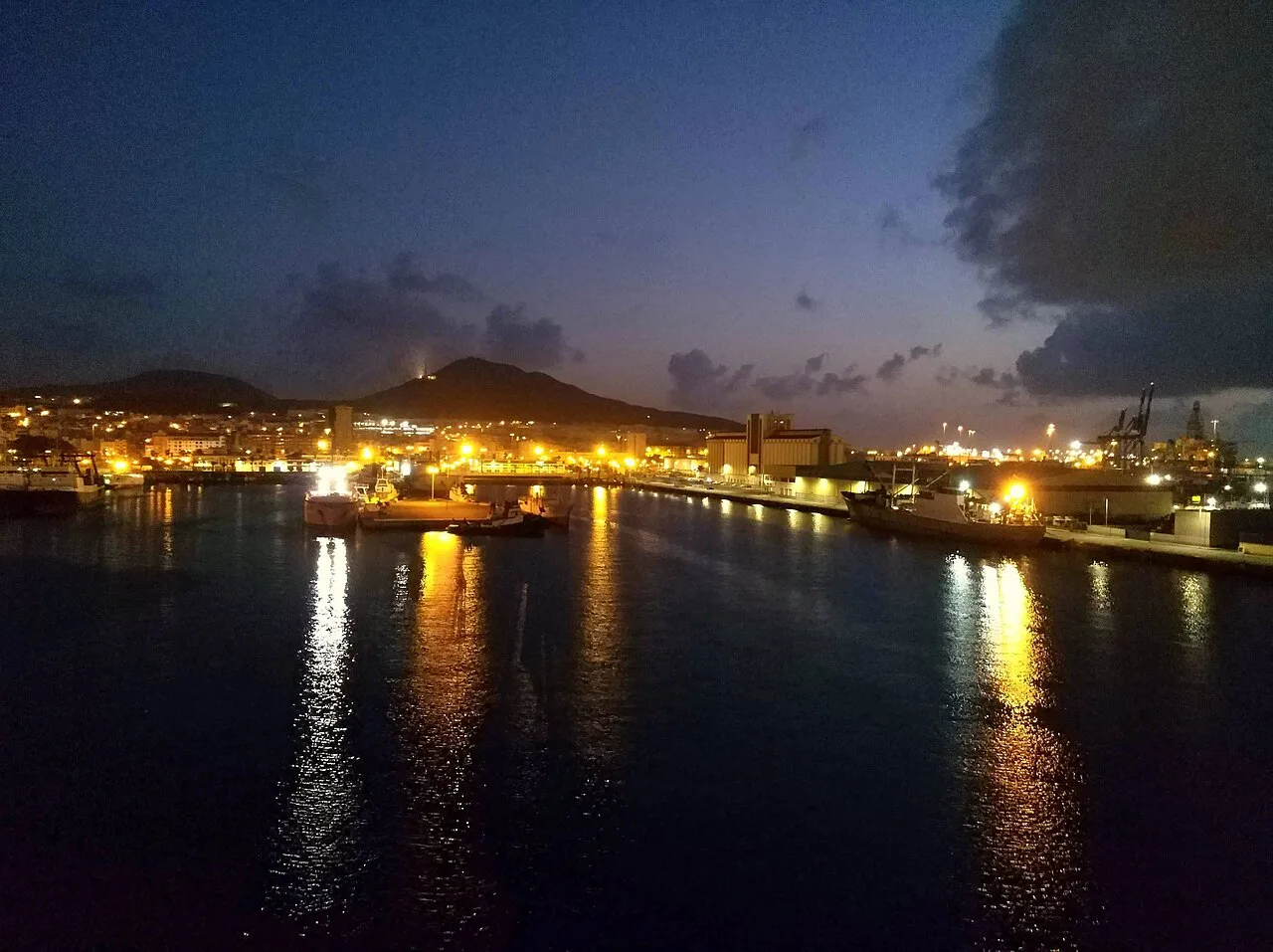
Gran Canaria cruise ships dock at Santa Catalina Pier in Las Palmas, a short walk from the city centre. Plan your port day with realistic options.
On this page
Las Palmas de Gran Canaria gives cruise passengers a rare combination: a working city port where the ship ties up within a short stroll of shops, streets and beaches, and an island of volcanic craters and resort coast beyond it. That makes the day genuinely flexible, whether you want a couple of hours in Vegueta and a long lunch or a full excursion inland.
Most calls run on a fixed all-aboard time, so the useful planning question is not what exists on Gran Canaria but what fits before you have to be back at Santa Catalina Pier. The options below are sorted by how much of the day they consume, not by ranking.
Gran Canaria cruise port at a glance
Cruise calls at Gran Canaria are handled at the Port of Las Palmas, on the northeast corner of the island, and the cruise berth sits at Santa Catalina Pier rather than out at an industrial quay. The port authority lists its cruise address as Muelle de Santa Catalina, Puerto de Las Palmas, in the 35008 district of the city. That single fact shapes the whole day: you are in the city, not in a remote terminal zone that needs a transfer before anything begins.
Because the berth is in the urban port, the realistic port-day options split into three tiers. The first is everything within walking distance of the gangway, the second is the rest of the city plus the beaches, and the third is the island interior and the southern resorts. Each tier costs progressively more of your hours ashore, and only the first two are comfortable on a short call.
Where ships dock: Santa Catalina Pier and the terminal
The new cruise terminal at Santa Catalina Pier is a two-storey building of about 14,000 square metres, built with three boarding bridges and designed to handle up to four cruise ships at once. It opened for operations with the arrival of Celebrity Apex at Santa Catalina Pier on 2 October 2025 and was formally inaugurated the following year.
Treat the terminal building as your reference point rather than a promise about which berth your particular ship will use. Berth assignments depend on how many ships are in port on the day, and the published cruise schedule is the place to see who else is in Las Palmas alongside you. A busy four-ship day means longer walks and more traffic at the terminal exit.
Inside the terminal you are dealing with a modern, purpose-built facility rather than a converted shed, which matters most on turnaround days when luggage and crowds are in the building. Operators do publish that cruise schedules can change for weather or operational reasons, so treat your own ship's all-aboard as the fixed point and everything else as movable.
How far the berth is from the city centre and the beach
The cruise terminal is positioned just a short walk from the city centre, and the El Muelle shopping centre, with its bars, restaurants and shops, is close by the port as well. For practical purposes, you can step off the ship and be among city streets without needing any vehicle at all.
Playa de las Canteras, the long urban beach that locals use, is also described as within walking distance of the port. That gives you an unusual port-day choice: a city-and-culture morning in the old town and a beach afternoon, with no taxi required in between. Plan on comfortable shoes rather than precise minute counts, because the walk length depends on which berth your ship occupies and which end of the beach you aim for.
If you want the shortest possible day ashore, El Muelle and the immediate streets around Santa Catalina are the answer: a walk, a coffee, some shopping and back through the terminal well inside two hours. The trade-off is that you see a commercial city centre rather than the historic quarter, which sits further out in Vegueta.
Walking into Las Palmas from the terminal
The default plan for a Las Palmas port day is to walk. Exit the terminal on foot, head into the city streets, and keep the waterfront on your mental map as the way home, because the port is a large working area and the cruise berth is not signposted like a shopping mall. Walking also lets you absorb the painted facades and architecture that make the city centre pleasant rather than merely functional.
For the historic core, the walk to Vegueta is longer than the hop to El Muelle, so budget it as a proper leg of the day in each direction rather than a quick stroll. If walking both ways would eat too much of a short call, take a taxi or the bus one way and walk the other. The cruise port to Vegueta route is covered in more detail separately.
Keep your return simple: aim to arrive back at the terminal with time to spare rather than cutting the walk fine at the end of the day, when heat and fatigue slow you down. The last stretch through the port area is the part where a wrong turn costs you the most.
Taxis, buses and the hop-on hop-off bus
Local taxis wait outside the terminal, which makes them the fastest way to reach Vegueta, the southern beaches or a specific restaurant when your time is tight. A bus service also runs from the port area for travel around the island, and it is the cheaper option when you are heading further than the city centre.
The hop-on hop-off bus departs near the port terminal and runs a scenic loop with stops around the old town of Vegueta, Santa Ana Cathedral and Santa Catalina Park, with an audio guide included. It suits passengers who want an orientation of the city without working out local routes, at the cost of following someone else's schedule rather than your own.
Ferries connect Las Palmas with other islands in the Canary archipelago, but an inter-island crossing is a poor fit for a normal port call. Save the ferries for a land-based stay, and give the ship your full attention on a cruise day.
Las Palmas old town: Vegueta, Santa Ana Cathedral and Columbus House
Vegueta is the historic quarter and the strongest half-day target in the city. Santa Ana Cathedral anchors it, and climbing to the top gives you panoramic views over the old town; the cathedral also holds religious art dating back to the fifteenth century. If you do one cultural stop in Las Palmas, this is the one to build the morning around.
Nearby, the house associated with Christopher Columbus, who called at the island on his way west in 1492, gives the old town a second anchor and an easy pairing with the cathedral. The two together fill a morning comfortably, leaving the afternoon for the beach or El Muelle.
For a broader shortlist of city sights that fits a port day, including what to prioritise when the old town and the beach compete for the same hours, see the dedicated guide.
Playa de las Canteras and the beach option
Playa de las Canteras is the low-effort option: walk from the terminal, settle on the sand and swim, then wander back. Because it is within walking distance of the port, it carries almost no transit risk compared with a trip to the southern dunes, which makes it the sensible choice when your call is short or the weather is unreliable.
Combine the beach with El Muelle for lunch and you have a complete port day with no transport bookings and no timetable to watch. The trade-off is that you will not see Vegueta or the island interior, so decide early whether this is a city-and-beach call or a sightseeing call.
Day trips beyond the city: Bandama, Puerto de Mogan and Maspalomas
Caldera de Bandama is a volcanic crater about a kilometre wide in the northeast of the island, formed by volcanic activity over two thousand years ago, with a rim you can climb to around 547 metres and a floor some 216 metres below. It is the best inland option for scenery, but the drive each way is the real cost, so it pairs badly with an old-town morning on a short call.
Puerto de Mogan, on the southwest coast, is a small fishing village with a marina lined with traditional bars and restaurants, and it holds a market on Fridays. The village is a long way from the cruise berth, so it is an island day rather than an add-on, and midweek calls lose the market.
Maspalomas and its dunes sit in the south of the island, a landscape of Sahara-like sand with snorkelling and diving in the shallows nearby. It is a genuine beach day, not a quick stop, so choose it only when you have enough hours to justify the transfer in both directions and still leave a buffer.
Ship tours vs local operators vs going independently
Ship tours make sense for the island interior and the southern resorts, where the transfer is long and the risk of a delay is highest. The trade-off is fixed itineraries and group pace, and even on an organised tour you should know your all-aboard time. No operator can promise the ship will wait for you.
Local operators can be cheaper and more flexible, particularly for small-group crater or village trips, but the responsibility for return timing is entirely yours. Independent travel works best for Vegueta, El Muelle and Playa de las Canteras, all of which you can reach on foot or by a short taxi ride.
If you are flying out or joining the ship here rather than just calling, the transfer between the airport and the berth is the thing to organise in advance rather than on the day.
What fits a 6-hour, 8-hour and 10-hour call
On a six-hour call, stay in the city. Walk to Vegueta for Santa Ana Cathedral and Columbus House, take a taxi or the bus back, then spend any remaining time at El Muelle before returning to the terminal. That leaves no room for the crater, Maspalomas or Puerto de Mogan.
With eight hours, add Playa de las Canteras to a shortened old-town visit, or take the hop-on hop-off bus for an orientation loop and lunch. An organised tour to Bandama becomes possible but leaves little slack, so weigh a long inland transfer against a relaxing city day.
Ten hours opens up Puerto de Mogan or Maspalomas, but only as a dedicated excursion with a booked return. Use the extra time on the ship's side of the equation as well: a longer call means more passengers competing for taxis at the terminal at peak times, so start early.
Return-to-ship timing and the buffer to build in
Work backwards from your all-aboard time and treat it as a hard deadline, not a target. For city options within walking distance, allow a comfortable 30 to 45 minutes of slack on the way back; for anything involving a vehicle, allow at least an hour on top of the expected journey, because traffic and terminal queues are the two things most likely to eat your margin.
On busy days, several ships may be alongside at Santa Catalina at once, which lengthens taxi queues at the port and slows the walk through the terminal. Check the day's lineup and plan your return leg accordingly so the exit doesn't catch you out on a crowded turnaround.
Practical notes: money, IGIC and the terminal
The currency on Gran Canaria is the euro, cards are widely accepted, and ATMs are easy to find, though smaller shops and cafes may still prefer cash. Tipping around ten percent is generally expected in bars and restaurants, and rounding up a taxi fare is polite rather than obligatory.
Watch for IGIC on your restaurant bill: it stands for the Canary Islands' general indirect tax, the local equivalent of VAT, and it is not a tip. Reading it as a service charge is a common first-time mistake that leaves servers under-tipped.
The Santa Catalina terminal itself is the modern, two-storey building described above, which means a proper indoor space for queues and services rather than an open quay. Use it as your landmark when returning to the ship and as the place to orient yourself when you first step ashore.
Plan Your Las Palmas Port Day
Decide first whether you are having a city day or an island day, then build the plan backwards from your all-aboard time. The city option is unusually strong here because Santa Catalina Pier puts Vegueta, El Muelle and Playa de las Canteras within walking or short-taxi range of the gangway. If you are weighing this against a mainland call where the berth sits far from the old town, compare it with the barcelona cruise port, where you plan around a different set of terminal transfers.
Whichever you choose, confirm your ship's actual berth and departure time with the cruise line, and check the port's published schedule for how many other ships share your date. Then leave the last hour of the day unplanned and in reserve.
Explore more Gran Canaria cruise port guides
Frequently Asked Questions
Where do cruise ships dock in Gran Canaria?
Cruise ships calling at Gran Canaria berth at Santa Catalina Pier in the Port of Las Palmas, on the northeast of the island. The cruise terminal there is a large two-storey building with boarding bridges, and it sits close to the city centre rather than in a remote industrial zone.
How far is the Las Palmas cruise terminal from the city centre?
The terminal is just a short walk from the city centre, and the El Muelle shopping centre with its bars, restaurants and shops is nearby. Playa de las Canteras is also within walking distance of the port, so you can reach several of the main options on foot without booking transport.
Can you walk from the cruise port into Las Palmas?
Yes. Walking is the default way into the city, with the waterfront as your reference point for the return. For Vegueta and the old town, the walk is longer, so many passengers take a taxi or the bus one way and walk the other.
What is there to do in Las Palmas from a cruise ship?
In the city you have Vegueta's old town with Santa Ana Cathedral and the Columbus House, the El Muelle shopping centre, and Playa de las Canteras for a beach stop. The hop-on hop-off bus loops through the main sights and is a straightforward orientation option.
Is Playa de las Canteras within walking distance of the cruise port?
Yes, the beach is described as within walking distance of the port, which makes it the lowest-risk option for a short call. You can combine it with lunch at El Muelle and still return to the terminal with time to spare.
What is the best way to get around Gran Canaria on a port day?
On foot for the city, and by taxi, bus or the hop-on hop-off bus for anything further. For the crater, Puerto de Mogan or Maspalomas, a booked tour or excursion is the realistic choice because the transfers are long and the return timing is your responsibility.
How much time should I allow to get back to the ship in Las Palmas?
Allow 30 to 45 minutes of slack for walks within the city and at least an hour for anything involving a vehicle, on top of the expected journey. On days when several ships are in port, taxi queues at the terminal can be longer, so add margin.
Do restaurants in Gran Canaria add a service charge?
The currency is the euro, and bills may show IGIC, the Canary Islands' general indirect tax, which is not a tip. Tipping around ten percent is generally expected in bars and restaurants, so factor that in separately from the tax line.
Sources
Port-day notes for your next cruise
Optional updates to our port guides.
You might also like
Continue reading
More guides you'll find useful