Hamburg Cruise Terminals: Which Port and Getting to City
Hamburg's cruise terminals sit away from the old town. See which terminal your ship uses, how far each is from the sights, and how to reach the centre.
On this page
A Hamburg port call hands you a working harbour, a UNESCO-listed warehouse district and a compact historic centre within a short transfer of the water. It suits passengers who want a city day built on architecture, canals and harbour views rather than long coach rides into the countryside.
The variable that shapes everything is your berth. Hamburg uses separate cruise terminals on both banks of the Elbe, and the one you get decides whether you walk, take a ferry or ride a train into the centre. Build the day around that first, then choose the sights.
Where ships dock
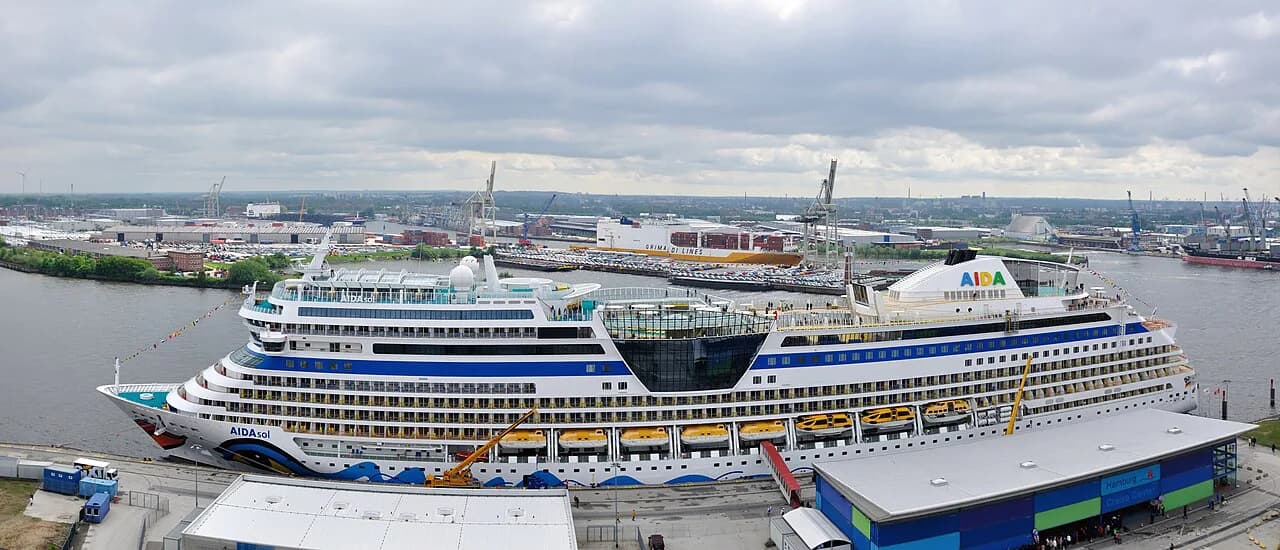
Hamburg operates three cruise terminals, according to the city's official visitor site. Two of them carry most of the traffic: Cruise Center Altona, known for its accessible roof, and Cruise Center Steinwerder, built to take modern ships more than 330 metres long.
Your booking documents name the terminal, and that name is the single most useful piece of information for planning the day. Because the terminals sit in different parts of the port, a plan that works from Altona does not automatically work from Steinwerder. Read the berth line before you decide whether to buy a tour or head out alone.
Cruise Center Steinwerder
Steinwerder sits on the south bank of the Elbe, across the water from the city, and its scale is the point: it exists to handle the largest ships. That means big-ship passengers arrive in numbers and the terminal is a transfer point rather than a place you step off into a sightseeing district.
Treat Steinwerder as a base you travel from, not a neighbourhood you explore. The city centre, Speicherstadt and HafenCity all lie on the opposite bank, so the first task of the day is choosing how to cross. Allow for that crossing in both directions before you commit to any timed activity.
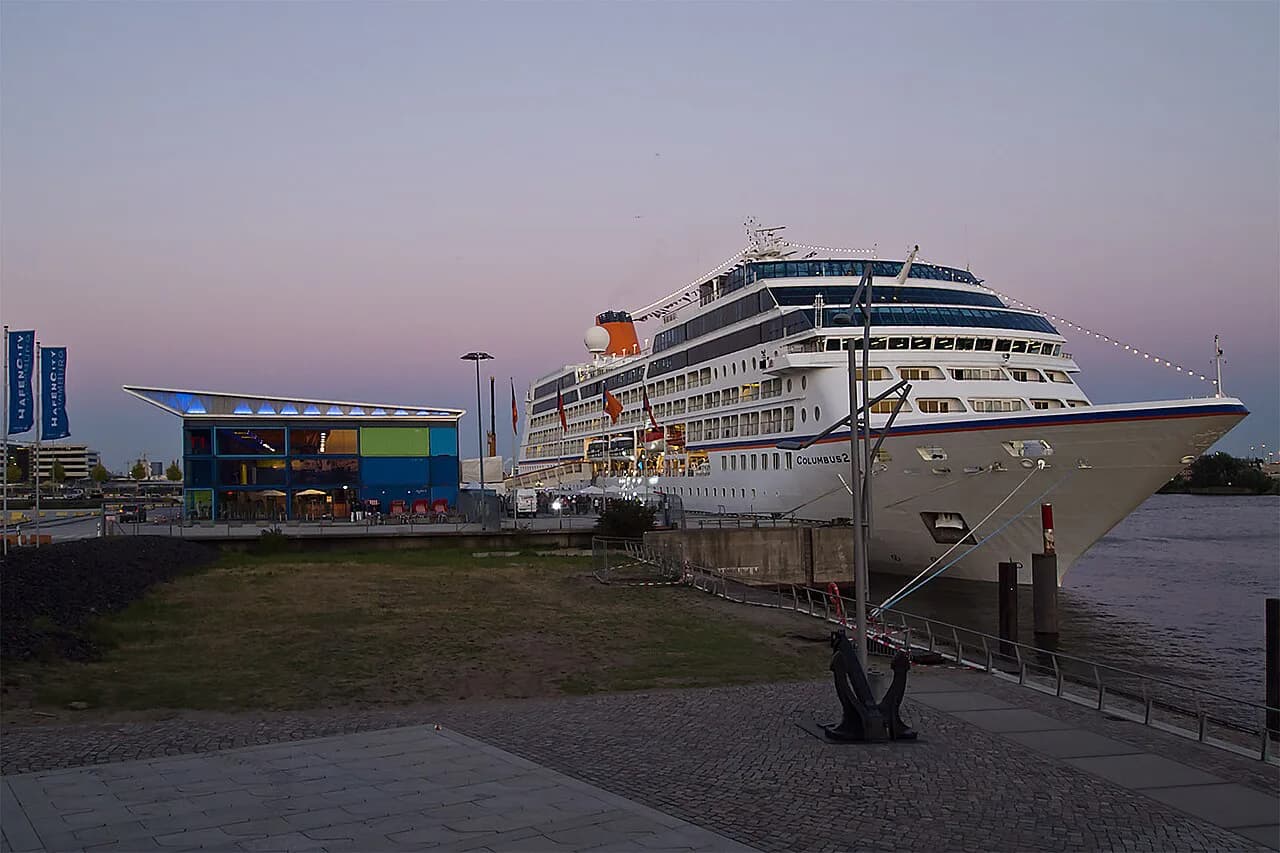
Cruise Center Altona
Cruise Center Altona lies on the north bank by the Altona waterfront, which puts it on the city side of the Elbe. Its accessible roof lets you look out over the water and the ships before heading into town.
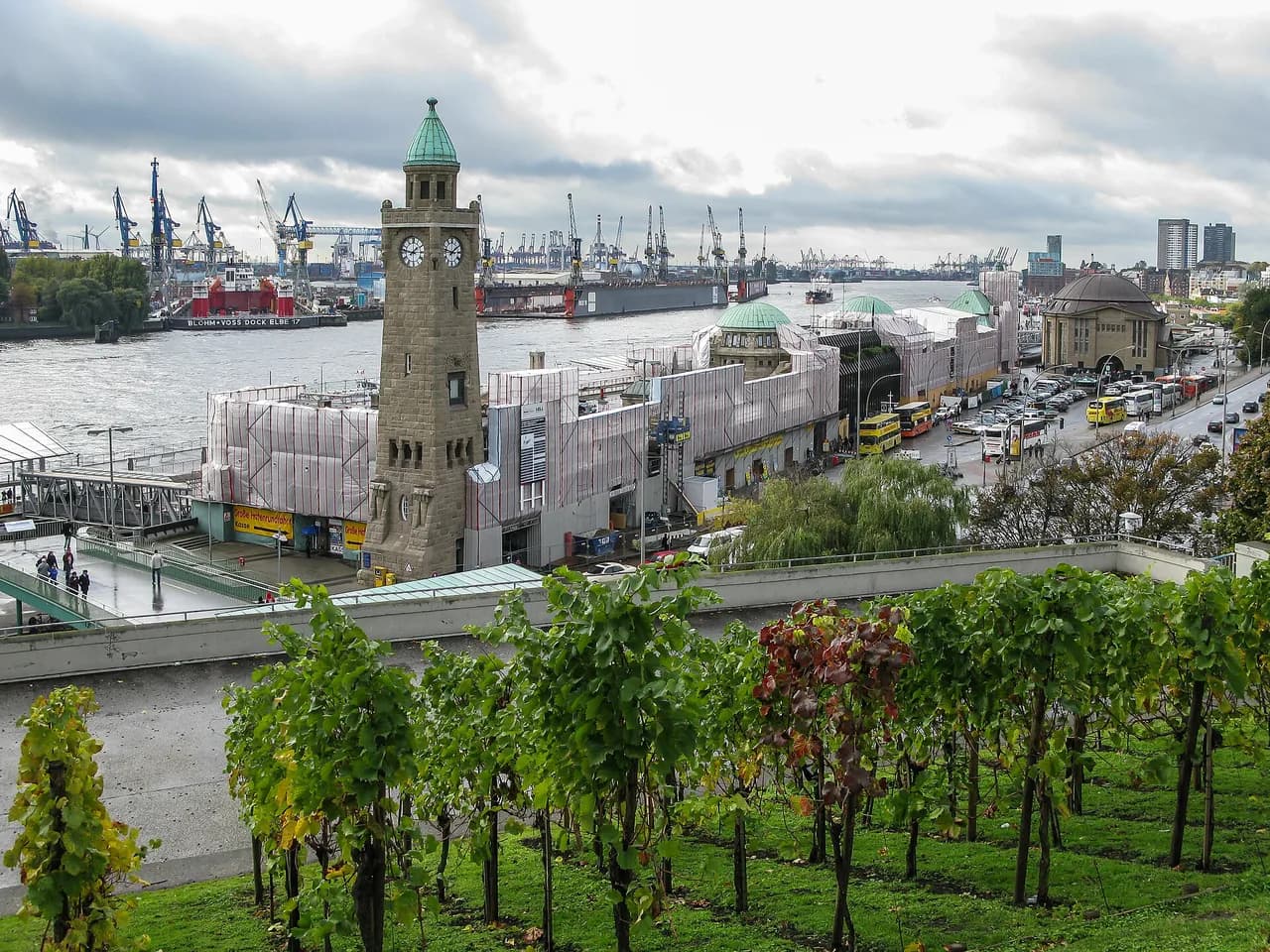
From Altona the Landungsbrücken landing stages, the St. Pauli district and the riverside walk are the nearest draws, with the historic centre and Speicherstadt further along the water. For a short call, the value of this berth is that the city's waterfront begins beside you rather than across the river.
Why your berth matters
A Hamburg call is a transfer day as much as a sightseeing day. Steinwerder costs you a river crossing; Altona puts you on the city bank but still a walk or ride from the centre. Neither terminal opens onto the Rathaus or Speicherstadt, so budget the first and last chunk of your hours for getting in and back.
Work backwards from all-aboard. Decide the return leg first, note how long it takes from your chosen part of town, and only then fill the middle of the day. That habit alone protects a short call better than any list of attractions, and it applies just as well to a Stockholm port day built around a single berth and a fixed return.
Getting into town
From Steinwerder the realistic choices are a taxi, a port transfer if your line runs one, or a combination of transport toward the Landungsbrücken and city centre. From Altona you can walk toward the Landungsbrücken and St. Pauli, or use the S-Bahn and bus network to reach the centre quickly.
Hamburg's public transport runs on buses, S-Bahn and U-Bahn trains and ferries, which makes the network a dependable fallback when you miss a shuttle or want to move between districts. Buy tickets at station machines or through the Hamburg transit app rather than relying on the driver, and keep your ticket until you leave the system.
The city is widely described as easy to navigate on its buses, trains and ferries, so the network is a sensible backbone for an independent day. What it will not do is remove the terminal transfer; that leg still has to be planned around your berth.
Harbour and Elbe ferries
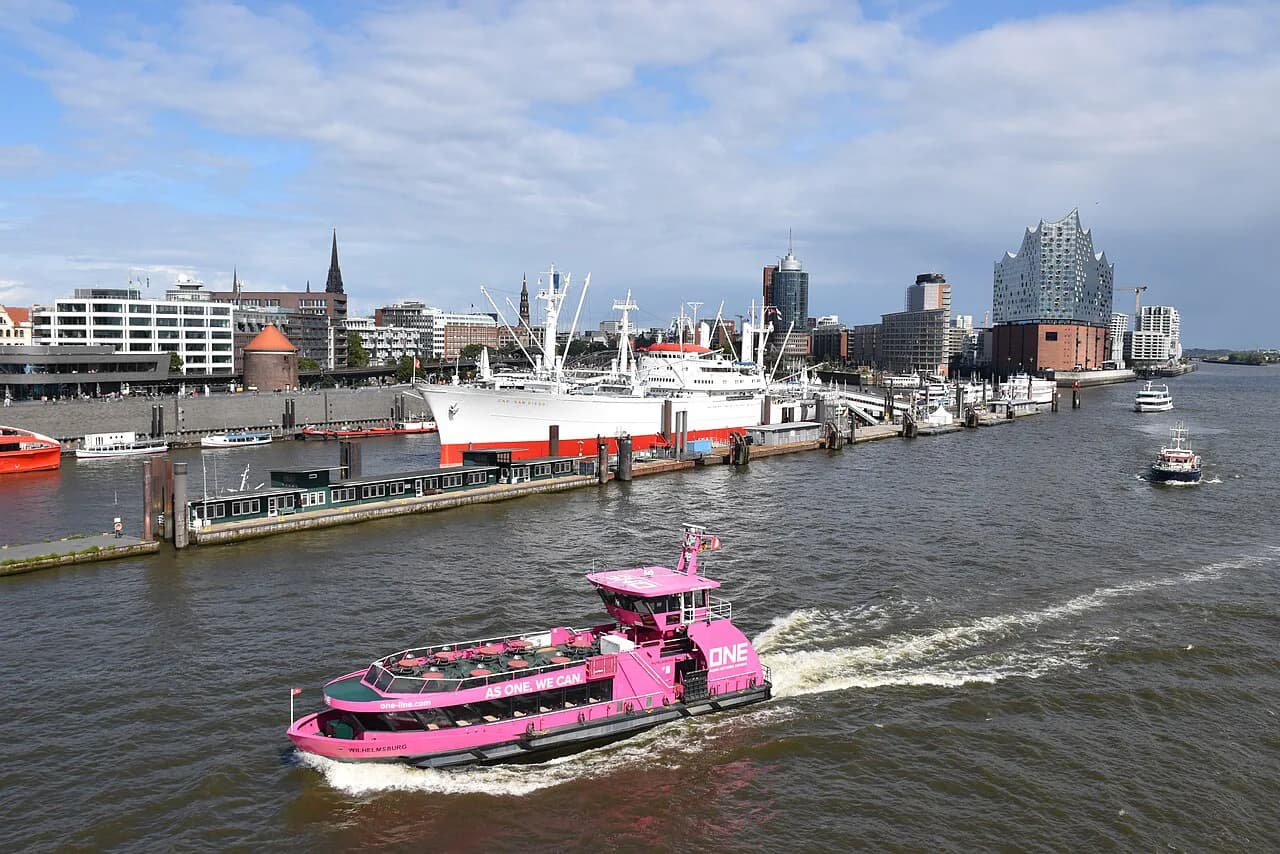
Hamburg's ferries are part of the public transport network and double as a cheap harbour view, making them a smart way to link the Landungsbrücken with HafenCity and the waterfront rather than a simple commute. Use them to combine sightseeing with the transfer instead of treating the crossing as dead time.
Check the pier your ferry leaves from before you set out, because the landing stages along the Elbe are spread across the waterfront. Ferries suit passengers who want the harbour experience woven into the day; they are less useful if your time is tight and you need the fastest line to a specific sight.
S-Bahn, U-Bahn and buses
The rail and bus network is the reliable way to cover ground between districts once you are in the city. Hamburg's S-Bahn and U-Bahn connect the waterfront with the centre and beyond, so you can pair Speicherstadt with the Rathaus or the Alster lakes without long walks between them.
For a short call, pick one line and one direction rather than criss-crossing the city. A single well-chosen connection into the centre and one back out keeps the day calm and leaves room for the sights you actually came for.
Taxis
Taxis are the right call when your berth is Steinwerder and you want to spend your hours in the city rather than changing transport. The trade-off is cost and the return queue at busy times, so agree a pickup point or note a taxi rank near your last sight before you leave the terminal. Wait times at the rank are worth checking with the driver on arrival so you know how early to head back.
Hamburg highlights that fit a port day
Speicherstadt, the red-brick warehouse district threaded with canals, is now a UNESCO World Heritage Site and sits next to the modern HafenCity waterfront. The Elbphilharmonie concert hall anchors HafenCity, and its public plaza gives you a city and harbour panorama without a ticket to a concert.
In the historic centre, the neo-Renaissance Rathaus and the baroque Church of St. Michael are the two landmarks worth your time. St. Michael's tower lifts you high above the city for a panorama, and the Rathaus facade is the classic Hamburg photograph.
A compact plan pairs Speicherstadt and HafenCity with one of the two centre landmarks, leaving the rest for another visit. Hamburg is a large city, so limiting the scope of your sightseeing is advice worth taking on a fixed all-aboard.
St. Pauli and the Reeperbahn
St. Pauli is the natural add-on from Altona, since the district sits between the cruise terminal and the Landungsbrücken. The Reeperbahn is its best-known street, and many of its bars open during the day, so an afternoon stroll fits a port call without a late night.
Pair St. Pauli with the waterfront rather than with Speicherstadt, because the two sit on different sides of the day's geography. Cruise passengers with a few hours left find the district a low-effort stop on the way back to an Altona berth.
Harbour boat tours
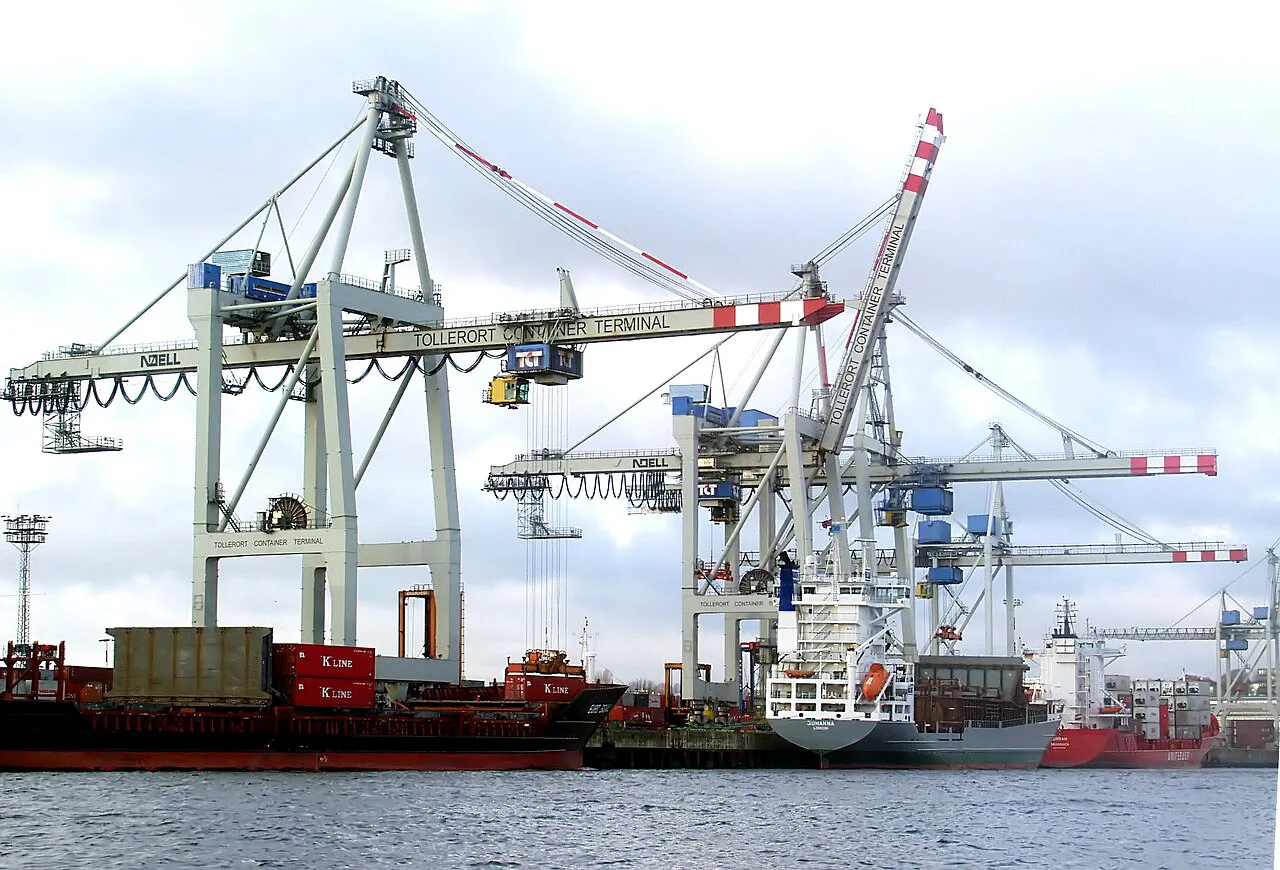
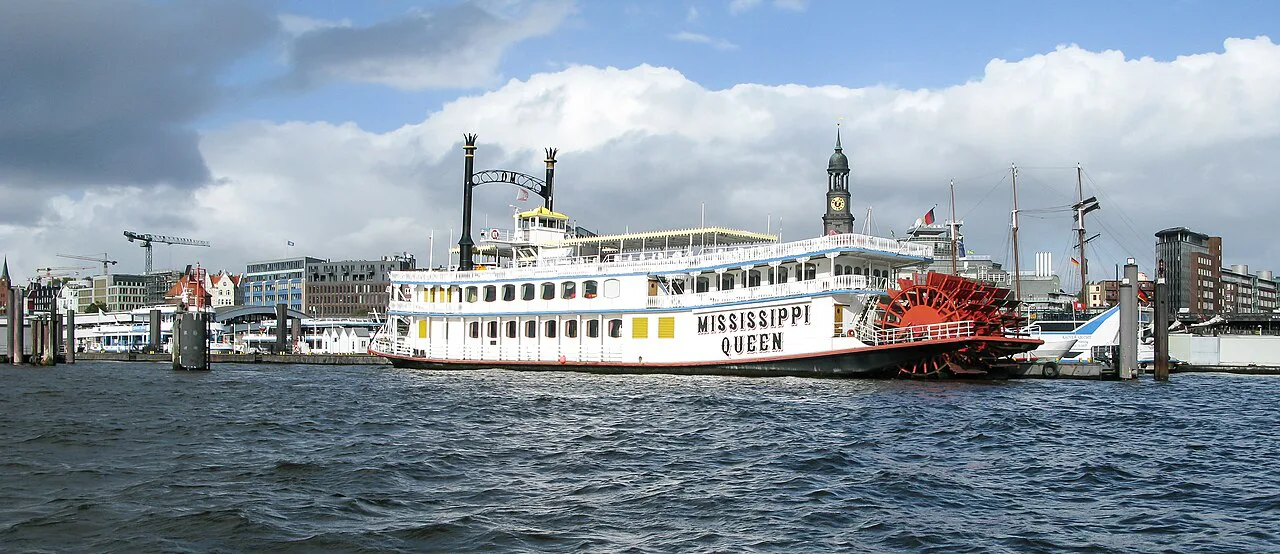
A harbour boat trip shows you the working port, the container terminals and the Speicherstadt canals from the water, which is a different experience from walking the quays. The warehouse canals are the scenic heart of a tour.
Boat tours suit passengers who want a lot of Hamburg in a short time and are happy to sit rather than walk. They compete for the same hours as a Speicherstadt walk, so choose one rather than trying to fit both into a short call.
How long you need
On a six-hour call from Steinwerder, treat the river crossing as fixed overhead and plan one district, such as Speicherstadt and HafenCity, with a single return leg. From Altona, six hours covers the waterfront, St. Pauli and a quick look at the centre if you move deliberately.
Eight hours allows a harbour boat trip or a proper Speicherstadt walk plus the Rathaus or St. Michael's. Ten hours opens up a wider loop across the centre and the waterfront with time for a meal. In every case, set your return to the terminal well before all-aboard so a missed connection does not become a missed ship.
Ship tours vs. independent sightseeing
A ship's excursion removes the transfer problem: you are moved between the terminal and the sights as a group, which matters most from Steinwerder. The trade-off is less freedom and a fixed pace, and a ship tour is the safer choice only in the sense that the operator plans the timing, not that the vessel will wait for independent travellers.
Going independently costs less and lets you follow your own interests, but every delay is yours to absorb. Local operators run city and harbour tours from the centre, and the public transport network gives you a fallback if a plan slips. Whichever you choose, keep a margin for the return leg and carry the terminal name with you.
Embarkation at Hamburg
If Hamburg is where your cruise begins, your booking documents name the terminal, and that is what you give a taxi driver or use to plan a rail arrival. Drop your luggage at the terminal before exploring, then keep your passport and boarding documents with you rather than in checked bags.
Hamburg is well connected by train, road and air, so arriving by rail or flying in both work. Build in time for the terminal transfer from the airport or main station, and confirm the berth with your cruise line before you travel, because the three terminals are not interchangeable for arrival logistics.
Plan Your Visit
Start with your berth, then build the day outward. Steinwerder means a river crossing and a tighter plan; Altona puts the waterfront on your side of the Elbe. Choose one district or one boat trip rather than chasing every highlight, and set your return leg before you leave the ship.
Sensible shoes, a transit ticket and the terminal name in your pocket cover most of what a Hamburg port day asks. For a wider look at the port, the onward transfers and the city's attractions, use the port guide and plan around the hours you actually have ashore.
Frequently Asked Questions
Where do Royal Caribbean cruise ships dock in Hamburg?
Royal Caribbean does not publish a fixed Hamburg berth, and no general source assigns individual cruise lines to Cruise Center Steinwerder, Cruise Center Altona or the city's third terminal. Your booking documents and the cruise line's app name the terminal for your sailing, and that name is what you give a taxi driver. Treat any plan made before you have that confirmation as provisional, because the terminals sit in different parts of the port.
How far is the Hamburg cruise terminal from the city centre?
Neither Steinwerder nor Altona opens directly onto the historic centre. Steinwerder sits on the south bank of the Elbe, so reaching Speicherstadt, HafenCity or the Rathaus involves crossing the river by taxi, ferry or a combination of transport. Altona is on the city bank, with the Landungsbrücken and St. Pauli close by, but the centre is still a walk or a short ride away. Plan the transfer as a fixed block at each end of the day.
Is there a shuttle from the Hamburg cruise terminal into town?
Whether a shuttle runs depends on the cruise line and the terminal in use, so look for the transfer details in your line's port information rather than assuming one will be waiting. If none is offered, taxis, the S-Bahn and U-Bahn network and the Elbe ferries cover the same ground. From Altona you can also walk toward the waterfront and St. Pauli without any vehicle at all.
Can you get to Berlin from the Hamburg cruise port in a day?
Berlin is a long way from Hamburg, so a day trip there removes almost all of your time in Hamburg itself and leaves you exposed to delays on the return leg. Only consider it on a genuinely long call with a well-planned, early departure. For most port days, Speicherstadt, HafenCity, the Elbphilharmonie area and the historic centre fill the hours comfortably.
Sources
Port-day notes for your next cruise
Optional updates to our port guides.
You might also like
Continue reading
More guides you'll find useful