Florence Cruise Port (Livorno): Getting to Florence and Pisa
Ships calling at Florence dock in Livorno, about an hour from Florence by car or train. Here is how to plan the transfer, a Pisa stop and your return buffer.
On this page
A Florence port call is really a Livorno port call. Ships market the stop as Florence and Pisa, but the gangway drops you in Livorno, a working Tuscan port city on the coast, and the Duomo and the Leaning Tower are both a road or rail journey inland. Plan the day as a transfer day with sightseeing attached, not a stroll into town.
Cruise lines sell Pisa as a short hop and Florence as roughly an hour by car or train, which sets the shape of the day: one city comfortably, both only if you accept a rushed circuit with little slack. This guide sorts the transport chain from berth to station to city so you can pick one plan and protect your all-aboard time.
What the Florence cruise port day offers
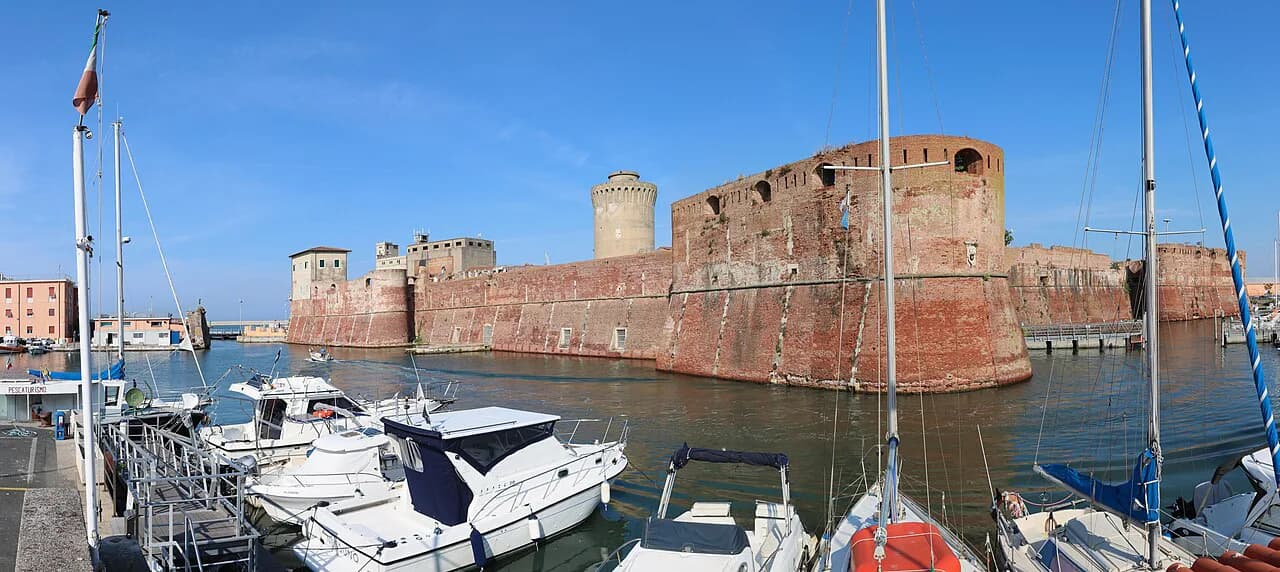
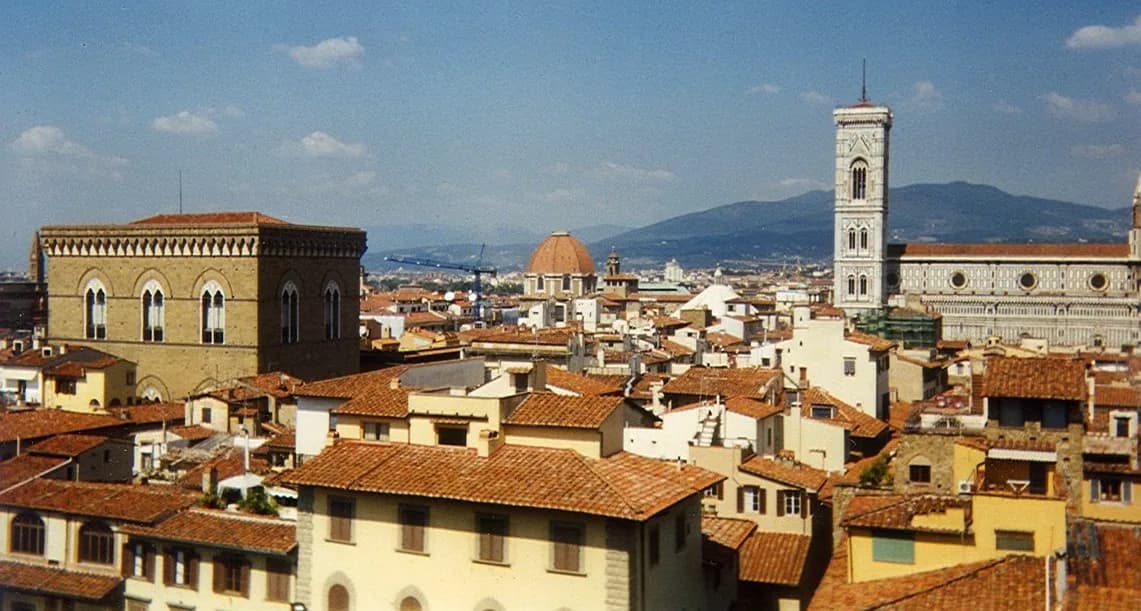
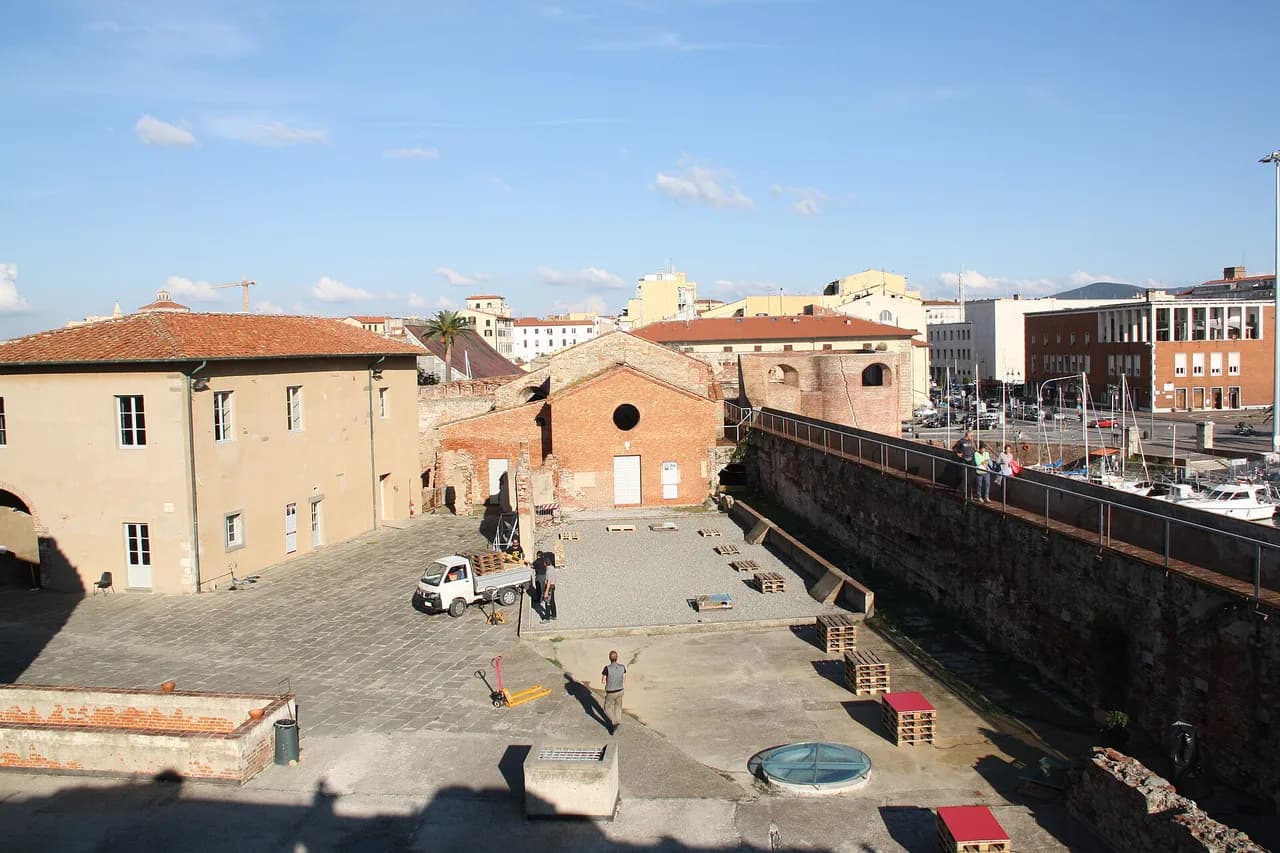
Florence is the draw: the Duomo, the Baptistery's Byzantine-style frescoes, the Uffizi and the Accademia. Pisa is the shorter, easier target, with the Field of Miracles and the Leaning Tower. Livorno itself has the Fortezza Nuova, a 16th-century fortress, and the canal quarter known as Nuova Venezia, where small sailboats run through the canals.
That mix suits two very different passengers. If you want world-class art and Renaissance streets, Florence justifies the transfer time; if you want a compact, photogenic stop with time left over, Pisa plus an hour or two in Livorno is the lower-stress day. Decide which one you are before you leave the ship, because splitting the day between both cities eats the margin you need for the return.
Book timed museum entries before you travel where a site sells them, since advance tickets cut queueing time at the Uffizi and Accademia on a short call. Royal Caribbean notes that the Uffizi, the Galleria dell'Accademia and most other state museums close on Mondays, which is worth checking against your sailing date before you commit to a Florence plan.
Where ships dock in Livorno
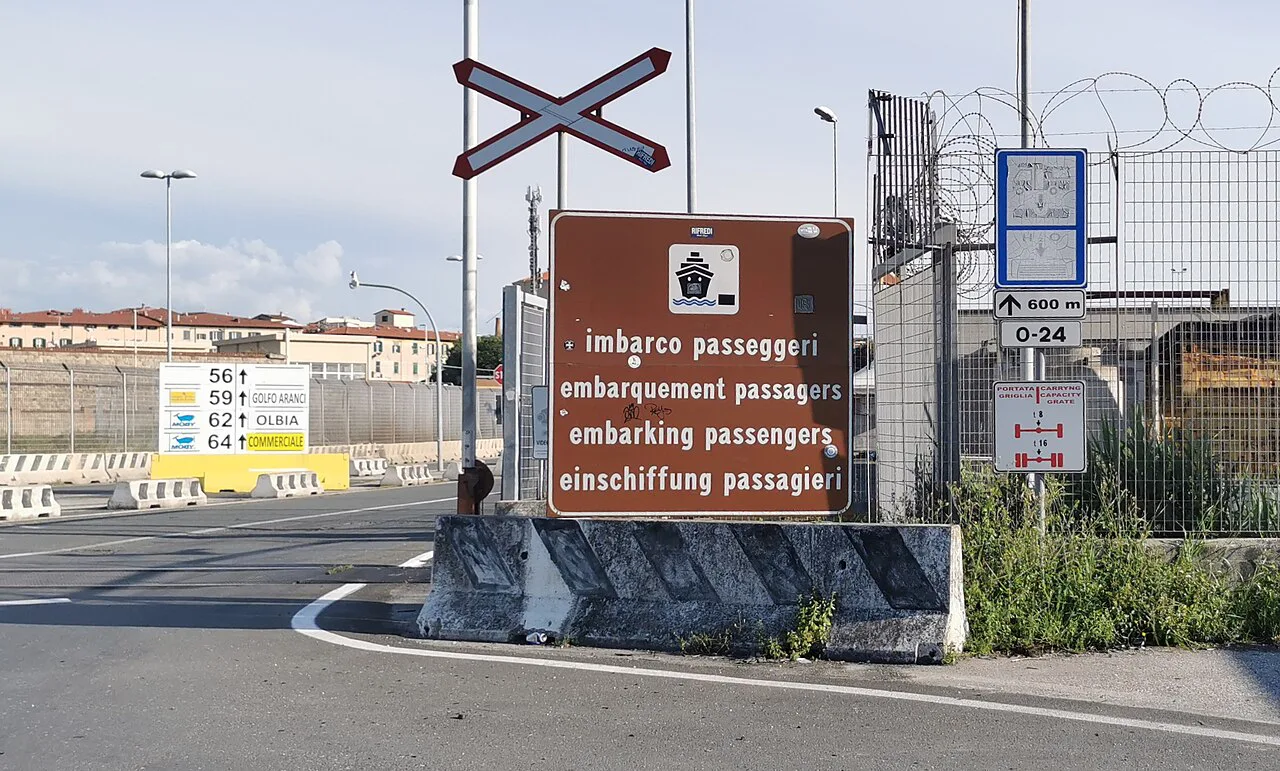
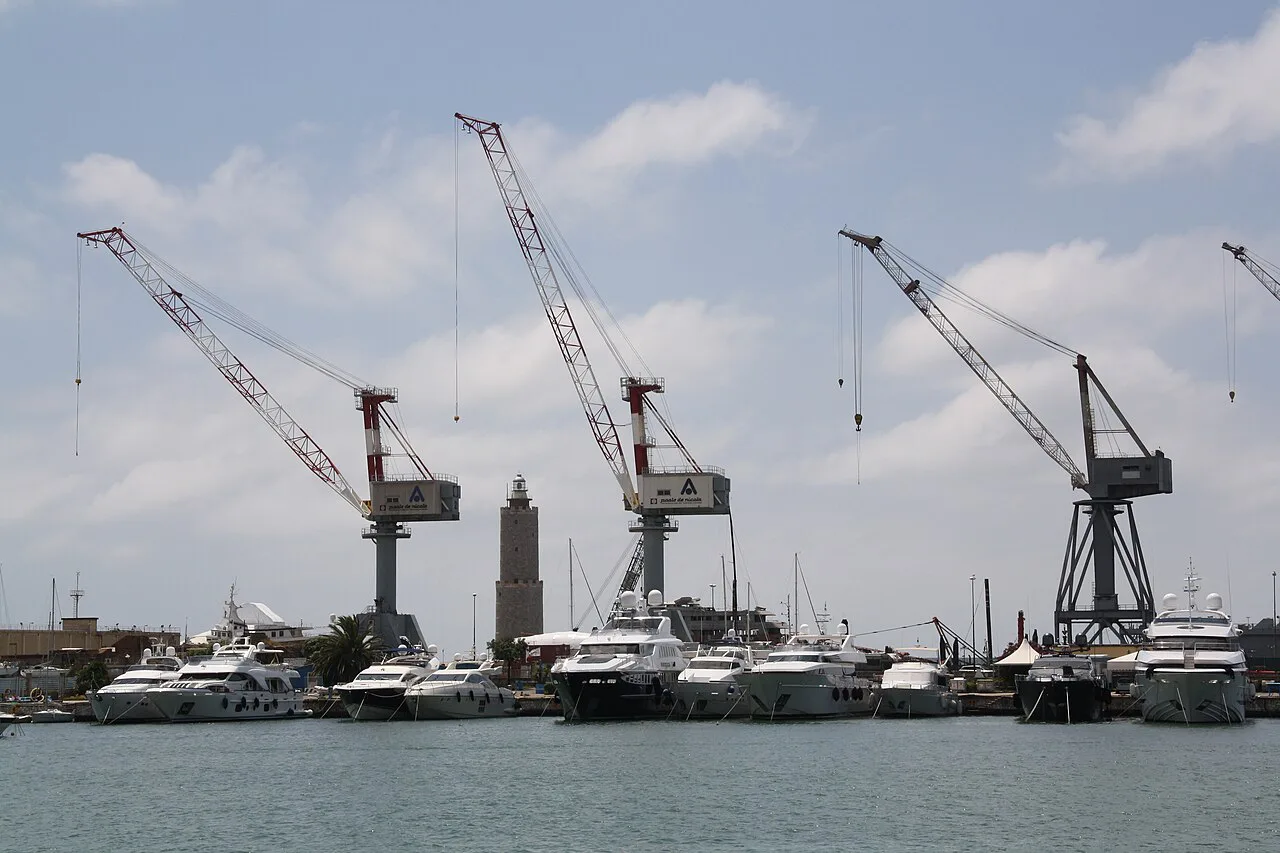
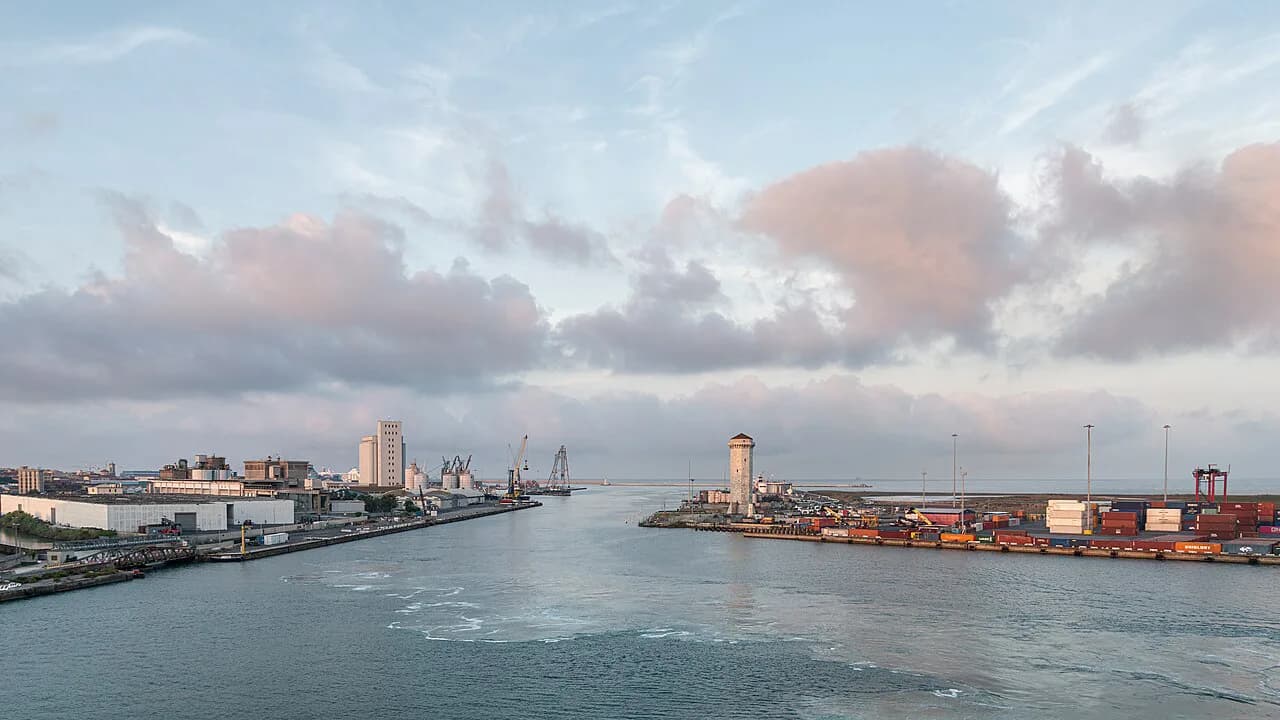
Cruise ships berth in the port of Livorno, not at a terminal in Florence. Berth assignment varies by ship size, and port maps label the cruise quays separately from the commercial docks; your ship's daily programme and the port's own information are where the exact quay is confirmed, since it can change with the day's shipping schedule. The livorno cruise port guide covers the quay layout in more detail.
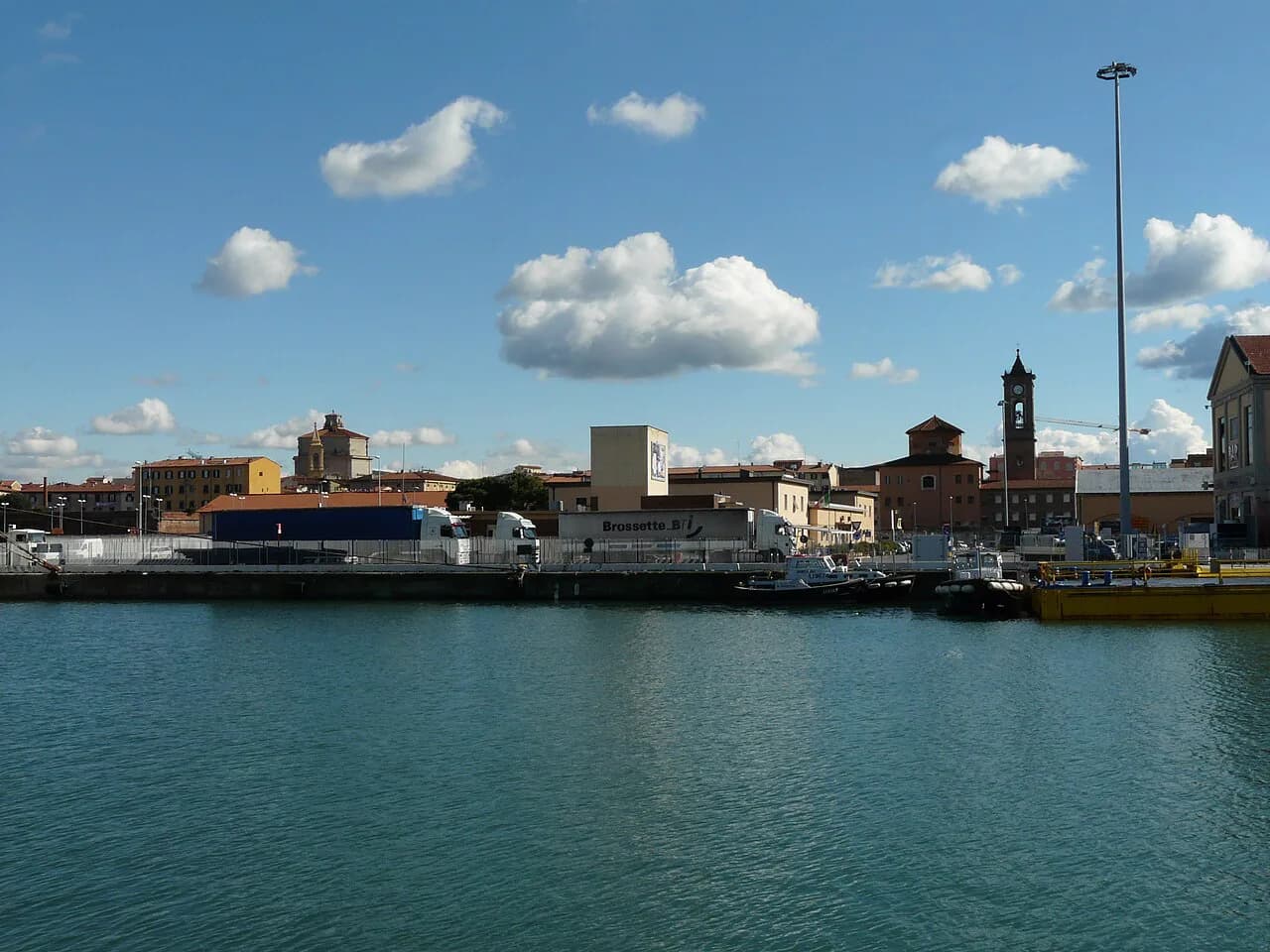
The practical point is that you do not walk out of the port gate into Livorno's centre or onto a train platform. Cruise quays sit within a working harbour, so the first leg of any independent day is a transfer from the ship to a station or taxi rank. Build that leg into every plan, including the return, rather than treating it as an afterthought.
Large ships may use the dedicated cruise berth area and smaller vessels another quay, and the walk or shuttle distance to the port exit differs accordingly. Treat the berth-to-exit leg as a variable you confirm on board, not a fixed number, and ask at the gangway which exit and transport are being used that day.
Getting to Florence from Livorno: train, taxi and ship transfer
There are three realistic ways to reach Florence. The train from Livorno Centrale is the cheapest and most predictable in traffic terms; a taxi gives you a door-to-door run at a higher cost; a ship's transfer or shore excursion removes the logistics risk in exchange for a fixed itinerary and a group pace. Whichever you choose, the day starts with the same problem: getting from the berth to Livorno Centrale. The same decision applies when getting from the la spezia cruise port to florence, where the station is likewise a transfer away from the berth.
For the transfer to the station, taxis queue near the point where passengers come off the ship, which makes a taxi the quickest link from gangway to Livorno Centrale for independent travelers. The station is inland from the port, so this is a short urban ride rather than a walkable stroll with luggage or a tight schedule.
From Livorno Centrale, regional trains run toward Florence and Pisa on the same coastal rail corridor, so the station is your decision point: onward to Florence, a stop at Pisa, or both in sequence. Buy tickets at the station or through the national rail operator's app and validate them where Trenitalia requires it. Fares vary by train type and date, so check the operator's own site for your day rather than budgeting from memory.
A taxi all the way to Florence removes the station change but exposes you to Tuscan motorway traffic in both directions, and you pay for the waiting time or book a fixed return. Agree the return pickup time and place with the driver before you set off, and keep the driver's number; a pre-arranged car is the only version of independent travel where you control the return leg precisely.
A ship transfer or shore excursion is the lowest-risk option: the cruise line handles the driving and you are back at the ship on the line's schedule. That convenience costs more than the train and locks you into the group's pace and stops. It also does not guarantee the ship waits if you wander off on your own, so stay with the group if you book one.
The Livorno Centrale train route to Florence
The rail route from Livorno to Florence runs inland through Tuscany, with Florence's main station, Santa Maria Novella, sitting close to the Duomo and the historic core. That station choice matters: arriving at Santa Maria Novella puts you within a short walk of the centre rather than needing a second bus or taxi.
Allow time at both ends. At Livorno Centrale, find your platform and validate your ticket before boarding; at Santa Maria Novella, work out your return departure before you leave the station so you are not hunting for a platform in the evening rush. Note the train number and departure time on your phone or a screenshot, since regional services are not reserved and you simply take the next one that fits your return window.
If you plan to continue to Pisa, the rail corridor makes a stop easy in principle, but each change costs platform time and waiting. The port to pisa guide sets out that leg separately if you decide to make Pisa the whole day rather than an add-on.
Pisa as a stop on the way
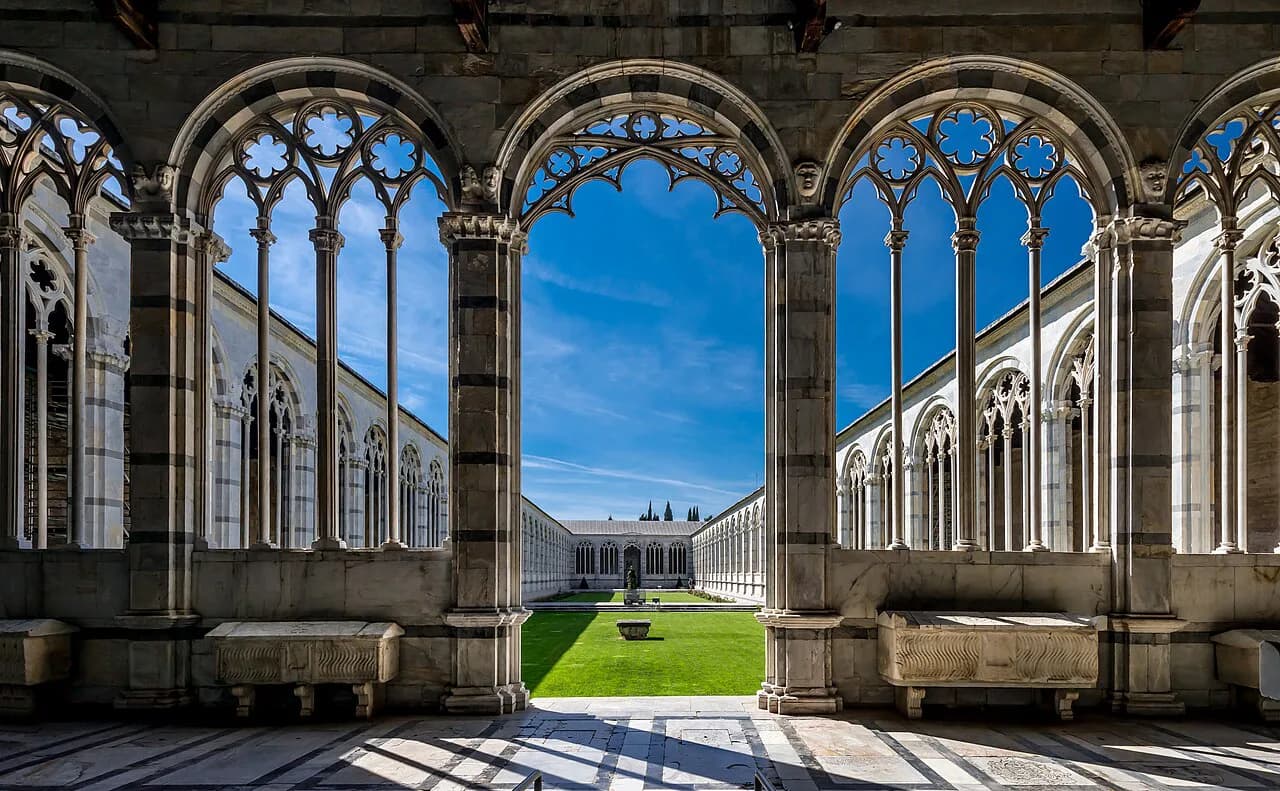
Pisa is the shorter day. The Leaning Tower and the Field of Miracles sit in one compact area, so you can see the headline sight and be back at the station well inside a port call. Royal Caribbean also points to the Lungarno, Pisa's riverside embankment, as an escape from the crowds around the tower, with the medieval heart of the city north of the river.
Adding Pisa on a Florence day works only if you treat it as a brief stop between trains, not a second full visit. If you want to climb the tower, see the cathedral and walk the river, give Pisa its own call and take Florence off the list. A good decision rule: if your call is under about eight hours ashore, choose one city; with a long call and an early start, a quick Pisa look plus a Florence afternoon is possible but leaves almost no slack.
Pisa also has its own airport nearby, served by budget carriers, which is relevant if you are extending a trip rather than returning to the ship. The Pisa Airport guide covers that separately from the port-day logistics.
Ship shore excursions vs going independently
The three options differ mainly in who absorbs the risk. A ship's excursion bundles transport, a guide and a fixed return to the vessel, so the day runs on the line's schedule. A local operator gives you a similar guided experience, often at a lower price, but you carry the return timing yourself. Going fully independent, with taxi and train, is the cheapest and most flexible and puts every delay on you.
For independent travel, the return-train risk is the one to manage: a missed connection or a delayed regional service eats your buffer quickly. Book a train that gets you back to Livorno with time to spare for the taxi to the berth, and have a fallback plan, such as an earlier train than you think you need. Ship excursions are worth the premium on a first visit to Florence, when the unfamiliar station change and city crowds are hardest to judge.
If you would rather hand over the driving and the itinerary, the excursions from port options for Livorno cover Florence, Pisa and the Tuscan countryside, each with a different balance of time in the city and time on the road. Compare pickup points and total hours in Florence, not just the headline sights.
How long you need: 6-, 8- and 10-hour calls
A six-hour call is not a Florence day. Once you subtract gangway time, the taxi to Livorno Centrale, the train, and the reverse run with a buffer, you are left with a couple of hours in the city at most. On six hours, pick Pisa or stay in Livorno: the canals of Nuova Venezia, the Fortezza Nuova and a long Tuscan lunch make a satisfying short call.
Eight hours makes Florence feasible in a compressed form. Take an early taxi to the station, catch an early train, and plan the return around your all-aboard time with a real margin; that leaves time for the Duomo exterior, a walk through the centre and one museum if you pre-book. Ten hours is the comfortable version, with room for a museum, a sit-down lunch and a slower return, or for a Florence morning and a Pisa stop on the way back.
Calibrate against your own ship's schedule rather than a generic number. Your time ashore runs from the moment you clear the gangway to the moment you must be back, and tender ports, late arrivals and early all-aboards all cut into it. Read the daily programme the night before and write the all-aboard time down.
Return-time buffer and all-aboard
Work backwards from all-aboard, not from the time you want to leave Florence. Add the walk to Santa Maria Novella, the wait for a train, the ride to Livorno Centrale, the taxi queue back to the berth, and a margin for a late train. On a regional rail corridor, one missed service can cost you half an hour or more.
A working rule for independent travelers is to be back in Livorno well before all-aboard, with the taxi-to-berth leg still ahead of you. If the train you planned is cancelled or full, take the next one and cut the sightseeing, not the buffer. Ship-organized excursions build the return into their schedule; independent travelers build their own.
Keep the ship's contact card with you, note the port agent's number from the daily programme, and know that the ship will not wait for independent travelers. That is the whole argument for a generous buffer: it is cheaper than a missed sailing.
Staying in Livorno: the port city itself
Livorno repays a short visit. The Fortezza Nuova, a red-hued 16th-century fortress, sits beside the Nuova Venezia canal quarter, where small sailboats carry visitors through the waterways. That makes a pleasant two- to three-hour circuit from the port, with a bowl of ribollita or a bistecca alla fiorentina in between.
The city also works as a base for other Tuscan days. Lucca, with its intact Renaissance walls and car-free centre, is another rail stop from the same corridor, and the cruise port to lucca guide covers that option. Combining Livorno itself with a short rail hop is a sensible plan for a shorter call.
If you prefer to drive yourself, rental desks in Livorno and at the airport let you build your own Tuscan loop, though you then own the parking, the traffic and the return timing. The livorno cruise port car rental guide sets out the practicalities. For most passengers, the train and taxi chain is simpler on a port day.
Plan Your Livorno Port Day
Decide before you sail: Florence with a buffer, Pisa as the whole day, or Livorno itself. Then sort the chain in order, berth to taxi rank to Livorno Centrale to train, and give the return leg more time than the outbound one. The best port day is the one where you are back on board with time to spare.
Frequently Asked Questions
Can you walk into Florence from the cruise port?
No. Ships dock in Livorno, and Florence is about an hour away by car or train. You need a transfer to Livorno Centrale and then a train, or a taxi or ship transfer for the whole run.
Where do cruise ships dock for Florence?
In the port of Livorno, on the Tuscan coast. The exact quay depends on the ship and the day's port schedule; your ship's daily programme confirms the berth and how you leave the port area.
How do I get to Florence from the Livorno cruise port?
Take a taxi from the berth to Livorno Centrale, then a regional train toward Florence, or book a taxi or ship transfer all the way. The train is cheapest; the ship transfer removes the return-timing risk.
Is Livorno worth visiting for tourists?
Yes, for a short call. The Fortezza Nuova and the Nuova Venezia canal quarter make a compact circuit, with Tuscan food in between, and you avoid the long inland transfer entirely.
Should I choose Florence or Pisa on a Livorno port call?
Choose Florence for art and Renaissance streets, Pisa for a compact headline sight. If your call is under about eight hours ashore, pick one; on a longer call, a quick Pisa stop on the way to or from Florence is possible.
How much buffer should I leave for the return to the ship?
Work backwards from all-aboard: add the station walk, the train wait and ride, the taxi queue and the berth transfer, then add extra margin for a delayed regional train. The ship will not wait for independent travelers.
Sources
Port-day notes for your next cruise
Optional updates to our port guides.
You might also like

Continue reading
More guides you'll find useful