Ravenna Shore Excursions: What Fits Your Port Call
Ravenna shore excursions range from mosaics in town to day trips to Venice and Florence. Compare travel time and return-to-ship risk before you book.
On this page
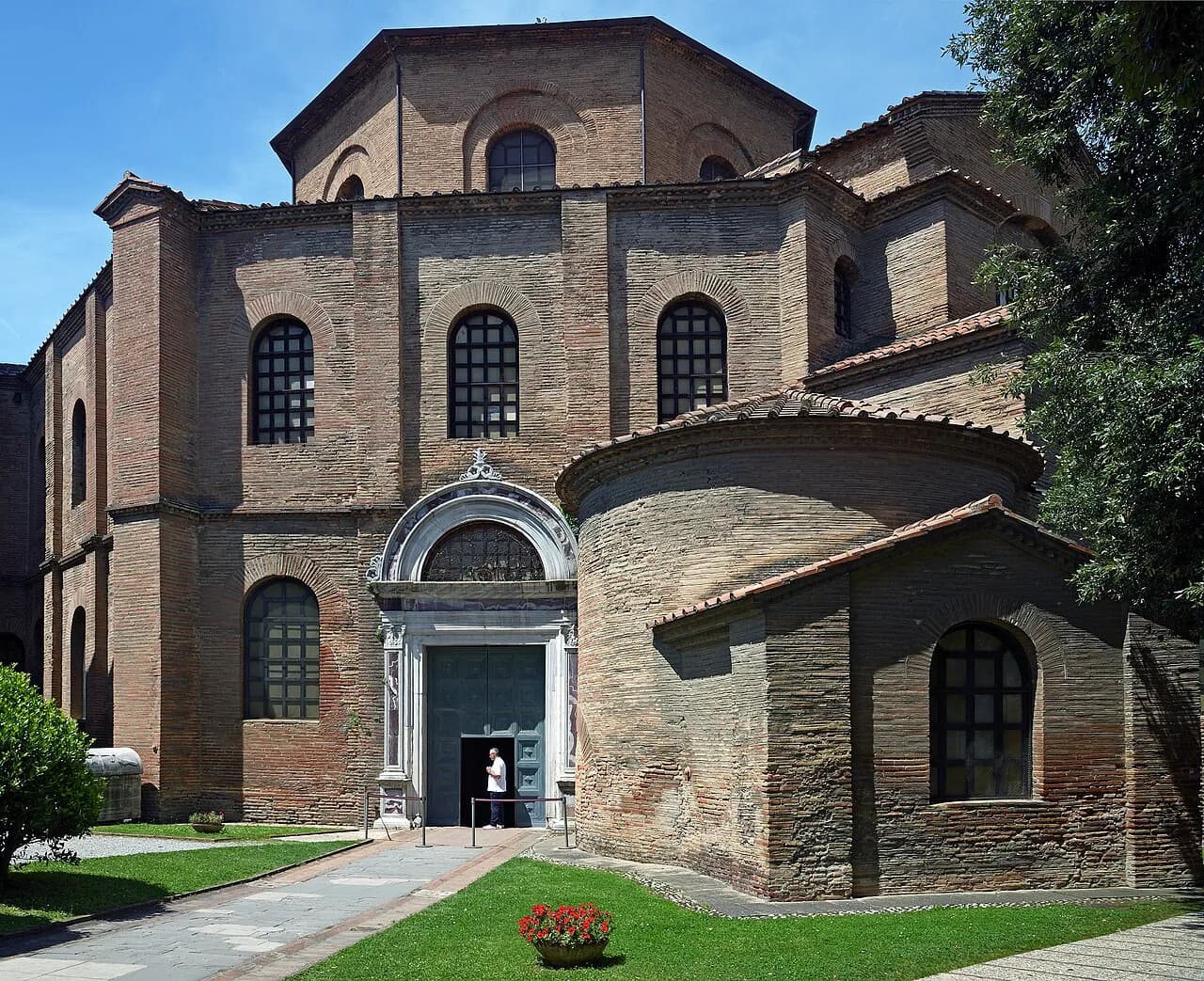
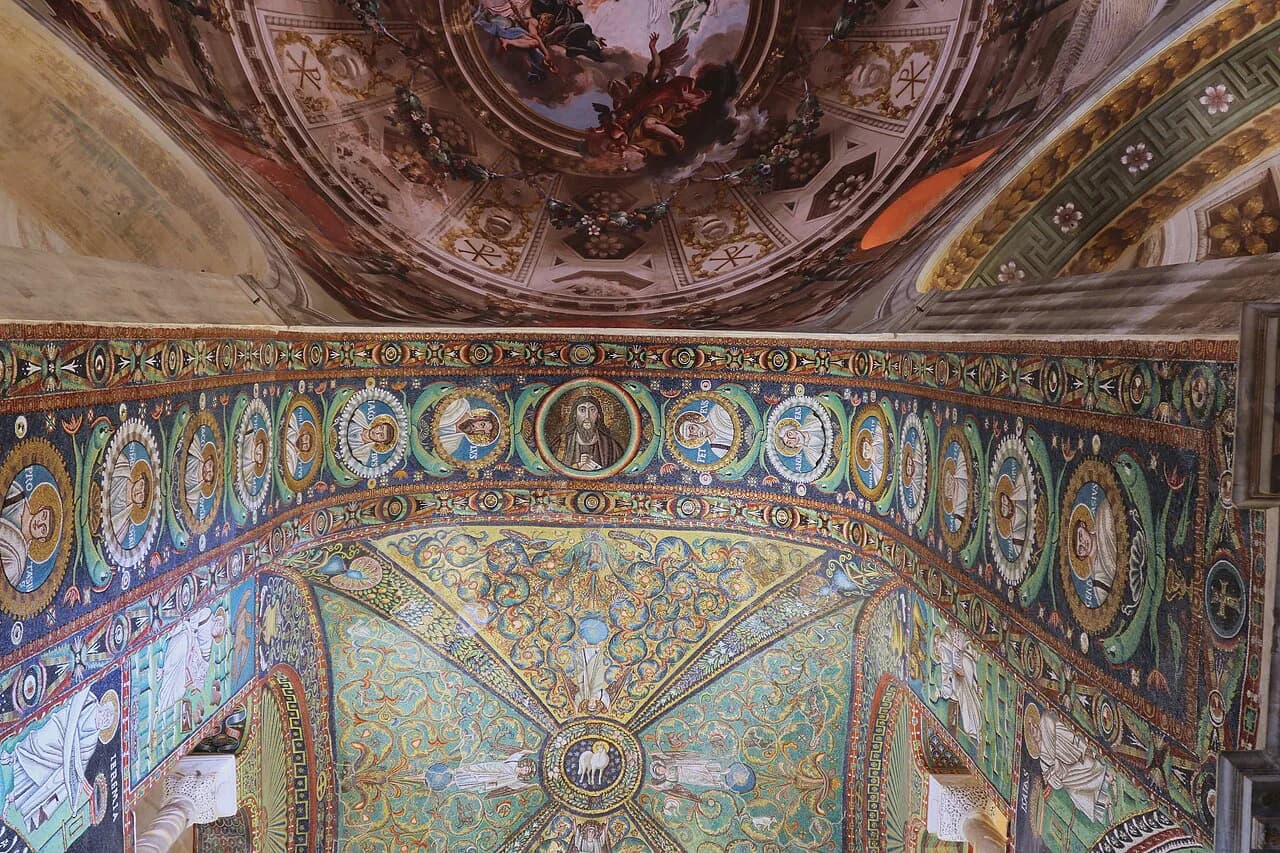
Ravenna is one of the Adriatic's richest short-call ports, because eight early Christian and Byzantine monuments and their mosaics sit inside a compact historic center you can cross on foot. Passengers who treat the port as a base for Venice or Florence spend most of the call in a vehicle; passengers who stay in town see one of Italy's densest concentrations of UNESCO-listed art before lunch.
The planning question is not which excursion sounds best but which one survives your all-aboard time. Anything leaving Emilia-Romagna needs a long road transfer each way, and only a ship-organized tour carries the cruise line's own return arrangement.
Ravenna as a cruise port: what a call here actually gives you
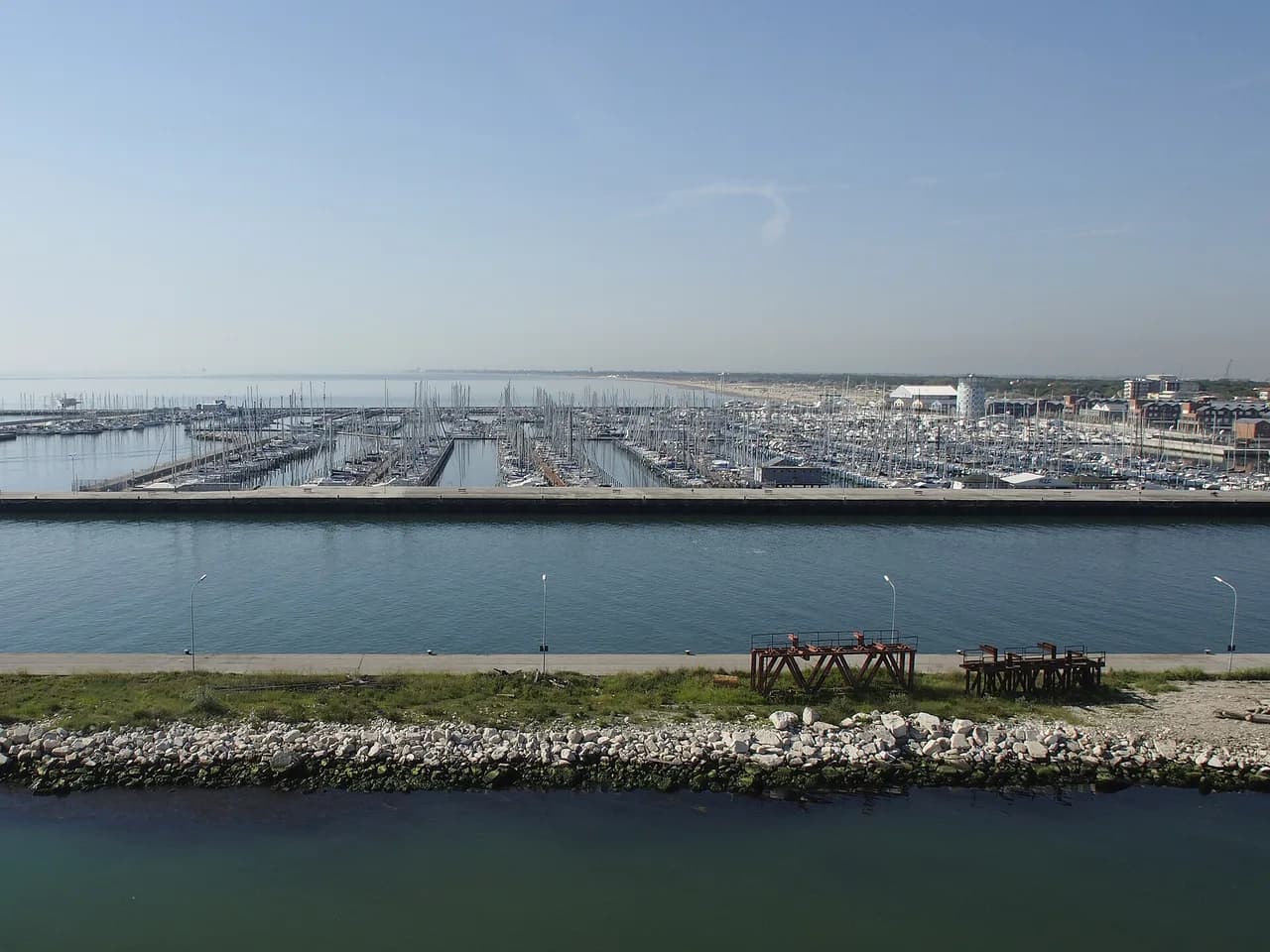
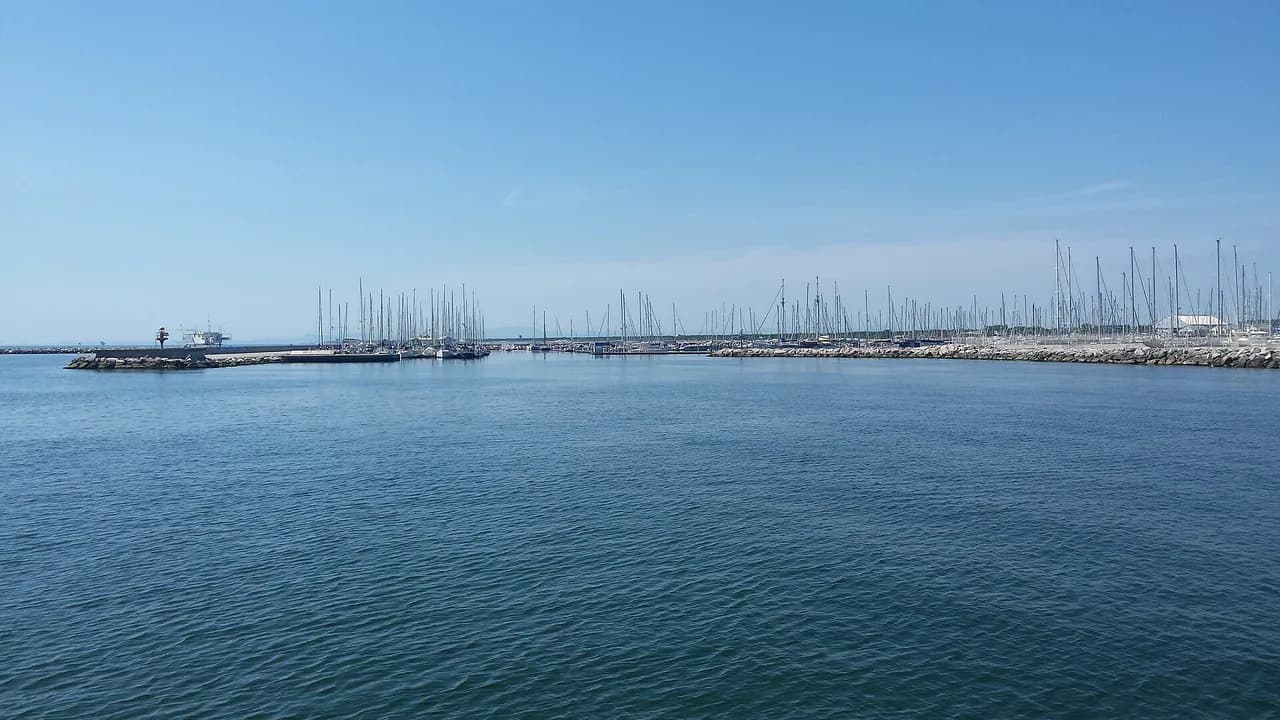
Ships calling at Ravenna use berths in the Porto Corsini canal area, set back from the city rather than alongside the historic center. That layout shapes every excursion decision: you need a transfer before any sightseeing starts, whether by port shuttle, taxi, private transfer or coach.
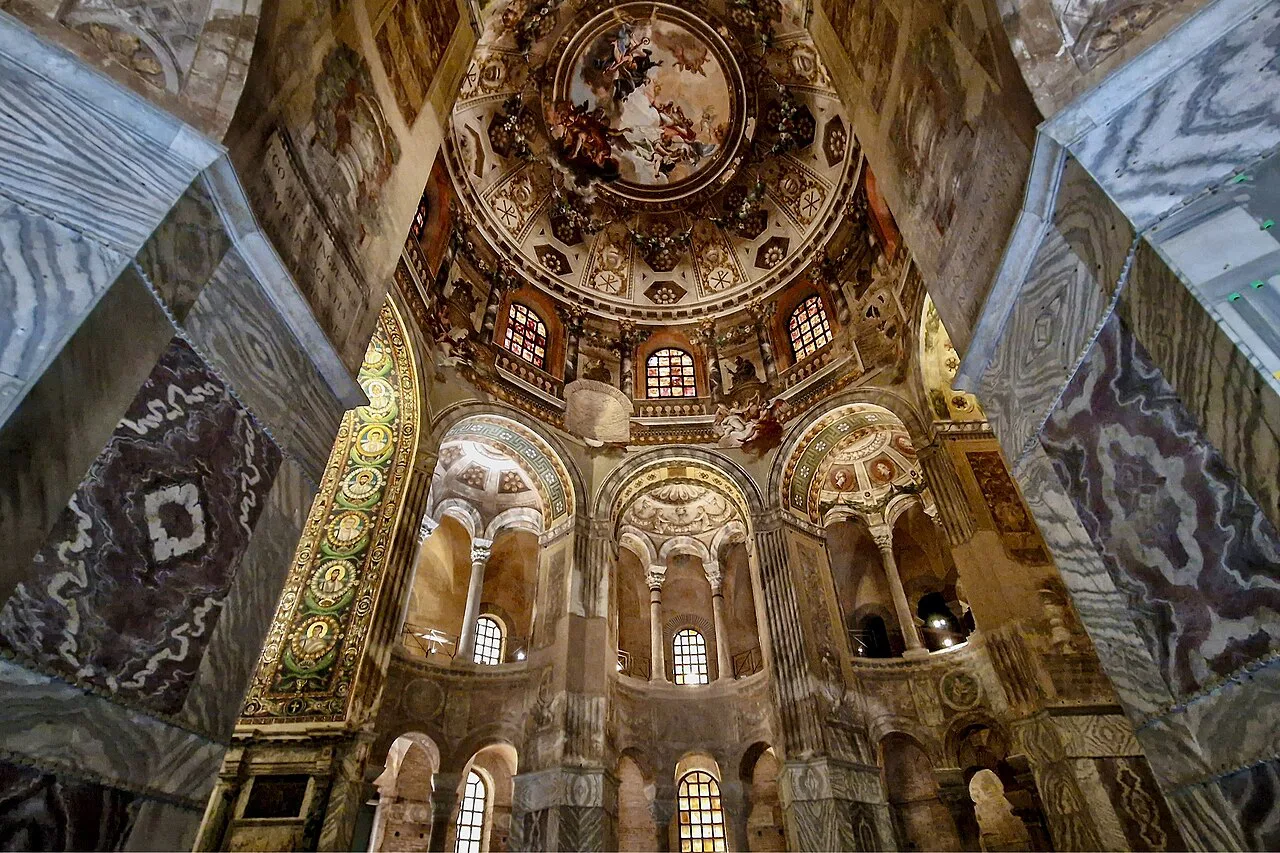
Plan the day around the mosaics first and treat inland cities as optional extras. A Ravenna-only morning leaves room for the Mausoleum of Galla Placidia, San Vitale, Sant'Apollinare Nuovo and the Neonian Baptistery, plus a pause for piadina, without ever being far from the return transfer point.
If Ravenna is your embarkation or disembarkation port rather than a call, the same geography matters. Coming from Bologna Guglielmo Marconi Airport, book the transfer early enough to clear check-in and luggage drop before the terminal closes boarding.
Where ships dock and how far the berth is from Ravenna's historic center
The port sits on the canal at Porto Corsini, and the distance from the berth to the center is a road transfer rather than a stroll. Building the transfer into both ends of your day is the single most useful thing you can do before choosing an excursion, because a coach tour's departure time assumes you are already at the ship.
Check with your cruise line whether a port shuttle is running on your call and where it drops in town, then match your excursion start to that shuttle time rather than to the ship's arrival. Independent travelers should leave a wider gap on the return leg, since everyone converges on the same transfer point at the end of the day.
Why Ravenna is a mosaic city: what you can see on foot independently
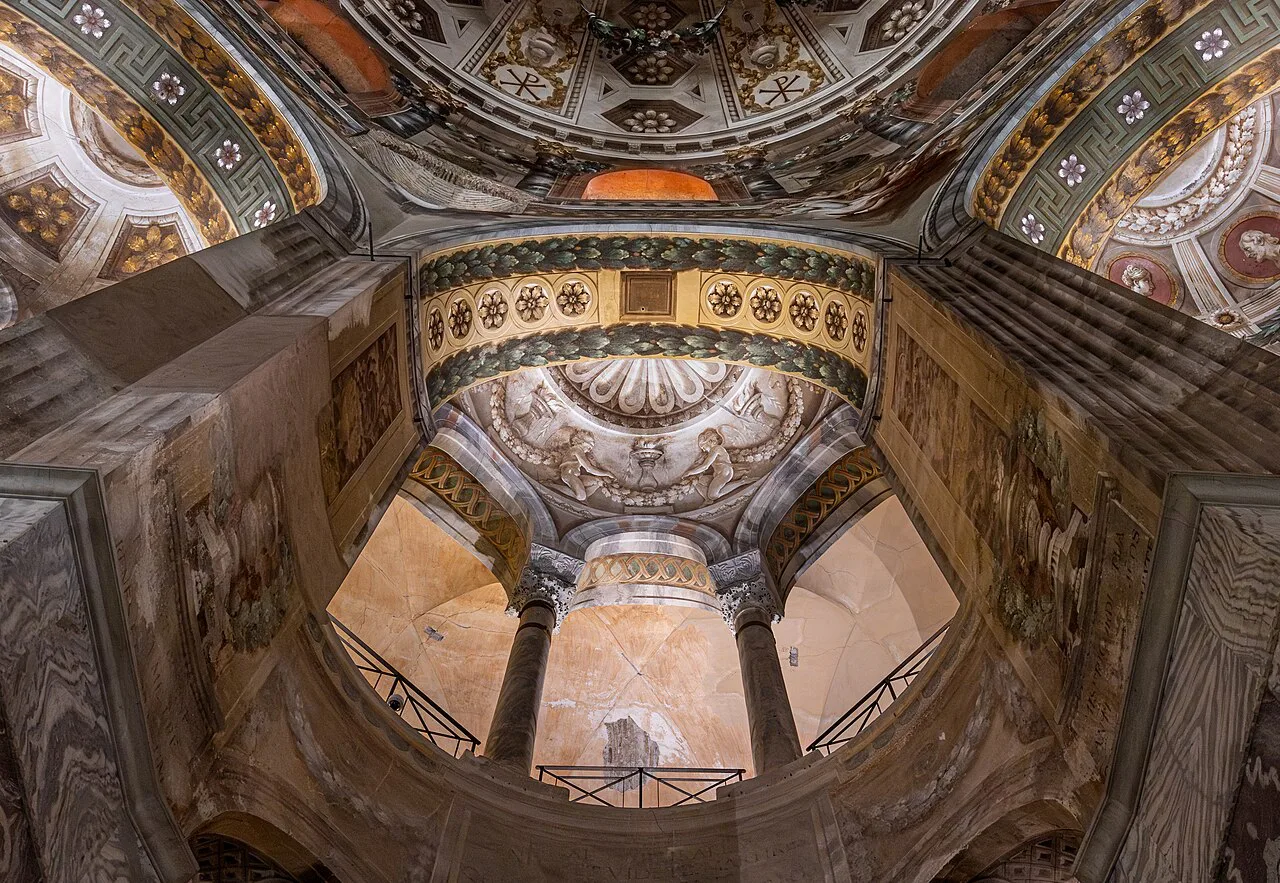
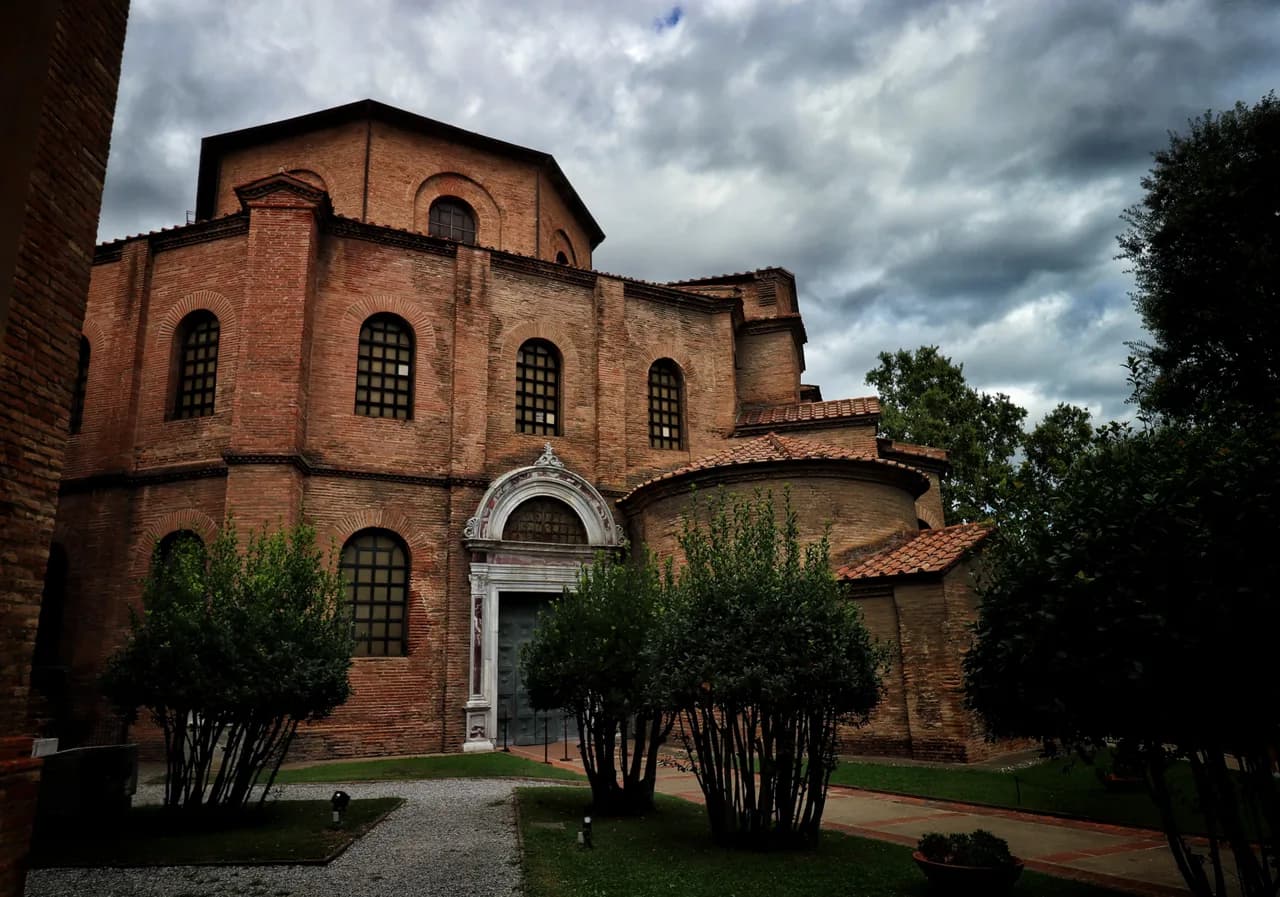
Ravenna's UNESCO monuments are grouped in a walkable core, so an independent day is genuinely practical. The star sequence runs from the Neonian Baptistery and the Archbishop's Chapel through San Vitale and the Mausoleum of Galla Placidia, then across town to Sant'Apollinare Nuovo and the Arian Baptistery.
Buying the combined mosaic ticket at the first monument saves both time and money compared with separate entries, and paying for the timed San Vitale slot early protects the rest of the schedule. Visiting the major sites in sequence rather than zigzagging keeps the walking down and leaves an unhurried lunch.
Dante's tomb and the quiet zone around it make an easy add-on near the end of the loop, and Ravenna's flat streets suit most mobility levels. Keep the last hour clear of any ticketed entry so a slow lunch or a crowded basilica cannot compress your return.
The classic half-day: ship tour to the UNESCO mosaics
A ship-run Ravenna classics tour is the lowest-risk way to see the mosaics on a short call. It bundles the coach transfer from the berth, guided commentary inside the monuments and a planned return, and cruise line excursion pages let you filter by port and duration before you sail. Norwegian Cruise Line's shore excursion search summarizes each tour's duration and activity level, which makes matching a tour to your hours ashore straightforward.
Book the half-day version rather than the full-day combination if your call is under eight hours, and prefer a tour that enters the monuments rather than one that only walks past exteriors. Check the activity level shown on the excursion listing, because mosaic visits involve standing and polished floors.
Independent mosaic day: walking route, ticket strategy and timing
For a genuinely independent day, take the port transfer into town, buy the combined mosaic ticket and walk the monuments in one loop. Booking the San Vitale entry for the middle of the morning avoids the worst overlap with coach groups, which tend to arrive together in a tight window.
A compact independent route fits comfortably in roughly four to five hours including lunch, so an eight-hour call leaves room for a museum or a second basilica. On a six-hour call, skip the outlying Sant'Apollinare in Classe and keep everything inside the center.
Set your own return time about an hour before all aboard rather than at the last shuttle, because the transfer queue at the end of the day is where independent passengers lose time. Tell your driver or shuttle operator which berth you need in Porto Corsini.
Full-day excursions inland: Bologna, Florence and San Marino
Inland excursions trade mosaic time for motorway time. Florence is the longest haul and typically fills a ten-hour call with a scenic drive and short stops, as Norwegian Cruise Line's ten-hour Florence and Pisa tour shows; in Ravenna the same distance problem applies to any Florence product, because the city sits far across the Apennines from the Adriatic coast. Ports further down the Tyrrhenian side handle the same Florence day very differently, so compare excursions from Livorno port if Florence is the priority of your cruise.
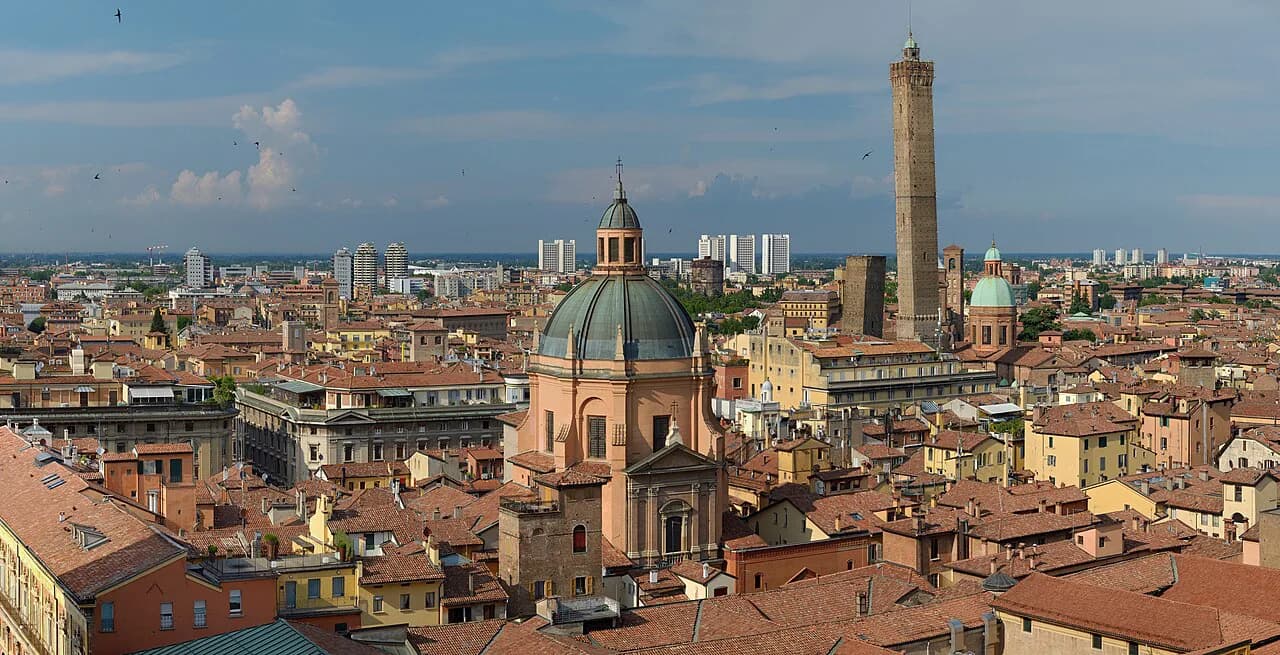
Bologna is the smarter full-day choice if you want a city: shorter transfer, strong food culture and a compact historic core that suits a five-hour visit. San Marino appeals to passengers who want something different, but its hilltop setting and winding access road make the round trip long for a modest sightseeing stop.
Any inland trip is a coach day, not a strolling day. Ask how much free time is included versus time inside a vehicle, because a headline destination can translate into very little walking once lunch and transfers are counted.
Venice from Ravenna: travel time, options and whether it fits
Venice is the excursion most likely to disappoint on a Ravenna call, because the transfer uses a large share of the day and the reward is usually two or three rushed hours among crowds. Joining a ship-run tour removes the return-vehicle worry but not the distance, so treat Venice as a long-day option only on a ten-hour or longer call.
Reseller pages advertise gondola-and-Venice excursions from the port, but holiday pricing and inclusions vary by season, operator and group size. Compare the itinerary and duration on the listing itself rather than a headline rate before committing.
If your only goal is a first taste of Venice, a ship excursion carries the cruise line's return arrangement; independent rail or road trips put the return entirely on you. Weigh a short Venice glimpse against a complete Ravenna mosaic day before choosing.
Ship tour vs local operator vs going independently: time, cost and risk
Ship tours cost more but bundle the port transfer, guiding and a guaranteed plan back to the vessel; they are the right call for Venice, Florence and any excursion with a long road leg. Local operators usually offer smaller groups and flexible routes, and reseller platforms publish per-person starting rates for Ravenna excursions that change with season and group size, so read the inclusions rather than the headline figure.
Going fully independent works best inside Ravenna itself, where a missed shuttle is an inconvenience rather than a disaster. Never assume the ship will wait for a self-organized return; only ship-run excursions come with the cruise line's own arrangement.
What fits a 6-hour call, an 8-hour call and a 10-hour call
On a six-hour call, stay in town: transfer in, walk the core mosaics with the combined ticket and return with an hour to spare. On an eight-hour call, add a longer lunch, a museum stop or the outlying Sant'Apollinare in Classe with a pre-booked taxi.
A ten-hour call is the minimum for Bologna or Florence by road, and only a twelve-hour call makes Venice sensible. Each of these longer options needs a ship tour or a carefully timed private transfer, and the return buffer grows with distance from the berth.
If you are weighing a longer stay before or after the cruise, overnight options close to the terminal simplify the transfer on embarkation morning.
Return-time buffer: building in travel time you cannot control
Work backwards from all aboard rather than forwards from the excursion start. For a Ravenna-only day, plan to reach the transfer point sixty to ninety minutes before all aboard; for Bologna or Florence, allow at least two hours because motorway traffic and coach loading can both run long.
Ask your excursion provider whether the return transfer goes directly to the berth or drops at the terminal gate. If you are on a ship tour, the guide controls the coach; if you are independent, book your transfer with the berth name confirmed in writing.
Getting back to the ship: last-mile options and walking time
The last mile is a road transfer, so the practical risks are queues and timing rather than the walk itself. Shuttle buses load in batches near the end of the day; private taxis cost more but leave when you are ready, which is worth paying for when you are running late.
Keep your excursion's return pickup point clear in your head, and note the berth number the ship publishes on the daily programme. Passengers arriving back independently should head straight for the terminal shuttle rather than exploring the dock area.
Practical notes for families and mobility-limited passengers
Ravenna's flat center and short distances make it one of the easier Italian ports for families and slower walkers. Mosaic sites involve standing on polished floors, so plan seats and pauses and choose a morning when the group crowds are thinner.
For wheelchair users, confirm the terminal shuttle's accessibility before relying on it, then take a taxi directly to the first monument. Ship-organized excursions can work well for mobility-limited passengers, because the coach and guide are on hand from the berth.
Plan Your Ravenna Port Day
Book a tour or set your independent schedule around the call length, not the other way round. The mosaics are the strongest use of even a short call, while Venice and Florence belong only on long days when a return arrangement protects you.
Sort out the port transfer, the combined mosaic ticket and the all-aboard time before you sail, and the Ravenna day largely plans itself. Then commit to a return time and keep it.
Frequently Asked Questions
Can you see Ravenna's mosaics independently from the cruise port?
Yes. Take the port transfer into the center, buy the combined mosaic ticket at the first monument and walk the churches in one loop. Allow roughly four to five hours including lunch, and set your own return about an hour before all aboard.
Is a day trip to Venice possible from the Ravenna cruise port?
It is possible but only sensible on a ten-hour or longer call, because the transfer uses a large part of the day for a short stay in Venice. A ship-organized excursion is the safer route for anyone worried about making all aboard.
What is the best shore excursion from Ravenna?
The half-day mosaic tour in Ravenna, or an independent walking route through the UNESCO monuments, gives the best return on a normal port call. Florence and San Marino demand most of the day in transfers and suit only longer calls.
Do I need a ship tour to visit the mosaic sites?
No. The UNESCO monuments are compact enough to cover on foot with a combined ticket. A ship tour mainly saves planning and carries the operator's return arrangement, which matters less inside Ravenna than on inland trips.
How far is the cruise port from Ravenna's historic center?
The berths sit at Porto Corsini, so you need a port shuttle, taxi or coach transfer into town rather than a walk. Check the shuttle arrangements with your cruise line the evening before arrival.
Sources
Port-day notes for your next cruise
Optional updates to our port guides.
You might also like
Continue reading
More guides you'll find useful