Ravenna Cruise Port to Venice: Transfer and Train Options
Compare private transfers, train via Ravenna city and ship shuttles from Porto Corsini to Venice, with journey times and the buffer a port day requires.
On this page
A call at Ravenna puts Venice within range, but not on the doorstep. Ships berth at Porto Corsini, roughly ten kilometers from Ravenna city, and the terminal has no rail link or bus station of its own, so every Venice plan starts with a road leg before the main journey.
That two-stage geography shapes the day: a direct private transfer, a ship shuttle or taxi into Ravenna followed by a train, or a ship-organized excursion. Each buys you a different amount of time in Venice and carries a different risk if the return runs late, so the choice matters more than on a port where the ship ties up beside the sights.
Where the Ravenna cruise terminal sits
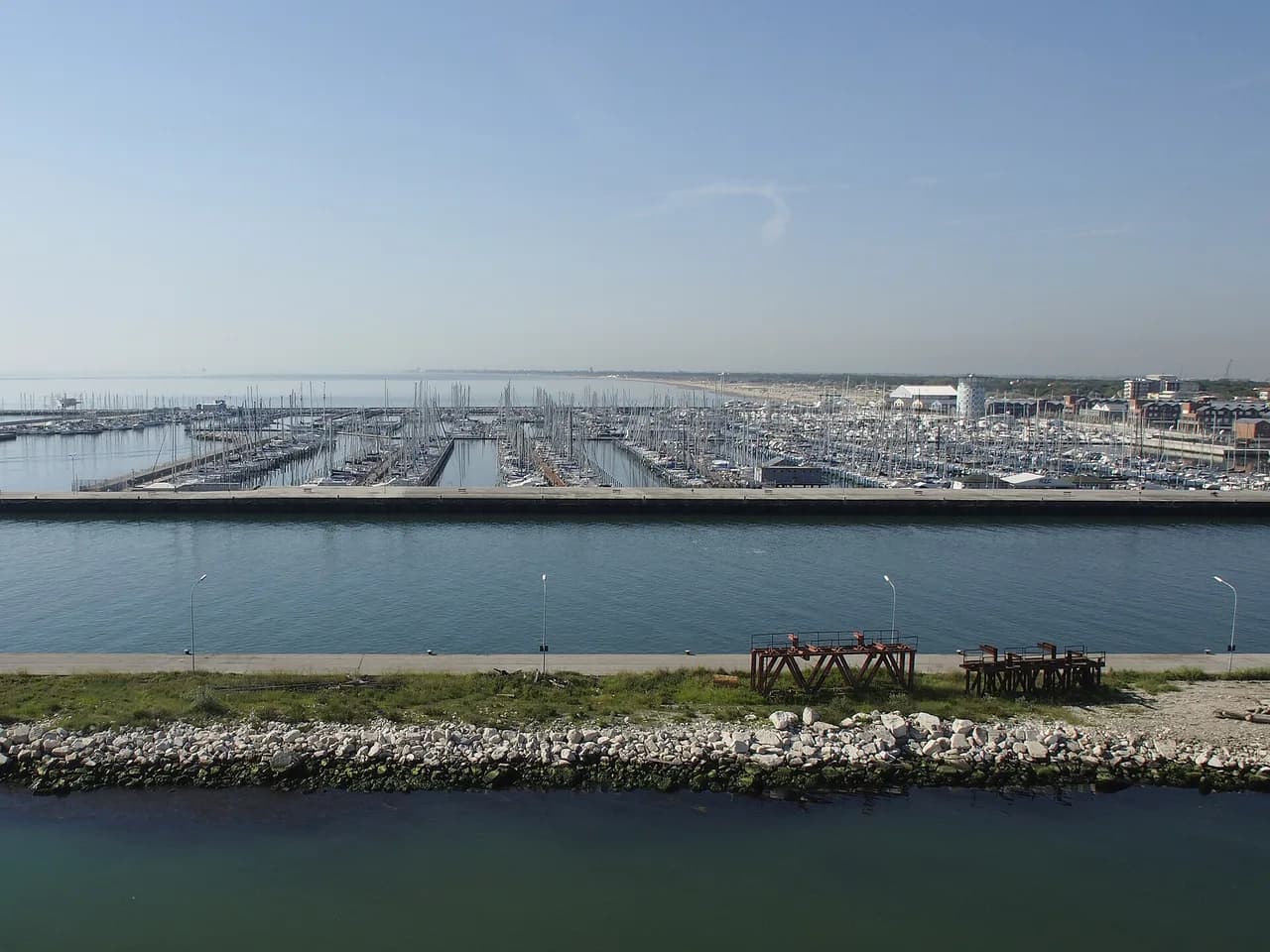
Cruise ships calling at Ravenna use the Ravenna Cruise Terminal at Porto Corsini, on the coast about ten kilometers from the city of Ravenna. The terminal is not connected to the rail network and has no bus station, so you cannot step off the gangway onto a train or scheduled bus toward Venice.
Plan the day around that first leg. Whether you take a taxi, a ship shuttle or a pre-booked car, you need to reach Ravenna city center or a road connection before the Venice journey proper begins. The full picture of berths, terminal facilities and town access is in the ravenna cruise port guide.
Venice as a port day from Ravenna: who it suits
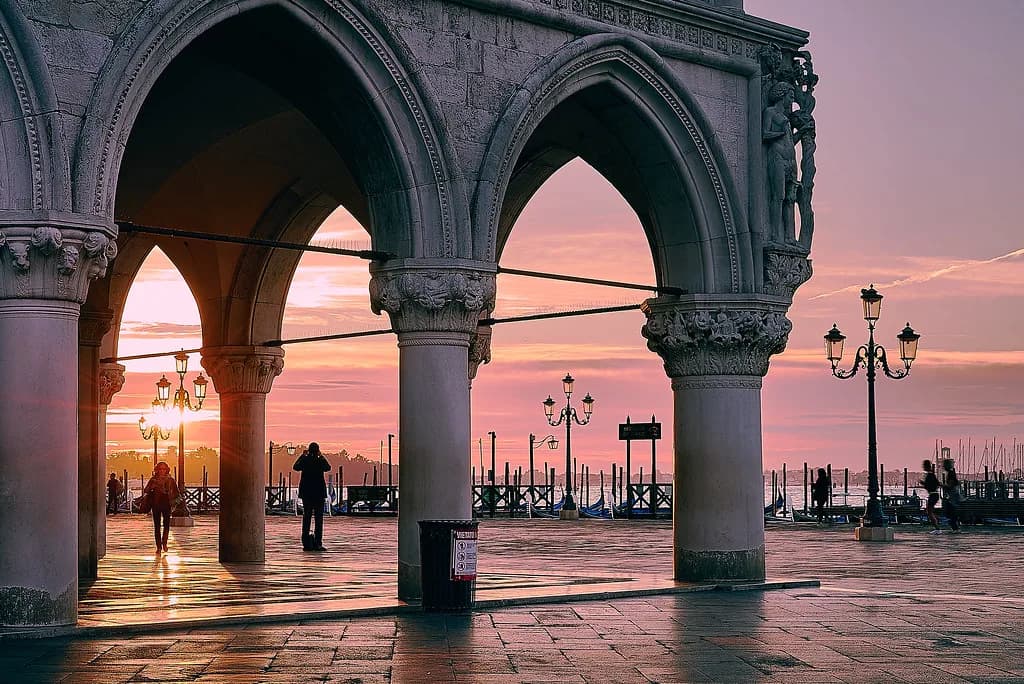
Venice rewards passengers who accept a long transfer and a compact visit. Because the journey eats a substantial block out of your hours ashore, the day suits travelers who want a first taste of St Mark's Square, the Rialto area and the canals on foot, rather than a deep museum or island itinerary.
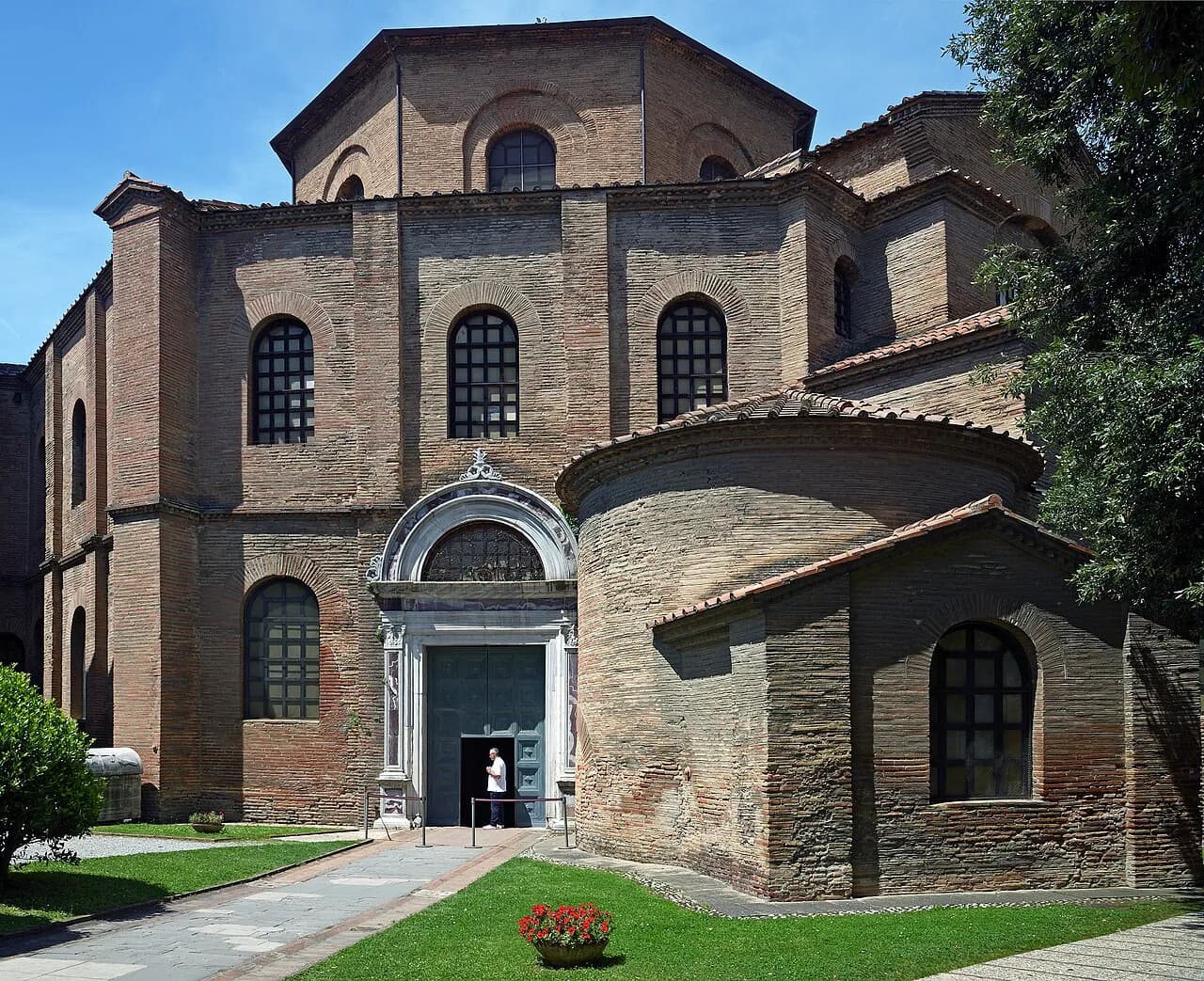
If your call is short or your all-aboard falls early, staying in Ravenna is the stronger choice: the mosaics, the compact center and a far shorter return leg leave little room for error. Venice makes more sense on longer calls, or when the ship itself runs the excursion and manages the timing for you. The same time-versus-distance trade-off shapes the trieste cruise port to venice decision, where the ship also berths well away from the city you came to see.
How long the journey takes
A private transfer from Ravenna city or the cruise port to Venice Piazzale Roma is listed with a duration of about 2 hours 20 minutes, so treat that as the road benchmark when you build a schedule. Traffic and the exact pickup point can stretch it, and the return leg needs the same allowance.
Public transport works differently: you first cover the terminal-to-Ravenna leg by taxi or ship shuttle, then take a train or long-distance bus from Ravenna toward Venice. That connection is where the time goes, and where a missed service can cost you an hour or more, so build the plan around the connection rather than the train ride alone.
Option 1: Private transfer to Venice
A pre-booked private transfer is the fastest and simplest option, especially with luggage, because it runs door to door from the terminal to Venice Piazzale Roma, Venice Mestre station or Marco Polo airport. Operators collect directly in front of the cruise terminal, so there is no shuttle-plus-train connection to manage.
Listed starting prices on the booking page begin at about 301 dollars for the transfer, with smaller per-person figures for shared vehicle configurations; these are operator estimates that vary with vehicle size, passenger count and date. You will be asked for your ship name, terminal number and luggage count when booking, so have those ready.
For a family or a group of friends, splitting a fixed vehicle cost often works out competitive against multiple individual tickets, and it removes the platform changes. If you are moving between a Venice hotel and the ship at the start or end of the cruise, the same operators quote customized pickups, including water-taxi connections in the historic center.
Option 2: Ship shuttle or taxi, then train
The cheapest route is public transport, but it comes in two parts: a taxi or the cruise line's shuttle bus to Ravenna city center, then a train or long-distance bus onward to Venice. The cruise shuttle may not run on every call, so treat it as a bonus rather than the plan, and check the service on board the day before.
Ravenna's station area is where the two legs meet, and shuttle departures from the station toward the port have been reported at fixed morning times, which shows how tightly the connection can bind your day. Check the current train times and shuttle times with Trenitalia or your cruise line before relying on a specific departure.
The cruise port shuttle page explains how the terminal-to-town transfer works, including where to pick it up and how it lines up with the ship's schedule.
Option 3: The ship's Venice excursion
A ship-organized excursion bundles the transfer and the sightseeing, and its main advantage is contractual: the ship waits for its own tour if the return runs late. That protection does not extend to passengers traveling independently, whether by private transfer or by train, so weigh the convenience against the higher price and the fixed itinerary.
Ship excursions typically include a guided walk through the historic center and free time, which covers the essentials for a first visit. The trade-off is less flexibility: you cannot linger in a church or detour to a quieter canal without risking the group's departure.
Where you arrive in Venice: Piazzale Roma
Piazzale Roma is the road gateway to Venice, the point where cars, buses and taxis stop and the historic center begins on foot or by water. Arriving here means you can walk into the canal streets, catch a vaporetto along the Grand Canal or cross toward the station area without needing another road transfer.
Plan your sightseeing from that arrival point rather than trying to cover the whole city. St Mark's Square, the Rialto bridge and the lanes around them are reachable on foot, and the time you have left after the journey determines how far you go before turning back.
Fitting Venice into a 6-, 8- or 10-hour call
With a six-hour call, the transfer alone consumes a large share of your time, so Venice rarely pays off unless the ship runs the excursion. An eight-hour call allows a direct transfer and a few hours on foot in the center, provided you return promptly; a ten-hour call gives enough room for a fuller walking loop plus a vaporetto ride.
Work backward from all-aboard rather than forward from arrival. If your transfer takes about 2 hours 20 minutes each way, a ten-hour call leaves roughly five hours in Venice once you allow for the return buffer, which is the realistic sightseeing budget.
Return-time buffer and the all-aboard deadline
Build the return leg around a buffer of at least an hour beyond the expected transfer time, because traffic around Venice and the terminal approach can add delays. Aim to be back at Porto Corsini well before all-aboard, not at the moment it falls, and set a turn-back time in Venice that you actually keep.
If you travel independently, the ship will not wait for you; a late train or a missed connection is your risk to manage. Booking a private transfer with a fixed return pickup, or joining a ship excursion, shifts that risk toward the transfer company or cruise line, which is contractually responsible for getting you back.
Luggage and pre- or post-cruise moves
If you are starting or ending the cruise in Venice, the same transfer operators cover Venice hotels, Piazzale Roma, Mestre station and Marco Polo airport, so you can book the whole move as one service. That is especially useful with heavy bags, since you avoid hauling luggage between a train, a shuttle and a terminal.
Travelers staying overnight before the cruise should pick a hotel on the Venice side or in Ravenna depending on which leg they want to shorten, and the hotels near ravenna cruise port page covers options close to the terminal for an early embarkation.
Common planning mistakes on this route
The most frequent error is treating Ravenna and Venice as one destination and booking a tight schedule that ignores the terminal-to-city leg. Another is assuming a train runs from the port itself; it does not, so you must first reach Ravenna city.
Travelers also underestimate the return journey. The outbound trip feels manageable when you are excited, but the return carries the hard deadline, and a missed connection there is what turns a good day into a stressful one. Book the return before you leave the ship.
Travelling with a dog on the Ravenna–Venice route
If you are moving between Ravenna and Venice with a dog, the choice of transfer matters less for the animal than the vehicle rules and the hand-offs along the way. Ravenna Cruise Terminal (Porto Corsini) sits about ten kilometers from the city of Ravenna, and the terminal is not directly connected to the rail network and does not have a bus station, so any public-transport route involves a taxi or the cruise company's shuttle bus (if available) to Ravenna city center before you take a train or long-distance bus. Each of those legs is a separate hand-off with a dog in tow, which is worth weighing against a door-to-door service.
On the private-transfer side, the booking pages state their terms plainly. The transfer from Ravenna city or Cruise Port to Venice, Piazzale Roma is listed with a duration of 2 hours 20 minutes and ticket prices starting from $301, and its additional information states that service animals are allowed. The same listing notes that infants and small children can ride in a pram or stroller, which is useful if you are travelling with both a dog and a young child. If you book, the operator asks you to advise your preferred pickup time and the number of luggage you have in the Special Requirements field, and to give the cruise ship name and terminal number.
The other end of the trip is where a dog changes the plan. If you are staying in the Historic Center of Venice, one operator says it can organize a package that also includes a water taxi transfer to or from your hotel (or the nearest landing stage), so the final leg is arranged rather than improvised on arrival. Note that this is the same company whose vehicles pick you up directly in front of your ship's Cruise Terminal, so the dog stays with you from the ship to the Venice landing stage rather than being handed between drivers. Plan the Venice end before you book the road leg.
Plan Your Visit
For most cruise passengers, the decision comes down to time versus cost: a private transfer or ship excursion buys the most hours in Venice, while the shuttle-plus-train route saves money at the price of a tighter schedule. Whichever you choose, fix your return time before you leave the terminal and keep the all-aboard deadline ahead of everything else.
If you plan to arrive or depart by air, the airport to cruise port page explains the transfer options, and the cruise port car rental page covers self-drive alternatives for exploring Emilia-Romagna beyond the standard day trip.
Frequently Asked Questions
How do you get from Ravenna cruise port to Venice?
You can take a private transfer from the terminal directly to Venice Piazzale Roma, Mestre station or Marco Polo airport, or take a taxi or ship shuttle into Ravenna city and then a train or long-distance bus onward to Venice. A ship-organized excursion combines the transfer with sightseeing.
How long does it take to get from Ravenna cruise port to Venice?
A direct private transfer is listed with a duration of about 2 hours 20 minutes to Piazzale Roma. Public transport takes longer because it involves reaching Ravenna city first and then connecting to a train or bus, so allow extra time for the connection.
Is there a train from Ravenna cruise port to Venice?
No. The cruise terminal at Porto Corsini is not connected to the rail network, so you first need to reach Ravenna city center by taxi or shuttle and take a train from there.
Can you visit Venice on a port day in Ravenna?
It is possible on a longer call, but the journey consumes a substantial part of your hours ashore. On a short call, staying in Ravenna is usually the better use of the day, while Venice works best on an eight- to ten-hour call or as a ship excursion.
How much is a private transfer from Ravenna port to Venice?
Listed starting prices on the transfer booking page begin at about 301 dollars, with different figures for various vehicle sizes and shared configurations. These are operator estimates that change with date, passenger count and vehicle type, so request a quote for your specific sailing.
What is the closest airport to Ravenna cruise port?
Venice Marco Polo Airport is the main airport serving the Ravenna cruise terminal and Venice, and transfer operators run between the terminal and the airport. Travelers should check their cruise line's recommended arrival airport for the specific sailing.
Sources
Port-day notes for your next cruise
Optional updates to our port guides.
You might also like

Continue reading
More guides you'll find useful