Savona Port to Genoa: Getting There on a Cruise Day
Compare the ship transfer, train, bus and taxi from Savona's cruise berth to Genoa, and plan the return buffer that protects your all-aboard time.
On this page
A Savona port day puts Genoa within reach, but the transfer both ways eats into the hours you actually spend ashore. Savona sits on the Ligurian coast west of Genoa, and many Mediterranean itineraries list the call as Savona (Genoa), which tells you the ship docks in Savona rather than in Genoa itself.
This plan suits passengers with a full day who want Genoa's old town, cathedral and waterfront, and who accept that roughly two transfers stand between the berth and the sights. If your call is short, or you would rather not spend the day in transit, Savona itself has a walkable centre and a fortress worth the time.
Why Savona is a gateway port, not a Genoa city call
Treat the call as a transfer day. Costa itineraries in the Western and Eastern Mediterranean sail from Savona, which is why so many passengers see the port listed with Genoa in brackets and assume the ship berths in Genoa. It does not: you arrive in Savona and Genoa is a separate journey by road or rail.
That distinction shapes everything else: your all-aboard time is set in Savona, so every Genoa plan has to end with a return leg to the Savona berth, not to Genoa's cruise terminal. Cross-check the port name on your itinerary against the terminal on your cruise line's app before you decide how far to roam.
Where ships dock in Savona and how you exit the port
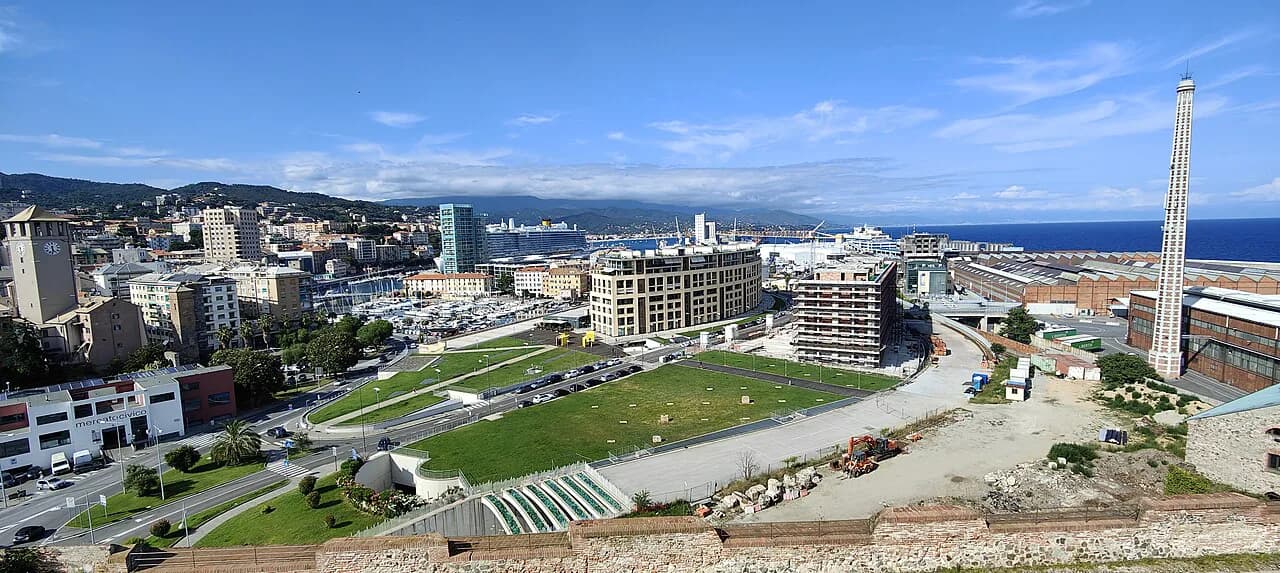
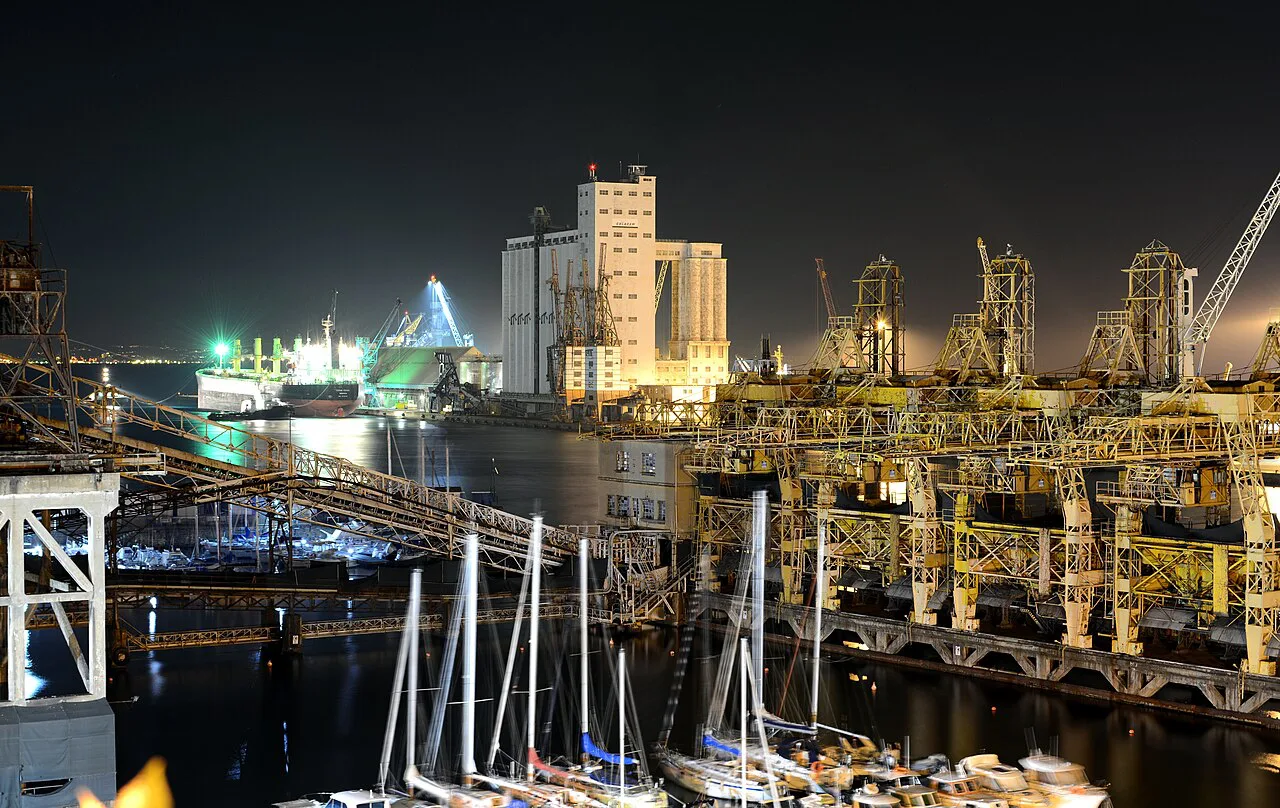
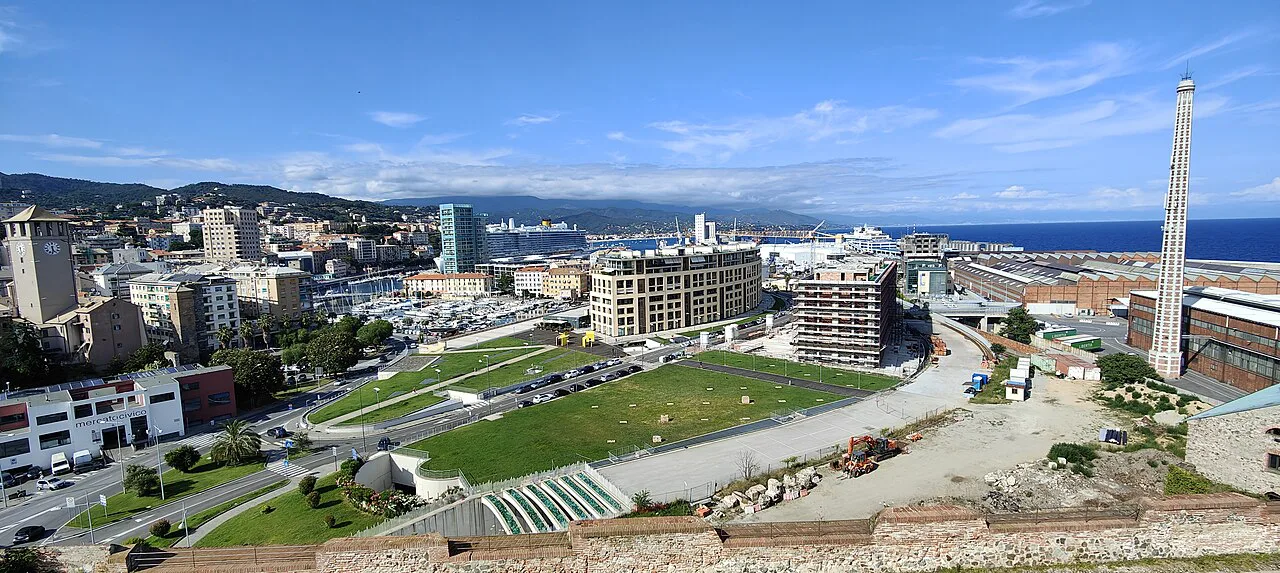
Cruise ships berth at the Savona cruise port, and the published walking route from the quay into the city centre is short enough that many passengers cover it on foot. The full layout, including the Calata delle Vele area where the terminal sits, is set out in the port guide, which is the page to read before you fix a meeting point with a taxi or a tour guide.
If you are driving to the port rather than arriving by ship, the parking arrangements and the drop-off logic differ from the passenger exit route, so use the dedicated parking guide to plan that side of the trip. For a day passenger, the practical job is simply to know which exit leads toward town and the station, and to leave enough time to walk back through the same gate.
Walkers heading into town can follow the dedicated route guide, which covers the distance, the pavement route and what you pass on the way to the centre. Reading it once before you disembark saves the usual ten minutes of orienting yourself at the port gate.
The distance problem and what it means for your hours ashore
Genoa is a road and rail journey from the Savona berth, so a Genoa day is a half-day of sightseeing wrapped in two transfers. Budget the outbound leg, the return leg and a margin against your all-aboard time before you count how many hours remain for the old town.
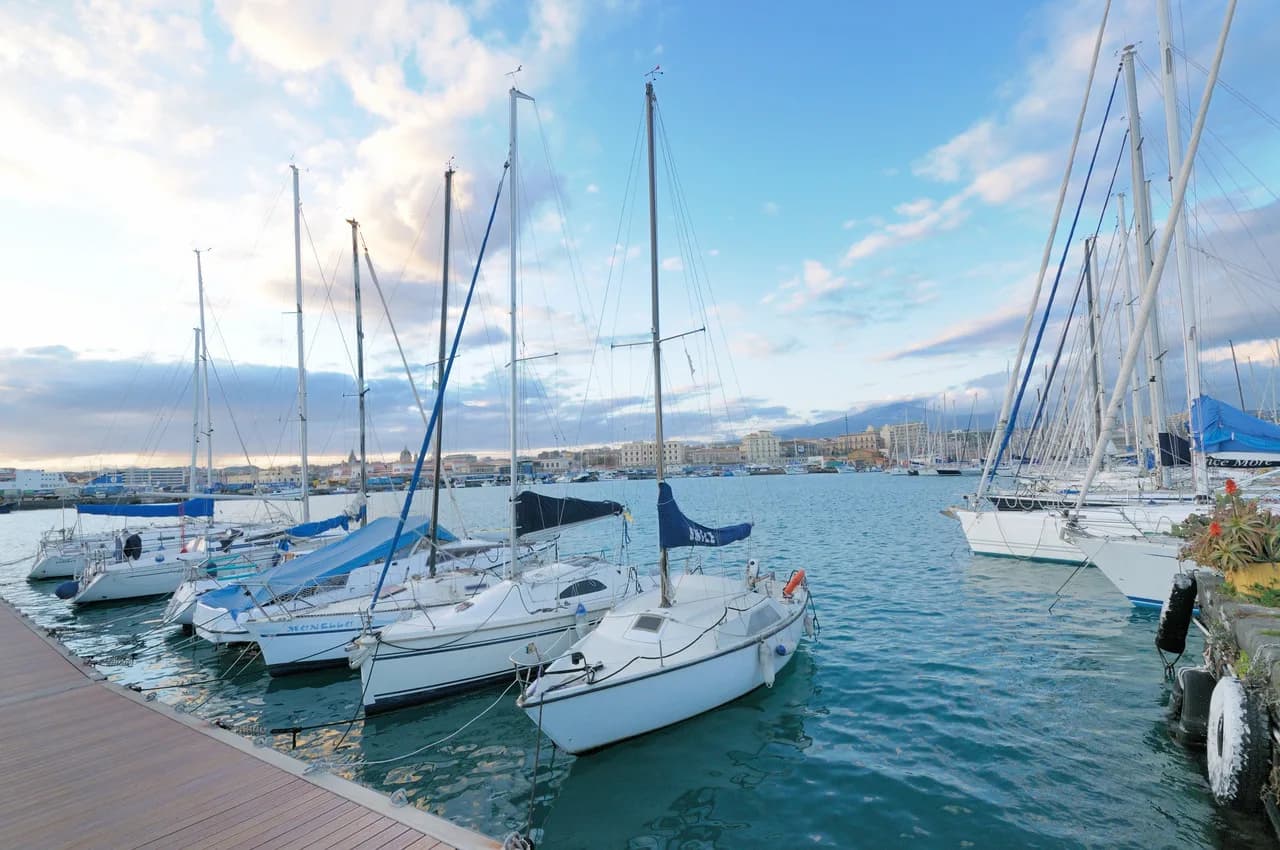
The arithmetic is unforgiving: a call of six hours ashore leaves a thin slice of Genoa once you subtract both transfers and a buffer, while a call of eight or ten hours makes the trip comfortable. Decide the shape of the day from the number your cruise line publishes for the call, not from the time you step off the gangway. The same calculation applies if you compare it with the Catania cruise port, where a distant highlight also has to fit inside the hours ashore.
Ship transfer to Genoa: the low-risk option
A ship-operated transfer to Genoa removes the logistics: the coach leaves from the berth, returns you to the same quay, and the ship's own excursion carries the protection a cruise line gives its tours. Independent travelers get no such guarantee, however carefully they plan the return.
The trade-off is independence and cost. A transfer runs on the timetable of the company you have chosen (Costa, or whichever line you are sailing with) rather than yours, so you see Genoa at the pace of the group, and only the ship's version carries the return protection. For passengers anxious about the all-aboard time, or travelling with people who cannot walk far, that protection is the deciding factor.
Local operators run their own Genoa tours from Savona, and some passengers arrange a private driver for the day; before booking, compare the tour's stated return time with the all-aboard time published for your sailing, and leave the difference as a buffer. Our overview of Savona shore excursions sorts the options by how much time they leave you in the city.
Savona to Genoa by train
The train is the option most independent passengers ask about, since Savona and Genoa are both on the Ligurian rail corridor and Genoa's city stations sit close to the historic centre. Buy tickets at the station before boarding and keep the return ticket in hand for the trip back; a regional service needs no seat reservation.
The catching point is the walk from the berth to Savona's station, which is why the rail plan only works when the call is long enough to absorb it twice. Choose your return train by working backwards from all-aboard, then take one departure earlier than you think you need, because a missed regional connection turns into a missed ship.
Check the departure board at the station on arrival rather than relying on a timetable copied before you sailed, and photograph the board so you have the return times to hand in Genoa. If the timing feels tight on the outbound leg, turn the day into a Savona day instead of risking the return.
Savona to Genoa by public bus
The bus is the alternative for passengers who prefer a direct road run to the rail corridor, and it is worth weighing only when a service matches your call times. Because a road journey can lose time to Ligurian coast traffic, the bus suits a long call better than a tight one.
Compare it with the train on the metric that matters: frequency in both directions and the reliability of the return leg. If the bus timetable leaves one late-afternoon option back to Savona, the train's more frequent corridor is the safer plan, even if the bus stops closer to your first sight.
Taxi and private transfer from the berth
A taxi or pre-booked private transfer from the Savona berth to Genoa buys you door-to-door time, which is exactly what a short day lacks. It also gives you a fixed return arrangement with a driver who knows your all-aboard time, and it splits well across a group of four.
The risk sits in the return: a taxi you hail in Genoa at the end of the day may not materialise when the city is busy, so agree a pickup time and place with a driver you booked, or use the ship transfer. Ask the driver to confirm the fare before you set off rather than negotiating at the destination.
Driving yourself: rental cars and Genoa parking
Self-drive is the option that adds the most moving parts: collecting a car near the port, navigating out of Savona, finding parking in Genoa's dense centre and returning the car before all-aboard. It rarely beats the train or a transfer for a single day ashore, and parking in the old town is the bottleneck rather than the drive.
If you drive to Savona rather than arriving by ship, the dedicated parking page explains the official and off-site arrangements at the port, which is the side of the driving decision worth reading in advance; the same page is useful for passengers considering a car for the day.
A realistic half-day route in Genoa from the arrival point
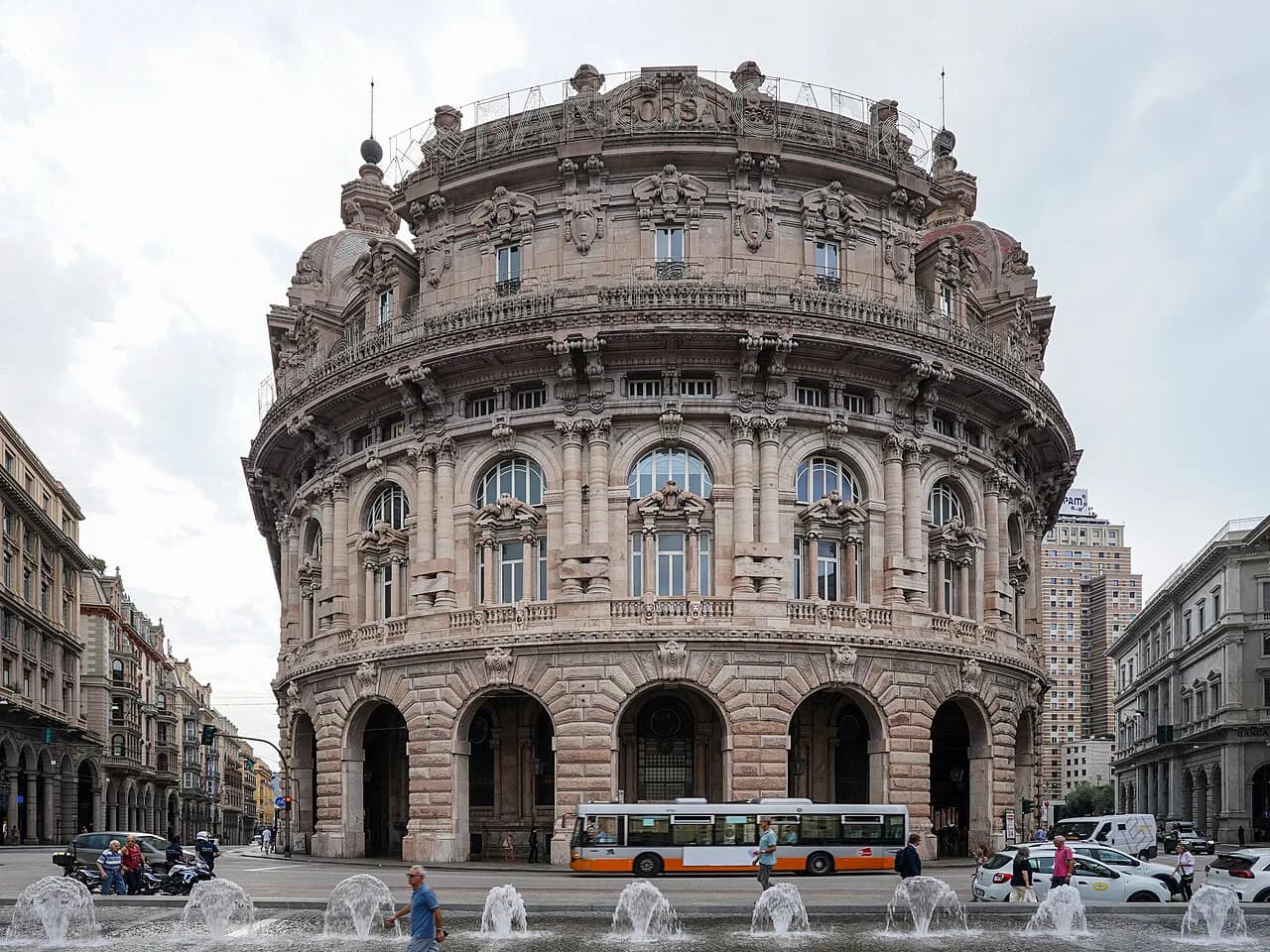
Arriving by train puts you within walking distance of Genoa's historic core, so start with the cathedral and the caruggi lanes around it, then work toward the waterfront rather than trying to cross the whole city. Arriving by road or coach usually drops you nearer the port and the old town edge, which reverses the route.
Pick two anchor sights and let the rest of the walk fill in around them; a checklist of six sights turns a half day into a rush and eats the buffer. Keep the last hour free for the return leg, and set a phone alarm for the moment you must leave the city rather than the moment you must reboard.
Matching the plan to a 6-, 8- or 10-hour call
On a six-hour call, staying in Savona is the sensible choice: a walk into the centre, the Priamar Fortress and a slow lunch fit the window without any transfer risk at all. Save Genoa for a call of eight hours or more, when two transfers still leave a real half day in the city.
On an eight-hour call, take the train or a ship transfer and plan one compact walking route around the old town. On a ten-hour call you can add a second district or a longer lunch, but the return buffer does not shrink because the day is longer; keep the same margin.
The all-aboard buffer for each return option
The buffer is the time between your planned return to the Savona berth and the all-aboard time your cruise line publishes, and it should cover the failure of one link in the chain. For a train, that means the gap to the next departure; for a road transfer, it means traffic on the coast road.
Only the ship's own tour carries a guarantee tied to the ship's departure; independent travelers should treat all-aboard as a hard deadline that nobody will move for them. Build the buffer into the plan before you leave the ship, and leave Genoa on the earlier of your two candidate returns.
Staying in Savona instead
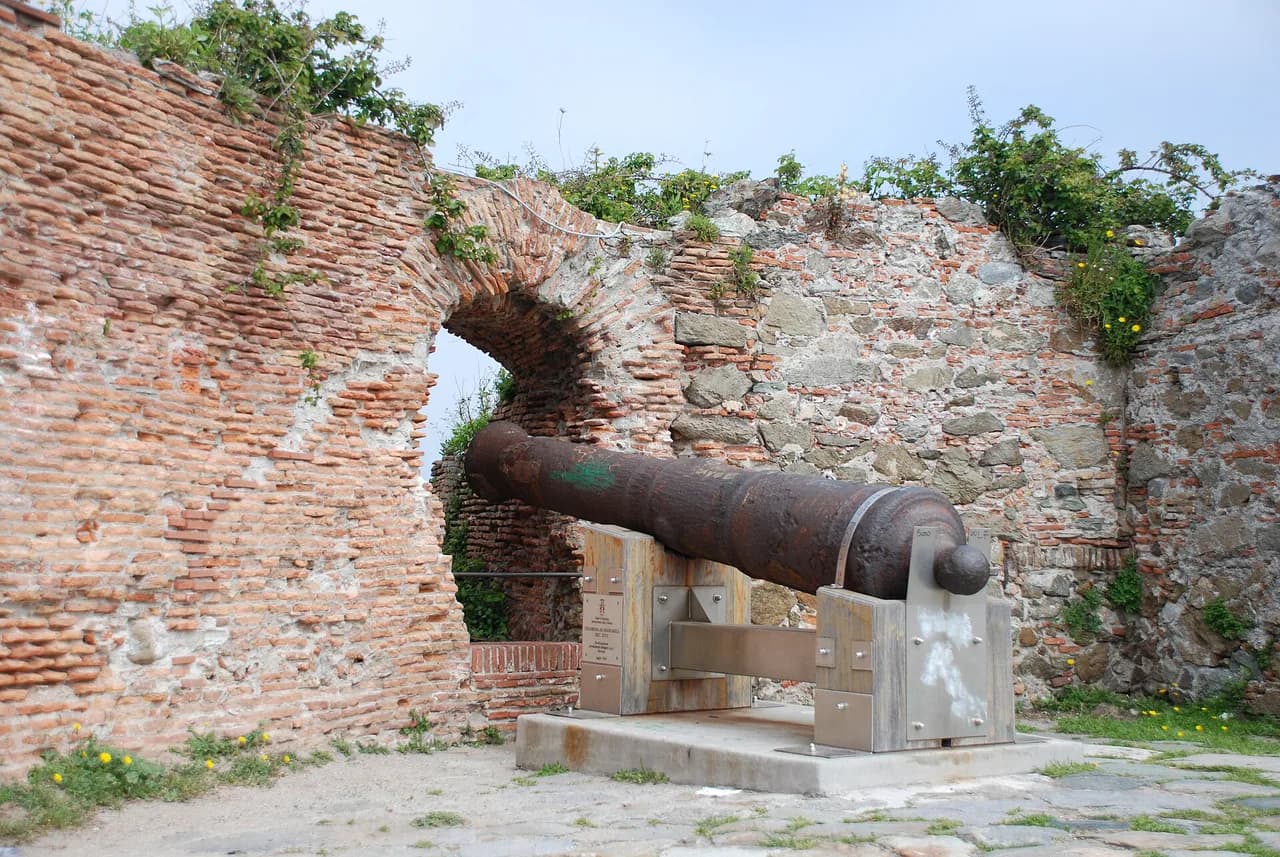
Savona rewards a short call: the centre is compact, the fortress is a real sight rather than a filler, and the walk back to the berth is short. For passengers with a six-hour window, or anyone who has already visited Genoa, this is the lower-stress day and it uses no transfer at all.
Use the cruise port to city centre route to plan the walk in, then let the day run at its own pace with a coffee stop and a look at the cathedral. You still watch the clock, but the return leg is a ten-minute walk rather than a train ride.
Plan the Return First
Fix your return leg before you fix your sightseeing. Decide whether Genoa is worth two transfers on your call length, choose the mode you can rely on at the end of the day, and build the buffer from all-aboard backwards.
If the sums do not work, Savona itself fills a short call well. Either way, confirm the all-aboard time with your cruise line on the day and treat it as immovable.
Frequently Asked Questions
How do I get from Savona port to Genoa?
You can take a ship-operated transfer, the train from Savona's station, a public bus along the coast, or a taxi or private transfer. The train and the ship transfer are the most predictable for a port day, because both have a clear return leg you can plan against all-aboard.
Is there a train from Savona to Genoa for cruise passengers?
Savona and Genoa sit on the same Ligurian rail corridor, and the station is a walk from the berth. Buy tickets at the station and check the departure board on arrival for the return times, then plan to take one service earlier than you think you need.
Can you walk from Savona cruise port into Savona town?
Yes. The berth sits close to the city centre, and the walk in is short enough that many passengers do it on foot. That makes a Savona day practical even on a short call, with no transfer to plan.
How long does it take to get from Savona to Genoa?
Allow for two transfers plus a buffer when you plan the day, and check the current journey time with the train operator or your transfer provider before you commit. The key figure is your all-aboard time, not the fastest possible run.
Should I take the ship's Genoa excursion or go independently from Savona?
The ship's excursion returns you to the quay and carries the cruise line's protection, which matters if the return leg runs late. Going independently is cheaper and more flexible, but the all-aboard time is a hard deadline that will not move for you.
Is it worth going to Genoa on a short Savona call?
On a six-hour call, staying in Savona is usually the better use of the day. Save Genoa for a call of eight hours or more, when two transfers still leave a real half day in the city.
How much time do I need to see Genoa from Savona?
Plan for a half day in the city plus both transfers and a return buffer. That means a call of eight hours or more for a relaxed visit, or a tight, single-route visit on a shorter call with a taxi or ship transfer.
Sources
Port-day notes for your next cruise
Optional updates to our port guides.
You might also like
Continue reading
More guides you'll find useful