What to Do in La Spezia Cruise Port: Port Day Plans
Plan your La Spezia port day around Cinque Terre, Florence, Pisa or the city itself, with honest trade-offs on time ashore, trains, ferries and ship tours.
On this page
La Spezia sits about halfway between Genoa and Pisa, which is why so many cruise lines use it as a gateway to Liguria and Tuscany rather than as a destination in itself. That position shapes the whole port day: the Cinque Terre villages lie west along the coast, Florence and Pisa sit inland to the east, and the city's own waterfront, naval museum and hilltop fortress fill a short call without any transfer at all. Your job at breakfast is to pick one of those shapes and stop negotiating with yourself.
This plan works through each option by the hours it consumes, not by how famous the sight is. A ten-hour call can carry a long day inland; a six-hour call usually cannot without exposing you to a return you control badly. The La Spezia Cruise Port Guide covers the terminal and transport basics, while the sections below decide between the four competing days and tell you what each one asks of your all-aboard time.
La Spezia as a gateway port: what fits a 6-, 8- or 10-hour call
Treat call length as a budget and spend it on travel first. A six-hour call leaves roughly four usable hours once you allow for gangway queues and a return buffer, which is enough for the city itself or a short hop along the coast but tight for anything involving a long coach or train leg. An eight-hour call opens up a two-village Cinque Terre day; a ten-hour call is the realistic minimum for combining Florence and Pisa in one push, and even then the day is mostly transfer.
The competing shapes are straightforward. Cinque Terre by train or ferry is the coast day, Florence and Pisa is the art-and-icon day, staying in La Spezia is the low-risk city day, and Isola Palmaria with Portovenere is the quiet-water day. Each one has a different failure mode: missed connections on the coast, road traffic inland, or simply not having enough time to make a long transfer worthwhile. If you want the wider context on how these options compare, the shore excursions from La Spezia page groups them by time and risk.
Where ships dock and how you reach the city
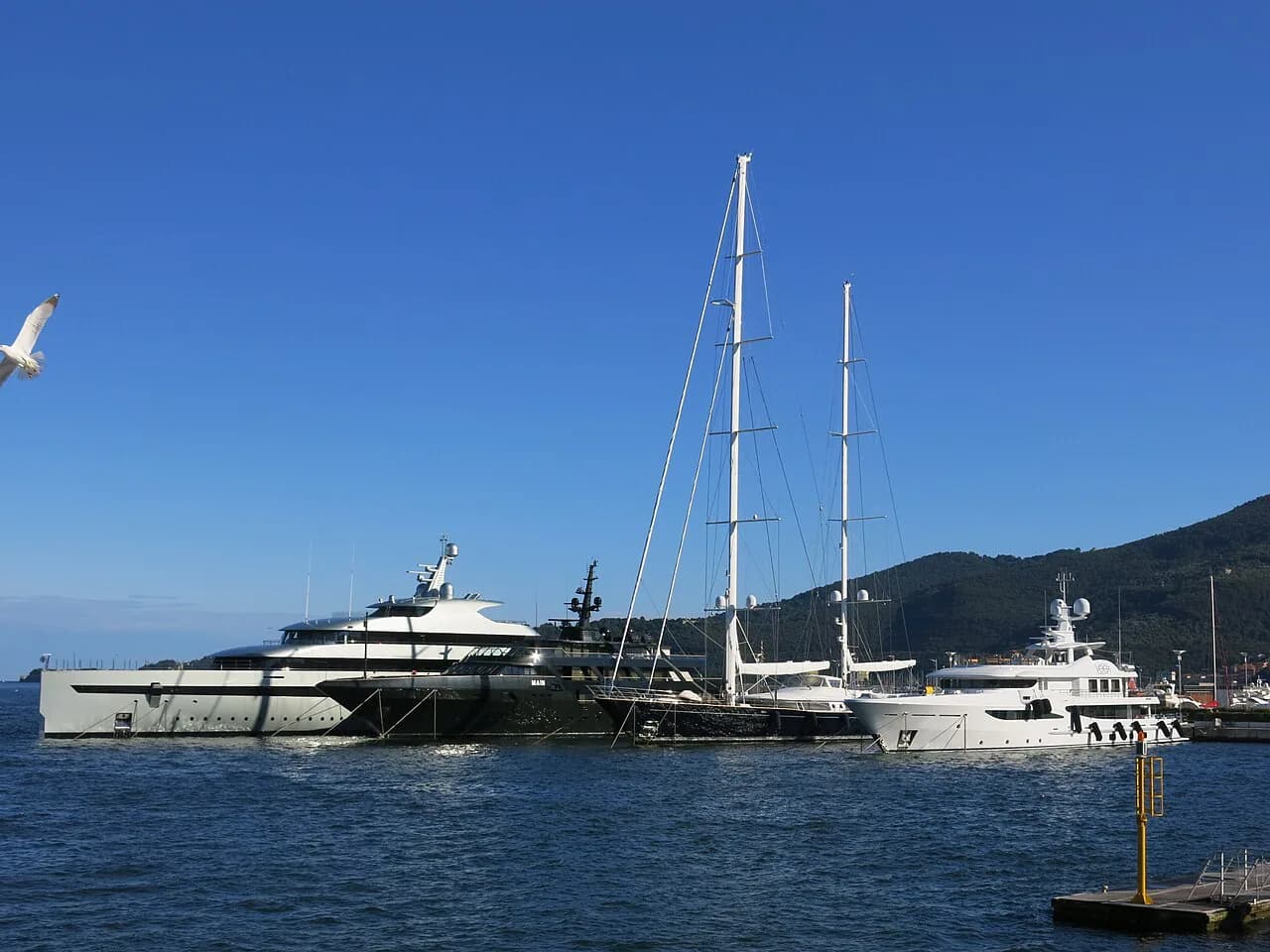
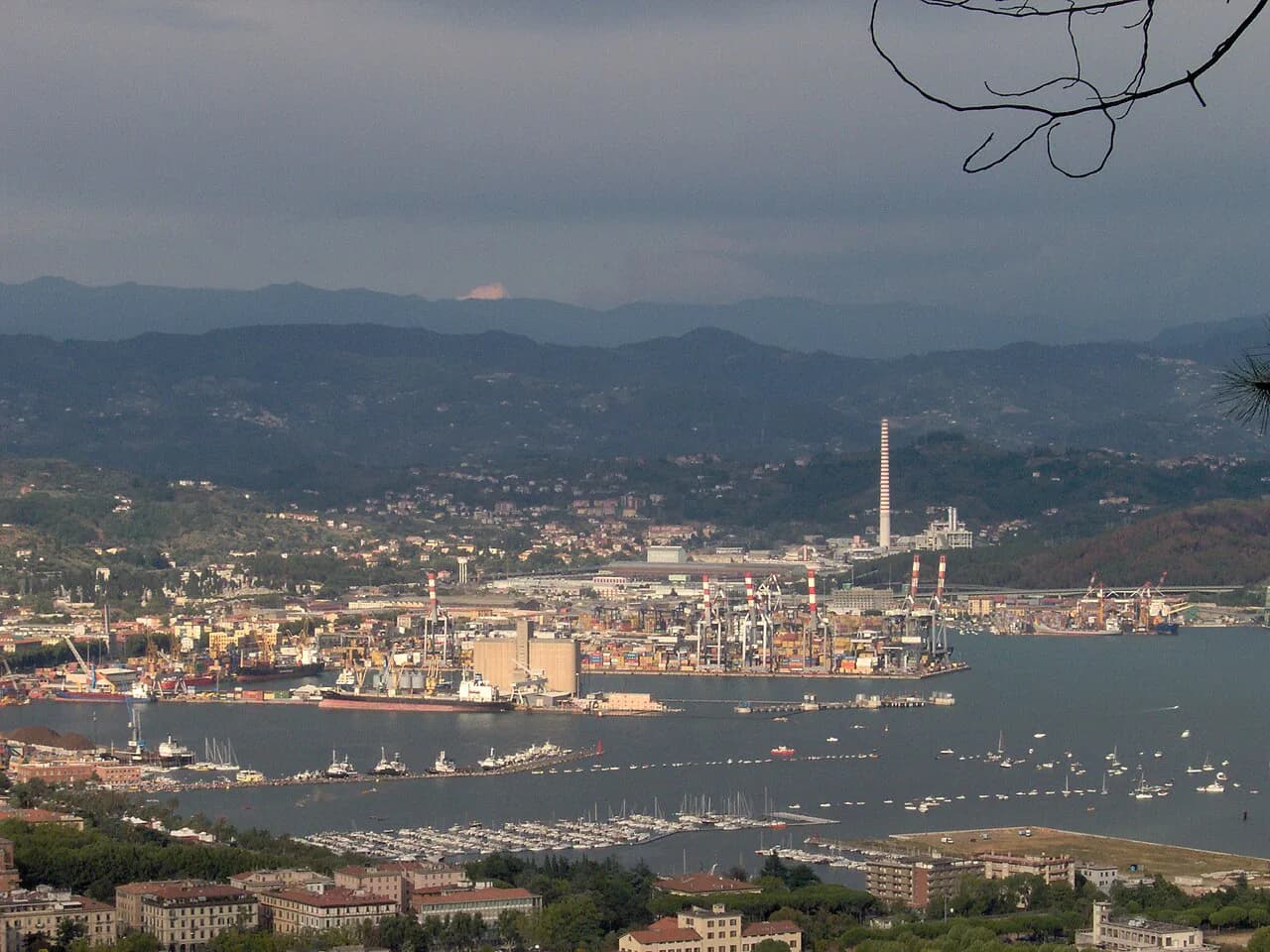
La Spezia is a working commercial and naval port, and cruise ships come alongside rather than tendering, so you walk off onto a quay and out through the port area rather than waiting for a boat. The waterfront is close enough that the city center, the naval museum and the waterfront promenade are a realistic walk for most passengers, which is why the in-town day works even on a short call. Confirm the exact berth and any port shuttle arrangement with your cruise line, since berth assignments vary by ship and sailing.
For anything beyond the center, the two transport anchors are the railway station and the ferry jetty, both of which serve the coastal and inland routes described below. Leave the ship with a clear idea of which one you are heading for rather than wandering the waterfront deciding, because the walk itself eats into your usable hours. The cruise port reference lays out the exits and the routes into town.
Cinque Terre by train from La Spezia
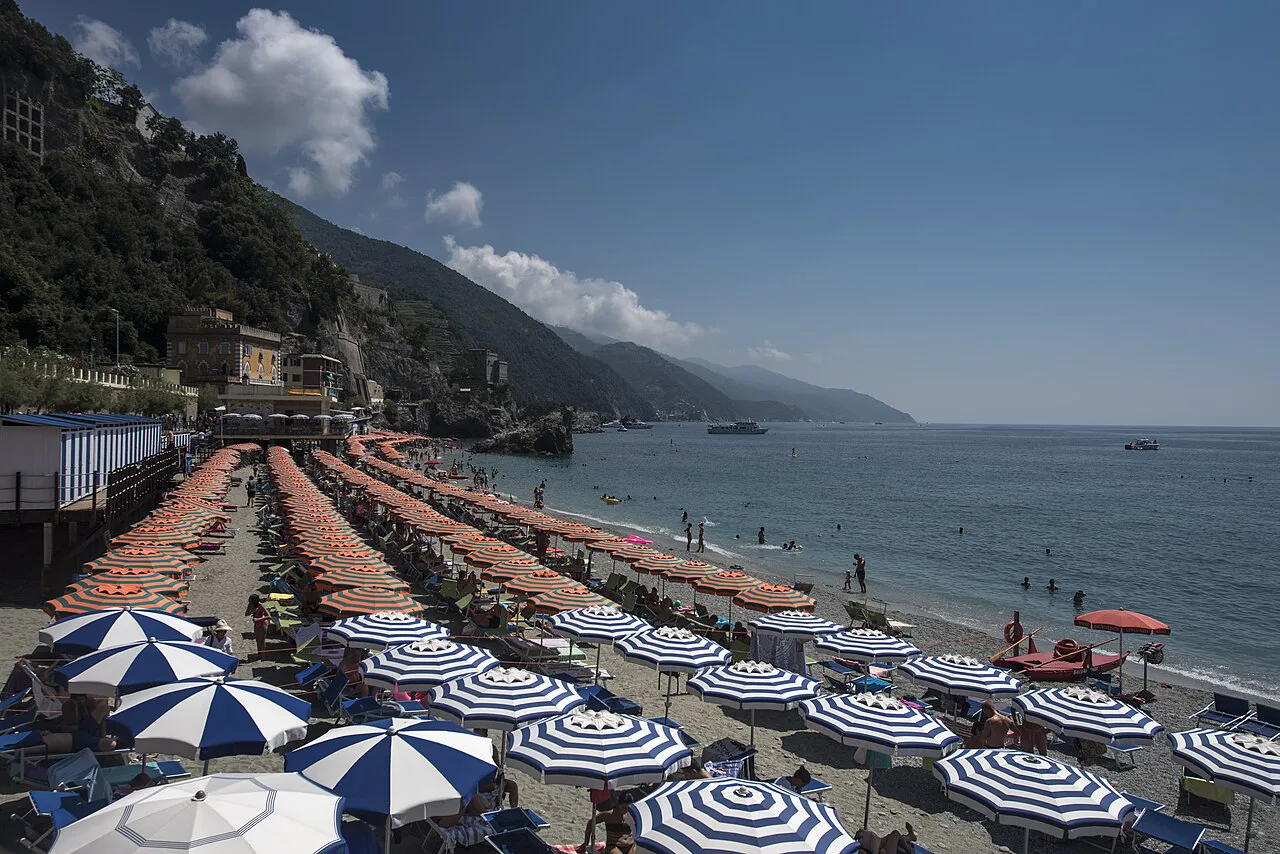
The train is the fastest and most controllable way to reach the Cinque Terre, running from La Spezia to the five villages strung along the coast to the west. Cruisers routinely use it to combine two villages in a single call, taking the train to Vernazza for a wander and lunch before continuing to Manarola, as discussed in this Cruise Critic thread on La Spezia excursions. The trade-off is that you see little of the coast from the train itself, so this option buys time rather than views.
Buy your ticket before you board and keep the return leg in mind from the moment you arrive at the first village. Village-to-village trains are short hops, but platforms and queues at popular stops consume more of the day than the ride does, so two villages is a sensible ceiling for an eight-hour call and three is pushing it. The La Spezia cruise port to Cinque Terre route guide covers the station approach and the village sequence.
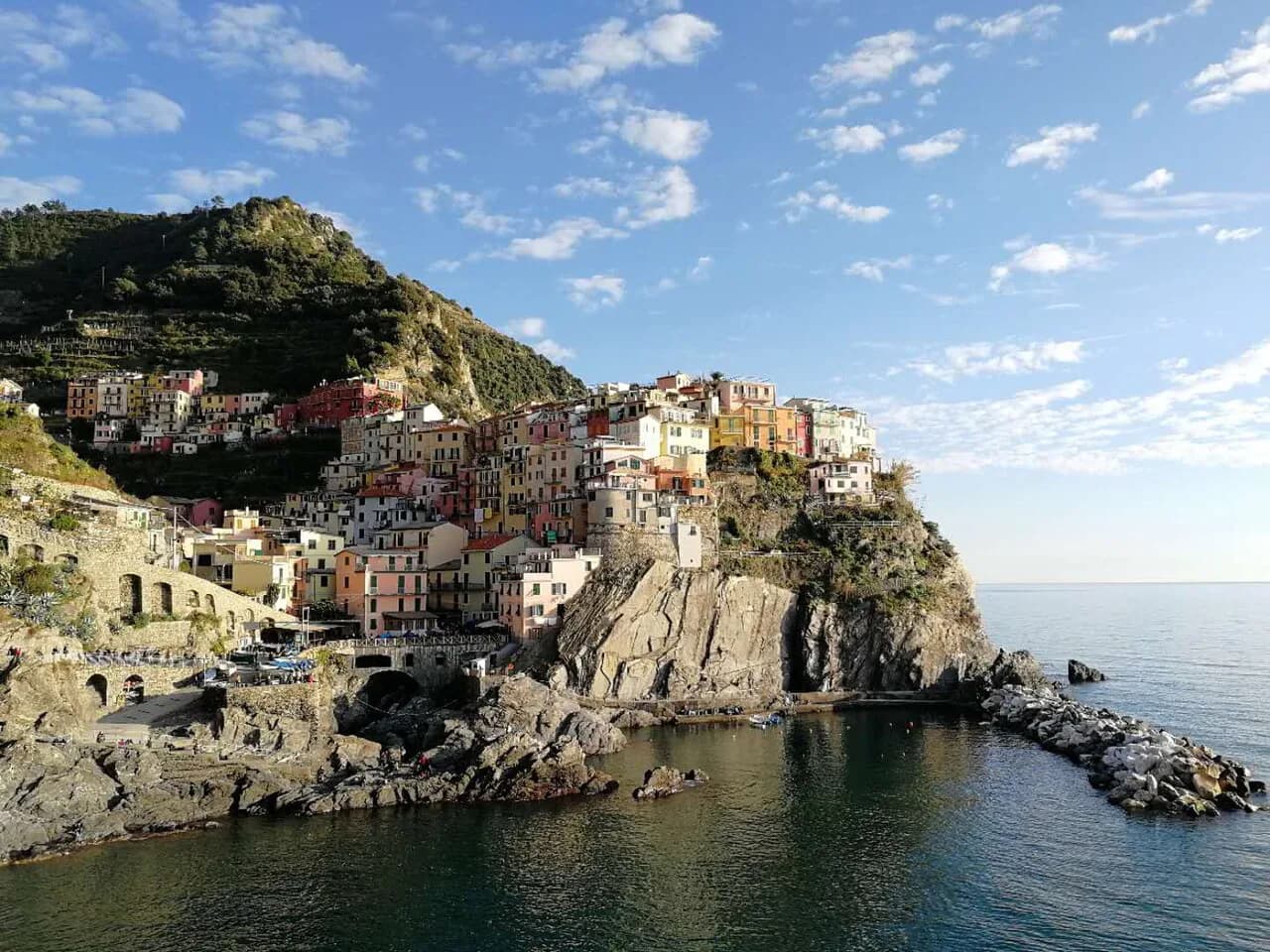
For a short call, pick a single village rather than trying to sample the chain. Riomaggiore is the closest to La Spezia and works as a quick first stop; Vernazza and Manarola reward a longer stay with harbor time and terraced lanes. Whichever you choose, be back at the station with enough margin that a missed train does not become a missed ship.
Cinque Terre by ferry for the coastal views
The ferry gives you the coast the train cannot. Virgin Voyages' La Spezia guide describes the boat or ferry route as the scenic option, with views of the rocky shoreline and changing blues that make the journey part of the day rather than dead time between villages. If photographs and the sense of arriving by sea matter more than squeezing in an extra stop, the ferry is the better spend of your hours.
The trade-off is schedule risk. Ferries run to their own timetables and are more exposed to sea conditions than trains, so a ferry-based day needs a wider buffer and a plan B on the railway if the crossing is cancelled. Check sailing times and the last return at the ticket office when you buy, and work backward from your all-aboard time rather than forward from the first boat.
A common compromise is to go out by ferry for the views and return by train for reliability, which gives you both the coastal scenery and a predictable last leg. That pattern suits an eight-hour call better than a six-hour one, because the ferry timetable rarely aligns neatly with a short window.
Florence and Pisa in one day: what it costs you in time
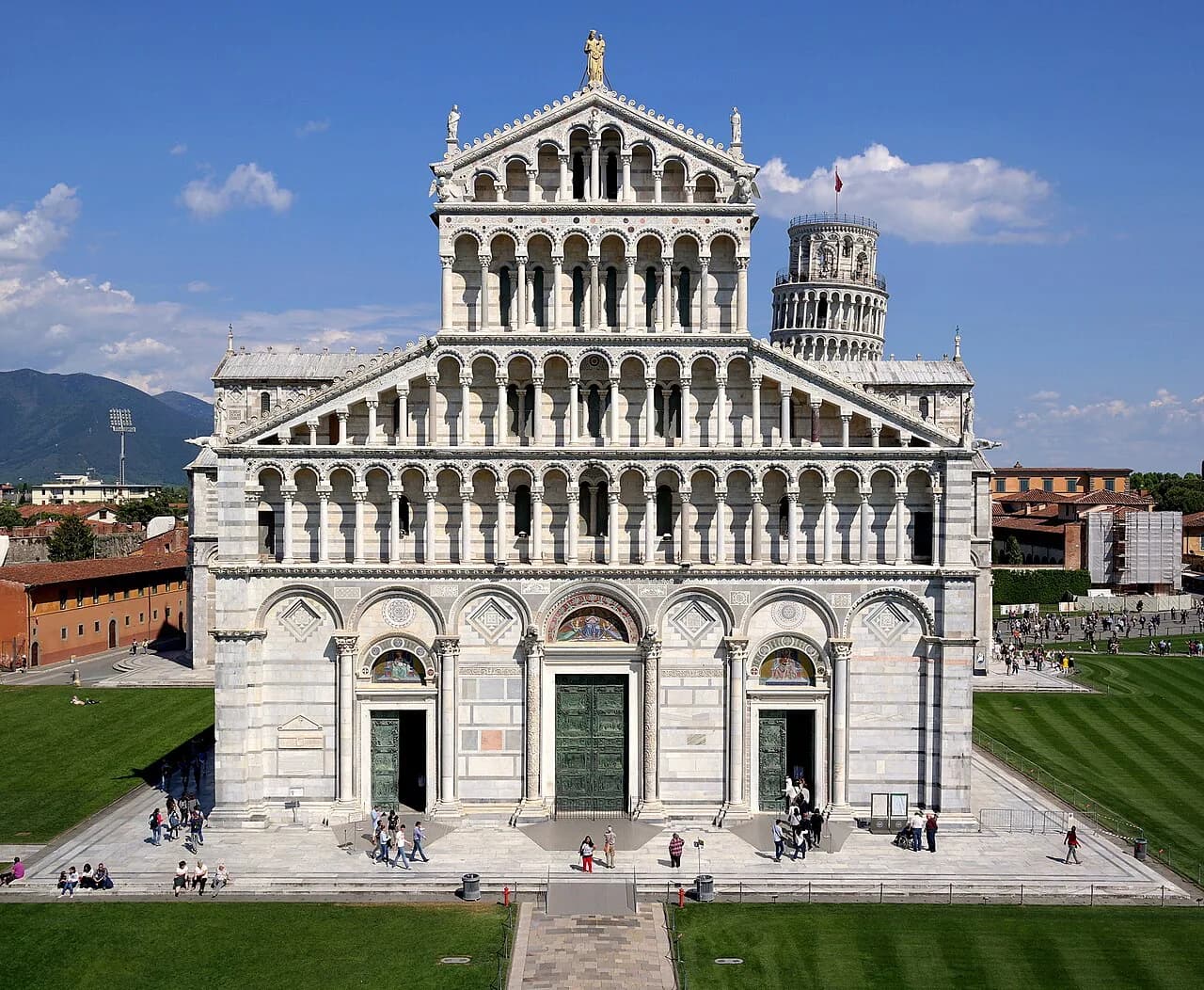
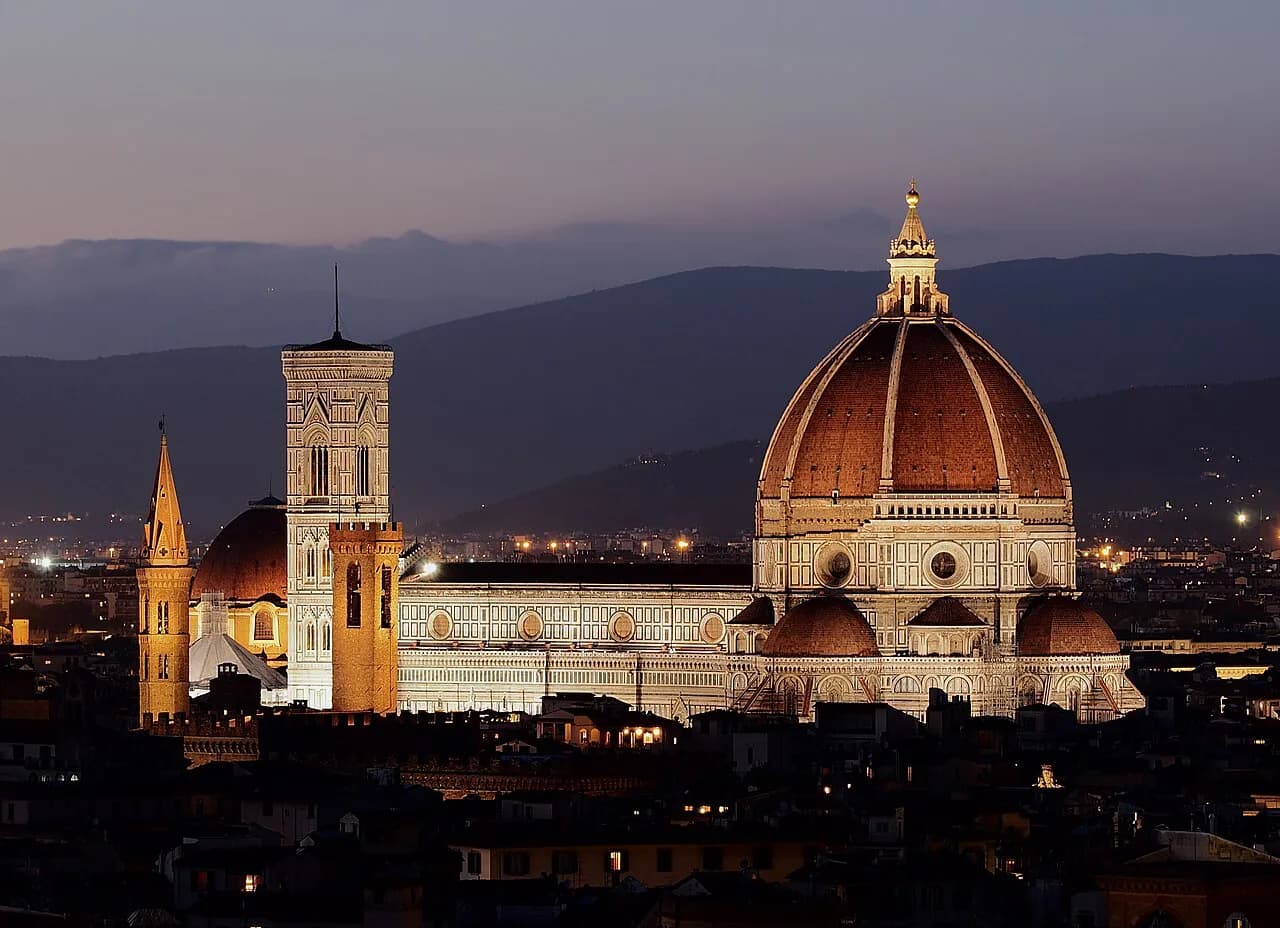
Florence and Pisa are the headline inland sights, and Virgin Voyages' shore excursion description gives a fair picture of what a combined day involves: a scenic drive through the Tuscan countryside to Florence for the cathedral, Baptistery and bell tower, then on to Pisa for the Piazza dei Miracoli and the Leaning Tower. That is a full day built around coach transfers, and the sightseeing time in each city is shorter than the names suggest.
Doing it independently shifts the risk onto you. The train corridor between La Spezia and Pisa is the manageable leg, but continuing to Florence adds another hour each way and leaves little slack if a service is delayed. On a ten-hour call this is achievable with discipline; on a six- or eight-hour call the arithmetic rarely works in your favor once you protect a proper return buffer.
If Florence is the priority, give it the whole day and treat Pisa as a separate call or a pass-by rather than insisting on both. If Pisa alone is enough, the cruise port to Pisa route is a far more comfortable fit, with the Piazza dei Miracoli as the compact core of the visit.
Staying in La Spezia: waterfront, naval museum and hilltop fortress
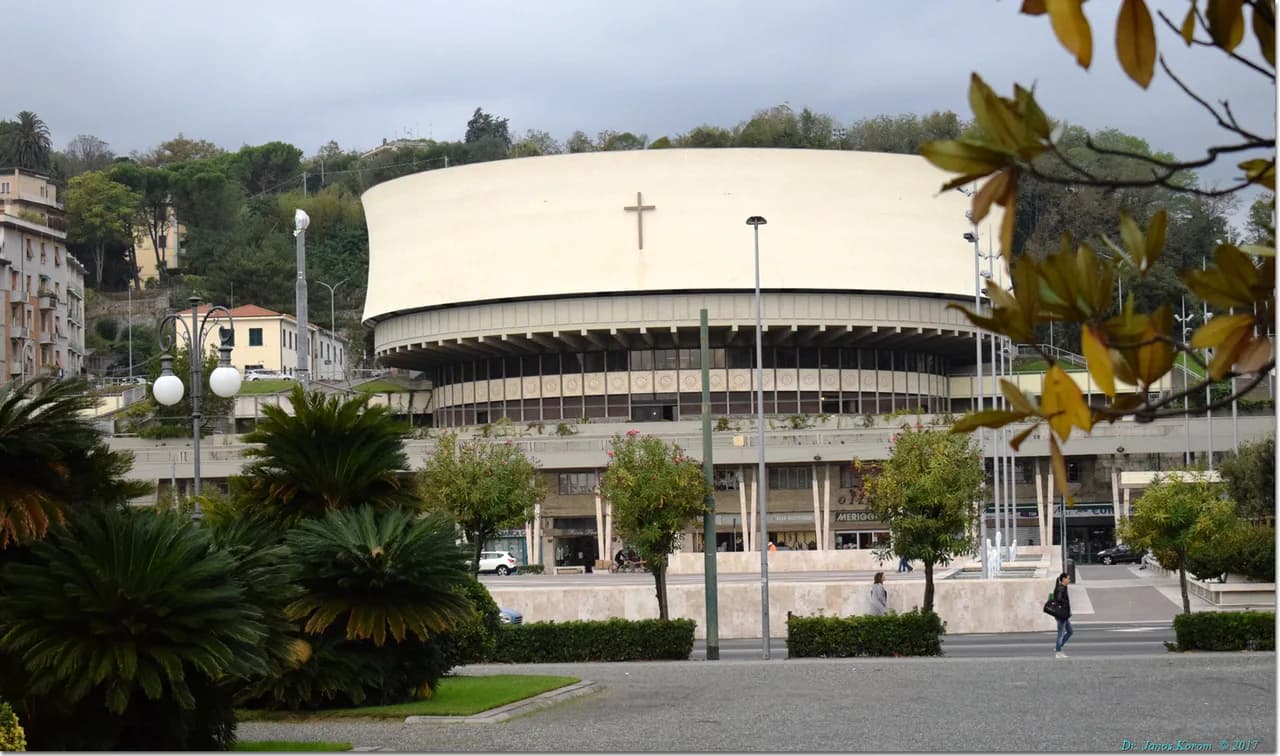
La Spezia rewards passengers who stay put. Virgin Voyages' guide points to a waterfront naval museum that can absorb a full day, a hilltop fortress above the city, a neighboring fishing islet and plenty of traditional Italian food, all without a long transfer. For a six-hour call, or for anyone who has already seen the Cinque Terre, this is the lowest-risk way to spend the day. If you would rather compare how another Italian port city fills a short call, see what to do in Salerno from a cruise ship.
Build the in-town day around a walk rather than a checklist. Start along the waterfront promenade, work toward the naval museum and the historic center, and use the fortress as the viewpoint that closes the loop before you head back to the ship. Opening hours and entry arrangements for the museum and fortress change by season, so check them with the museum or the local tourist office on the day you plan to visit.
This is also the day to eat properly ashore. Ligurian cooking leans on olive oil, pesto, focaccia and seafood, and the city's trattorias are close enough to the port that a long lunch does not threaten your return time. Families and first-timers who want a gentle introduction to the region often get more out of this than a rushed transfer.
Isola Palmaria and the neighboring fishing islet
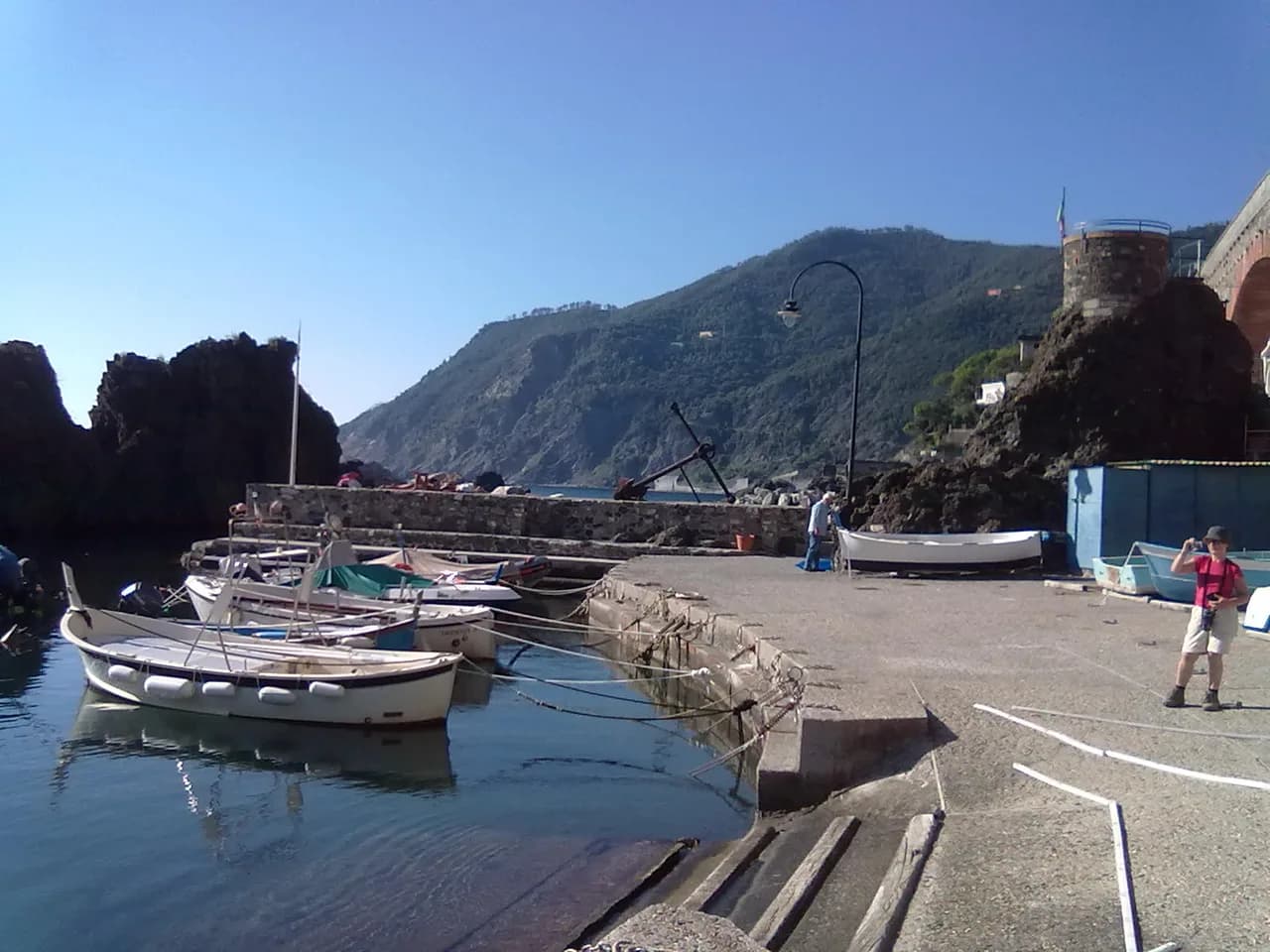
Isola Palmaria sits just across the water from La Spezia, and Virgin Voyages' guide describes the island as a short walk from the port to its ferry, with marble caves and a mix of old Italian buildings that make for strong photographs. It is the quiet-water alternative to the Cinque Terre crowds, and it pairs naturally with the neighboring fishing islet of Portovenere on the same excursion or ferry itinerary.
Because the crossing is short and the island is small, this option tolerates a shorter call than the Cinque Terre or Florence days. The limiting factor is ferry timing rather than distance, so check the return sailings before you commit and keep the port in sight of your schedule. For a half-day plan it slots in neatly; for a full day, add Portovenere and a long lunch.
Ship tour vs local operator vs going independently
The ship's tours buy you certainty. A coach to the Cinque Terre or to Florence and Pisa leaves from the quay, and Virgin Voyages' schedule is built around the ship's all-aboard time, so a delay on the road is the line's problem rather than yours. The cost is flexibility and, on a two-city day, a lot of time in a group. Virgin Voyages lists its own Cinque Terre, Florence and Pisa, truffle-hunting and Lucca cycling options as examples of what is on offer from La Spezia.
Local operators sit in between. Private and small-group tours from La Spezia, including Cinque Terre boat tours and Florence and Pisa day trips, are widely listed on platforms such as Viator, which gives a sense of the range available and lets you compare group sizes and inclusion before booking. The trade-off is that a local operator's vehicle and timetable are not automatically tied to your ship, so a late return is your exposure, not theirs.
Going fully independent is cheapest and most flexible, and for the Cinque Terre it is entirely realistic by train. The discipline required is a personal return buffer and a hard decision about the last service you are willing to catch. No operator or cruise line guarantees the ship will wait for independent travelers, so treat the all-aboard time as absolute.
Building a realistic return buffer for the all-aboard time
Work backward from all-aboard, not forward from the gangway. A practical buffer is the length of the return journey plus a generous margin: for a train or ferry leg of an hour, plan to be back two hours before all-aboard, and for the Cinque Terre corridor, an hour of margin is the minimum that still leaves room for a delayed service. For Florence, the buffer has to cover a train or coach delay measured in hours, which is why short calls and inland days do not mix.
Set an alarm for your turn-around time, not just for your departure. The moment to leave a village is when you still have a comfortable alternative if the first train or boat is full, and that means arriving at the station or jetty with time to spare rather than cutting it fine. Keep your cruise card and a note of the ship's contact details with you in case something goes wrong ashore.
Who each option suits: families, first-timers and repeat visitors
First-timers usually get the most from the Cinque Terre, whether by train or ferry, because the coast is the reason the ship calls here. Families do better with the in-town day or Palmaria, where the distances are short and a tired child does not strand you an hour inland. Repeat visitors who have already seen the villages should take the Florence day or the naval museum, which rewards unhurried time.
Anyone booking the long inland day should be honest about their appetite for transfer time. Two cities in one call is a sampler, not a full visit, and the passengers who enjoy it are the ones who accept that going in. Those who want to actually see Florence should plan to come back rather than compress it into a port stop.
Plan Your Visit
Decide your port day before you leave the ship. The Cinque Terre by train is the best use of an eight-hour call, the ferry is the better version of it when the views matter, Florence and Pisa belong to a ten-hour call or a ship tour, and La Spezia itself or Palmaria fills a six-hour call without risk. Each choice should be made against your all-aboard time and the buffer that time demands.
Confirm your ship's precise berth, the port shuttle arrangement and the all-aboard time with the cruise line, and check current train and ferry schedules with the operators on the day. That done, the rest of the planning is simply picking the shape of the day and protecting your return.
Frequently Asked Questions
Can you do Cinque Terre independently from La Spezia?
Yes. Trains run from La Spezia along the coast to the five villages, and cruisers commonly combine two villages in a single call. Buy your ticket before boarding, keep the return leg in mind, and leave enough margin at the station that a missed service does not become a missed ship.
Is La Spezia worth visiting or should you go to Florence?
Both are worthwhile but they suit different calls. La Spezia's waterfront, naval museum and hilltop fortress fill a short call comfortably with no transfer risk. Florence is a long inland day that works best on a ten-hour call or as a ship tour, so choose based on your hours rather than on which name sounds more impressive.
Which Cinque Terre village is best for a short call?
Riomaggiore is the closest to La Spezia and simplest for a short call, while Vernazza and Manarola reward a longer stay with harbor time and terraced lanes. Avoid trying to sample the whole chain; two villages is a sensible ceiling for an eight-hour call.
Should you take the train or the ferry to Cinque Terre?
Take the train for speed and schedule control, and the ferry for the coastal views. A common compromise is out by ferry and back by train, which gives you the scenery and a predictable last leg. The ferry carries more weather and timetable risk, so it suits a longer call.
How do you get to Portovenere from La Spezia?
Portovenere pairs naturally with Isola Palmaria on the same ferry itinerary, and the port guide describes the island ferry as a short walk from the ship. Check the return sailings before you commit, since ferry timing rather than distance is what limits this day.
Is there anything to do in La Spezia port itself?
Yes. The naval museum, the hilltop fortress, the waterfront and the historic center are all within easy reach of the port, and the city is known for its traditional Ligurian food. It is the lowest-risk way to spend a short call or a day when you have already seen the coast.
Sources
Port-day notes for your next cruise
Optional updates to our port guides.
You might also like
Continue reading
More guides you'll find useful