What to Do in Salerno from a Cruise Ship: A Port-Day Guide
Plan a Salerno port day around the Zaha Hadid cruise terminal, the Lungomare promenade, the Duomo and a ferry to Amalfi Coast towns. See what fits your call.
On this page
Salerno rewards passengers who want a real Italian city within walking distance of the gangway rather than a coach ride to a famous viewpoint. The ship ties up beside a striking modern terminal, and from there the seafront promenade, a huge piazza and the lanes of the old town unfold in sequence. It suits first-timers who want an easy, low-risk port day and repeat Italy visitors who would rather spend the hours on foot than in traffic.
The alternative is treating Salerno as a launch pad for the Amalfi Coast, since ferries and small boats leave from the same waterfront for Amalfi, Positano and Capri. That turns a relaxed city day into a timed excursion with a return boat to catch. Decide which of those two days you want before you leave the cabin, because the answer changes how you spend every hour ashore. For a variation on the same kind of decision, see one day in messina from cruise ship.
The Oyster Terminal and Where It Puts You
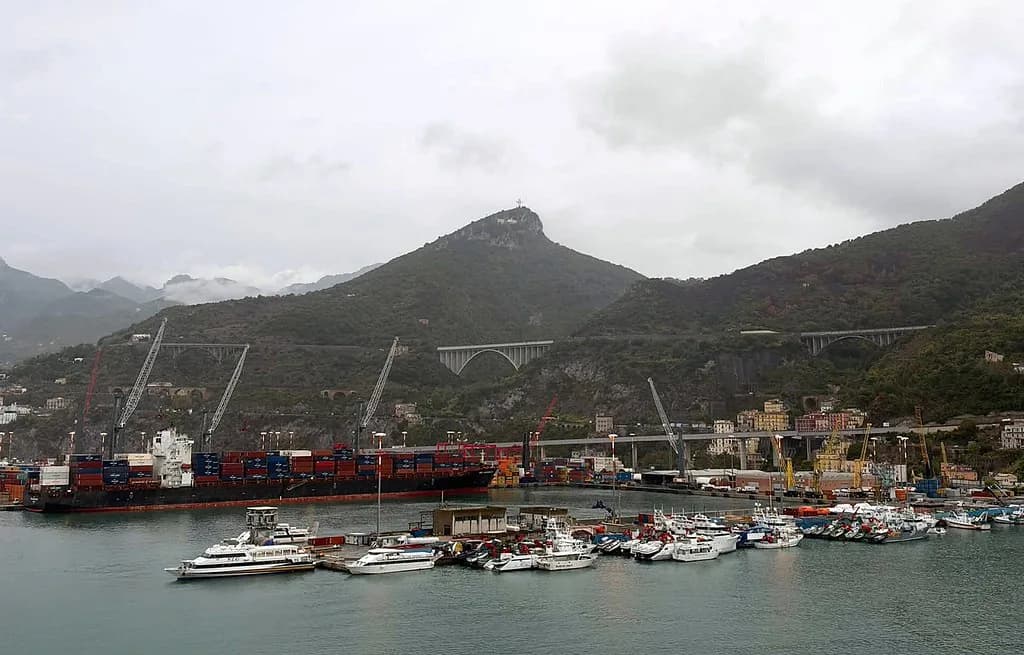
Cruise ships use the Stazione Marittima di Salerno, the Zaha Hadid-designed terminal shaped like an oyster, one of her final projects. Its exterior reads as the shell and the interior as the softer body, which makes it an easy landmark to find on the waterfront. Because it sits right by Piazza della Libertà and the promenade, you step off into the city rather than onto an industrial dock.
Treat the terminal as your anchor for the day: everything in the city plan below sits within a walk of it, and the ferry berths for coast trips are in the same area. If you want the wider picture of berths, facilities and how the port is laid out, the salerno cruise port guide covers it in depth. Keep the terminal's shape in mind as your return marker when you wander into the old town.
Orient Yourself: Promenade, Piazza and Old Town
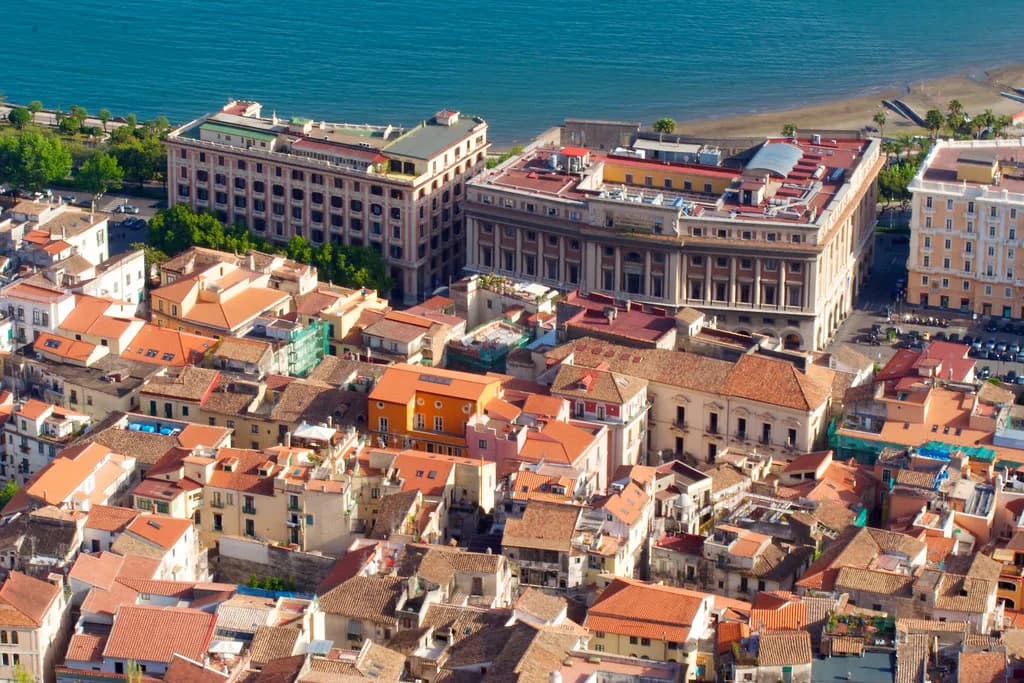
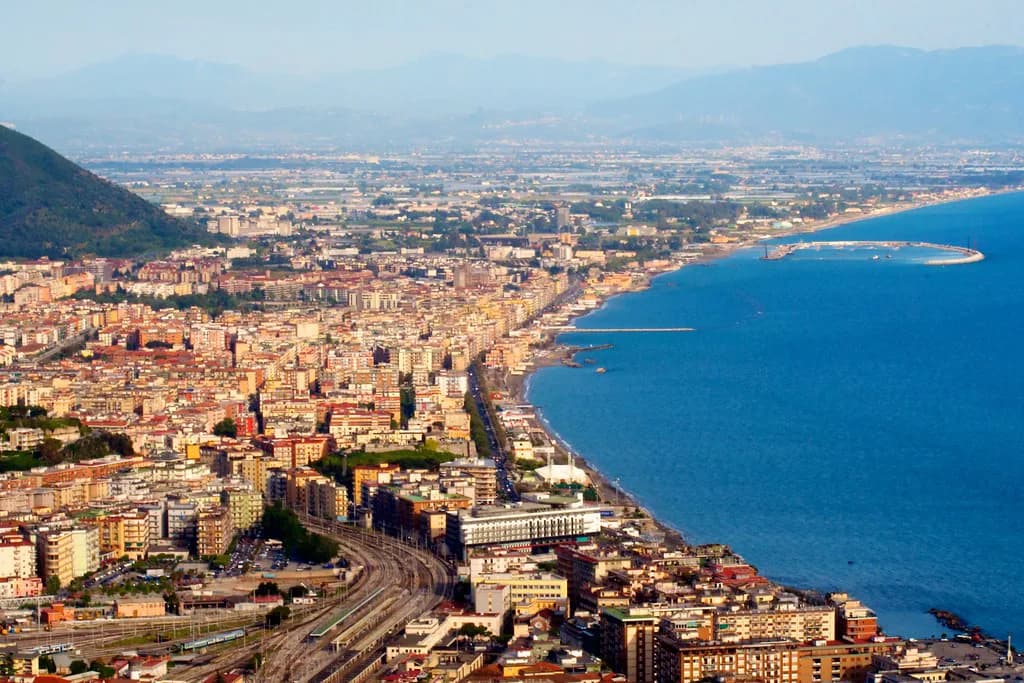
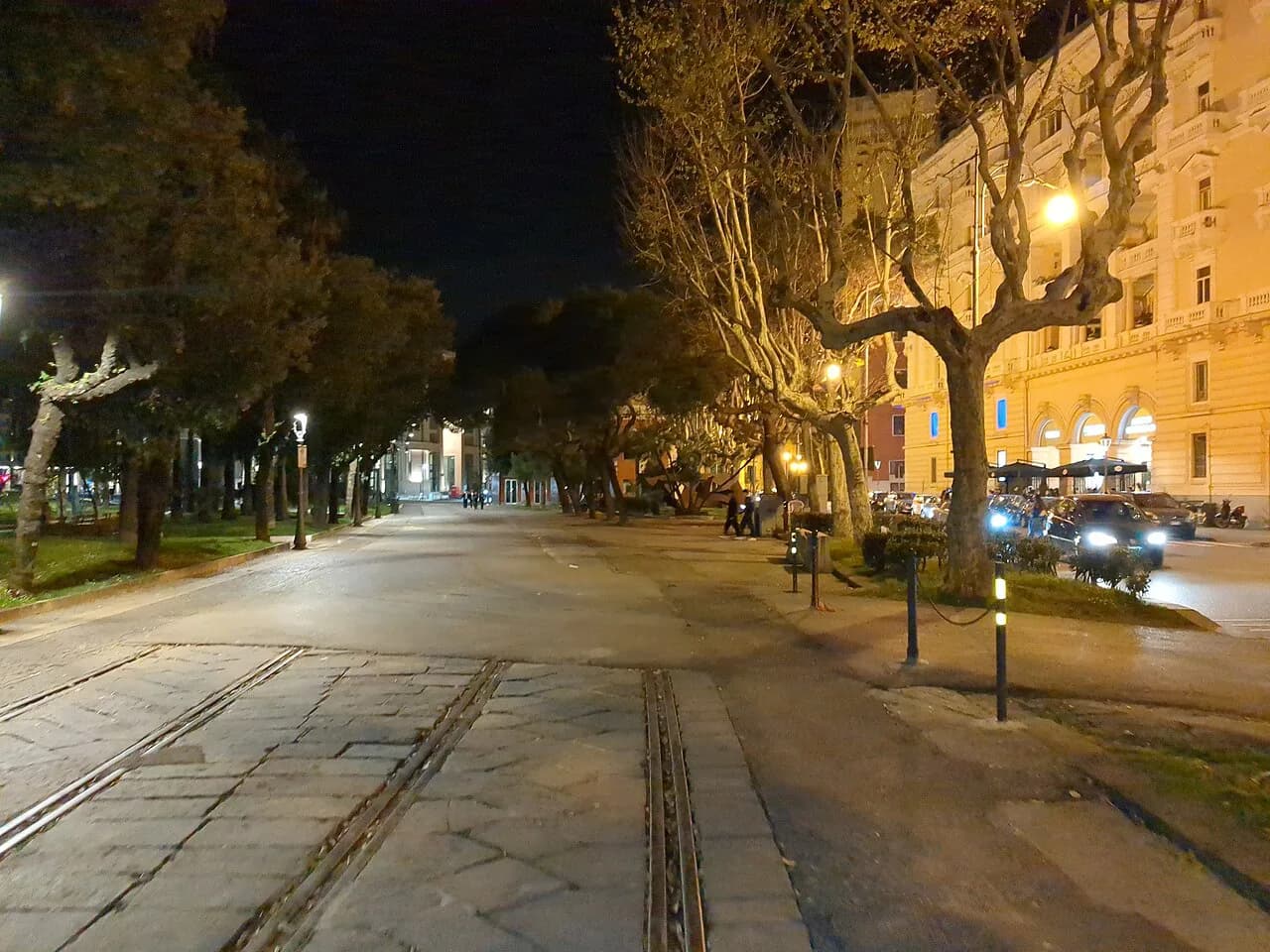
The city's geography is simple. The Lungomare di Salerno, also called Lungomare Trieste, runs about 1.5 kilometers along the waterfront, lined with palms, flower beds, cafes and benches, with views toward the distant Amalfi Coast. Piazza della Libertà, described as the largest seafront square in Europe at 28,000 square meters, sits near the terminal and overlooks the ferry port and marina. Behind them, the old town climbs in narrow lanes toward the hills.
Think of the day as three layers: the flat seafront for an easy stroll, the compact centro storico for churches and street art, and the steep upper town for viewpoints and gardens. The first needs no planning, the second needs an hour or two, and the third is where you spend energy and time. Choose your layer according to how many hours you have and how hot the day is.
A Walkable Half-Day: Lungomare and Santa Teresa
Start with the promenade in the direction that keeps the sea on one side and the city on the other, and you will pass fishermen, cafes and the seafront buildings in a single sweep. Near Piazza della Libertà you reach Spiaggia Santa Teresa, a public urban beach with no facilities, good for a quick dip or a paddle rather than a beach day. It is the closest sand to the ship and the easiest way to fit a swim into a short call.
From the piazza, the seafront continues and the bars sit just below square level, which makes a coffee or a cocktail with a view an easy pause before you turn inland. This whole loop is flat and self-guiding, so it works well on a six-hour call or as a warm-up before the old town. Save the climbing for after the walk, not before.
The Old Town on Foot: Duomo and the Crypt
Salerno's centerpiece is the Duomo di Salerno, an 11th-century cathedral with a 12th-century bell tower and a courtyard lined with Roman columns. The courtyard can be entered during opening hours without a ticket, so even a short stop gives you the atmosphere and the photographs. Inside, the draw is the Crypt of Saint Matthew, where the apostle's remains are kept in a Baroque setting of gilded columns, frescoes and marble.
Seeing the interior and the crypt requires an entrance ticket, and the ticket office also sells a fuller ticket that adds the Diocesan Museum of San Matteo and the Church of St. George. The Church of St. George, a short walk from the cathedral, is the surprise of the pair, with a lavish Baroque interior that outshines the museum for most visitors. If you buy only one upgrade, make it the one that includes the church.
Allow roughly an hour to do the cathedral, crypt and church without rushing, and rather more if you linger. The lanes between them are the heart of the old town, so the walking is part of the experience rather than dead time. Check the cathedral's own notices for current visiting hours and ticket combinations on the day, since these are set locally.
Street Art and Steep Lanes
Salerno's old town doubles as an open-air gallery. Via Masuccio Salernitano carries murals of lemons, cliffs and sea that echo the Amalfi Coast, while a short tunnel on Vicolo S. Maria de Domno, linking Via dei Mercanti with Piazza S. Agostino, holds finer, more delicate work. In the La Fornelle district, the oldest part of the city, the Muri d'Autore project has covered walls with poetry and painting since the 1980s, though some pieces are faded.
None of this needs a dedicated trip: the murals sit on routes between the cathedral, the pizza places and the viewpoints, so fold them into your walk rather than hunting each one. The lanes are steep in places and uneven underfoot, which matters more than distance. Wear shoes you can climb stairs in.
Views and Green Space Above the City
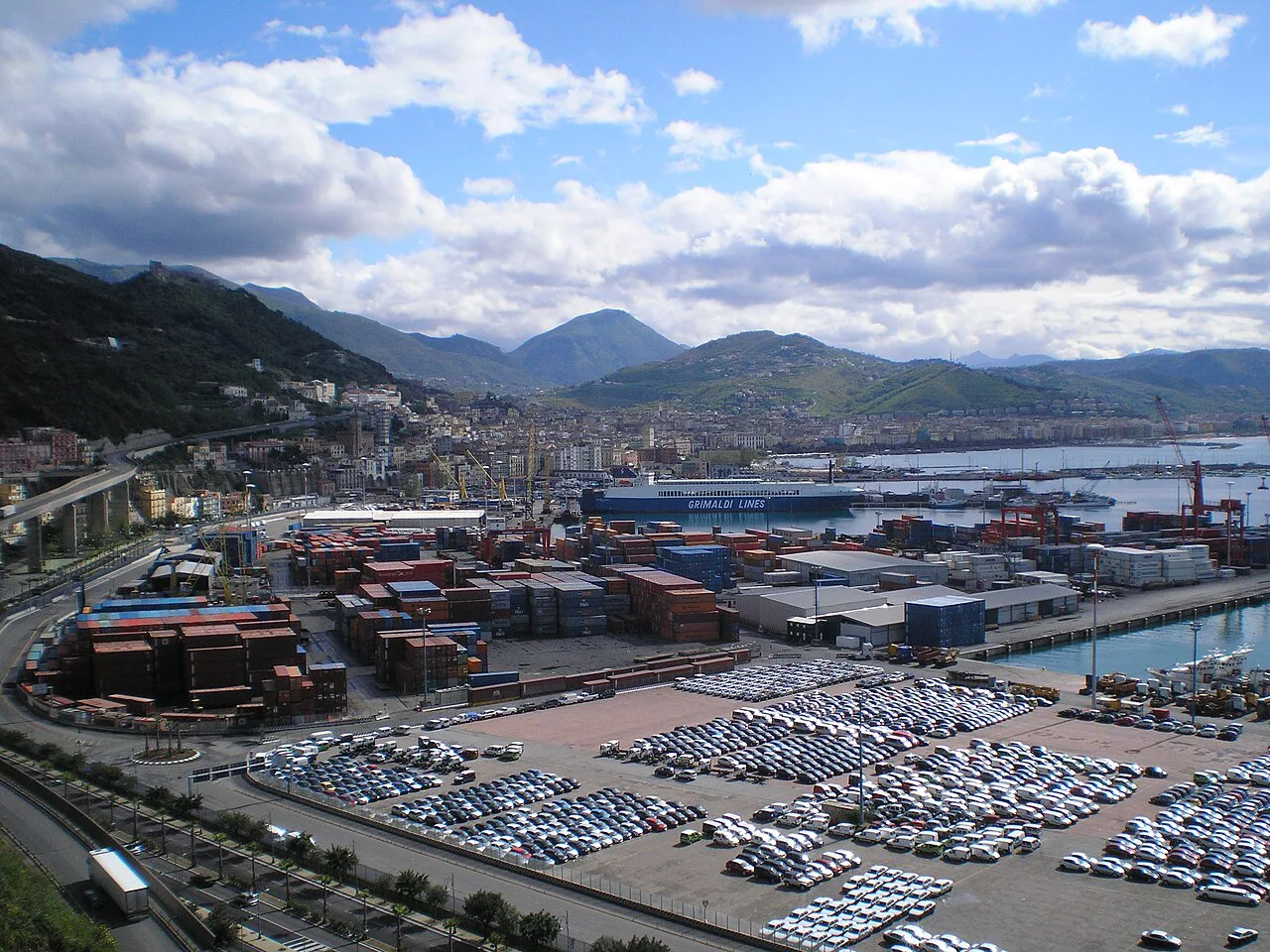
Salerno sits at the foot of the mountain range that runs down the Amalfi Coast, and the easiest panoramic viewpoints are on the west side of the city, reached by climbing stairs. The reward is the whole city and the port laid out below, which makes a good halfway pause on a clear day. Treat the climb as a short workout rather than a stroll.
Higher in the old town, the Giardino della Minerva is a terraced botanical garden dating to the 14th century, used by the local medical school and counted among Italy's finest historic gardens, with views over the Gulf of Salerno. It is a peaceful counterpoint to the busy seafront, but the terraces mean stairs, and it can close for restoration work, so check locally before making it your one uphill goal.
Gelato, Brioche and Pizza
Bar Gelateria Nettuno, by the promenade, has served coffee and gelato since the 1970s and is known for putting gelato inside a fresh brioche bun, a filling Italian-style breakfast. Take yours to a bench in the promenade park and eat it looking at the sea. It is the easiest way to combine a break with the seafront walk.
For pizza, the names that come up are Pizzeria Giagiu for bold, contemporary pies, Saporito and La Smorfia for classical Neapolitan style, and Pizzà Identità Gastronomiche for something between the two. A sit-down pizza lunch fits comfortably inside a city-only day, but it eats into the hours you would need for a ferry trip. Decide over lunch, not before, whether you are staying in town.
Beaches Near the Terminal and Beyond
The beaches closest to the old town, Santa Teresa and the tiny Spiaggetta del Pontile at the far end of the promenade, are convenient for a quick swim but have no facilities. For a proper beach day with clubs and services, you need the long sandy Spiaggia di Salerno and Spiaggia il Porticciolo outside the center. That is a different kind of day and suits a long call better than a short one.
The Amalfi Coast by Boat
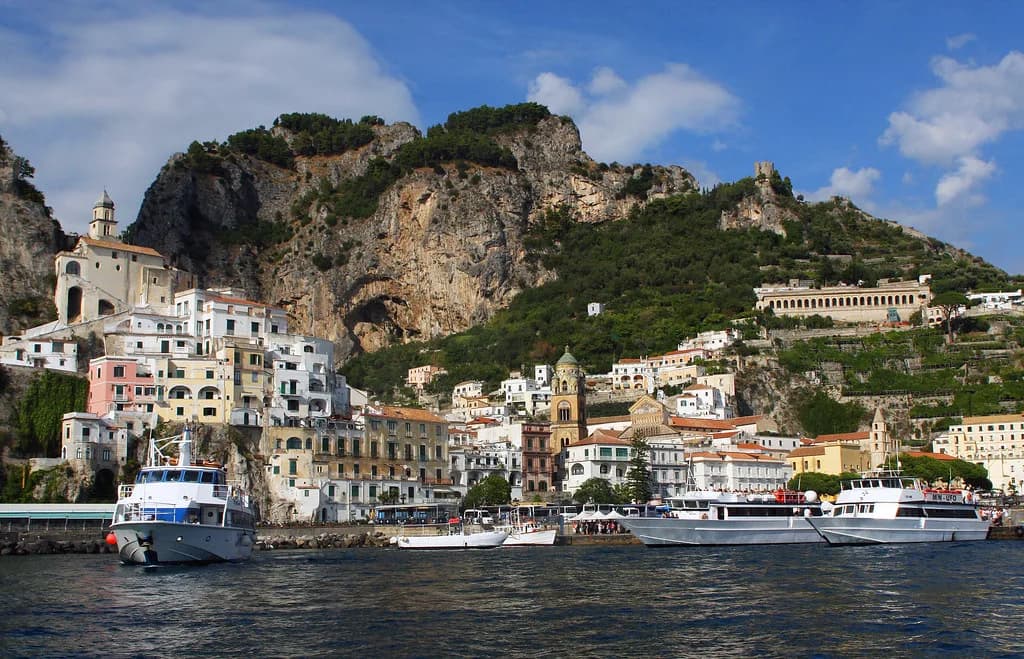
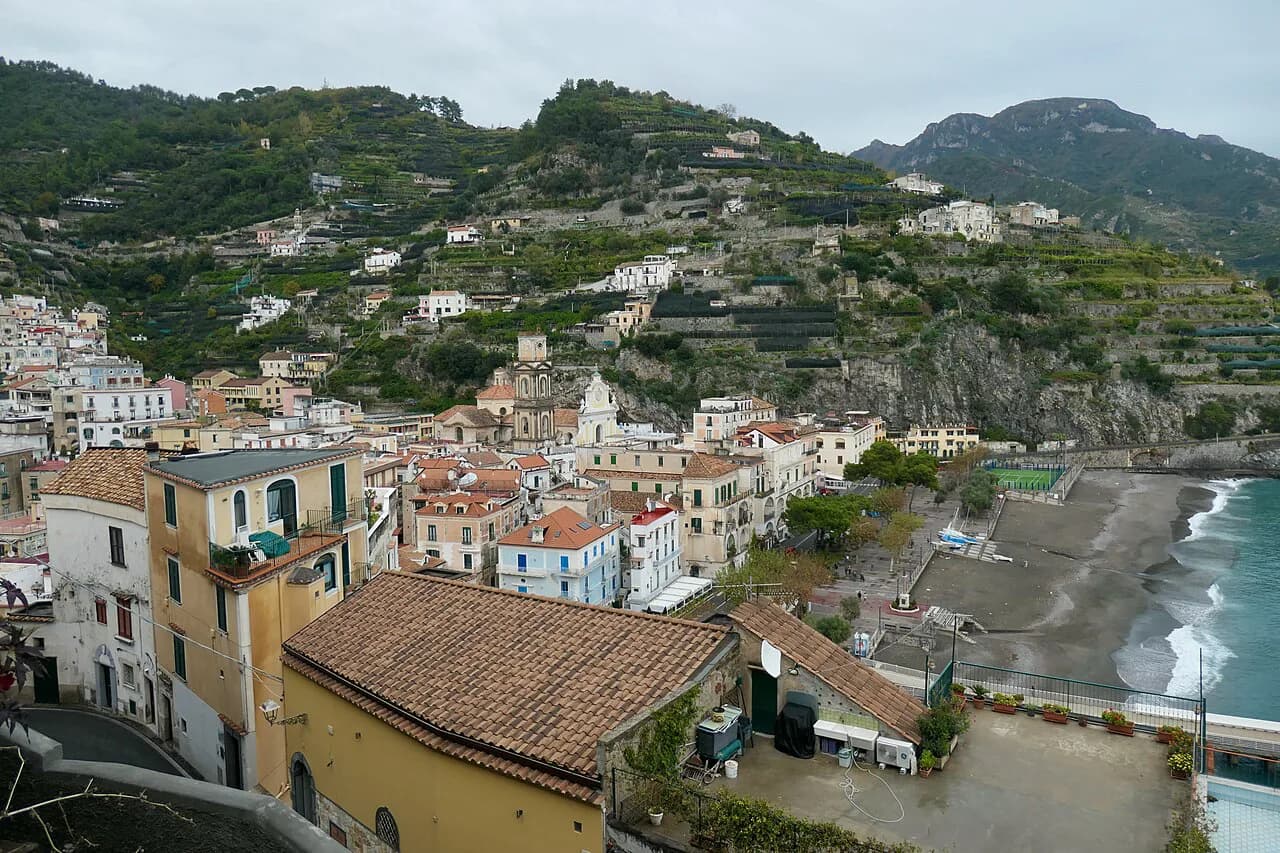
Ferries and water taxis leave from the Stazione Marittima area for Amalfi, Positano and Capri, which makes a coast trip possible without a coach. The terminal itself is the hub, so you can walk from the ship to the boat. That convenience is the reason Salerno works so well as a base for the Amalfi Coast.
The trade-off is time and risk. A boat trip consumes most of a port day, and the return sailing is the one you must catch; the ship will not wait for a late ferry. Passengers weighing the options should look at the salerno cruise port to amalfi coast breakdown before committing, and compare it with ship-run trips on the salerno shore excursions page. On a short call, the city wins; on a long one, the coast is feasible if you build in a buffer.
Going Further: Paestum and Pompeii
Inland and south of Salerno, Paestum's Greek temples are a serious archaeological day out, and Pompeii is reachable from the same region. Both are full-day propositions that take you well away from the port, so they belong on longer calls or on ship excursions that handle the transport. If Pompeii is your priority, plan it through the dedicated route rather than improvising on the day.
Ship Tour, Local Operator or Independent
For the city itself, independence is straightforward because the sights are within walking distance of the terminal. For the coast or the ruins, the choice is really about who owns the return risk: a ship tour or a booked local operator with a guaranteed return, versus a public ferry where a missed boat is your problem. There is no version in which the ship waits for you; build the buffer yourself.
Fitting It into a 6-, 8- or 10-Hour Call
With around six hours ashore, stay in the city: promenade, Piazza della Libertà, a swim at Santa Teresa, the cathedral and crypt, and a gelato or pizza stop. That is a full, unhurried day without any transport. Trying to add the Amalfi Coast to a short call leaves no room for error.
With eight hours, you can do the city properly and add the Giardino della Minerva or a viewpoint climb, or take a short boat trip if the return schedule leaves a generous margin. At ten hours, a full Amalfi Coast boat day or an excursion to Paestum or Pompeii becomes realistic. Match the ambition to the timetable, not to the guidebook.
Getting Back to the Ship with Time to Spare
Because the terminal sits beside the promenade, the return from the old town is a short walk with no dependence on buses or taxis, which is the main safety margin of a Salerno city day. Aim to be back at the gangway well before all-aboard, and set a phone alarm for your planned leaving time rather than trusting your sense of the afternoon. If you are on a boat trip, come back on an earlier sailing than the last one if the boat company offers the choice, and check current sailing times before you set out.
Who Salerno Suits
Salerno is the rare cruise port where the city is the attraction and the transport is your feet. First-timers get an authentic Italian day with a cathedral, a promenade and a beach; repeat visitors get a launch pad for the Amalfi Coast, Positano and Capri by water. Families do well on the flat seafront and the gelato stops.
Sort your call length first, then choose between the city and the coast. The salerno cruise port guide will help you plan the terminal end, and the coast and ruins pages cover the longer trips. Either way, keep your return to the ship simple, and the day takes care of itself.
Frequently Asked Questions
Is there a boat from Salerno to Amalfi?
Yes. Ferries and water taxis leave from the Stazione Marittima area of Salerno for Amalfi, Positano and Capri, so note the last return sailing when you arrive and allow a buffer before your all-aboard time.
What can you do in Salerno in one day?
Walk the Lungomare promenade to Piazza della Libertà, swim at Spiaggia Santa Teresa, then head into the old town for the Duomo di Salerno and the Crypt of Saint Matthew, adding the Church of St. George if you buy the fuller cathedral ticket. Finish with gelato at Bar Gelateria Nettuno or pizza in the center.
Is Amalfi or Salerno better for a cruise call?
Salerno gives you a walkable city day with no transport risk. Amalfi gives you the classic coast village but requires a boat trip and a timed return. On a short call, Salerno is the safer and fuller day; on a long call, the coast is worth the trip.
How far is Salerno's cruise terminal from the old town?
The Stazione Marittima sits beside Piazza della Libertà and the promenade, and the old town climbs directly behind them. The seafront is flat and the centro storico is reached on foot, with stairs in the steeper lanes.
Can you walk from the Salerno cruise ship into town?
Yes. The terminal is on the waterfront next to the promenade and the piazza, so you step off and walk into the city. Allow for stairs and uneven lanes in the old town and upper viewpoints.
Sources
Port-day notes for your next cruise
Optional updates to our port guides.
You might also like
Continue reading
More guides you'll find useful