What to Do in Rotterdam From a Cruise Ship: Port-Day Guide
Plan a Rotterdam port day from the Wilhelminakade terminal: walk the Erasmus Bridge, see the Cube Houses and Markthal, or ride the metro into town.
On this page
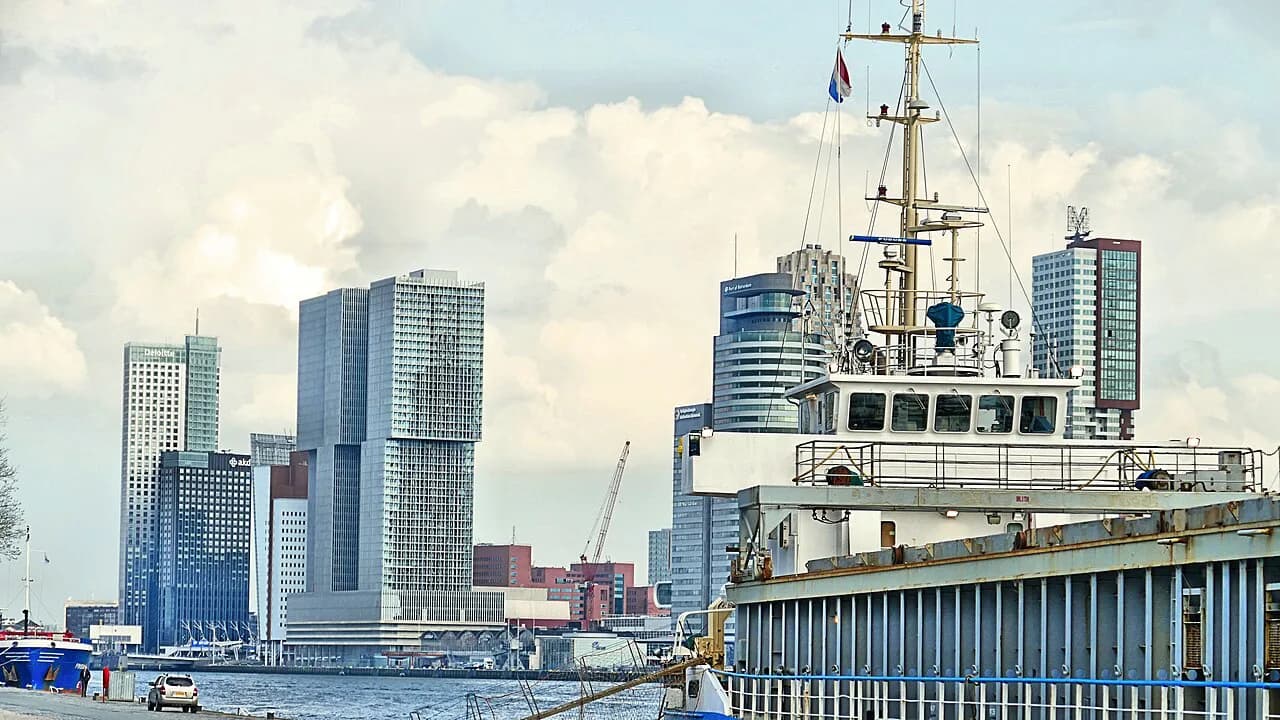
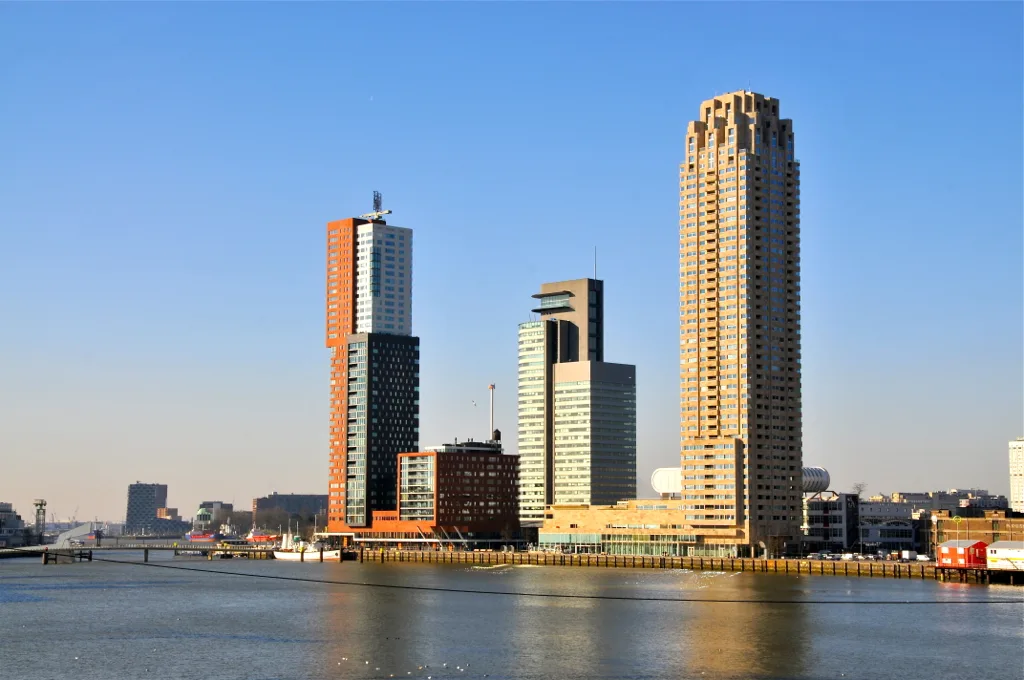
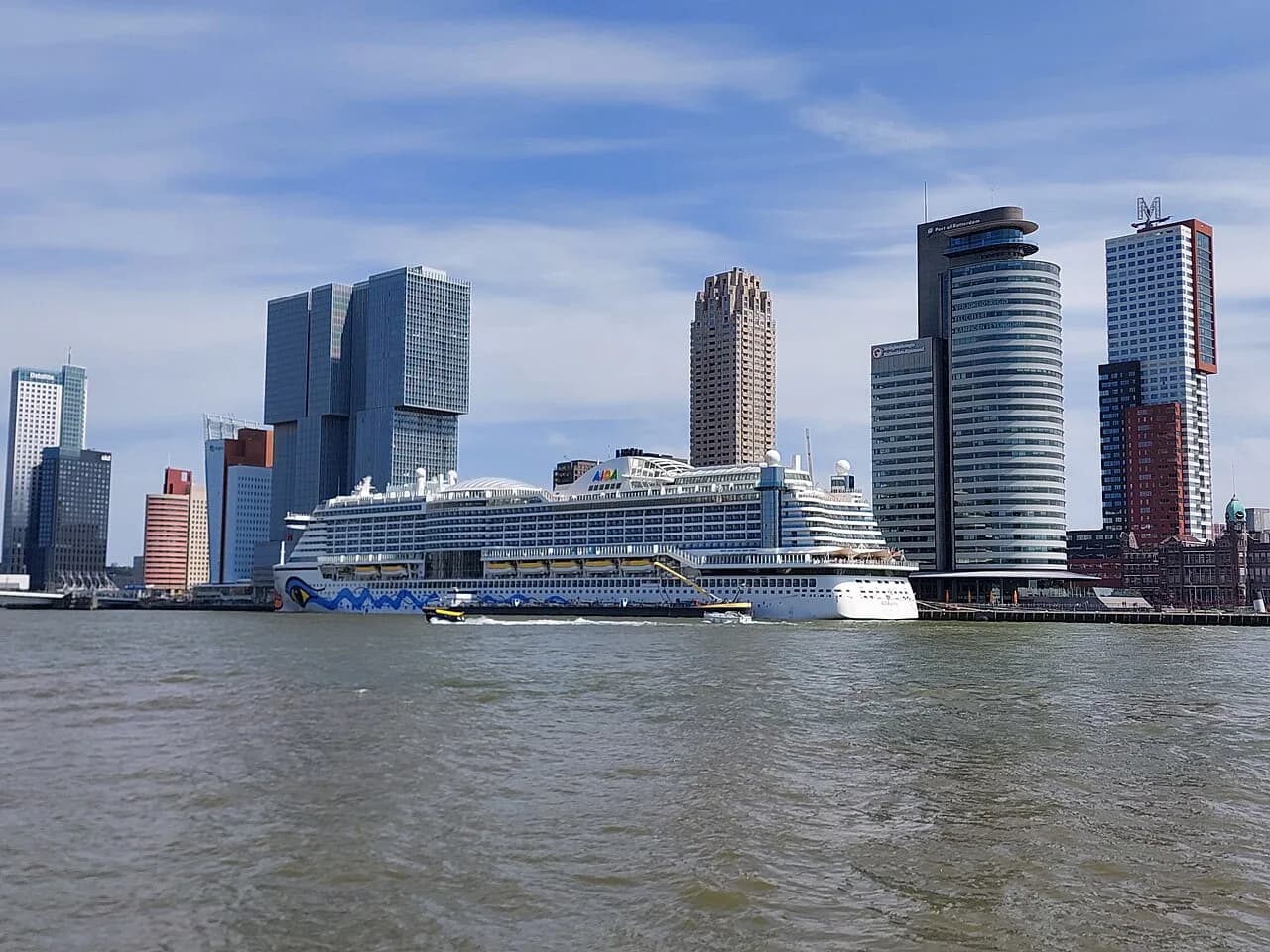
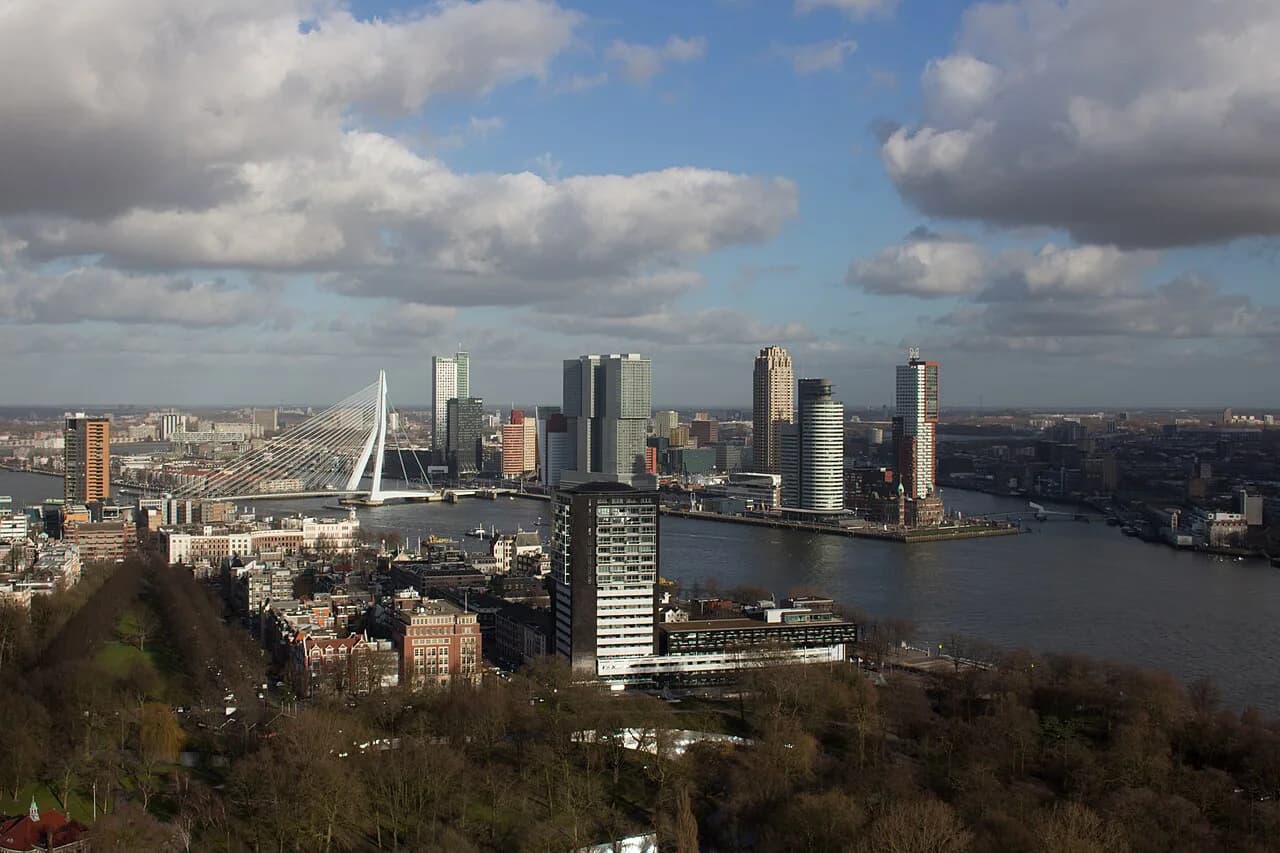
Rotterdam rewards passengers who stay in the city rather than heading for Amsterdam. The ship berths on the Wilhelminapier, a short walk from the white Erasmus Bridge, with the Markthal, Cube Houses and old harbour a metro stop or half-hour stroll away. It suits travelers who want modern architecture, market food and waterfront wandering in a compact, walkable city rather than a full-day coach tour.
Where ships dock
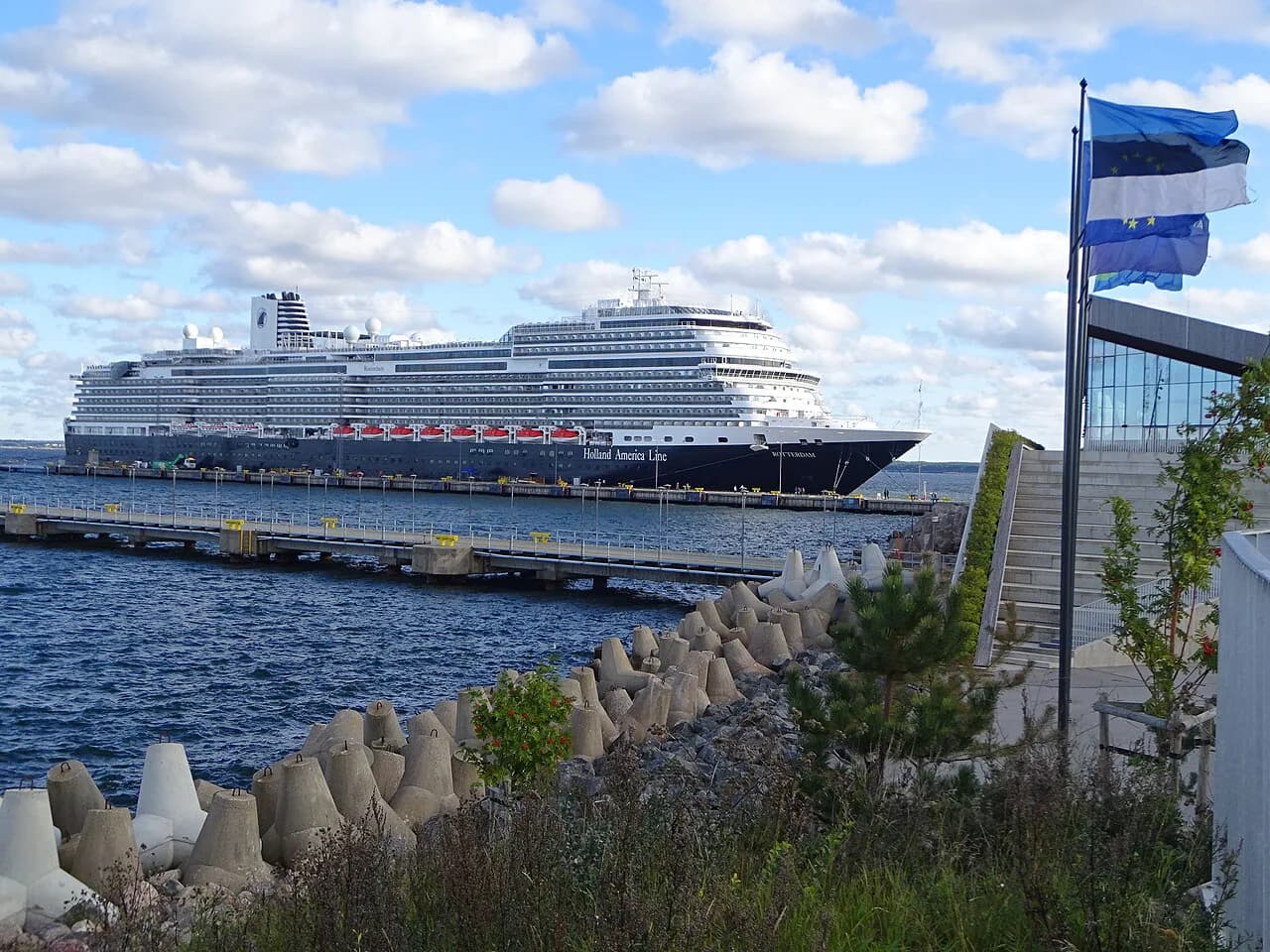
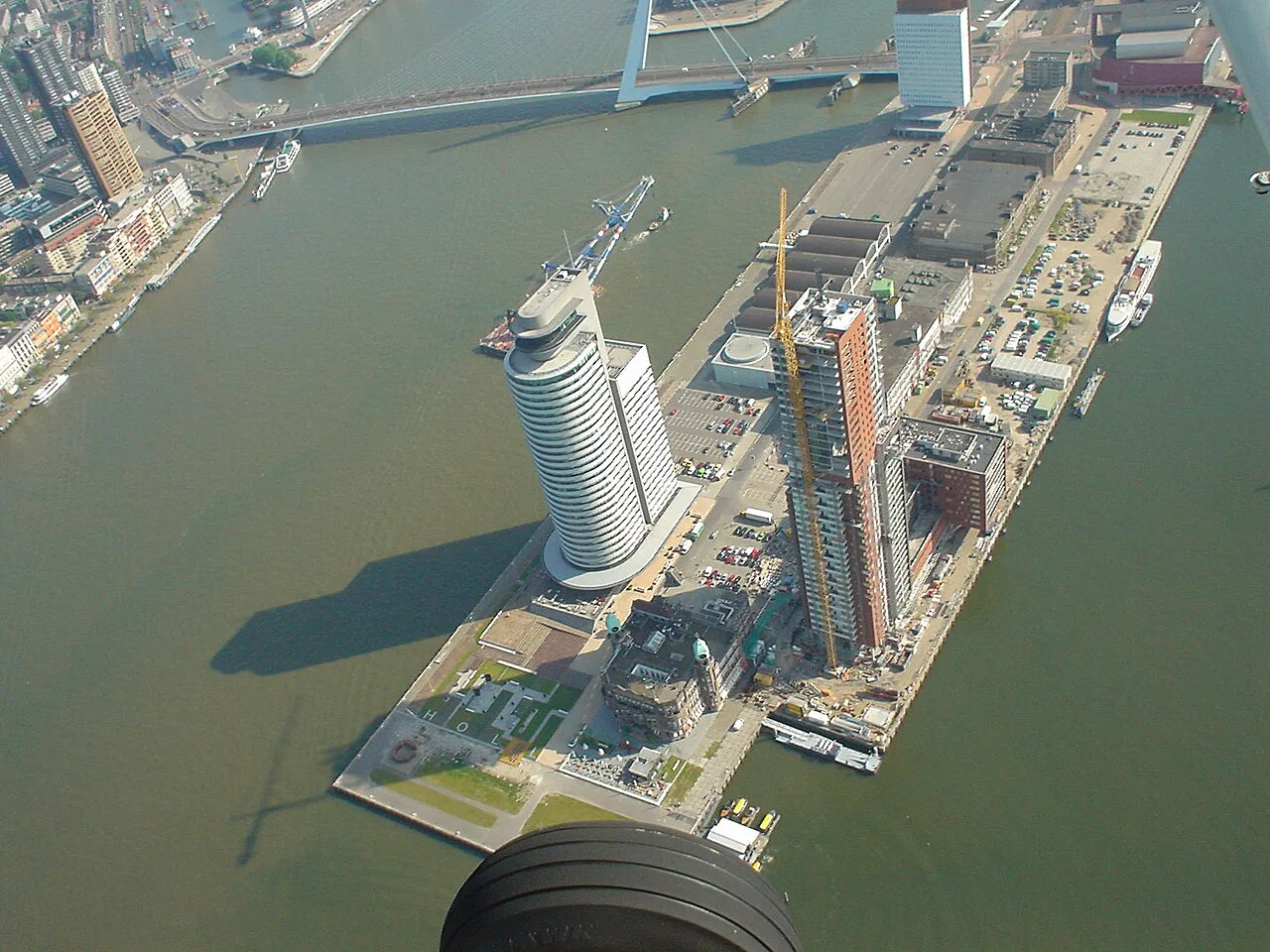
Cruise ships tie up at Cruise Terminal Rotterdam on the Wilhelminapier, at Wilhelminakade 909. That address matters because the industrial Port of Rotterdam is a separate, sprawling complex and is not where your ship berths.
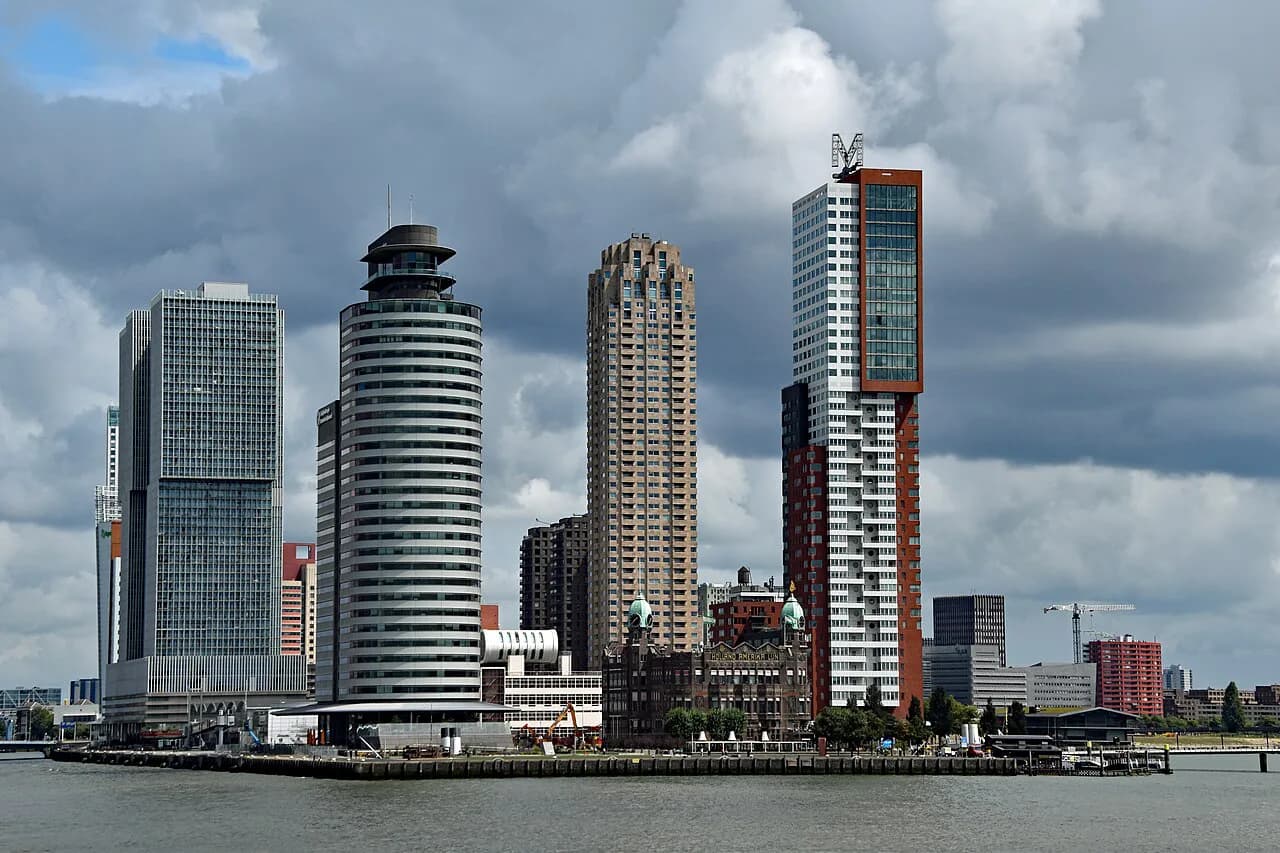
The terminal sits on the south bank of the Nieuwe Maas, so the river and the Erasmus Bridge frame your arrival. You step off into a waterfront district of converted warehouses and the Hotel New York, the former Holland America Line office, rather than into a fenced industrial dock. The full Rotterdam Cruise Port Guide covers terminal facilities and onward connections in more detail.
How far the terminal is from the centre
The heart of the city, around Blaak where the Markthal and Cube Houses stand, is roughly 1.5 miles (2.5 km) from the ship, about 30 minutes on foot. Rotterdam Centraal is a longer walk of around 45 minutes, or about 2 miles, which makes the metro the more sensible option if you are short on time or mobility.
Getting into town
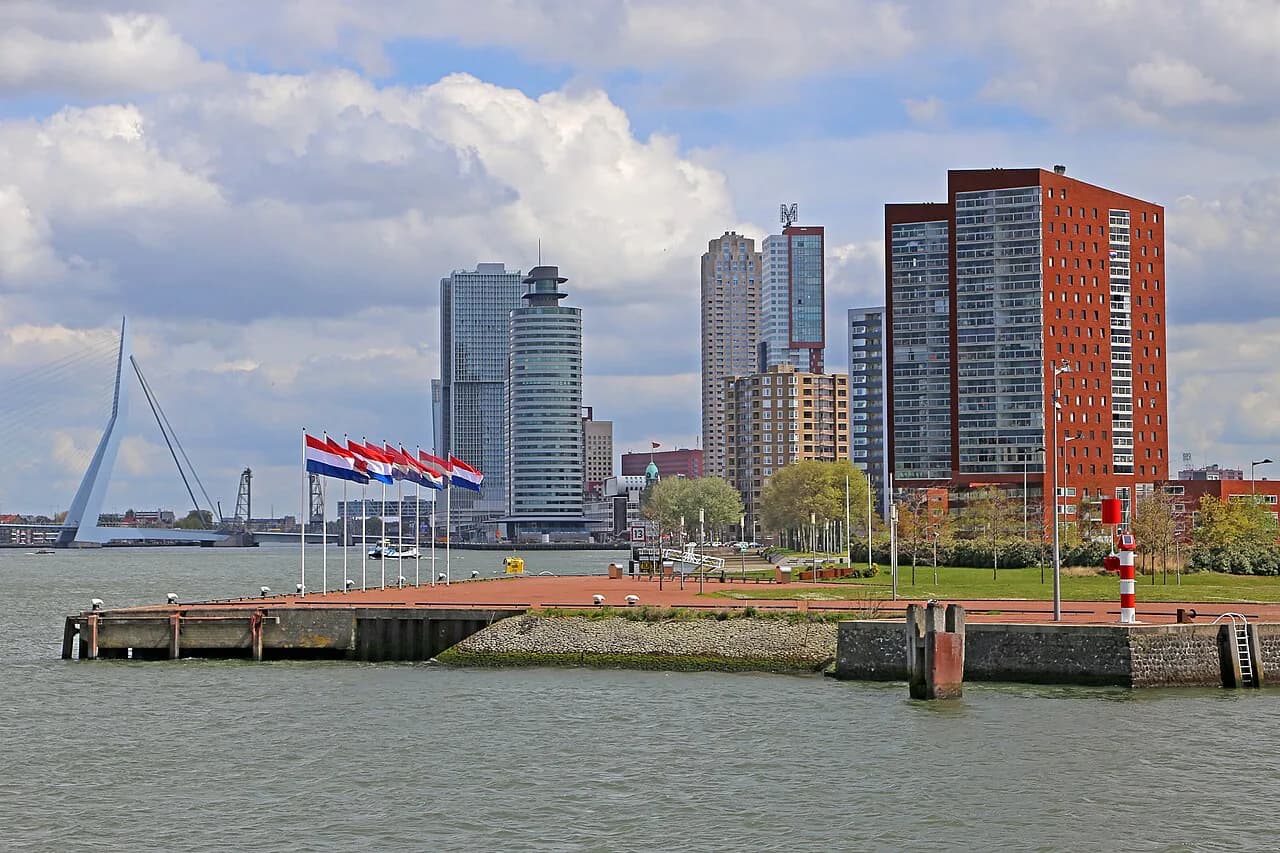
Walking is the scenic route: cross the Erasmus Bridge, a few minutes from the terminal, and you arrive on the north bank with the skyline around you. It is an exposed crossing, so wind and rain decide whether it is pleasant, and the bridge rises enough to be a real climb for anyone with limited mobility.
The faster default is the metro at Wilhelminaplein, a short walk from the ship toward the left as you exit. It reaches the Blaak area in about 10 minutes, putting the Markthal and Cube Houses within a few steps of the station. The Rotterdam Cruise Port to the City Centre guide breaks down each option for reaching the centre.
Trams also run from near the dock over the bridge into the shopping centre. Contactless bank cards work for tapping on and off, one card per person, so you do not need to hunt for a ticket machine. Taxis and water taxis are available too, though water taxis are worth pre-booking if you plan to use one back to the ship.
A walking route that works
Start by crossing the Erasmus Bridge on foot, then follow the north bank to the Oude Haven, the old harbour with historic ships and waterfront cafes. From there it is a short walk to Blaak for the Markthal and the Cube Houses, and you can loop back over the bridge to the ship. This single circuit covers the city's signature sights without any transport at all, which leaves plenty of buffer for the return.
The Cube Houses and the Markthal
The Cube Houses, tilted yellow apartments on concrete pylons, stand directly opposite the Markthal, so you can see both in one stop. A furnished Show Cube lets you step inside one of the homes. Entry costs €3, and cards are not accepted, so bring cash or a Dutch PIN card.
The Markthal is part food hall, part market, with stalls, pop-up restaurants and bars under the arched Horn of Plenty artwork. It opened in 2014 and has become the city's most recognizable indoor landmark. Bathrooms there take a small coin payment, so keep change handy.
Euromast and the view
The Euromast observation tower rises 185 meters and has two observation decks reached by high-speed lifts. Allow about 45 minutes each way on foot from the terminal, passing through a park and past historic homes. The rotating Euroscoop lift adds an extra thrill for those who want it.
There is a restaurant inside the tower, but a dining reservation does not include tower access, so you still need a separate ticket. Check the Euromast website for current prices before you go. If time is tight, the tower is the first sight to cut, since it eats a chunk of a short call on its own.
Maritime Museum and Museum Park
The Maritime Museum Rotterdam sits in the city's maritime district and covers shipbuilding, trade routes and port operations, with historic vessels in its museum harbour. It is a natural fit for passengers drawn to the working port. The art museums cluster around Museum Park, though Boijmans van Beuningen has had major renovation work, so check its openings on the museum website before planning around it.
SS Rotterdam on the south bank
The SS Rotterdam, the former Holland America liner, is now a floating hotel and museum docked close to the cruise terminal. Guided tours take you through cabins, public rooms and engine spaces. It is the easiest ship-focused afternoon on the itinerary, with minimal transit time.
Food and beer near the ship
Fenix Food Factory sits just across a pedestrian bridge from the ship, a short five-minute walk. It is a food hall known more for craft beer than full meals, which makes it a good low-effort stop before or after a longer walk into town. Vessel 11, a red lightship turned pub, works well for a drink or a warm bite on a cold day.
For a livelier evening scene, Witte de Withstraat packs galleries, bars and restaurants into one street, including a strong mix of Moroccan and Turkish food. On a short lunch call, the Markthal covers the same ground with less walking.
Day trips: Kinderdijk, Gouda and Delft
Kinderdijk, the windmill complex, is reachable by Waterbus and can be done independently by walking or cycling among the mills. Factor in the boat crossing and time at the site; it is a half-day commitment rather than a quick add-on.
Gouda is under 20 minutes from Rotterdam Centraal by train, which makes it the cheapest day trip in time. Delft is another short rail hop, known for its blue-and-white pottery and canal streets. Both depend on getting to Centraal first, so budget the city-to-station leg on top.
Ship excursions versus going independently
Ship tours are timed to the all-aboard, so a delay on a sponsored coach is the line's problem rather than yours. Going independently puts the risk back on you: a missed Waterbus or a late train leaves you responsible for catching the ship. For Kinderdijk and Delft, a ship excursion removes the transport uncertainty, while Rotterdam's own centre is easy enough to do on your own. The same trade-off between a sponsored excursion and independent travel applies at the Invergordon cruise port if you are weighing up a Highland day trip.
Rotterdam for a six-, eight- or ten-hour call
With six hours ashore, stay close: walk the Erasmus Bridge, see the Cube Houses and Markthal, and be back with time to spare. Eight hours opens up the Euromast or the Maritime Museum, plus a relaxed lunch. Ten hours or more makes Kinderdijk or Gouda realistic if you accept the transport risk and keep your return buffer generous.
Return buffer and the last transport
Build in a buffer that covers the metro ride back and the walk from Wilhelminaplein to the ship, not just the journey itself. Trams and metros are frequent, but a full tram can leave you waiting for the next one, so aim to be back at the terminal well before the all-aboard. If you are unsure of the schedule, the terminal information point and the cruise line's daily programme are the places to ask.
What to skip on a short call
Skip anything that requires a train or Waterbus, including Kinderdijk, Gouda and Delft, unless the call is long and you accept the risk. Skip the Euromast if visibility is poor, since the view is the whole point. Amsterdam is a separate day trip and not a sensible use of a Rotterdam call, so leave it for a dedicated visit and see the Rotterdam Cruise Port to Amsterdam guide if you are extending your trip.
Plan Your Visit
Rotterdam rewards passengers who stay local: walk the bridge, eat in the Markthal and see the Cube Houses, and use the metro when your legs or the weather argue against the crossing. Save Kinderdijk and the other towns for a longer call, and keep your return buffer honest. If you are staying over, hotels near the Wilhelmina Pier put you within walking distance of the terminal.
Frequently Asked Questions
Can you walk from the Rotterdam cruise ship into town?
Yes. The Markthal and Cube Houses at Blaak are about 1.5 miles from the terminal, roughly 30 minutes on foot, and the route crosses the Erasmus Bridge. Rotterdam Centraal is a longer, 45-minute walk.
How do you get from the Rotterdam cruise terminal to the city centre?
The quickest option is the metro at Wilhelminaplein, a short walk from the ship, which reaches Blaak in about 10 minutes. You can also walk over the Erasmus Bridge, take a tram, or use a taxi.
How far is the Markthal from the Rotterdam cruise port?
The Markthal is about 1.5 miles (2.5 km) from the terminal, around 30 minutes on foot, or roughly 10 minutes by metro to the Blaak area.
Can you visit Kinderdijk from the Rotterdam cruise port?
Yes, the Waterbus connects to Kinderdijk for independent visits. It takes a half-day, so it only fits a longer call, and a ship excursion removes the transport risk.
How many hours do you need in Rotterdam from a cruise ship?
Six hours covers the Erasmus Bridge, Markthal and Cube Houses on foot or by metro. Eight hours adds the Euromast or Maritime Museum, and ten hours or more opens up Gouda or Kinderdijk.
Sources
Port-day notes for your next cruise
Optional updates to our port guides.
You might also like
Continue reading
More guides you'll find useful