Car Rental at Barcelona Cruise Port: Where to Pick Up a Car
Barcelona's cruise terminals have no rental desks, so pick-ups happen in the city. Compare Sants station, the airport and city offices on time and hassle.
On this page
Barcelona rewards a driver: the cava cellars of Penedès, the mountain monastery at Montserrat and the Costa Brava all sit beyond the city's rail-and-bus day-trip pattern. But a rental only works on a port call if you can be off the ship early, collect the car quickly and return it with a cushion before all-aboard. This guide sorts the realistic pick-up points by time cost, not headline price.
The single most useful thing to know is that Barcelona's cruise area is a working port, not a rental hub. Vehicles can drop off and collect passengers and luggage at the terminals, but parking is not allowed there, so every rental transaction happens elsewhere in the city or at the airport.
Who should rent a car, and who should not
Rent a car on a Barcelona call only if your target lies outside the city and outside the train network's easy reach: a Penedès winery, a Girona or Figueres day, a Costa Brava cove. If your list is the Sagrada Família, the Gothic Quarter, Park Güell and the Boqueria, a rental adds a collection errand, a parking hunt and a drop-off deadline to a day that public transport handles well.
Cruise-line tours occupy a middle ground: they cost more than doing it yourself, but the cruise line carries the scheduling risk and the coach waits at the berth. A self-drive puts the return leg entirely in your hands, and no rental company or the Port de Barcelona guarantees the ship will hold for a late independent traveller.
Where ships dock: World Trade Center versus the Adossat pier
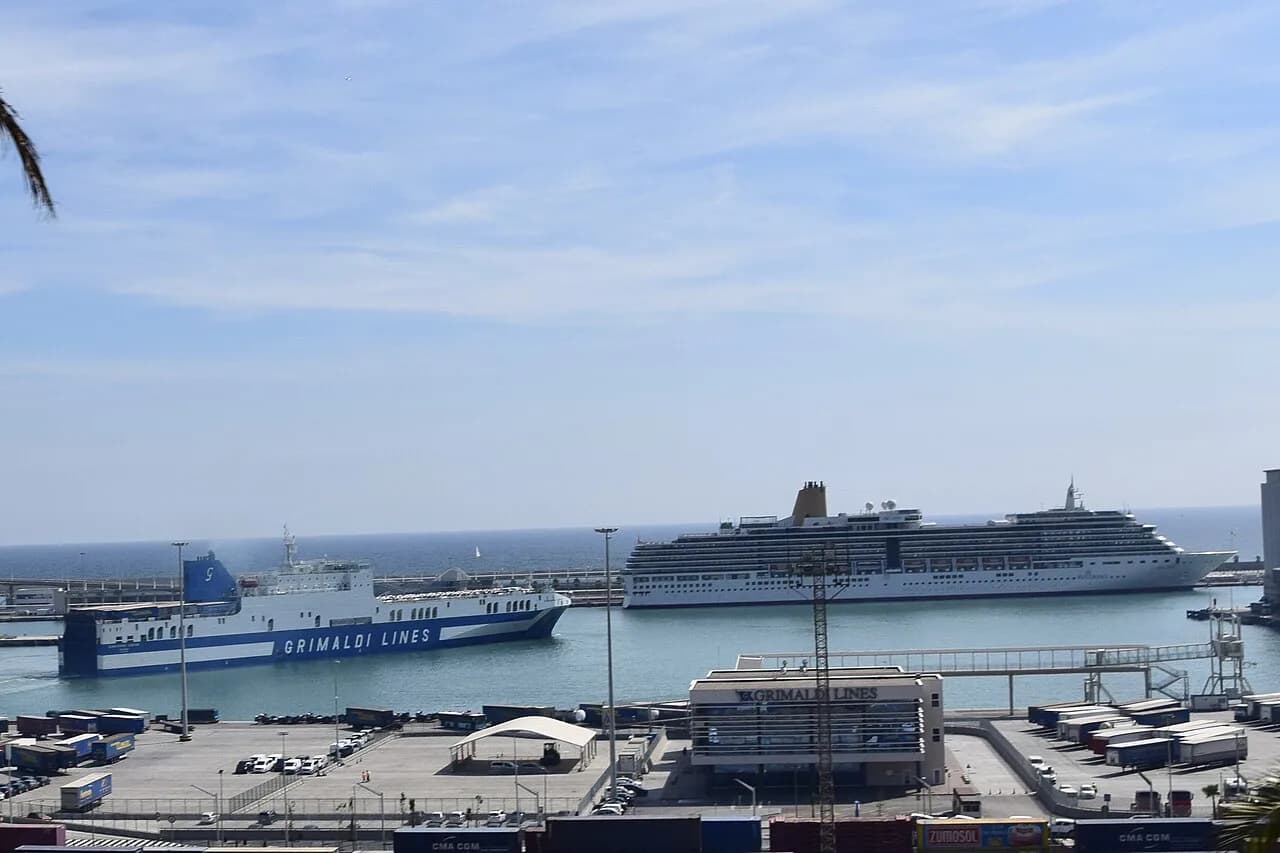
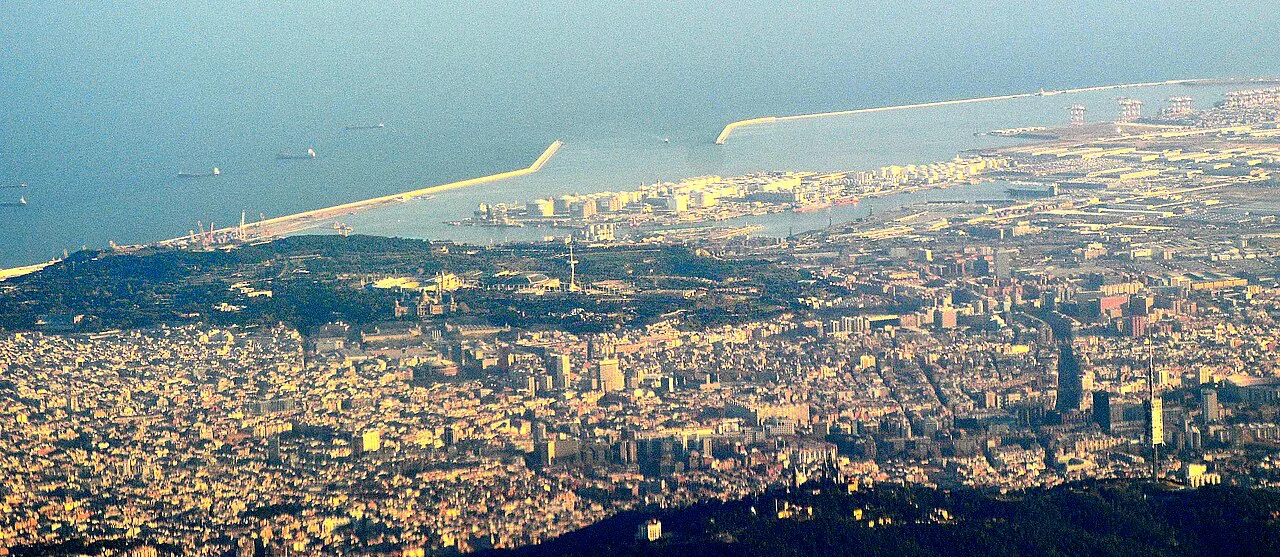
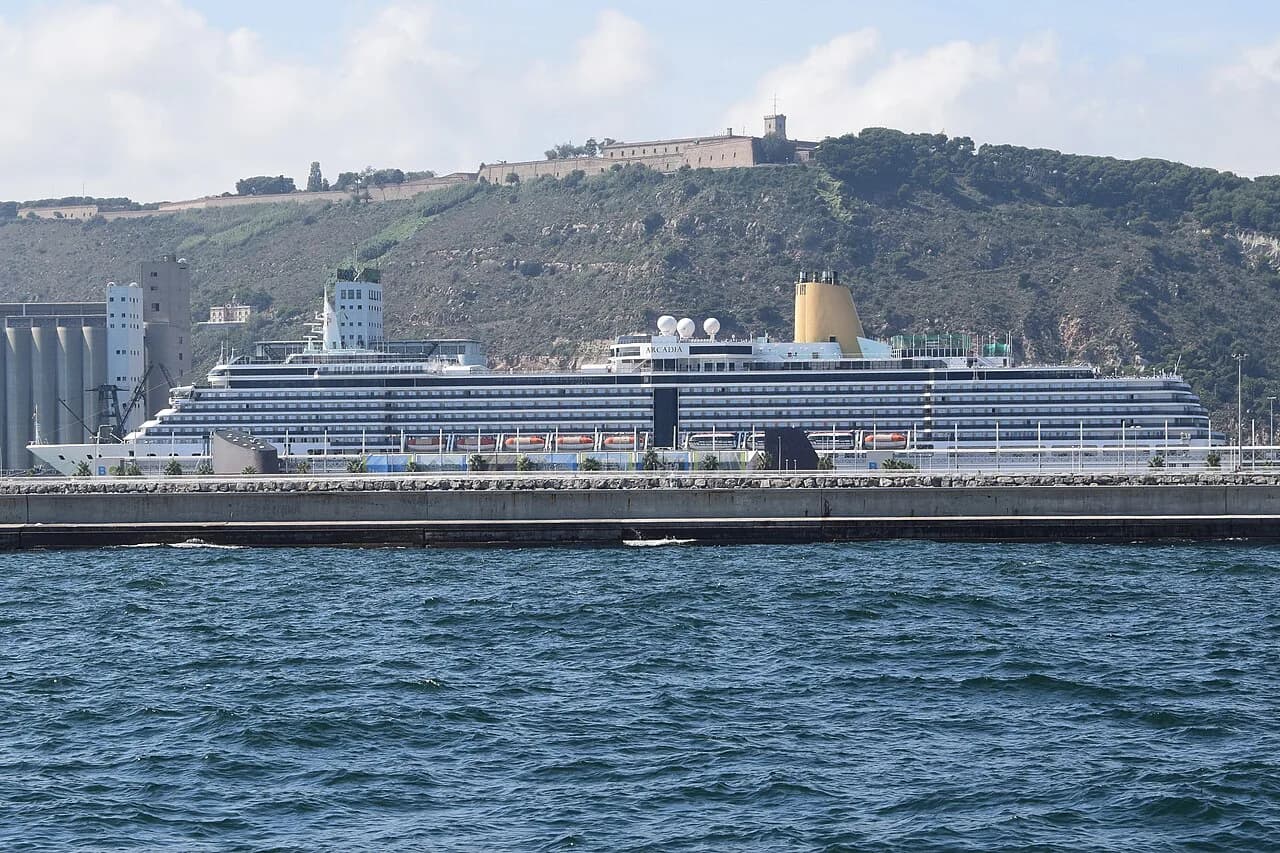
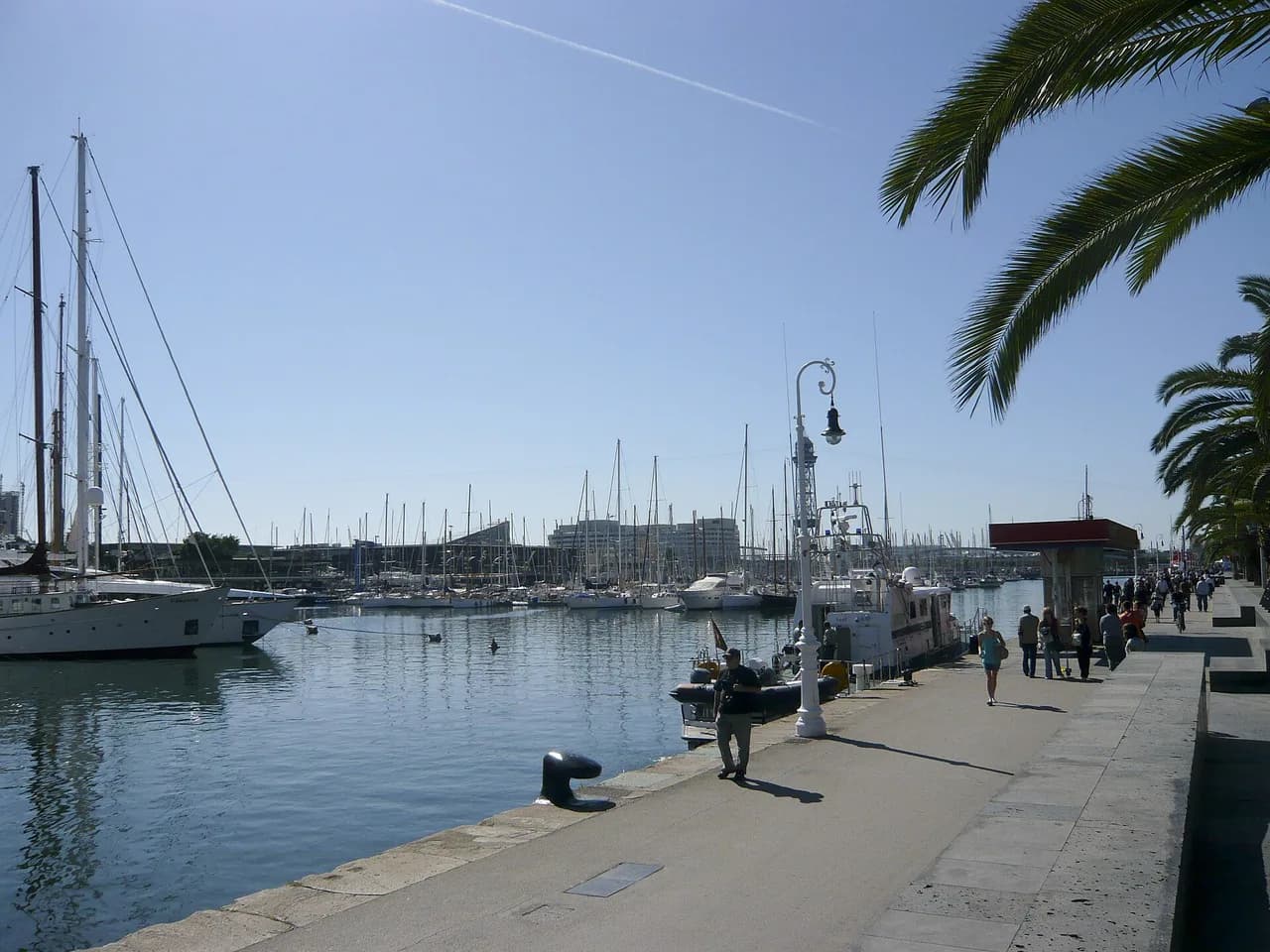
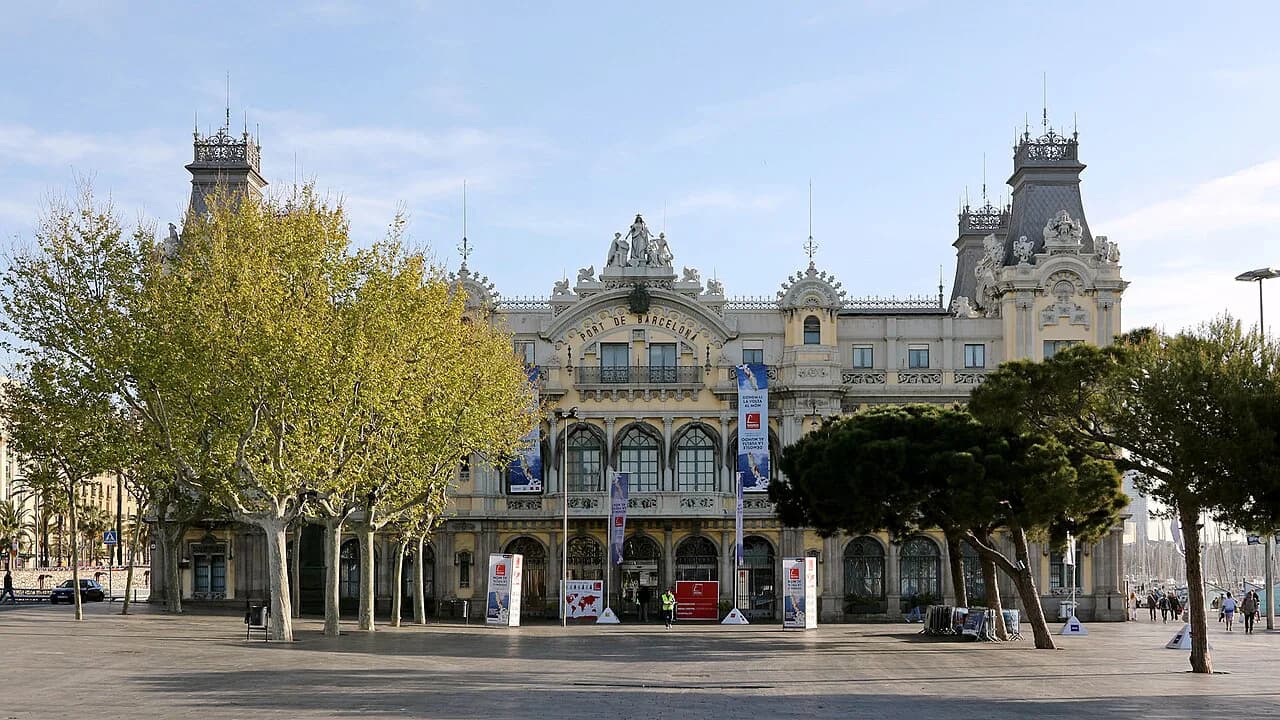
Barcelona's cruise ships use two areas. The World Trade Center terminals sit at the foot of La Rambla, effectively inside the city, while the Adossat pier terminals lie across the port's commercial water and need a bus, taxi or a long walk to reach the centre. Which one your ship uses changes your pick-up plan more than any other factor.
Check your ship's assigned berth on the port's own arrivals and departures pages in the days before you sail, because the same ship can use different terminals on different calls. That page lists cruise ship arrivals and departures and lets you confirm the terminal group before you commit to a rental reservation.
Why there is no rental desk at the terminals
Treat the terminal as a place to walk through, not a place to do business. The port authority describes private-vehicle access as being for dropping off or picking up passengers and luggage, with no parking permitted, and points drivers to car parks in the port area and its surroundings. A rental counter inside a cruise terminal is not part of that arrangement.
The practical consequence is that you lose time twice: once getting from the berth to the rental office and once driving back to the port at the end. On a call of six hours ashore that double errand is hard to justify; on a ten-hour call, or on a pre- or post-cruise stay, it is perfectly workable. If you are weighing whether a shorter call ever pays off, our guide to Tenerife cruise port car rental walks through the same pick-up-time judgement at Santa Cruz.
Getting from the berth into the city: the Cruise bus
For Adossat pier terminals, the Cruise bus is the baseline move: it connects those terminals with the city centre and drops passengers near Portal de la Pau, at the bottom of La Rambla. The port authority lists the fare as 3.50 euros one-way or 5 euros round trip, which makes it the cheapest efficient way to reach a city-centre pick-up without dragging luggage through the port roads.
The same bus is your return leg, so buy the round-trip ticket and keep it safe. Plan to be at Portal de la Pau with enough margin for the queue and the ride back before all-aboard; on busy multi-ship days allow extra time.
Pick-up option 1: Barcelona Sants station
Sants is the city's main long-distance rail station and the most practical city pick-up for many travellers, because a cluster of rental offices operates there and the station connects onward by metro, suburban rail and taxi. From the port, take the Cruise bus or a taxi into the city and continue to Sants by taxi or rail rather than attempting the walk with luggage.
Sants also makes sense if you plan to drive straight out of Barcelona. You collect the car, join the road network from the station area and avoid threading a rental car back through the narrow streets of the old city. The trade-off is the extra urban transfer at both ends of the day.
Pick-up option 2: Josep Tarradellas Barcelona-El Prat Airport
The airport carries the widest choice of vehicles and agencies, and its rental desks sit in the terminal complex rather than scattered across the city. The cost is the transfer: El Prat lies well outside the centre, so reaching it from the cruise terminals adds a taxi ride or a rail-plus-shuttle journey before your day has even started.
For a port call, the airport makes sense mainly if you are collecting a car for a post-cruise road trip, or if you need a specific vehicle class that city offices rarely stock. If you are flying home the same day you return the car, compare this option against the simpler route of a direct transfer from ship to airport.
Pick-up option 3: city-centre offices near Paral·lel
City-centre offices give the shortest transfer from the cruise terminals, and several rental brands operate branches around Paral·lel and the lower Eixample, within easy reach of the Cruise bus drop-off. For a short call, this is the option that buys you the most driving time outside Barcelona.
Book the branch by address, not by brand name, and confirm the desk's location and the collection window for your date. A city branch with limited vehicles can run out of the class you reserved, and a downtown office is the hardest place to absorb a delay.
What to sort before you leave the ship
Reserve the exact vehicle class and the exact branch, and carry your driving licence, passport and a credit card in the main driver's name. Rental paperwork at the counter is what eats a port morning: pre-registering your details online with the agency before you travel shortens the handover and lets you photograph the car and leave.
Do not over-plan the driving. Pick one destination, work out the route in advance and set a hard turn-around time that gets you back to the rental return point at least two hours before all-aboard, leaving a further margin for the ride to the berth. The return leg is the constraint that decides whether the day works.
Driving out of Barcelona: Montserrat, Penedès and Girona
Montserrat is the classic self-drive target, and the mountain monastery can also be reached by rail from Plaça d'Espanya, with a cable car for the final climb. Booking a shore excursion removes the driving and the parking, while a rental gives you the freedom to add a second stop on the way back.
Penedès, the cava country south-west of the city, and Girona to the north-east are both straightforward motorway runs that suit a rental far better than a fixed tour, because you can choose your own winery or stop for lunch in the old town. Leave the car outside historic centres and walk in; that is also where you will find legal parking.
Parking and returning the car
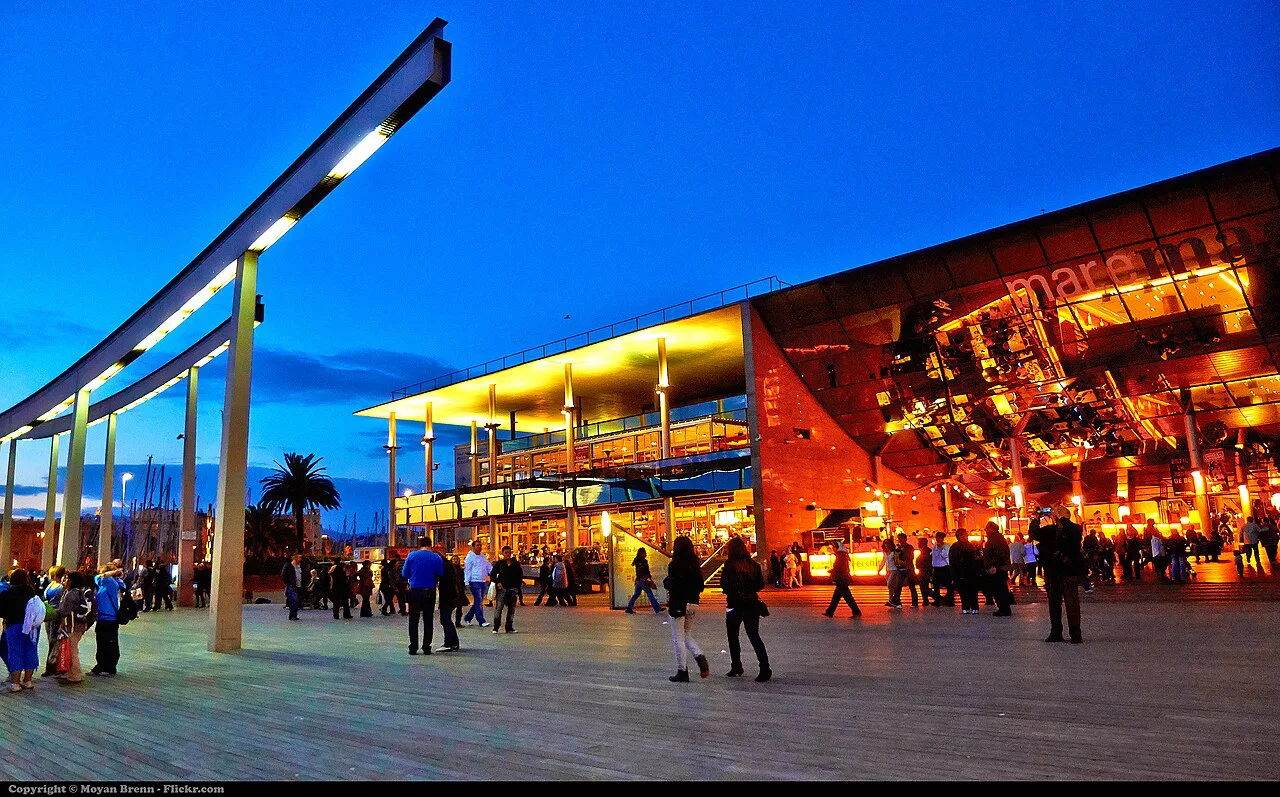
While you sightsee, use signed public car parks rather than kerbside spaces in the old city, where restrictions are dense. At the port itself, the rule is simple: drop-off and pick-up are allowed at the terminals but parking is not, so you cannot leave a rental at the berth while you go back aboard.
Build the return in three parts: refuel if your contract requires it, hand the car back at the branch you booked, then travel to the berth by Cruise bus or taxi. Return the car with a paper or email receipt in hand, because a disputed fuel or damage charge is far easier to settle before you board than from the next port.
Costs that catch renters out
Budget beyond the daily rate: fuel, motorway tolls on routes such as the AP-7, and any congestion or low-emission zone rules that apply to the car you hire. Ask the agency at collection which environmental sticker the vehicle carries and whether it permits driving in the zones you plan to enter; fines arrive by post long after you have flown home.
Check the deposit hold on your card and the excess on the insurance before you sign, and confirm the office's own collection and return hours for your date. If a one-way drop-off is part of your plan, price it at the booking stage, because it can change the calculation entirely.
When a taxi, train or ship's tour beats a rental
On a six-hour call, do not rent. The Cruise bus into town, a taxi to the Sagrada Família and a walk through the Gothic Quarter will fill the day with less risk and no parking. The city's sights cluster tightly around Portal de la Pau, and a car is a liability in that traffic.
For anything further, compare three numbers: the cost of a ship's tour for your party, the cost of a rental plus fuel and tolls, and the cost of trains for the same journey. The tour wins on certainty; the rental wins on flexibility; the train usually wins on cost. Pick according to which of those matters most on the day.
Plan Your Visit
Decide first whether your target needs a car at all. If it does, reserve a specific branch, choose the World Trade Center or Adossat pier route to reach it, and set your return so you are back at the berth with a comfortable margin before all-aboard.
If you are staying in Barcelona before or after the cruise, a rental collected on a turnaround day is far easier than one squeezed into a port call, and you can base yourself near the port to shorten every transfer.
Frequently Asked Questions
Can you rent a car at Barcelona cruise port?
No rental desk operates inside the cruise terminals. Cars can be dropped off and collected at the terminals, but parking there is not allowed, so you collect your vehicle from a city branch or the airport and return to the berth by Cruise bus or taxi.
How do you get from the cruise terminal to a car rental office in Barcelona?
From the Adossat pier terminals, take the Cruise bus to Portal de la Pau and continue by metro, rail or taxi to your chosen branch, such as the offices around Sants station or Paral·lel. From the World Trade Center terminals you are already in the city and can walk or take a short taxi ride.
Is renting a car a good idea for a Barcelona port day?
Only if your destination lies outside the city and outside easy rail reach, such as Penedès or Girona. For the Sagrada Família, the Gothic Quarter or Park Güell, public transport and walking are faster than collecting, parking and returning a car.
Is there a free shuttle bus to the Barcelona cruise port?
The port's Cruise bus between the Adossat pier terminals and the city centre is a paid service, with one-way and round-trip tickets available. Your cruise line may run its own transfer coaches; those are arranged through the line, not the port.
How much buffer should you leave before all-aboard with a rental car?
Work back from all-aboard: allow time to refuel, hand back the car, settle the paperwork and travel to the berth, then add a further margin for traffic. Aim to be back at the terminal well before the stated time, and never rely on the ship waiting for an independent rental return.
Sources
Port-day notes for your next cruise
Optional updates to our port guides.
You might also like
Continue reading
More guides you'll find useful