Barcelona Cruise Port to Sagrada Família: Transfer Guide
Sagrada Família sits well inland from Barcelona's cruise terminals. Compare taxi, metro and shuttle routes, realistic times and what fits a short call.
On this page
Sagrada Família is the sight that pulls most Barcelona cruise passengers away from the waterfront, and it rewards the effort with an interior unlike anything else in Europe. The trade-off is distance: the basilica sits inland from the port, so a port day here is really a transfer-planning exercise wrapped around a visit.
This day suits passengers on a call of roughly eight hours or more who are happy to spend part of it in a taxi or on the metro. On a six-hour call the basilica still works, but only if you skip a second stop and treat the return leg as non-negotiable.
Where ships dock
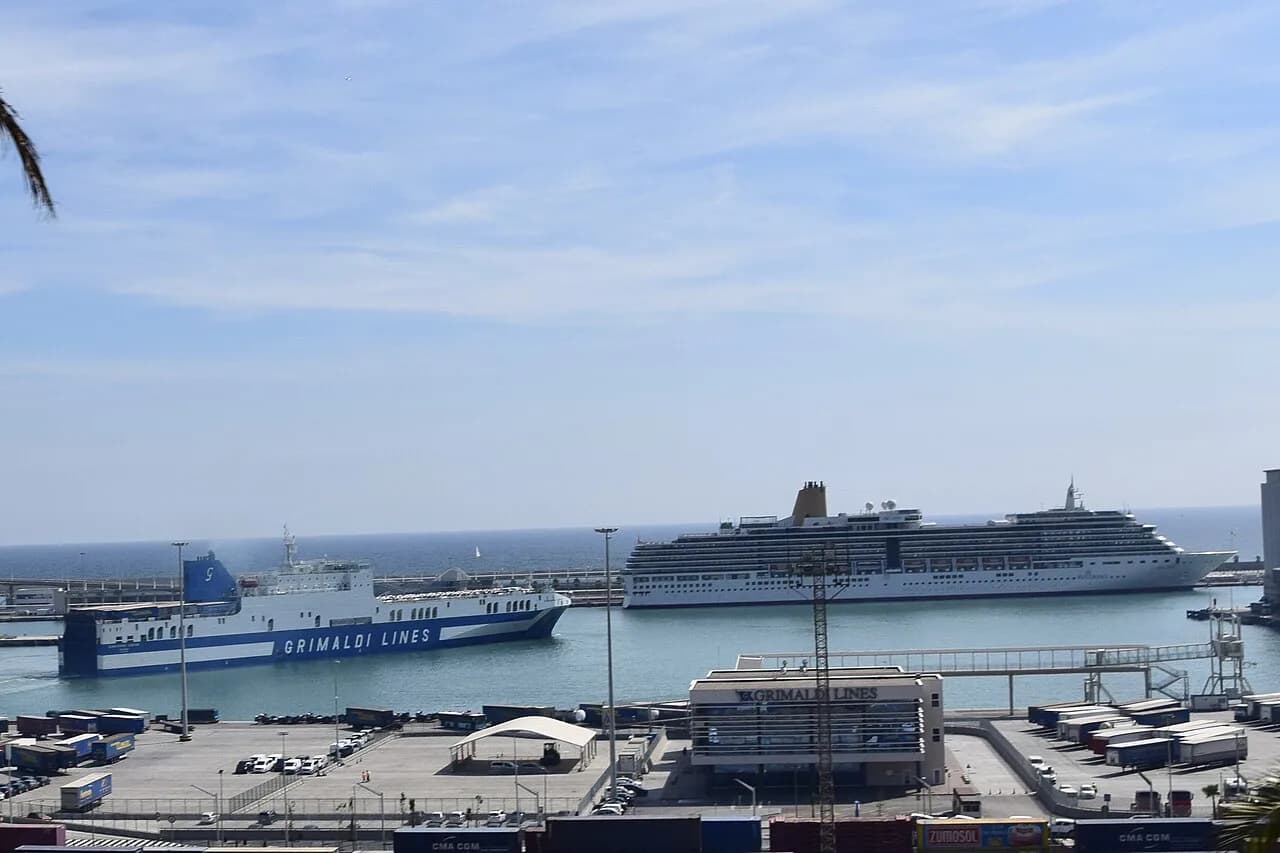
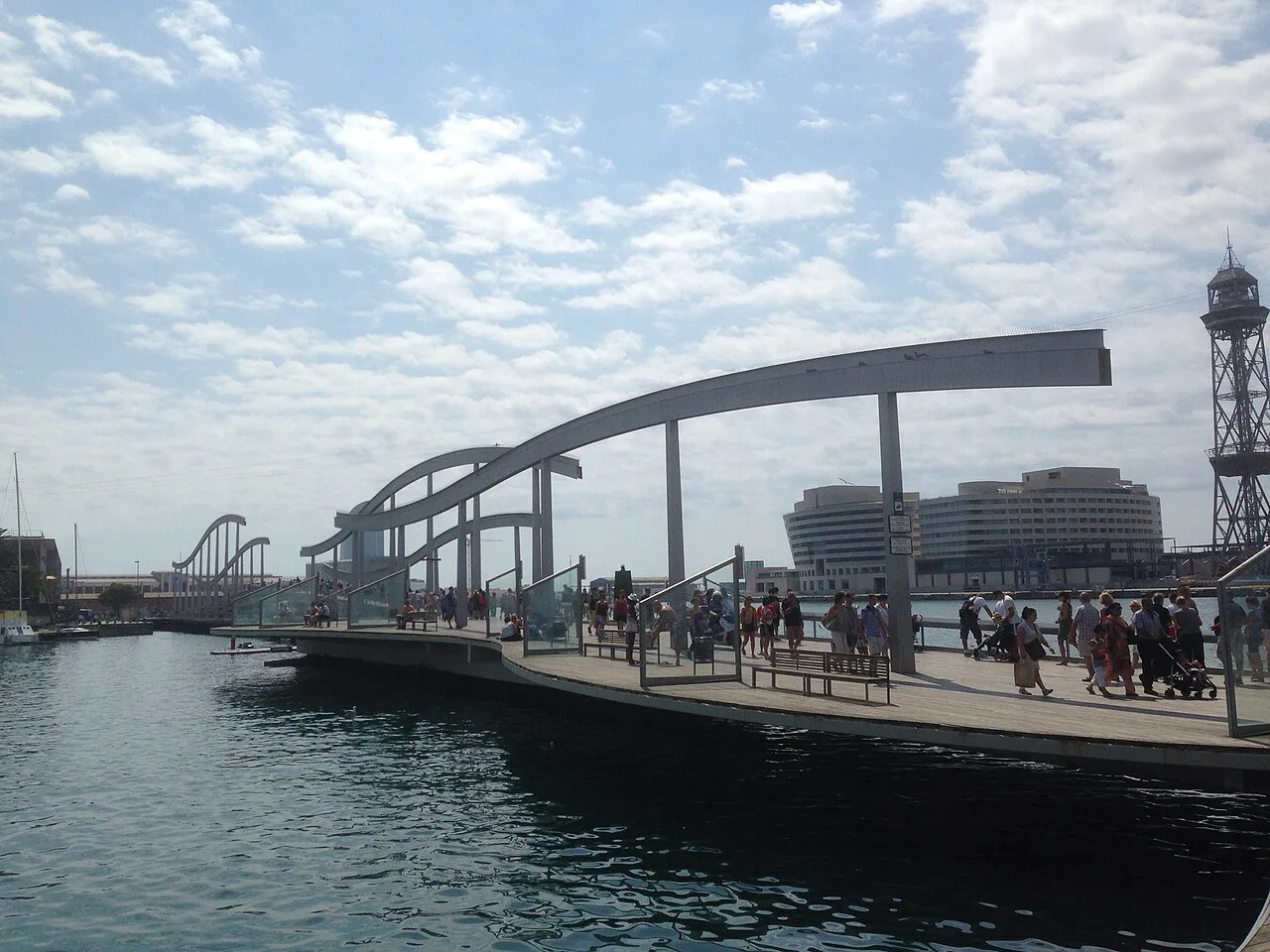
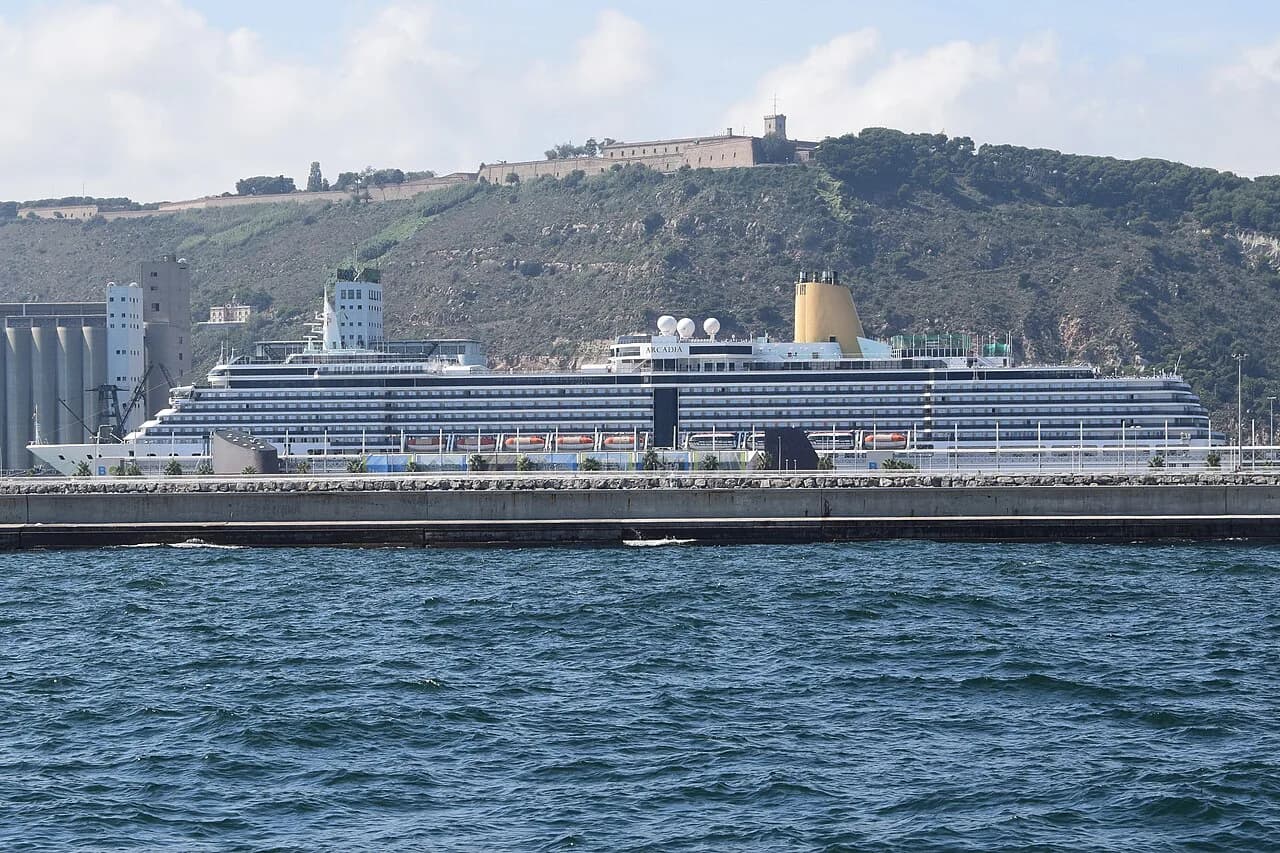
Barcelona's cruise traffic uses two distinct areas. The World Trade Center terminals sit at the foot of La Rambla, a short walk from the city's public transport network, while the terminals along the Adossat pier lie further out and rely on a shuttle bus to reach the centre. The berth you are assigned changes your whole route to Sagrada Família.
Check your ship's berth on the Port de Barcelona's own listings the evening before arrival rather than assuming a terminal from a previous cruise. The port publishes daily cruise arrivals and departures with the ships calling, which is the most reliable way to see where you will be docked before you plan the morning.
If you berth at the World Trade Center, you can walk into the city and pick up the metro without paying for a shuttle. From the Adossat pier, the shuttle is effectively the first stage of every Sagrada Família route, so budget that time before you even look at taxis or trains.
The Cruise Bus shuttle
The port's shuttle, signed as the Cruise Bus, links the Adossat pier terminals with the city centre and is priced at 3.50 euros one way or 5 euros for a round trip. Buy the ticket at the bus rather than hunting for a machine, and keep the return half somewhere you can reach quickly at the end of the day.
In the centre, the blue buses set passengers down near Portal de la Pau at the bottom of La Rambla, which puts you within walking distance of the Gothic Quarter and the waterfront. From that drop-off you switch to the metro or flag a taxi for the basilica rather than attempting the full walk with limited hours.
Treat the shuttle as a fixed cost of a port day from the Adossat pier, not an optional extra. On a tight call the round-trip ticket removes the need to find change on the way back, when the last thing you want is a queue at a ticket window.
Taxi from the terminal
A taxi is the fastest direct option from either terminal area to Sagrada Família because it removes the shuttle-to-metro handover and the walk at the far end. Taxis wait at the terminal ranks, and the driver handles luggage and the drop-off at the basilica's surrounding streets, which are one-way and congested.
For the return, do not rely on hailing a cab outside the basilica at the exact moment you need one. Ask the driver who takes you there where the nearest rank sits, or use a taxi app to book a pickup while you are still inside the visit, leaving slack for traffic between the basilica and the port approach.
Share a taxi between two couples and the cost per person drops close to shuttle-plus-metro levels while saving a connection. For a group of three or four staying in the city centre afterwards, a taxi straight from the terminal is often the simplest way to buy back an hour.
Metro and walking
The metro serves the basilica directly, with Sagrada Família station sitting beside the building on lines that connect through the city centre. From the shuttle drop-off near Portal de la Pau you walk to a central station, ride up, and surface a couple of minutes from the queues.
Buy a single or a multi-day travel card at the station machines, which accept cards, and keep the ticket until you exit at the barrier. The metro is the cheapest way to cover the distance and is unaffected by road traffic, but it puts you in a busy carriage with pickpockets, so keep bags zipped and in front of you.
Allow a margin for the walk at both ends rather than counting only the ride. Station entrances, stairs and the final approach to the basilica's security queue add time that a simple journey-time estimate leaves out, and that margin is what protects your all-aboard.
Ship excursion versus going independently
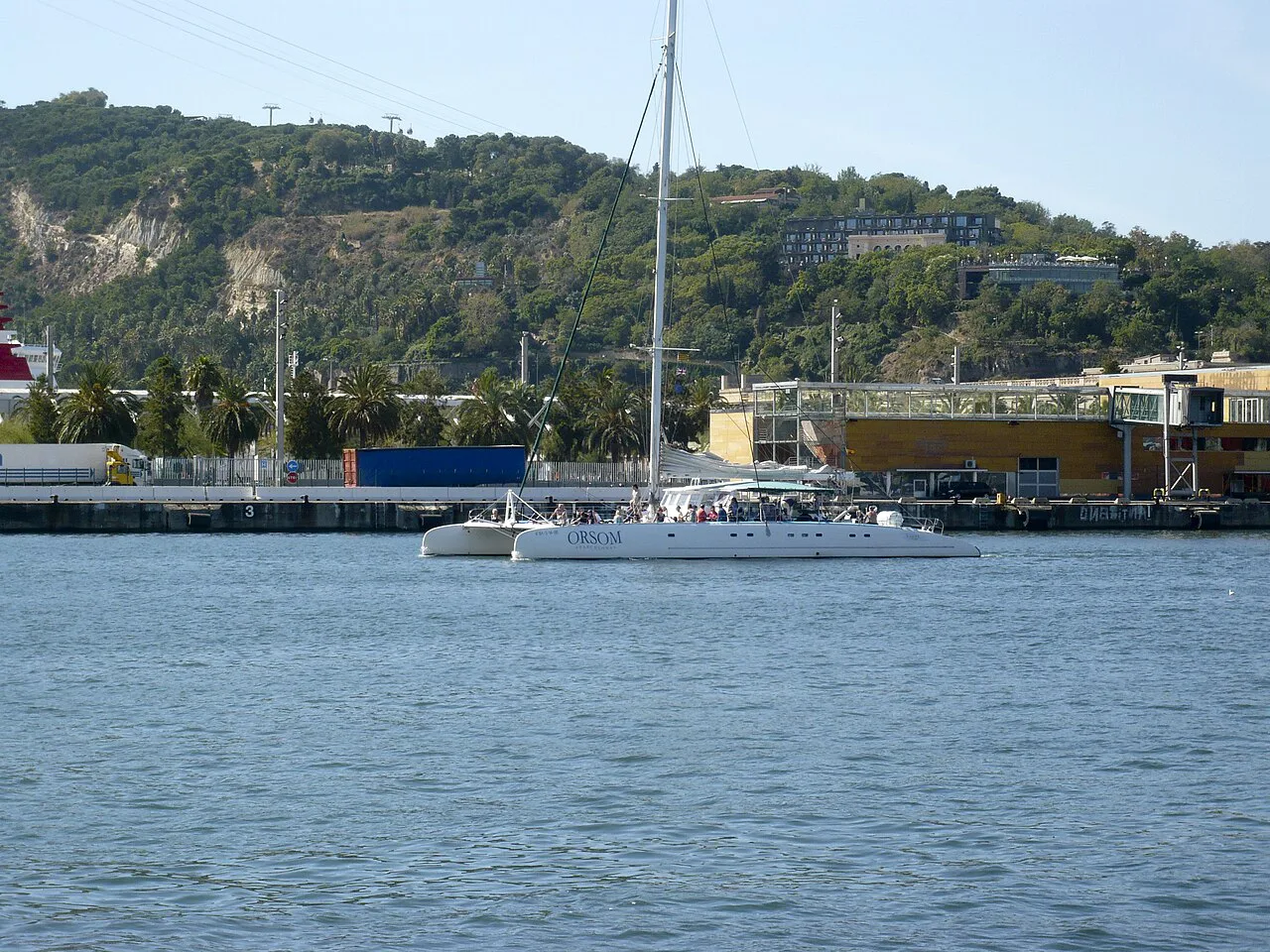
A ship excursion to Sagrada Família usually bundles the transfer, a guided introduction and sometimes an interior entry, so the group moves at the pace of its slowest member but the return risk sits with the cruise line. You still need to be back on board by all-aboard like everyone else; the ship does not wait for independent travelers who miss it.
Going independently gives you an earlier start and a longer visit for the same hours ashore, because you skip the assembly and the commentary stops. Local operators sell small-group and private versions of the same day, and the wider choice of shore excursions covers city tours that pair the basilica with other highlights.
Either way, the admission slot is the real constraint, not the transfer. Book an entry time that leaves a clear hour between your exit from the basilica and all-aboard, and carry your booking confirmation on your phone so a slow queue does not turn into a missed slot.
How long the basilica actually takes
Plan on a visit of roughly an hour to ninety minutes for the nave, the museum and the stained glass, and add time for the security queue at the entrance. Tower access adds a lift ride and a narrow spiral descent, which suits some passengers and not others, so it is worth deciding before you book your timed entry.
Late morning light through the east windows and afternoon light through the west give the interior very different characters, so a slot that matches your call time matters more than the hour you leave the ship. Leave the tower out if you are on a six-hour call and want a second stop.
The building sits in a dense residential grid rather than a sightseeing cluster, so there is little to fill a gap before your entry time beyond a cafe and a look at the exterior façades. Time your arrival for fifteen minutes before the slot instead of arriving an hour early.
Pairing Sagrada Família with a second stop
With four hours in the city, the basilica plus a walk through the Gothic Quarter is the realistic combination. The quarter is about ten minutes on foot from the Portal de la Pau drop-off, and Barcelona Cathedral nearby charges nine euros for admission, with the Diocesan Museum adding six euros.
Park Güell sits on the far side of the city from the port and from Sagrada Família's transport links, so pairing the two in one port day means a lot of time in transit. Choose one Gaudí site and spend the saved hour on the Gothic Quarter instead.
La Rambla and the Boqueria market work as a final hour on the way back to the shuttle, because they sit between the city centre and the waterfront. Doing them last means you are already walking toward the port rather than away from it when the clock tightens.
What does not fit
Montserrat and the Pyrenees are full-day trips that begin early and return late, which rules them out on a standard port call. The mountain monastery is reached by the R5 line from Plaça d'Espanya to Aeri de Montserrat, a journey of about an hour before the cable car, and that is one way.
The same logic rules out Andorra and the French Pyrenees, which involve hours of road travel each way. On a call of eight hours or less, spending five of them in a vehicle for a change of scenery is a poor trade against the basilica and the old city.
Return-time planning
Work backwards from all-aboard: subtract the shuttle or taxi leg from the terminal, a fifteen-minute buffer at the port gate and the walk from the drop-off to your gangway. What remains is the time you can spend at the basilica and on the metro. If the answer is under three hours, cut the second stop rather than the buffer.
On a turnaround day, when Barcelona is your embarkation port, the same maths applies to boarding rather than all-aboard, and the basilica is difficult to fit before an early afternoon check-in. Passengers with a late flight after disembarkation have the easier version of this day, since luggage storage near the port frees them from hauling bags to the basilica. If you are weighing a different Spanish port for a similar day ashore, the Málaga cruise port guide covers the same terminal-to-sight decisions.
Build your own margin rather than counting on the ship's schedule to absorb a delay. Traffic around the basilica and a crowded metro platform can each eat twenty minutes, and that is exactly the gap between a relaxed return and a sprint down the pier.
Plan Your Visit
Decide your transport first, then book the basilica slot around it: shuttle plus metro for the cheapest independent day, a taxi for the fastest, or a ship excursion if you would rather not manage the return yourself. Either way, the entry time you choose should leave a clear hour between leaving the basilica and all-aboard.
Passengers continuing to the airport after disembarkation should fix that transfer before the port day, since the basilica and the airport sit on opposite sides of the city. Understanding the cruise port to airport options in advance keeps the last morning free for the visit instead of a scramble for a taxi.
Frequently Asked Questions
How far is Sagrada Família from the Barcelona cruise port?
The basilica sits inland from both cruise terminal areas, well beyond walking distance with luggage or in a short port call. From the World Trade Center terminals you are at the foot of La Rambla and can pick up the metro; from the Adossat pier you first take the Cruise Bus shuttle to the centre and continue from there by metro or taxi. Allow a connection on top of the ride itself.
How much is the Cruise Bus from the Barcelona cruise terminal?
Fares for the port shuttle are listed on the Port de Barcelona's passenger transport services page, which is the figure to rely on rather than a blog. The round-trip ticket is the sensible buy on a port day, because it saves you finding change at the end of the day when you are watching the clock.
Can I visit Sagrada Família before a 3pm boarding in Barcelona?
It is possible if you are off the ship early, use a taxi rather than the shuttle and metro chain, and hold an entry slot for the first part of the morning. The binding constraint is the admission time you can book, so secure that slot first and build the transfer around it. Leave a clear hour between leaving the basilica and your boarding time.
Is a taxi or the metro better from Barcelona cruise port to Sagrada Família?
A taxi is faster and simpler because it removes the shuttle-to-metro handover and the walk at the far end, which matters on a short call. The metro is cheaper and immune to road traffic, but it adds the shuttle ride and station walks at both ends. Groups of three or four often find a shared taxi the better trade.
Should I book a ship excursion to Sagrada Família or go independently?
A ship excursion bundles the transfer and often the entry, and the group moves slowly but the return risk sits with the cruise line. Going independently gives you an earlier start and a longer visit for the same hours ashore. Neither option changes all-aboard, so build your own buffer in both cases.
Can I fit Park Güell and Sagrada Família into one port day?
Only at a cost. Park Güell is on the far side of the city from the port and from the basilica's transport links, so combining them means substantial time in transit. On a call of eight hours or less, pick one Gaudí site and spend the saved time in the Gothic Quarter near the waterfront.
Sources
Port-day notes for your next cruise
Optional updates to our port guides.
You might also like
Continue reading
More guides you'll find useful