Málaga Cruise Port Guide: Terminals & Town Plans
Málaga's cruise berths sit close to the old town, so you can walk to the cathedral, Alcazaba and beaches in a short call. Plan your hours ashore here.
On this page
Málaga hands you an unusually easy port day. The cruise berths sit along the city waterfront, the old town begins almost immediately, and the cathedral, the Roman theatre and the Alcazaba climb are all reachable on foot rather than through a coach window.
That makes the port a good fit for passengers who want a real city in a few hours: tapas streets, an art museum, a hilltop castle view or a beach, with none of the transfer time that eats into calls at more distant Spanish ports. It suits first-time visitors to Andalusia as much as repeat cruisers who simply want a walk, a long lunch and a sea view.
Málaga cruise port at a glance
Málaga is a working Mediterranean port on Spain's Costa del Sol, and cruise ships berth on the same waterfront that locals use for an evening stroll. The practical consequence is that your gangway usually puts you within walking distance of the historic centre, so the day is shaped by how you spend hours, not by how you cover distance.
Cruise lines call here on western Mediterranean itineraries that also touch Gibraltar, Cádiz, Barcelona and the Balearics, and Disney Cruise Line lists Málaga among its Spanish ports of call. If you are comparing Spanish stops on one itinerary, the Cádiz cruise port guide covers a very different, more contained city layout, while the Barcelona cruise port guide is the reference for a big-city call that also uses a waterfront terminal.
Treat Málaga as a city day rather than an excursion day. The things that define it — the cathedral, the Alcazaba, the Picasso Museum and the beach promenade — cluster tightly enough that a coach tour mostly adds commentary you could read yourself while walking.
Where ships dock: the port address and what it means for your walk
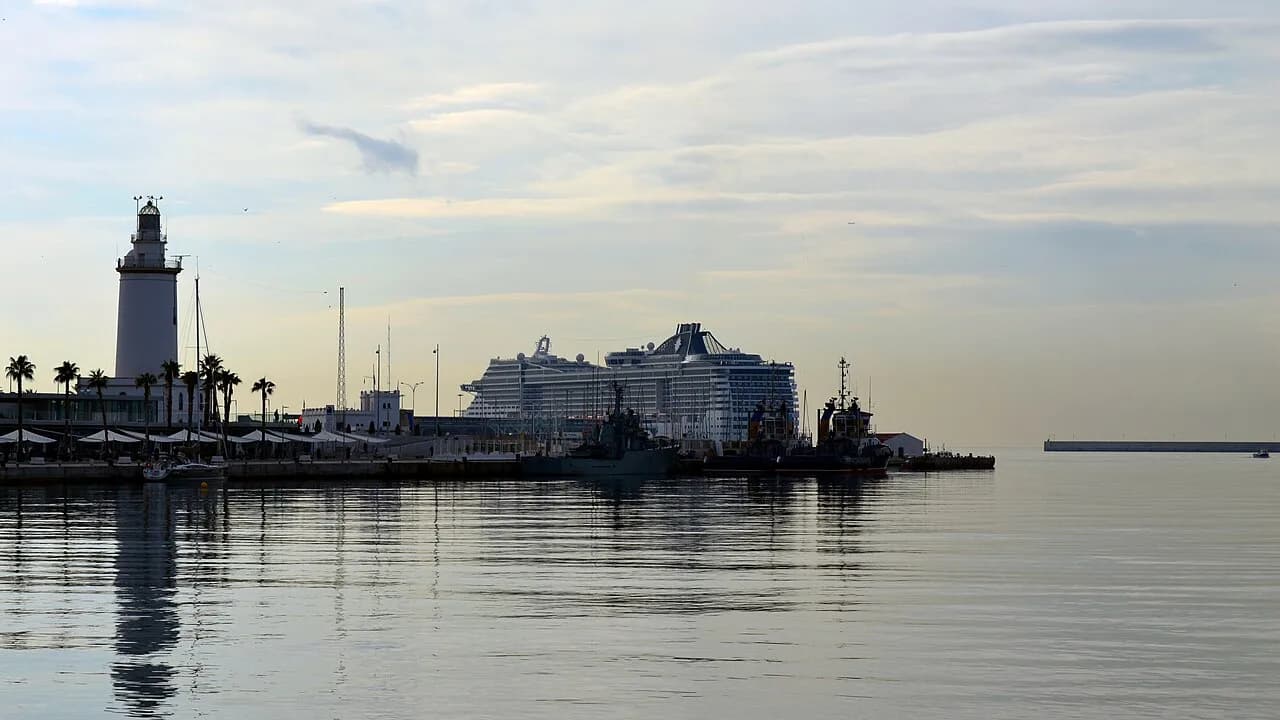
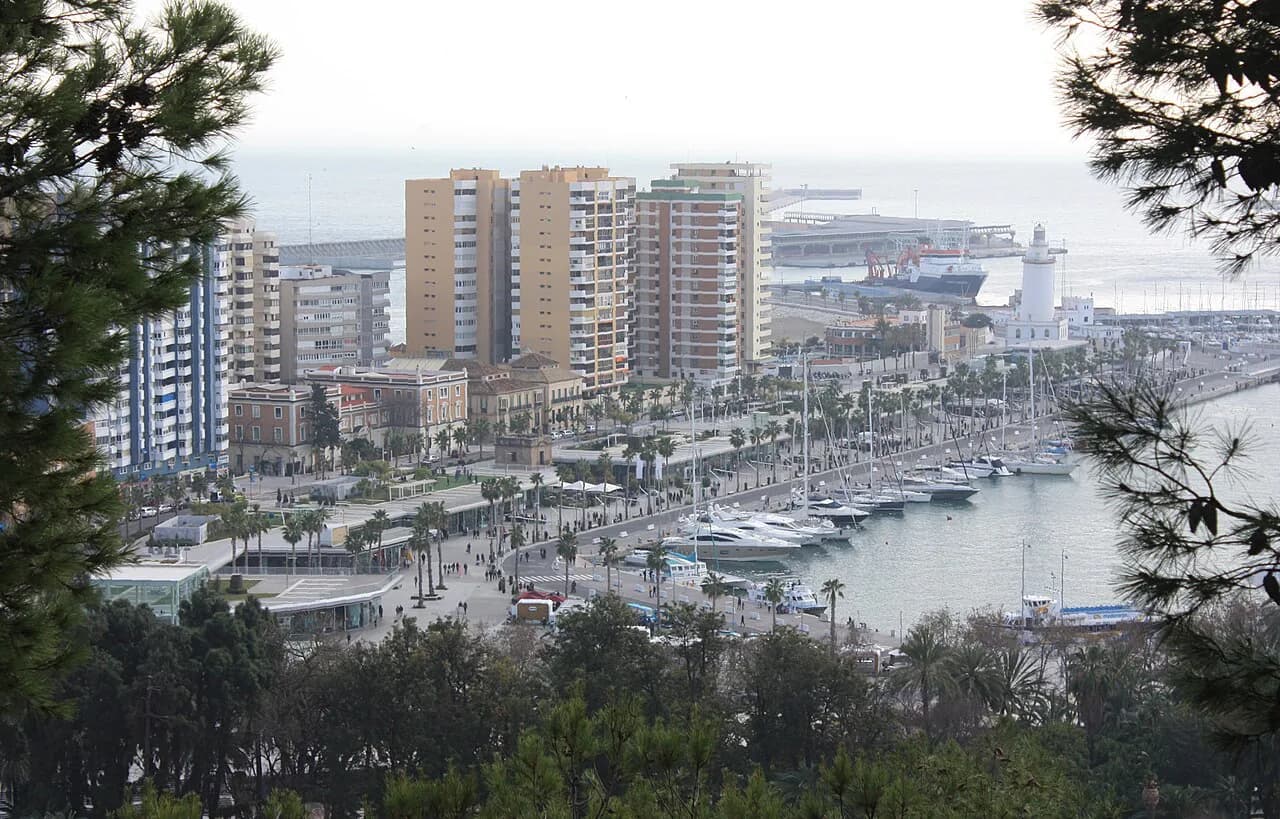
The port is identified as Puerto de Málaga, Paseo de la Farola, 25, 29016 Málaga, the address Royal Caribbean gives guests for the cruise terminal. Paseo de la Farola is the avenue running along the port's eastern edge, with the lighthouse at its tip and the old town immediately inland.
Cruise berths here are alongside, not tender, so you walk off onto the quay. Expect a working port: depending on which berth your ship is assigned, you may cross a stretch of terminal road before reaching the promenade, and a port shuttle may run between ship and terminal gate on busy days.
Which berth you get is decided by the port and your cruise line, and it changes with ship size and the day's traffic. Your ship's daily programme or the port authority's shipping schedule is the place to see the assigned quay before you plan the walk.
Ships are tracked publicly, so a live map of Málaga gives a sense of where vessels sit along the harbour and how many are in on your date. It is a useful orientation tool rather than a substitute for the berth number on your own paperwork.
Getting into town: the walk from the berths to the old town
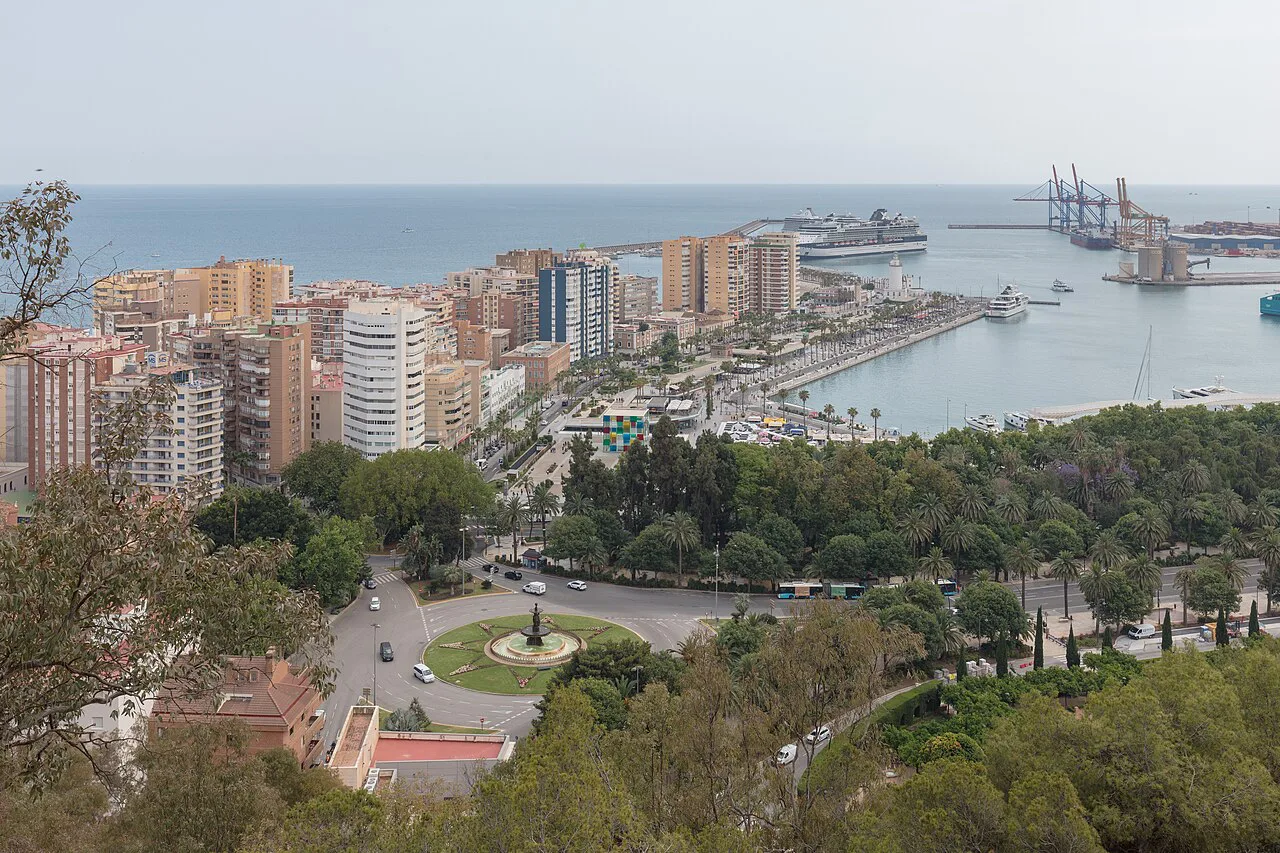
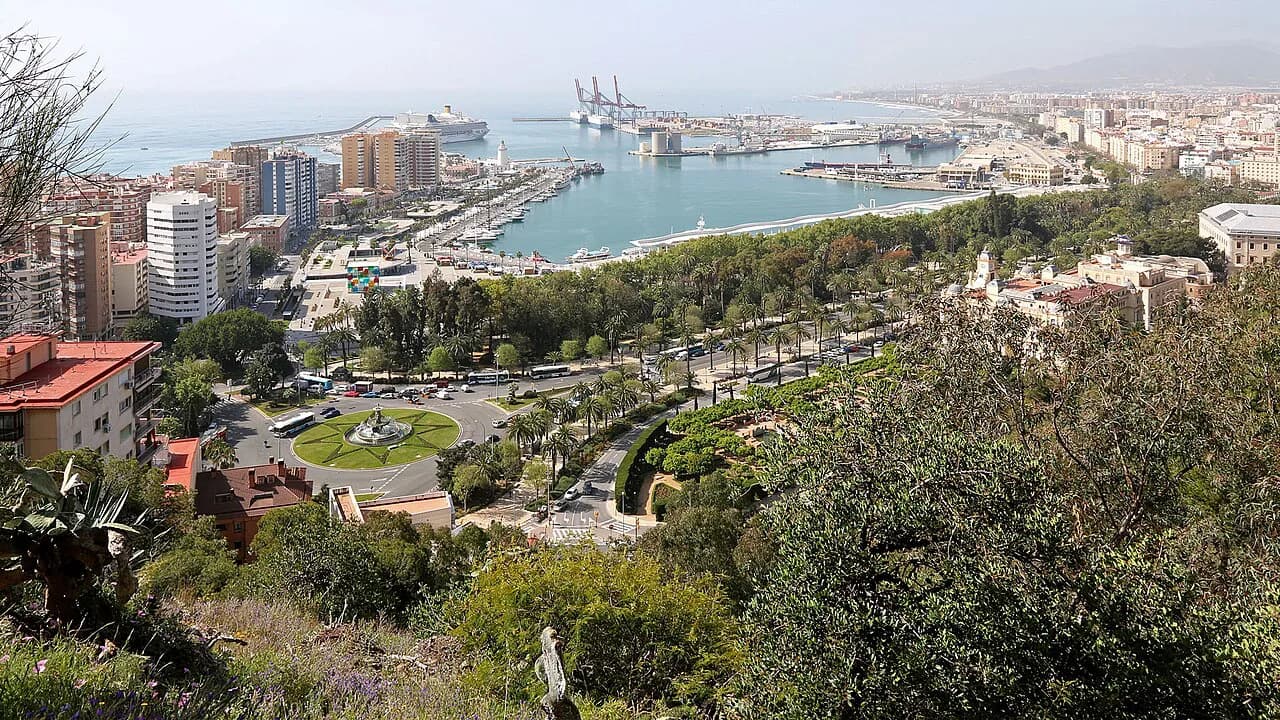
From the cruise quay, head inland and west toward the palm-lined promenade and the Muelle Uno marina area; the old town lies just beyond it. The cathedral's tower is a reliable landmark to steer by, and most passengers reach the edge of the historic centre in a short walk rather than needing transport.
The route is flat and paved the whole way, which matters if you are traveling with someone who uses a wheelchair or walks slowly. You will cross roads carrying port and city traffic near the marina, so use the marked crossings rather than cutting between vehicles.
If you want a step-by-step line to follow, the guide to getting from Málaga Cruise Port to the City Centre sets out the walking route and the alternatives in detail. Read it before you leave the ship rather than puzzling it out at the gangway.
Budget ten minutes for orientation on the first walk and five for the return once you know the route. The bigger time cost is not the distance but the temptation of the first café on the promenade.
Taxis and port transport
Taxis wait at the cruise terminal when ships are in, and the hop from the berth to the old town or the cathedral is short. Use a cab if mobility is limited, if you are carrying beach gear, or if you have booked a timed entry and cannot afford a slow start.
Fares are metered, and the evidence here does not fix the amount, so ask the driver to run the meter and confirm the approximate fare before you set off. Keep the return trip simple by noting the taxi rank nearest the cathedral or the marina.
The city's public buses and the port shuttle, where it operates, are the cheapest way to shorten the walk, but they add waiting time for a distance you can cover on foot. For most passengers on a normal call, walking is the faster choice.
If your day involves a hired car, transfers, or an early flight on turnaround day, the guide to Málaga Airport to Cruise Port covers the road route and the airport connection so the terminal run is planned before you arrive.
Beaches near the port
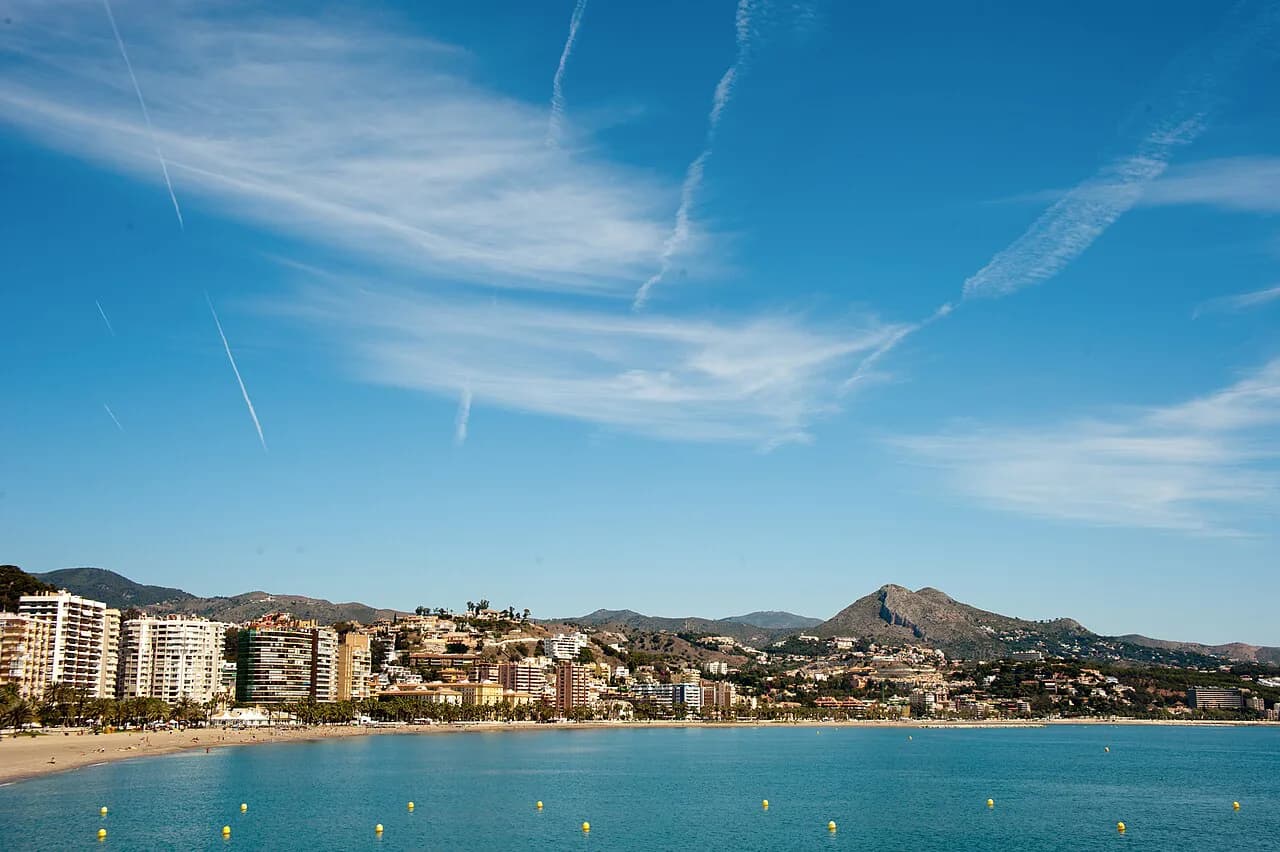
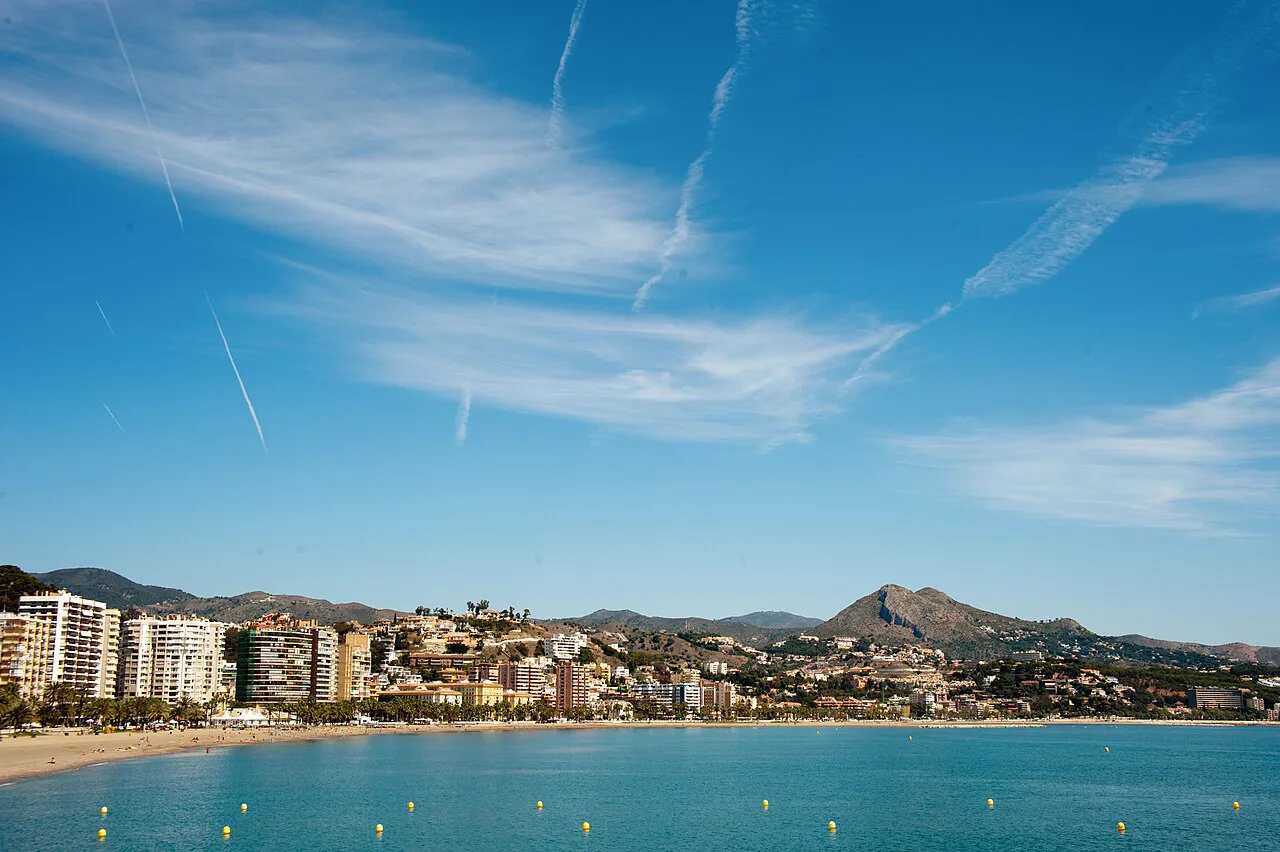
Málaga's city beaches, La Malagueta and La Caleta, curve east of the port along the Paseo Marítimo, on the far side of the harbour from the old town. They are sand beaches with lifeguards in season, beach bars and showers, and they are close enough that a swim is realistic in a call of six hours or more.
On foot from the cruise quay, the beach is a longer walk than the old town, taking you around the port and past the bullring. Many passengers take a short taxi instead, especially with children, towels and a cooler.
Decide between beach and old town before you leave the ship. Trying to fit the Alcazaba, the cathedral, a museum and a swim into a short call produces a rushed day and a stressful return; the beach alone, with lunch, fills a pleasant half-day.
Water is warmest from late spring through early autumn, and the promenade has shade, cafés and benches if you would rather watch than swim. Beach facilities and lifeguard cover follow the season, so check what is operating on the day; a full summer set-up should not be taken for granted in the shoulder months.
The Alcazaba, Gibralfaro and Roman theatre: the uphill sights
The Alcazaba, the Moorish fortress palace, sits on the slope above the Roman theatre at the foot of the old town, with the Castillo de Gibralfaro higher still on the same hill. The Roman theatre below the Alcazaba walls is free to look at from the street and takes a few minutes.
The climb to the Alcazaba involves stepped paths and gates, and Gibralfaro above it is a further, steeper ascent along a zigzag road and footpath. Allow well over an hour for the Alcazaba alone once you count the climb, the walk through the courtyards and the views back over the port.
Gibralfaro is the bigger commitment. The reward is the panorama over the harbour, the bullring and the city roofs, but the return walk eats into the rest of the day, and a bus or taxi to the top is a sensible trade if the heat is high.
Choose one of the two rather than both on a short call. The Alcazaba gives you fortress atmosphere with less climbing, while Gibralfaro gives you the view; travelers with limited time or mobility should treat the castle as optional and keep the flat old town as the backbone of the day.
Opening hours and ticket arrangements change with the season, so buy on the day at the gate or check the official monument site before relying on a specific entry time.
Old town on foot: cathedral, Picasso and the shopping streets
The old town is compact and made for wandering. The cathedral, with its unfinished south tower, anchors the centre; the Picasso Museum sits nearby in the warren of streets around Calle Granada, and the shopping thoroughfares of Larios and Nueva lead back toward the port.
Málaga's eating is a highlight in its own right. A sit-down lunch of fried fish, jamón and a cold drink in a plaza will take an hour and a half, and it is time well spent in a city where the tapas culture is the attraction rather than a pause between sights.
For a fuller list of what is worth your hours, from the cathedral to the market and the art museums, the guide to things to do in Málaga from a cruise ship ranks the options by how much of a call each one consumes.
Museum entry and cathedral visits need checking on the day; the Picasso Museum in particular sells timed tickets that can run out in high season. Book ahead if a specific exhibition is the reason for your call.
Shore excursions versus going independently
Málaga is one of the Mediterranean ports where independent travel is genuinely low-risk on time. The old town is a short walk away, the sights are clustered and the return is straightforward, so you can set your own pace and spend your money on lunch rather than on a coach.
The case for the ship's tour is different here from most ports. It buys you organisation, commentary and transport to somewhere further out such as the Alhambra in Granada or the white villages, which are not realistic on your own in a normal call.
Local operators offer similar day trips, usually at lower prices and in smaller groups, but they cannot promise the ship will wait. If you book one, choose an operator that returns with a clear margin before all-aboard, and keep the confirmation and a contact number with you.
Going independently carries the same rule as anywhere: the ship will not wait for you. On a city day where the sights are a short walk from the berth, that risk is easy to manage; on a long coach trip inland, it is the factor that should push you toward the ship's excursion.
How to use 6, 8 and 10 hours in Málaga
On a six-hour call, stay in the city. Walk to the cathedral, wander the old town, climb the Alcazaba if you are steady on steps, and allow time for a proper lunch or a coffee in a plaza before the return. A beach dip is possible if you take a taxi each way and skip the fortress.
With eight hours, add one more layer: the Picasso Museum, the market, or the climb to Gibralfaro for the view. Pick two of the three rather than all of them, and give yourself an unhurried meal in the middle of the day.
Ten hours opens the door to a side trip. Granada's Alhambra, the caves at Nerja or a run along the coast to a smaller resort all become possible with a booked tour, and the trade-off is a long day in a vehicle with less time in Málaga itself.
Whatever the length, plan the day around a firm turnaround point rather than a list of sights. Knowing that you will start back from the cathedral at a set time is more useful than an ambitious itinerary you abandon at the first good restaurant.
Return-to-ship buffer
The old town and the port are close enough that a 30-minute buffer before all-aboard is comfortable for a walk back, and 45 minutes is generous. Add time if you are returning from the beach, from Gibralfaro or by taxi during the late-afternoon rush.
Set an alarm for the turn-back time, not the all-aboard time. The gap between them is your margin for a missed crossing, a slow lunch bill or a taxi queue.
All-aboard is normally earlier than departure and is published in the daily programme; take the time from there rather than from the itinerary. Ships also adjust for local conditions, so read the gangway notice on the day.
Embarkation and turnaround days at Málaga
If your cruise begins or ends in Málaga, the terminal is your gateway to the airport and the city. Vehicles and passengers arrive at the terminal on Paseo de la Farola, with the check-in hall handling baggage drop-off before security and boarding.
Luggage handling follows the cruise line's process: porters take bags at the terminal, and you carry only what you need until your cabin is ready. Keep documents, medication and a change of clothes in your hand luggage in case your suitcase reaches the cabin later than you do.
Transfer to the airport is short by taxi, and the drive from the airport to the terminal follows the signs for the port and the city centre. The guide to Málaga Airport to Cruise Port sets out that run.
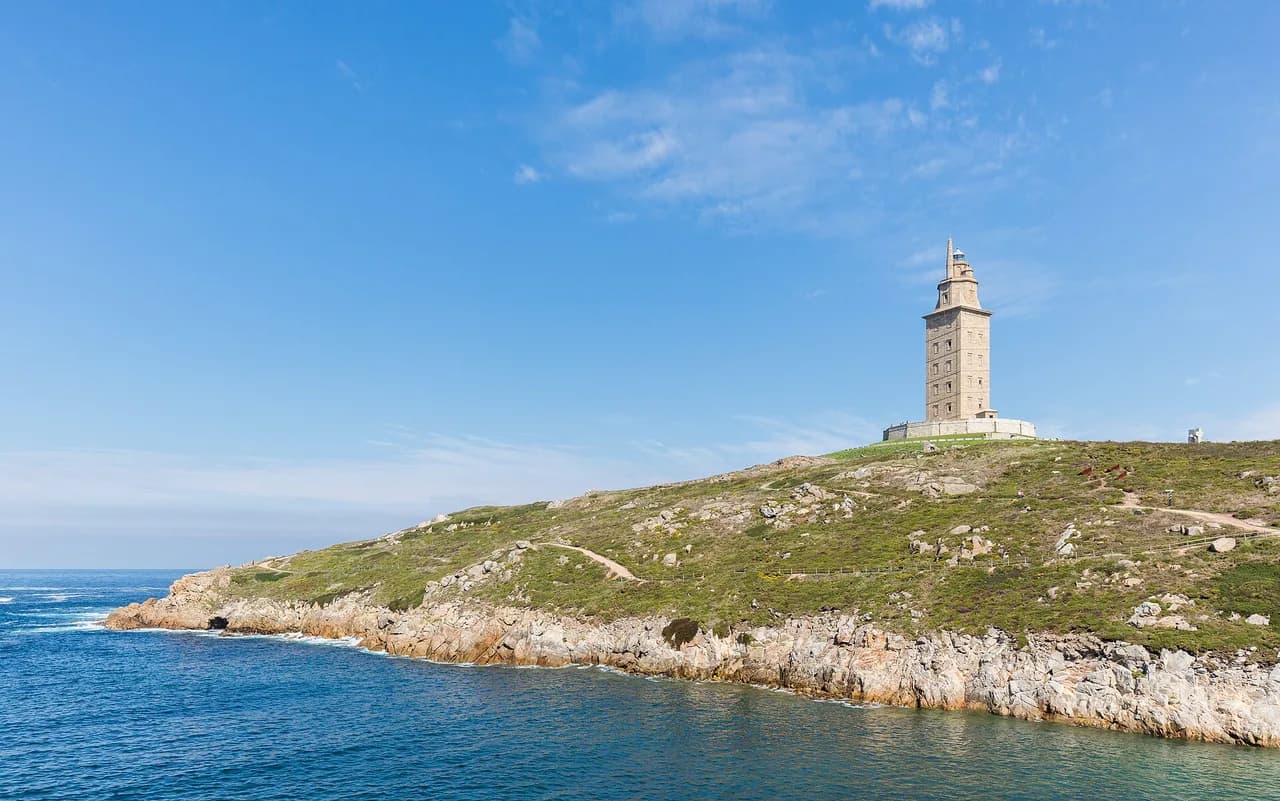
If your itinerary continues to northern Spain, the La Coruña Cruise Port guide is a useful contrast for planning a second Spanish stop with a very different geography.
Practical points: language, currency and walking
Spanish is the everyday language, with English widely spoken in hotels, museums and restaurants serving cruise passengers. Euros are the currency, and cards are accepted in most shops and restaurants, though carrying a little cash helps in the market and small bars.
Wear shoes you can walk in. Málaga's old town is mostly flat but cobbled, and the Alcazaba climb involves steps and uneven paving. A hat and water matter in summer, when the midday heat on the uphill paths is serious.
Sundays and public holidays change the rhythm: some shops close, restaurants may open later, and museums follow different schedules. Plan a museum or a long lunch rather than a shopping morning on those days.
Plan Your Málaga Port Day
Málaga rewards a simple plan: walk off the ship, follow the waterfront into the old town, and choose between the fortress, the cathedral, the Picasso Museum and the beach rather than trying to tick off all four. The short distance from berth to city is what makes a call here feel generous even at six hours.
Decide your turn-back time before you sit down to lunch, keep the all-aboard time from your daily programme, and leave the long inland trips for the days when you have booked the ship's excursion.
Explore more Málaga cruise port guides
Frequently Asked Questions
Where do cruise ships dock in Málaga?
Cruise ships berth alongside in the Port of Málaga, on the city waterfront at Paseo de la Farola, 29016 Málaga. The exact berth is assigned by the port and your cruise line, so check your daily programme or the port authority schedule for the quay on your date.
How far is Málaga cruise port from the old town?
The berths sit on the edge of the historic centre. From the cruise quay you walk inland past the marina and the promenade, and the edge of the old town and the cathedral are a short, flat walk away, well within the time a normal port call allows.
Can you walk from the Málaga cruise terminal into town?
Yes. The route is flat and paved, passes the Muelle Uno marina area, and leads directly to the cathedral and the shopping streets. It is suitable for most passengers, though those with limited mobility may prefer a taxi for the short hop.
Is there a beach near Málaga cruise port?
La Malagueta and La Caleta lie along the Paseo Marítimo east of the port. They are a longer walk than the old town, so many passengers take a short taxi, especially with children or beach gear. Lifeguards and facilities follow the season.
What can you do in Málaga in 6 hours from a cruise ship?
Stay in the city. Walk to the cathedral, wander the old town, climb the Alcazaba if you are comfortable on steps, and take a proper lunch or coffee in a plaza. A beach stop fits only if you take a taxi each way and skip the fortress.
Should you book a shore excursion in Málaga or explore independently?
The old town is close enough that independent exploring is low-risk on time. Ship excursions make sense for longer trips inland such as Granada. Local operators cost less but cannot promise the ship will wait, so check their return margin.
Sources
Port-day notes for your next cruise
Optional updates to our port guides.
You might also like
Continue reading
More guides you'll find useful