Belfast Cruise Terminal: Where to Dock & Getting to Town
Belfast's cruise terminal sits about two miles from the city centre. Here is where ships dock, how the shuttle and taxis work, and what fits your hours ashore.
On this page
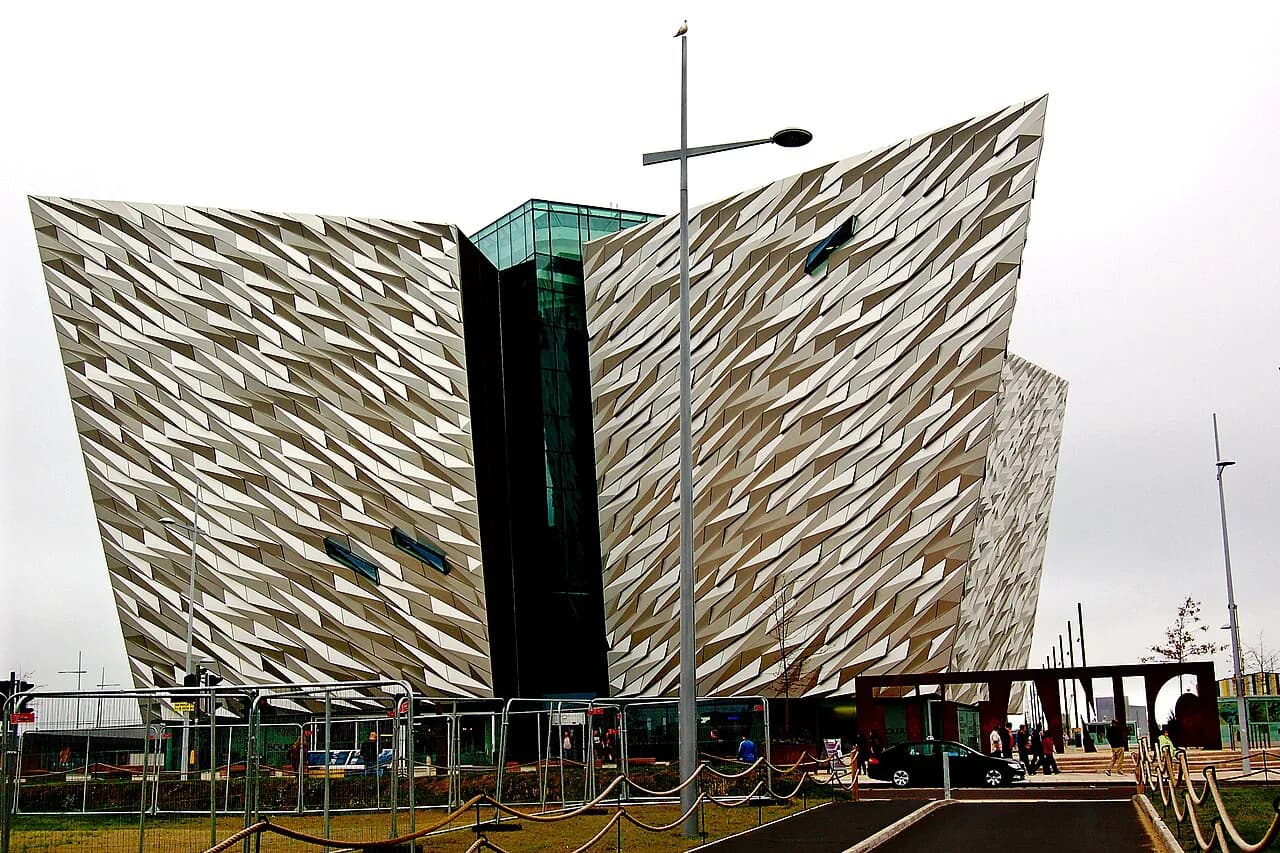
A Belfast port day splits into two very different halves: the city centre around City Hall, and the Titanic Quarter along the water, where the shipyard that built Titanic now sits beside the berths. Cruise passengers who try to do both on foot without planning lose most of a short call in transfers. Knowing your dock and your transfer options before you step off fixes that.
Belfast Harbour handles around 150 cruise calls in a season, from spring until autumn, and most vessels stay for a full day while some overnight. Dates and times come from the cruise lines and can shift at short notice, so treat your ship's published all-aboard time as the fixed point and build the day backwards from it.
Where ships dock in Belfast
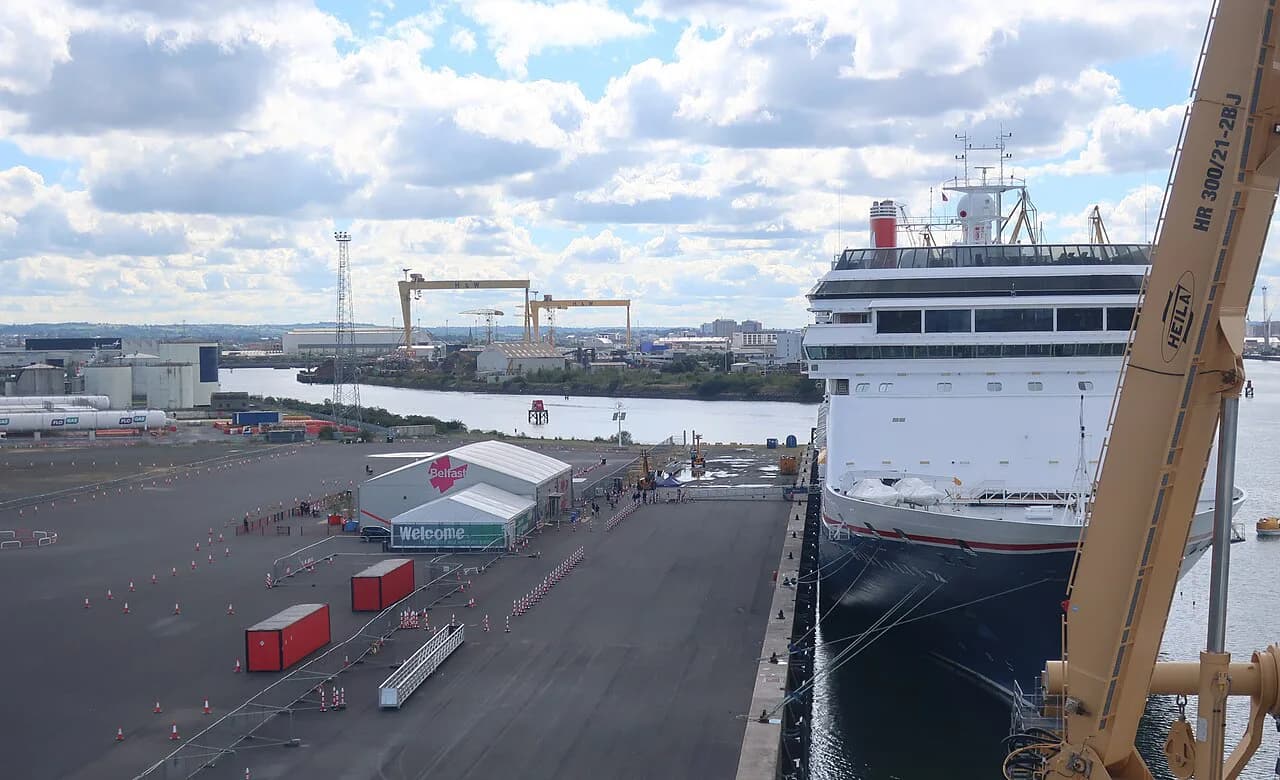
Belfast Harbour has two cruise docks. Stormont Dock has a wharf length of about 457 meters (1,500 feet) and takes the larger liners, while Pollock Dock, at roughly 177 meters (580 feet), is used by smaller vessels. Both sit in the harbour estate north-east of the city centre, not alongside the shops and hotels.
The dedicated cruise terminal, opened in 2019, is the passenger handling point for cruise calls and can process ships carrying up to 6,000 passengers and crew. It was built close to the Titanic attractions and has separate parking areas for shuttle buses, taxis and tour coaches, which tells you coach tours and shuttles are the default onward transport. It is worth checking which Southampton cruise terminal you would use on a comparable south-coast call before comparing the two ports' transfer setups.
A new cruise terminal is planned for later this decade as part of a wider investment aimed at making Belfast a turnaround port as well as a call port. If your sailing date falls near that transition, the cruise line is the one to ask which facility your ship uses, because the berth assignment decides the transfer, not the city.
How far the terminal is from the city centre
The cruise terminal is about 2 miles (3 km) north-east of downtown, and the larger Stormont Dock berth sits roughly 3 miles (5 km) from the centre. That is a real transfer, not a stroll: 40 to 60 minutes each way on foot along harbour roads, in a working port estate, with nothing to see on the way.
Walking straight off the ship into town is the wrong call for most passengers. There is little of interest immediately around the terminal, so the sensible default is the shuttle for the centre or a taxi for anything time-sensitive. Save your walking for the city itself, where the compact core around Donegall Square rewards it.
The shuttle bus into town
A shuttle bus runs from the cruise terminal to Donegall Square North, the square in front of City Hall and the natural arrival point for central Belfast. Donegall Square North puts you within walking distance of the City Hall, the main shopping streets and the Visit Belfast Welcome Centre, which handles information, advice, tour bookings and left luggage.
Treat the shuttle as a two-way commitment: note where it sets you down and where the return pickup is, then work out the last departure that still leaves you a buffer before all-aboard. Belfast Harbour publishes berth dates and times but leaves shuttle logistics and fares to the line and terminal operator, so confirm the schedule on board or at the terminal desk on arrival.
Taxis from the terminal
Taxis wait at the terminal, and the local advice is to take the London-style black cabs from the official rank rather than accepting a lift from an unofficial driver. A metered black cab from the terminal into the centre is the fastest way to buy yourself time on a short call, and it also works well for a direct run to Titanic Belfast.
Budget and Avis have car rental desks at the terminal if you want to drive out of the city, for example toward the Giant's Causeway coast. Weigh that carefully: a hire car adds pickup paperwork, unfamiliar roads and parking to a day that already has a hard deadline, and the northern coast is a long round trip.
Walking the Maritime Mile to Titanic Belfast
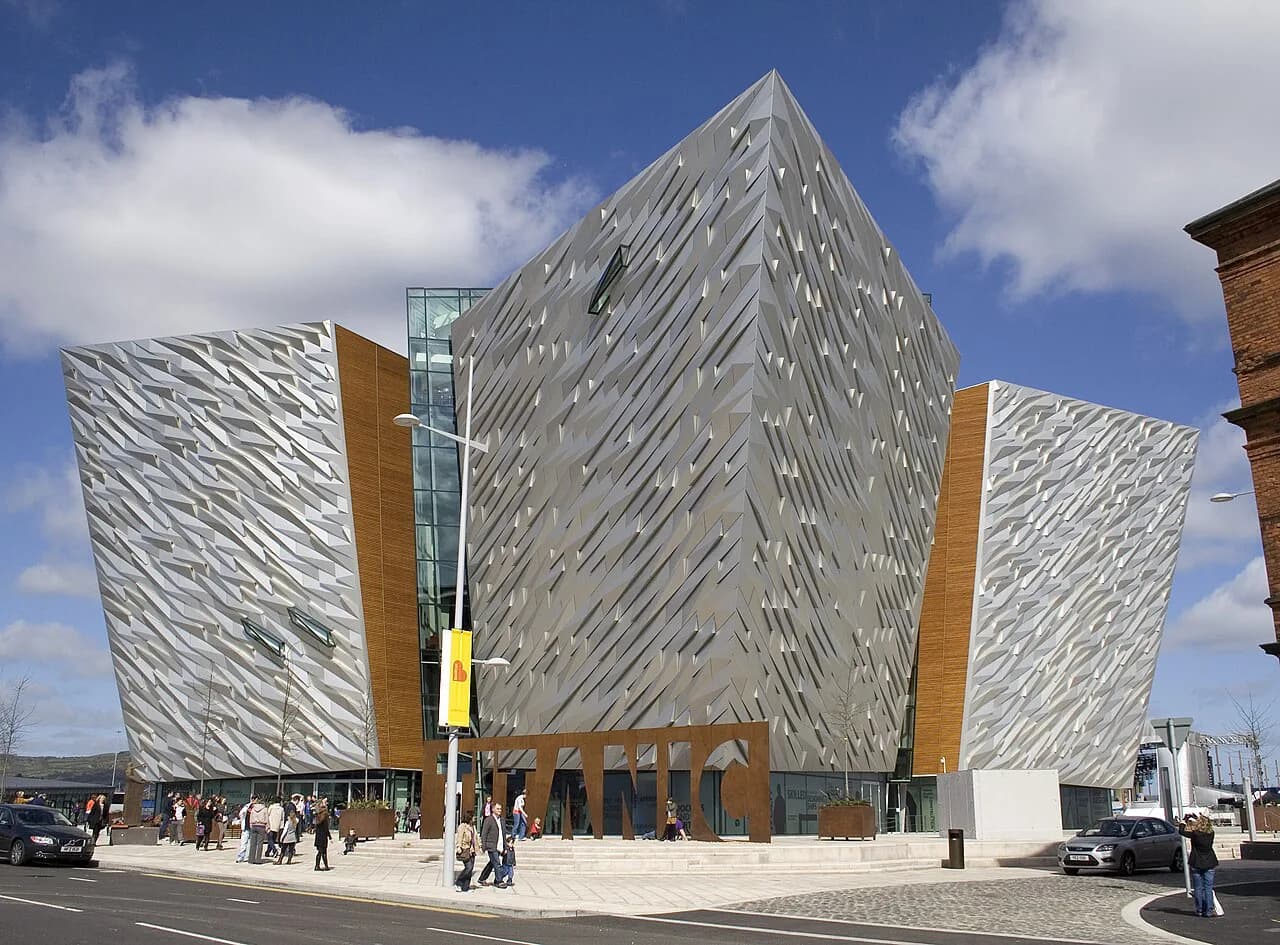
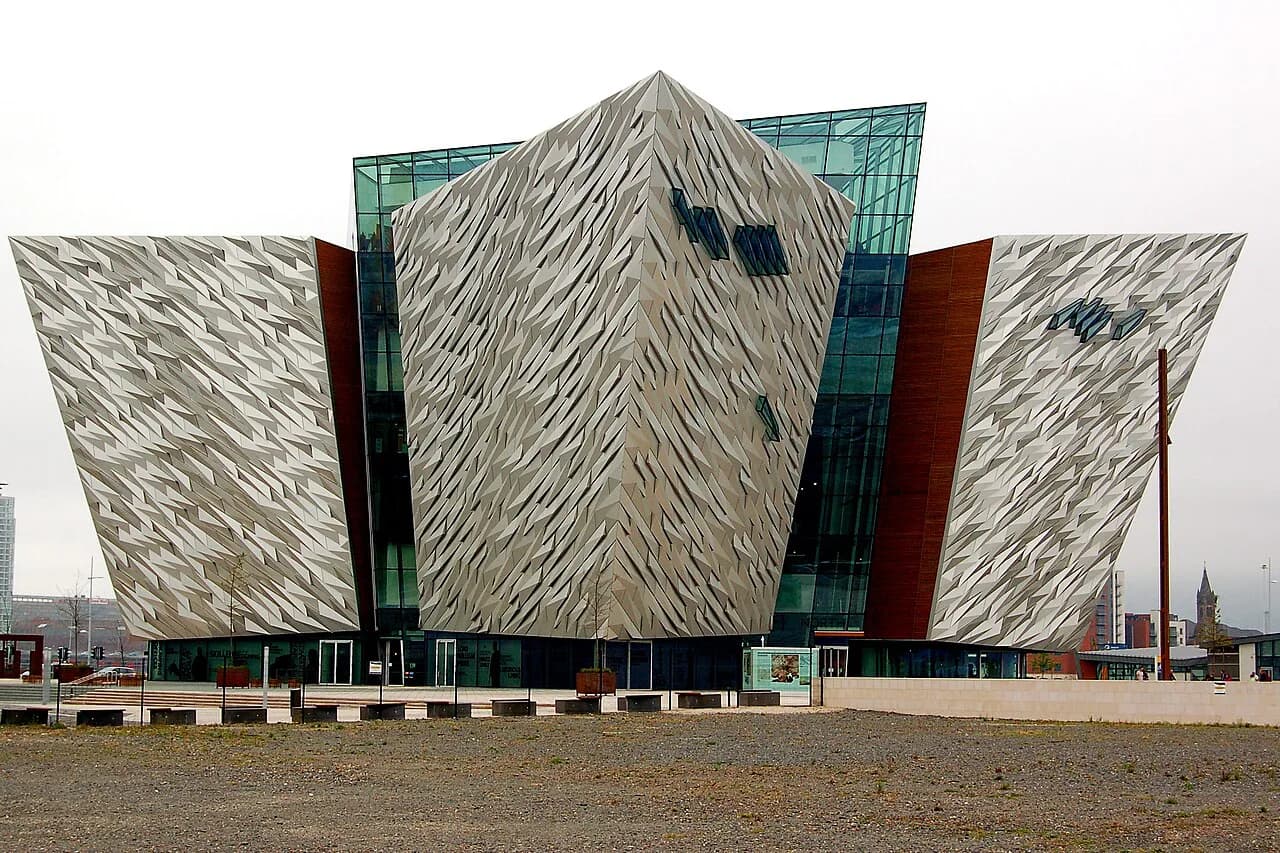
The Titanic Quarter is the one major sight you can reach without going into the centre first. The Maritime Mile runs along the waterfront between the harbour and the Titanic attractions, and the terminal's location near Titanic Belfast, Titanic's Dock and Pump-House and SS Nomadic makes this the most efficient walking plan of the day.
Titanic Belfast is the world's largest Titanic museum, built on the Harland & Wolff shipyard site where the ship was designed and launched, and SS Nomadic is the White Star Line tender that carried passengers out to Titanic and Olympic. Allow serious time inside the museum rather than treating it as a photo stop; tickets and opening hours change by season, so buy through the attraction or the Welcome Centre and check the day's times there.
Central Belfast: City Hall, Donegall Square and the Welcome Centre
If the Titanic Quarter is your priority, keep the centre short; if the city itself is the draw, ride the shuttle in and stay. Donegall Square is the hub for City Hall, and the Visit Belfast Welcome Centre on the square is where you pick up maps, book a city tour or leave bags while you walk.
Central Belfast is compact enough to cover on foot once you are there, which is why the shuttle decision matters more than any single sight. Passengers who want a guided overview of the city and its political history should compare options before sailing; the ship's tour, a local operator and a self-guided walk each trade time against depth differently, and the full comparison of options is worth reading on the shore excursions side.
Ship tours versus local operators versus going it alone
The ship's tours win on logistics: coaches load at the terminal, the route is planned around the call, and the operator is accountable to the cruise line for getting you back. For anything far from Belfast, such as the Giant's Causeway or the north coast, that advantage is significant, because a breakdown or traffic delay on a long road trip is exactly the scenario where an independent traveller carries all the risk.
Local operators and independent travel win on flexibility and usually on group size, and they work well for the Titanic Quarter and central Belfast, where distances are short and you can bail out and take a taxi back at any point. The rule of thumb is distance: the farther the trip, the stronger the case for the organised option. Nothing guarantees the ship will wait for a late independent return, so the risk sits with you.
What fits a 6-, 8- and 10-hour call
On a 6-hour call, pick one half of the city. The Titanic Quarter is the better choice because it is close to the berth: Titanic Belfast, the Dock and Pump-House and SS Nomadic sit together, and you can walk or take a short taxi back with time to spare. A quick shuttle run to Donegall Square for City Hall and the main streets is the alternative, not an addition.
With 8 hours, do the Titanic Quarter properly and add a shuttle into the centre for Donegall Square and City Hall, keeping the two transfers tight. With 10 hours, a city tour plus the Titanic Quarter becomes realistic, or a half-day trip out of the city with a comfortable margin before all-aboard.
For a fuller menu of what to prioritise when time is tight, from the museum to the political murals and the Cathedral Quarter, use a focused list of things to do in Belfast from a cruise ship rather than trying to fit every sight into one call.
Return-time buffer and all-aboard planning
Work backwards from all-aboard, not from the ship's published departure. Add the shuttle or taxi ride, a margin for a missed bus and a walk from the terminal gate to the gangway, then set your personal cut-off an hour earlier than you think you need.
Berth times in the port's published schedule are supplied by the cruise lines and can change at short notice, which is precisely why the return buffer should not assume a late departure. If a shuttle queue looks longer than your margin allows, take a black cab from the rank rather than gamble on the next bus; the fare is a small price against a missed sailing.
Practical points at the terminal
The terminal carries city brochures and maps, and the Welcome Centre in town supplements that with bookings and left luggage. Passengers are greeted with music performances at the port, which is a pleasant welcome but no substitute for having your return plan sorted before you leave the building.
Local metro services and the ferry links to Scotland and England are part of the wider transport picture but play little role in a standard port call. Use the terminal's taxi rank, shuttle or a rental car for the day, and leave the rail and ferry planning to travellers extending their trip before or after the cruise.
Belfast as an embarkation port
Belfast now handles turnaround cruises where passengers begin or end their journey, not just day calls, and the terminal extension added baggage handling, security scanning and homeport passenger processing. If you are embarking, expect a different rhythm from a port day: drop bags first, then clear security, rather than planning sightseeing around a gangway deadline.
Two airports serve the city: George Best Belfast City Airport sits within the city, while Belfast International Airport is about 15 miles (24 km) west. Which one your flight uses determines your transfer on embarkation day, so confirm the airport and your terminal before booking a car or coach. Those details are best settled with the cruise line and the airport operator.
Plan Your Visit
Decide before you dock whether your day belongs to the Titanic Quarter, the city centre or a trip out of Belfast, then match the transport to it: walk or taxi to Titanic Belfast, shuttle to Donegall Square for the centre, and an organised tour for anything on the north coast. Build the return buffer around all-aboard, not departure, and keep a black cab fare in reserve.
If the Giant's Causeway is on your list, treat it as a dedicated excursion rather than an add-on, because the distance makes the return the whole risk of the day. The full Belfast cruise port guide covers the wider picture, including the berths, the terminal and how the pieces fit into a single call.
Frequently Asked Questions
Is Belfast walkable from the cruise port?
No for the city centre. The cruise terminal is about 2 miles (3 km) north-east of downtown and the larger Stormont Dock berth is roughly 3 miles (5 km) out, along working harbour roads with little to see. Take the shuttle to Donegall Square North or a black cab from the terminal rank, and save your walking for central Belfast.
How do I get from the Belfast cruise terminal to the city centre?
Three options work: the shuttle bus to Donegall Square North, a metered black cab from the official terminal rank, or a rental car from the Budget or Avis desks for trips beyond the city. The shuttle is the default for City Hall and the shopping core, while a taxi is quicker when your time ashore is tight.
How far is the cruise port from Belfast city centre?
Plan on about 2 miles (3 km) from the cruise terminal into downtown, and around 3 miles (5 km) from Stormont Dock, which handles the larger ships. On foot that is 40 to 60 minutes each way, so it counts as a transfer rather than a stroll into town.
Where does a cruise ship dock in Belfast?
Ships berth at Belfast Harbour, either at Stormont Dock for larger liners or Pollock Dock for smaller vessels, with the dedicated cruise terminal handling passengers. The terminal sits close to the Titanic Quarter, so Titanic Belfast, the Dock and Pump-House and SS Nomadic are the nearest major sights to the berth.
Is there a shuttle bus from Belfast cruise terminal?
Yes, a shuttle connects the cruise terminal with Donegall Square North in front of City Hall. Note your drop-off point and the return pickup on the way in, then set your last departure so you still have a buffer before all-aboard. Ask on board or at the terminal desk for that day's times.
Can you walk from Belfast cruise terminal to Titanic Belfast?
Yes, this is the most practical walking route of the day. The Maritime Mile follows the waterfront between the harbour and the Titanic attractions, linking the terminal with Titanic Belfast, Titanic's Dock and Pump-House and SS Nomadic. Budget real time inside the museum rather than treating it as a quick photo stop.
Sources
Port-day notes for your next cruise
Optional updates to our port guides.
You might also like

Continue reading
More guides you'll find useful