Belfast Cruise Port Guide: Terminals, Transfers & Day Plans
Ships berth at D1 Belfast Cruise Terminal near the harbour. Here is how to reach the city centre, plan a port day and time your return to the ship.
On this page
Belfast packs a walkable city centre, a waterfront shipyard heritage district and easy rail links into one compact harbour, which makes it a strong port day for first-time visitors and history-focused passengers alike. Ships berth alongside rather than tendering, so you step off onto solid quay and choose between a shuttle, a taxi or a walk into town.
This guide separates the two jobs the same terminal does: a day ashore during a call, and the logistics of starting or ending a cruise here. Figures for taxis, parking and berth layout are tied to their sources so you can budget time before you set an all-aboard buffer.
Belfast cruise port at a glance
Belfast sits at the head of Belfast Lough, with the cruise berths on the harbour estate east of the city centre and the Titanic Quarter between the two. Because the harbour and the centre sit close together, most of a classic port day fits inside a modest radius, which keeps your return trip short and predictable. Scotland's River Clyde calls work on the same compact logic, as the Greenock cruise port guide shows.
The practical trade-off is that the berths are on working harbour land, so you cross a stretch of dock roads before you reach the shops and civic buildings. Plan that transition first, then build the sights around whatever time remains.
Where ships dock: D1 Belfast Cruise Terminal, Stormont Wharf and Pollock quays
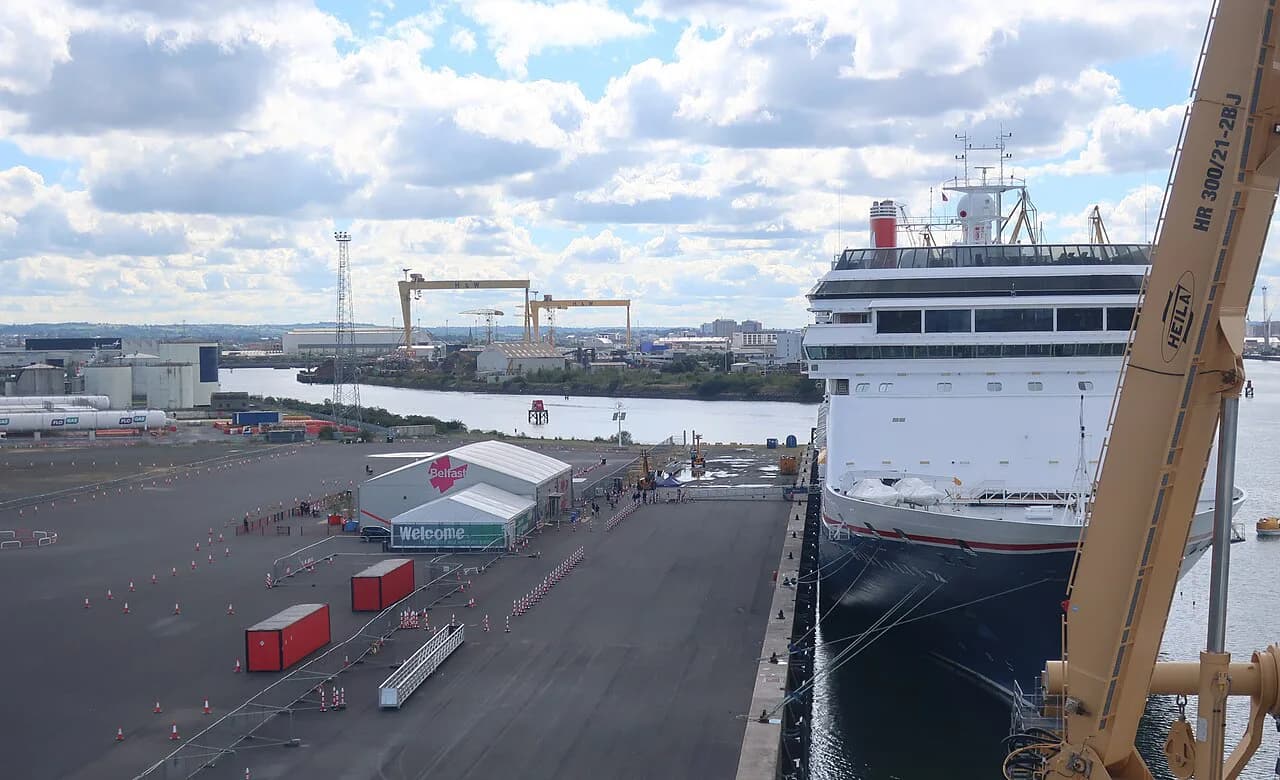
Cruise vessels use several named facilities in Belfast Harbour rather than a single pier. The berthing information lists D1 Belfast Cruise Terminal alongside Stormont Wharf and Pollock quays, so your exact stepping-off point depends on the ship and the day's harbour schedule.
All of these are alongside berths, so you walk down a gangway onto the quay rather than taking a tender. D1 is the terminal building where check-in and luggage handling happen on turnaround days, and the other quays are open wharf berths used according to vessel size and harbour traffic.
Where you dock changes your walking route into town only slightly; the bigger variable is whether a port shuttle is running that day. Ask at the gangway or the terminal desk which berth you are on and where the shuttle or taxi rank is, since the harbour layout is not obvious from the quay.
How far is the terminal from Belfast city centre
The harbour berths sit close to the city, and regulars describe the cruise terminal as fairly close to the centre with a shuttle running to City Hall. Treat the distance as a short trip rather than a long transfer, but not as a doorstep arrival at the shops.
On foot, the walk takes you through the Titanic Quarter and across the river bridges toward the centre, which suits anyone heading to the shipyard museums first. For City Hall and the shopping streets, the shuttle or a taxi saves your legs for the afternoon.
Getting into town: shuttle, taxi and walking routes
A port shuttle to City Hall is the simplest option for passengers heading straight to the civic centre, and it drops you where the main streets fan out. Frequency and any fare are set by the port and your cruise line for each call, so confirm the pickup point and last return time when you board rather than assuming a timetable.
Walking works best if the Titanic Quarter is your priority: you leave the berth, follow the waterfront, and reach the museum district before looping back over the river to the centre. This route lets you judge your own pace and skip the queue for the shuttle, but it adds distance to a day that already includes museum time.
Taxis are the fastest door-to-door option and useful when you are carrying shopping or travelling as a group. Ask the driver to drop you at Donegall Square for City Hall, which puts you in the middle of the compact centre and close to the main bus and rail links.
Taxis from the terminal: where they wait and rough fares into the centre
Taxis serve the cruise terminal and the run into Belfast City Centre is quoted at roughly £8 to £12, which makes a shared cab competitive with other options for two or more passengers. Fares vary with traffic and drop-off point, so treat that range as a planning figure.
Pickups happen at the terminal rather than on the open quay, so walk to the terminal forecourt or the marked rank and queue there. On busy turnaround days, when several vehicles arrive at once, allow extra minutes for the queue instead of cutting your buffer.
Arriving by train or coach: Lanyon Station, the Enterprise from Dublin and connections
Lanyon Station in Belfast is the rail gateway, and the Enterprise service runs between Dublin's Connolly Station and Lanyon, jointly operated by Translink and Irish Rail. Passengers joining a cruise from the Republic can connect onto it at Connolly after travelling from their home town on Irish Rail services.
From Lanyon Station to the cruise terminal, a taxi is the straightforward link, and the same roughly £8 to £12 range applies to the terminal-to-centre run. If you arrive with heavy luggage, take the cab rather than attempting the harbour roads on foot.
Coach and rail connections reach Belfast from across Northern Ireland and beyond, which is why the port works as a departure point as well as a call. Build in a buffer before your check-in slot if you are arriving the same day.

Embarkation day at Belfast: luggage drop-off, terminal check-in and on-site parking
On turnaround day, drive or ride directly to the terminal and luggage drop-off area rather than stopping on the quay. Check-in happens in the terminal building, and for satnav the postcode given for Belfast Cruise Ship Terminal is BT3 9EA, reached from the M1 with signs for the City Centre and then the Cruise Port.
The terminal for check-in sits a short walk from the car park, so you can drop bags and then move the car without a long detour. Arrive with time to spare for the walk and the check-in queue, especially if several ships are in port.
Parking at the port: cost per night, booking and the car park location
On-site parking is available adjacent to the cruise terminal, with the secure car park listed at D1, Airport Road, Belfast, BT3 9EA. Fred. Olsen quotes £12.00 per night and asks guests to book through Guest Services at least three days before departure with the vehicle registration and make, adding a 50% surcharge for camper vans and larger vehicles.
That figure is the cruise line's own rate for its Belfast departures, so passengers on other lines should price parking through their own operator or the terminal before committing. Parking is run by vehicle registration, so no voucher is needed once booked.
If you are arriving by car from the south, the M1 brings you into Greater Belfast and port signs take over from the City Centre directions. Allow slack for city traffic on weekday mornings before a check-in slot.
What fits a 6-hour call in Belfast
Six hours is a city-only day. Take the shuttle or a taxi to City Hall, walk the compact centre and its Victorian architecture, then return with a clear buffer; trying to add a coastal drive in this window leaves no margin.
If the Titanic Quarter is the priority, walk or ride there first and keep City Hall as an optional add-on rather than a fixed stop. Decide your last-return time when you leave the ship and work backwards from it.
What fits an 8-hour call: Titanic Quarter plus city centre
Eight hours comfortably covers both halves of the city: the shipyard heritage sights in the Titanic Quarter in the morning, then the centre for City Hall and the shopping streets after lunch. Moving between the two is short, so most of the day goes on the sights rather than on transport.
Book any museum tickets for the morning slot if you can, since the Titanic Quarter is the most time-hungry stop. Keep the afternoon flexible so a slow lunch or a shower does not cost you the shuttle.
What fits a 10-hour call: a longer day including the coast or a ship tour
Ten hours opens up a longer excursion beyond the city, and the Giant's Causeway is the classic full-day target on the north coast. The drive eats a large share of the day, so this is the call length where a ship tour or a pre-booked local operator makes more sense than improvising.
A shorter coastal run or a focused city day with a long lunch is the lower-risk alternative, and it leaves you closer to the berth if traffic turns against you. Judge honestly how much coach time you will accept for the scenery on offer.
Titanic Quarter and the shipyard heritage sights nearest the berth
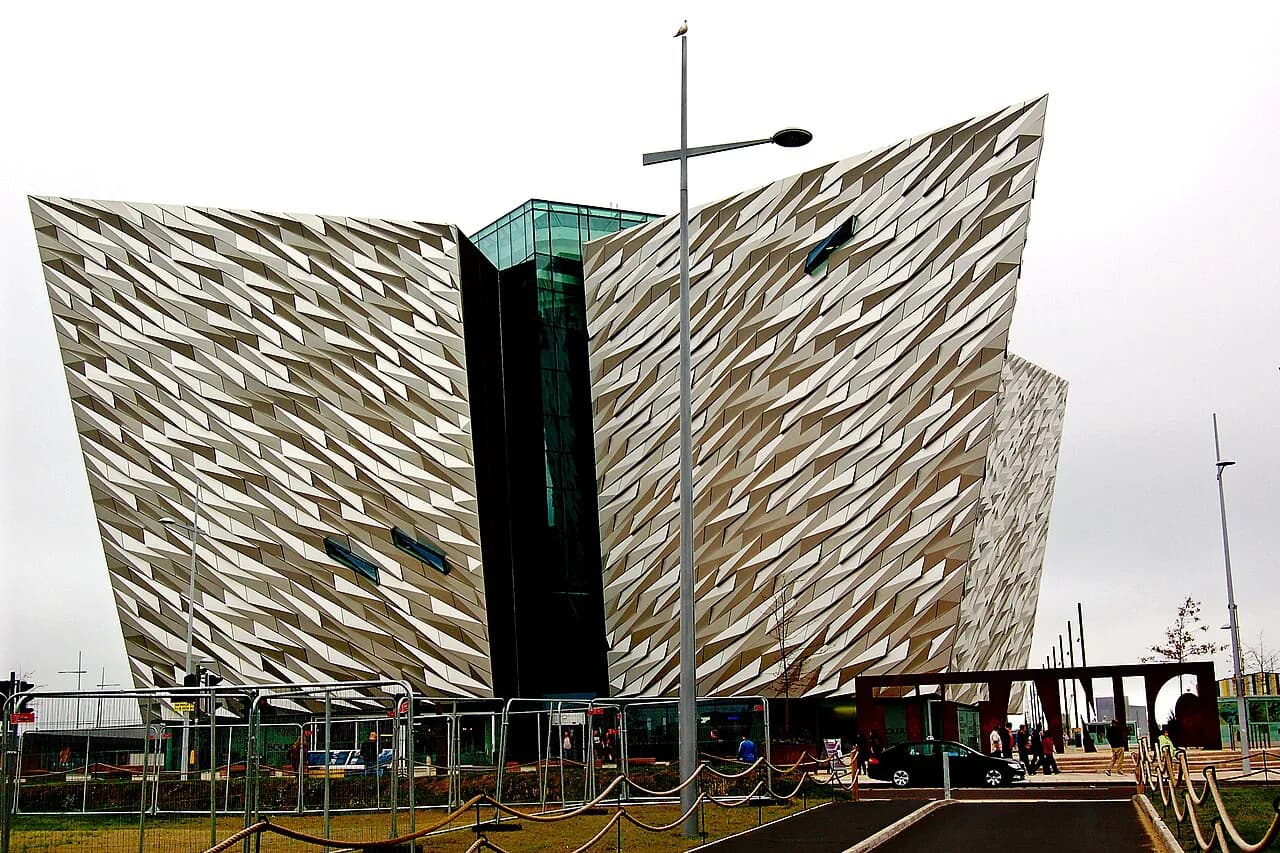
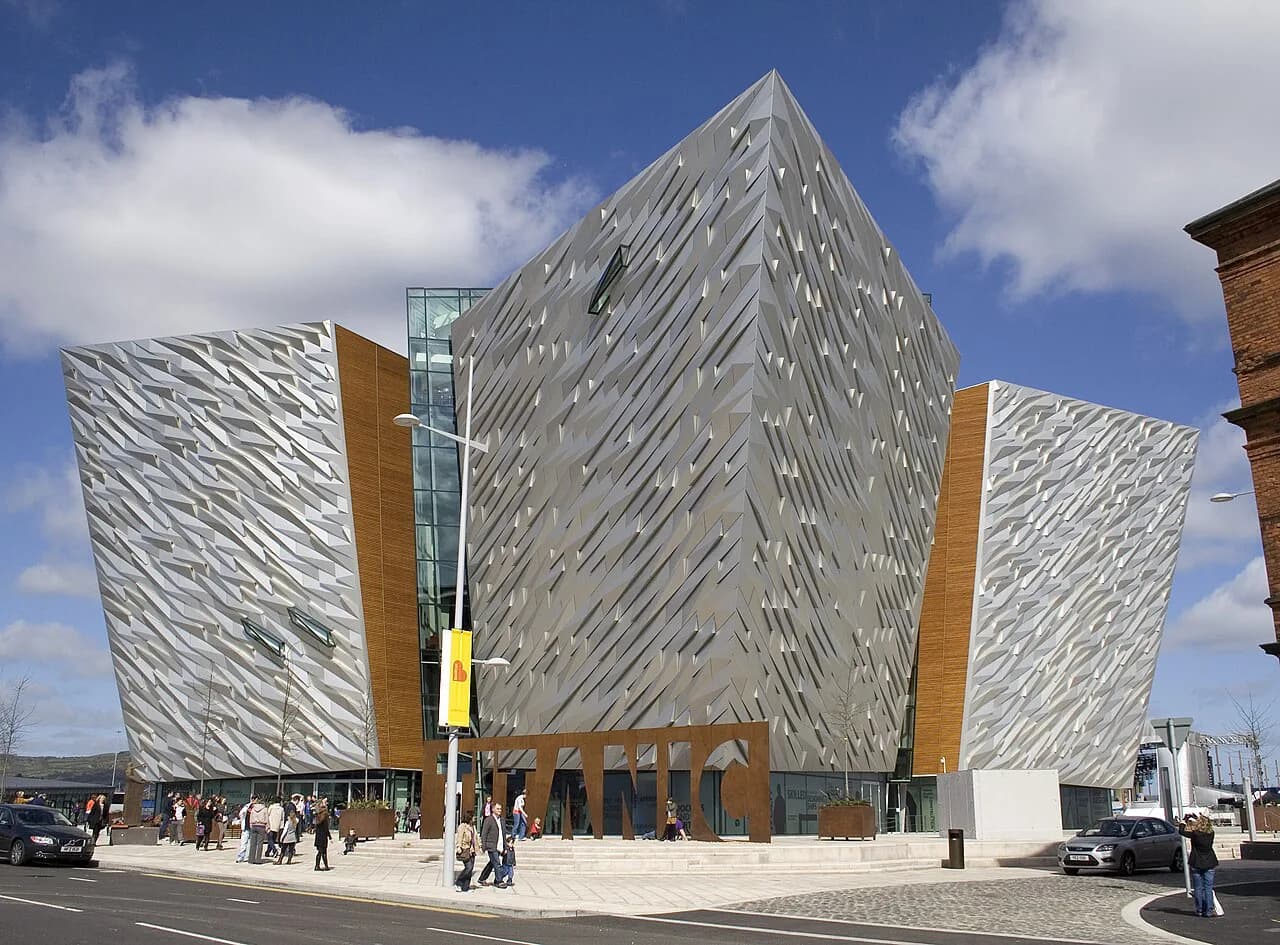
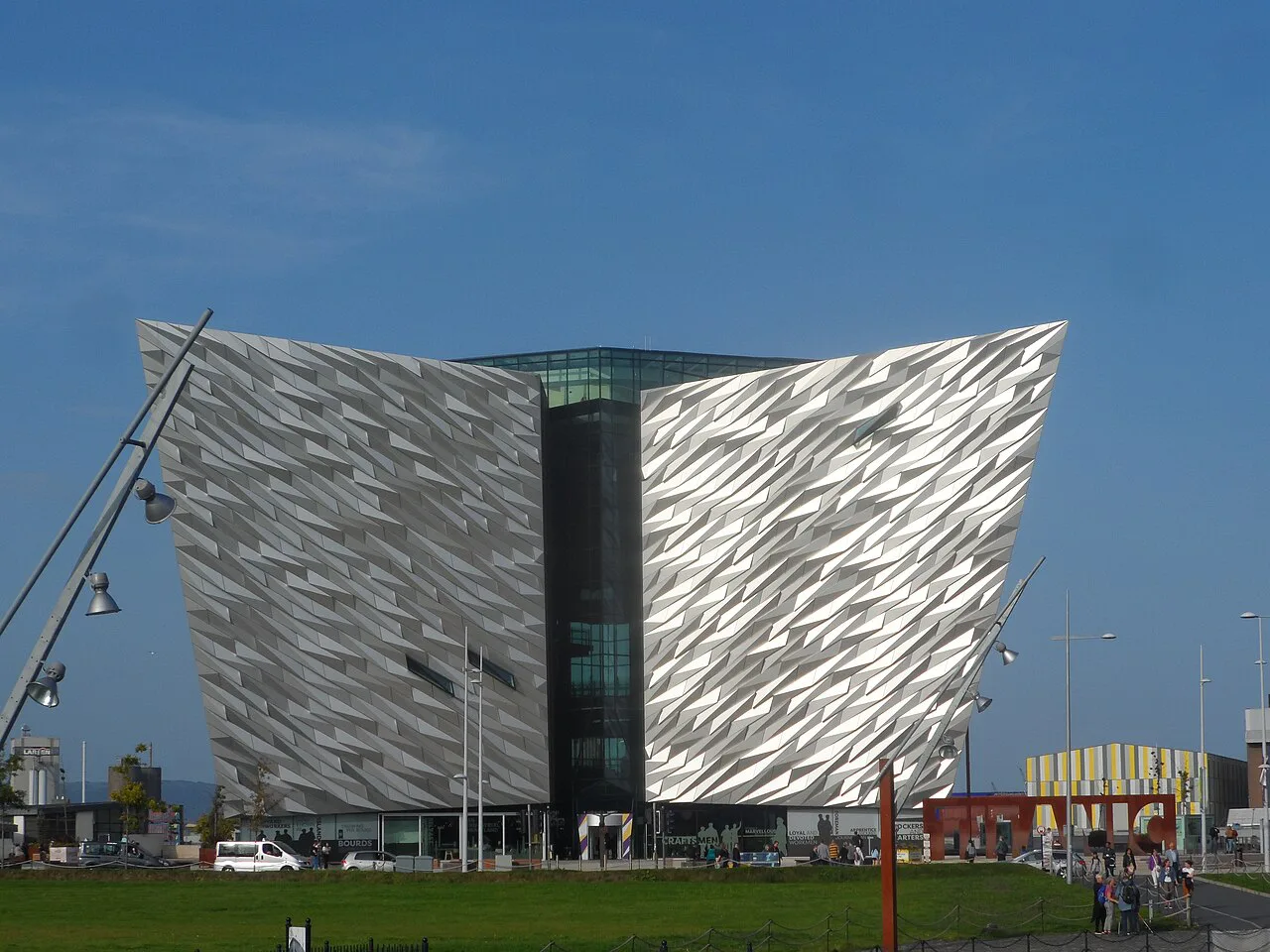
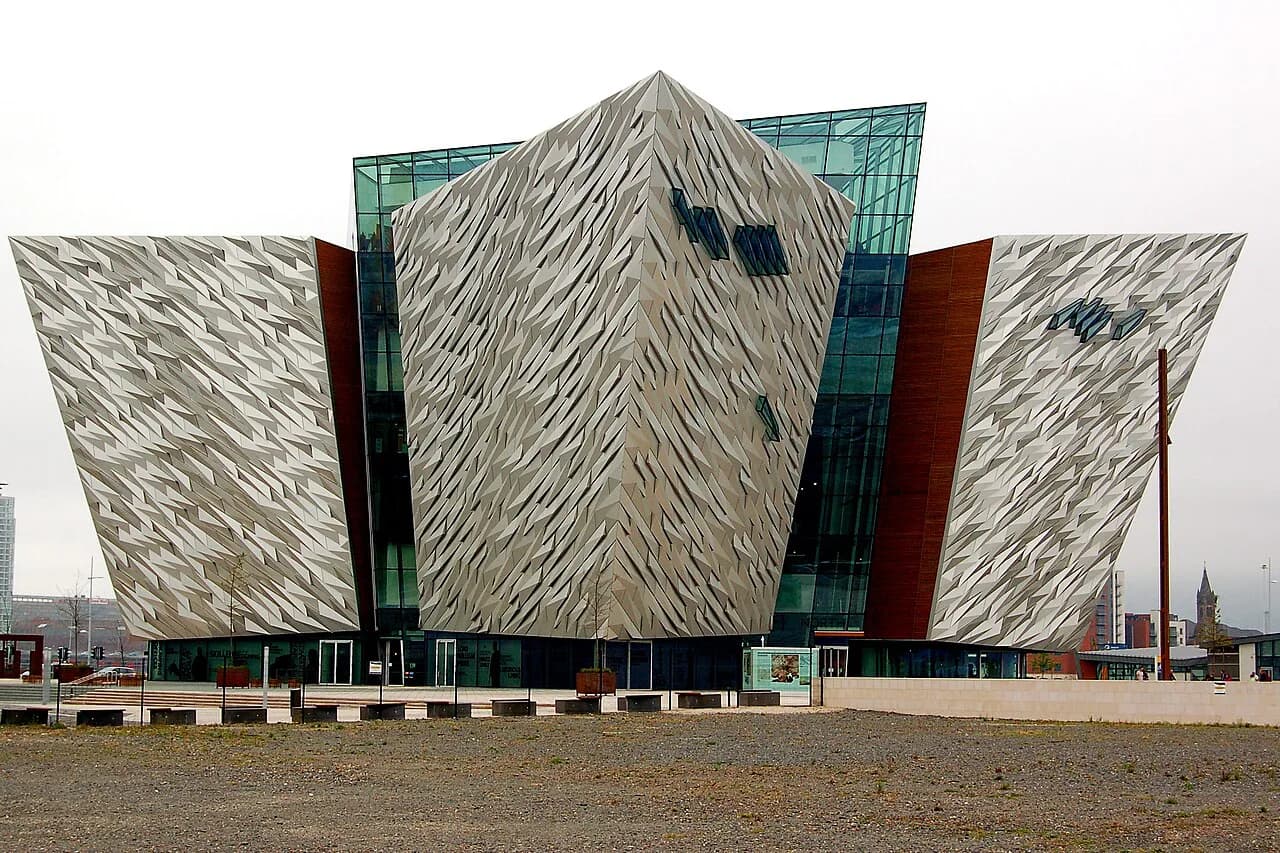
The Titanic Quarter occupies the old shipyard land between the harbour berths and the river, making it the closest cluster of major sights to where you step ashore. It suits passengers who want to walk off the ship and be among exhibits within a short time rather than riding into the centre first.
Plan the quarter as a half-day block and pair it with a riverfront walk toward the centre bridges. That route keeps you moving in one direction instead of doubling back to the berth.
Ship tours versus going independently: time, distance and return-to-ship risk
A ship tour buys you a guaranteed departure time and no logistics to manage, which matters most on long excursions such as a Causeway run. The trade-off is fixed itineraries, group pace and less spontaneity in the city.
Independent travel is easy in Belfast itself because the distances are short and taxis are plentiful, so the risk is low for a city day and higher for anything beyond the commuter belt. Local operators running Northern Ireland day trips can be excellent value, but you carry the responsibility for getting back before all-aboard.
A ship-sponsored tour is the only option where the vessel's departure is tied to the group's return; independent travellers should assume the ship sails on schedule regardless. Choose your return transport before you leave the terminal, not at the end of the day.
Return-time buffer and all-aboard planning
Work back from all-aboard rather than from the ship's published departure: aim to be at the gangway well before the stated time, and earlier again if you are using the shuttle, which can fill up on the last run. There is no fixed port rule that suits every call, so treat the buffer as your own planning decision.
For a city day, a taxi back from Donegall Square is the most controllable option because you skip the shuttle queue. For a long excursion, leave enough slack that a traffic delay on the motorway does not become a missed ship.
Practical port-day notes: weather, walking distances and cash
Belfast weather changes quickly, and rain showers are common, so a light waterproof layer matters more than an umbrella on a windy quay. Harbour walks are exposed, and the Titanic Quarter waterfront gives little shelter between buildings.
Cards are widely accepted in the city, but keep a little cash for small purchases and for taxis if a card reader is out of action. Comfortable shoes matter more than usual given the mix of dock roads and city pavements.
Plan Your Visit
Belfast rewards a simple plan: know which berth you are on, choose the shuttle, a taxi or the waterfront walk, and decide before you leave whether the Titanic Quarter or the city centre gets the larger share of your hours. The port's compact layout means the day is decided by your return buffer, not by travel time.
Cruise passengers can cover the city comfortably on a six-hour call and add the coast on a ten-hour one, but the Causeway day is the one to book rather than improvise. Fred. Olsen passengers with a car should reserve parking ahead through Guest Services; other lines should price it with their own operator.
Explore more Belfast cruise port guides
Frequently Asked Questions
Where do cruise ships dock in Belfast?
Ships berth alongside at several Belfast Harbour facilities, including D1 Belfast Cruise Terminal, Stormont Wharf and Pollock quays. Your exact berth depends on the ship and the day's harbour schedule, so ask at the gangway or terminal desk where the shuttle and taxi rank are.
How do I get from the Belfast cruise port to the city centre?
A port shuttle to City Hall is the simplest option, and taxis run from the terminal into the centre in roughly ten to fifteen minutes depending on traffic. You can also walk through the Titanic Quarter and over the river bridges if the shipyard sights are your first stop.
Is the Belfast cruise terminal within walking distance of the city centre?
The terminal is close to the city rather than on its doorstep. Walking works well for the Titanic Quarter, while the shuttle or a taxi is better for City Hall and the shopping streets. Allow more time on foot than you would for a short cab ride.
Can you park at the Belfast cruise terminal?
Yes, on-site parking sits adjacent to the terminal at D1, Airport Road, Belfast, BT3 9EA. Fred. Olsen asks guests to book through Guest Services at least three days before departure with the vehicle registration and make. Passengers on other lines should price parking through their own operator or the terminal.
How far is Belfast cruise port from the airport?
The airport transfer is a short road journey, but exact times and fares depend on which airport you use and the traffic. Arrange the transfer through your cruise line or a licensed operator and confirm the pickup point at the terminal before you travel.
How much is a taxi from Belfast cruise terminal to the city centre?
The cruise line publishes an approximate range for the terminal-to-centre run, and the fare varies with traffic and drop-off point. A shared cab is competitive for two or more passengers, and taxis pick up at the terminal forecourt rather than on the open quay. Check the current figure with your cruise line or the taxi operator before you travel.
What can I fit into a six-hour call in Belfast?
Six hours suits a city-only day: shuttle or taxi to City Hall, a walk through the compact centre, and a comfortable return. Keep the Titanic Quarter as either your main stop or an add-on, not both, and set your last-return time before you leave the ship.
Sources
Port-day notes for your next cruise
Optional updates to our port guides.
You might also like

Continue reading
More guides you'll find useful