Bilbao Shore Excursions: Guggenheim or San Sebastián?
Compare Bilbao shore excursions: Guggenheim tours, Casco Viejo pintxos walks, Getxo and the Vizcaya Bridge, San Sebastián and Rioja, plus DIY from Getxo.
On this page
A Bilbao port call hands you a city that reinvented itself around a titanium-clad art museum, a seven-street old quarter built for pintxos crawls, and a coast of 19th-century villas. It also hands you a berth in Getxo, roughly 20 kilometres from the centre, which is the single fact that shapes every excursion choice you will make.
Choose the Guggenheim and the Casco Viejo if you want the headline Bilbao day, stay in Getxo and cross the Vizcaya Bridge if you want a low-risk half day close to the ship, and accept a long coach transfer if San Sebastián or the Rioja vineyards are the reason you booked. Each option trades sightseeing time against travel time in a different way, and the trade-offs matter more here than in a port where the ship ties up downtown.
Where ships dock
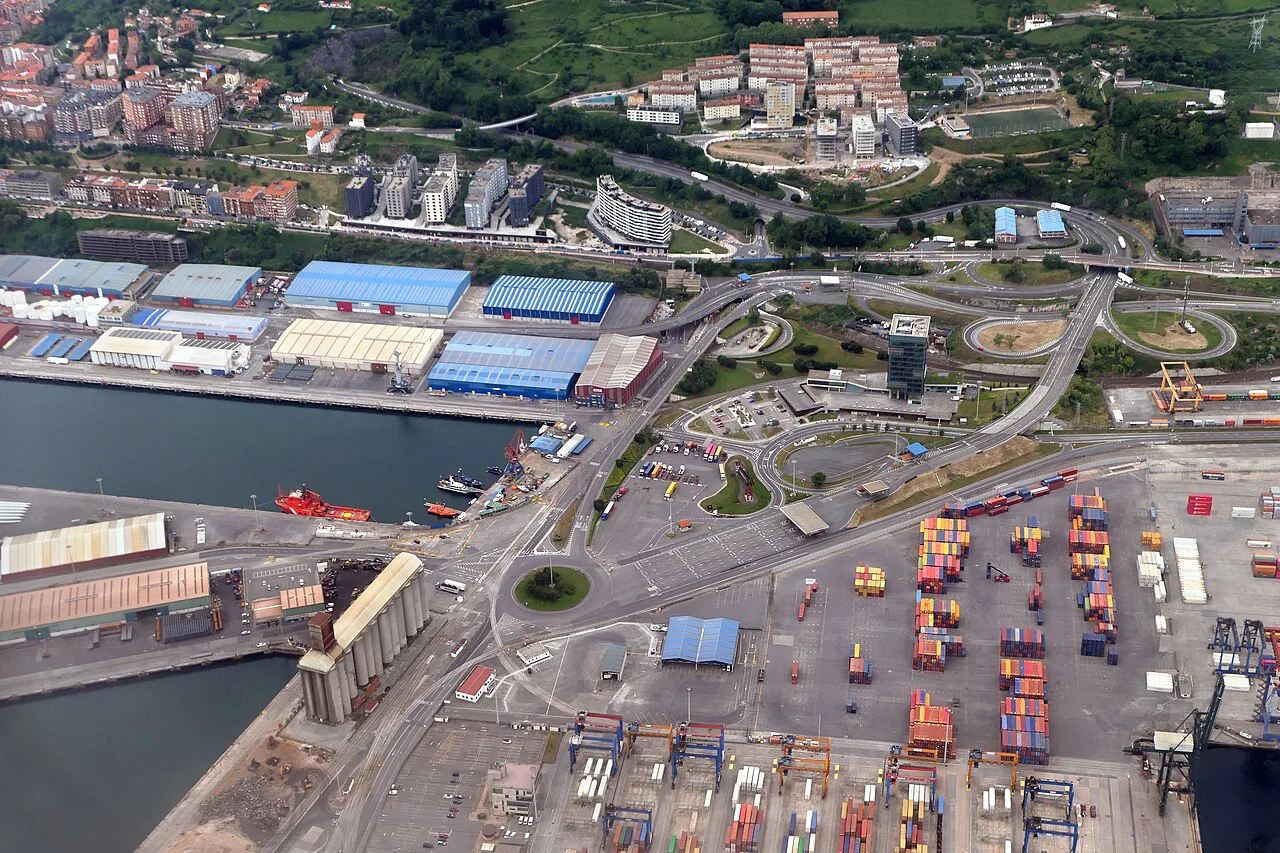
Cruise ships calling at Bilbao use the Port of Bilbao's passenger maritime stations at Getxo, not a quay in the city. The port operates three terminals: the Getxo 1 and 2 Passenger Maritime Stations, which together cover 1,400 square metres with baggage drop-off and collection areas, check-in, a tourist office and a waiting room, and the larger Getxo 3 station at 3,200 usable square metres with the same services.
Boarding at Getxo uses a fixed gangway or, for passengers with reduced mobility, a mobile boarding gangway similar to those used at airports, which lets you reach the first floor of the terminal or the ship without going down to dock level. That arrangement matters on turnaround days when you are moving luggage, and it is one reason to allow more time at the terminal than the pier itself suggests.
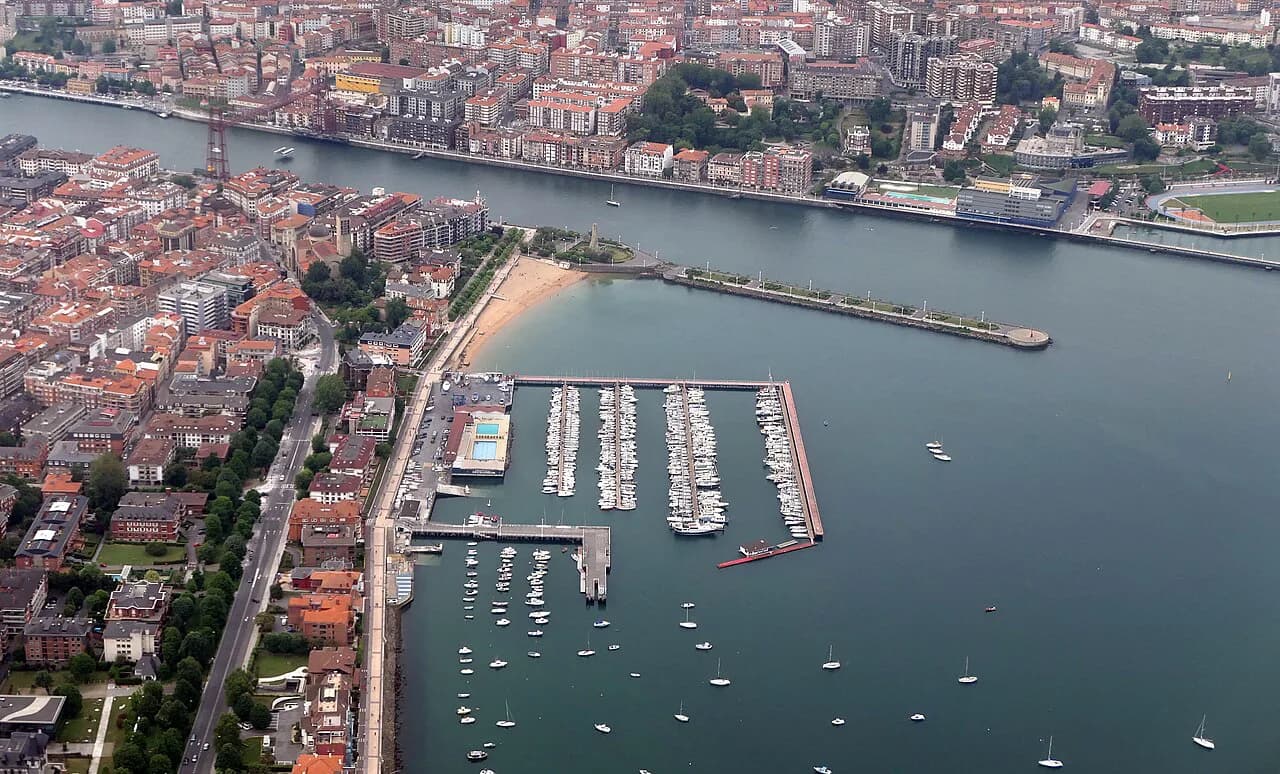
Getxo sits on a residential stretch of coast with a marina and waterfront promenade, so the immediate surroundings are pleasant rather than industrial. The useful planning consequence is simple: everything in Bilbao city centre requires a deliberate transfer, while the Getxo villas and the transporter bridge are on your doorstep. The full layout and terminal detail sits in the bilbao cruise port reference guide.
The distance factor
Treat your excursion choice as a transport decision first. The terminal is about 20 kilometres north of Bilbao city centre, so any tour that includes the Guggenheim or the old town carries a road transfer at each end, and any tour that goes beyond Bilbao carries considerably more.
That distance is why a guided Guggenheim visit and a panoramic drive-past are not interchangeable products even though both mention the museum. A drive-past spends its value on the coach, an entry-included visit spends it inside the galleries, and the old town sits a further hop from the museum. Read the inclusions line by line before you compare prices, and use the Bilbao Cruise Port to the City Centre breakdown to see how the transfer itself works.
If you go independently, the metro from Neguri is the efficient alternative to the ship's shuttle. The walk from the terminal to Neguri station follows a waterfront promenade past mansions and a marina and takes about 20 minutes, a two-zone ticket costs around two euros each way from the vending machines, and the ride to Moyua in central Bilbao takes about 20 minutes.
Ship's tours vs local operators vs going independently
A ship's tour buys you a seat that the cruise line tracks, which is the whole point when the return leg involves a coach on a motorway. It does not buy a guarantee that the vessel waits, and no operator can promise that, so the honest comparison is about how much slack each option builds into the day. Ship tours usually build in the most, because the schedule is set around the sailing time rather than around a fixed afternoon departure.
A local operator or a private guide gives you a smaller group, a flexible route and often a lower headline price, but you own the return. On a Bilbao call the risk concentrates in one place: the road between the city and Getxo. If your tour ends in the old town and you plan to make your own way back by metro, you have removed the coach from the equation and replaced it with a timetable you can read.
Going fully independent is the most flexible and cheapest route, and it suits travellers who want one museum and one meal rather than a circuit. The catch is that you handle the 20-kilometre transfer yourself in both directions. Allow the metro walk at the Getxo end and keep an eye on the clock rather than on the next attraction, because missing the ship is a self-funded problem.
Option 1: Guggenheim and city highlights
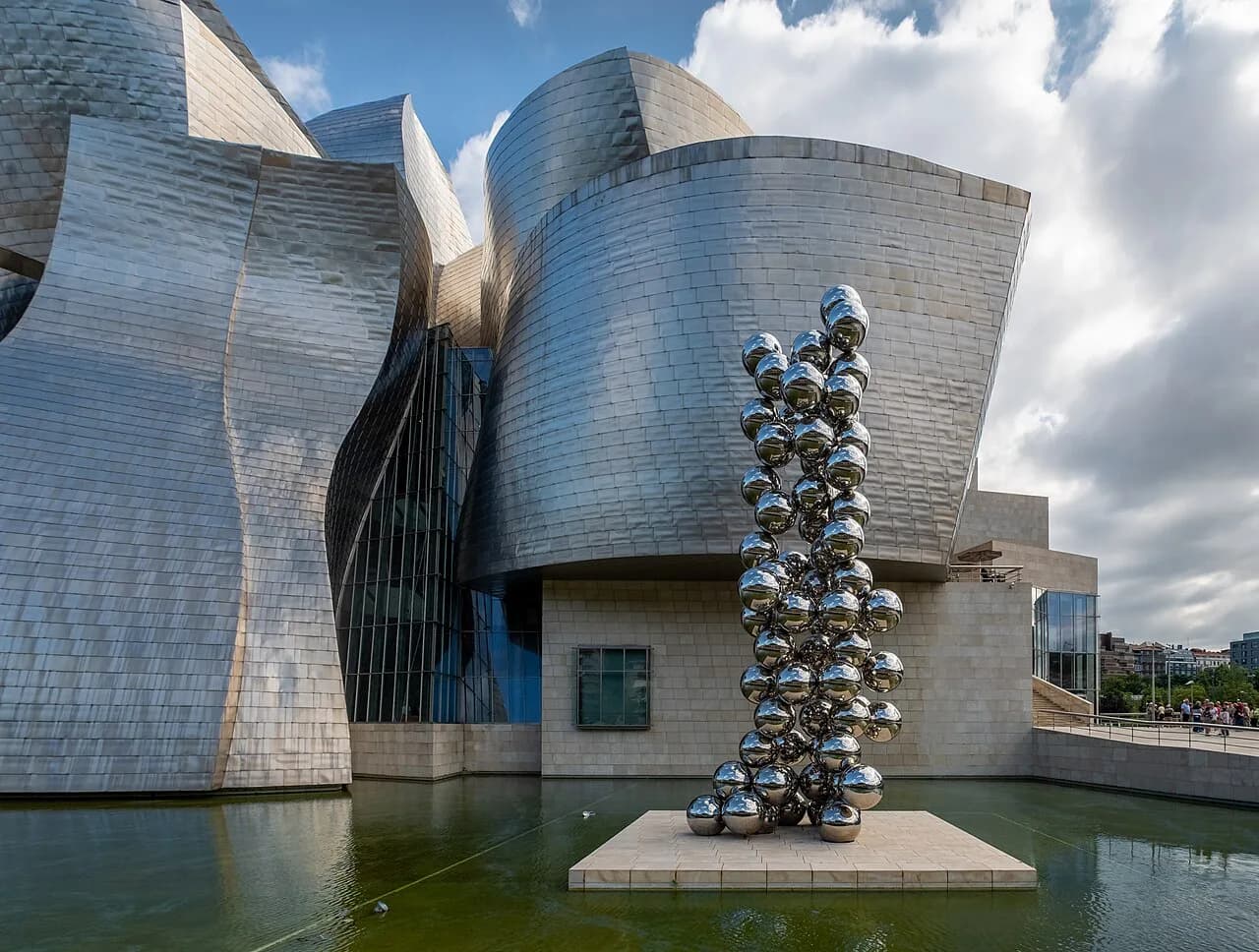
This is the core Bilbao shore excursion and the one most first-time visitors should weigh against everything else. A typical ship offering pairs a guided visit to the Guggenheim with a panoramic element, and independent versions run the same combination with more time inside the museum and less commentary.
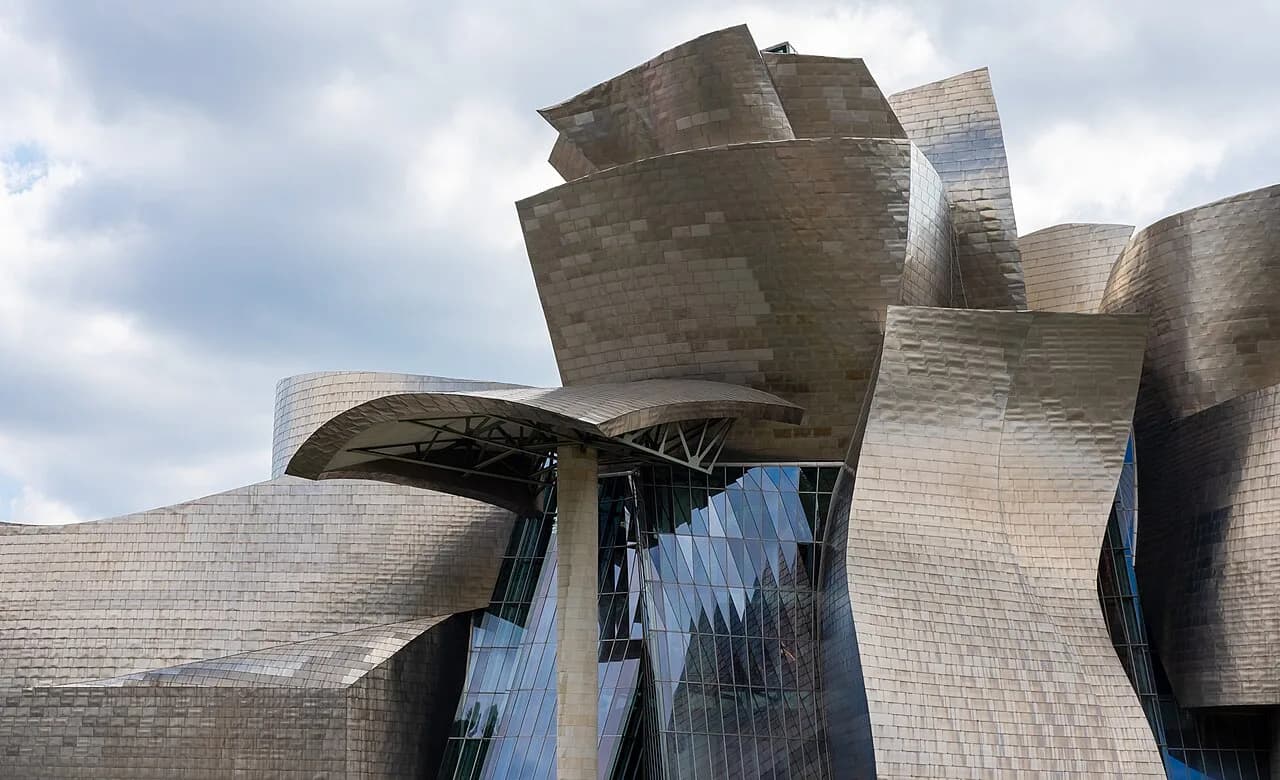
Check whether your tour includes admission or only a photo stop outside. The museum is the reason most people choose Bilbao, and a drive-past that stops for photographs is a different and much shorter experience than a guided walk through the collection. Virgin Voyages, for example, sells both a guided visit and a panoramic drive that includes a photo stop at the museum, which shows how widely the products differ under similar names.
If you are doing it yourself, the shuttle drop-off point used by cruise lines is Plaza Moyua in central Bilbao, which is the point nearest the Guggenheim. From there the museum is a straightforward city walk, and the Bilbao Cruise Port to the Guggenheim guide covers the last stretch in detail.
Option 2: Old Town and pintxos
The Casco Viejo is Bilbao's counterweight to the museum: seven streets of taverns, shops and churches around the Plaza Nueva and the Mercado de la Ribera, with the Arriaga Theatre at the edge of the quarter. Ship tours often combine a walking tour here with pintxos tasting, and a panoramic drive to the museum beforehand, which makes for a full but urban day.
Pintxos tours work well on a port day because eating is the sightseeing. You cover a compact area on foot, you sit down for part of it, and the coach transfer back to Getxo is a known quantity. If you are booking independently, look for a tour that states its meeting point in the old town rather than one that collects you at the terminal, since you will already have paid for the transfer in.
The old town also pairs naturally with the Guggenheim on a longer call, because both sit within Bilbao and the metro connects the city end of the day to Neguri. That combination, museum in the morning and pintxos at lunch, is the classic independent Bilbao day and needs no coach at all.
Option 3: Getxo and the Vizcaya Bridge
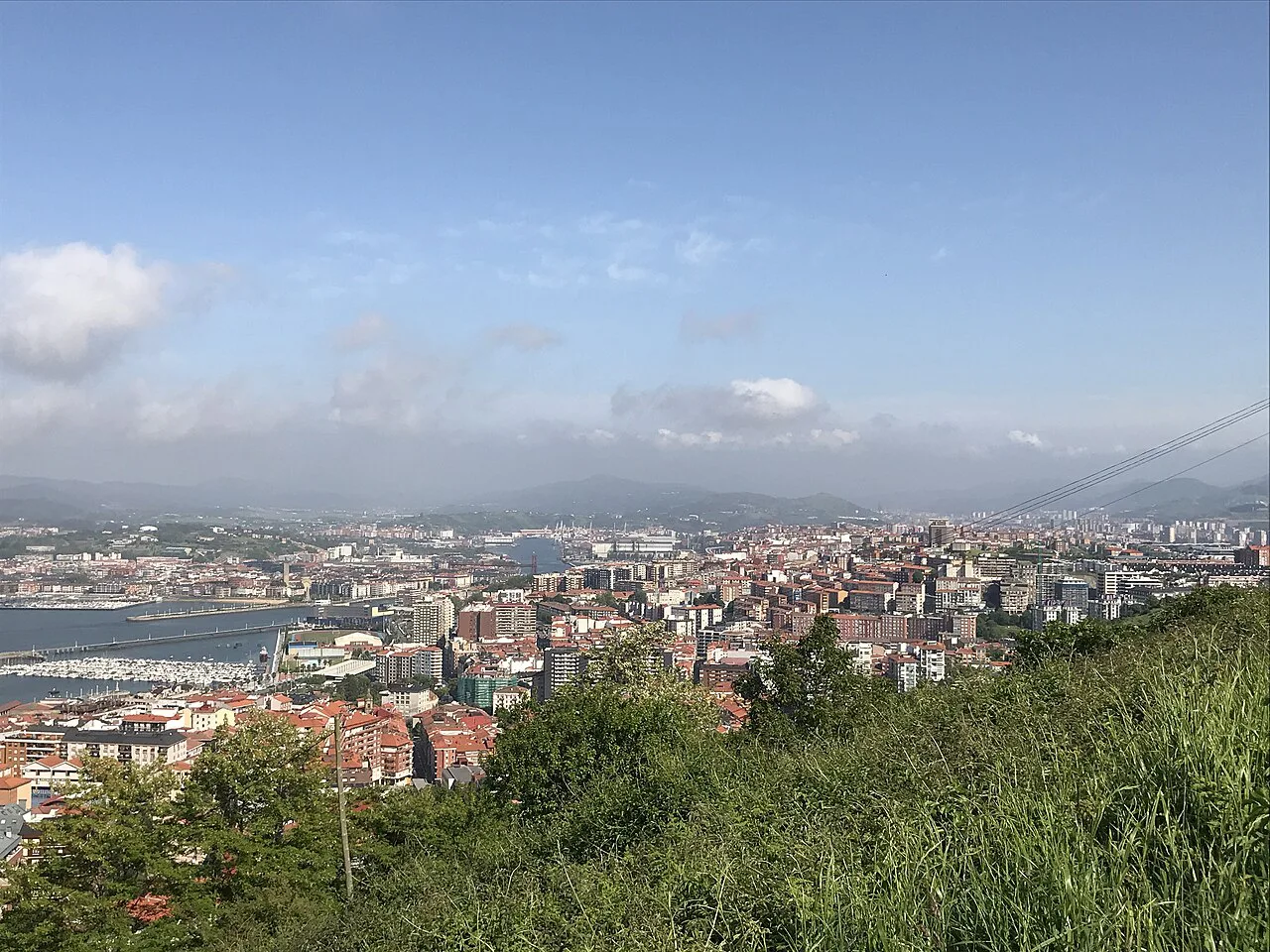
Staying in Getxo is a genuine excursion rather than a consolation prize. The suburb holds 19th-century villas along the coast, and the Puente de Vizcaya, a transporter bridge carrying people and vehicles across the river in a suspended gondola, is a UNESCO World Heritage site. Virgin Voyages runs a shore excursion built around the villas, the bridge and the old town, and a cycling version of Getxo that keeps the whole day close to the berth.
The advantage is time. Nothing here requires a 20-kilometre transfer, so a short call that would be stressful in Bilbao is comfortable in Getxo, and you can return to the ship early without writing off the day. For passengers who have already seen the Guggenheim, or who are travelling with someone who finds long coach rides difficult, this is the sensible choice.
It also works as a half-day that you extend. Take in the promenade and the marina on foot, cross or view the bridge, then decide over lunch whether the city is worth the metro ride. The decision stays open because the ship is minutes away rather than a coach journey away.
Option 4: San Sebastián day trips
San Sebastián is about 101 kilometres and 63 miles from Bilbao, and the fastest practical link is the bus, which takes about one hour and 15 minutes each way. That is roughly two and a half hours of travel before you count getting from Getxo to the Bilbao bus station, so a San Sebastián tour consumes most of a standard port call.
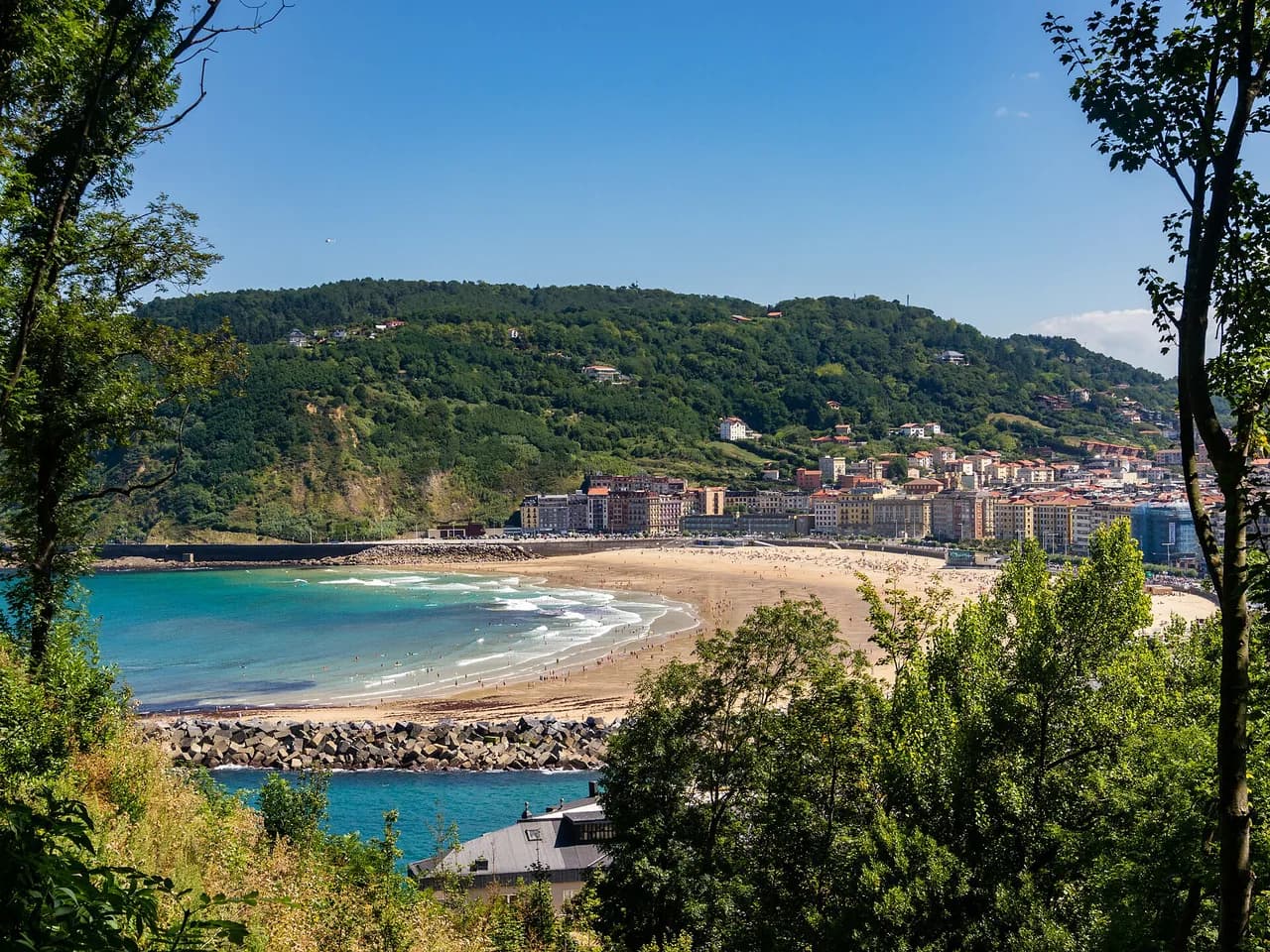
What you get for that transfer is a compact city of belle époque streets, the Playa de la Concha promenade and a dense old town of pintxos bars, plus some of the most celebrated restaurants in Spain. What you give up is any time in Bilbao itself. Book this option only if you have already seen the Guggenheim or have no interest in it, and never on a call shorter than a full day.
Ship tours to San Sebastián carry the coach risk in both directions, and the return leg is where the buffer lives. If you build the day yourself, the bus from Bilbao's city bus station to the Donostia station is the reliable pattern to plan around; the Bilbao Port to San Sebastián guide sets out that route from the terminal.
Option 5: Rioja and txakoli country
Wine tours from Bilbao split into two families: Rioja vineyards to the south, and the local txakoli cellars of the Basque coast. Both involve substantial driving, and both suit travellers who care more about the countryside than about the museum. Virgin Voyages, for example, sells a Gernika and txakoli cellar tour and a separate Rioja and vineyards excursion from Bilbao, which illustrates how far apart the two days are on the map.
The txakoli option is the gentler of the two. Gernika sits within Bizkaia, so the transfer is shorter and the day can include a visit to the town's assembly house and the Park of the Peoples of Europe before a cellar tasting of the local dry white wine and cheese. Rioja is a longer run and returns you to the ship with less slack, which is exactly the sort of day a ship's tour handles better than a self-drive plan.
Read the tasting and driving schedule carefully when comparing prices. A day with three wineries is not the same product as a day with one cellar and a town visit, and on a port call the number of stops usually reflects the driving rather than the generosity of the tour.
Doing Bilbao independently
The independent day has three moving parts: the transfer in, the sights, and the transfer back. Cruise lines commonly run a shuttle to Plaza Moyua in central Bilbao, with fares typically in the region of fifteen to twenty euros per person, but availability and timing are announced on board rather than published in advance, so treat the shuttle as a convenience rather than as your plan.
The metro is the dependable fallback. Walk the promenade to Neguri, buy a two-zone ticket at the machine, and ride to Moyua; the whole transfer is cheap, frequent and independent of the cruise line's decisions. The one thing you cannot skip is the 20-minute walk at the Getxo end, which you must repeat on the way back.
Taxis are the third option and the one to price at the pier rather than assume. Ask the driver for the return fare before you set off, and agree a pickup time and place in the city if you want a door-to-door day. For a fuller comparison of transfer costs and timings, work through the Bilbao Cruise Port to the City Centre page before you commit.
Matching excursions to a 6-, 8- and 10-hour call
On a six-hour call, stay close. Getxo and the Vizcaya Bridge fill the time comfortably, and an independent dash into Bilbao for the Guggenheim exterior and a quick old-town walk is possible but tight once you subtract the transfer in both directions and the return buffer. Do not book a San Sebastián or Rioja tour into a call this short.
On an eight-hour call, the Guggenheim or a Casco Viejo pintxos walk is the right shape, with a guided visit giving you one anchor sight and a free hour. A combined museum-plus-old-town day works if the tour handles both transfers; building it yourself is feasible but leaves little room for a delayed metro or a slow lunch.
On a ten-hour call, you can consider a wider Basque day. San Sebastián becomes realistic as a ship's tour with the coach doing the work, and the Rioja vineyards open up as a long but genuine option. Even then, the return buffer is not optional: plan to be back at the Getxo terminal well before all-aboard rather than exactly at it, and treat the last hour as untouchable.
Accessible and reduced-mobility considerations
The Getxo terminals are built with accessible routes from the public street to the interior of the station, and the port publishes details of lifts, wide circulation routes and adapted counters at check-in and passenger control. Boarding for passengers with reduced mobility uses a mobile gangway that avoids the dock-level stairs, which makes a difference at the end of a long excursion day.
The bigger consideration is the excursion itself. A Getxo day involves pavements and the waterfront promenade with no coach transfer, while a Bilbao day adds a road journey and a city walk of variable pace, and a San Sebastián day adds several hours of coach time. Match the day to the walking and sitting your group can actually manage, and tell the tour operator about mobility needs when you book rather than at the meeting point.
Which excursion to book
For art, book a Guggenheim visit that includes admission rather than a drive-past. For food, book a Casco Viejo and pintxos walk and treat the eating as the sightseeing. For coast, stay in Getxo and see the villas and the Vizcaya Bridge, which is the lowest-risk way to spend a port day here and no less rewarding for it.
For countryside, accept that San Sebastián and the wine routes are long-transfer days and book them only against a generous call. The wider Basque Country is the reward, but the ship's schedule is the constraint.
Whichever you choose, decide the transfer before you decide the attraction. That one habit turns a rushed Bilbao call into a well-paced day, and it is the difference between seeing the Guggenheim and merely passing it.
Plan Your Visit
Start with your hours in port, then pick the excursion that matches them: Getxo and the bridge on a short call, the Guggenheim or the old town on a standard one, and San Sebastián or Rioja only when the day is long enough to absorb the drive. Confirm your ship's actual arrival and departure times and the all-aboard time before booking anything.
If you are going independent, rehearse the return leg before you leave the terminal: the promenade walk to Neguri, the metro ride to Moyua, and the same route in reverse. That route is your insurance, and it costs less than a coach seat. Add the Cádiz Shore Excursions comparison if you are calling at other Spanish ports on the same itinerary, since the same transfer-first logic applies there.
Frequently Asked Questions
Are Bilbao shore excursions worth booking, or can I do Bilbao independently?
Both work, and the deciding factor is the transfer from Getxo. Independent travel by metro from Neguri is cheap and predictable, and the shuttle drop-off at Plaza Moyua puts you near the Guggenheim. Ship tours buy tracked transport for the return leg, which matters more on long days such as San Sebastián or the Rioja vineyards.
How far is the Bilbao cruise port from the Guggenheim?
The terminal sits in Getxo, about 20 kilometres from Bilbao city centre, so the Guggenheim is not a walk from the ship. You reach the city by ship shuttle, by taxi, or by metro from Neguri station. Plan the transfer in both directions before you decide how much time you have at the museum.
Can you visit the Guggenheim independently from a cruise ship?
Yes. Take the shuttle or the metro into the city and buy your museum admission directly, or join a guided visit if you want the collection explained. Check whether a ship tour includes admission or only a photo stop outside, because the two products are very different in time and value.
Is San Sebastián worth it on a Bilbao port day?
Only on a long call, and only if you have already seen Bilbao or have no interest in the Guggenheim. The city is about 101 kilometres away, and the bus takes around one hour and 15 minutes each way. A San Sebastián day is mostly travel plus a compact city visit, and the return buffer should be generous.
How do you get from the Getxo cruise terminal into Bilbao?
Cruise lines commonly run a shuttle to Plaza Moyua. The alternative is a 20-minute walk along the waterfront to Neguri metro station, then a train of about 20 minutes to Moyua, with a two-zone ticket bought at the vending machine. Taxis are available at the terminal and worth pricing before you set off.
Should you book a ship tour or a local operator in Bilbao?
Ship tours build the return schedule around the sailing time, which matters on long transfers to San Sebastián or the wine country. Local operators and independent travel give you flexibility and usually lower prices, but you own the return journey. Choose ship transport for long days and independent travel when you are staying in Bilbao or Getxo.
What is the closest shore excursion to the Bilbao cruise terminal?
Getxo itself. The 19th-century villas, the marina and the Vizcaya transporter bridge are reachable from the terminal without a long transfer, which makes them the lowest-risk option on a short call. Several cruise lines sell Getxo and Vizcaya Bridge excursions that keep the day close to the berth.
Can I do a Rioja wine tour on a Bilbao port call?
Yes, on a long call, and best as a ship tour because the driving is substantial. The shorter alternative is a txakoli cellar tour in Bizkaia, often combined with Gernika, which uses less of the day on the road. Compare the number of stops and the return time before booking.
Sources
Port-day notes for your next cruise
Optional updates to our port guides.
You might also like
Continue reading
More guides you'll find useful