Cádiz Shore Excursions: Seville, Jerez or the Old Town?
Compare Cádiz shore excursions by time and distance: Seville, Jerez, or the walkable old town, with ship tours, small-group operators, and DIY trains.
On this page
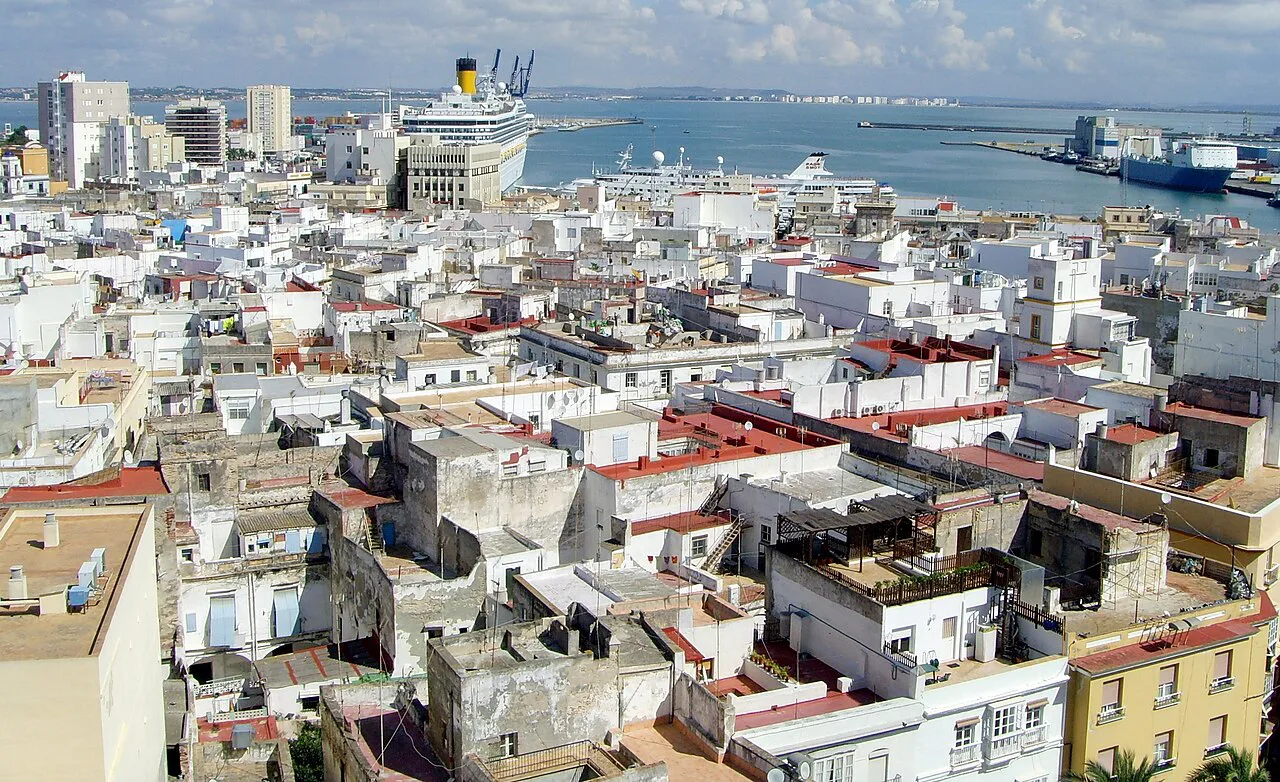
Cádiz hands you something rare on a cruise itinerary: a historic city that begins at the terminal gate, so a short call can still be a good day. The real question is whether to spend your hours on the cathedral, market and seafront a few minutes away, on sherry bodegas in Jerez, or on a long transfer to Seville. Matching the excursion type to your actual hours in port matters far more than picking the most famous name on the list.
Where ships dock and how much time you actually have
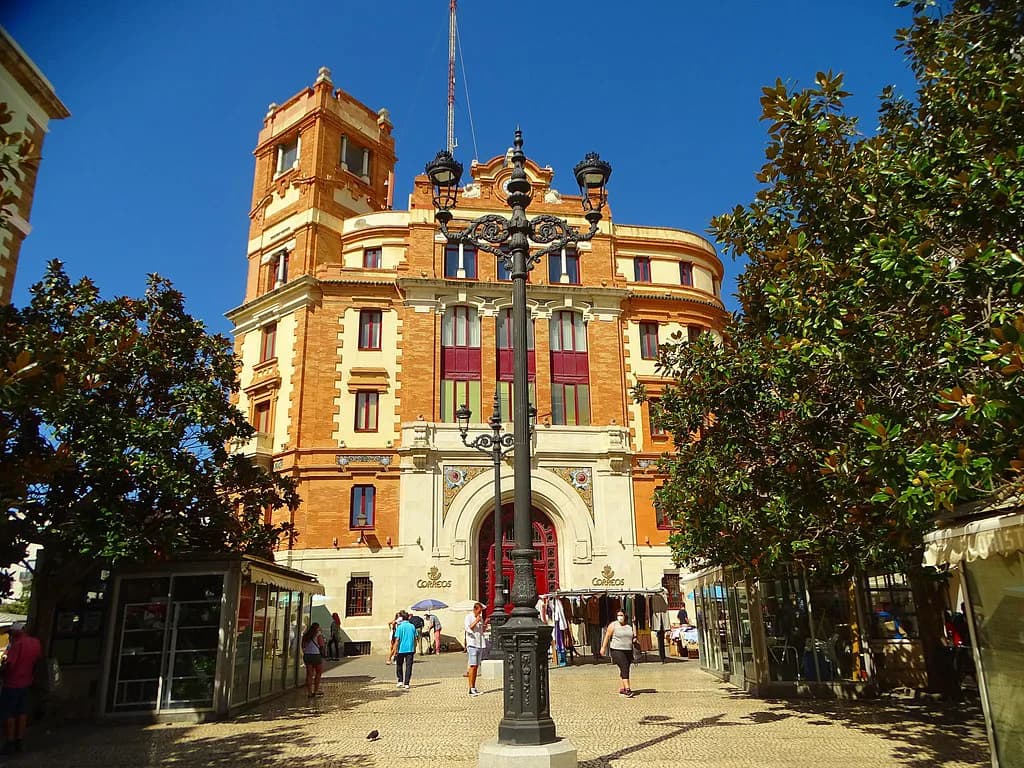
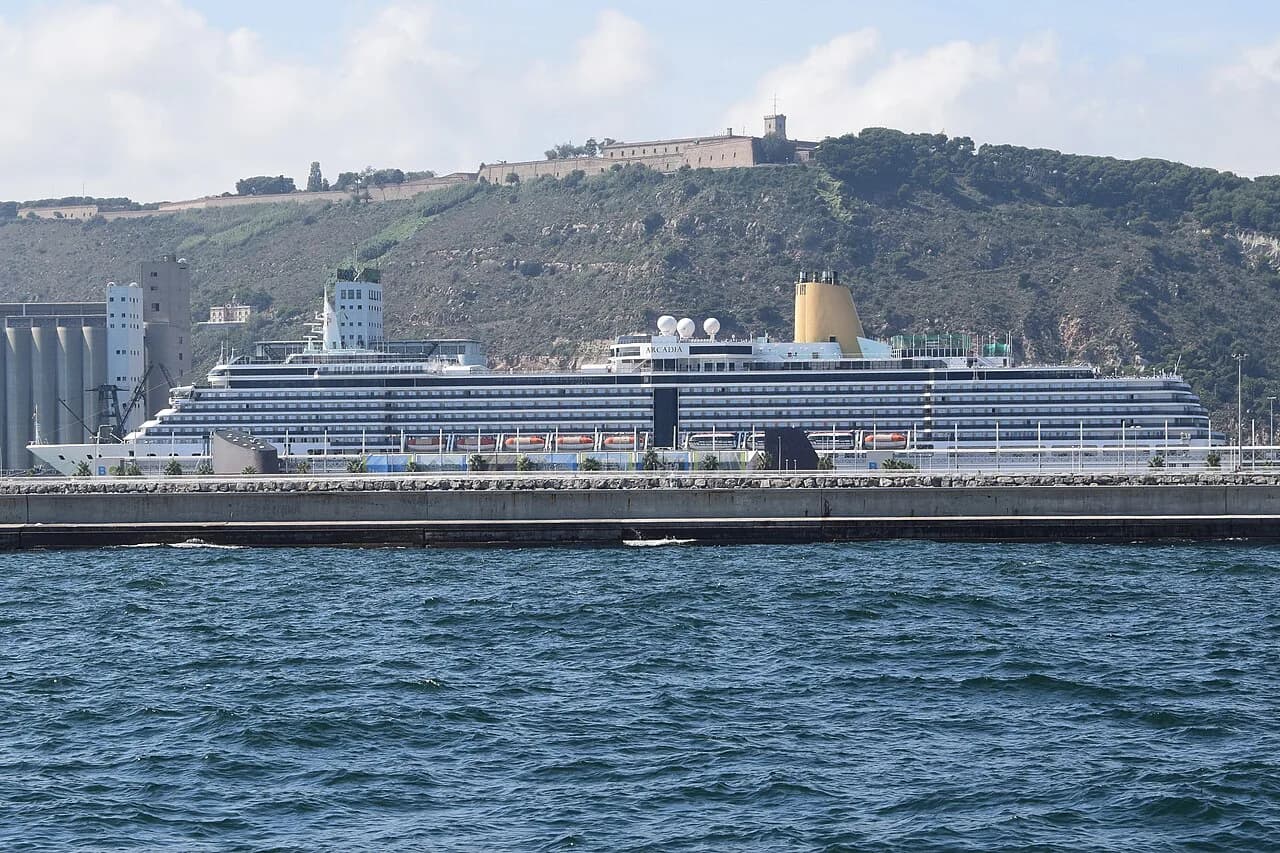
Cruise ships and ferries berth almost in the middle of Cádiz, alongside Muelle Alfonso XIII, with the old town and Plaza de San Juan de Dios just across Avenida del Puerto. The terminal building covers roughly 1,300 square meters with a waiting hall, tourist information desks handing out free city maps, luggage storage, Wi-Fi and cafés. That layout means you do not need a shuttle or a tour bus to reach the main sights, which is exactly why the old town works on even a short call.
Your usable time is shorter than the published call. On one sailing, the ship reached Cádiz harbor at 7AM but passengers were held until nearly 8AM for Spanish customs and formalities, which is a useful reminder to build clearing the terminal into your plan. Check your daily programme for the all-aboard time rather than the departure time, and treat the gap between them as your true deadline.
A shuttle bus to the port entrance may run when several ships are in port, but for central sightseeing you can generally walk straight out and into the old town. The railway and bus stations sit near the harbor, which makes an independent Jerez trip practical without booking anything through the ship.
Distances and travel times at a glance
The old town, cathedral, market and Plaza de España are a five-to-ten-minute walk from the berths, and La Caleta beach is about 2 km, or 25 to 35 minutes each way on foot. Jerez de la Frontera is roughly 35 km away with train journeys commonly taking about 45 to 55 minutes each way. Seville sits about 120 km out, and road or rail journeys usually run 1.5 to 2 hours in each direction.
The arithmetic decides the day: Seville can consume three to four hours of transport alone, so it fits mainly during a long port stay. Jerez is the middle ground for calls of moderate length, and the old town needs no transport at all. The same trade-off between a nearby historic core and a far-off headline sight shapes bilbao shore excursions, where the Guggenheim and Old Town sit close to the berth.
Option 1: Cádiz on foot
The compact old town is almost surrounded by sea and mostly flat, with stone paving that is manageable for most passengers, though cathedral towers and fortifications involve stairs. Allow three to five hours for the cathedral, the El Pópulo quarter, the Roman Theatre, the Central Market and the main plazas. A self-guided loop of about 3 km takes roughly 45 minutes of pure walking but warrants two and a half to four hours with stops.
Walking times from the ship are short: Plaza de España in about five minutes, and La Caleta beach in around 25 minutes past the Parque Genovés and Alameda Apodaca gardens. Some of that promotion is puffery, but the on-foot geography is genuinely forgiving. For passengers with limited mobility, the plazas and waterfront deliver a full day without climbing anything.
A coastal circuit of about 6 km runs from the cathedral along the Campo del Sur sea wall to La Caleta and the Castillo de Santa Catalina, through Parque Genovés and back past the Alameda Apodaca. It is moderate rather than hard because of length and sun exposure on the waterfront, so bring sun protection and shoes suited to stone paving.
Option 2: Jerez by train or taxi
Jerez is known for its historic center, sherry bodegas and equestrian traditions, and trains commonly take around 45 to 55 minutes each way from Cádiz. The railway station is near the harbor, so you can walk from the terminal, buy a ticket and be in Jerez without pre-booking a transfer. Reserve any timed bodega tour or horse show in advance and choose a return train with a generous margin before all-aboard.
The Cruise Addicted guide puts trains to Jerez at about 35 minutes and quotes a taxi tour of roughly 140 euros for three hours to Jerez, figures that are estimates rather than fixed rates. Treat those numbers as a ballpark and confirm the meter or fixed price with the driver before setting off. Where a taxi removes the schedule risk for a group of four, the per-person cost can compare reasonably with the train, although you trade flexibility for door-to-door time.

Option 3: Seville for the day
Seville holds three UNESCO World Heritage Sites: the cathedral, the Alcázar palace complex and the General Archive of the Indies. Those sights sit in a dense historic core, which is why a day there feels rich when it goes smoothly and frantic when the transport runs late. The honest test is your hours ashore: with a call shorter than about ten hours, the round trip leaves too little time for the monuments that justify the journey.
Renfe services between Cádiz and Seville vary from about 1 hour 23 minutes to 1 hour 41 minutes depending on the train, though independently booked travelers on a slower stopping service reported roughly 90 minutes each way. The critical choice is your arrival station: most trains stop at Santa Justa, the main station, which leaves about a 2.5 km walk to the Plaza de España area. Trains stopping at San Bernardo put you about 900 m from the same area via Avenida de Portugal, so check the schedule for a San Bernardo stop if you plan to walk.
For a short call, an organised Seville excursion reduces the risk inherent in independent travel, since station-to-sight distances and train frequency are the main complications. A local operator picks up at the port and returns you to the ship, but no operator can guarantee the vessel will wait if you are late. The walk from San Bernardo to the old city is pleasant but adds distance, which matters when your afternoon is already tight.
Ship tours, local operators and going it alone
Cost is where the gap is sharpest. One traveler reported a Renfe round trip at 23.50 euros per person, against ship excursions priced from 119 to 329 euros, though those figures reflect a specific sailing and are indicative rather than current. Spain Day Tours publishes a small-group Seville excursion at 89 euros per person, with transport from the port, an English-speaking guide and free time in the city, and admission to the Alcázar at about 16 euros extra. That is roughly half or a third of many ship-tour prices, with groups of around 12 to 18 per guide rather than 40 to 50.
Independent travel gives you freedom over where you linger, but the schedule risk is yours alone. Local buses, hop-on hop-off buses and taxis are available near the terminal if you prefer to limit walking, and taxis serve Jerez or Seville for those who want to skip the station logistics. The decision comes down to group size and temperament: families and mobility-limited passengers tend to prefer a tour, while confident train travelers can handle the old town or Jerez alone.
Getting to the Cádiz railway and bus stations
The walk from the cruise pier to the train station at Plaza Sevilla is about 1 km, and port authorities may require you to take the shuttle bus to the port entrance first. From there, walk down Avenida del Puerto to Plaza de Sevilla and the ADIF-Renfe station, where there is both a ticket counter and ticket machines. Machines are faster when the counter is busy, but the machines we used required a contactless card, and the counter reader also rejected our cards, so carry cash as a backup.
If you are comfortable with Jerez and want to avoid Seville's distances entirely, the station is near enough to reach on foot from the berths, saving taxi fare. The cruise port guide puts the station about a ten-minute walk, which keeps Jerez accessible even on a moderate-length call.
How long you need: sample plans for 6, 8 and 10 hours
On a six-hour call, stay in Cádiz: the cathedral, the market, Plaza de las Flores and a tapas stop fill an unhurried morning without transport risk. On an eight-hour call, walk the old town in the morning and continue along the seafront to La Caleta, or take the short train to Jerez for a bodega visit that reserves a fixed time. Anything longer than ten hours opens the Seville option, ideally with a booked tour that picks up at the port.
For a ten-hour call, Seville is realistic only if the transport is reliable and your arrival station puts you close to the sights. A relaxed option is a shorter walk to the cathedral, tower and market in the morning, then La Caleta in the afternoon with a drink at the flamenco club end of town. The itinerary does not have to be maximised, and the best rule is to see the city two ways before you decide.
Return-time buffer and all-aboard discipline
Plan around the all-aboard time, which is normally thirty minutes or more before departure. For Jerez, take a train that gets you back at least an hour before all-aboard, and for Seville at least ninety minutes, because delays on long-distance legs are compounding. If several ships are in port, allow extra time at the station and the port gate.
Set two alarms on your phone, one for leaving your location and one for the walk back from the station. Keep your cruise card and passport handy for the port gate security check, and note whether the taxi drop-off is at the terminal or the port entrance. That small detail can eat ten minutes you did not budget.
Where to eat without missing the ship
Tapas bars and seafood restaurants cluster near Plaza de la Catedral and the Mercado Central, and the guide quotes tapas at roughly three to five euros and a glass of sherry at two to three, which is enough for a solid, quick lunch. Local specialities include pescadito frito and caldillo de peros, and the market area is the simplest place to eat before you head back.
Spanish mealtimes run late, with lunch often from 2 to 4 pm and dinner after 8 pm, which can clash with an all-aboard time in the late afternoon. Many shops and some eateries close from about 2:30 to 5:30 for siesta, so eat early if you have an afternoon departure. A market food stall or tapas counter is faster than a full sit-down restaurant.
The Verdict
Cádiz is forgiving enough that a short call does not need an excursion at all, and the old town, market and seafront fill a day on foot. Reserve Jerez for calls of medium length and a bit of spirit of adventure, and Seville only for long days where the transport does not eat half your time ashore. Whichever you choose, book transport early, keep cash for tickets, and set your deadline by all-aboard, not by sailing time.
Frequently Asked Questions
Are Cádiz shore excursions worth it?
For Seville, an organised excursion makes sense because the round trip by road or rail uses three to four hours and the city is 120 km away. For Jerez, independent trains are practical. For Cádiz itself, the old town begins a short walk from the berth, so a paid excursion adds little beyond a guide. Compare the cost and group size before deciding.
Can you do Seville from Cádiz on a cruise?
Yes, but only on a long port call. Seville is about 120 km from Cádiz, and road or rail journeys usually run 1.5 to 2 hours each way, which leaves a realistic window only when the stop stretches well beyond ten hours. On shorter calls, Jerez or the old town are better uses of the time.
How far is Seville from the Cádiz cruise port?
About 120 km, which translates to 1.5 to 2 hours by road or rail each way. The Renfe service varies by train, and the arrival station matters: Santa Justa is the main station about 2.5 km from the Plaza de España area, while San Bernardo is closer at about 900 m for trains that stop there.
Is Jerez worth visiting from Cádiz?
Jerez gives you a historic center, sherry bodegas and equestrian traditions, and trains can make the trip practical on a moderate-length call. Some trains to Jerez take about 45 to 55 minutes each way, though the guide also lists about 35 minutes, which suggests service patterns vary between stations. Check the schedule on the day and book any timed bodega visit in advance.
Can you explore Cádiz without an excursion?
Yes, easily. Ships dock alongside Muelle Alfonso XIII, and the old town, including the cathedral, Roman Theatre and market, is a five-to-ten-minute walk from the berths. A 3 km self-guided loop takes about 45 minutes of pure walking, though most passengers spend two and a half to four hours with stops.
How much do Cádiz shore excursions cost?
Prices vary by operator and sailing date. Spain Day Tours lists its small-group Seville excursion rate on its own booking page, including what the Alcázar admission adds, and the cruise line publishes its tour prices in the shore-excursion planner for your voyage. Compare those published figures for your date rather than relying on older numbers.
How much time do you need to get back to the ship in Cádiz?
Aim to return at least an hour before all-aboard for a local trip and around ninety minutes for a long-distance leg such as Seville. The all-aboard time matters more than the sailing time, and the port call can gain or lose time at the start depending on customs clearance, so set two alarms and plan the walk back from your arrival point.
What is the best Cádiz shore excursion for short port calls?
On calls under about six hours, stay in the city. The old town, cathedral, Central Market and Plaza de las Flores are close together and mostly flat, and La Caleta beach is about 2 km away. An excursion adds transit time you cannot spare on a short call.
Sources
Port-day notes for your next cruise
Optional updates to our port guides.
You might also like

Continue reading
More guides you'll find useful