Bilbao Cruise Port Guide: Terminals and Port Day Plans
Ships dock at Getxo, outside Bilbao. Learn how the terminals work, how to reach the Guggenheim and old town, and what fits a short call.
On this page
A Bilbao port day splits into two halves: the Basque city with its Guggenheim, seven-street old town and pintxos bars, and the river-mouth district of Getxo where your ship actually ties up. Knowing which half you are in at any moment is the whole planning problem, because the distance between them eats into your hours ashore.
The city rewards a slow half-day: contemporary art on the riverfront, a walk through the Casco Viejo, a plate of pintxos at Plaza Nueva. The coast rewards a short one: the Vizcaya Bridge, the villas of Getxo and the promenade above the bay. This guide treats Getxo as your starting point and builds the day outward from there.
What the port day offers and who it suits
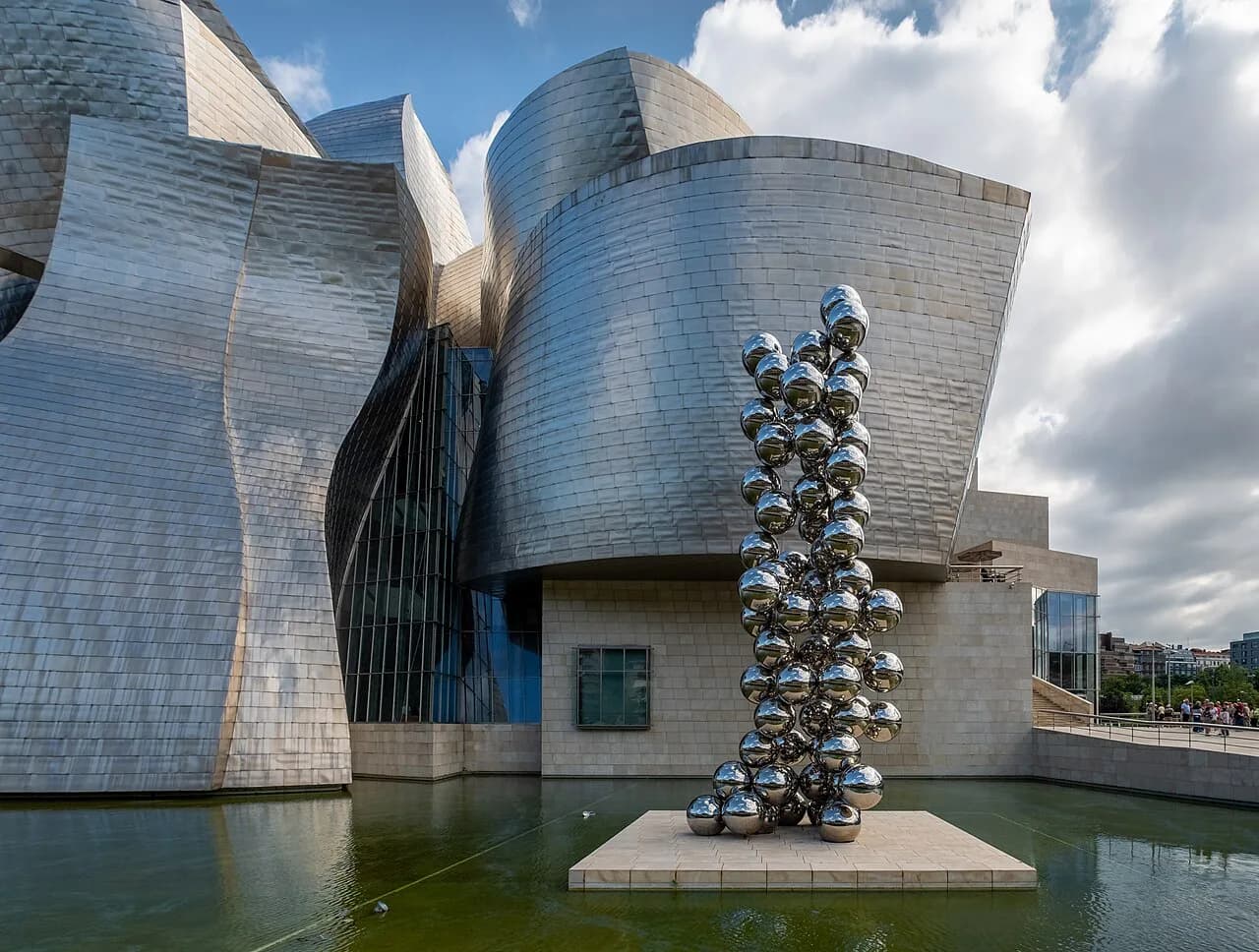
Bilbao is northern Spain with a northern temperament: cool, green and built on iron and shipbuilding rather than beach tourism. The Basque Country's food culture runs through it, from txakoli white wine to pintxos counters, and the Guggenheim gave the city its modern landmark on the Nervión.
It suits passengers who want a real city rather than a resort: museum time, an old-town wander, a market hall and a long lunch. It also suits anyone curious about the coast beyond the city, since Getxo itself holds the UNESCO-listed Vizcaya Bridge, a transporter bridge that carries people across the river in a suspended gondola.
What it does not suit is a swim-and-sunbathe plan. Temperatures average in the 50s Fahrenheit in winter and the 60s to 70s in summer according to the cruise line's own guide, so pack a layer and expect changeable skies.
Where ships dock: the three Getxo passenger maritime stations
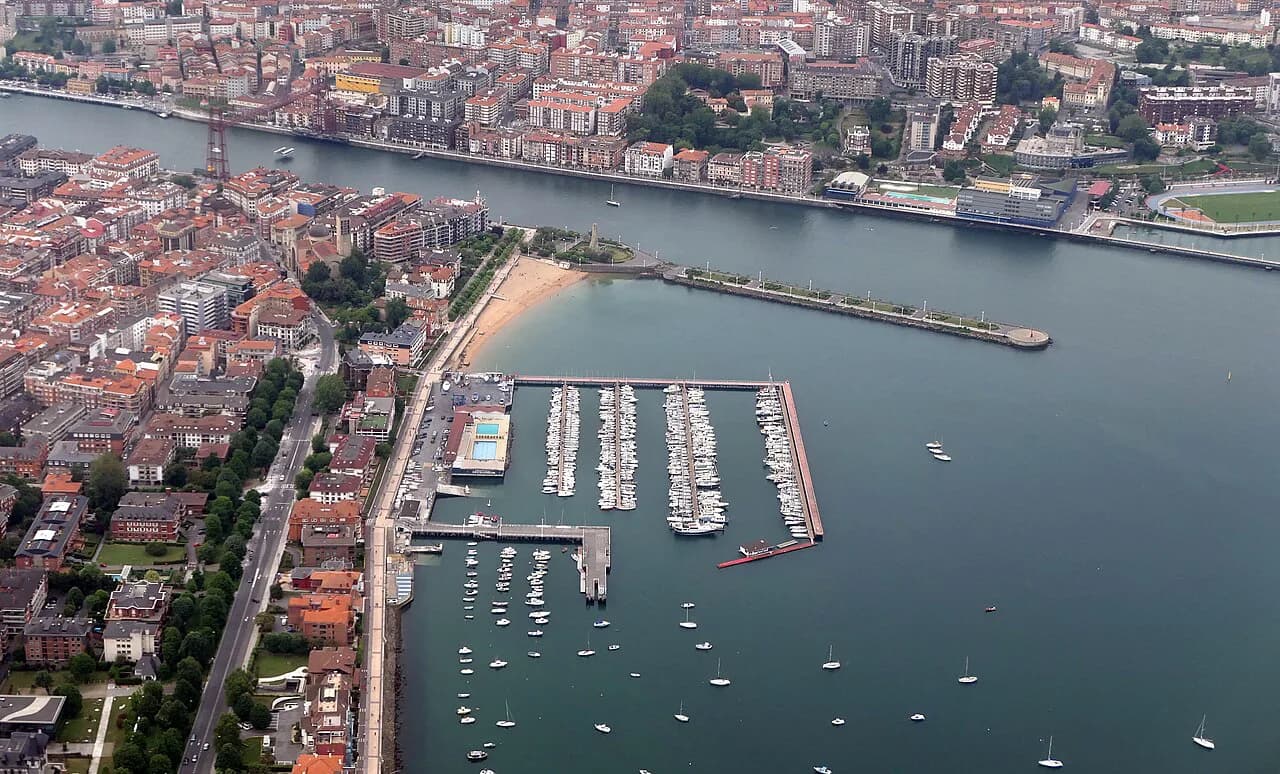
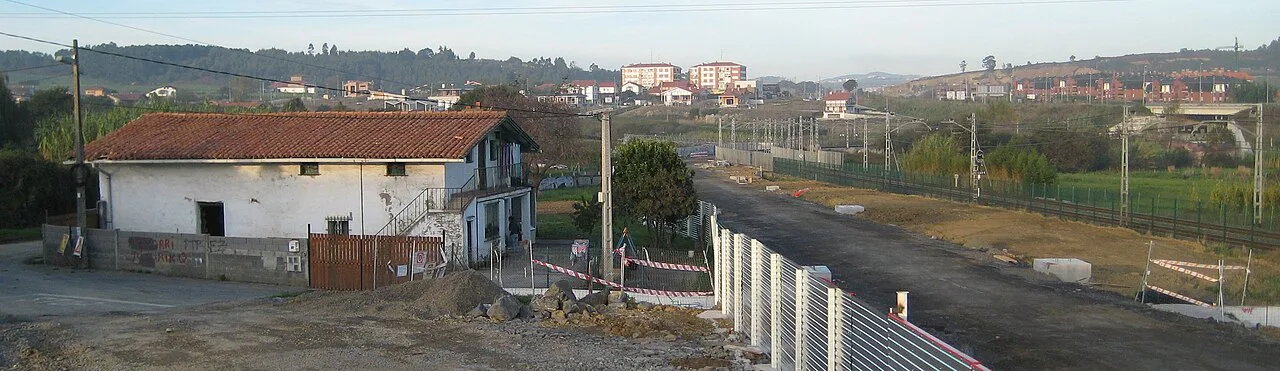
Cruise ships calling at Bilbao use the port's passenger maritime stations at Getxo, at the mouth of the Nervión rather than in the city centre. There are three: Getxo 1 and Getxo 2, which together cover 1,400 square metres and share baggage drop-off and collection areas, check-in, a tourist office and a waiting room, and the larger Getxo 3 station, 15 metres high with 3,200 usable square metres and the same services.
Which station your ship uses is assigned by the port and cruise line, not chosen by passengers, and boarding at Getxo 3 can involve a mobile boarding gangway similar to the ones used at airports, giving step-free access to the first floor or directly to the ship. If you have reduced mobility, tell your cruise line in advance so the right gangway and terminal route are arranged.
Because the terminals sit at Getxo, everything in the city — the Guggenheim, the Casco Viejo, the Ribera market — requires a transfer. Build that into the plan before booking any timed museum entry. The dedicated guide to the cruise port to city centre route sets out the options on the ground.
How far Getxo is from Bilbao and what that means for your hours
Getxo sits downriver of Bilbao where the Nervión meets the sea, so your time budget starts with the transfer rather than with the first sight. Treat the journey as a fixed cost you pay twice, once out and once back, and subtract it before deciding between the Guggenheim and the old town.
Plan the day around one anchor sight and let the rest of the time fill in around it. If the Guggenheim is your priority, buy any timed ticket for a slot that leaves a generous margin after your arrival transfer; if the old town is your priority, skip the museum interior and use the riverfront walk instead. The dedicated Guggenheim transfer guide is the place to work out the route.
A short call of six hours or less is where this geography bites hardest. In that window, staying in Getxo for the Vizcaya Bridge and the seafront is a legitimate day rather than a consolation prize, and it removes the risk of a long return leg entirely.
Getting into town: ship transfer, bus, metro, taxi and the port shuttle question
Start with what your cruise line sells: a transfer or shuttle between the ship and the city is the simplest option and is usually priced with the excursion. Confirm the meeting point, whether it is a round trip and the last departure back to Getxo before you rely on it, because those details determine whether the service actually protects your day.
The metro and local bus networks connect Getxo with Bilbao, and taxis wait at the terminals, but published fares, timetables and journey times vary by season, so check the Biscay tourism office and operator timetables on the day rather than relying on a planning estimate. The route-by-route guide to the city centre transfer covers the practical choices.
If you go independent, the essential rule is to know your own return leg before you leave the terminal in the morning. Identify the last sensible service back to Getxo, note where it departs in the city, and aim to be at the ship well inside the all-aboard time your cruise line publishes, since the ship will not wait for independent travellers.
Terminal facilities: check-in halls, baggage areas, parking and the tourist office
Both sets of stations handle the full turnaround flow: baggage drop-off and collection, check-in, a tourist office and a waiting room, plus passenger control, security and passport checks before you reach the ship. Getxo 1 and 2 share their two baggage areas, while Getxo 3 offers the same services in a much larger hall.
Parking at the terminals is in public outdoor space with marked accessible bays and at least one electric-vehicle charging point, and payment is not collected through a terminal ticket system, so arrange parking independently if you drive to the port. There is no luggage storage service and no ticket sales at the stations, which matters if you were counting on leaving bags while you explore.
Facilities are functional rather than commercial: no cafeterias, vending machines or shops inside the stations, and accessible restrooms are limited. Eat before you arrive or plan your first coffee in Getxo or Bilbao rather than at the terminal.
The Guggenheim and the city centre in one call
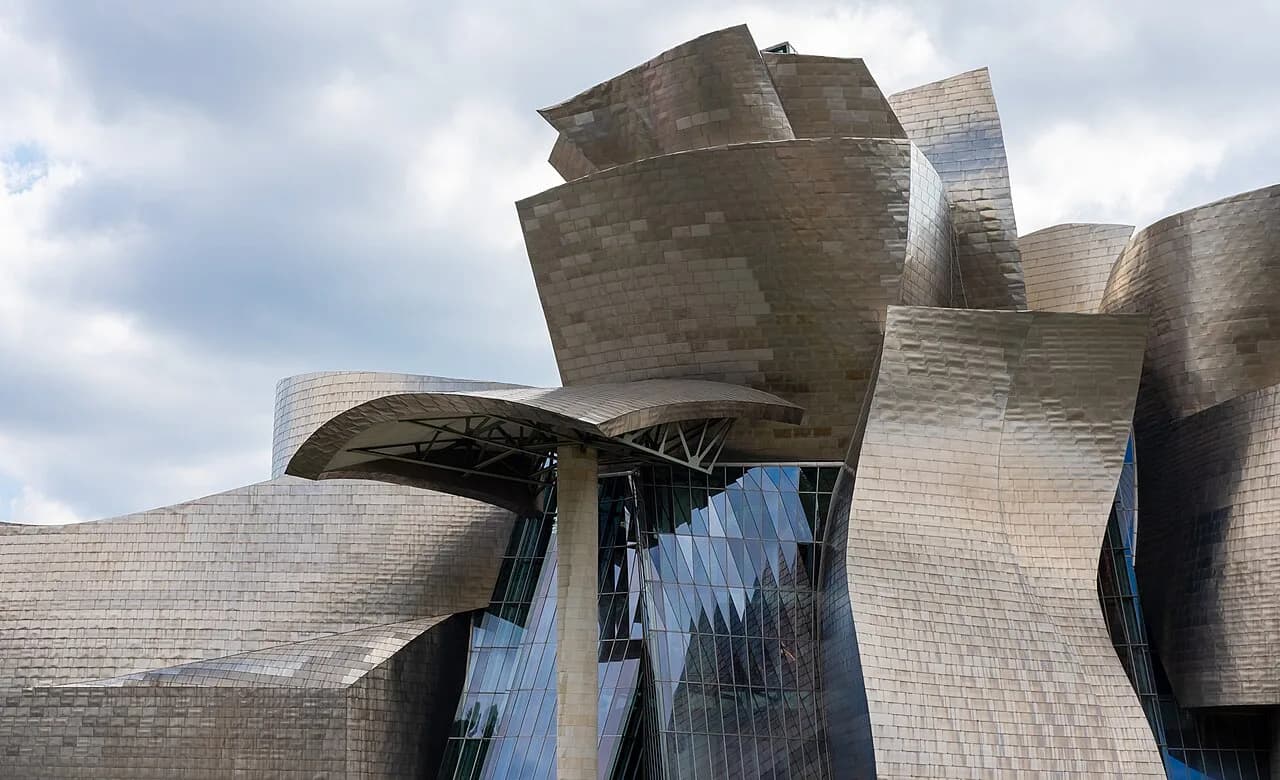
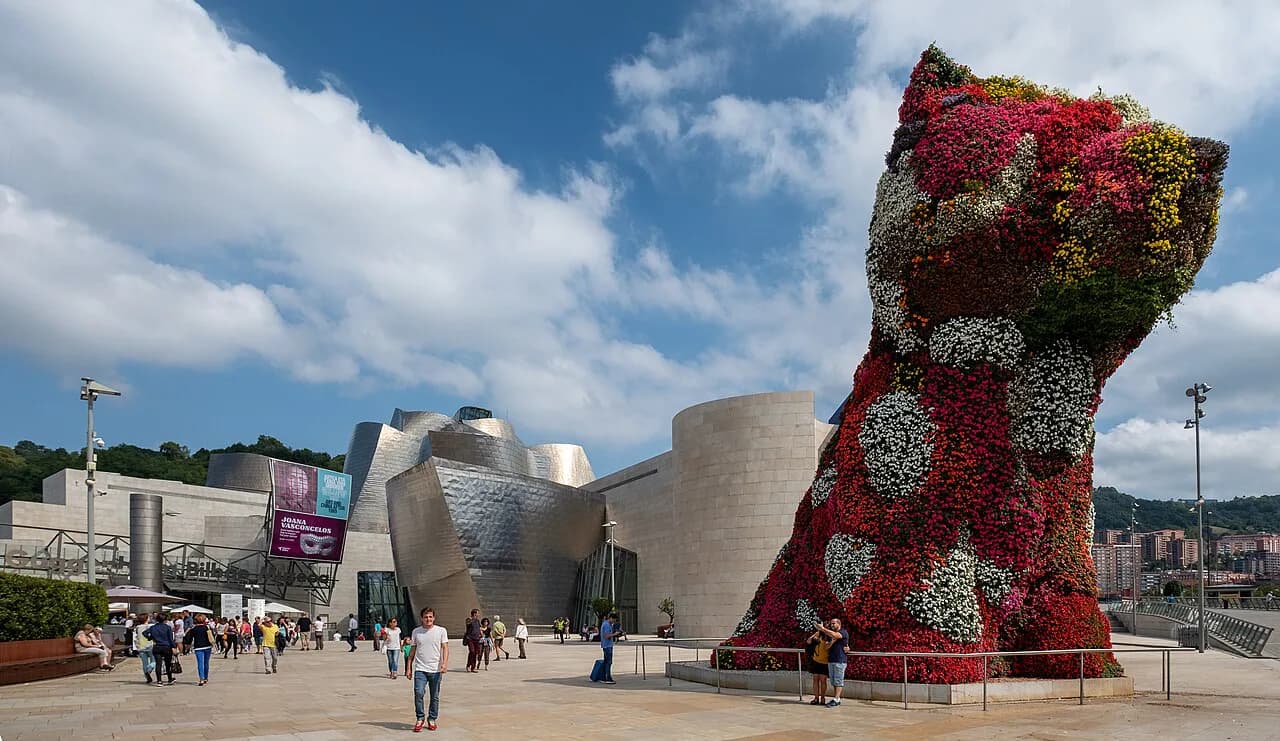
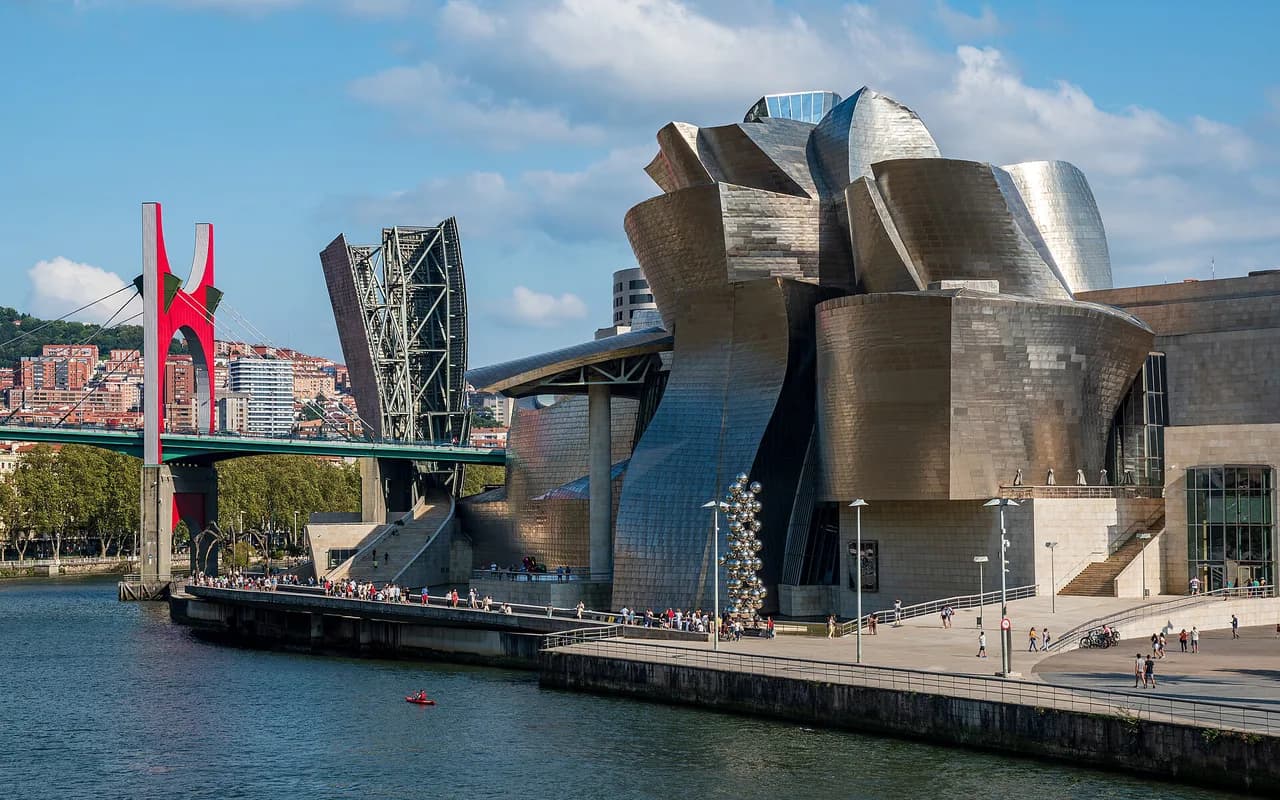
The Guggenheim anchors the modern city on the Nervión, and a shore day built around it usually pairs the museum with a walk along the riverfront and a photo stop outside the titanium curves. A common ship excursion format includes a panoramic drive, a stop outside the museum and a guided walk through the old quarter finishing with pintxos.
Going independently gives you control over pacing: you can linger in front of a specific work or leave when the galleries fill up. The trade-off is that you handle the transfer both ways and carry the return-leg risk yourself. For museum opening hours and ticket prices, use the Guggenheim's own published information, since these change by season and day.
A sensible shape for a mid-length call is museum first, city second. Arrive as close to opening as your transfer allows, spend the core of the day inside, then drift across the river into the old town for the afternoon, keeping the last hour free for the journey back to Getxo. The Guggenheim transfer guide helps you align the two ends of that plan.
The old town, Plaza Nueva and the Ribera market
The Casco Viejo packs Bilbao's historic core into seven streets, with the Gothic Santiago Cathedral, the Teatro Arriaga and the arcaded Plaza Nueva at their heart. Plaza Nueva is the classic pintxos address: a square ringed by bars where you order at the counter and eat standing, and on some days a farmers' or Sunday street market takes over the arcades.
Down by the river, the Mercado de la Ribera is the city's great market hall, a stop for browsing produce, fish and counter food rather than a quick photo. Pair it with the old town in a single loop so you walk the seven streets once rather than doubling back.
This is the best-value half-day for anyone who wants to eat well and walk rather than queue for galleries. It also works well as the second half of a museum morning, since the Casco Viejo sits on the far side of the river from the Guggenheim and the two connect on foot.
Beyond the city: Getxo, the Vizcaya Bridge and San Sebastián
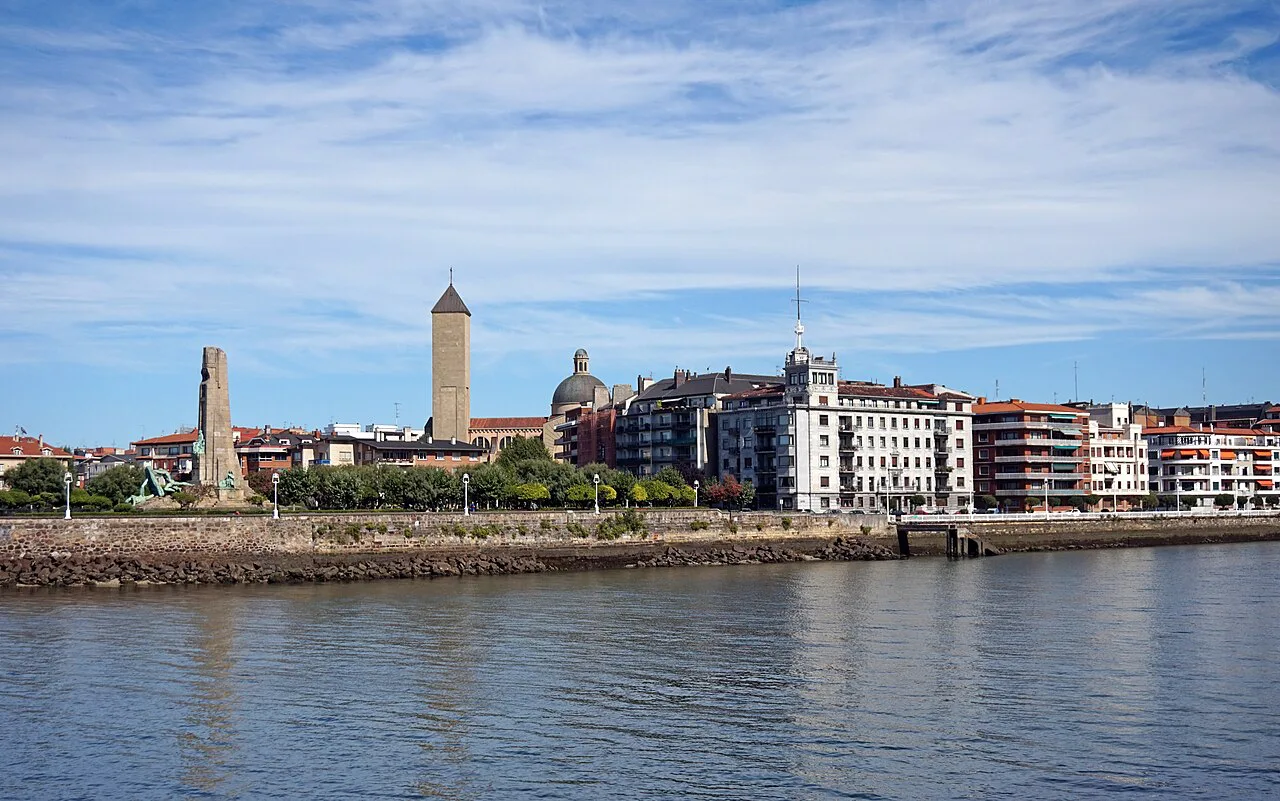
Getxo itself is worth the hours: 19th-century villas, a promenade above the bay and the Puente de Vizcaya, the transporter bridge recognised as a UNESCO World Heritage site. A ship excursion combining the villas, the bridge and the old town shows how the coast and city fit into one day.
Inland, Gernika and the surrounding txakoli wine country make a different day, with visits to the regional parliament building and a cellar tasting of the local dry white wine. San Sebastián is the other big pull, a full day of driving and strolling that only makes sense when your call is long enough to absorb a substantial round trip.
Choose between the city and the region rather than trying to combine them. A Basque Country day trades the Guggenheim for landscapes and wine, and it is the stronger choice on a second visit or when the museum is your least favourite item on the list.
Ship tours versus going independent: time, distance and the all-aboard risk
Ship tours cost more but carry a practical advantage in Bilbao: the cruise line handles the Getxo transfer and the timing, and on a ship-sponsored excursion the vessel normally waits if the tour itself runs late. That matters when the anchor sight sits a transfer away from the berth.
Independent travel is cheaper and more flexible, and it is perfectly workable here if you build in a buffer and stick to it. The risk is yours alone: if a bus is cancelled or a taxi queue is long, the ship's schedule does not change to accommodate you.
A blended approach works well: book a ship tour for the long San Sebastián or wine-country day where return timing is hardest, and go independent for the city, where you can pace yourself and keep the journey back simple.
How long you need: 6-, 8- and 10-hour call plans
On a six-hour call, stay local. Walk or ride to the Vizcaya Bridge, follow the Getxo promenade and take a long lunch in the old fishing quarter, then return to the terminal with time to spare. Trying to reach the Guggenheim and the old town in this window leaves no margin for a delayed return leg.
Eight hours supports the city. Head straight to the Guggenheim on arrival, give it a solid block, then cross to the Casco Viejo for a pintxos lunch at Plaza Nueva and a short Ribera market browse before heading back to Getxo. Timed museum tickets should be booked for a slot that leaves two clear hours on the return side. If you are weighing up how another Spanish port handles the ship-to-city split on a similar call, the Cádiz Cruise Port Guide makes a useful comparison.
Ten hours or more opens the region. Either do a relaxed version of the city day with an Artxanda viewpoint stop, or commit to San Sebastián or the Gernika and txakoli wine route as a full-day excursion. Long calls also allow the coast and the city together, which is where a well-run ship tour genuinely pays off.
Return-time buffer and the last leg back to Getxo
Build your day backwards from the all-aboard time your cruise line publishes, not from the ship's departure time. Work out the return journey, add a real-world margin for queues at the terminal security and passport checks, and put that arrival time in writing on your phone.
The terminal flow at Getxo includes passenger control, security and passport checks before boarding, so the last 30 minutes before all-aboard are not the moment to arrive at the station door. Aim to be inside the terminal rather than on the road.
If you are independent and your return leg looks tight, cut the itinerary rather than the buffer. There is always a taxi, but a taxi stuck in traffic is no better than a missed bus, and the cost of being late is a missed sailing.
Weather, what to wear and how it shapes the day
Bilbao's climate is Atlantic, not Mediterranean. The cruise line's guide notes winter averages in the 50s Fahrenheit and summer in the 60s to 70s, with a sweater advised, so plan for layers, a light waterproof and comfortable walking shoes rather than beachwear.
Rain changes the plan more than cold does: it pushes you indoors to the Guggenheim and the market hall and makes the Getxo promenade less appealing. A wet-weather version of the day built around the museum and the arcades of Plaza Nueva is easy to fall back on.
Sunshine, conversely, is the moment for the Artxanda viewpoint above the city and the coastal walk at Getxo. Check the forecast the morning before you dock and decide between the city and the coast on that basis.
Plan Your Visit
Bilbao rewards planning because its port and its sights are in different places: Getxo is the start line, and everything you do in the city depends on how well you handle the transfer in both directions. Pick one anchor sight, set your return time first, and let the rest of the day fill the space that remains.
For the full picture of getting from the ship to the city, the route guide to the cruise port to city centre is the next read, with the Guggenheim transfer and the San Sebastián day as companion plans.
Explore more Bilbao cruise port guides
Frequently Asked Questions
Where do cruise ships dock in Bilbao?
Cruise ships berth at the passenger maritime stations in Getxo, at the mouth of the Nervión, not in central Bilbao. The port has three stations: Getxo 1 and Getxo 2, which share baggage and check-in areas, and the larger Getxo 3. Your cruise line tells you which station your ship uses.
How far is the Bilbao cruise port from the city centre?
The terminals are in Getxo, downriver from the Guggenheim and the Casco Viejo, so reaching the city requires a transfer rather than a short walk. Plan your day around that journey in both directions and keep a margin on the return leg.
Is there a shuttle from Getxo cruise terminal to Bilbao?
Several cruise lines sell transfers or shore excursions that include the journey into the city. Confirm the meeting point, whether the service is a round trip and the last departure back to Getxo with your cruise line before relying on it for your return.
How do I get from the Bilbao cruise terminal to the Guggenheim?
You need a transfer from Getxo into Bilbao; metro, bus, taxi and ship transfers are the practical options. Work out your return leg before you leave the terminal, and book any timed museum entry for a slot with a generous margin after arrival.
Can I do Bilbao independently from the cruise port?
Yes. Independent travel is flexible and works well if you set a firm return time and know your last connection back to Getxo. Unlike a ship-sponsored excursion, nothing waits for you if the return leg runs late.
How long do I need in Bilbao on a cruise?
An eight-hour call covers the Guggenheim and the old town at a comfortable pace. Six hours is better spent in Getxo with the Vizcaya Bridge and the promenade, and ten hours or more opens up San Sebastián or the Gernika and txakoli wine route.
What is there to do near the Getxo cruise terminal?
The Vizcaya Bridge, a UNESCO-listed transporter bridge, plus the 19th-century villas and the seafront promenade of Getxo. This is a realistic short-call day that avoids the transfer into Bilbao entirely.
Is the Guggenheim within walking distance of where ships dock?
No. The museum is in Bilbao and the terminals are at Getxo, so a transfer is required. Check the museum's own published information for opening hours and ticket prices before booking a timed entry.
Sources
Port-day notes for your next cruise
Optional updates to our port guides.
You might also like
Continue reading
More guides you'll find useful