Catania Cruise Port to the City Centre: Walking, Bus or Taxi
Catania's cruise terminal sits about a mile from Piazza del Duomo, so most passengers walk into town. Here is the route, plus taxi and bus options.
On this page
Catania rewards passengers who treat the port day as a city day. The cruise terminal sits on the central breakwater with the baroque historic centre immediately to the west, so you can step off the ship and be among lava-stone churches, the fish market and Via Etnea without booking a tour bus. This is a good port for first-time Sicily visitors who want a compact, walkable old town, and less suited to anyone determined to see Mount Etna in the same morning.
Where ships dock
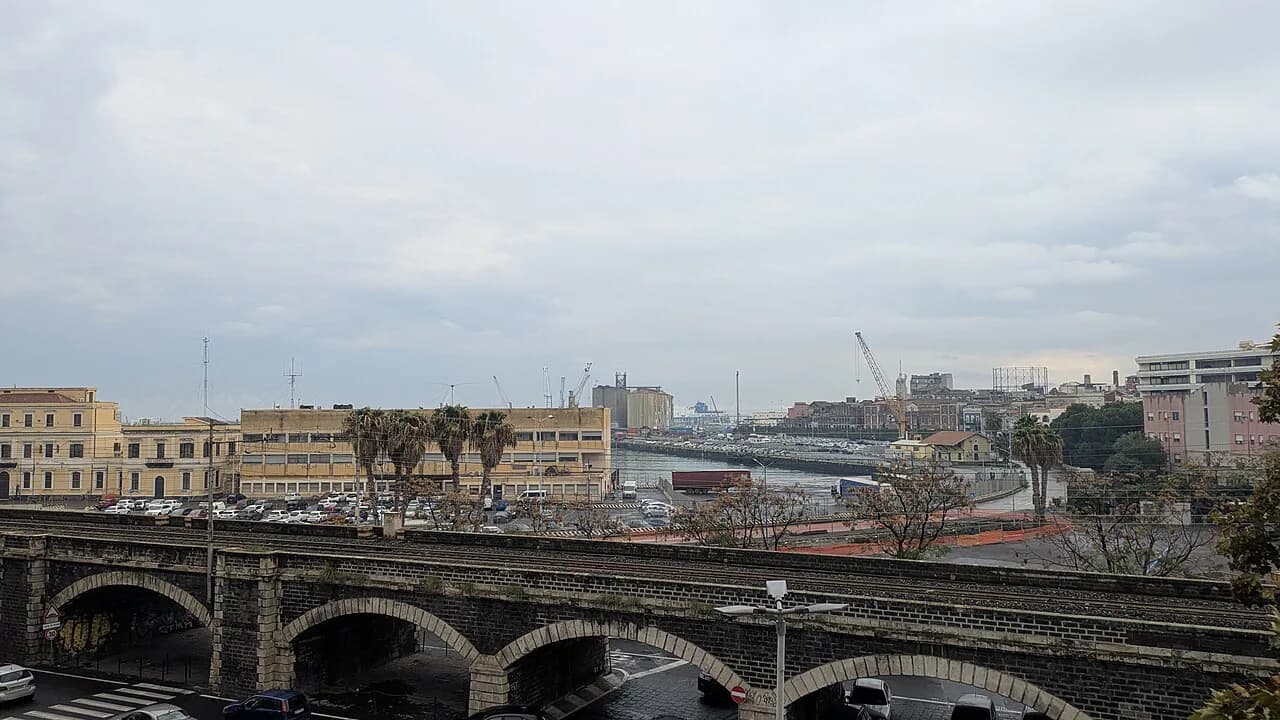
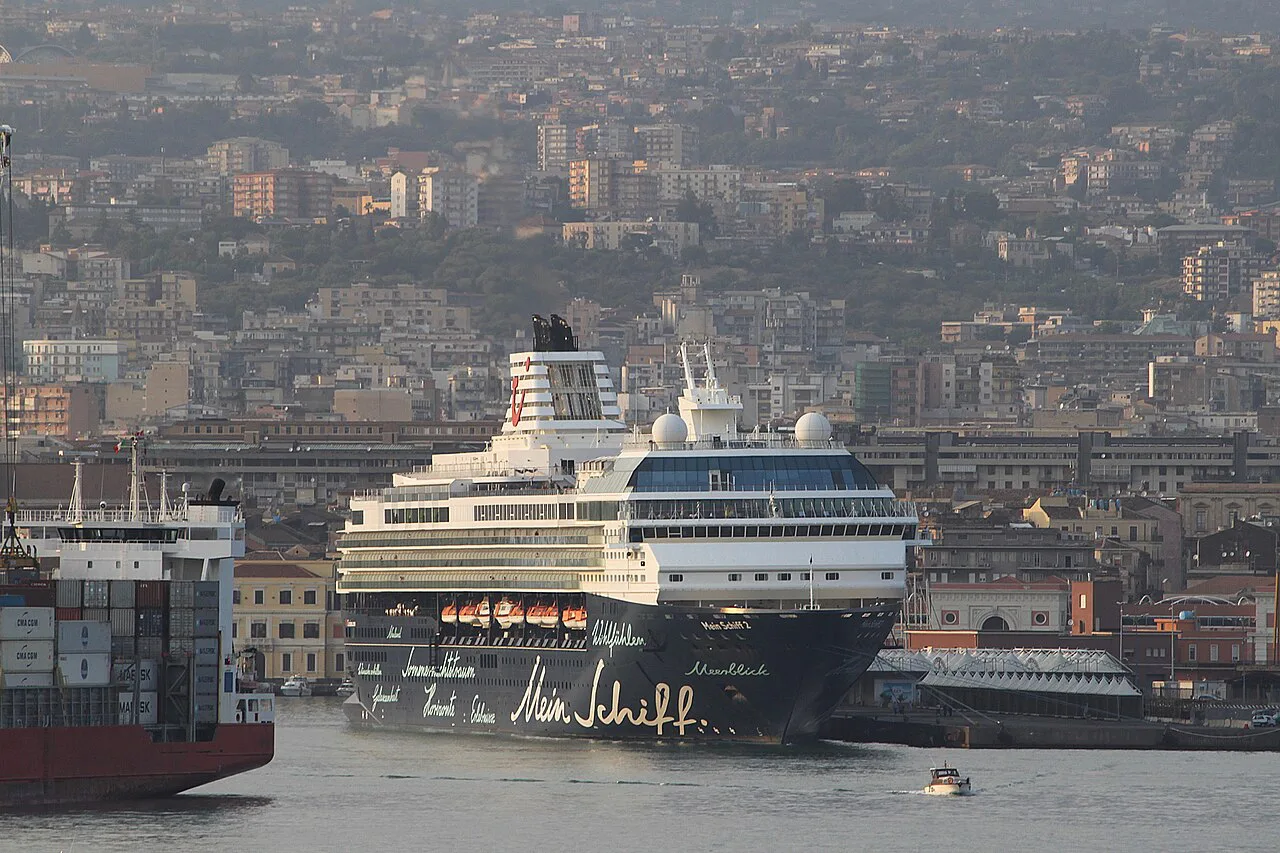
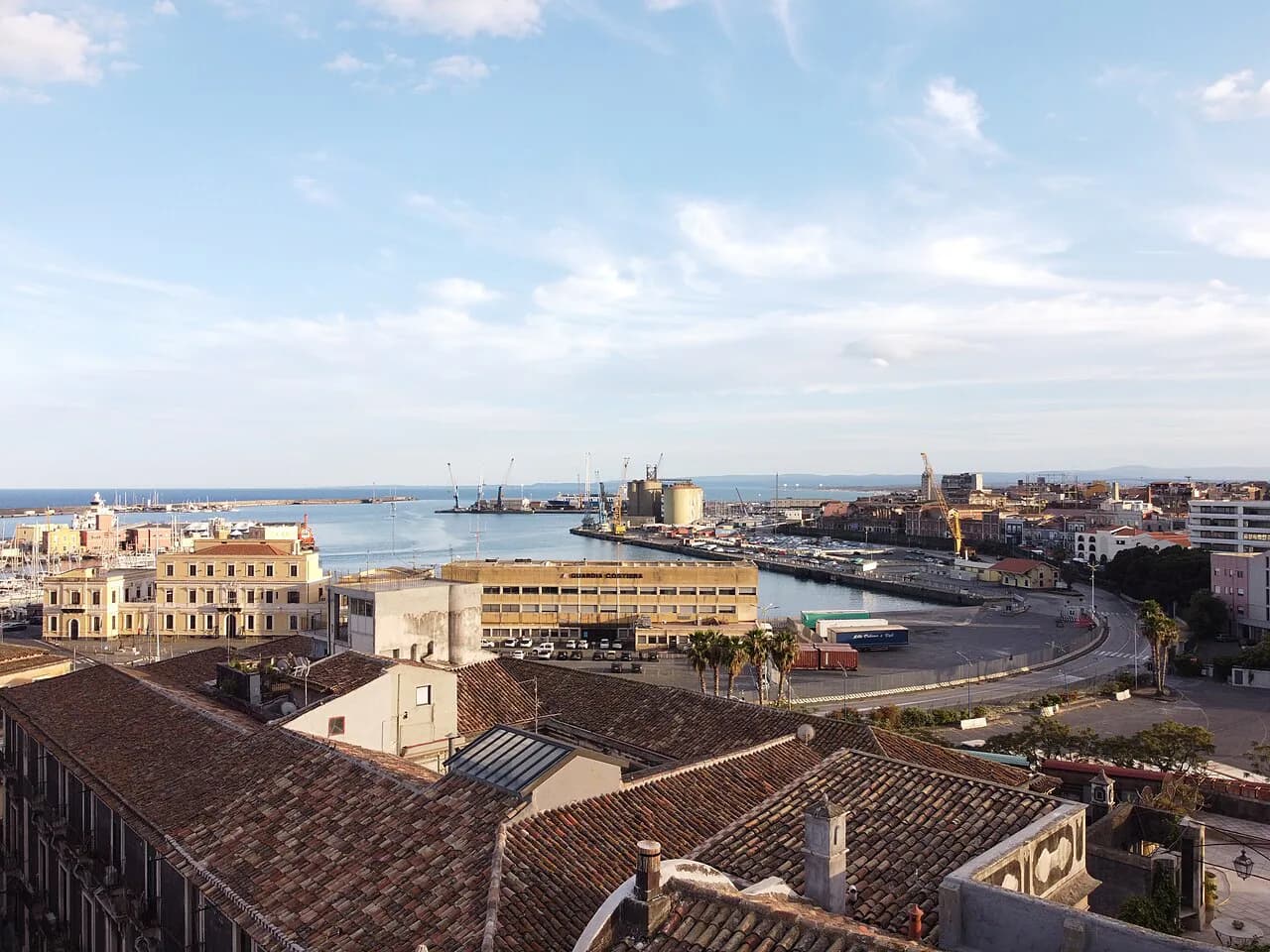
Cruise ships berth at the Cruise Terminal Sporgente Centrale, the terminal complex on the port's central breakwater at 95121 Catania. The berths are alongside rather than offshore, so you walk off through the terminal building rather than waiting for a tender. The terminal area is fully accessible for passengers with reduced mobility, and the port also runs a wheelchair rental service with personalized assistance available on request.
Inside the terminal you will find free Wi-Fi and complimentary city maps, which is worth two minutes of your time before you set out. There is no luggage storage at the port, so plan to carry anything you bring ashore or leave it on the ship. The terminal's information desk is also the place to ask about local bus schedules toward the main attractions.
How far the centre is
The terminal lies about 1.5 km, or roughly one mile, from the city centre, which most passengers cover in around 15 minutes on foot. The walk is short enough that the geography of your day is simple: ship at the breakwater, historic centre straight ahead and slightly north-west, and the same route back to the gangway. Treat the figures as a planning baseline rather than a stopwatch, since the crush around the fish market and Piazza del Duomo slows anyone down.
If you are weighing the walk against motorized transport, the terminal's own guidance puts the city centre 10 to 15 minutes away by taxi. That is a useful reality check: a car saves you little time on a route this compact, and it saves you effort only in heat, heavy rain or when your all-aboard is uncomfortably close.
The walking route into town
From the port area, head inland along Via VI Aprile westward, then continue by Piazza dei Martiri and down Via Dusmet, which delivers you toward Piazza del Duomo. This is the street sequence the port authority itself recommends for passengers walking in from the terminal, and it keeps you on the natural approach rather than wandering through the commercial streets behind the port.
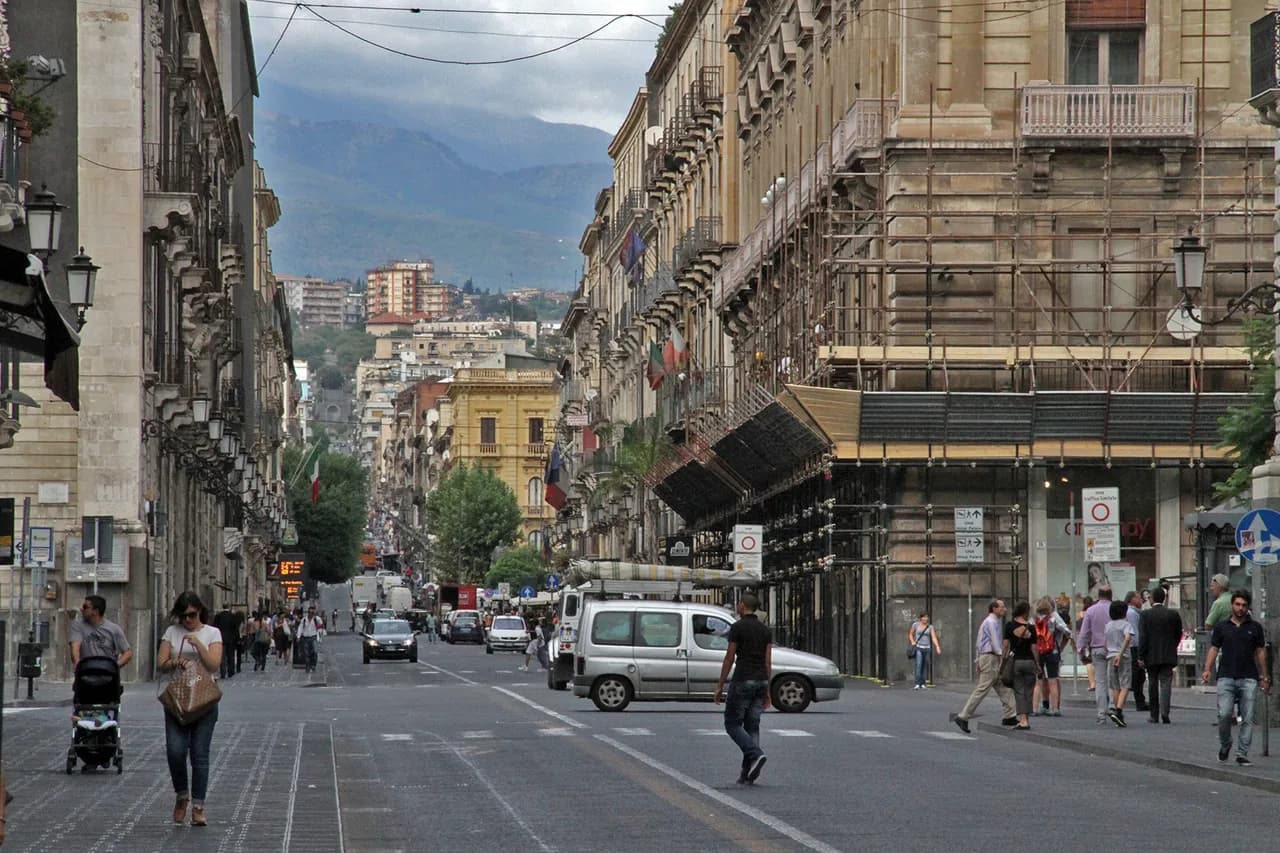
Piazza del Duomo is the payoff: the black lava Elephant Fountain, the cathedral of Sant'Agata and the surrounding UNESCO-listed square all sit together in one open space. Just beyond, the fish market adds noise and color even if you are not buying anything, and the surrounding lanes hold restaurants for a sit-down lunch. From here Via Etnea runs north through the shopping spine of the city with Etna views on clear days.
Palazzo Biscari is the first major sight you meet on the walk in from the port side, an 18th-century baroque palace whose inner courtyard is open to the public. Guided tours of the interior are available for a fee, but the courtyard and grand staircase give you the architecture without committing an hour. If you want a fuller picture of how the centre fits together, the port-day sights guide covers what to do in Catania from a cruise ship in more depth.
Taxis from the terminal
The taxi rank sits right outside the terminal, and a ride into the centre takes roughly 10 to 15 minutes by road. Taxis make sense when mobility is limited, when a summer afternoon is punishing, or when you have squeezed the morning and need to protect your return margin. They make less sense as a default, because on this route you pay mostly for convenience rather than distance.
Agree the fare or confirm the meter before you get in, and keep the terminal address handy for the return: Cruise Terminal Sporgente Centrale, porto, 95121 Catania. Private transfers and shuttles can also be arranged in advance if you prefer a fixed plan for a group.
Shuttle buses into town
A paid shuttle from the port to the city centre has been reported at around €10, but treat that as an indicative figure rather than a published tariff and check the price at the terminal desk or with your cruise line. Given that the centre is a short walk away, the shuttle earns its place mainly for passengers with mobility issues or in bad weather rather than for saving meaningful time.
Public buses and the metro
Local buses run from the port area toward the main attractions, and the terminal information desk holds the current schedules. If you are arriving by train before your cruise, Catania Centrale and the bus terminal sit 2.1 km from the port, about 6 minutes by road, and buses 427, 429, 431R and 439 connect the station area with the port. The metro's Borgo–Port line also links the station side with the port, which makes a rail-and-sail day more practical than it first appears.
From Catania Fontanarossa Airport, the terminal is 5.3 km away and about 12 minutes by road; the city bus 534 and the Alibus serve the airport connection, with taxis as the straightforward fallback. If your pre-cruise plan involves the rail station anywhere else in Sicily, the Messina Cruise Port to Train Station guide shows how a neighboring Sicilian port handles the same connection, and the civitavecchia cruise terminal to train station guide covers the Italian mainland version of that walk-and-ride decision.
Hop-on hop-off and the coastline
Hop-on hop-off buses depart from the port area with a multilingual audio guide, running a route that follows the Catania coastline and continues to the seaside towns of Aci Castello, with its lava-rock castle, and Aci Trezza. This is the low-effort way to add the coast to a city day without organizing a car. Tickets are sold for the route, so compare the price against a taxi or a ship tour before you commit.
Mount Etna from a port call
Etna trips hinge on the transfer, not the volcano. The cable car station that most visits start from needs a taxi or a rental car to reach in a usable time frame; public transport is a poor fit inside a port call and brings a real risk of missing the ship. If you want the summit area, book the cable car online in advance on the Funivia dell'Etna website to avoid queues, and note that going above roughly 2,500 meters to the main crater area requires a certified mountain guide.
For a short call, the honest comparison is between a ship tour, which carries the only guaranteed return to the vessel, and a rental car, which gives flexibility but leaves the return clock entirely in your hands. Local operators running guided Etna days sit between the two on cost and risk. The shore excursions overview lays out the options by time and distance so you can match one to your hours ashore.
How long you need
On a 6-hour call, stay in the centre: the walk in via Via Dusmet, Piazza del Duomo, the fish market, Palazzo Biscari and a stretch of Via Etnea fill the time comfortably with a lunch stop. Eight hours lets you add the hop-on hop-off loop to Aci Castello and Aci Trezza or a slower circuit of the baroque churches. Ten hours is the threshold for Etna or a day trip further afield, and even then only with a ship tour or a pre-arranged driver.
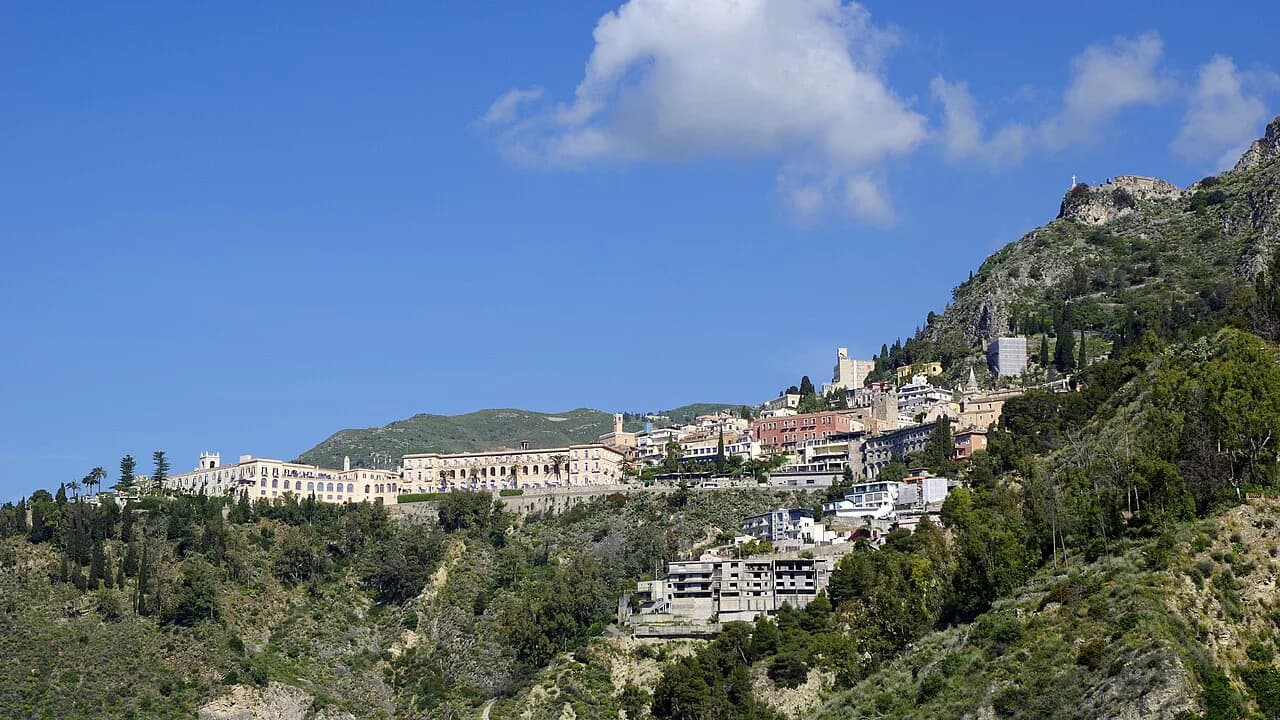
If Taormina is on your list, treat it as a separate excursion decision rather than something to bolt onto a city morning; the Catania cruise port to Taormina guide sets out the transfer times and what fits.
Protecting your all-aboard time
Work backwards from all-aboard rather than forwards from the gangway. The return walk along Via Dusmet and Via VI Aprile takes about the same 15 minutes as the way in, so leave the centre with at least 45 minutes in hand to cover the walk, terminal security and a slow queue at the gangway. If you are relying on a taxi back, add time for finding one around Piazza del Duomo in the late afternoon.
Ship tours are the only option where the cruise line carries responsibility for getting you back to the vessel before it sails; independent travelers own that risk entirely. Catania's compact layout makes independence easy, but it does not change the rule that the ship's departure time is fixed.
What to skip on a short call
Skip anything that depends on a long transfer if you have under six hours. Etna and Taormina both consume most of a port day in travel, and rushing them leaves you watching the clock instead of the scenery. Save them for a longer call and spend a short one on the centre, where the density of sights rewards slow walking rather than efficient transport.
Plan Your Day Ashore
Catania is one of the Mediterranean's genuinely walk-in ports: about a mile from gangway to Piazza del Duomo, with the baroque centre, the fish market and Via Etnea laid out in sequence along Via Dusmet. Walk it unless heat, rain or mobility makes a taxi worthwhile, and use the hop-on hop-off bus when you want the Aci coastline without hiring a car. Build your day around the return walk and you can spend your hours on the city rather than on logistics.
Frequently Asked Questions
Is Catania walkable from the cruise port?
Yes. The terminal is about 1.5 km, roughly a mile, from the city centre, and the walk takes around 15 minutes along Via VI Aprile, Piazza dei Martiri and Via Dusmet. The route is flat and stays in the built-up port and city area, so it suits most passengers.
How far is Catania cruise port from the city centre?
The port authority and cruise guides put the distance at roughly 1.5 km, or about one mile, from the terminal on the central breakwater to the historic centre. By road the terminal describes the centre as 10 to 15 minutes away by taxi.
Do cruise ships run shuttles from Catania cruise port into town?
A paid shuttle into the city centre has been reported, and some cruise lines offer a shuttle service into town. Because the centre is a short walk, the shuttle mainly helps passengers with mobility issues or anyone caught in bad weather.
How much is the shuttle from Catania cruise port to the city centre?
The terminal information desk and your cruise line hold the current fare for the paid city-centre shuttle; ask there before boarding, since the port publishes no fixed tariff for it. Because the historic centre is only about a mile away, many passengers skip the shuttle altogether and walk.
How do you get from Catania Centrale station to the cruise terminal?
Catania Centrale and the bus terminal are 2.1 km from the port, about 6 minutes by road. Buses 427, 429, 431R and 439 connect the station area with the port, the metro's Borgo–Port line covers the same link, and taxis wait at the station.
Can you visit Mount Etna from Catania on a cruise stop?
It is possible but tight. The cable car station that most visits start from needs a taxi or rental car, since public transport is unreliable within a port call. A ship tour carries the only guaranteed return to the vessel, and reaching the main crater area requires a certified mountain guide.
What is the best way to get from the port to Piazza del Duomo?
Walk. The route via Via VI Aprile, Piazza dei Martiri and Via Dusmet takes around 15 minutes and lands you at the Elephant Fountain and the cathedral. A taxi takes 10 to 15 minutes by road, so it saves little time unless walking is difficult.
Sources
Port-day notes for your next cruise
Optional updates to our port guides.
You might also like
Continue reading
More guides you'll find useful