Civitavecchia Cruise Terminal to Train Station: How to Do It
How to get from Civitavecchia's cruise berths to the train station for Rome: port shuttles, the walk, taxis and the buffer you need before all-aboard.
On this page
Civitavecchia is the cruise port for Rome, and the train station is how most independent passengers reach the city: about 50 minutes of rail from a platform roughly a kilometre beyond the port entrance. The catch is the internal port leg, where ships dock at several quays and a free shuttle moves you between berth and gate. This port day suits travelers who accept a long transfer and want Rome on their own timetable rather than a coach tour.
Where ships dock and where the station sits
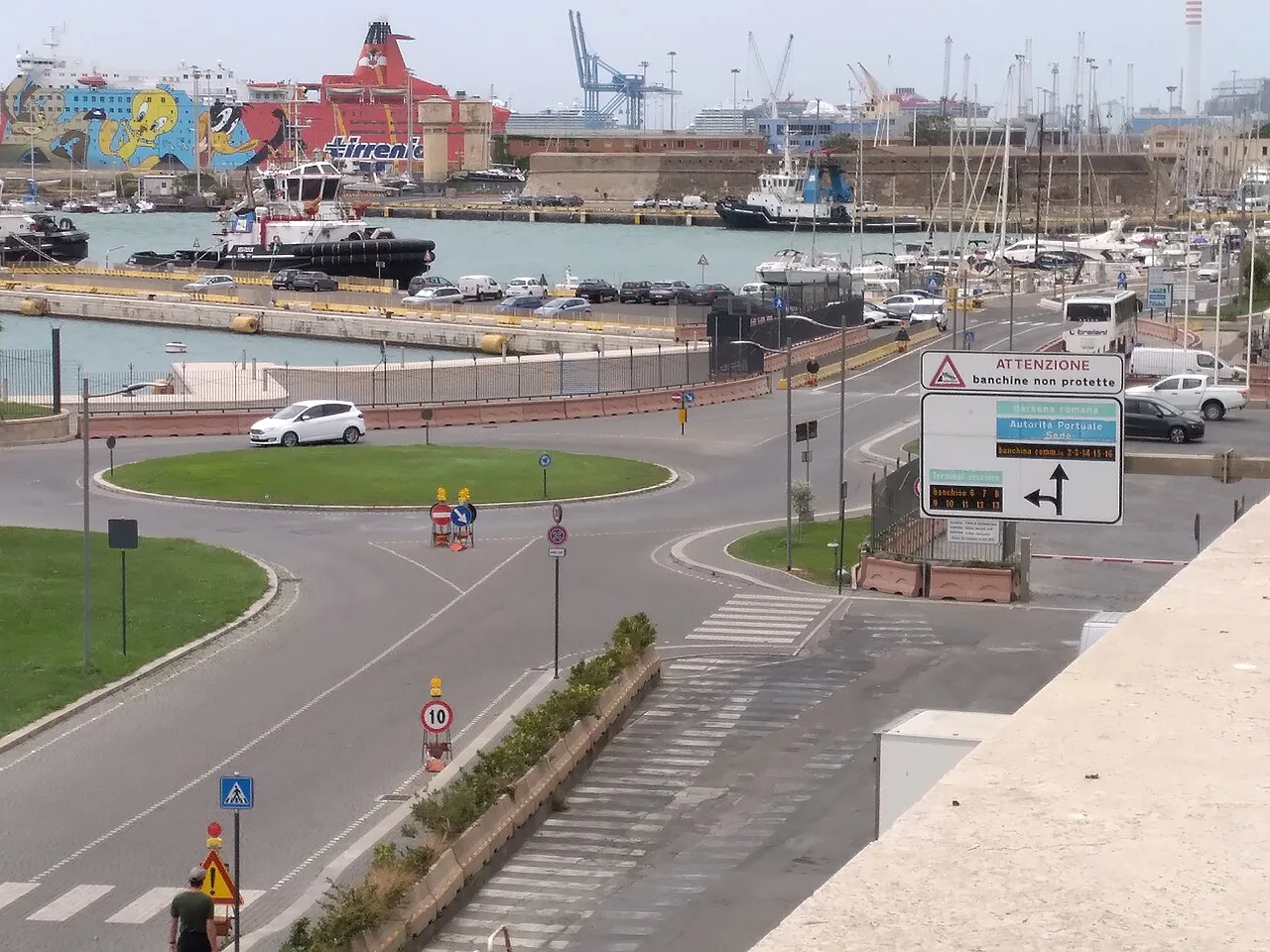
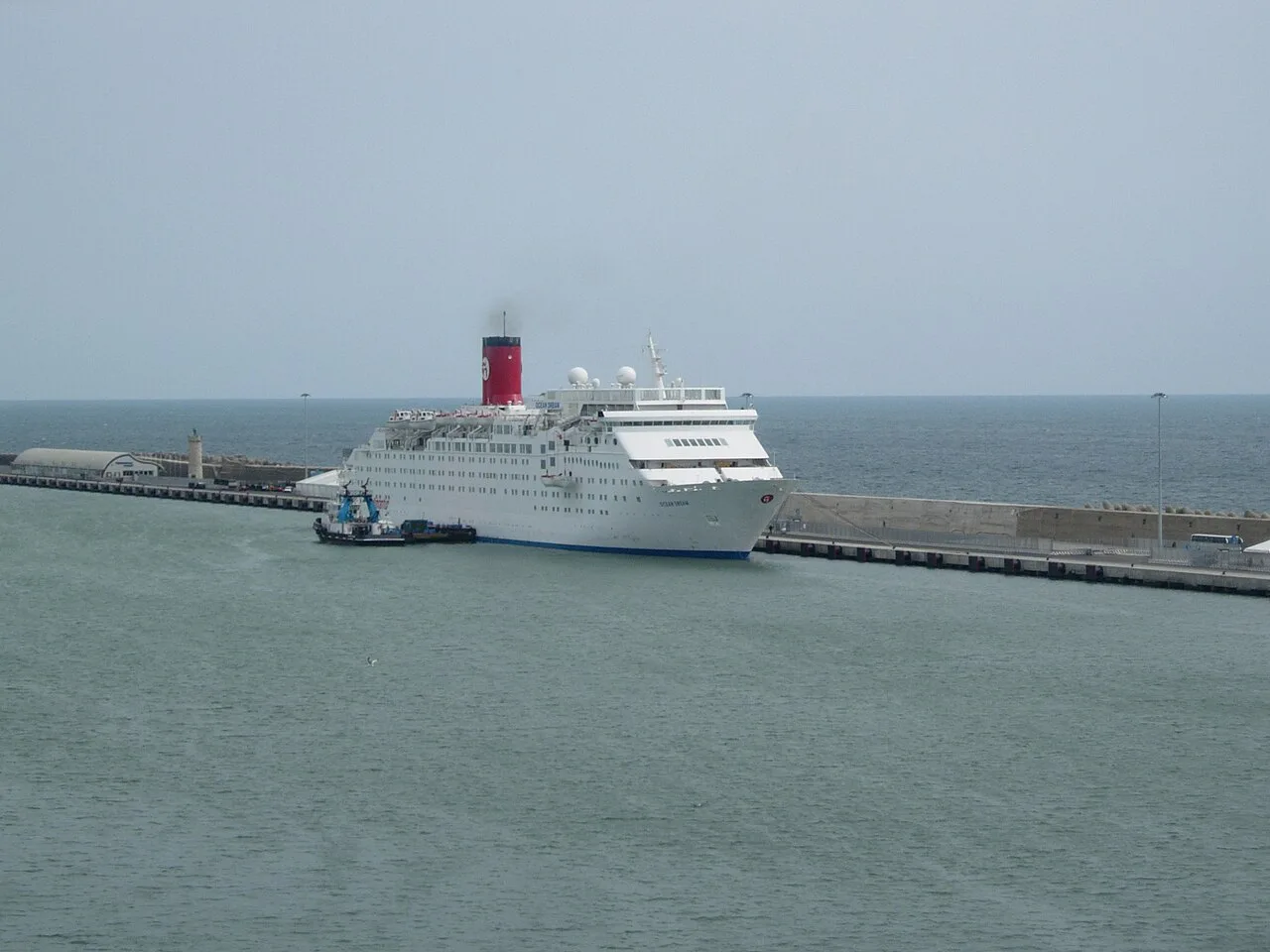
The cruise port spreads across several quays, with homeporting handled at Quay 10, the Bramante terminal on the south side of Quay 12, Terminal 25 South and the newer Amerigo Vespucci terminal on Quay 12 North; other cruise calls can use Quay 11 and Quay 13. The berth you get determines your first move, because the quays lie inside a working port with cargo and ferry traffic, not on the town's doorstep. Roma Cruise Terminal runs the cruise operations, and signage and staff at your gangway tell you which shuttle to board.
Civitavecchia's rail station sits about one kilometre from the port entrance at Largo della Pace, also called Porta di Città. The town itself is small, around 60,000 residents on roughly 72 square kilometres, so once you clear the port gate the station is a straightforward urban walk rather than a cross-city trek. Knowing that the berth-to-gate leg and the gate-to-station leg are separate problems is the key to planning the morning, and the same two-step logic applies to the ravenna cruise port shuttle where berth and town are likewise apart.
The free port shuttle
Free buses move passengers between the cruise berths and the port entrance, and the same shuttle system also serves ferry travelers. That sounds simple, but different shuttles run to different terminals, so a passenger who boards the first bus without checking can end up at the wrong quay or dropped further from the gate than expected. Ask the driver or the terminal staff which bus reaches Largo della Pace, and note the stop where you are set down, because you will need it on the way back.
Civitavecchia's cruise terminal complex is large, with five terminals and seven berths across roughly 120,000 square metres, so walking from a far quay to the gate is not a realistic option when the shuttle is running. In peak season the port handles multiple ships a day, and the free buses fill with passengers from all of them. Leave extra time at the port gate for the return shuttle queue, especially on a day with several large ships in port.
Walking from Largo della Pace to the station
From the port entrance where the shuttle drops you, the train station is about a kilometre away, which is a manageable walk with a day bag but a real slog with a suitcase on a hot afternoon. The walk also passes the waterfront, so it is not unpleasant, but it eats 15 to 20 minutes each way at a normal pace. If your call is only six hours, that round trip is a meaningful chunk of your shore time.
A local bus also covers the port entrance to station stretch, which helps when luggage or weather makes walking unappealing. Approach it as a fallback rather than the default, because you still need to find the stop, wait and board, and the total time can be no better than walking in traffic. The first time you do the route, on foot is easier to gauge and easier to repeat on the return.
Taxis: where they wait and when to use them
Taxis wait at the terminal-side drop-off and at the port gate, and they are best used for two specific situations: hauling luggage from ship to station on embarkation day, and saving time on a short call when the shuttle queue is long. For the short hop to the station, agree the fare before you get in, because a short metered trip can turn into an argument. A taxi from the port to Rome or to Fiumicino airport is a much larger outlay, on the order of EUR 160 to the airport, so it makes sense only for early embarkation flights or a group splitting the cost.
The train to Rome
Civitavecchia to Rome is about 61 kilometres by rail and roughly 50 minutes of travel, which makes the train the fastest independent route into the city. The station handles both regional trains toward Roma Termini and services that stop at Roma San Pietro, and those two arrivals put you at different edges of central Rome. Pick your train by which station puts you closest to your first sight: San Pietro for the Vatican, Termini for the Colosseum side and the metro.
Tickets are bought at the station, from the ticket machines or the staffed window, and regional fares vary by train type and class. Plan on buying before you board, because inspectors enforce payment and a ticket purchased at the machine is the slower step at peak time. On the return from Rome, buy your outbound and return tickets in one go so you start the day with a valid return in hand.
Embarkation day: ship to platform with luggage
On disembarkation, the sequence is cabin to gangway, shuttle to the port gate, walk or local bus to the station, then train to Rome or onward connection. The shuttle leg typically takes 10 to 15 minutes once you are aboard, so the realistic total from leaving the ship to standing on the platform is closer to 45 minutes to an hour with bags. If you have a morning train to catch, leave your cabin as early as the line allows and skip the stroll along the waterfront.
If you are arriving by air before embarkation, the train from Fiumicino airport to Civitavecchia takes around 1.5 hours, and from the station you still face the same walk, bus or taxi to the gangway. That makes a private transfer simpler when you have heavy bags and a same-day boarding time. For the full breakdown of airport options, use the FCO airport to Civitavecchia Cruise Port guide.
What fits in 6, 8 and 10 hours
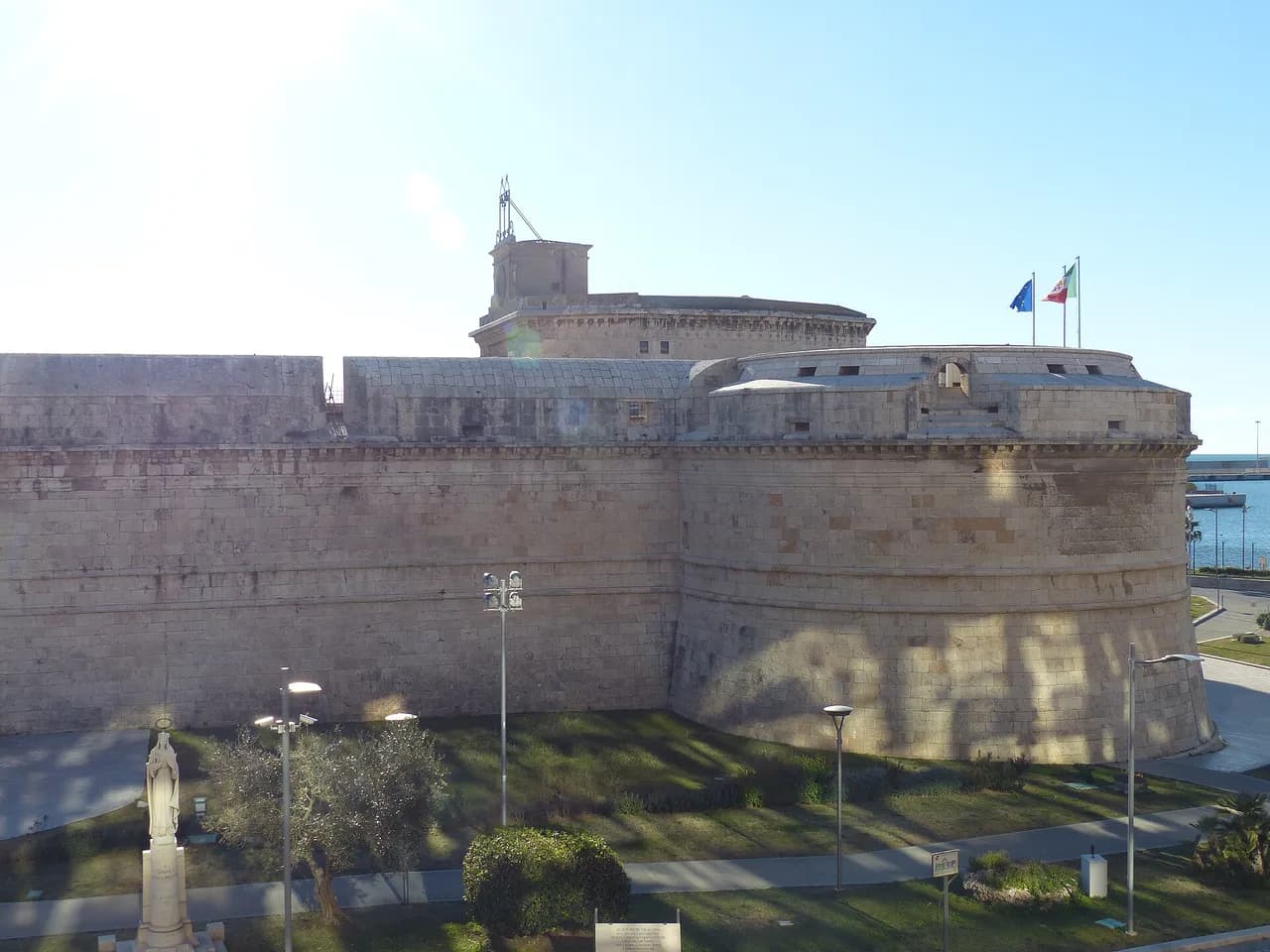
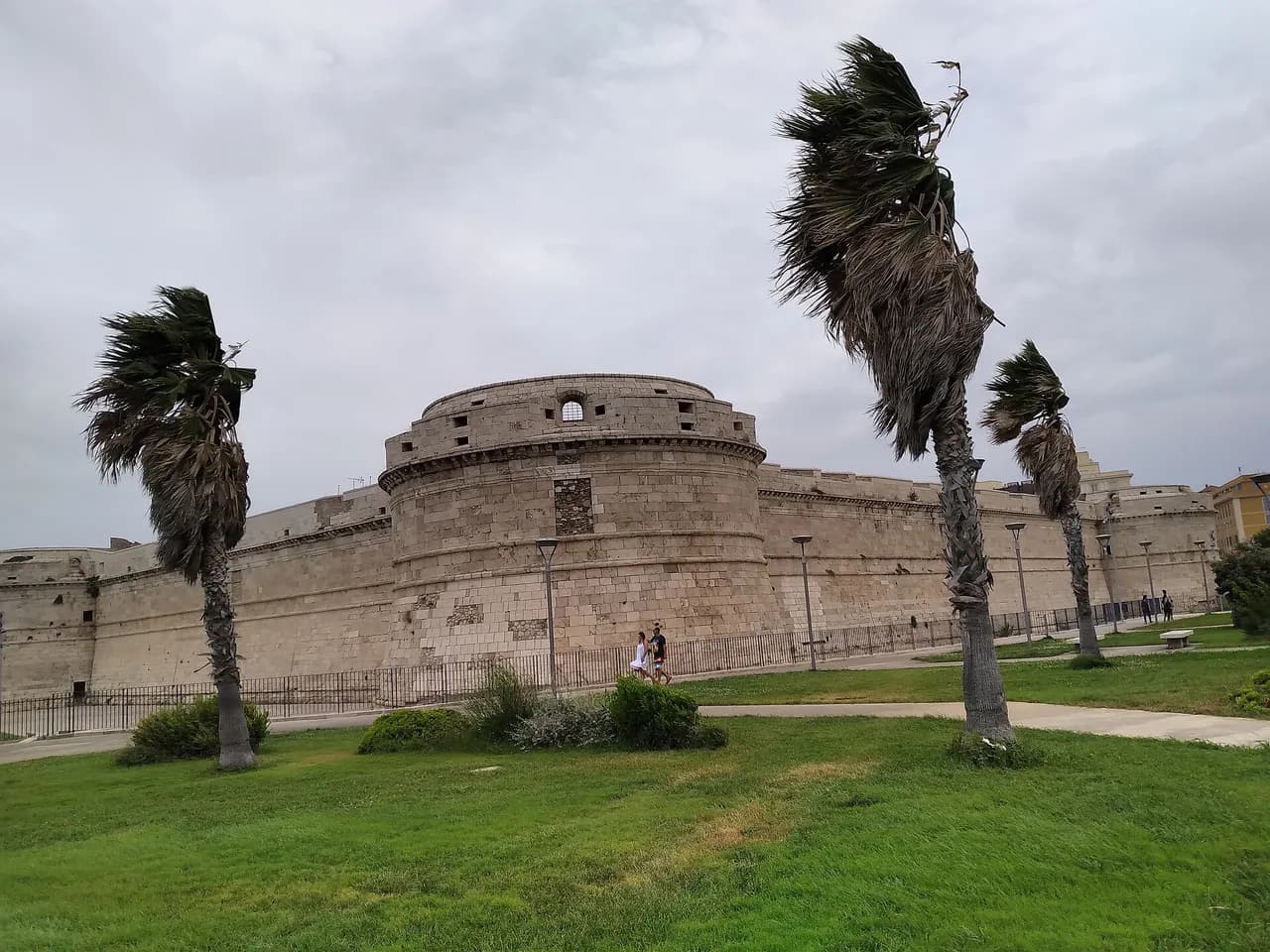
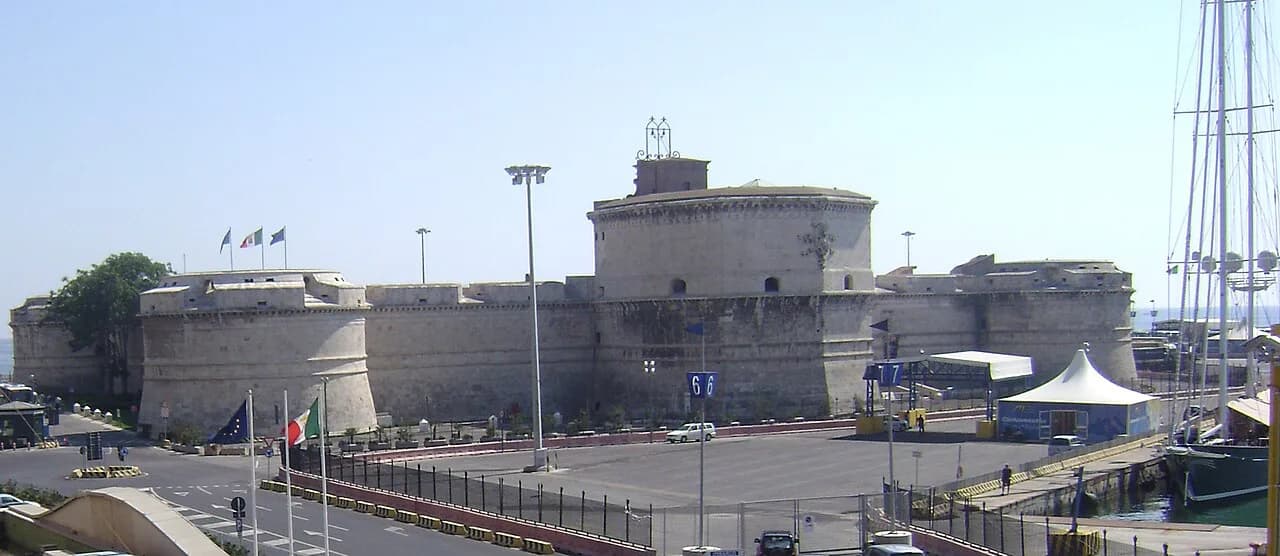
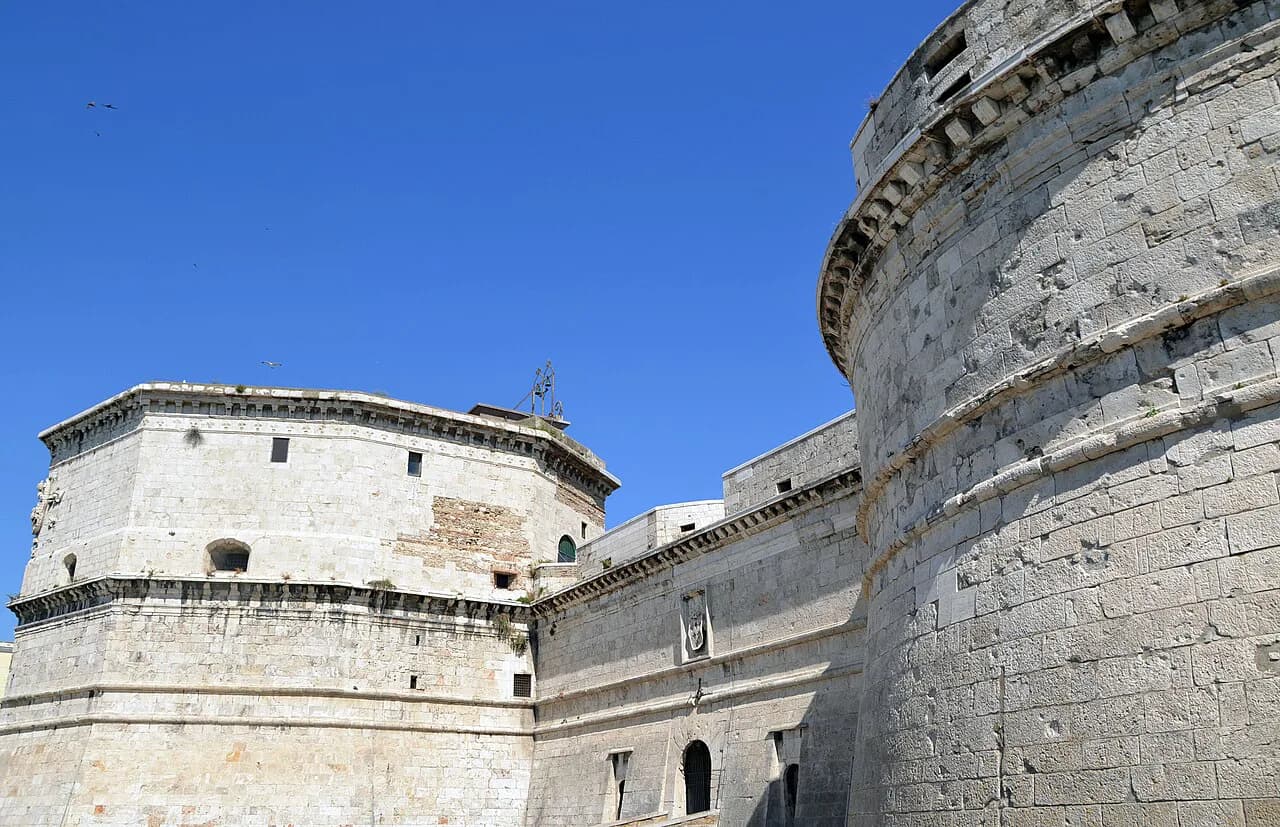
A six-hour call is tight for Rome by train because the round trip eats over two hours before you count the passenger shuttle and the walk at each end. With six hours, most passengers do better staying in Civitavecchia, which has a compact historic centre around Piazza Saffi, the 16th-century Forte Michelangelo and a market worth an hour or two. If you must see Rome in six hours, book a private transfer or a ship tour that runs door to door, and expect to cover one area rather than three.
Eight hours is the realistic minimum for a self-guided Rome day: two hours of transfers, five hours in the city and an hour of slack for queues and the shuttle back. Ten hours opens up the Vatican Museums plus a walk through the historic centre, or the Colosseum and Forum at an unhurried pace. The difference between a satisfying day and a rushed one is usually whether you accept one or two districts rather than trying to tick off every landmark.
Guided shore excursions from the port run roughly 7 to 9 hours for Rome coverage, which shows how much of a typical call is spent in transit. Coach tours hold the time buffer for you but move at group pace; private drivers are faster and more flexible but cost noticeably more. Treat the scheduled return as a target and leave your own margin for traffic on the drive back.
The return buffer
The return journey is where independent train travelers get caught, because the shuttle queue at Largo della Pace can be longer than the shuttle ride. Aim to be back at the port entrance at least 45 to 60 minutes before all-aboard, then add the shuttle wait and the ride to your berth on top. On days when several large ships are in port, the buses fill quickly, so an earlier train back from Rome is worth the lost sightseeing hour.
Check your ship's schedule and the all-aboard time the evening before, and work backward from that time, not from the departure shown on the itinerary. If your line uses an all-aboard 30 or 45 minutes before departure, that is the deadline that matters. Build in one train's worth of slack so a missed connection does not become a missed ship.
Ship tours, private transfers and trains compared
The train is the cheapest and most independent route, and it puts you in central Rome in under an hour; the trade-off is that every transfer, ticket machine and shuttle queue is yours to manage. A private driver collects you at the gangway and returns you to it, which saves the two urban walks and gives flexibility, at a price that runs from around EUR 112.50 for a highlights drive to EUR 225 or more for a full-day private tour. A coach tour sits in between on cost and gives you a guide, but moves at group pace and may spend more time at pick-up points.
For anyone nervous about the return, a ship's own tour keeps you in the cruise line's care and the ship will not sail without its own excursion. Independent operators can run late, and their guarantees do not bind the ship. Weigh the money against your appetite for managing the return yourself: on a short call, the driver or tour is usually the better trade. Check current prices and departure times before you commit.
Staying local instead
When the Rome round trip will not fit, Civitavecchia holds enough for a half day without any train at all: the fortress, the old town around Piazza Saffi, the cathedral of St Francis and the archaeological museum with its Roman and Etruscan pieces. The waterfront walk from the port gate into town is short enough to do twice in a day. A local food walk of around three hours is another option that keeps you close to the ship.
Planning the Port Day
Work the day from the all-aboard time backward: shuttle to gate, walk or taxi to the station, train to Rome, and the same in reverse with a spare hour for the return. If that sum fits inside your call with room to spare, the train is the best way to see Rome independently. If it does not, choose a driver, a ship tour or a local morning and keep the buffer intact.
Luggage changes the maths on embarkation and disembarkation days, so a taxi between berth and station is money well spent then. On a port call with only a day bag, the free shuttle and the walk are perfectly manageable. Either way, confirm the shuttle stop and the last sensible train back before you leave the ship, using the port authority's information and your cruise line's all-aboard notice.
Frequently Asked Questions
How far is Civitavecchia train station from the cruise terminal?
The station is about a kilometre from the port entrance at Largo della Pace, and your ship's berth is a further shuttle ride inside the port. The walk from the gate takes around 15 to 20 minutes at a normal pace, longer with luggage.
Is the port shuttle free?
Yes, free buses link the cruise berths with the port entrance, and the same system serves ferry passengers. Different shuttles go to different terminals, so ask which bus reaches Largo della Pace before boarding.
How long does the train take from Civitavecchia to Rome?
Around 50 minutes for the roughly 61-kilometre run, with services toward Roma Termini and stops including Roma San Pietro. Choose the arrival station closest to your first sight to save a cross-city transfer.
Can I see Rome in a six-hour port call?
It is tight, because the round trip by shuttle, walk and train takes over two hours before sightseeing. With six hours, most passengers get more from Civitavecchia itself or from a private transfer that removes the transfer planning.
How much is a taxi from the port to Rome or the airport?
Taxi fares vary by destination, vehicle and time of day, so ask the driver for the fixed price before getting in and compare it with the published transfer rates from the terminal operator or your cruise line. For the short hop to the station, agree the fare first.
What buffer should I leave before all-aboard?
Plan to reach the port entrance at least 45 to 60 minutes before all-aboard, then add the shuttle wait and ride to your berth. On days with several large ships, take an earlier train back from Rome.
Sources
Port-day notes for your next cruise
Optional updates to our port guides.
You might also like
Continue reading
More guides you'll find useful