FCO Airport to Civitavecchia Port: Trains, Buses & Transfers
Compare the train, coach and private transfer from Rome Fiumicino Airport to Civitavecchia cruise port, with journey times and a realistic pre-cruise buffer.
On this page
An embarkation day at Civitavecchia is a deadline problem dressed up as a travel plan. Your flight lands at Fiumicino, your ship sits about 50 kilometres from the airport along the coast, and everything between the two has to fit inside the hours before all-aboard. The good news is that the route is well trodden, with a coach that runs direct and a rail connection through Rome that puts you at the town station.
Which option suits you depends on three things: how many suitcases you are wheeling, what time you land, and whether you are travelling alone or as a group. A solo passenger with a carry-on can move cheaply by coach or train; a family with four large cases and a midday landing is usually better off paying for a door-to-terminal transfer. This guide works backwards from the all-aboard time so you can pick accordingly.
Where Civitavecchia's cruise berths sit relative to the town and the airport
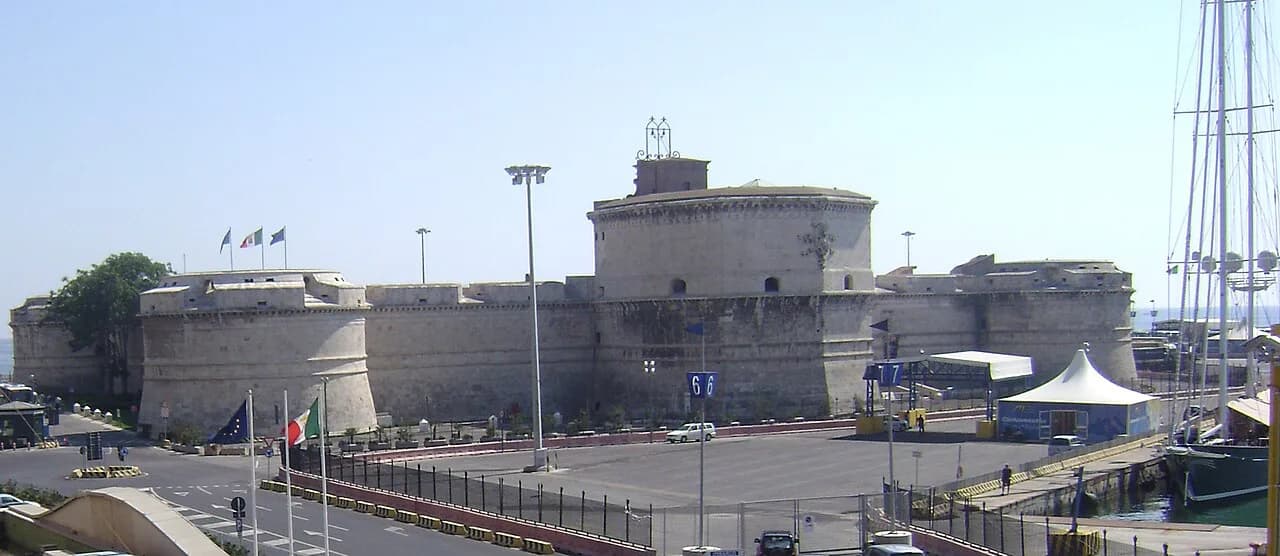
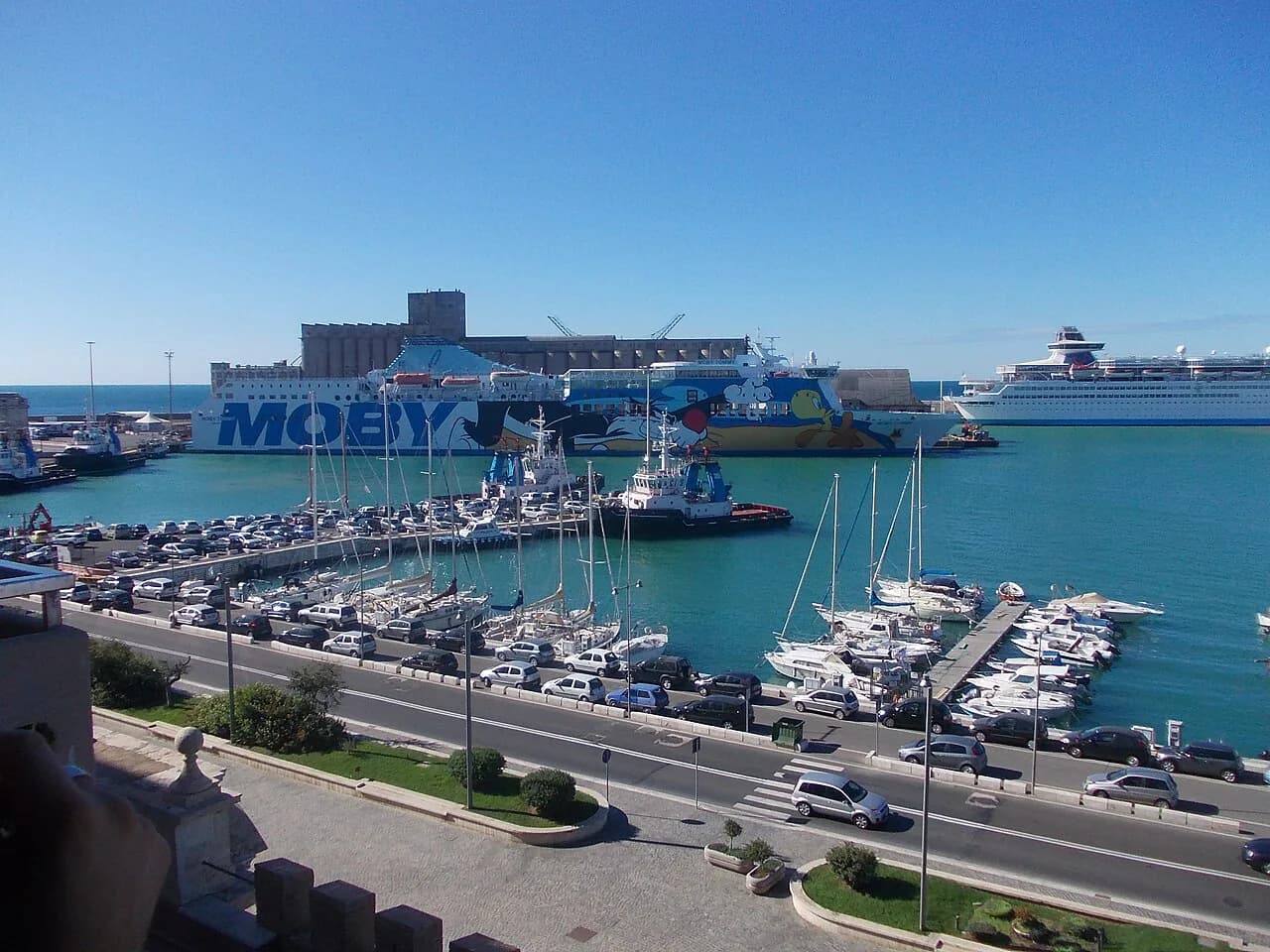
Civitavecchia's cruise berths lie along a working harbour, with the town centre, the railway station and the port entrance all on the landward side. Ships are not berthed beside the station; you still have a last-mile hop from the station forecourt to your ship, which is why the transfer does not end when the train stops. The layout of the docks and the walking or shuttle options between them are set out in the Civitavecchia cruise port guide.
Fiumicino sits south of Rome, so the airport-to-port run means travelling up the coast or cutting through the city. The straight-line gap is around 50 kilometres, but road routing and the rail connection through Rome both make the practical journey longer than that figure suggests. Treat any quoted time as a best case, not a promise. If you want to compare how another Italian airport handles the same airport to cruise port problem, the Genoa Airport to the Cruise Port guide covers the equivalent decision on the Ligurian coast.
The four ways from FCO to the port: train via Rome, coach, private transfer, taxi
There are four realistic choices: the rail connection that changes in Rome, a direct coach to the port area, a pre-booked private transfer, and a taxi taken on arrival. Each trades cost against control. The train is the most independent and the least forgiving of luggage and tight timing; the coach removes the change but runs to a limited timetable; the private transfer is the only option that takes you door to gangway with your bags handled.
A taxi on arrival is the fallback rather than the plan. You are negotiating at the kerb after a flight, with no fixed price visible in advance, and the driver's knowledge of which berth your ship uses is not guaranteed. If you want a car, book it before you fly so the driver meets you in arrivals and the vehicle size matches your luggage.
Train from Fiumicino Airport: into Rome, then out to the coast
The rail route has two legs, and the change is where the plan can come apart. You first ride the airport line into Rome, then switch to the coastal line that serves Civitavecchia. The fastest journeys between the airport and Civitavecchia take around one hour and 24 minutes, which already assumes a workable connection rather than a long wait on a platform.
Choose your interchange with luggage in mind. Roma Termini is the big hub with the most onward departures but long walks between platforms, while Trastevere is smaller and sits on the coastal line, so the change is shorter if the timings line up. If you are building a Rome add-on around the cruise, the Civitavecchia to Rome guide explains how the same line works from the port side.
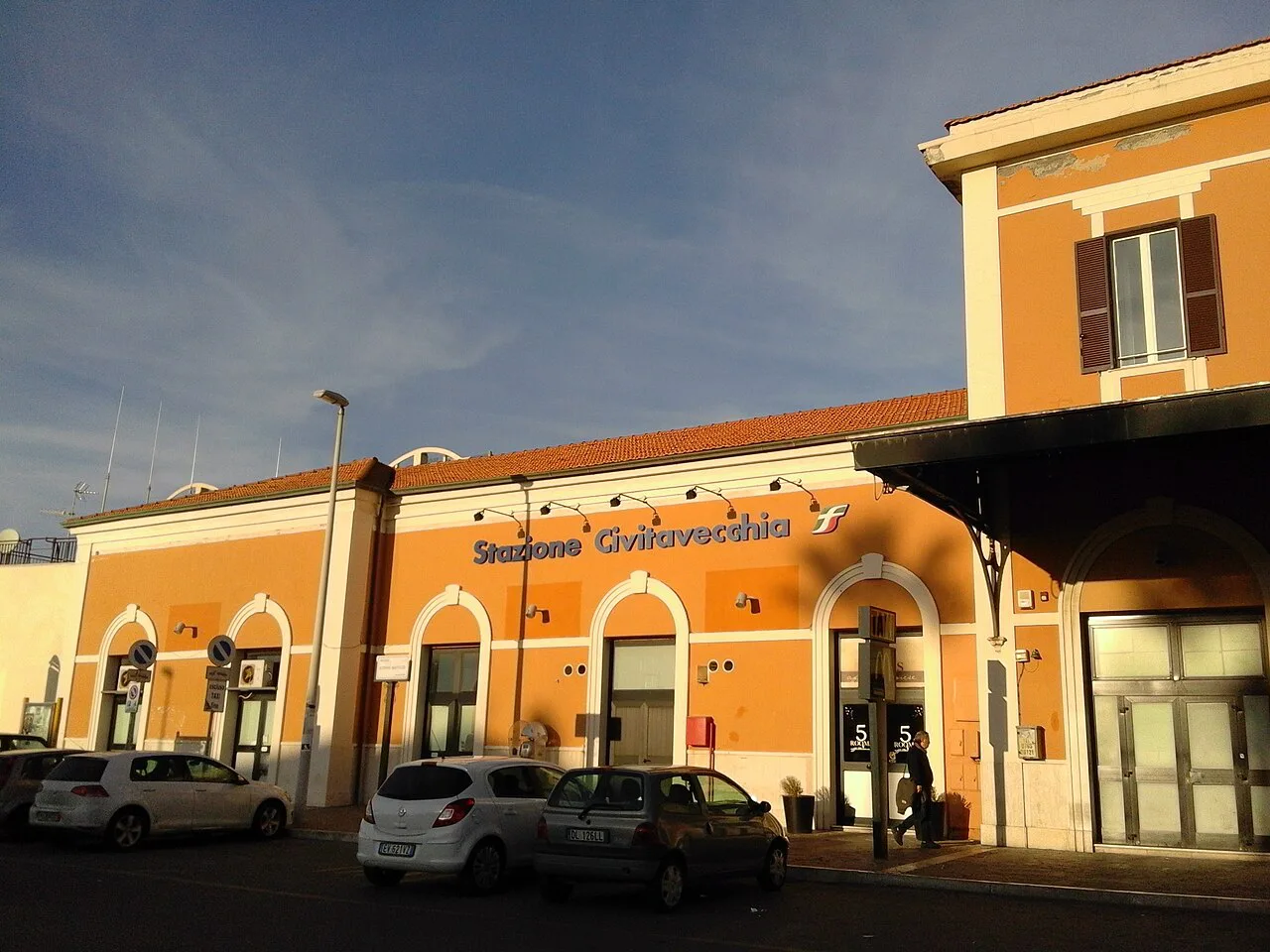
Allow more than the fastest figure. Add time for the airport train to fill and depart, for finding the right platform at the interchange, and for the walk from Civitavecchia station to the port entrance with your cases. A journey planned to the minute is a journey planned to miss the ship.
Coach services from FCO toward Civitavecchia and where they drop off
A direct coach takes the Rome change out of the equation. Sample schedules show a run of about 45 minutes from the airport to the Civitavecchia Port Bus Stop, a journey that is far shorter than the rail route on paper because it skips the city entirely.
Frequency is the catch. Published schedules show only a couple of departures a day on this route, so the coach works only if your landing time lines up with one of them. Sample fares on those listings sit in the region of 14 to 18 pounds per person, but they are date-specific quotes rather than a fixed tariff.
Check where the coach actually sets you down before you count on it. The Port Bus Stop on Via Prato del Turco is in the port area, not at the foot of your gangway, so budget a short onward hop or walk depending on which berth your ship holds. Book ahead, because a coach with limited daily departures is exactly the sort of service that sells out on turnaround days.
Private transfers and taxis: door-to-terminal, luggage handled
A private transfer is the option that removes every decision between arrivals and the ship. The driver meets you after customs, takes the cases, and delivers you to the terminal your ship uses, which matters when you are unsure which berth has been assigned. It is priced per vehicle rather than per seat, so the economics improve sharply with group size.
The trade-off is that you are committing to a company before you fly, usually with a card, and the quality varies. Reviews of pre-booked airport-to-port transfers describe meeting the driver on exit from customs as the standard pattern, so look for a booking that includes flight monitoring and a named meeting point in the arrivals hall.

What each option costs and where to buy tickets
The coach is the only option here with a published, per-seat price band, quoted between roughly 14 and 18 pounds depending on the day. Buy it in advance through the Sit Bus Shuttle site or a booking platform, since the limited daily departures make walk-up seats a gamble.
Rail tickets are sold through the national operator and its usual retail channels, at station machines, ticket offices and online. Fares vary by train type and how far ahead you book, so compare the price against the coach before deciding, and remember that a cheaper fare with a tight connection is a false economy on embarkation day.
Private transfer pricing is quoted per vehicle when you book, and the figure depends on vehicle class, passenger count and luggage. Get the quote in writing with the meeting instructions before you travel, and confirm that the price covers the port fee and the drop-off at your ship rather than the town gate.
How much time to allow before all-aboard on embarkation day
Work backwards, not forwards. Start from the all-aboard time your cruise line has given you, subtract the journey, then subtract a buffer for the last mile from the port entrance to your berth. On a turn-around day the terminal is busy, check-in queues are real, and the walk from the gate to the ship can eat twenty minutes on its own.
As a working rule, aim to be at the port at least two hours before all-aboard by coach or car, and three hours by train, because the rail option carries an extra failure point at the Rome interchange. A flight landing in the early afternoon makes the train risky; a morning landing leaves comfortable slack for any of the four options. Build the buffer into the plan rather than hoping the connection behaves.
For the final hop between the station, the port entrance and your berth, use the Civitavecchia Cruise Terminal to the Train Station breakdown so you know what the last mile involves before you commit to a rail arrival.
Choosing by luggage, group size and arrival hour
Two or more large suitcases tip the decision toward a car. Hauling them through a Rome interchange, down a platform and along the street to the port gate is the part of the rail route that travellers underestimate, and a taxi at the end does not fix the middle. A solo traveller with a carry-on can take the coach or train without pain.
Groups of three or more should price a private transfer before dismissing it, because the per-vehicle cost split across the party often lands close to multiple coach seats while removing all the handling. Late arrivals push you the same way: after the last coach has gone and with the rail connection thinning out, a pre-booked car is the only reliable option left.
If your flight lands the day before: overnight near the airport or the port
Landing the day before removes the deadline from the transfer and turns it into an ordinary journey. The question becomes where to sleep: at the airport, which keeps the arrival simple but leaves the whole transfer for the morning, or at Civitavecchia, which puts you minutes from the ship and lets you board early. The hotels near Civitavecchia cruise port guide covers the second option.
Sleeping at the port is usually the better choice for an early sailing, because the morning transfer disappears and you can walk or ride a short shuttle to the terminal. Staying at the airport suits a late-afternoon boarding and a cheap room rate, but you still have to make the full run up the coast on the day.
Same-day flight-to-ship: where the risk sits and how to reduce it
On a same-day arrival the risk is not the transfer itself but the flight delay that compresses it. A two-hour late landing destroys a coach booking and a tight rail connection alike, whereas a pre-booked car with flight monitoring simply waits and adjusts. That is the strongest argument for a private transfer when you fly in on the morning of the cruise.
Reduce the exposure by choosing the earliest flight you can reasonably take, booking a flexible coach or rail ticket where the fare allows changes, and keeping the buffer large enough that a delay of an hour or two still leaves you on the right side of all-aboard. For an idea of how other Italian airports handle this hand-off, the Bari airport to cruise port guide follows the same logic on a different coast.
No transfer operator can guarantee the ship will wait, and independent travellers bear that risk themselves. Treat the all-aboard time as hard, and let the cruise line know your flight number if you have booked their transfer, because that is the one arrangement where a delay is tracked by the people running the ship.
Cruise line transfers versus independent booking
A cruise line transfer bundles the airport pickup with your booking and typically runs on sailing day to meet the ship. The advantage is administrative: the line knows your flight, and the transfer is tied to your reservation, so a delay is their problem to manage rather than yours. The cost is usually the highest per person, and you may wait at the airport for other passengers on later flights.
Independent booking gives you control over departure time and vehicle size, at a price you can see before you commit. It suits anyone who wants to leave the airport the moment they clear customs, or whose party fills a car on its own. Compare a metered taxi quote with a Rome Cabs fixed price for your dates rather than guessing which comes out cheaper.
Return leg: Civitavecchia to FCO for disembarkation day
Disembarkation reverses the problem: you have a flight to catch and a fixed time to leave the ship. The coach and rail options run in the same directions, but the morning peak works against you if you route through Rome. A pre-booked car from the terminal to Fiumicino removes the connection and is easiest with luggage, while the train suits anyone with a late flight and a light bag.
Aim to reach Fiumicino with the margin your airline requires plus an hour, because port traffic and terminal queues on a turnaround morning are unpredictable. If your flight is early, book the car and disembark at the first slot the ship offers.
Plan the Transfer Before You Fly
Decide the transfer before you book the flight, because the landing time dictates which option works. A morning arrival leaves room for coach or train with a real buffer; an afternoon arrival points to a pre-booked car; a day-before landing lets you sleep at the port and stroll to the ship.
Whatever you choose, fix the all-aboard time first and plan backwards from it. Check the coach departure and the rail connection for your specific date with Sit Bus Shuttle, Trenitalia or your cruise line before you travel, then leave the rest of the day free for boarding.
Frequently Asked Questions
Is there a train from Fiumicino Airport to Civitavecchia?
Yes, but it is not a single direct service. You take the airport line into Rome, change at a station such as Roma Termini or Trastevere, then continue on the coastal line to Civitavecchia. The fastest journeys take roughly one hour and 24 minutes, and you should add time for the change and for the walk from the station to the port.
How long does the journey from FCO to Civitavecchia take?
A direct coach covers the airport to the Civitavecchia port area in about 45 minutes on sample schedules, while the fastest rail connection through Rome takes around one hour and 24 minutes. Road traffic and connection waits can extend either figure, so plan against the longest realistic time rather than the fastest.
Should I book a private transfer or take the train with luggage?
With two or more large suitcases, a group of three or more, or an afternoon landing, a private transfer is the calmer choice because the driver handles the bags and delivers you to your berth. The train works well for a solo traveller or couple with light luggage and a morning arrival that leaves a comfortable buffer.
How much does the coach from Fiumicino to Civitavecchia cost?
Sample fares on this route have been listed between roughly 14 and 18 pounds per person, but they vary by date and are not a fixed tariff. Check the fare for your sailing date with the coach operator or a booking platform when you reserve, and book ahead because daily departures are limited.
Which airport is closest to Civitavecchia Port?
Rome Fiumicino is the main gateway for the port and sits about 50 kilometres away. Rome Ciampino handles many low-cost flights but lies on the other side of the city, so the transfer is longer. Compare the total journey time from each airport to the port, not just the flight price.
How much time should I allow before all-aboard?
Aim to be at the port at least two hours before all-aboard if you arrive by coach or car, and three hours if you come by train, since the Rome interchange adds a failure point. On a same-day flight, keep enough slack that a delay of an hour or two still leaves you on the right side of the deadline.
Can I take a taxi from Fiumicino Airport to Civitavecchia Port?
Taxis are available at the airport, but you are negotiating at the kerb without a fixed price visible in advance. A pre-booked private transfer is usually the better arrangement for the port run, because the price is quoted per vehicle and the driver meets you in arrivals with your ship's berth details confirmed.
Is it better to fly into FCO or CIA for a Civitavecchia cruise?
Fiumicino is the simpler choice because it sits north of the city and connects to the coastal rail line via Rome, with a direct coach option as well. Ciampino is workable but adds a cross-city leg before you even start the run to the coast. Compare transfer times and vehicle quotes for both before booking flights.
Sources
Port-day notes for your next cruise
Optional updates to our port guides.
You might also like
Continue reading
More guides you'll find useful