Civitavecchia to Rome: Train, Bus or Transfer Guide
Compare the train, shuttle bus and private transfer from Civitavecchia to Rome, with journey times, ticket costs and the return buffer a port day needs.
On this page
A call at Civitavecchia is really a decision about Rome: the city center lies about 50 miles from the dock, and every option takes roughly an hour or more in each direction. That single hour-plus each way is what separates a genuine half-day in the Vatican or at the Colosseum from a rushed dash that ends at the station instead of the Forum. Choose your transport around the return leg first, then build the sightseeing backward from it.
This guide suits passengers on a standard port day who want an independent day in Rome rather than a coach tour, and who can walk a few flights of stairs or handle a taxi. If your call is short or your mobility is limited, the train's stairs and the fixed bus timetable become the deciding factors rather than the fare.
Where ships dock at Civitavecchia
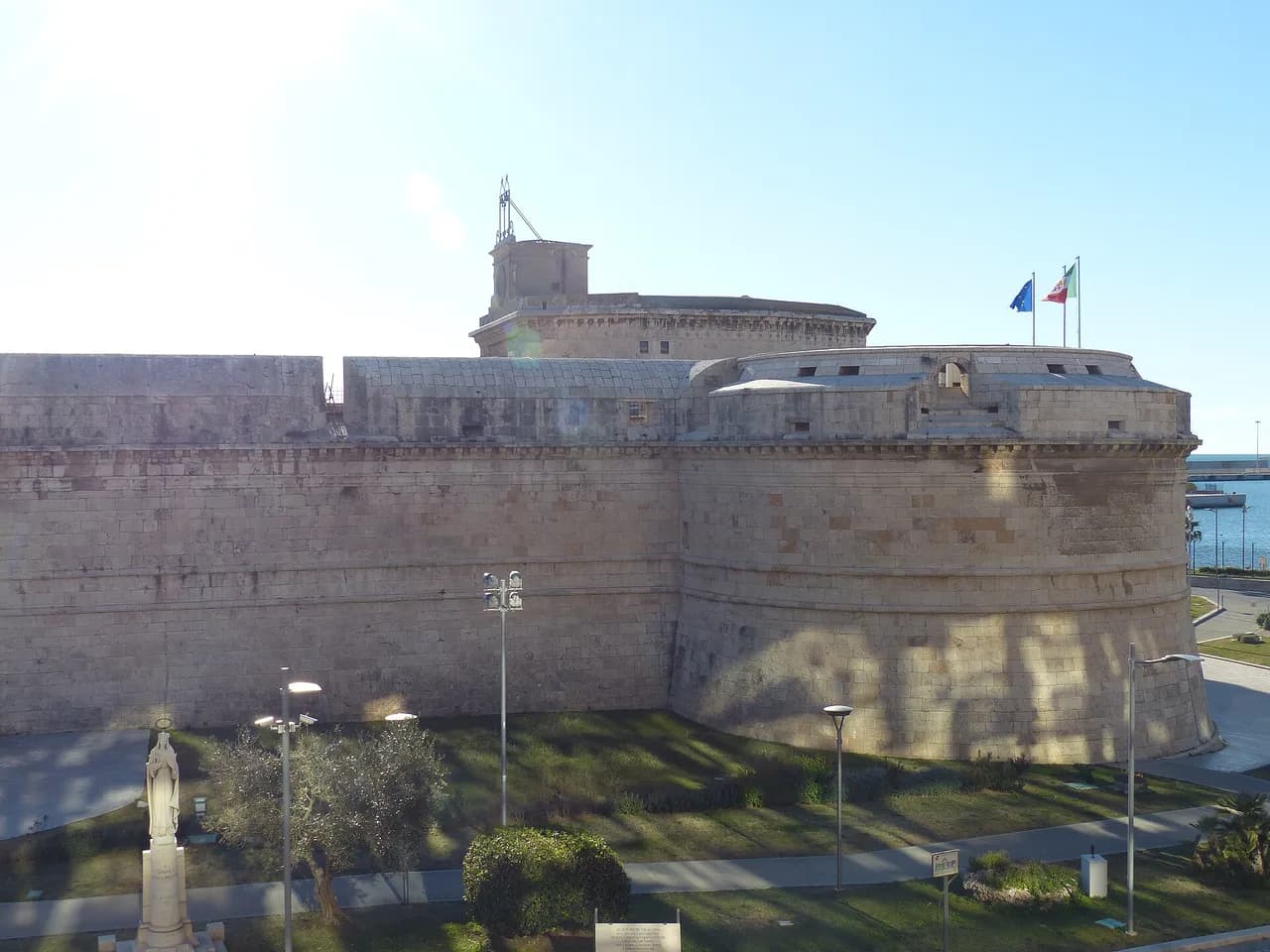
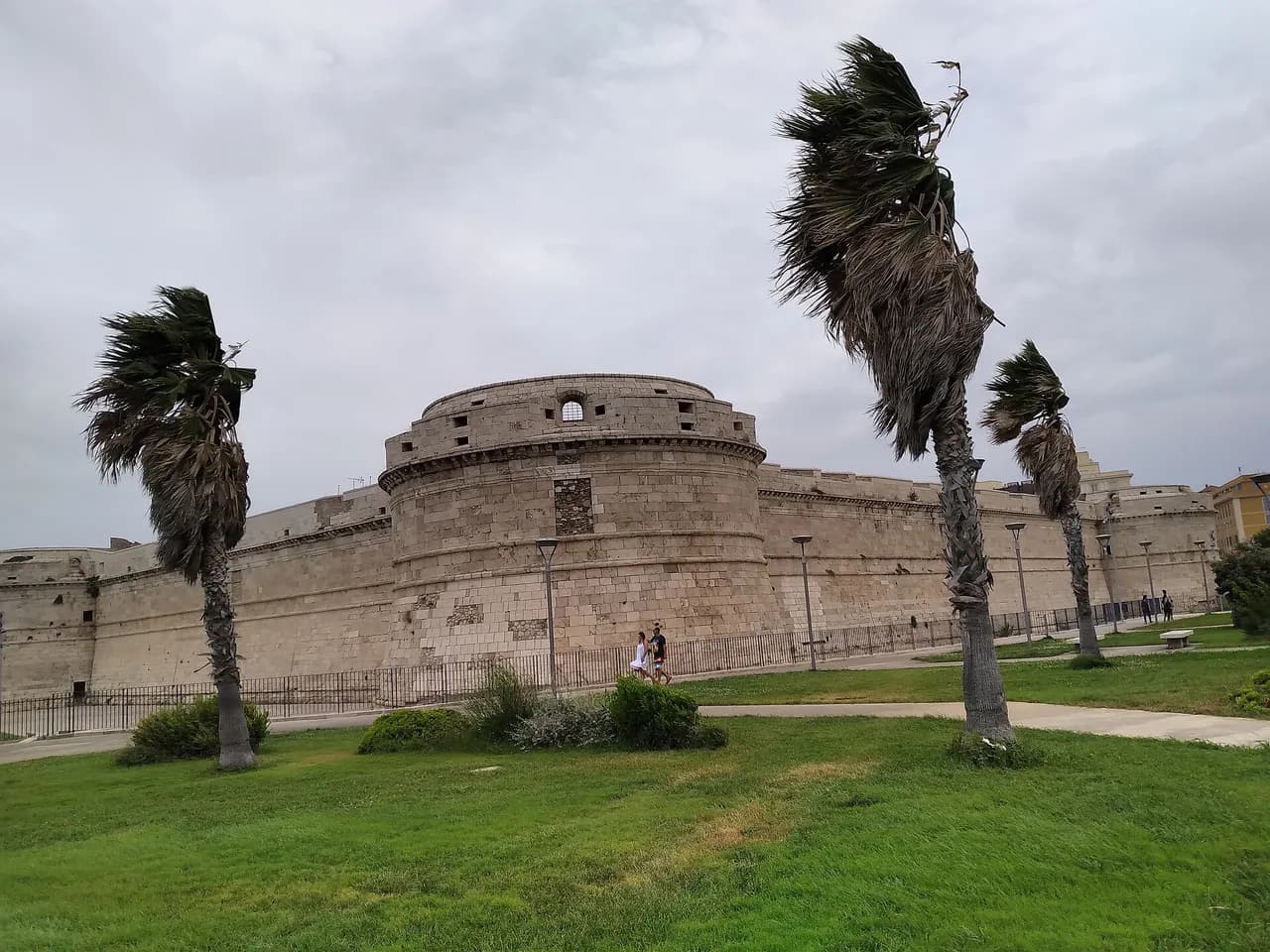
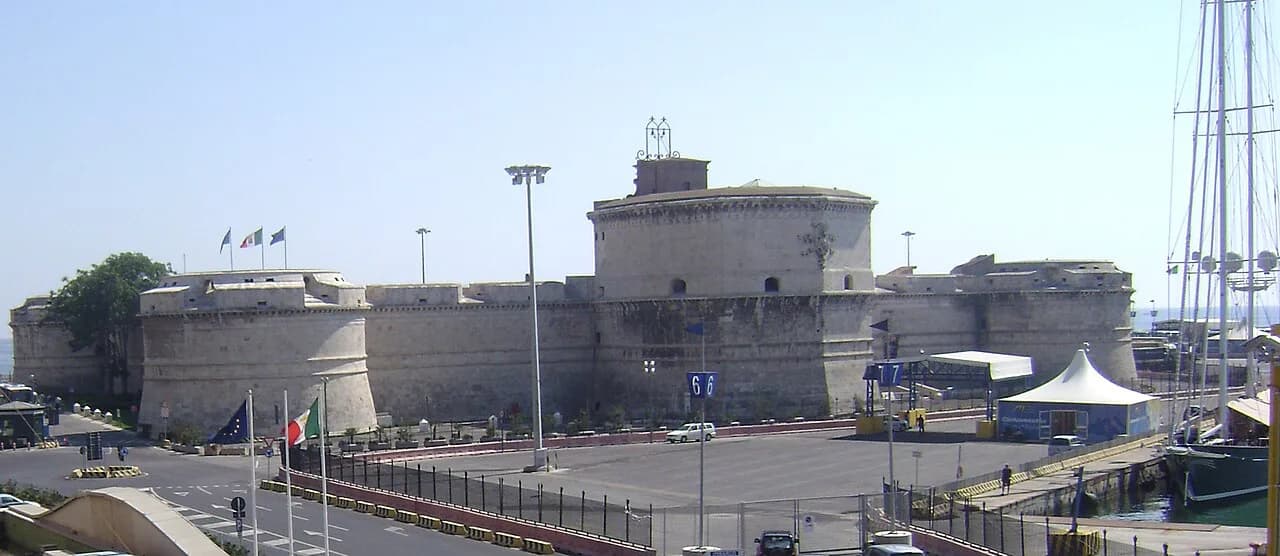
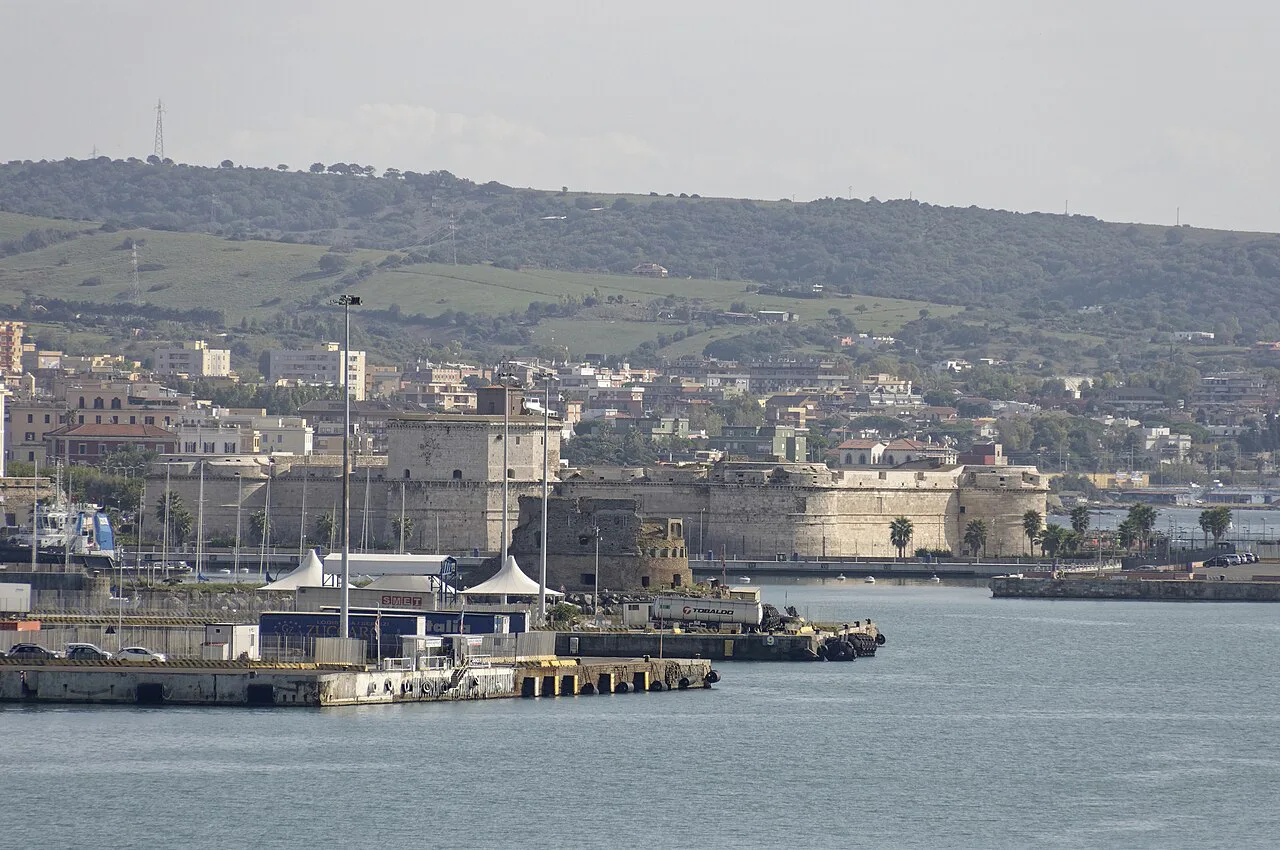
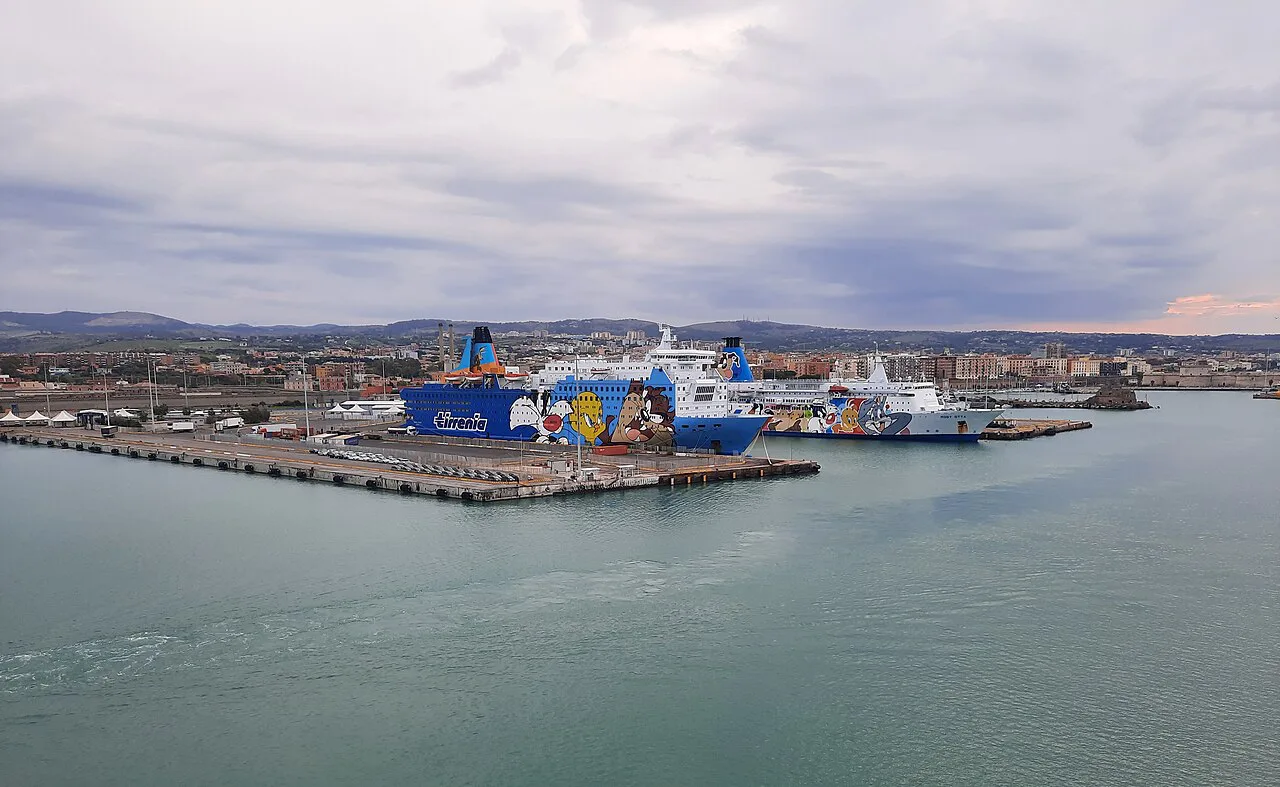
Cruise ships berth in the commercial Port of Civitavecchia, a working harbor spread along the coast north of the historic center. Berths sit at varying distances from the town gate, and the walk out to the station can be long depending on where your ship ties up, which is why many passengers use the port shuttle to reach the exit rather than walking the full distance.
The town's railway station sits at the edge of the center, roughly a 15-minute walk from the port area, and ships commonly run a shuttle to drop passengers closer so they avoid the whole walk with luggage. Treat that shuttle as the first leg of your Rome journey rather than an optional extra, because the time it saves is time on the platform.
For the layout of the quays, the shuttle pick-up points and how the terminal buildings connect to town, work from the civitavecchia cruise port overview before you plan the morning. Knowing which side of the harbor you dock on tells you whether to allow ten minutes or thirty for the transfer to the station.
The regional train to Rome
The regional train is the cheapest and most frequent way into the city, running on the coastal line between Civitavecchia and Rome. It is unreserved, so you cannot book a seat ahead of time; buy at the ticket machine inside the station and validate the paper ticket in the machines before boarding. Digital tickets bought online do not need printing or stamping.
As a 2019 reference, the one-way fare was €4.60, and tickets could be pre-booked online once you had picked a departure time. Treat that figure as a historical benchmark rather than today's fare, and check the current price at the machine or on the Trenitalia site when you buy.
Trains run several times an hour on this stretch, which is what makes the train forgiving: miss one and another follows without derailing your day. The trade-off is that regional services are not immune to delays, so the return train you pick should leave margin rather than being the last one that could work.
Which Rome station to get off at
The first Rome stop is Roma San Pietro, reached about 40 minutes after leaving Civitavecchia; get off here for the Vatican and St Peter's Basilica. Staying on through Trastevere brings you to Roma Ostiense, where you can switch to the metro at Piramide and reach the Colosseum in two stops. Continuing to Roma Termini takes about an hour and puts you at the main hub for Metro A and B.
For a first visit, San Pietro is the efficient choice if the Vatican is your priority, because you skip the extra city transit entirely. For the Colosseum and the historic center, Ostiense plus the metro beats riding all the way to Termini and doubling back. Pick one cluster of sights and let the station follow from it rather than trying to cover both ends of the city.
The shuttle bus option
An air-conditioned shuttle bus covered the run in about an hour for €10 in 2019, departing Civitavecchia at 9:00 or 9:30 and reaching the Vatican area around 10:00 or 10:30 before continuing to Termini. The return buses left Rome at 3:30 or 4:00 and the Vatican area at 3:45 or 4:15, arriving back in Civitavecchia by 4:45 or 5:15. Those times are the 2019 schedule, so check the current timetable and prices before you book.
The bus suits passengers who want a fixed, simple plan and no ticket-machine learning curve, and it stores luggage underneath for the journey. The catch is the timetable: a single departure window in the morning and a fixed afternoon return leave you no flexibility if you linger at a museum. The train's frequency is the stronger choice when your priority is maximizing time in the city. If you are weighing up other Italian port calls with the same fixed-schedule trade-off, the Livorno cruise port guide covers the equivalent bus-and-train decision for Florence.
Taxi and private transfer
A taxi between two cities in Italy becomes expensive quickly, so a pre-booked private transfer is the safer way to travel by car. In 2019 a car transfer between Civitavecchia and Rome took around an hour depending on traffic and cost €140, with a driver assigned in advance and the fare prepaid. A direct transfer between the port and Fiumicino Airport cost €120 in the same period.
The transfer earns its price when you are a group splitting the cost, carrying heavy luggage, or traveling with someone who cannot manage station stairs. For a solo traveler on a budget it rarely makes sense against a train fare in single digits. If you are heading straight to the airport after the cruise rather than into Rome, the airport route is worth pricing separately.
Comparing train, bus and transfer
On cost, the regional train wins clearly, with the bus a close second and a private car an order of magnitude higher. On time, all three take roughly an hour to an hour and a quarter, so the difference is frequency and flexibility rather than raw speed. On risk, the train's several departures an hour give you the most chances to recover from a delay, while the bus ties you to one return time.
None of these options guarantees the ship will wait, so the return buffer matters more than the outbound choice. Build your day so you are back at the Civitavecchia station or port at least an hour before all-aboard, and treat any plan that returns within thirty minutes of the deadline as too tight.
What fits on a 6-, 8- or 10-hour call
On a six-hour call, the hour-plus each way leaves you perhaps three hours in Rome, which is enough for one focused sight, such as the Vatican area from San Pietro or the Colosseum via Ostiense. Trying to add the historic center on top usually means a rushed walk and a tense return. Choose one and do it properly.
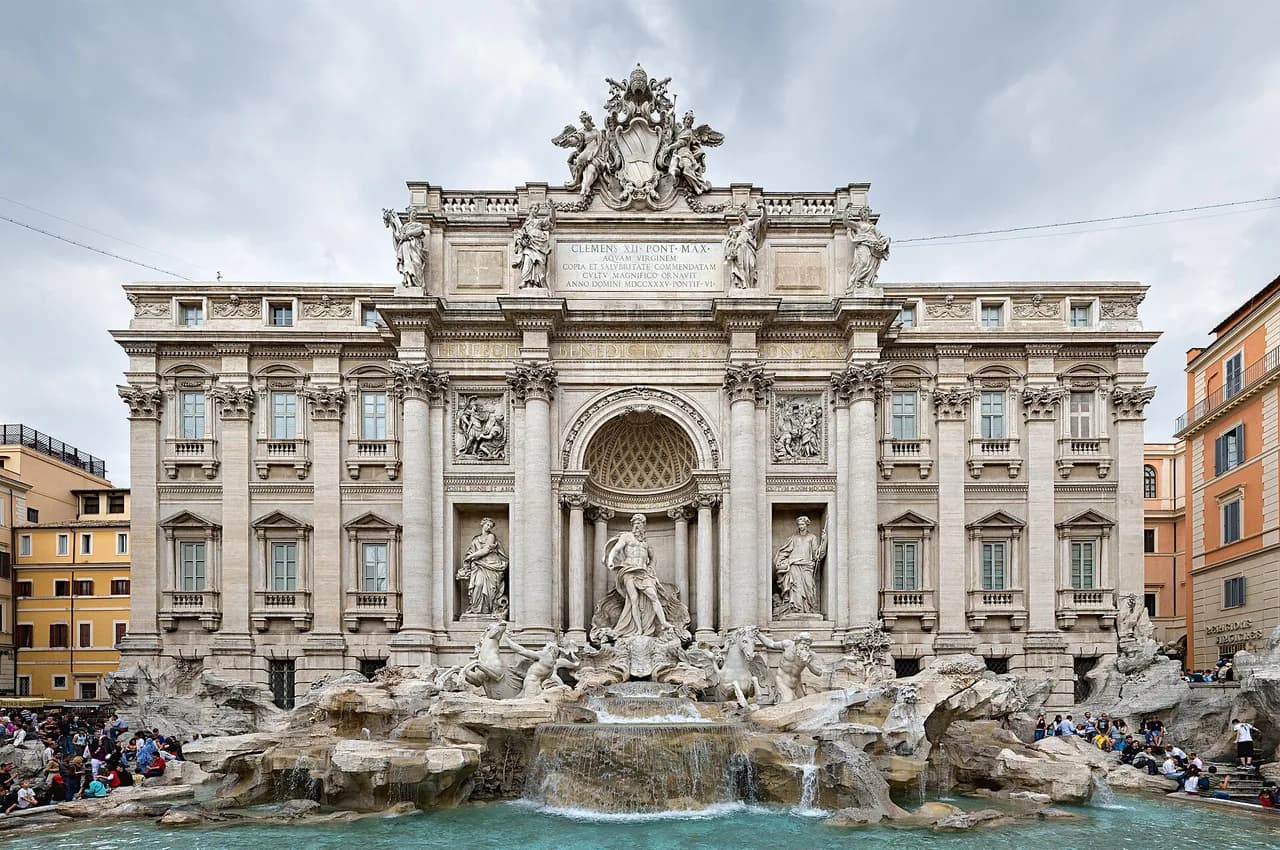
An eight-hour call opens up two linked sights in one neighborhood, such as the Vatican and Castel Sant'Angelo, with a relaxed lunch in between. A ten-hour call is where a broader sweep becomes realistic, with time to walk from the Colosseum through the center to the Trevi Fountain and Pantheon before heading back to Termini for the train.
Returning to Civitavecchia on time
Plan the afternoon backward from the train you intend to catch, not from the sight you want to see last. Aim for an early-afternoon departure from Rome, leaving yourself a full buffer at the port before all-aboard, and identify a backup train an hour later in case the first is delayed or crowded. The frequency on the line is your safety net, so use it deliberately.
If you are traveling onward to the airport rather than back to the ship, note that the fastest trains between Civitavecchia and Fiumicino Airport take around one hour and thirteen minutes, covering roughly 50 kilometers. That is a viable post-cruise route but not a sensible detour on a port day.
Luggage, stairs and mobility at the station
Civitavecchia station has stairs down and up between the street and the platforms, and the lifts were out of service in June 2019 with no repair date given. Traveling with a 50-pound suitcase and a carry-on makes that a real obstacle, and a taxi from the ship to the station is the practical workaround. Light travelers with a day bag will not notice the stairs.
For a step-by-step route from the quay to the platforms, including where the shuttle drops you and which exit leads into town, use the civitavecchia cruise terminal to train station walkthrough before you go. If you are staying overnight before or after the cruise, hotels near the port let you leave luggage and travel into Rome unencumbered.
Taking a Dog from Civitavecchia into Rome
For a dog traveling with you from the port into Rome, the regional train is the practical choice, since it is the only one of the three connections described that runs frequently and does not require a reservation or an assigned seat. You cannot book a seat ahead of time on this line, and tickets are sold at the machine inside the Civitavecchia station. Remember to validate them in the machines before boarding, or use a virtual ticket, which does not need to be printed or validated. The ride to Roma Termini takes about 1 hour, and on the way you pass San Pietro at about 40 minutes, then Trastevere and Roma Ostiense.
The station walk matters with a dog: the Civitavecchia train station is about a 15-minute walk from the port, and your cruise ship will likely provide a shuttle bus to drop you closer so you do not need to walk the entire way. In June 2019 both elevators at the station were out of service with no indication of when they would be repaired, so you would carry everything down and then up two flights of stairs.
The alternatives are less flexible for a dog. The air-conditioned shuttle bus leaves Civitavecchia at 9:00 am or 9:30 am, reaches the area near the Vatican at 10:00 am or 10:30 am and Termini by 10:15 am or 10:45 am, and returns from Rome at 3:30 pm or 4 pm, or near the Vatican at 3:45 pm or 4:15 pm, for €10. Luggage can be stored under the bus for the journey. A private transfer takes around an hour depending on traffic and costs €140; between Civitavecchia and Fiumicino Airport it is €120. Because the train runs three to four times an hour, it leaves you the most room to time the day around your dog.
Plan Your Visit
For most cruise passengers, the regional train is the default: cheap, frequent and flexible enough to absorb a delay, provided you can handle the station stairs and validate your ticket. The shuttle bus is the easier alternative for a fixed plan, and a private transfer is worth it for groups, heavy luggage or limited mobility. Whatever you choose, treat the return leg as the plan and the sightseeing as the variable.
Frequently Asked Questions
Can I get a transfer from the Civitavecchia port to my hotel in Rome?
Yes. A pre-booked private transfer takes you door to door in around an hour depending on traffic, and you can have the driver drop you at a hotel anywhere in the center rather than at a station. Expect to pay a premium over the train, and confirm the meeting point at the port in advance.
Is there a bus from Rome to Civitavecchia port?
A shuttle bus runs between Civitavecchia and Rome, stopping near the Vatican and at Termini, with afternoon return departures from both points. It is a fixed schedule rather than a turn-up-and-go service, so book ahead and check the current departure times before relying on it.
How much is a taxi from Civitavecchia to Rome?
A metered intercity taxi can become very expensive, so a pre-booked private transfer with a fixed, prepaid fare is the more predictable option. Ask for the current quote in writing before you commit, since rates change.
How do I get from the cruise port to the airport in Rome?
The train from Civitavecchia to Fiumicino Airport takes around one hour and thirteen minutes at its fastest, or you can book a direct private transfer between the port and the airport. The transfer is simpler with heavy luggage, while the train is cheaper for light travelers.
How far is Civitavecchia from Rome?
Civitavecchia sits about 50 miles from central Rome, and the journey takes roughly an hour by train or car depending on traffic and stops. That distance is why a port day in Rome is really a half-day in the city once you account for travel in both directions.
Sources
Port-day notes for your next cruise
Optional updates to our port guides.
You might also like
Continue reading
More guides you'll find useful