Copenhagen Cruise Terminal Guide: Where Ships Dock
Copenhagen's cruise quays sit outside the old harbour, so plan the shuttle, taxi or metro that gets you to Nyhavn and the sights inside your port day.
On this page
A Copenhagen port day hands you a compact, walkable old city wrapped around a working harbour, with Nyhavn's painted gables, royal palaces and Tivoli Gardens all within reach of the centre. It suits passengers who want a few strong sights and a long lunch rather than a sprint through museums, and it rewards anyone who sorts out the berth-to-centre transfer before going ashore. The one thing that changes everything is where your ship ties up.
Copenhagen is both a turnaround port and a transit call, and the two days work very differently. On a turnaround you are juggling luggage, drop-off and a flight or train; on a transit call you have a fixed number of hours and an all-aboard time. Read your berth first, then build the day around the transfer it demands.
Where ships dock
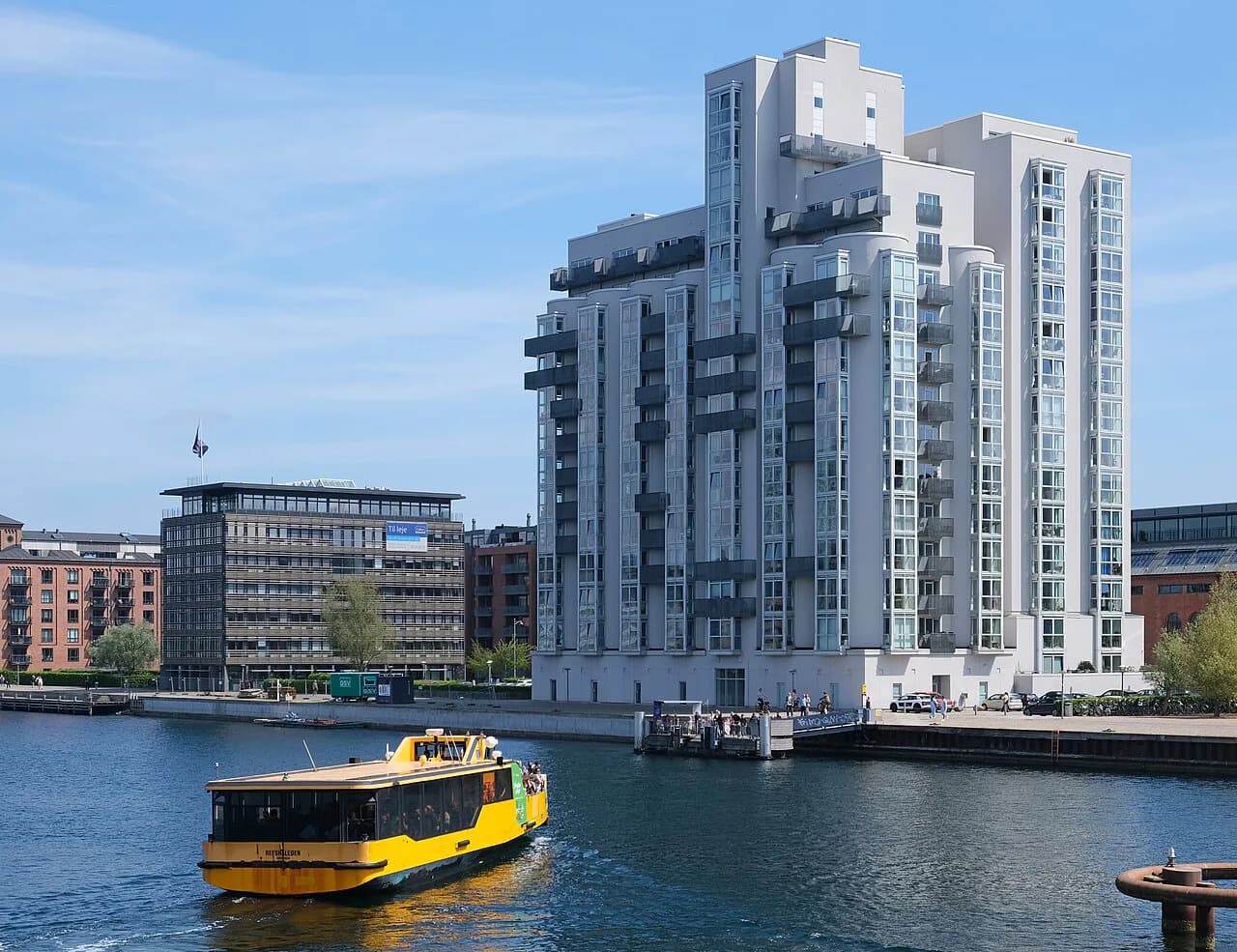
Cruise ships calling at Copenhagen use the port's dedicated cruise quays rather than tying up along Nyhavn or the inner harbour, so your berth sits outside the historic core and the transfer becomes the first decision of the day. Berths are assigned by the port and vary by ship, size and date, so the quay on your cruise line's port information is the one that matters, not the terminal another ship used last season.
Copenhagen also handles ships at the inner-harbour area around Nordre Toldbod, which puts you within walking distance of Amalienborg and Nyhavn, but assignment there depends on the port and the individual call. Treat a central berth as a bonus rather than a plan, and have the shuttle, taxi or metro option ready in case you are sent to an outer quay.
To find your berth before you sail, check the ship's daily programme and the port's own vessel list for the date; third-party trackers such as the schedules on CruiseMapper can also show a ship's planned port times, though the port authority and your cruise line remain the authority on where you actually tie up.
Distance and orientation
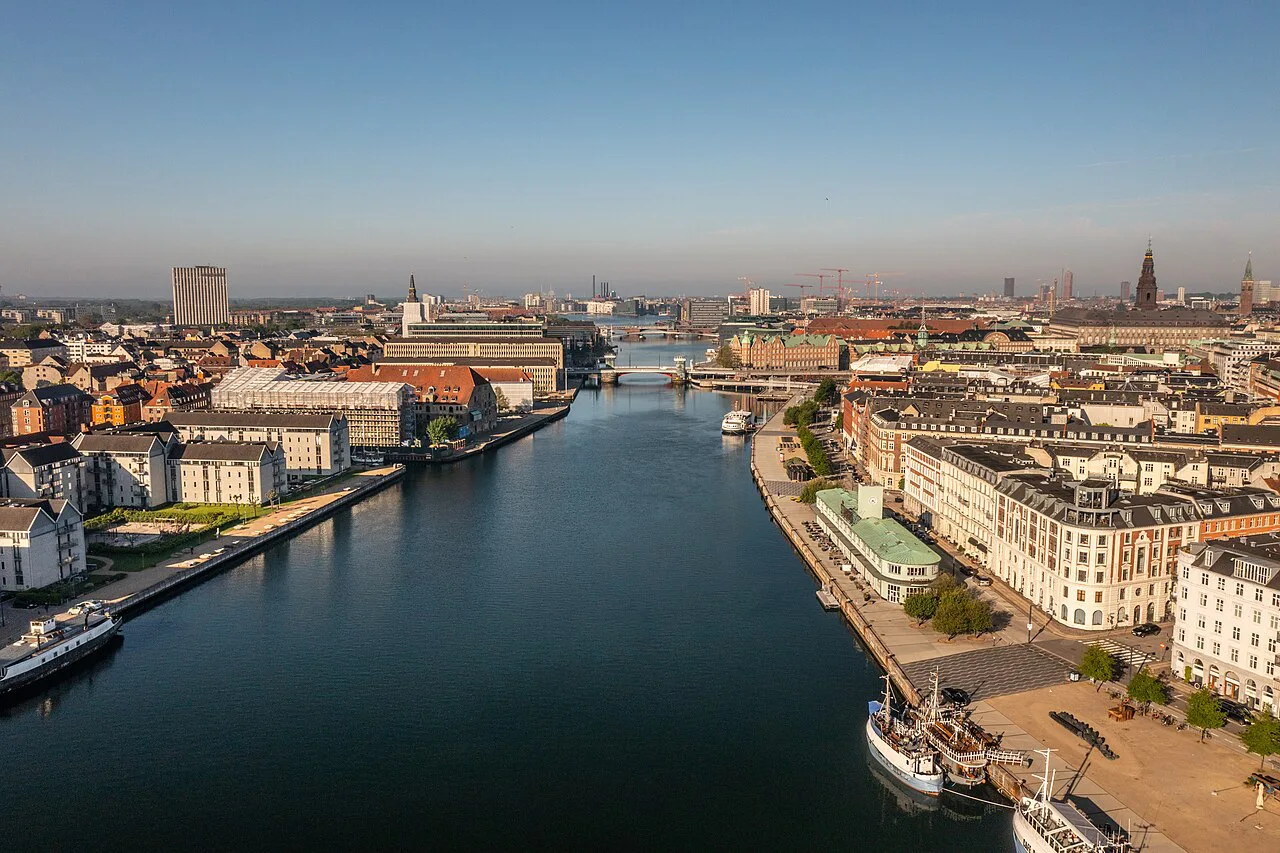
The old city is small and flat, and once you are in it Nyhavn, Amalienborg, Rosenborg Castle and the Strøget shopping streets sit within an easy walk of each other. The distance that matters is the one from your quay to that core: an outer cruise berth turns a twenty-minute stroll into a vehicle transfer, while a central berth drops you almost at the water's edge.
Orient yourself by the water. Nyhavn runs inland from the harbour mouth, Amalienborg sits just north of it, and the main rail and metro hub at Nørreport and Kongens Nytorv metro station anchor the shopping and palace district. Knowing those three points is enough to plan a loop on foot once the transfer is done.
Getting into town
Walking works only when you are berthed centrally; from the outer cruise quays the walk is long, partly industrial and a poor use of a short call. The practical options are the cruise line's shuttle, a taxi from the rank at the quay, and Copenhagen's metro and bus network, which connects the centre to stations near the cruise areas.
Taxis wait at the quay on busy call days, and the ride into the centre is short in distance but exposed to traffic; on a multi-ship day the rank can move slowly. Public transport is the cheapest reliable option, with metro and bus services running frequently through the day and tickets sold from machines and apps rather than on board.
Copenhagen's metro runs driverless trains on a simple, frequent pattern, and one line links the airport with the city centre while other lines serve the districts around the harbour. If your quay is not on a metro line, a short taxi hop to the nearest station or a direct bus into the centre is usually faster than walking out of the port area.
Shuttle buses
On turnaround days the cruise line usually runs a coach service between the ship and the city centre or a central drop-off point, aimed at passengers heading to hotels or onward transport. On transit calls a shuttle may be offered from outer berths, but it is not guaranteed, so confirm the arrangement on board the evening before and note the last return departure.
Shuttles usually drop at a fixed point rather than at your chosen sight, so plan the walk from the drop-off rather than expecting door-to-door service. The return leg is the one to pin down: note where the shuttle picks up, how often it runs and the time of the final departure back to the ship.
Tickets and payment for public transport
Copenhagen's metro, buses and regional trains use the same zone-based ticket system, with single tickets and period passes sold through ticket machines, the DOT app and staffed stations. For a single port day, a city pass covering the central zones usually beats buying separate singles, especially if you plan several metro or bus hops between the centre and your quay.
Card payment is the norm at machines and in the app, and ticket checks are random rather than at barriers, so validate before boarding. If you are only making one return trip into the centre, a pair of singles is simpler than a pass, and the airport metro is covered by the same zone logic for turnaround-day transfers.

Hop-on hop-off bus and canal cruise
The hop-on hop-off bus plus optional canal cruise is the low-planning way to cover a lot of ground in a short call, with routes touching the Little Mermaid statue, Amalienborg, Christiansborg Palace, Tivoli and Nyhavn. It suits a first visit or a short transit call where you want an overview rather than deep time in one museum, and the canal boat adds a water-level view the bus cannot give.
Against that, the bus is slow in traffic and the loop eats time that self-guided walking would spend inside Nyhavn or at Rosenborg. If you have eight hours or more and your berth is central, walking beats the loop; if you are berthed far out and have six hours, the bus and boat combination delivers more sights per hour ashore.
How long you need
For a six-hour call from an outer berth, treat the transfer as costing you roughly an hour each way once you allow for waiting and walking, and plan one compact area: Nyhavn, Amalienborg and the Kongens Nytorv streets on foot, with a canal boat only if the schedule is tight. Skip Tivoli and Rosenborg, which each deserve more time than a rushed stop allows.
With eight hours you can take in Nyhavn, Amalienborg and Rosenborg Castle, with a proper lunch and a stroll through the King's Garden, and still keep a comfortable buffer for the return. Ten hours opens up Tivoli Gardens in the afternoon or a harbour and canal cruise before heading back, plus time at the National Gallery or a longer wander through Christianshavn.
A turnaround day is not a sightseeing day. If you are joining or leaving the ship, budget your hours around the airport or rail transfer and luggage rather than a palace queue, and keep sightseeing to what fits around check-out and your onward departure.
Independent versus a ship's tour
Copenhagen is easy to do independently: the centre is walkable, English is universal, the metro is simple and the main sights cluster tightly. A ship's tour buys you organisation and, on a distant berth, a guaranteed coach back to the quay, while independent travel buys flexibility and time inside the sights rather than on a bus.
Local operators run walking tours and canal cruises that cost less than the ship's equivalent and often cover the same ground, but the return leg is on you and the ship will not wait for a late independent passenger. If you go independent, choose an operator whose finish point is near a metro station and keep the final hour free for the ride back.
Return-time buffer
Build your buffer around the transfer, not the sightseeing. From the centre to an outer berth, allow the journey time plus a margin for a missed metro or a slow taxi rank, and add extra on days when several ships are in port and the roads and shuttle queues are busiest. Aim to be back at the quay well before all-aboard rather than at it.
Note your berth's name before you leave the ship, since a taxi driver needs the quay rather than the ship name, and keep the ship's contact details and the port's address to hand. Check the all-aboard time in the daily programme rather than assuming it matches the published departure.
Embarkation day: drop-off, luggage and airport transfers
On embarkation day, follow your cruise line's written instructions for the terminal and drop-off point rather than heading to the city centre, since luggage handling and check-in happen at the quay the ship is using. Hand bags to the porters at the drop-off, keep passports and boarding documents on you, and expect the terminal to be busiest in the late morning.
Copenhagen Airport sits on the metro line into the centre, which makes a rail-and-metro transfer to the cruise quay straightforward if you are not carrying too much, while a taxi is simpler with heavy bags. The metro runs frequently through the day, and both the airport and the city centre are on the same line.
If you are arriving the night before, stay within easy reach of the centre or a metro station rather than out by the quay; it keeps the morning simple and lets you drop bags and reach the terminal without a long taxi ride.
For a late flight after disembarkation, the city centre is the natural place to kill a few hours, with luggage storage at the main rail station and metro connections to the airport. Allow extra time on a multi-ship day, when taxis at the quay and check-in queues at the airport both lengthen.
What to see close to the ship
If you are berthed centrally, the Little Mermaid statue, Amalienborg and Nyhavn are all within a short walk along the waterfront, making a low-stress two- or three-hour loop possible before all-aboard. From an outer quay, the nearest worthwhile stop is whatever the shuttle drops you at, so choose a compact route around Nyhavn and the Kongens Nytorv area rather than spreading out.
Choosing your plan by call length
A six-hour call from an outer berth means one compact area on foot plus a canal boat, an eight-hour call means Nyhavn, Amalienborg and Rosenborg taken at a walking pace, and ten hours or a central berth lets you add Tivoli or a longer harbour cruise. Whatever the shape, decide the transfer first and the sights second. The same logic applies on a smaller scale in the fjords, where the Olden cruise port guide shows how a glacier or skylift day hinges on the berth.
Turnaround passengers should plan around luggage and the airport or rail transfer, and treat any sightseeing as a bonus rather than the anchor. Transit passengers should note their berth, fix their return route and keep a buffer that matches the transfer, since no one guarantees the ship waits.
Frequently Asked Questions
Where do cruise ships dock in Copenhagen?
Ships use the port's dedicated cruise quays outside the historic core, with some calls handled at the inner-harbour area around Nordre Toldbod. The port and your cruise line assign the berth for each call, so treat the quay named in your ship's port information and daily programme as the one that applies to your day.
How far is the Copenhagen cruise terminal from the city centre?
It depends on the berth. An inner-harbour berth puts Nyhavn and Amalienborg within a short walk, while an outer cruise quay turns the same trip into a taxi, shuttle or metro-and-walk transfer. Read your assigned quay first and plan the transfer from there.
Is there a shuttle bus from the Copenhagen cruise terminal to town?
Cruise lines commonly run a coach between ship and city centre on turnaround days, and may offer one from outer berths on transit calls. It is not automatic, so ask at the shore-excursions desk the evening before and note the drop-off point, the pick-up point and the time of the last departure back to the quay.
Can you walk from the Copenhagen cruise port into the city?
Only comfortably from a central berth. From the outer quays the walk is long and not the best use of a short call, so plan on a taxi, the cruise shuttle or public transport into the centre. Once you are in the old city, everything from Nyhavn to Rosenborg is genuinely walkable.
Sources
Port-day notes for your next cruise
Optional updates to our port guides.
You might also like

Continue reading
More guides you'll find useful