Copenhagen Shore Excursions: Ship Tours vs DIY Port Days
Compare Copenhagen shore excursions: ship canal tours, local cruise options and hop-on hop-off buses against a do-it-yourself day from the pier, with time buffers.
On this page
Copenhagen rewards passengers who pick one idea and do it properly rather than chasing every landmark on a list. The compact center puts Nyhavn, Amalienborg Palace and Rosenborg Castle within a walkable core, while the harbor and Christianshavn canals add a water dimension that no bus route matches. A plan built around one boat trip or one walking loop will beat a frantic dash every time.
This is a comparison of the three realistic ways to spend the day: a cruise line excursion, a locally booked tour, or independent travel from the berth. The right choice depends less on budget than on how many hours you actually have and how much return risk you are willing to carry.
Where ships dock and how far the sights are
Ships calling at Copenhagen tie up at different berths depending on size, operator and the day's port schedule, and the berths are spread along the harbor rather than clustered in one spot. Some sit close to the historic core near the Nordre Toldbod area, while others use the larger terminal complex further out, so the distance to Nyhavn changes with your assignment. For how the berths are laid out and which one your sailing is likely to use, work from the copenhagen cruise terminal guide before you plan the day.
The practical consequence is that you should not assume a five-minute stroll to the sights. Berths near the center allow a pure walking day; outlying berths make a shuttle, taxi, bus or metro leg part of the plan before you even reach Nyhavn. Treat that first transfer as a fixed cost in time, because it is the element most likely to eat into a short call.
Matching a 6-, 8- or 10-hour call to a plan
Start from the all-aboard time, not the published arrival, and subtract your return buffer before you book anything. On a call of roughly six hours ashore, one activity plus a short walk in the center is realistic; a canal cruise and a Nyhavn stroll fits, while a palace interior visit on top of it usually does not. On eight hours you can pair the canal loop with Amalienborg and Rosenborg on foot. A ten-hour call is the one that allows a longer local tour, a proper lunch in Nyhavn and a relaxed return.
The number of hours advertised by the cruise line is not the number you get ashore. Tender operations, gangway queues and immigration checks can eat the first and last half hour, and organized tours often leave shortly after docking. Budget your day from the scheduled gangway time and keep the last stretch free for the return leg.
Ship excursions: what the canal-and-city tour covers
The ship's signature Copenhagen excursion is a combined land-and-water orientation. Norwegian Cruise Line's Scenic Copenhagen and Canal Cruise runs about three hours, begins with a canal boat ride past the Little Mermaid and through the harbor to the Royal Palace, the Opera House and Nyhavn, then continues through Christianshavn to Our Saviour's Church, the Black Diamond and Christiansborg Palace before a motorcoach city drive. It is pitched at an easy activity level, with about 15 steps to negotiate to reach the canal boats.
That excursion is priced at $129.99 per adult and $79.99 per child on Norwegian Cruise Line's own page, with NCL noting that prices depend on availability and can change, so confirm the current figure in your booking account. For a family comparing options, the child rate is the detail worth checking first, because it changes the arithmetic against booking a boat locally.
The main argument for the ship version is structural rather than scenic: it removes the transfer problem entirely, since the coach collects you at the berth and returns you there, and you spend the three hours being shown the highlights rather than navigating. The trade-off is that you see the city at the pace of a group, with fixed photo stops and no lingering in Nyhavn. For a first visit on a standard call, that trade is usually worth it; for a repeat visitor it rarely is.
The canal cruise as the anchor of a port day
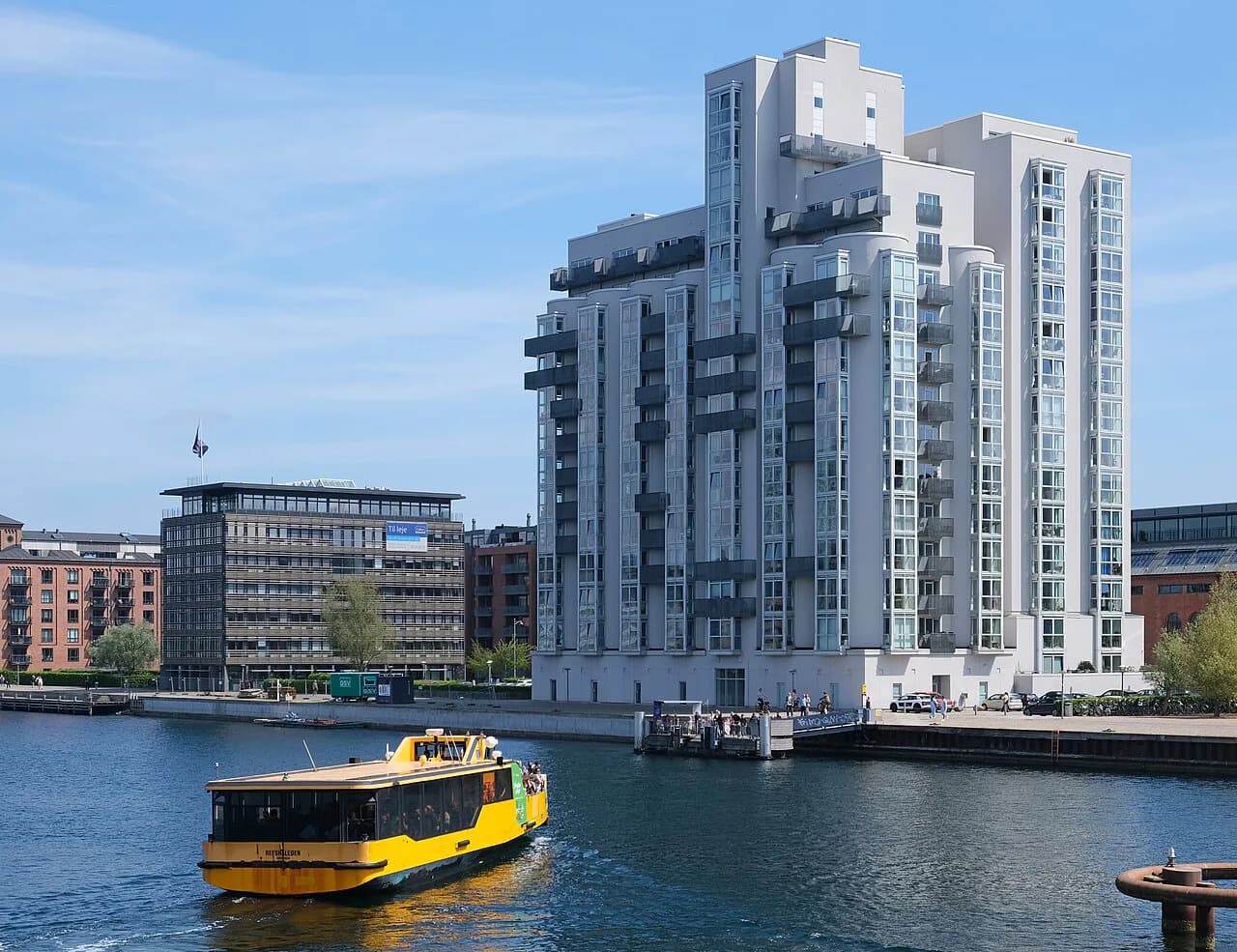
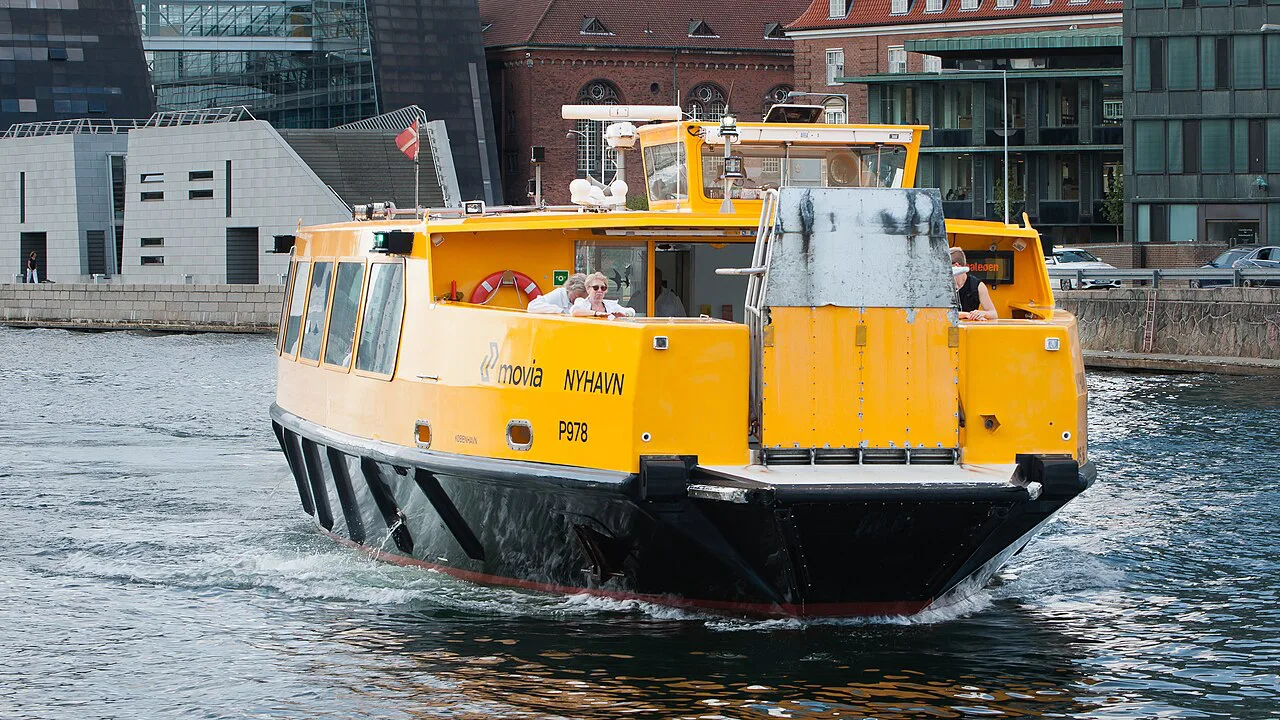
Copenhagen is a harbor city, and the water is the fastest way to understand its geography. A boat loop from Nyhavn or Gammel Strand passes the Opera House, the Black Diamond and Christianshavn's church spire in a single sweep, which covers more ground in an hour than a walking route manages in three. If you do only one paid activity ashore, make it the boat.
Locally booked canal and harbor tours appear alongside other Copenhagen shore options on aggregator and review platforms, and independent operators sell the same loop without the coach transfer. Do the sums honestly: a locally booked cruise is generally cheaper than the ship's combined tour, but you add the cost and time of getting from the berth to the departure point and back. On a short call that transfer time is the real price.
Hop-on hop-off buses: useful for distance, costly in time
The hop-on hop-off bus is marketed as the answer to the pier-to-center problem, and it partly is. The Copenhagen sightseeing bus advertises stops near the cruise piers, open-top double-decker vehicles with audio commentary on board, and three routes reaching Rosenborg Castle, Amalienborg Palace and the Little Mermaid. If your berth is far out and your priority is an overview without walking, the loop does the job.
The catch is that a loop bus moves at the speed of traffic and the slowest boarding passenger. On a six-hour call, waiting for a bus that only comes around periodically can burn an hour that a taxi would have covered in minutes. Use the bus when you want the narration and the round trip, not when you are trying to squeeze three sights into a short morning.
Going independently: walking, taxis and public transport
From a central berth, Copenhagen is a walking city and the best day involves no vehicle at all. The route runs from the harbor into Nyhavn, along the waterfront to Amalienborg, then inland through the Rosenborg gardens and back through the pedestrian streets. Distances are short, the terrain is flat, and the walking itself is the sightseeing.
From the outlying berths, you need a plan for the first and last mile. Taxis queue at the terminals on turnaround days, and the city's metro and bus network connects the port area to the center with a short ride, but you need to know which stop serves your berth. Work out the specifics of the copenhagen cruise port to city centre leg, including where to catch a bus or metro, before you leave the ship.
Independent travel means the schedule is yours but the risk is yours too. If a local tour or a boat runs late, the ship has no obligation to wait, and the cost of a missed sailing falls on you. That does not make independent travel a bad idea — it makes a hard return buffer essential, and it makes the ship's tour the safer choice when your call is short and the next port is far away.
Nyhavn, Amalienborg, Rosenborg and the Little Mermaid on foot
The classic walking circuit strings together the city's headline sights in a manageable half day. Begin at Nyhavn with its painted gabled houses and moored boats, follow the waterfront past the Royal Playhouse to Amalienborg Palace, then continue north along the quay to the Little Mermaid statue. From there, cut inland through the Kastellet ramparts toward Rosenborg Castle and its gardens, which puts you within easy reach of the shopping streets for the return.
Two adjustments keep this route honest. The Little Mermaid is a short stop, not a destination, and the walk out to it and back adds distance that a tight schedule may not want. Rosenborg's interior visits and the crown jewels need a proper time slot, so decide before you go whether you are seeing the gardens only or the full castle — the difference is the difference between a comfortable day and a rushed one.
Christianshavn and the canals by boat
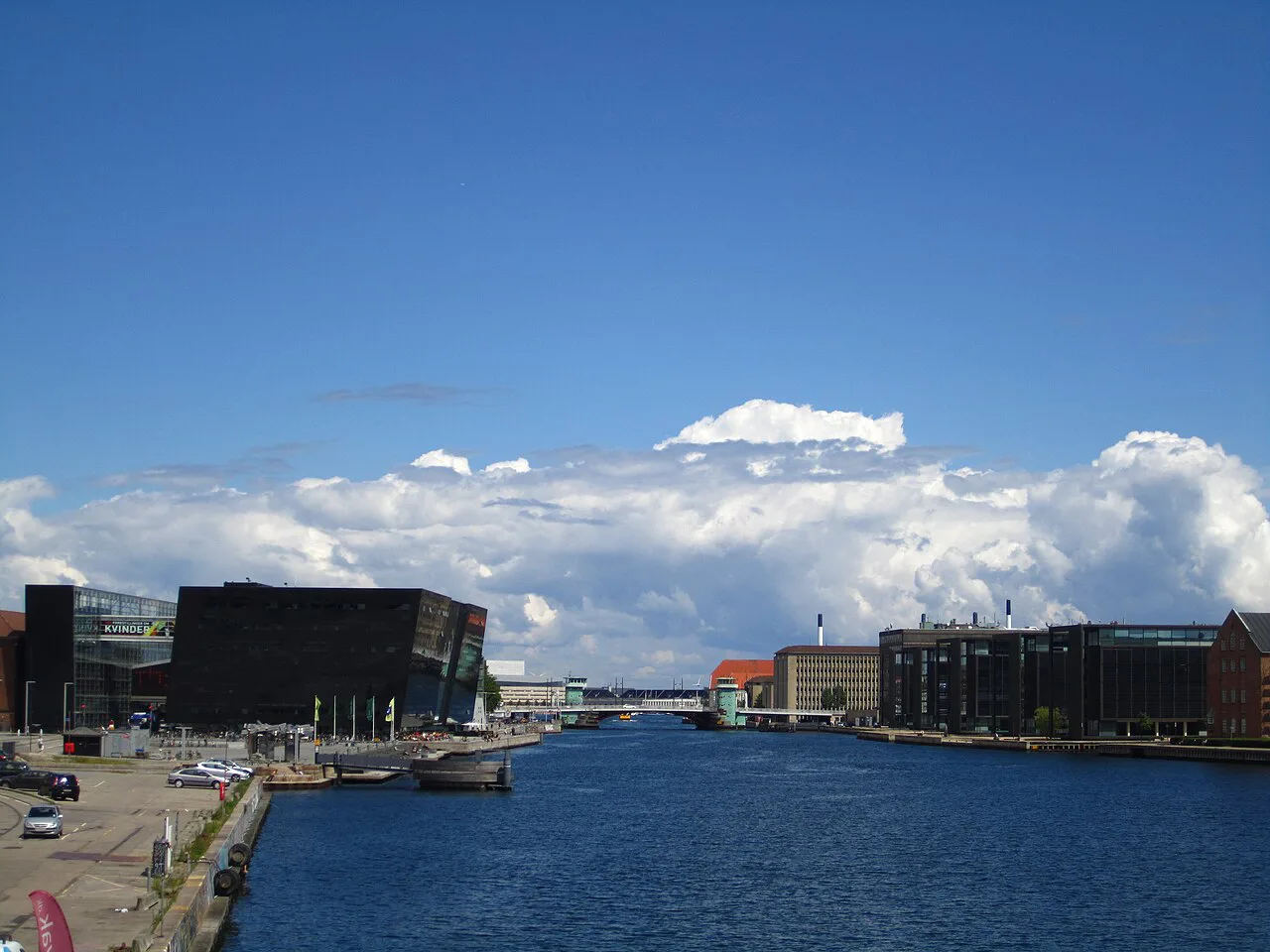
Christianshavn sits across the harbor and is where the canal network, the church spire and the older maritime quarter come together. A boat through Christianshavn's canals delivers the Opera House, Our Saviour's Church with its external spiral stair, the Black Diamond library and the ring around Christiansborg Palace in one continuous run. It is also the section that walking visitors tend to skip, which makes the water option genuinely additive rather than a duplicate of the walking circuit.
If you want to combine the two, run the walking loop in the morning and take a boat after lunch. The reverse order works too, but boat departures cluster around the middle of the day, and a late-afternoon return to the berth is when traffic and queues are least forgiving.
Comparing ship tour, local operator and DIY on time, cost and risk
The ship's canal-and-city tour wins on logistics: door-to-door from the berth, a fixed three-hour block, and coverage that touches the harbor, the palace and Christianshavn in one go. It loses on flexibility and on price relative to a boat ticket bought locally, and you eat lunch at the group's pace. For a first-time visitor with a standard call, it is the low-risk default.
A locally booked canal cruise wins on cost and on freedom, since you choose the departure and can pair it with your own walking route. It loses on the transfer, which you must solve yourself, and on the return guarantee, which you do not have. It suits repeat visitors or confident travelers who know their berth and have calculated the walk back.
Pure DIY wins when your ship berths centrally and you want nothing more than Nyhavn, Amalienborg and a long lunch. It loses the moment your berth is outlying or your call is short, because the harbor geography turns a half-hour walk into a logistical project. Match the plan to the berth, not to a general idea of Copenhagen.
Realistic plans for a short, standard and long call
For a call of about six hours, book the ship's canal-and-city tour or take a taxi straight to Nyhavn, walk to Amalienborg, and return with a generous margin. Skip Rosenborg and skip the Little Mermaid unless the ship berths near it. The aim is one strong impression of the city rather than a checklist.
For a standard eight-hour call, run the walking circuit in the morning and book a harbor boat for midday, then return for lunch near Nyhavn. This is the sweet spot for Copenhagen: enough time for both the land and the water, with the afternoon free for shopping or a short palace visit. Independent travelers should pre-check the boat departure point and the route back to the berth.
For a ten-hour call, add Rosenborg Castle or a longer local tour, and consider the full harbor and canal loop along with a leisurely lunch. This is also the call length that makes a locally booked tour genuinely comfortable, because the return buffer absorbs delays rather than dictating them.
Return-to-ship buffer and where to be
Treat the return buffer as a fixed decision made before you leave the ship, not something to negotiate on the day. For a walking day in the center, aim to be back at the berth well before all-aboard; for a day involving a taxi, bus or boat, add time for the connecting leg and allow for the possibility that the first taxi isn't there. The buffer is the cheapest insurance in the itinerary.
Know your berth by name before you set out, because Copenhagen's port stretches across several areas and a taxi driver returning you to the wrong one wastes the very margin you built. A cruise line tour carries a stated commitment from the line for its own excursions, but independent travelers should plan the return as if the ship leaves on time — because it will. Check current prices or dates with the line or tour company before you commit.
Plan Your Port Day
Copenhagen gives you a genuine choice between a structured, low-risk ship excursion and a flexible, cheaper independent day, and both can be excellent. The deciding factor is your berth and your hours ashore: central and long favors DIY, outlying and short favors the organized tour that starts and ends at the ship. The same logic applies at smaller calls, where weighing skagen shore excursions against your own plans follows an identical structure of hours and return risk.
Build the day around the water rather than a list of sights, keep the return buffer fixed, and work out the transfer from your specific berth before you leave the ship. The cruise port reference for Copenhagen sets out the layout and the onward connections that make that planning quick.
Frequently Asked Questions
Where do cruise ships dock in Copenhagen?
Ships use several berths spread around the harbor, with some close to the historic core and others at larger terminal areas further out. The assigned berth depends on your ship, operator and the day's schedule, so confirm your berth on the cruise line's port information and plan the first transfer from there.
How far is the cruise terminal from Copenhagen city centre?
Distance varies by berth: central berths put Nyhavn within a walk, while outlying terminals require a taxi, bus or metro ride to reach the center. Check your specific berth.
Is a canal cruise the best shore excursion in Copenhagen?
For most first-time visitors it is the single most efficient activity, because the boat covers the harbor, Christianshavn and the Opera House in one run. The ship's combined canal-and-city tour adds a coach transfer that removes the navigation problem.
Can you do Copenhagen independently from the cruise port?
Yes, especially from a central berth, where the Nyhavn, Amalienborg and Rosenborg circuit can be walked. From an outlying berth you need to plan the transfer into town and leave a generous return buffer.
How much time do you need ashore in Copenhagen?
One activity plus a short walk fits a call of about six hours; a walking circuit plus a harbor boat suits a standard eight-hour call; a ten-hour call allows a palace visit or a longer local tour.
What are the best Copenhagen shore excursions for a short call?
For a short call, pick the ship's canal-and-city tour or head straight to Nyhavn and Amalienborg by taxi. Skip Rosenborg's interior and the Little Mermaid to protect your return margin.
Does the ship wait for independent travellers in Copenhagen?
No. A cruise line's commitment applies to its own organized excursions, not to passengers travelling independently, so plan your return as if the ship leaves on schedule.
Sources
Port-day notes for your next cruise
Optional updates to our port guides.
You might also like
Continue reading
More guides you'll find useful