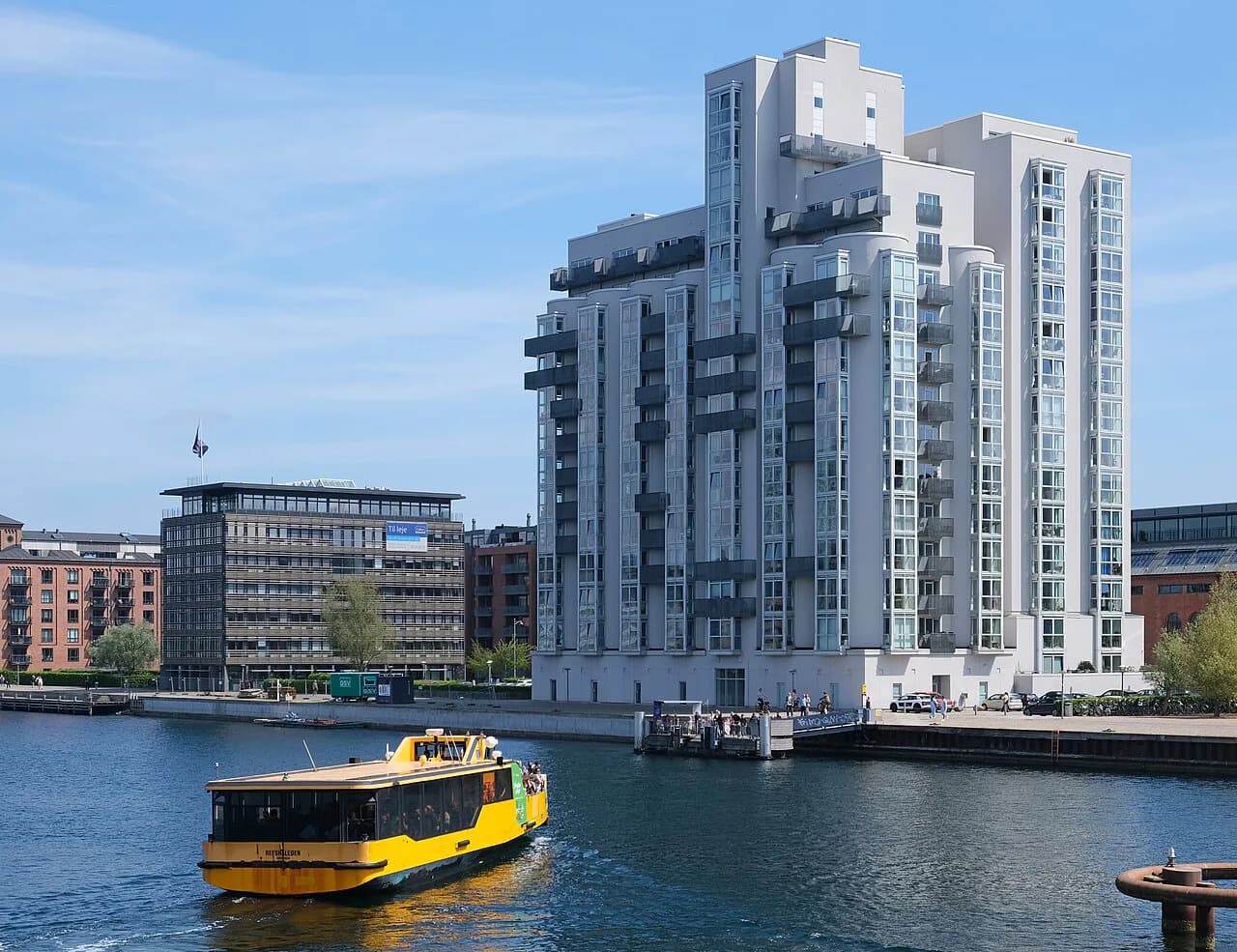
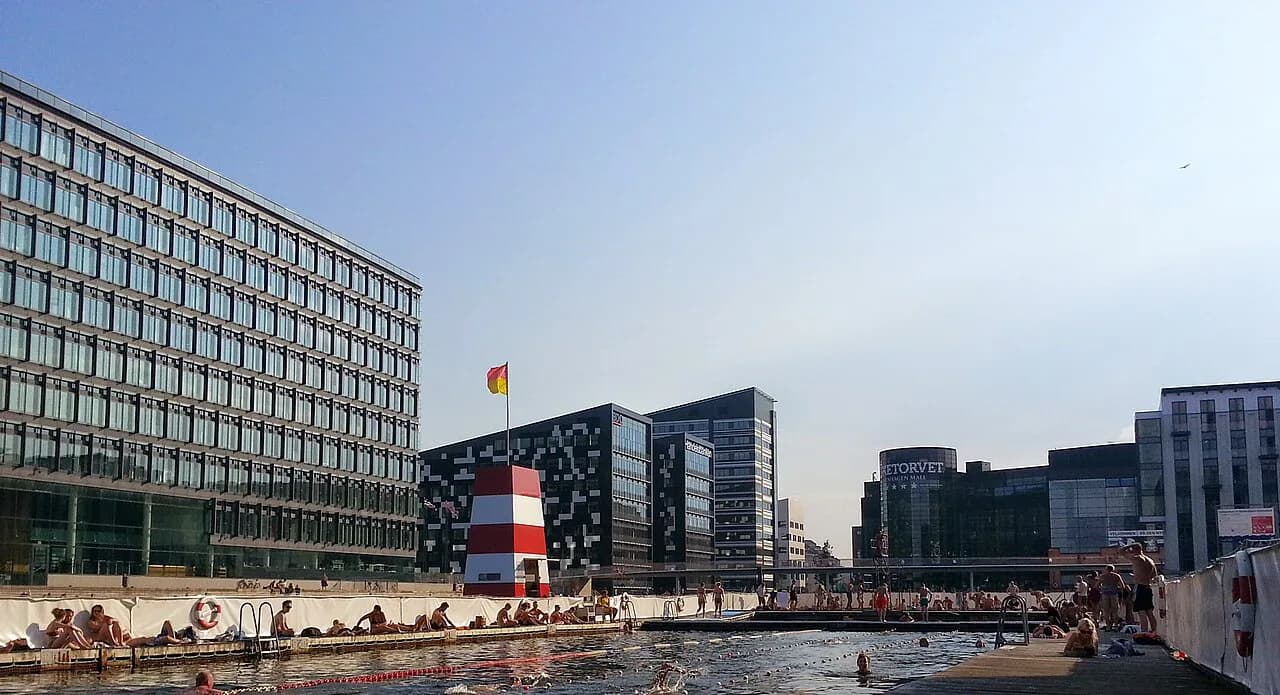
One Day in Copenhagen from a Cruise Ship: Port Day Plan
Plan one day in Copenhagen from a cruise ship with a compact walking route, realistic call lengths, and a sensible return-to-ship buffer.
On this page
A Copenhagen call hands you a compact historic center where palaces, harbors and design shops sit within a few flat kilometers of each other. That density is why the city suits short calls so well: you can see something substantial even on a six-hour stop.
The day's real decision is not what to see but how to move. Once you know whether your ship berths within walking range of the old core or further out, the rest of the schedule falls into place.
Where ships dock
Copenhagen is a large working harbor, and your ship's berth determines whether the day begins with a stroll or a transfer. Terminals sit at different points along the harbor, so the distance to Nyhavn and the historic core varies considerably from one call to the next. Your cruise line's shore-excursion desk or daily program names the assigned terminal before arrival, and the port's own berth list confirms it.
Ships that berth close to the city put the Little Mermaid statue, the Kastellet star fortress and the Nyhavn waterfront within a comfortable walk. Ships at the outer terminals are several kilometers from the center, which is when the shuttle-or-public-transport question becomes the first thing you settle that morning.
Can you walk from the ship into Copenhagen?
For berths near the north harbor, walking is genuinely competitive with waiting for a bus. From the Langelinie area the waterfront promenade leads past the Little Mermaid statue and the Kastellet fortress to Nyhavn, an easy flat route that takes you straight into the photogenic heart of the city.
For ships further out, walking eats too much of a short call. Take the transfer in one direction and, if the weather is good, walk the waterfront back toward the ship at the end of the day so the harbor sights cost you no extra time.
Getting into town
Shuttle buses run between the outer terminals and the city center on turnaround days, and taxis wait at the terminal forecourt; a public bus and the metro connect the harbor area to central stops. Which option wins depends on your berth and how many ships are in port, so the transfer page lays out each route with where to catch it.
For a family or a group of four, a taxi split is often the simplest start and end to the day, especially in rain. For a solo traveler or a couple, the public bus or metro into the center and a taxi back when you are running close to all-aboard is the more flexible compromise.
On a short six-hour call
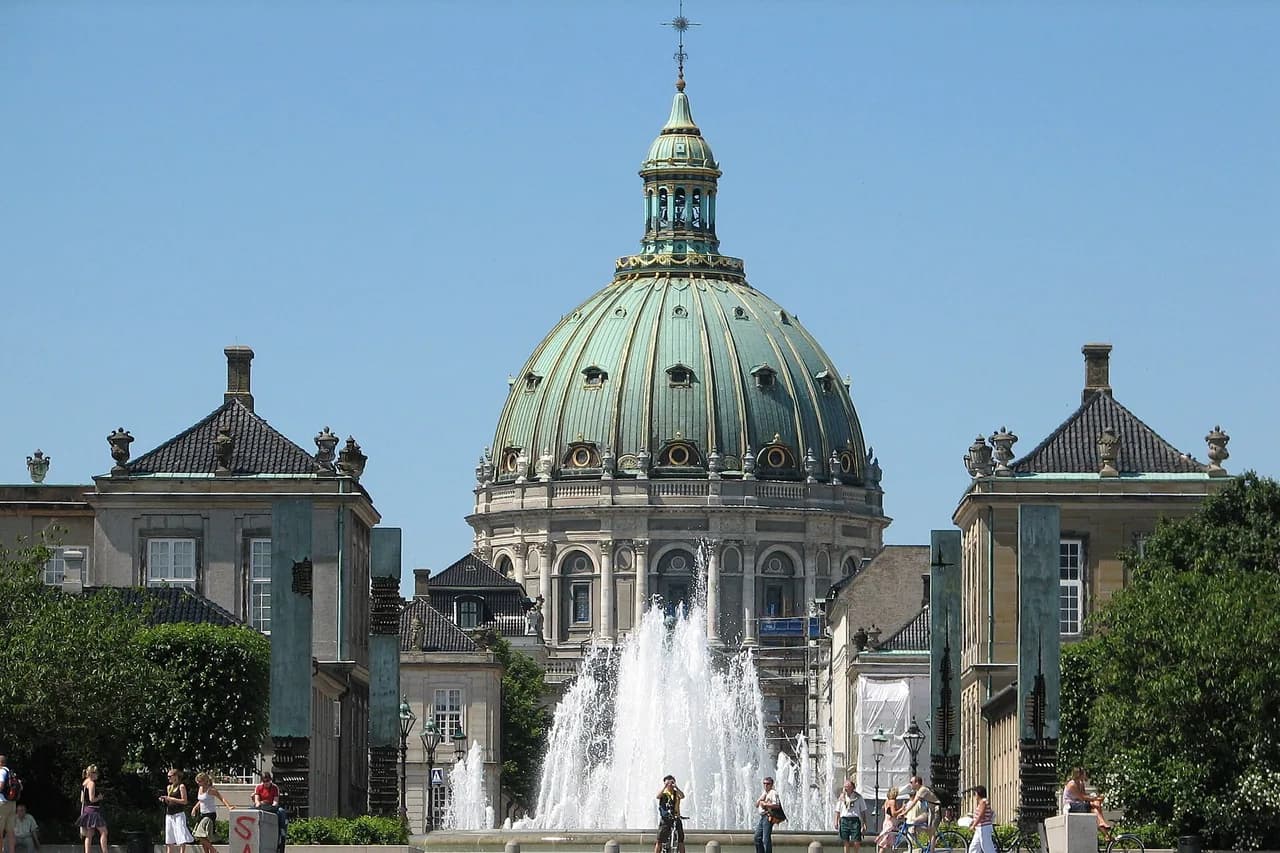
Six hours ashore leaves roughly four usable hours once you allow for transfers and the return buffer. Keep to the waterfront loop: from the ship to the Little Mermaid and Kastellet, along to Nyhavn for its gabled merchant houses, then through Kongens Nytorv to Amalienborg Palace, where the royal guard gathers in the circular plaza around midday.
Time your loop so the guard ceremony falls in the middle rather than at the end. If you arrive at Amalienborg at 11:30 you catch the Royal Guard marching from Rosenborg Castle into the plaza, but you must then walk straight back toward the ship rather than lingering over lunch.
Skip Tivoli Gardens on this call unless the ship sails late. It is a half-day in itself, and squeezing it in turns a relaxed waterfront walk into a rushed dash back to the terminal.
On a standard eight-hour call
With eight hours you can add Slotsholmen, the island holding Christiansborg Palace, the Danish parliament and the Black Diamond library extension. Cross the canal bridge in the morning while the city is quiet, then climb Christiansborg's tower for the highest view in the center before heading north.
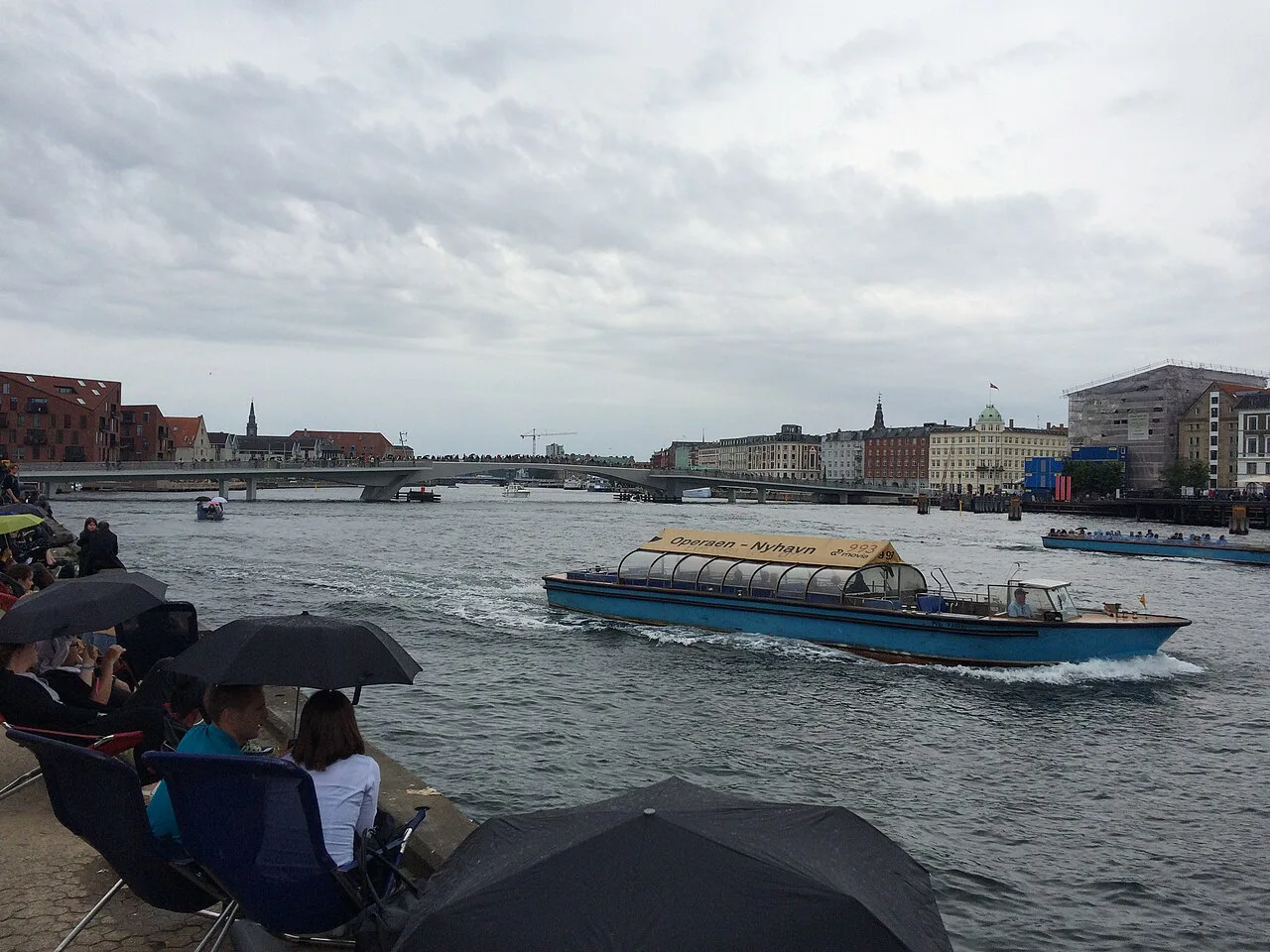
Slot the harbor or canal boat in after lunch rather than at the start. Boats leave from Gammel Strand, the former fish market, and a circuit along the waterways shows Slotsholmen and the Opera House from the water before you walk back through Nyhavn.
If you want the canal tour through Christianshavn instead, allow about fifty minutes on the water and check the departure point against your walking route before you commit. Christianshavn's colored houses and the Church of Our Saviour's twisted spire reward the detour, but the loop back to the ship is longer from there.
On a long ten-hour call
A ten-hour call justifies pushing north to Rosenborg Castle, home to the crown jewels, and its surrounding King's Garden. Pair it with the Round Tower or the botanical gardens across Oster Voldgade, then walk back through the shopping streets to Nyhavn for a slow waterfront afternoon.
Long calls also let you eat properly. Torvehallerne, the covered market hall, is the place to assemble a Danish lunch of smørrebrød and fish cakes before the afternoon sights, rather than grabbing a terminal sandwich at the last minute.
Even with ten hours, resist adding a trip to Kronborg or Frederiksborg Castle near Hamlet's Elsinore. Those excursions consume most of a port day in transfers, and the return buffer on a long independent trip leaves little room for a delayed train. If you want a long excursion from a cruise ship, consider what to do in Skagen from a cruise ship instead, where the sights sit closer to the berth.
Ship tour, local operator or independent day
A ship-organized tour is the low-risk option: transport, timing and the return are handled for you, and the group moves at coach pace. The trade-off is time lost to waiting for thirty people to reboard, which on a short call can cost you a whole waterfront loop.
A local walking or food tour gets you deeper into the city at a smaller scale. Walking tours using the compact old town work well because there is almost no transit time, and a food tour through Torvehallerne and a microbrewery shows a side of Danish cooking you would miss on your own.
Going independent gives you complete control of the day and is easy to do here because the core is flat and compact. The price is that a delayed bus or a misjudged canal boat is entirely your problem, so build the return buffer into your plan rather than hoping the traffic behaves.
Canal and harbor boats
The canal boat is the best-value way to see a lot of Copenhagen in an hour. Boats from Gammel Strand head out along the historic harbor, past the Opera House and the waterside developments, giving you the maritime view of the sights you walked that morning.
Schedule the boat so it is not your last activity. A fifty-minute Christianshavn circuit finishes in the afternoon, leaving you a comfortable walk back to Nyhavn and the waterfront route toward the ship before all-aboard.
Getting back to the ship
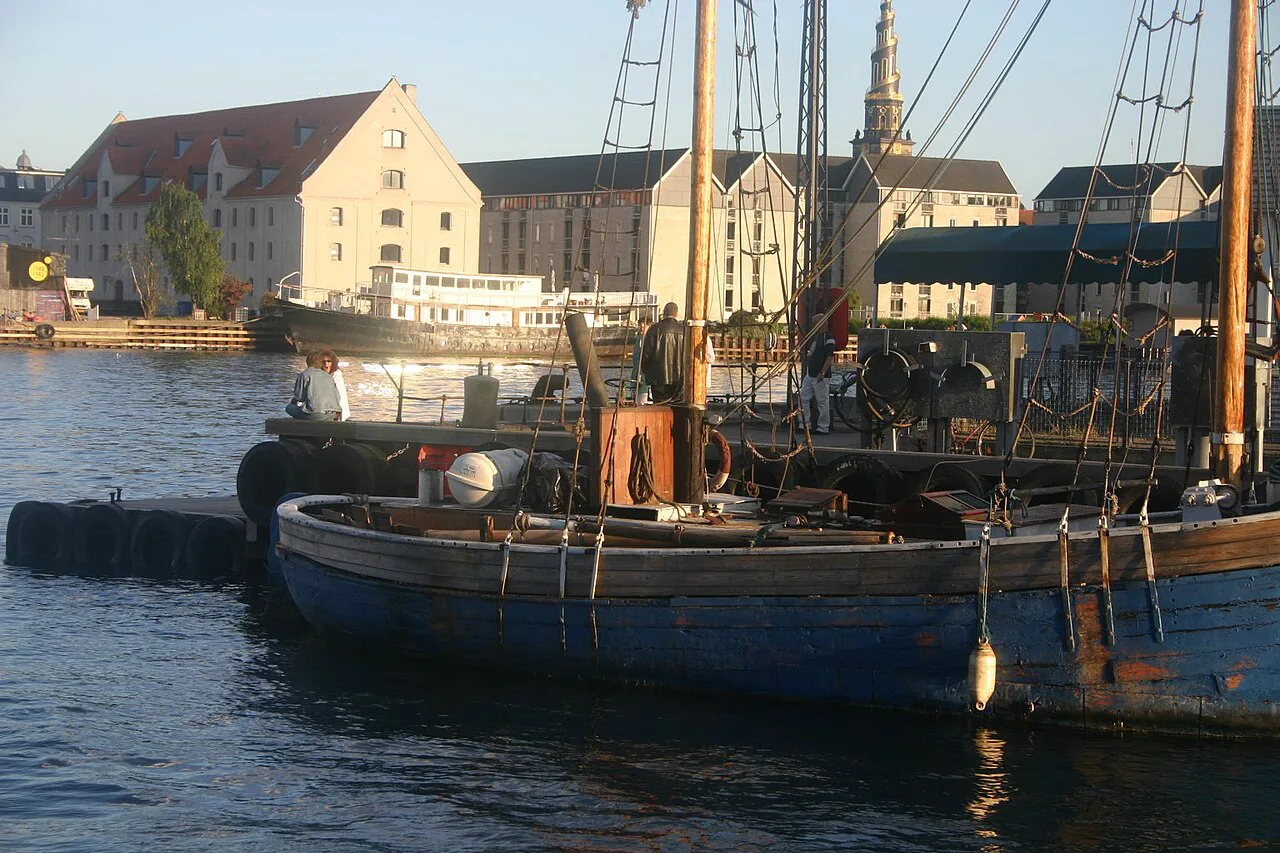
Work backward from all-aboard rather than from the last sight. If you are at the far end of the old town, allow the full transfer time back to the outer terminal and add a margin for a missed bus, so an eight-hour call means leaving the center with well over an hour to spare.
If you are staying near the harbor before or after the cruise, hotels around Kalvebod Brygge put you within easy reach of the terminal for an early embarkation.
Rainy or cold days in Copenhagen
Copenhagen's weather can turn a waterfront walk into a wet slog. On a cold or rainy day, swap the promenade for indoor sights: the National Museum of Denmark on Slotsholmen, the Black Diamond library extension and Christiansborg's tower all keep you dry while covering the same ground.
A covered market lunch at Torvehallerne and a canal boat with a roof work as a rain plan too, and both sit close enough to the old town that you are never far from a taxi or a bus back to the terminal.
Plan Your Day Ashore
Start by pinning down your berth: it decides whether the day is a waterfront walk or a shuttle ride, and everything else follows. Then match the sights to your call length and keep the last hour free for the return.
Confirm your all-aboard time and terminal with your cruise line the evening before, and travel with the ship's contact number in case your independent plan runs late.
Frequently Asked Questions
Can you walk from the Copenhagen cruise port into the city?
From berths near the north harbor, yes. The waterfront promenade leads past the Little Mermaid statue and Kastellet fortress to Nyhavn in a flat, pleasant walk. From the outer terminals the distance is too long for a short call, so use a shuttle, taxi or public transport into the center.
How far is the Copenhagen cruise terminal from the city center?
It depends on the berth. Some ships dock within walking distance of the historic core and Nyhavn, while ships at the outer terminals sit several kilometers away and need a transfer. Check your assigned terminal with your cruise line before arrival.
What should I see with one day in Copenhagen?
Aim for the compact core: the Little Mermaid and Kastellet, Nyhavn, Amalienborg Palace and Slotsholmen with Christiansborg. On longer calls add Rosenborg Castle, the King's Garden or a canal boat from Gammel Strand.
Is Copenhagen walkable in one day from a cruise ship?
The historic center is flat and compact, so the main sights are easily covered on foot once you reach the old town. The walking challenge is the distance from your berth, not the city itself.
What can I do on a short six-hour call in Copenhagen?
Keep to the waterfront loop. Walk or ride to the Little Mermaid and Kastellet, continue to Nyhavn and Amalienborg, and skip Tivoli Gardens and any trip outside the city so you keep a comfortable buffer before all-aboard.
Do I need a ship tour to see Copenhagen?
No. The city is easy to explore independently, and a ship tour is mainly worth it if you want the logistics handled or are heading to a distant castle. Independent travelers should plan their own return buffer rather than rely on the ship waiting.
Sources
Port-day notes for your next cruise
Optional updates to our port guides.
You might also like
Continue reading
More guides you'll find useful