Dubrovnik Cruise Port to Old Town: Shuttle, Bus or Walk?
Dubrovnik's cruise ships berth in Gruž, a short ride from the walled Old Town. Compare shuttle, bus, taxi and walking, with gates, terrain and timings.
On this page
A Dubrovnik port day is really two places joined by a short ride: the modern berth at Gruž and the walled city behind Pile Gate. Your ship ties up beside a bridge, a bus and coach wharf and a large warehouse, with the Old Town visible across the water, so the whole day hinges on how quickly you cover that gap.
This guide is for passengers with a fixed all-aboard time who want the fortress-and-Stradun experience without wasting the morning on transfers. It compares four ways to reach Pile Gate, explains which gate leads where, and sets realistic hour budgets for the walls, the cable car and the harbour quarter.
Where ships dock at Gruž and how the berth relates to the Old City
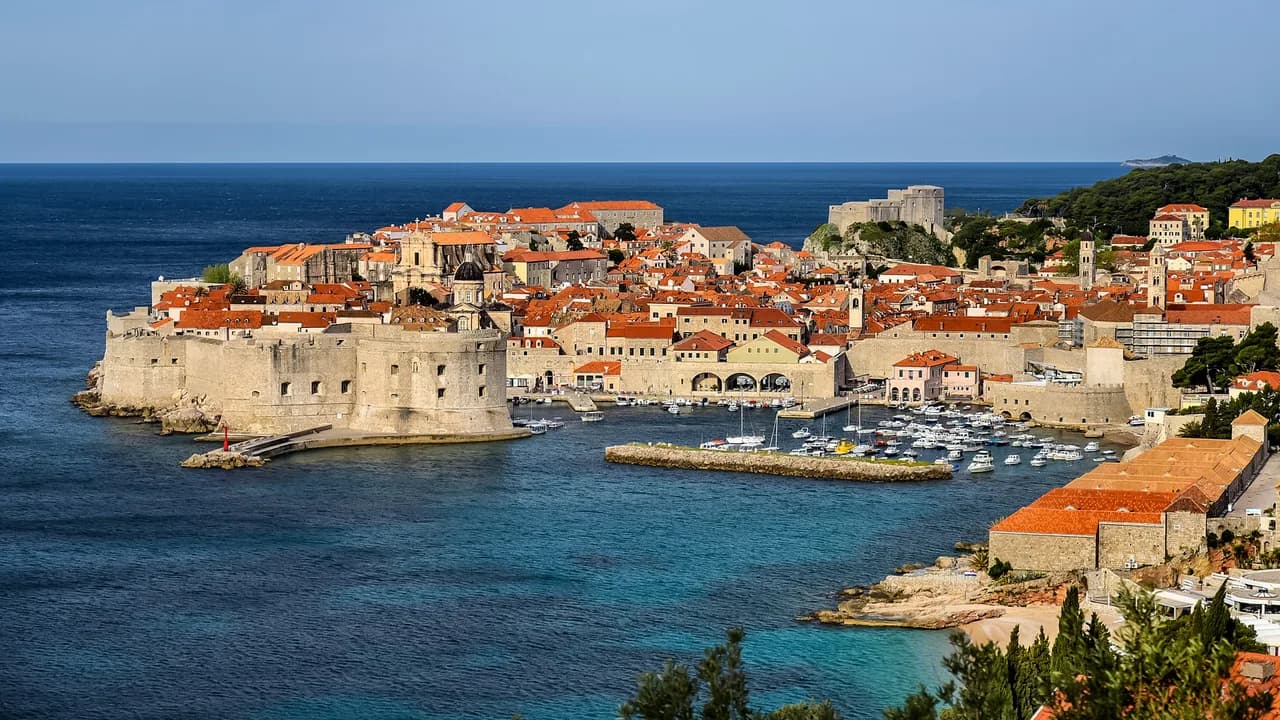
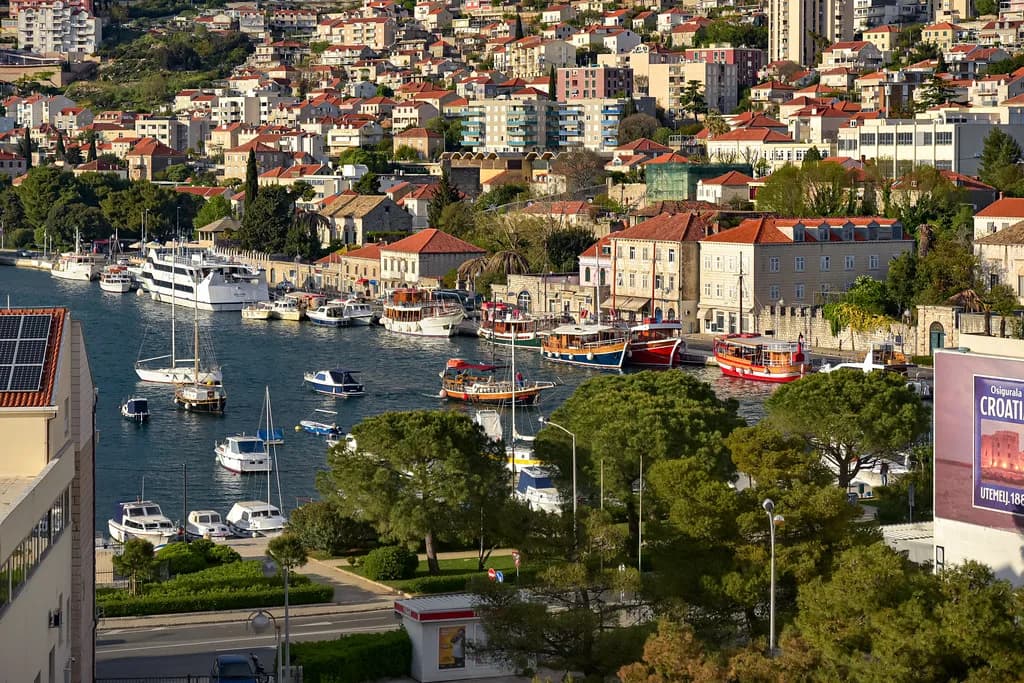
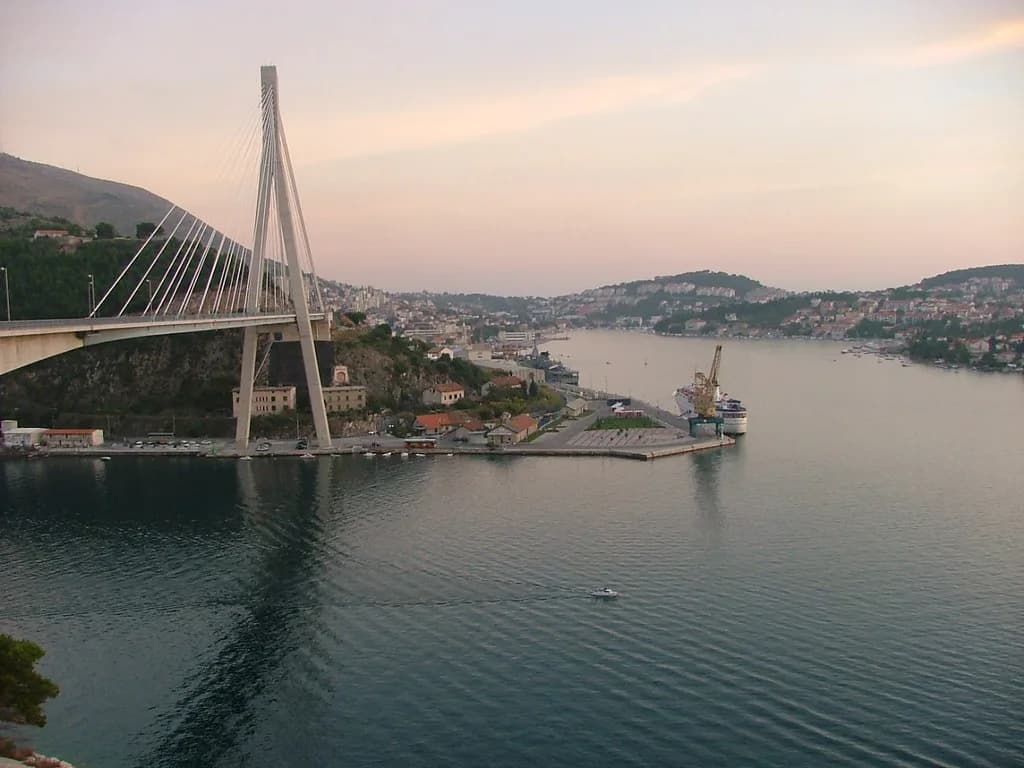
Cruise ships calling at Dubrovnik dock in the Gruž harbour, the city's modern port area, not alongside the historic town. From the ship's deck you look across at a modern bridge, a wharf used by tour coaches and the Old Town shuttle, and a large warehouse, with the walled city on its rock further along the coast.
That layout is the single most useful thing to know before you plan the day: your berth and the Old Town are separate destinations with road between them, so budget a transfer in each direction. During your call, vendors often set up tables of local crafts and small businesses by the warehouse area, which gives you something to browse on the way back.
The distance from the berth to Pile Gate and the Old Town drawbridge
The real gateway to the old city is Pile Gate, where you cross the drawbridge and pass through the walls into the Stradun. Treat Pile as your fixed target for every mode of transport rather than the vague idea of "the Old Town", because that is where the shuttle, the bus and most taxis will put you.
By road the run between the port and the Pile area is short; budget roughly ten minutes in a vehicle, longer in heavy traffic. Drivers may quote in either kuna or euros, so ask for the figure in euros before you get in and check what you are handing over.
Walking the whole way: route, terrain and when it suits a port call
Walking from the berth into the Old Town means following the harbour road and then climbing towards Pile, a route that takes in a working port before it reaches anything picturesque. It suits passengers with a long call who want the exercise, or anyone who has already done the sights and simply wants a stroll and a coffee by the water.
For a short call, spend your energy on the walled city instead. The walk eats time you could give to the walls, and it leaves you on your feet before you have climbed a single step of the circuit, which matters on a hot day.
The port shuttle to the Old Town: where it leaves and where it drops
A shuttle runs between the cruise port and the Old Town, and the berth layout makes it easy to find: it loads at the wharf area next to the warehouse, close to where the tour coaches park. Ask at the gangway or the port information point for the current pickup point, because it can shift with which berth your ship uses. If you are weighing up other Adriatic calls, the guide to the split cruise port to old town shows how a similar transfer decision plays out elsewhere.
The transfer is short, so the shuttle's value is convenience rather than speed: you avoid navigating the port road in both directions and are set down near the old city. Buy your ticket from the driver at the pickup point and keep the return slip safe, then confirm the last shuttle time before you walk into the walls.
Local bus to Pile Gate: stops, frequency and tickets
Public buses connect the Gruž port area with Pile, the stop that serves the Old Town gate, and they are the cheapest way to make the transfer. Because the port sits on the local network, the practical moves are the same as for any city bus: find the stop nearest your berth, board with a ticket, and ride to the Pile end of the line.
Timetables and ticket prices change with the season, so read the board at the stop or ask the driver what the fare is before boarding. Give yourself a margin of a few minutes on the return leg, since a full bus can pass a stop and you want the next one to still leave you comfortable against all-aboard.
Taxi from the berth to Pile Gate: journey time and typical fare
A taxi is the fastest road option between the port and Pile, and the run is short enough that the meter stays low. The quickest journeys between the port and the Pile station area are measured in a handful of minutes, and typical fares for that stretch sit in the low teens of euros, though traffic on the harbour road can push both up.
Taxis work best when you are a group splitting the fare, carrying bags, or arriving late and needing to protect your first hour ashore. Confirm the price in euros before you settle into the seat, and arrange a pickup point for the return rather than hoping to find a free cab at Pile at the exact moment you want one.
Arriving on foot or by road: which gate leads where
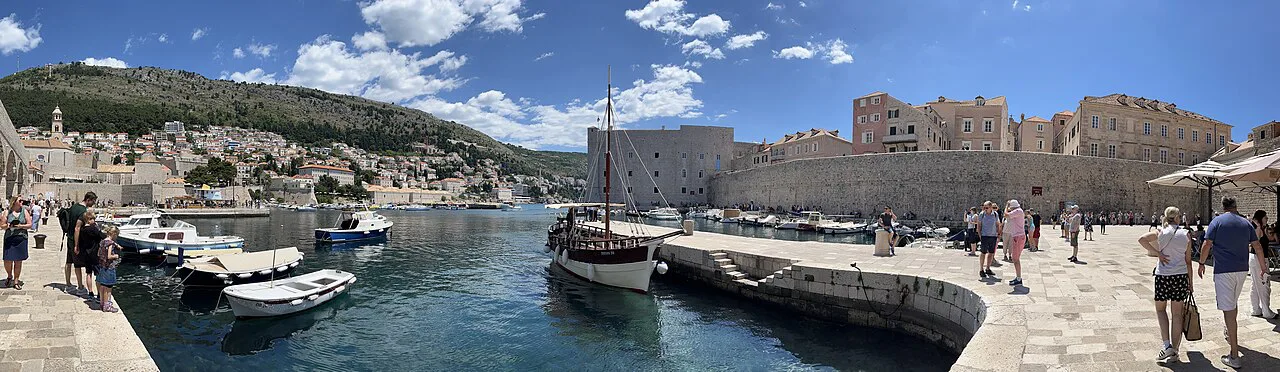
Whichever way you arrive, you enter through the walls, and the drawbridge crossing at Pile is the moment the day changes character. Inside, the wide, polished main street runs ahead of you, lined with little shops and restaurants, with narrower side lanes climbing towards the back of the town.
Not every road arrival puts you at the same door. Ask your driver or shuttle operator which gate they use, then orient yourself by the fountain or the main street rather than by a shopfront, so you can find your way back out to the correct exit at the end of the day.
First hour ashore: fountain, Stradun and the main sights
Cross the drawbridge and the first landmark is the large fountain with its ring of taps and domed reservoir, a natural meeting point if you split up. Ahead lies the Stradun, the bright main thoroughfare that carries most of the old city's life, with the bell tower visible as you walk down it.
Most of the major buildings cluster towards the south end of the main street. St. Blaise Church, the city's patron saint, sits on your right, with the Catholic Cathedral a short turn past it, and the Rector's Palace, now a museum in Gothic-Renaissance style with elaborate wood carving, stands near the end of the street where the bell tower marks an archway through to the harbour.
Walking the city walls: two entrances and what the circuit demands
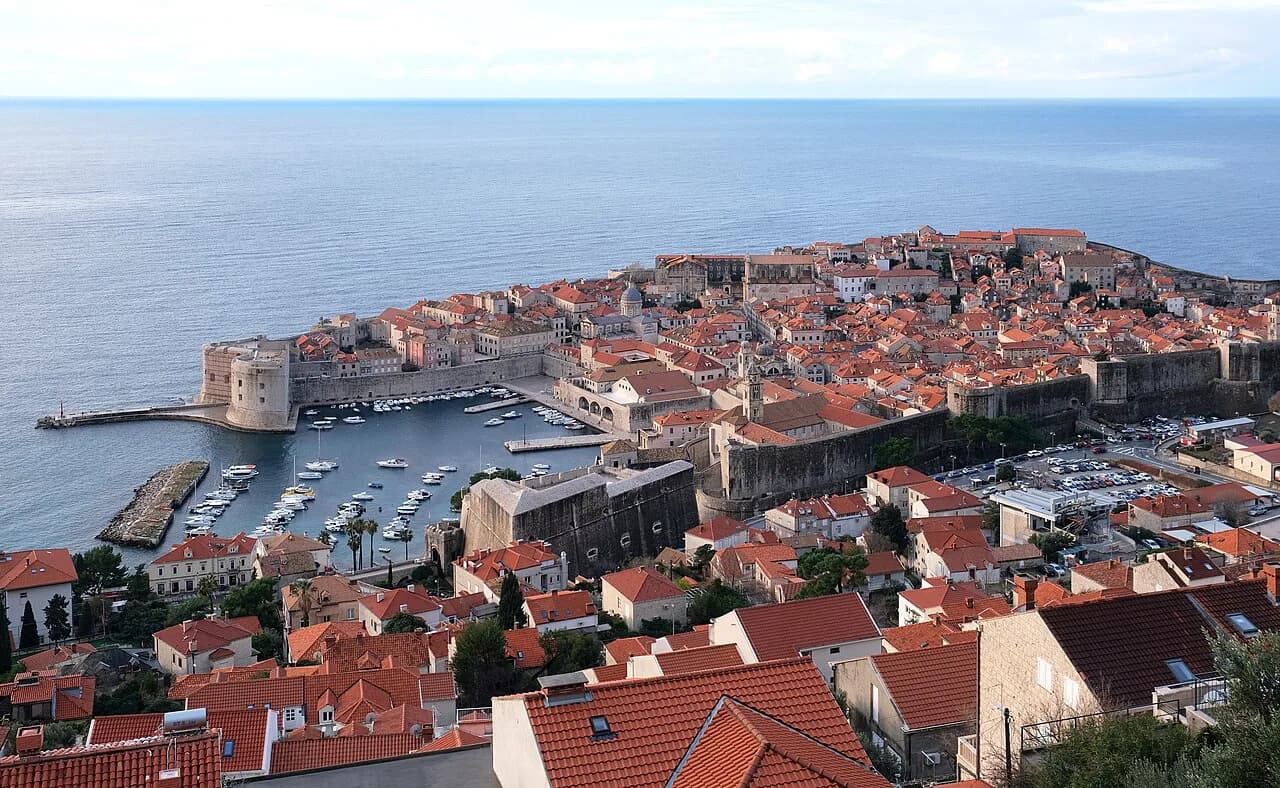
The wall walk is the signature Dubrovnik experience, and it has two entrances: the main one by the city gate, and a second at the far end of the main street near the harbour, reached through the stone passage by the archway and up the stairway. Pick your entrance deliberately, because the wall is a loop and the order you walk changes which views open first.
Starting from the main gate and heading towards the sea first is one sensible direction, and the circuit itself is fairly easy walking with ever-changing views over the rooftops and the Adriatic. Count on more than an hour once you add photo stops and the heat, and climb before the middle of the day when the stone is hottest.
Mount Srđ cable car from the Old Town edge
The cable car up Mount Srđ is the other big viewpoint, and its entrance sits just one block above the city wall, roughly level with the harbour. From the top you get the classic view of the walled city, the blue Adriatic and the nearby islands, with a snack bar and restaurant and outdoor viewing areas to use.
Treat the cable car as the day's second viewpoint, not a replacement for the walls: the wall walk puts you inside the city's story, while the cable car shows you the geography from above. If your call is short, choose one; if it is long, the two together make a satisfying morning and early afternoon.
Harbour-side exits, cafés and small streets behind Stradun
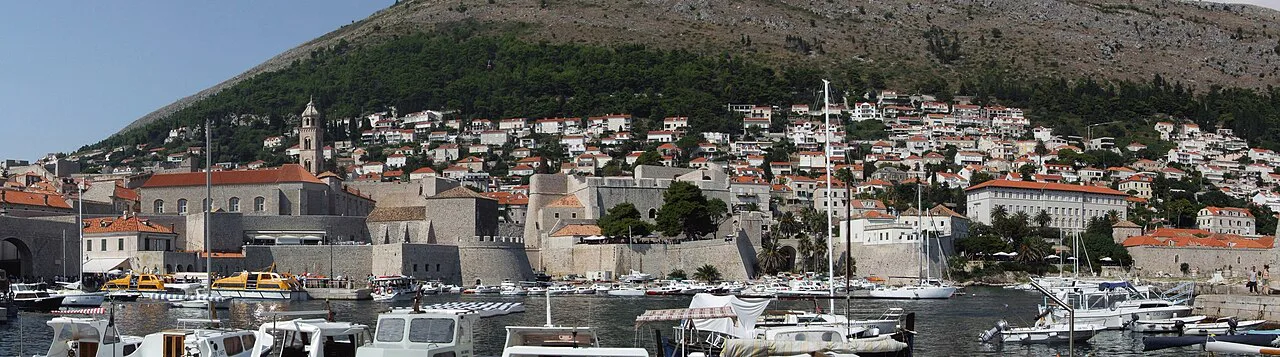
Past the bell tower, an archway leads through to the old harbour, where restaurants line both sides of the water. It is a good place to sit for a late lunch before heading back to the ship, and it keeps you on the town side of the walls rather than drifting uphill again.
The side lanes off the main street are worth an hour on their own, with stairways climbing the slope behind the town and small cafés tucked into the passages. Walk around the cathedral quarter and its tiny alleys if you want the quieter side of the old city without a ticket.
How long you need for a 6-, 8- or 10-hour call
On a six-hour call, choose the walled city plus one viewpoint: walk the Stradun, cross the walls at whichever entrance suits your route, and leave the cable car for another visit. That keeps the transfer legs short and leaves a real margin against the all-aboard time.
With eight hours you can add the cable car or the Rector's Palace museum, then eat in the harbour quarter before returning. A ten-hour call allows the full wall circuit, the cable car, a museum and a relaxed meal, though only if you are disciplined about the return leg.
Return-time buffer and getting back to the ship
Coming back is the part passengers get wrong, because Pile can swallow time and the port road slows in the late afternoon. Work backwards from all-aboard: leave the Old Town with enough room for a walk-up taxi queue or a missed bus, and aim to be at the berth well before the deadline rather than at the gate.
The road options are all short, so the buffer is about waiting, not travelling. If you took a ship shuttle, confirm the last departure time in the morning; if you plan a taxi, agree a pickup spot and time with the driver; if you take the bus, allow for one full service to pass you by.
Ship tours vs going independently: time, cost and risk
Ship tours buy you a coach from the berth, a guide and a guaranteed place on the return, at a price that bundles transport with commentary. Going independently is cheap and flexible, since the berth and Pile are only minutes apart by road, but you also accept all the risk of the return journey.
A middle route is a small local operator for a specific experience, such as a guided wall walk, combined with your own transfer back, and if you want to compare guided options beyond the walled city it is worth reading up on Dubrovnik shore excursions before you commit. Whichever you choose, set your own cut-off time and stick to it; the ship keeps to its published departure time regardless of traffic on the harbour road.
Plan Your Visit
The best Dubrovnik port day starts with a decision about the transfer, not the sights: pick the shuttle or a taxi for speed and simplicity, take the bus if you are travelling cheaply, and walk only if the call is long and your legs are fresh. Then build the day around Pile Gate, the Stradun and one climb, either the walls or the cable car.
If you are combining this call with the start or end of a cruise, sort out the land leg in advance using the guide to the Dubrovnik Airport to the Cruise Port, so the port day itself stays focused on the old city.
Frequently Asked Questions
How do you get from Dubrovnik cruise port to Old Town?
You make a short road transfer from the Gruž harbour berth to Pile Gate, the entrance to the walled city. The options are the port shuttle, a local bus, a taxi, or walking, and the ride itself takes only minutes in light traffic. Pick your mode by how much time you want to spend in the city rather than on the road.
How far is the cruise port from Dubrovnik Old Town?
The berth sits in Gruž harbour with the walled Old Town along the coast, so they are separate places joined by a short road journey. By vehicle the run to the Pile area is quick, which is why a taxi or shuttle is often the best use of a limited call.
Is there a shuttle bus from Dubrovnik cruise port to Old Town?
Yes. A shuttle loads at the port wharf area near the warehouse and tour coach parking, then drops passengers by the old city. Confirm the current pickup point and last return departure when you arrive, since both can depend on your berth.
Can you walk from Dubrovnik cruise port to Old Town?
You can, following the harbour road towards Pile, but it takes time and puts you on your feet before the wall circuit. It makes sense on a long call for passengers who want the exercise; on a short call, use the shuttle or a taxi and save your energy for the walls.
How long does it take to get from the port to Pile Gate?
By road the trip is measured in a handful of minutes in normal traffic, with taxis typically reaching the Pile area fastest. Add a waiting margin on the return for taxi queues or a full bus, and leave the old city well before all-aboard.
How much time do you need in Dubrovnik Old Town on a cruise call?
A six-hour call comfortably covers the Stradun and one climb, either the walls or the cable car. Eight hours lets you add a second viewpoint or a museum, and ten hours allows the full wall circuit, the cable car and a relaxed harbour meal.
How much does a taxi from Dubrovnik cruise port to the Old Town cost?
Fares for the port-to-Pile run sit in the low teens of euros, and drivers may accept or quote kuna. Confirm the price in euros before you set off, and agree a return pickup if you plan to take a taxi back to the ship.
Sources
Port-day notes for your next cruise
Optional updates to our port guides.
You might also like
Continue reading
More guides you'll find useful