Glasgow Cruise Port: Greenock Terminal, Trains and Port Days
Ships for Glasgow berth at Greenock Ocean Terminal, 500m from town but 25km from Glasgow. Plan the train, road transfer and tour choices around all-aboard.
On this page
A Glasgow cruise call lands you in Greenock, a Clyde-side town where the ship ties up within a short waterfront walk of the shops and streets, not in Glasgow itself. That split is the single most useful thing to know before you plan the day, because it decides whether you spend your hours locally or commit to a rail or road run into the city.
The port suits two kinds of passenger: those who want an easy, low-risk morning around Greenock, Gourock and the Clyde estuary, and those who accept a roughly 35-minute transfer each way for Glasgow's museums, architecture and shopping. The published figures put the town centre 500m from the berth and Glasgow 25km away, so the two plans are genuinely different days out. It is the same town-versus-city calculation you weigh up in the Zeebrugge port day, where the ship also berths away from the headline destination.
What the Glasgow cruise port day offers
Greenock sits at the mouth of the Firth of Clyde, with the river esplanade, hilltop viewpoints and the hills of Argyll across the water giving the port its character. The wider region adds Loch Lomond and the Trossachs, distilleries, Stirling Castle, Dumbarton Castle and Newark Castle, all of which the port operator lists as reasons ships call here.
The trade-off is simple: everything beyond Greenock needs wheels, whether that is a train, a coach tour or a taxi. Treat the call as a city-or-country choice made against a fixed all-aboard time rather than a stroll-and-see day, and pick one main objective instead of stacking several.
Where ships dock: Greenock Ocean Terminal
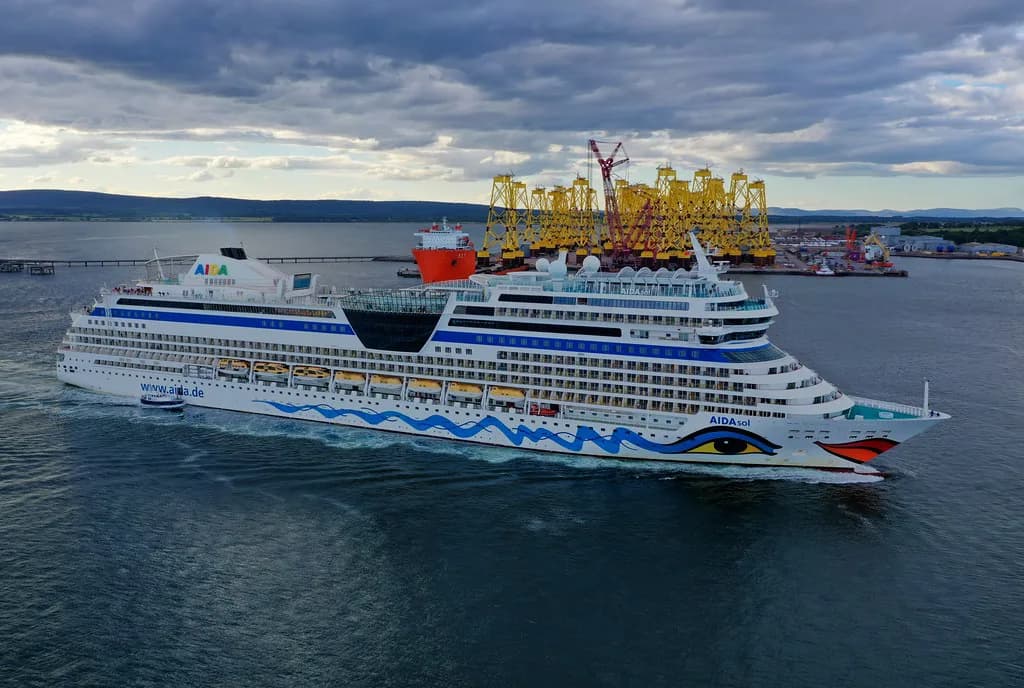
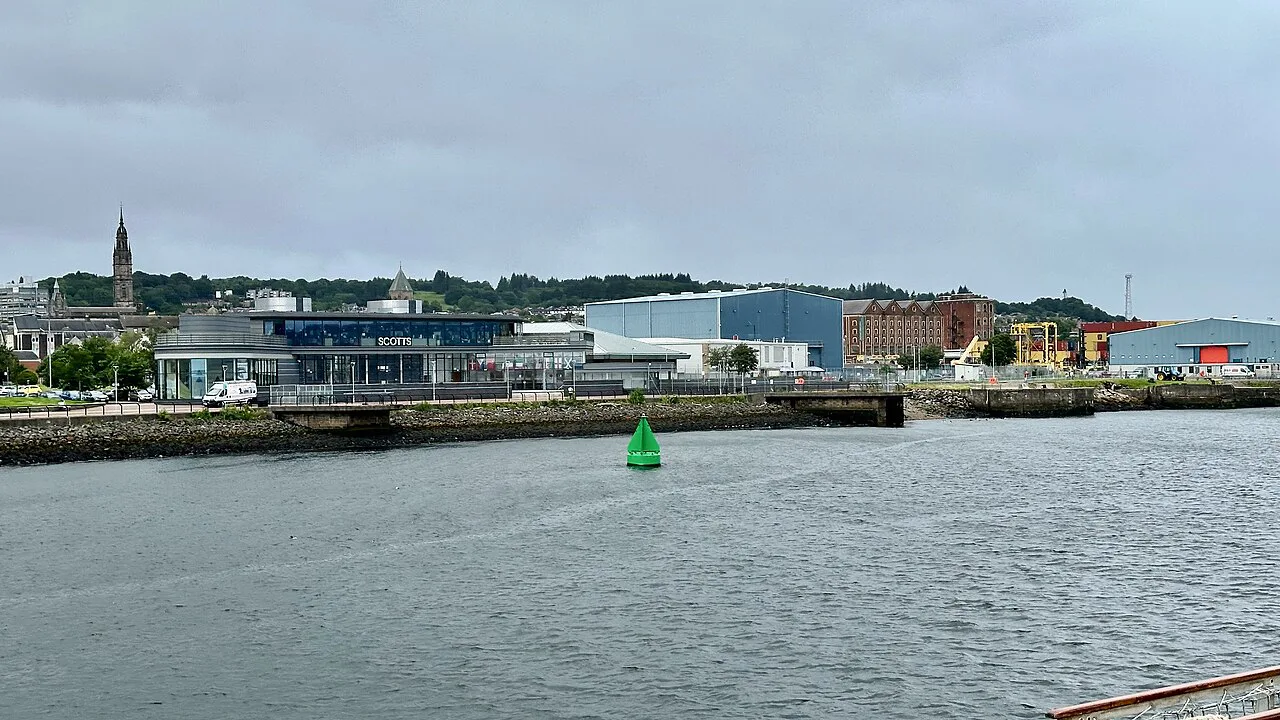
Ships berth at Greenock Ocean Terminal on Patrick Street, the port's single cruise berth. Global Ports Holding gives the berth a 200m berthing line and 10m depth, with a maximum ship length of 340m, and passengers step off onto a floating pontoon before entering the terminal building.
The terminal is a turnaround port as well as a call port, so on changeover days the building handles disembarking passengers, luggage and new arrivals alongside day visitors. Lines are longest mid-morning, and the terminal building houses tourist information, restrooms, currency exchange and vendors.
Greenock is not a tender port for cruise ships in normal operation; you walk off via the pontoon and terminal. Confirm your ship's berth and any pontoon arrangements with the cruise line if you have mobility needs or are arranging a private pickup.
How far you are from town and from Glasgow
The port's own figures put Greenock town centre 500m from the terminal, Glasgow city centre 25km away and Glasgow International Airport 26km away. Those numbers explain the whole port day: Greenock is a genuine walk, Glasgow is a journey.
Independent guides describe the same geography, noting that the ship docks at Greenock Ocean Terminal rather than in Glasgow and that the city lies about 25 miles (40km) away by road. Whichever figure you use, budget the transfer as a proper trip rather than a short hop.
Getting into Greenock on foot
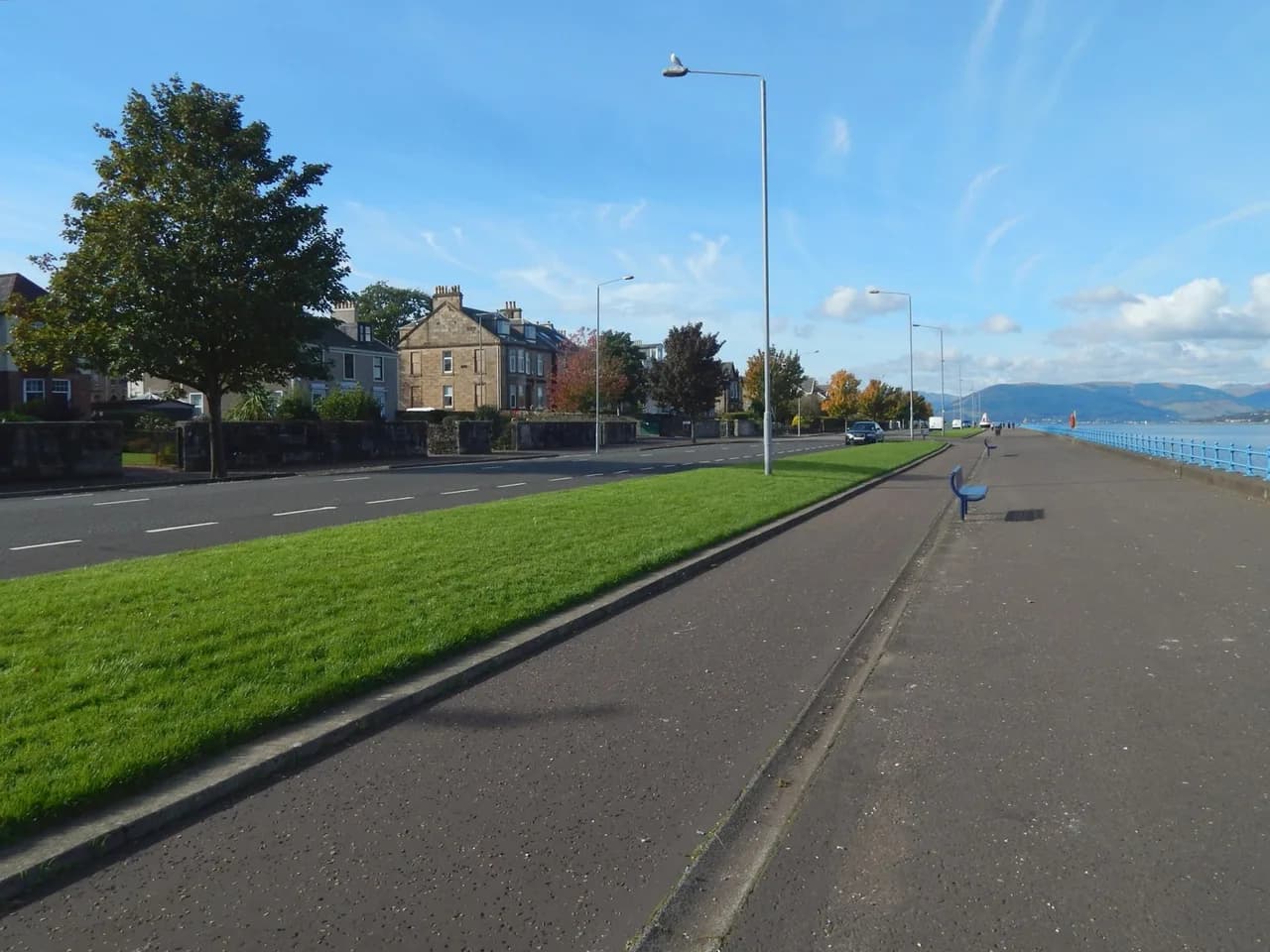
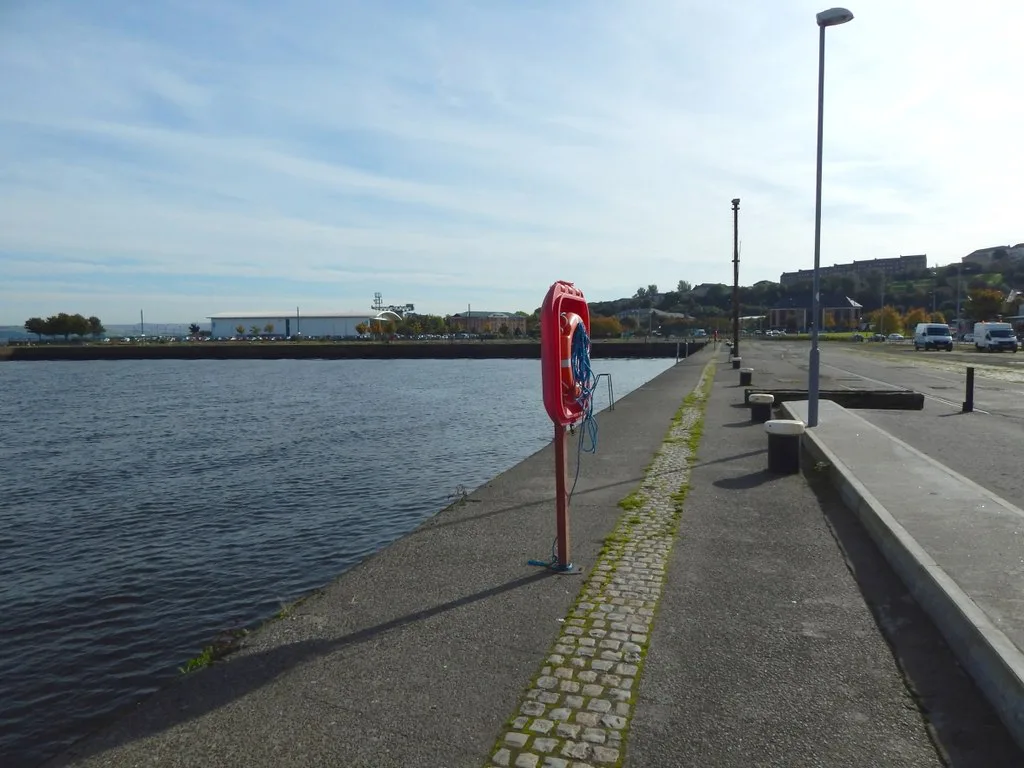
From the terminal, a waterfront walkway leads to the town centre in about five minutes of easy walking, past the esplanade with views over the River Clyde. This is the lowest-risk option on any call length: no ticket, no timetable and no traffic between you and the ship.
Greenock's own sights are modest but walkable: the town centre, the waterfront, and Lyle Hill for estuary views toward Argyll, Gareloch and Loch Long on a clear day. Add Gourock or Newark Castle and you need wheels or a local tour, because both sit beyond a comfortable there-and-back walk.
Getting to Glasgow by train
Rail is the usual independent route to Glasgow. Trains from Greenock to Glasgow run roughly every 20 minutes with a journey time of about 35 minutes, and the nearest railway station to the terminal is around a 10-minute walk, according to port information.
Build the station walk into both directions of your plan: 10 minutes each way plus waiting time on the platform is 25 to 30 minutes of your day before the train even moves. Check the day's departures with ScotRail when you plan, and aim to be back at the station with a service or two to spare rather than catching the last workable train.
Getting to Glasgow by road: taxi and coach trade-offs
By road, Glasgow is about 25km from the berth and the drive takes roughly 35 minutes in normal traffic, a figure that matches the rail timing when conditions are good. Taxis are available at the port, which makes them the fastest flexible option for small groups, but a road delay on the return leg is the risk you carry.
Coaches, whether a ship tour or a locally booked excursion, remove the navigation burden but add group pace and pickup points you do not control. Agree a firm return time and meeting point with any driver you hire privately, and keep the ship's all-aboard time as the fixed anchor for the day.
Ship tours vs local operators vs going independently
A ship tour is the safest structure for a long transfer day: the cruise line plans the route, and the line manages the return. It is not a guarantee that the ship waits for every delay, so still note the all-aboard time and stay with your group. Locally booked small-coach tours, including those run by Inverclyde Tourist Group from the terminal, keep you closer to Greenock and the Clyde.
Going independently to Glasgow is entirely realistic by train, provided you leave a real buffer for the station walk and a missed service. The calculation is not price but minutes: count the transfer in both directions, add the station walk and set a hard turn-back time before you leave the ship.
How long you need: 6-, 8- and 10-hour calls
On a six-hour call, stay local: walk into Greenock, follow the esplanade, and use the remaining time for the terminal area. A Glasgow round trip of roughly 70 minutes of travel plus a 10-minute station walk each way eats most of a short call before you have seen anything.
With eight hours, Glasgow becomes workable by train if you leave promptly, keep the city visit to a compact core and return with a service to spare. Ten hours opens up a fuller Glasgow day or a longer excursion toward Loch Lomond and the Trossachs, which the port lists among the region's headline draws.
Return-time buffer and all-aboard planning
Work backwards from all-aboard, not from the ship's published departure. For a Glasgow rail day, allow the 10-minute station walk, a 35-minute journey and at least one earlier service as spare, then set your city turn-back time from that.
For local days, the buffer question is smaller because the berth is a short walk from town, but keep it anyway: the terminal is a working turnaround port and queues build when several movements coincide. Aim to be back at the pontoon well before the stated time rather than timing your arrival to the minute.
Glasgow highlights worth the journey
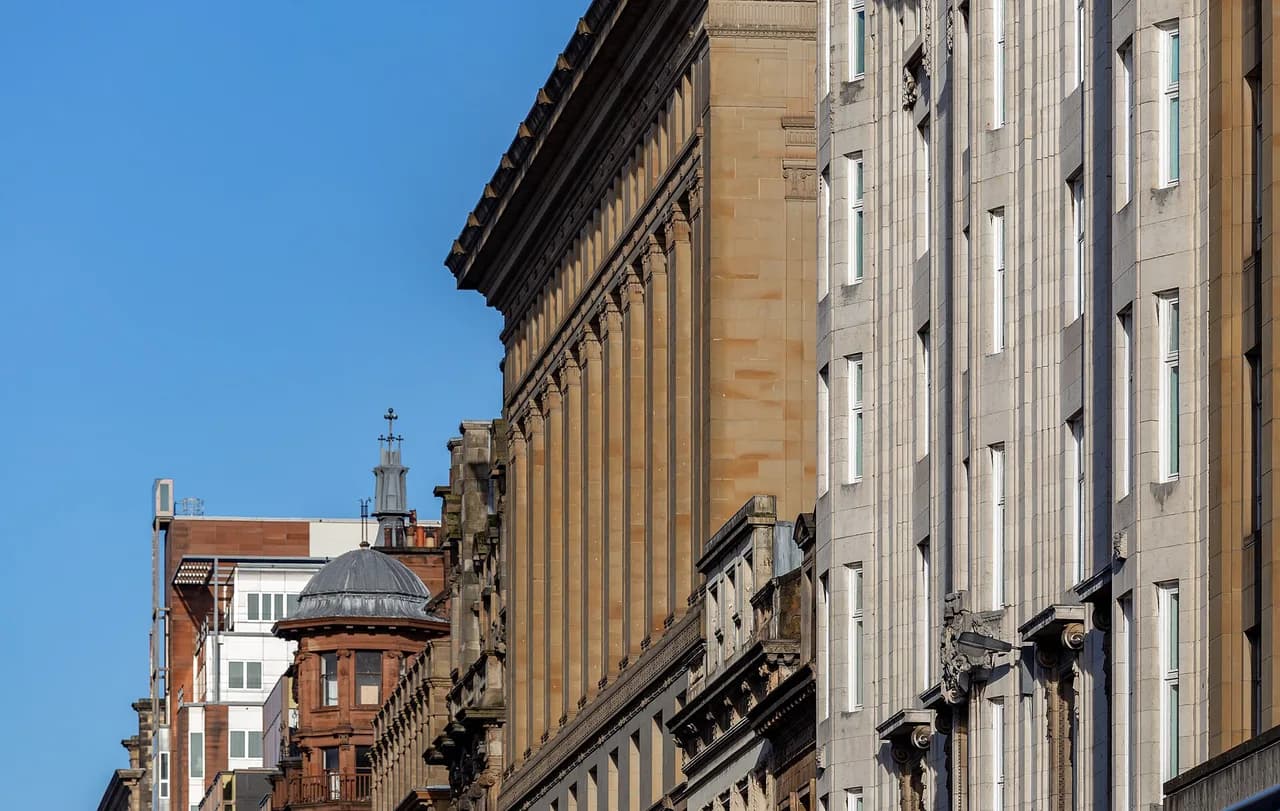
Glasgow rewards a focused visit: the city centre is compact and walkable, with Victorian architecture, museums and shopping within a manageable radius for a half-day. The port operator lists Glasgow as a UNESCO City of Music, which points to live music venues and a cultural calendar rather than a single sight.
Choose two or three anchors near your station and walk between them instead of crossing the city repeatedly. That keeps the return leg predictable, which matters more than squeezing in one more stop when your ship has a fixed departure.
Staying local: Greenock, Gourock and Newark Castle
Greenock itself gives you the waterfront promenade, town-centre streets and Lyle Hill's views, all reachable without a ticket. Gourock adds a seaside run along the estuary, while Newark Castle, in nearby Port Glasgow, ties the area to its shipbuilding and sugar-trading past.
Volunteer-run small-coach tours have historically started from the terminal from 9:15 am onwards, with options covering Greenock, Gourock and Port Glasgow with Newark Castle, bookable online or at the terminal desk. Availability depends on volunteers and your call, so treat these as a bonus rather than the backbone of your plan.
If you want scenery without the Glasgow run, a Loch Lomond shore excursion fits a longer call and keeps you in the countryside the port is known for. Compare the drive time against your all-aboard before booking anything that heads inland.
Accessibility and mobility considerations
Passengers disembark via the pontoon into the terminal building, and the waterfront walk into Greenock is short and level enough for most mobility needs. For step-free rail access and assistance at Glasgow stations, arrange help with the train operator before you travel rather than relying on turning up.
If walking distances are a concern, a taxi from the terminal door removes the station walk and the pontoon-to-town leg entirely. Speak to the cruise line's shore team about assistance at the terminal on the day, particularly on turnaround days when the building is busy.
Plan Your Visit
Decide before you sail whether this call is a Greenock day or a Glasgow day, because the answer sets your transport, your timing and your risk. Greenock is a five-minute walk from the berth; Glasgow is a rail or road journey of roughly 35 minutes each way, plus the station walk.
Either way, anchor the day to your all-aboard time, keep a spare service or a spare 30 minutes in reserve, and travel with a plan for the return leg that does not depend on luck. That is what turns a rushed port call into a good one.
Frequently Asked Questions
Where do cruise ships dock for Glasgow?
Ships calling for Glasgow berth at Greenock Ocean Terminal on Patrick Street in Greenock, on the Firth of Clyde. It is a single cruise berth with a 200m berthing line that takes ships up to 340m, and passengers walk off via a floating pontoon into the terminal building.
Can I walk from Greenock cruise port to the town centre?
Yes. The port puts Greenock town centre about 500m from the terminal, and a waterfront walkway links the terminal to the town in roughly five minutes of easy walking along the esplanade.
How do I get from Greenock to Glasgow for the day?
The train is the standard independent route, with services roughly every 20 minutes and a journey of about 35 minutes, plus a walk of around 10 minutes from the terminal to the nearest station. Taxis and coaches cover the same 25km by road in about 35 minutes when traffic is normal.
Should I take a ship tour or travel to Glasgow independently?
A ship tour suits anyone who wants the route and return handled for them on a long transfer day, though it is not a promise the ship waits for every delay. Independent rail travel gives you flexibility, but you must set a turn-back time that covers the station walk and a spare service.
How long do I need in port to reach Glasgow?
Budget eight hours or more for a Glasgow day, since the transfer runs about 35 minutes each way plus the station walk on both ends. On a six-hour call, stay in Greenock and the immediate Clyde area instead.
Sources
Port-day notes for your next cruise
Optional updates to our port guides.
You might also like
Continue reading
More guides you'll find useful