Zeebrugge Cruise Port Guide: Getting to Bruges and Beyond
Ships berth at Zeebrugge's Swedish Quai, about 15 km from Bruges. Compare the shuttle, train and taxi, and see what fits a six-, eight- or ten-hour call.
On this page
Zeebrugge is a working North Sea port that puts one of Europe's best-preserved medieval cities within a short road hop: Bruges sits roughly 15 km inland, its canal ring, Markt square and Belfry waiting a shuttle, train or taxi ride from your ship. The port also opens up Ghent, Brussels and the Flemish coast, so the day suits passengers who want a compact UNESCO-listed city rather than a long coach transfer.
This is a transit call for most ships, and everything you do ashore starts with one decision: how you cover the distance into town and when you start back. Bruges is not a place to improvise on a short call, but with the right transport choice it fits comfortably into a standard day.
A Flanders Gateway for Bruges, Ghent, Brussels and the Coast
Zeebrugge sits on Belgium's North Sea coast in West Flanders and is the country's largest cruise hub, part of the Port of Antwerp-Bruges. The port's own destination guide pitches it as a gateway to Bruges, Ghent, Brussels, Blankenberge and Knokke, which shows how far the options fan out from a single berth. That range is the appeal: you are not tied to one city for the day.
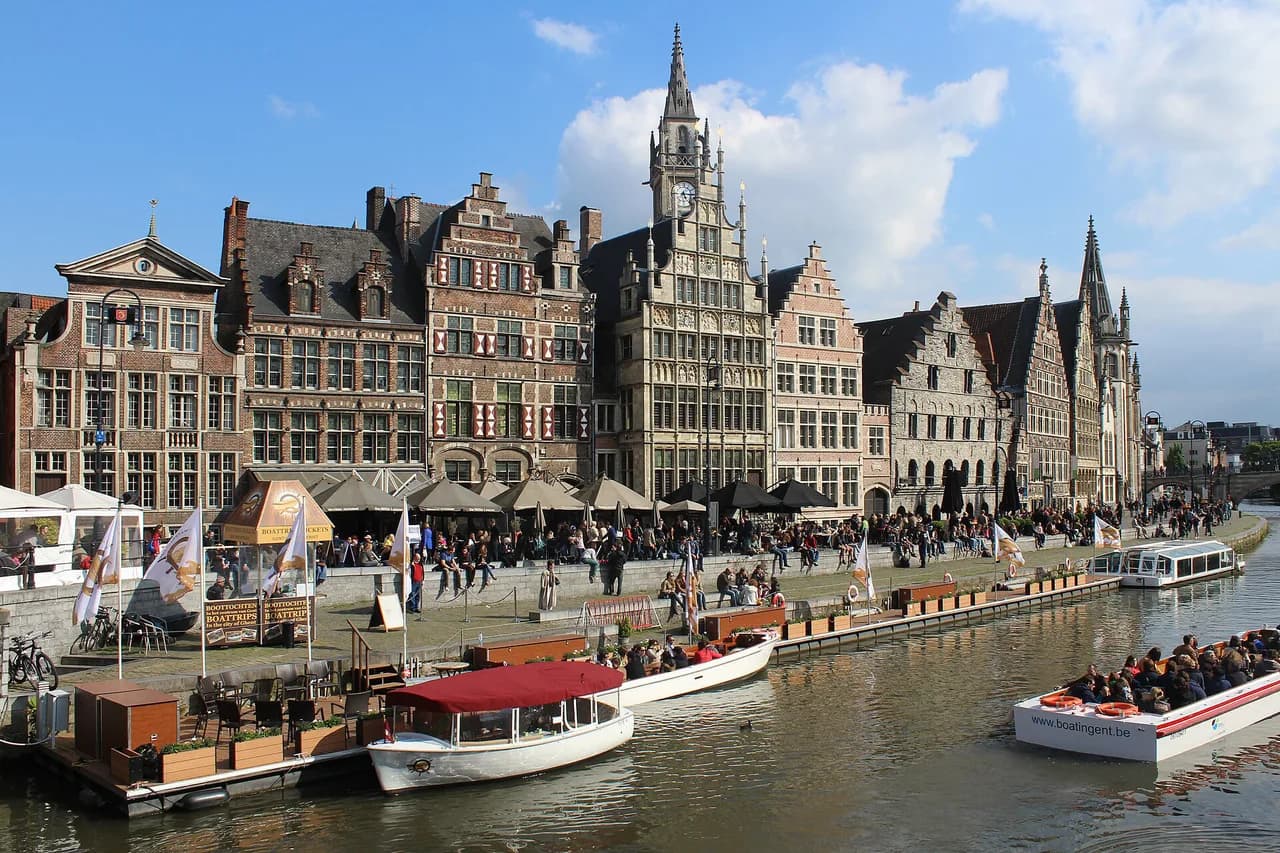
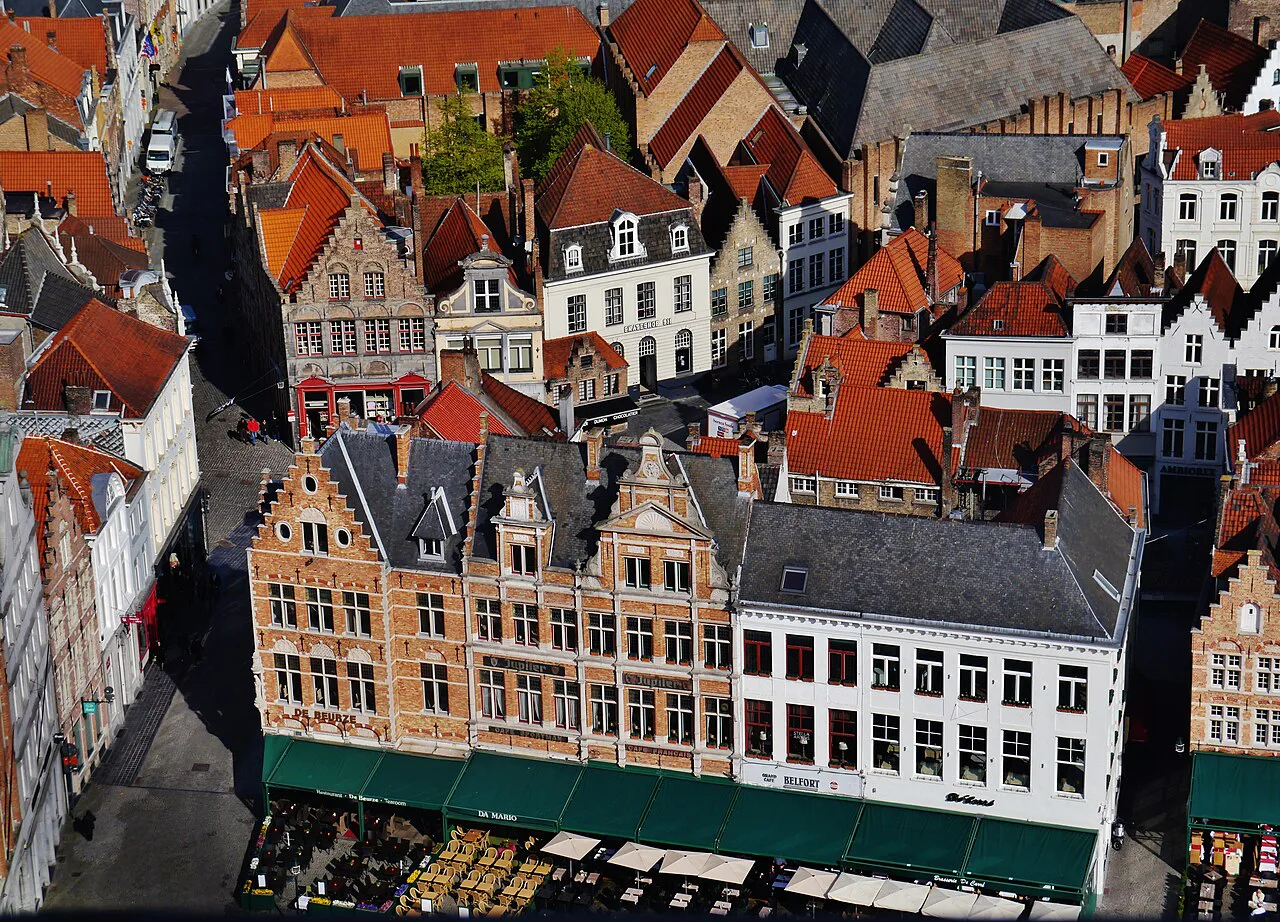
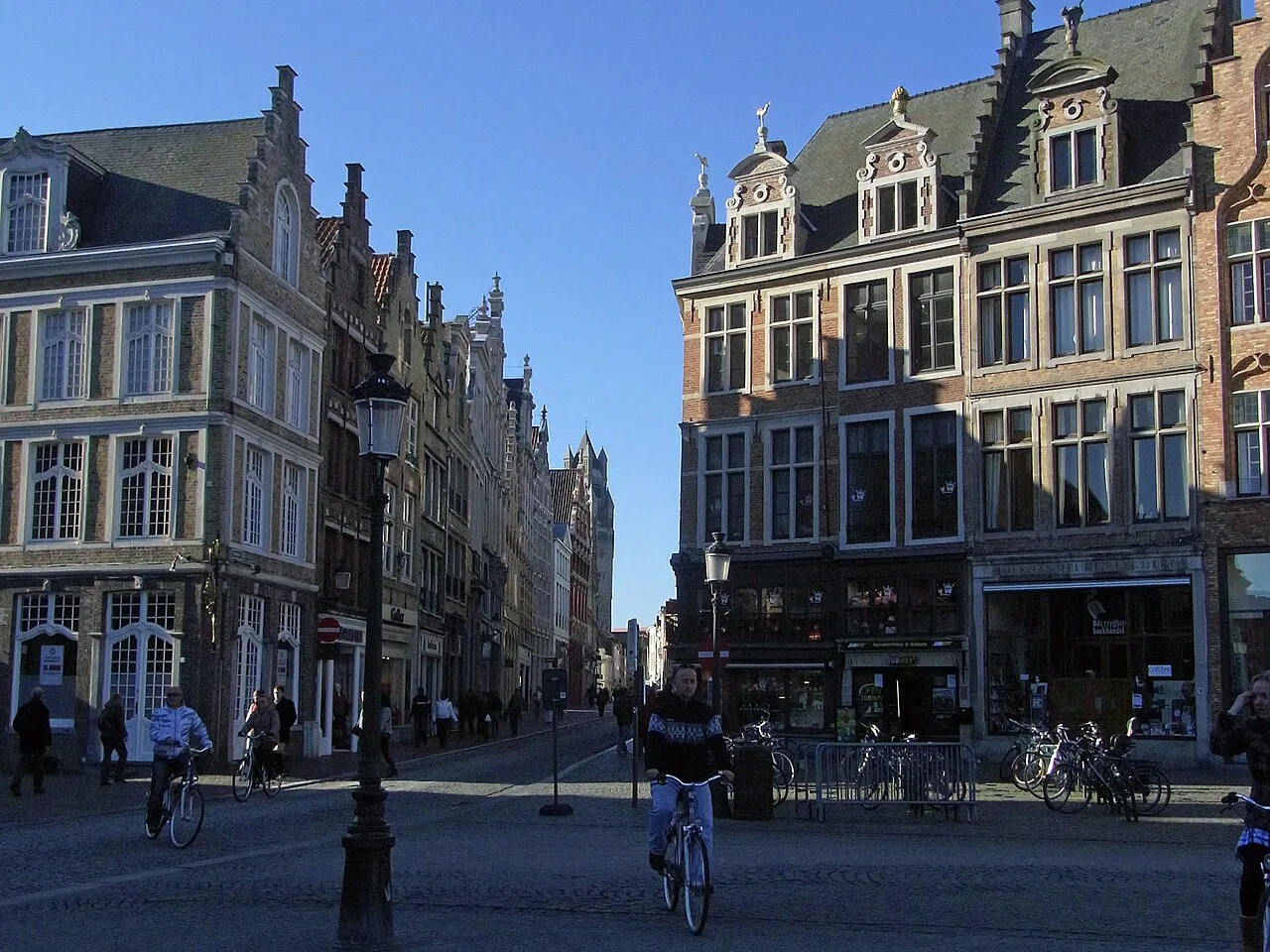
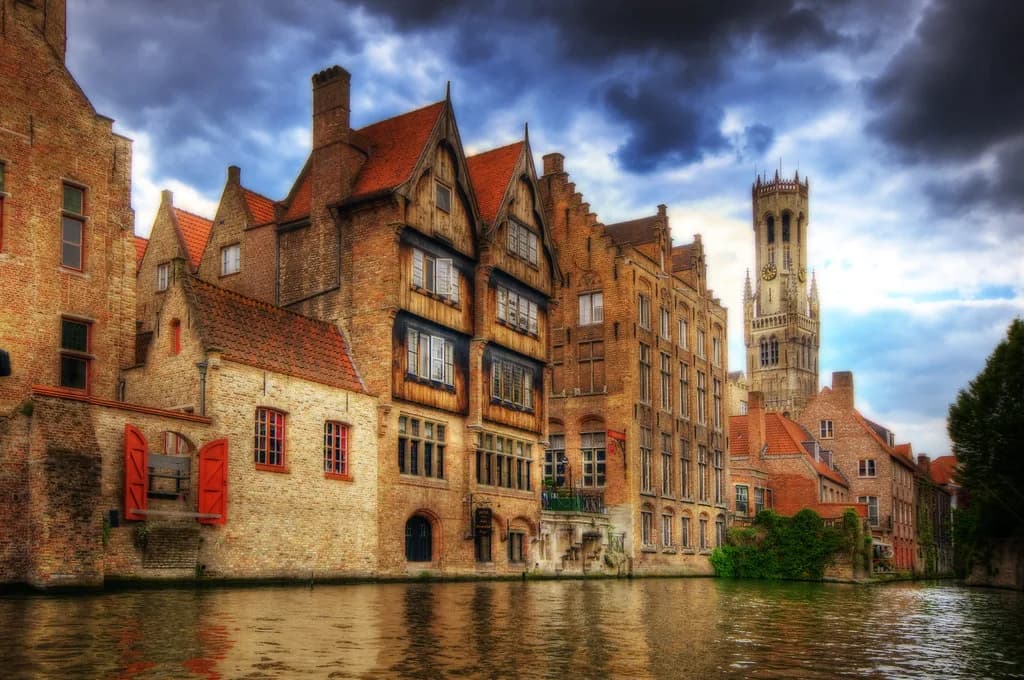
For most passengers the headline is Bruges, whose historic centre is a UNESCO World Heritage Site packed with canals, guild houses and the 83-metre Belfry. Treat the port as a base and pick one destination rather than trying to tick off two.
Where Ships Dock: The Swedish Quai
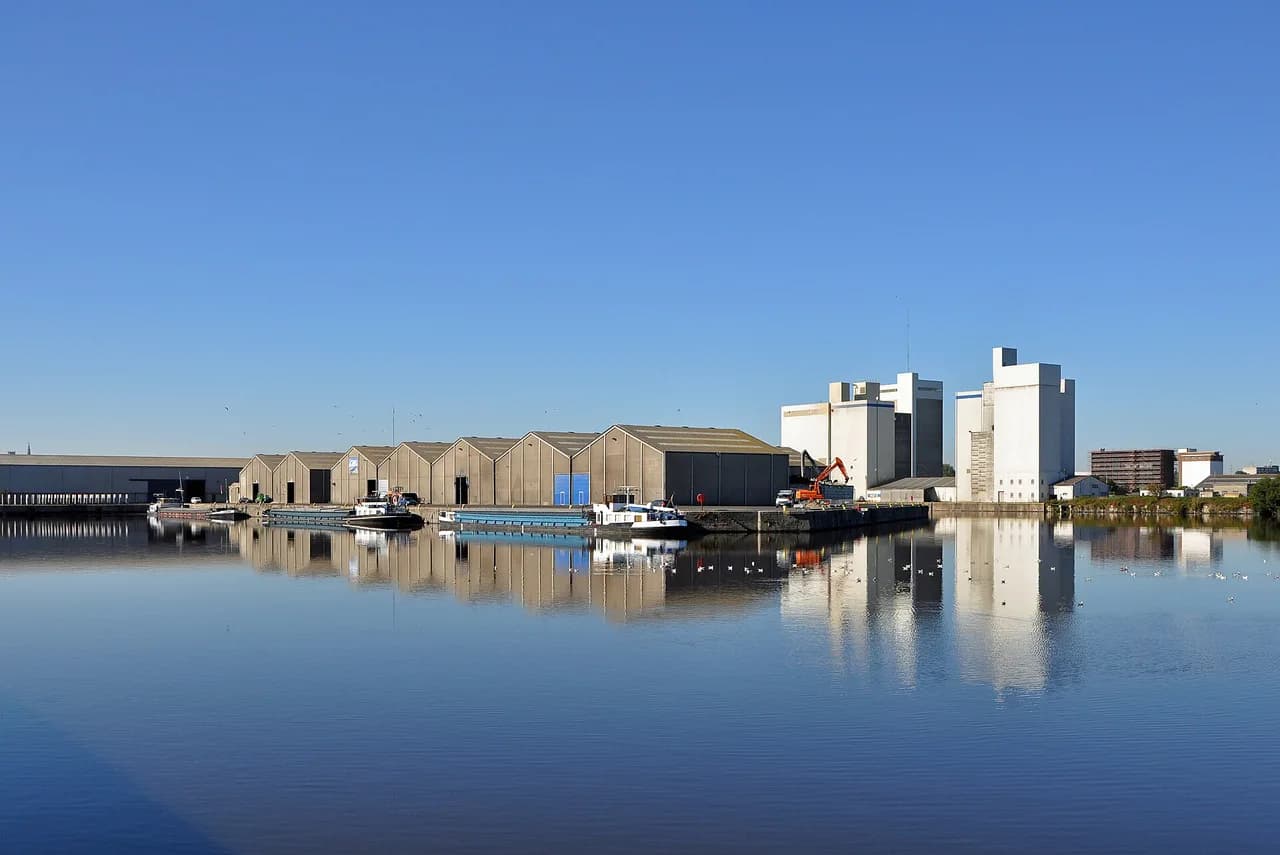
Cruise ships dock at the Swedish Quai, a quay that can take two vessels at the same time. It sits within a large commercial port rather than beside the town, so expect container traffic, long quays and a terminal area rather than a promenade you can step straight onto. The berth assignment is fixed by the port, not something you can influence when booking.
The port has published plans for two 16 MW shore power installations, with the first operating by 2027, and a new terminal with passenger boarding bridges by 2030. Those are future works, so plan your current call around today's terminal and quay arrangements rather than the upgraded facilities.
Port Layout: Shuttle From Ship to Terminal Gate
Ships dock some distance from the terminal building, and a free shuttle runs from the ship to the cruise terminal gate for all cruise passengers. That free service is short and internal to the port. It is not the paid bus into Bruges, and mixing the two queues is the most common way passengers lose half an hour at the start of the day.
The terminal gate is your real starting point: onward shuttles, taxis and the walk to the local station all begin here. Ask the shuttle driver or terminal staff which exit serves your chosen service before you leave the ship, and note the gate number for the return, since the port is large and signage assumes you know your destination.
Getting into Bruges by Shuttle Bus
The direct option is a dedicated Cruise Express shuttle that runs from the port to Bruges city centre roughly every 30 minutes between 8:30 AM and 12:00 PM, with a journey of about 20 minutes. Return departures are scheduled in the afternoon to line up with cruise departures. Because the morning window closes at noon, passengers on late-arriving ships need a backup plan rather than waiting for a bus that has stopped for the day.
Buy your ticket and, more importantly, your return slot at the point of sale in the morning, and photograph the pickup point in Bruges before you walk away from it. For fares and current timings, consult the operator desk at the terminal on the day. The step-by-step version of this route is set out in the guide to Zeebrugge to Bruges for Cruise Passengers.
Bruges by Train from Zeebrugge-Dorp
Rail is the cheapest independent route and works best for confident travellers. Take the free port shuttle to the terminal, then walk to Zeebrugge-Dorp station and catch a train into Bruges; the ride itself takes about 14 minutes. Published frequency information for this line varies, so check the departure board at the station before committing and photograph the return times you plan to use.
The trade-off is clear: the train costs little, but a sparse service means your day is spent working around timetables, and a missed connection eats directly into your buffer. If the board shows a long gap before your return train, the shuttle bus or a taxi becomes the better use of your hours even at higher cost.
Taxis from the Terminal
Taxis wait at the terminal and are the fastest door-to-door option, but they are the most expensive. Round-trip fares to Bruges have been reported at roughly 80 to 100 euros, which is worth it only when you are sharing or short of time. Agree the fare with the driver before setting off so there is no dispute at the other end.
A one-way taxi into Bruges also suits passengers who want the shuttle back, or the reverse for a later start. Keep the driver's arrangement simple: fixed price, confirmed return meeting point and time. If the quoted fare is well above the range above, walk to the next car in the rank.
Why Walking into Bruges Is Not Realistic
Bruges lies roughly 15 km from the cruise terminal, and reports put the road distance at around 17 km. Either way it is far beyond a comfortable walk, and the route is industrial and not pedestrian-friendly. On foot it would consume several hours each way and leave no time for the city itself.
Treat the distance as a planning constraint rather than an obstacle: it justifies paying for the shuttle or a taxi instead of trying to save money on foot. Passengers who want to stay near the ship should look at the coast instead, where Blankenberge and Knokke are much closer to hand.
Ship Tours vs Going Independently
A ship's excursion removes the transport problem entirely: coaches leave from the quay, the itinerary is fixed and the cruise line builds in a return margin. You pay a premium for that convenience, and you see Bruges at a group pace with set stops. It suits first-time visitors who want the headline sights without planning transport.
Going independently gives you flexibility on where to eat and how long to linger at the Belfry or the Groeningemuseum, usually at lower cost. The risk sits entirely with you: if a train is cancelled or a taxi is stuck in traffic, the ship keeps to its schedule and no one is obliged to wait. Build a return buffer of at least an hour on a short call and check the all-aboard time before you leave the terminal.
What Fits a 6-Hour Call
On six hours ashore, Bruges is tight but doable if you move fast and choose one mode of transport in each direction. Use the first available shuttle or a taxi straight in, spend two to three hours on Markt, the Belfry climb or a short canal trip, and head back well before the last published departure. Skip the museums and eat on the move.
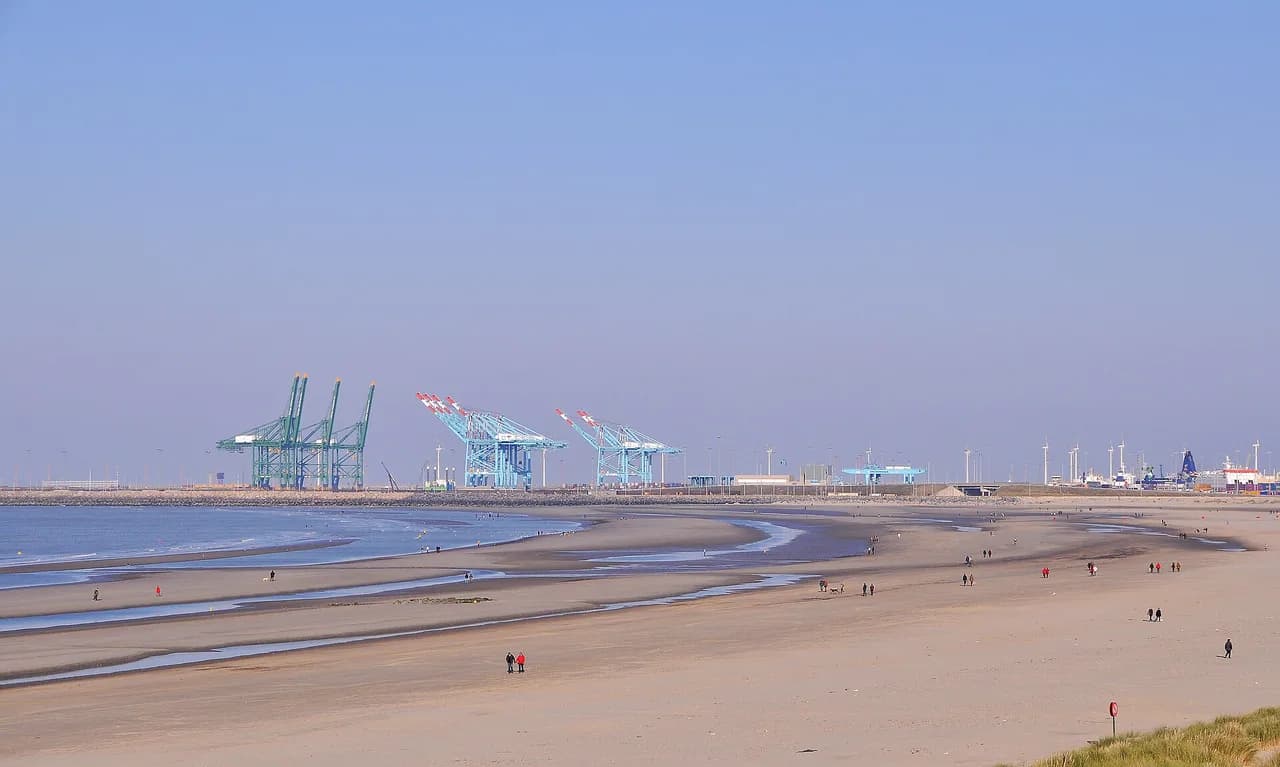
A more relaxed six-hour plan stays close: Blankenberge offers a sandy beach, pier and cafés, and the Seafront exhibition in Zeebrugge covers the port's fishing and wartime history in a former fish auction hall. Both cut out the 15 km road transfer entirely.
What Fits an 8-Hour Call
Eight hours is the comfortable Bruges day. Take an early shuttle, walk the canal ring from the Markt to the Church of Our Lady, add one museum or a canal cruise, and sit down for a proper lunch of moules-frites or waffles. Aim to be back at the Bruges pickup point with at least an hour in hand before all-aboard.
If you want beer with lunch, keep it to one: the Brouwerij De Halve Maan tour and tasting is a fine anchor for the afternoon, but the brewery visit takes time and the walk back to the bus adds more. Choose either the museum or the brewery, not both.
What Fits a 10-Hour Call
Ten hours opens up the alternatives. Ghent offers a second historic canal city of similar scale, while Brussels is listed as about 75 minutes away, so a long call makes a capital-city day possible without racing. Either choice means a longer transfer and less slack, so book a fixed return.
The other ten-hour option is a deeper Bruges day: an early start, the Groeningemuseum's Flemish masters, a canal cruise and a leisurely late lunch, then a slow walk back through the quieter Sint-Anna Quarter. Riding a canal boat is one of the most atmospheric ways to see the city, and on a long call you can afford the queue.
Staying Near the Port: Blankenberge and Knokke
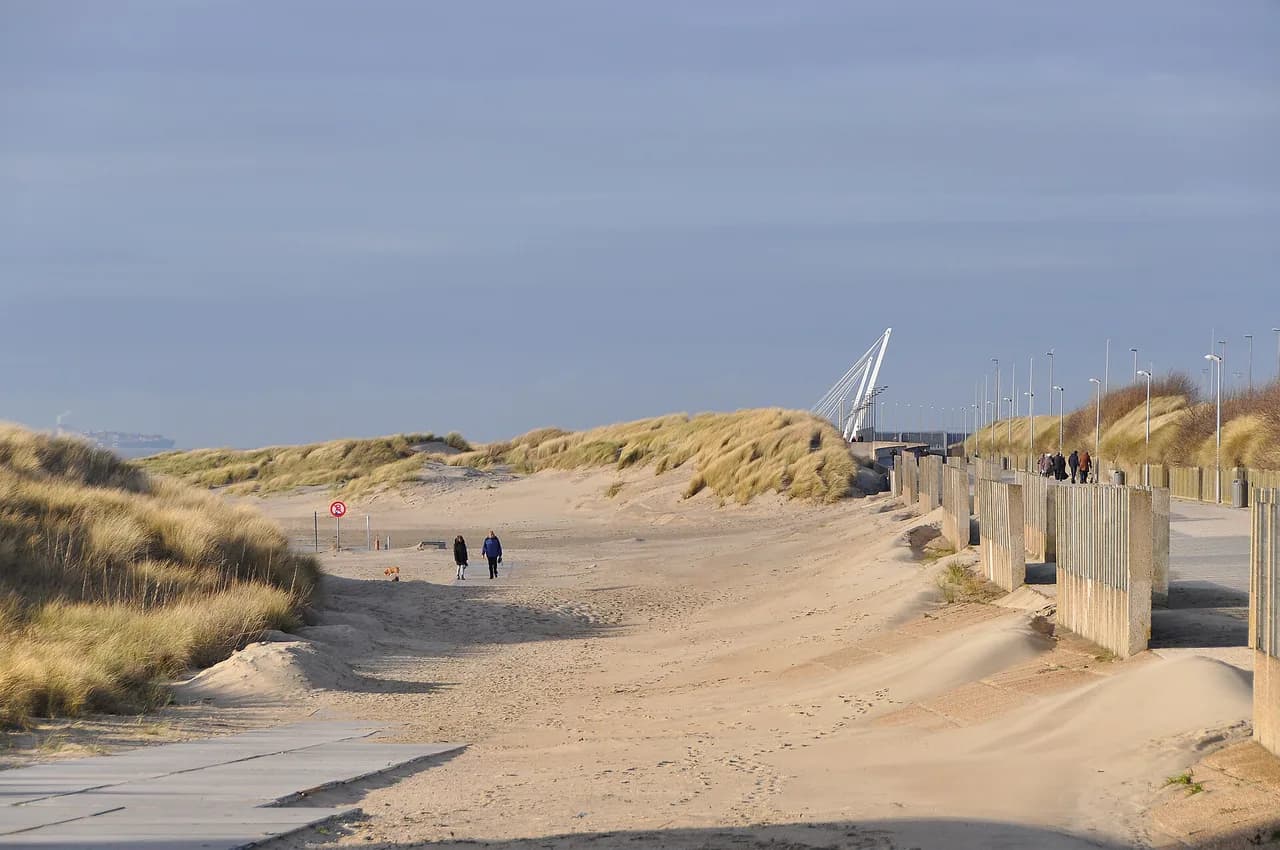
For late arrivals or short calls, the coast is the smart choice. Blankenberge has a sandy beach, a lively promenade, Belle Époque architecture and shopping streets serving local beer, waffles and chocolate. Knokke is the upscale alternative, with wide beaches, a stylish promenade, luxury boutiques and the nearby Zwin Nature Park for birdwatching.
Zeebrugge itself is mainly industrial, so passengers who stay put usually head along the coast rather than into the port town. The practical move is to pick one resort and treat it as a half-day outing that returns you to the terminal with time to spare. More local ideas sit in the guide to things to do in zeebrugge cruise port.
Ghent and Brussels as Day Trips
Ghent is the closer of the two big alternatives, a historic city with medieval remnants, canals, museums and specialist shops. It rewards passengers who have already seen Bruges or who want a less crowded canal city. The transfer is still a road journey, so the same rule applies: fix your return and count backwards from all-aboard.
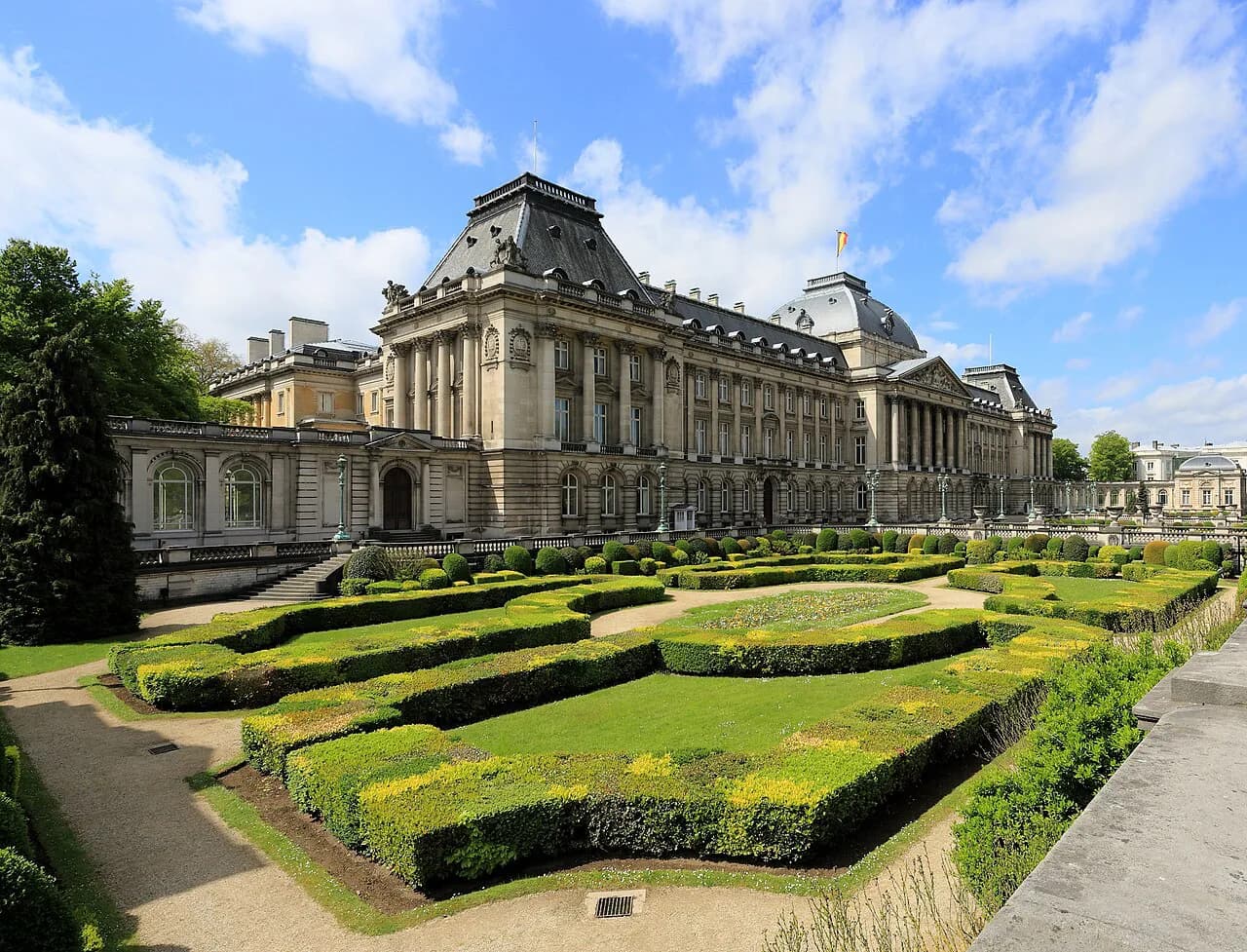
Brussels is the bigger commitment at roughly 75 minutes each way, which leaves a few hours in the city on a long call. It works for passengers who want museums, parks and restaurants rather than medieval streets, and it is a poor fit for anything under eight hours ashore.
Eating and Drinking in Bruges
Bruges is built for eating: waffles cooked to order and topped with strawberries, cream or chocolate, steaming pots of moules-frites with mayo, and artisan chocolate from shops such as Dumon and The Chocolate Line. Belgian fries come with mayonnaise rather than ketchup, a detail worth knowing before you order.
For a sit-down meal, traditional Flemish cooking is served in generous portions at places such as De Vlaamsche Pot, and a chilled Brugse Zot at Brouwerij De Halve Maan is the classic finish. Keep lunch to a fixed hour so the return journey is not squeezed.
Returning to the Ship
Plan the return before you leave the terminal in the morning. The Bruges shuttle runs back in the afternoon to meet cruise departures, so confirm the last departure time at the Cruise Express desk and arrive at the pickup point early enough to take an earlier bus if the queue is long.
By train, work backwards from all-aboard: the ride is short but the service is not frequent, so a missed train can cost you an hour. By taxi, agree a pickup time in Bruges with the driver who took you in, or use the rank at the Markt. Whatever the mode, leave a buffer you would be embarrassed to need, because the free port shuttle from the terminal back to your ship is one more queue between the gate and the gangway.
Plan Your Zeebrugge Port Day
Decide first how you will cover the 15 km to Bruges, then build the day around that choice: the shuttle for simplicity, the train for economy, a taxi for speed. The same reasoning applies to any British port call, just as this Greenock cruise port guide weighs transfer options into Glasgow, but here the distances are short and the coast is the fallback. Passengers with short calls should look at Blankenberge and Zeebrugge's own Seafront instead, where the transfer is negligible.
Whichever route you take, note the terminal gate on the way out, keep the return buffer generous and be at the pickup point early. Bruges rewards a well-planned day; it punishes a rushed one.
Explore more Zeebrugge cruise port guides
Frequently Asked Questions
Where do cruise ships dock in Zeebrugge?
Ships berth at the Swedish Quai, which can accommodate two vessels at once, within the Port of Antwerp-Bruges. From the quay, a free shuttle takes passengers to the cruise terminal gate, where onward transport into Bruges and along the coast begins.
How far is Bruges from the Zeebrugge cruise port?
Bruges lies roughly 15 km inland from the cruise terminal, with road distance reported at around 17 km. That is far too much for a walk on a port day, so plan on the shuttle, the train or a taxi each way.
Can you walk from Zeebrugge cruise port to Bruges?
No, not as a sensible use of your hours ashore. The distance is around 15 km and the route is industrial and unfriendly to pedestrians, so it would consume most of your call in each direction.
Is there a free shuttle from the ship to the Zeebrugge cruise terminal?
Yes. All cruise passengers are offered a free shuttle from the docked ship to the cruise terminal gate. The paid bus into Bruges is a separate service, so make sure you join the correct queue.
How do you get from Zeebrugge cruise port to Bruges?
The main options are the Cruise Express shuttle from the port to the city centre, the train from Zeebrugge-Dorp station after the free port shuttle, and taxis from the terminal. The shuttle is simplest, the train cheapest and the taxi fastest but most expensive.
How much is a taxi from Zeebrugge to Bruges?
Fares are quoted per trip at the rank and vary with vehicle size and time of day, so ask the driver for the fare before setting off, or ask at the terminal taxi desk on arrival. Sharing the car brings the per-person cost down.
Is Zeebrugge worth visiting for a port day?
Yes, as a gateway rather than a destination in itself. Zeebrugge is mainly an industrial port, but it puts Bruges, Ghent, Brussels and the coastal resorts of Blankenberge and Knokke within reach of a single call.
Is it better to take the ship's Bruges tour or go independently?
The ship's tour removes the transport risk and suits first-time visitors, while going independently is cheaper and more flexible but leaves the return risk with you. The ship keeps to its schedule, so build a buffer of at least an hour on a short call.
Sources
Port-day notes for your next cruise
Optional updates to our port guides.
You might also like

Continue reading
More guides you'll find useful