Helsinki Cruise Terminal Guide: Dock and Town Options
Helsinki cruise ships dock at Hernesaari, Katajanokka, Olympia or West Harbour. Compare each berth and the tram, shuttle and walking options for town.
On this page
A Helsinki port day mixes a compact, walkable waterfront with a design-conscious modern city, plus an island fortress that needs its own half-day. It suits passengers who want a harbour market and cathedral squares on foot, and equally those who would rather spend the hours on a ferry to Suomenlinna. The key decision is not what to see but which berth your ship uses, because Hernesaari sits well outside the centre while other quays put you almost in it.
The Port of Helsinki publishes an international cruise schedule listing each call with its harbour and berth, so you can see whether your ship is booked for Hernesaari or the South Harbour and Katajanokka area before you sail. Use that listing to plan the day around a known dock, since Helsinki's cruise berths are not all downtown.
Where ships dock: the four cruise locations at a glance
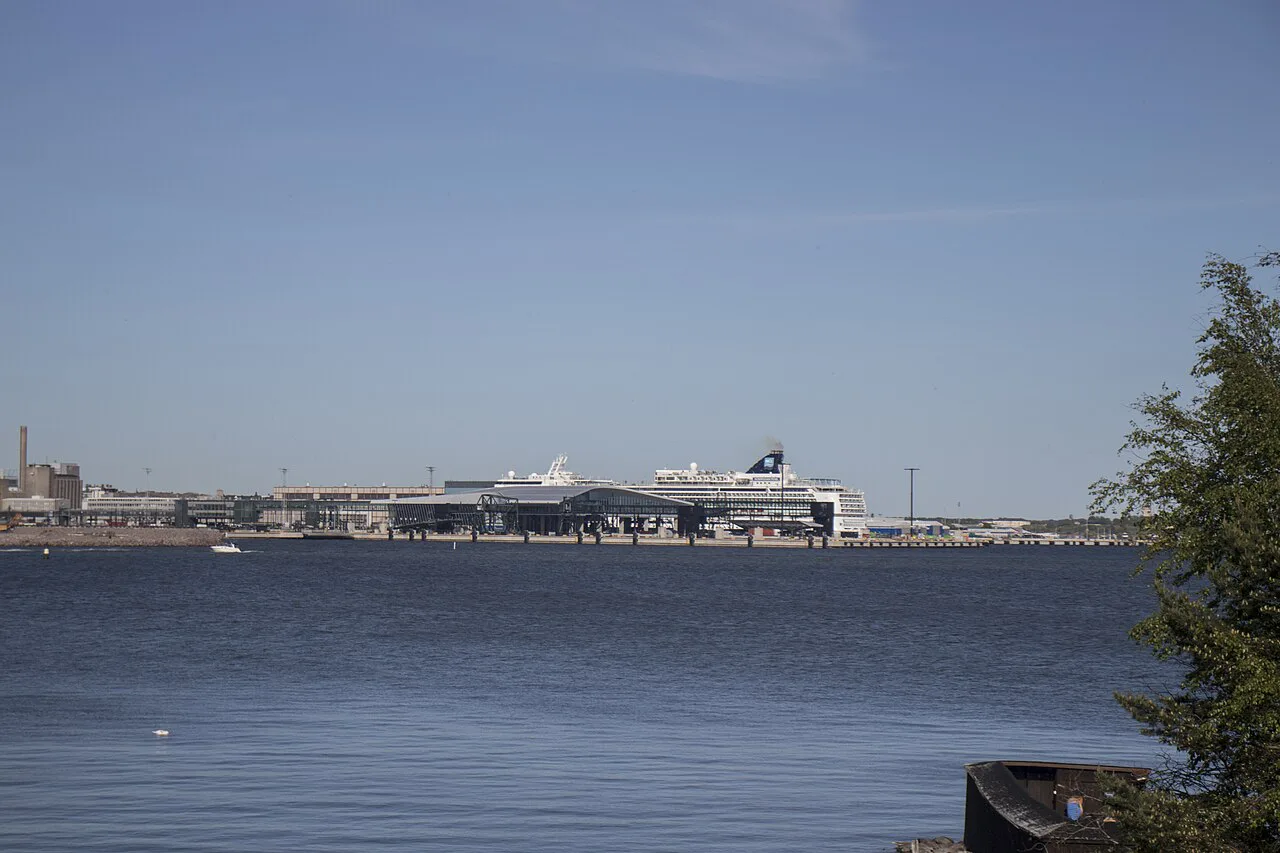
Helsinki handles cruise traffic at distinct locations rather than one terminal building. The main split is between Hernesaari, a purpose-built cruise quay south of downtown that takes the biggest vessels, and the central harbours at Katajanokka and the South Harbour, where smaller ships and ferry terminals share the waterfront. West Harbour, used mainly by ferries, can also appear as a cruise berth.
The published schedule groups calls under Hernesaari or the combined South Harbour and Katajanokka harbour area, and it shows berth codes such as LHD at Hernesaari. That is the most reliable way to know where you will land, since berth assignment varies by call and ship size.
Hernesaari: the main berth for large ships
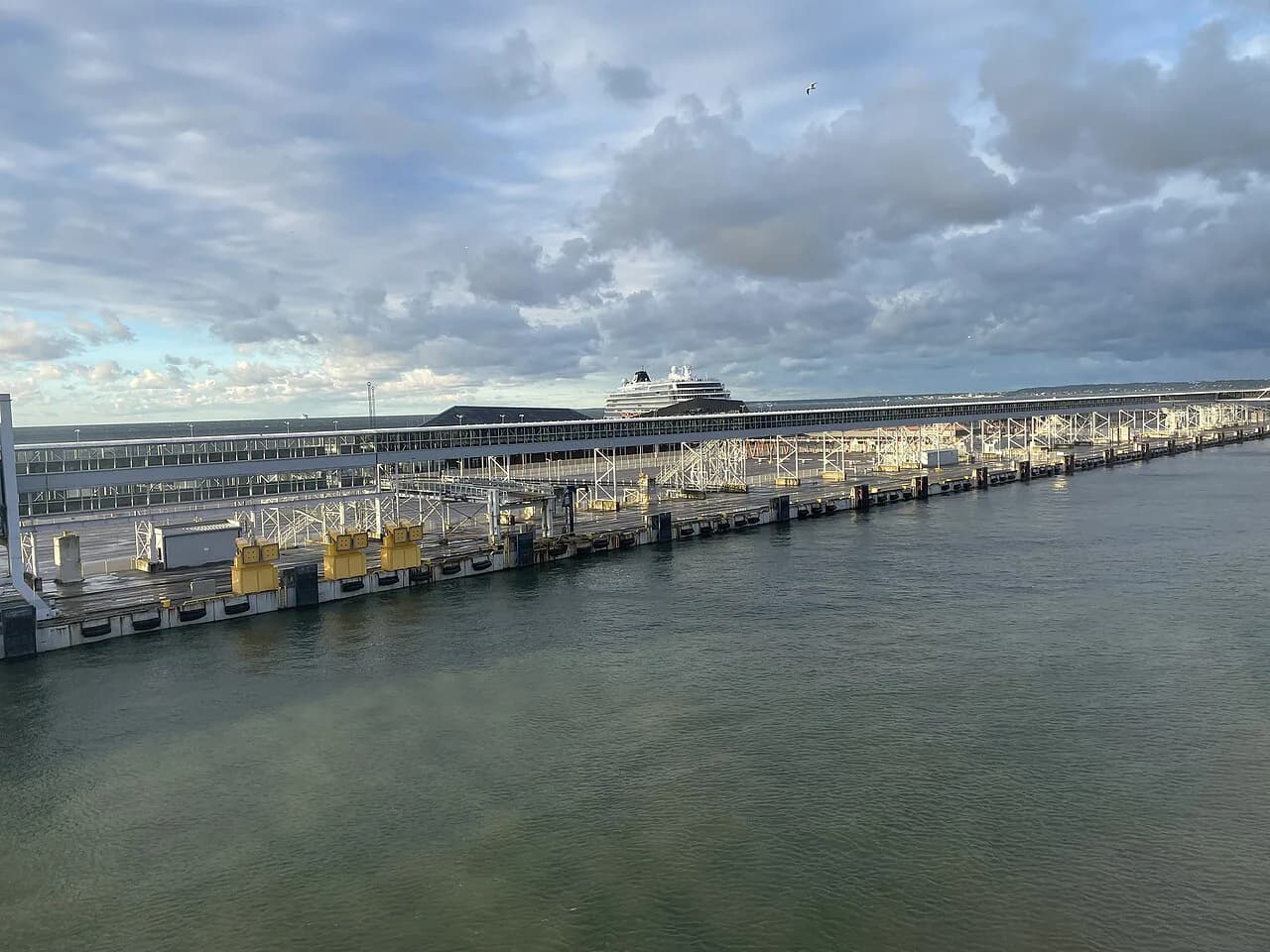
Hernesaari is Helsinki's primary international cruise port, located in the Lansisatama district roughly 1.5 km south of downtown. It has three main quays, LHB, LHC and LHD, built to handle the largest cruise vessels, and the terminal facilities include Wi-Fi, tourist guides, phones and a souvenir shop. Almost all of the biggest ships calling at Helsinki use this site.
The practical consequence is that Hernesaari is not a stroll-into-town berth. A new tramline now links the quay area with the centre, and shuttle buses and taxis are part of the transfer picture from the western harbour side. Treat the first and last move of the day as a transport leg that needs planning, not an afterthought once you step off the gangway.
Katajanokka Terminal: closer to the centre for smaller ships
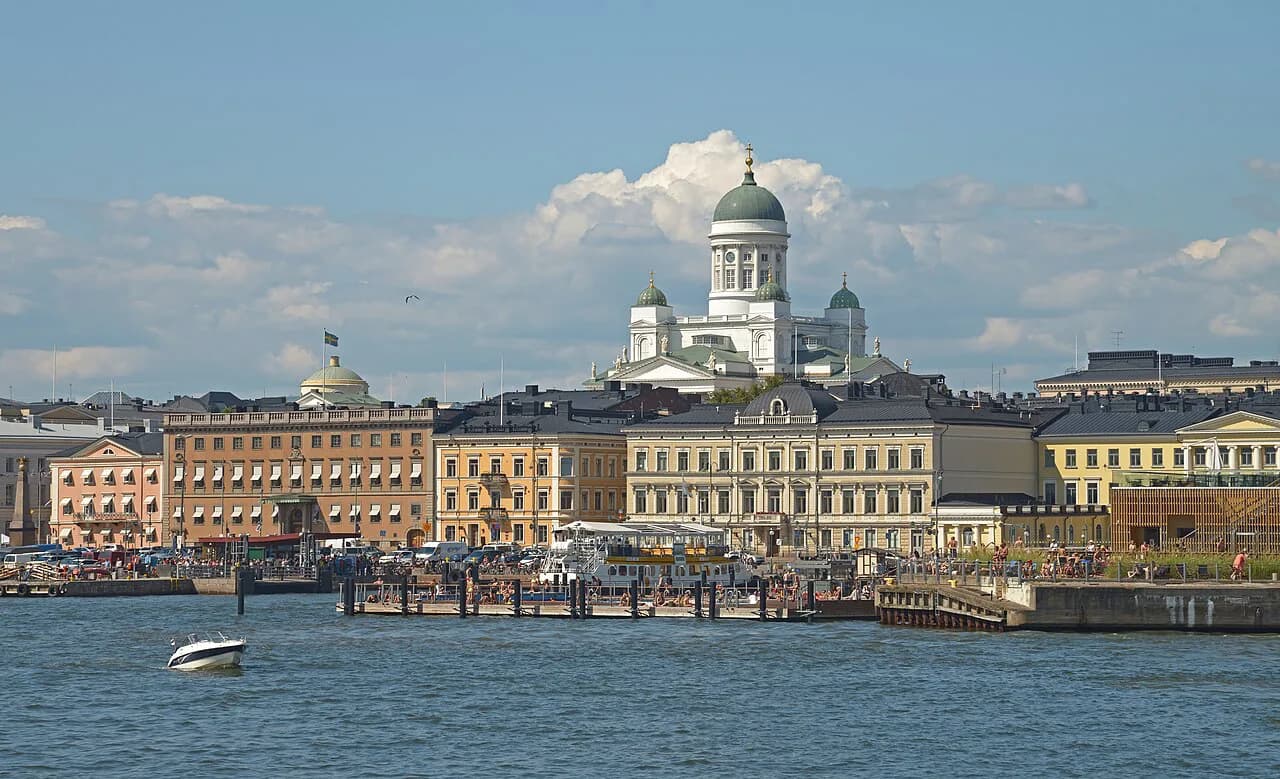
Smaller cruise ships dock at the end of the Katajanokka district at the Katajanokka Terminal, which also serves ferries to Tallinn. The quays sit on the eastern side of the central peninsula, close to Uspenski Cathedral and the harbourfront, so passengers can often begin sightseeing on foot rather than waiting for a transfer. The setting works well for a compact half-day of cathedral squares and the market.
Because Katajanokka is a working ferry terminal as well as a cruise berth, expect traffic and clear signage separating ferry passengers from cruise arrivals. Walking out of the terminal toward the cathedral and Market Square is the natural route into town. If your ship is listed there, you can build the day around the Esplanadi and Senate Square on foot.
Olympia Terminal and South Harbour: berths within walking distance
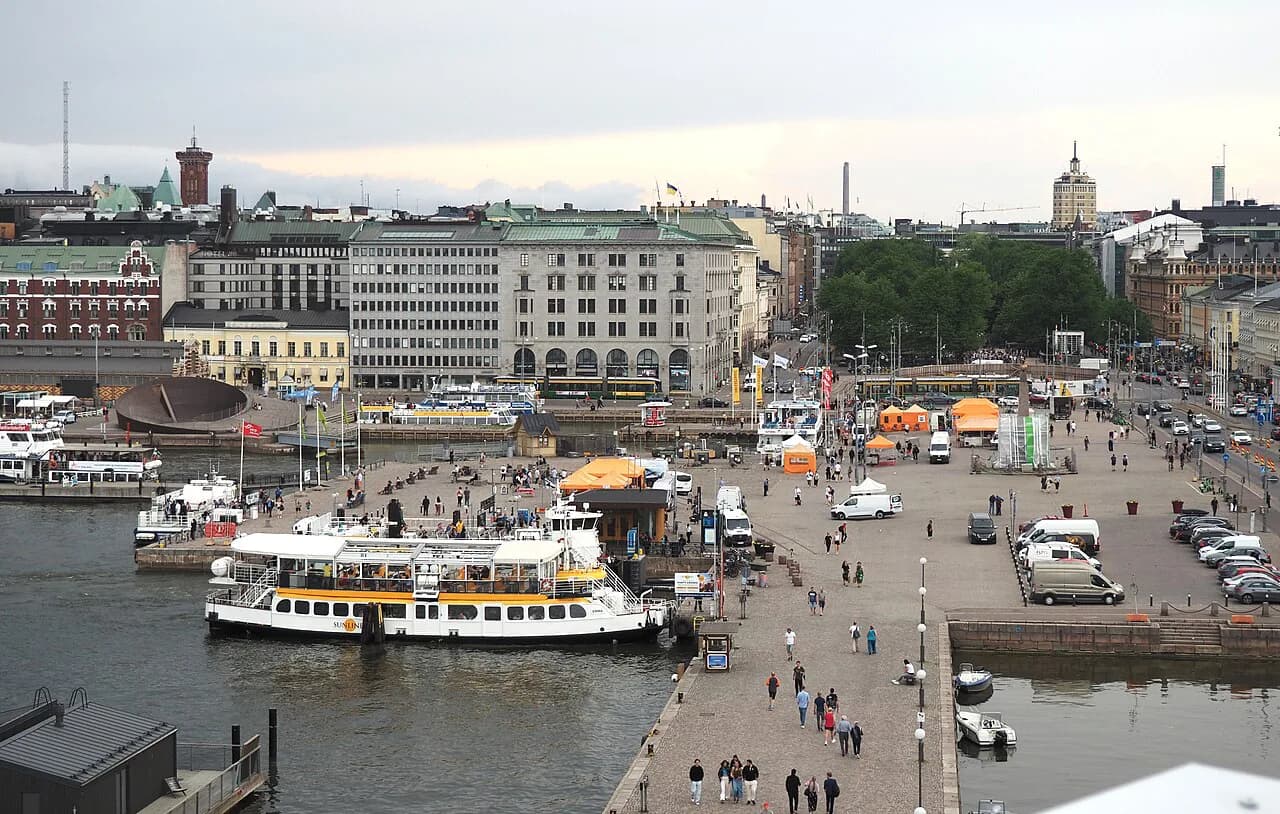
The South Harbour holds the port's largest docks, Pakkahuone Quay and Olympia Quay, both right in downtown with the main attractions at easy walking distance. Olympia Terminal itself is a heritage-listed building next to the port authority's headquarters and serves Silja Line ferries. For a cruise passenger, this is the most convenient possible landing point in Helsinki.
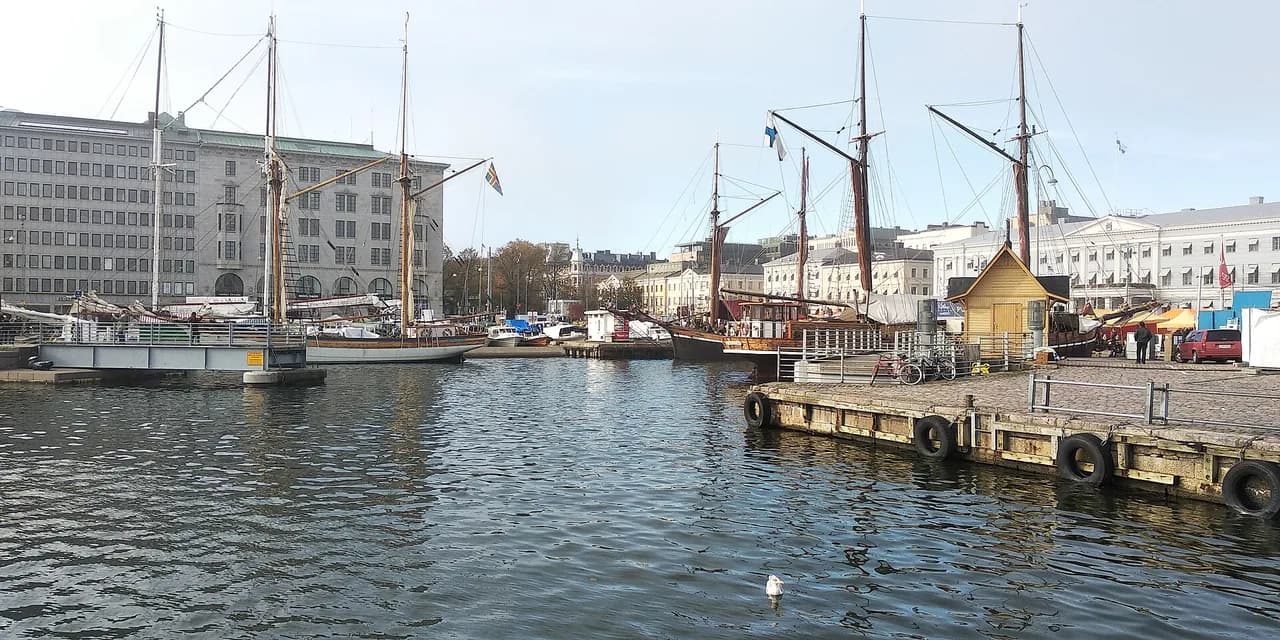
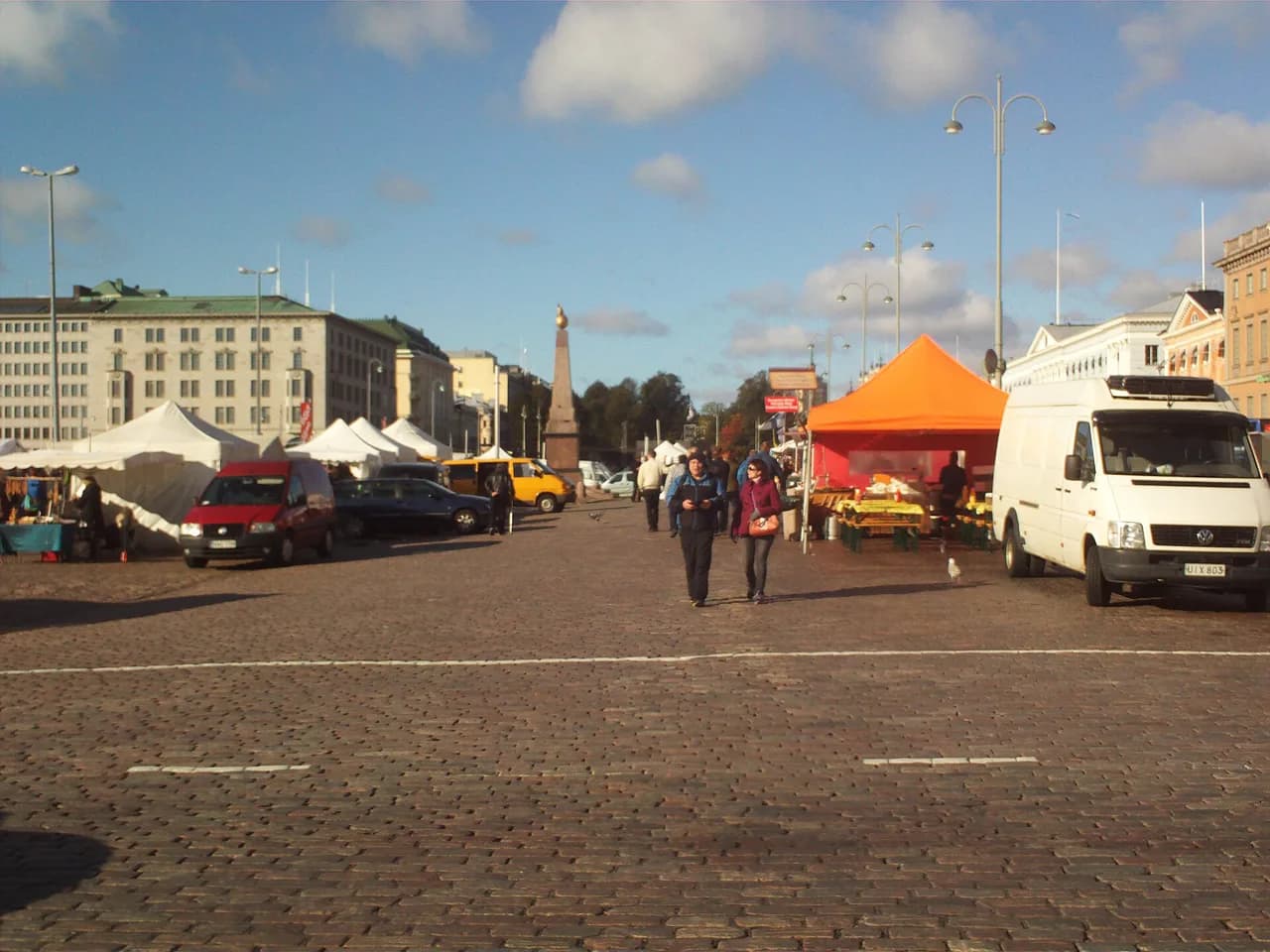
From the South Harbour you can walk to the open-air market at the foot of the Esplanadi, the Market Hall, Senate Square and its white cathedral, and the red-brick Uspenski Cathedral above the market square. Smaller upmarket ships use the cove near the southern end of the Esplanadi, letting passengers disembark and walk through the market straight into the city centre.
West Harbour: ferry-side quays with shuttle connections
West Harbour lies about 3 km from downtown and handles ferries for Tallinn and Stockholm through West Terminal 2. Cruise berths in this area rely on shuttle buses, taxis and ferryboats to Market Square rather than walking. A tram line to West Terminal 2 opened in 2017, giving the harbour a fixed-rail link to the centre.
If your schedule lists a West Harbour berth, plan the day as a transit-based outing: allow time for the shuttle or tram in both directions and keep the sightseeing list tight. The trade-off is that you lose the effortless on-foot start you get at Olympia or Katajanokka. Facing a similar berth-far-from-town calculation on another Baltic call, it helps to compare how the Stavanger cruise port handles transfers.
Getting into town from each berth
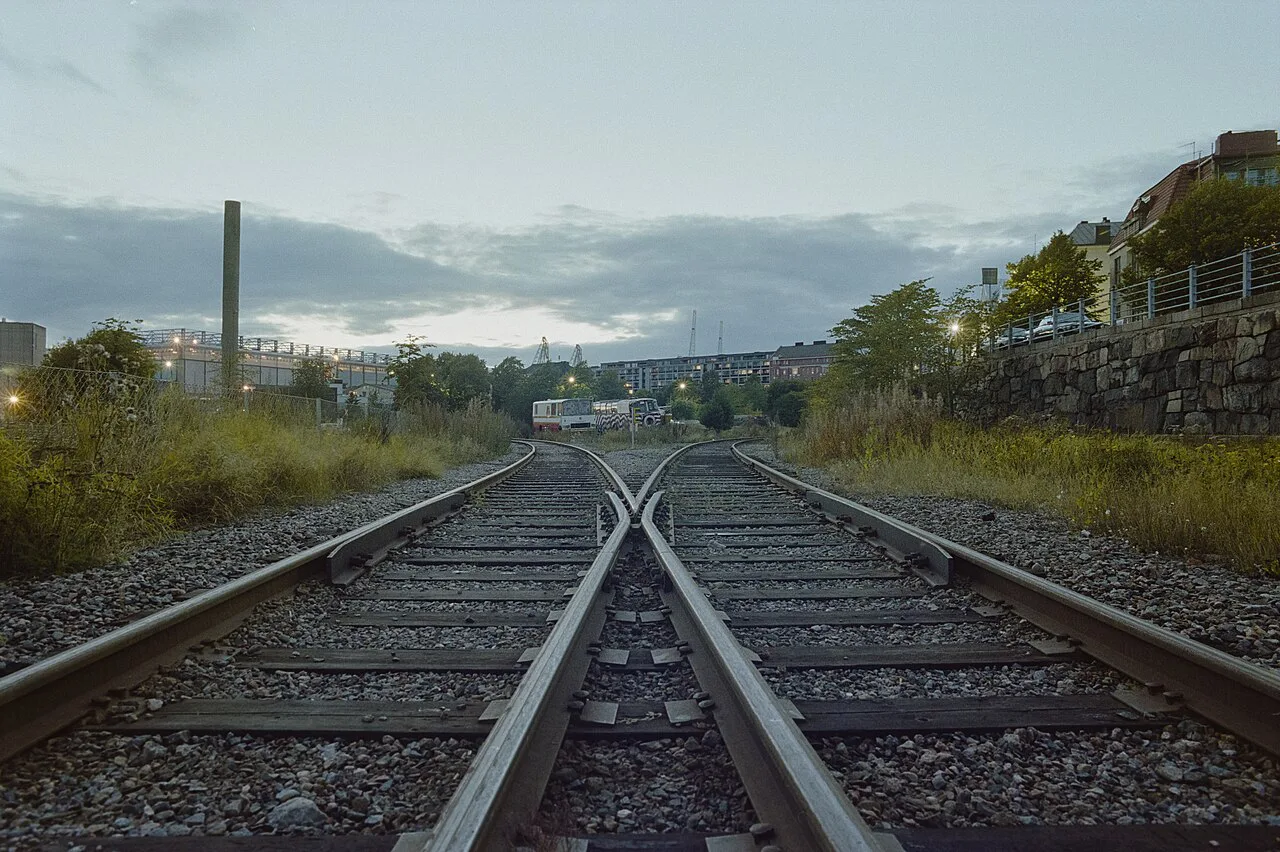
Walking is the default from Olympia and the South Harbour quays and a realistic option from Katajanokka for fit passengers. From Hernesaari and West Harbour, plan on a vehicle leg: the tram or a shuttle bus from the cruise quay, a taxi, or a ferry across to Market Square where that suits your route. Ask at the terminal which option is running on your call day rather than relying on a fixed timetable from an earlier season.
Tickets for public transport in Helsinki are sold through the city transport operator's channels, and the tram to the West Terminal area is part of that network. For a first visit, the simplest plan is to ride into the centre once in the morning and walk between sights, then take a single return leg before your buffer.
How long you need: 6-, 8- and 10-hour calls
With six hours ashore from a central berth, you can cover the market, the Esplanadi, Senate Square and Uspenski Cathedral on foot and still sit down for lunch. From Hernesaari, the same plan loses roughly an hour to transfers in each direction, so cut one stop. The Rock Church, reached from the Esplanadi area by tram, and Sibelius Park further northwest are better saved for longer calls.
An eight-hour call opens up Suomenlinna: ferries from the Market Square run frequently, and an hour or more on the fortress island is realistic. A ten-hour call gives room for Suomenlinna plus a proper city walk, or a city day with a museum such as the National Museum or the Design Museum. Whichever you choose, set a firm turnaround time well before all aboard.
Suomenlinna and the market square: the ferry-day option
The UNESCO-listed Suomenlinna fortress sits on an island offshore from the open-air market at the foot of the Esplanadi, and ferries cross frequently enough that it can be a do-it-yourself outing rather than a ship tour. Allow time on the island itself, since the fortress complex is large and the walk between batteries takes a while.
Pair Suomenlinna with the market and the Market Hall on the same day, since both are at the ferry departure point. If your ship berths at Katajanokka or Olympia, this is a short walk from the gangway; from Hernesaari, ride in first and treat the market as your base for the day.
Ship tours vs going independently: time, distance and risk
Ship tours make most sense from Hernesaari and West Harbour, where the coach absorbs the transfer and a guided Suomenlinna or city loop removes the logistics. Independent travel is straightforward from Olympia and Katajanokka, where the sights are within walking distance and you control the pace. For Suomenlinna, the ferry ride is short but the island reward is large, which makes it attractive either way.
Local operators and do-it-yourself plans cost less and give more flexibility but leave the return timing in your hands. The ship does not wait for independent travellers, so factor in the walk back to the berth or the tram ride from the centre. If your ship is at Hernesaari, add a deliberate margin for the return leg.
Return-time buffer before all aboard
From a central berth, a 30-minute walk-back margin covers most situations, with a little more if you are finishing at the far end of the Esplanadi or the Rock Church. From Hernesaari or West Harbour, allow at least 45 to 60 minutes for the tram or shuttle plus the walk to the gangway. Treat these as your own targets, not a guarantee that the ship will wait.
Set a phone alarm for the start of your return leg and keep the all-aboard time in local Finnish time alongside your ship's time if they differ. It is worth writing down the terminal name and berth from the Port of Helsinki schedule, since several harbour areas share similar-sounding names.
Terminal facilities and practical port layout
Hernesaari's terminal provides Wi-Fi, tourist guides, phones and a souvenir shop, and its three quays handle the longest ships calling at Helsinki. The central terminals at Katajanokka and Olympia double as ferry buildings, so amenities and signage follow ferry patterns as well as cruise ones. Expect a working port rather than a purpose-built cruise village.
If you are arriving by air to join or leave a cruise, allow for the drive between the airport and the harbour area, which is roughly 24 km from Hernesaari. Pre-booked transfers, taxis and the city's public transport all cover this route, and hotel choice matters if you are staying a night before or after the sailing.
Plan Your Visit
The two facts that shape a Helsinki port day are which berth your ship uses and how much of the day you are willing to spend in transit. Olympia, the South Harbour and Katajanokka reward a walking plan; Hernesaari and West Harbour demand a tram, shuttle or taxi leg in each direction. Check the Port of Helsinki schedule before you sail so your plan matches your actual dock.
If you are staying a night on either side of the sailing, book a hotel near the terminal or the centre and confirm how you will reach the quay on the morning of departure. A little planning there removes the stress of the final transfer and leaves you free to enjoy the waterfront.
Frequently Asked Questions
Where do cruise ships dock in Helsinki?
Helsinki uses several locations rather than a single terminal. Large ships usually berth at Hernesaari, about 1.5 km south of downtown, while smaller vessels dock at Katajanokka Terminal or the South Harbour quays at Olympia and Pakkahuone. West Harbour is also used. The Port of Helsinki cruise schedule lists each call's harbour and berth.
Is Helsinki walkable from the cruise port?
From Olympia Terminal, Pakkahuone Quay, the South Harbour and Katajanokka, yes: the market, Esplanadi, Senate Square and Uspenski Cathedral are within easy walking distance. From Hernesaari and West Harbour, plan on a tram, shuttle bus or taxi to reach the centre.
How far is the cruise port from Helsinki city centre?
Hernesaari sits about 1.5 km south of downtown, and West Harbour is about 3 km away. Olympia and the South Harbour quays are effectively in the centre, and Katajanokka is a short walk from the market and Esplanadi. Distances matter most for planning your return leg to the ship.
Which Helsinki terminal do large cruise ships use?
Hernesaari, in the Lansisatama district, takes the largest vessels and has three main quays, LHB, LHC and LHD. It is Helsinki's primary international cruise port and handles almost all of the biggest calls. Smaller ships use Katajanokka or the central South Harbour quays.
How do I get from Hernesaari to the city centre?
Use the tram that connects the Hernesaari area with the centre, a shuttle bus where your cruise line provides one, or a taxi. Allow for the transfer in both directions and start your return leg well before all aboard, since the ship does not wait for independent travellers.
Can I visit Suomenlinna during a port call?
Yes, if you have roughly eight hours or more. Ferries leave from the Market Square at the foot of the Esplanadi and cross frequently, and the island fortress complex takes time to explore on foot. Pair it with the market and Market Hall, and keep a firm return time.
Sources
Port-day notes for your next cruise
Optional updates to our port guides.
You might also like
Continue reading
More guides you'll find useful