Stavanger Cruise Port: Where Ships Dock and Port-Day Plans
Ships dock close to Stavanger's old town, cathedral and harbor. Plan a port day around walking, fjord cruises and the Preikestolen hike with sensible timings.
On this page
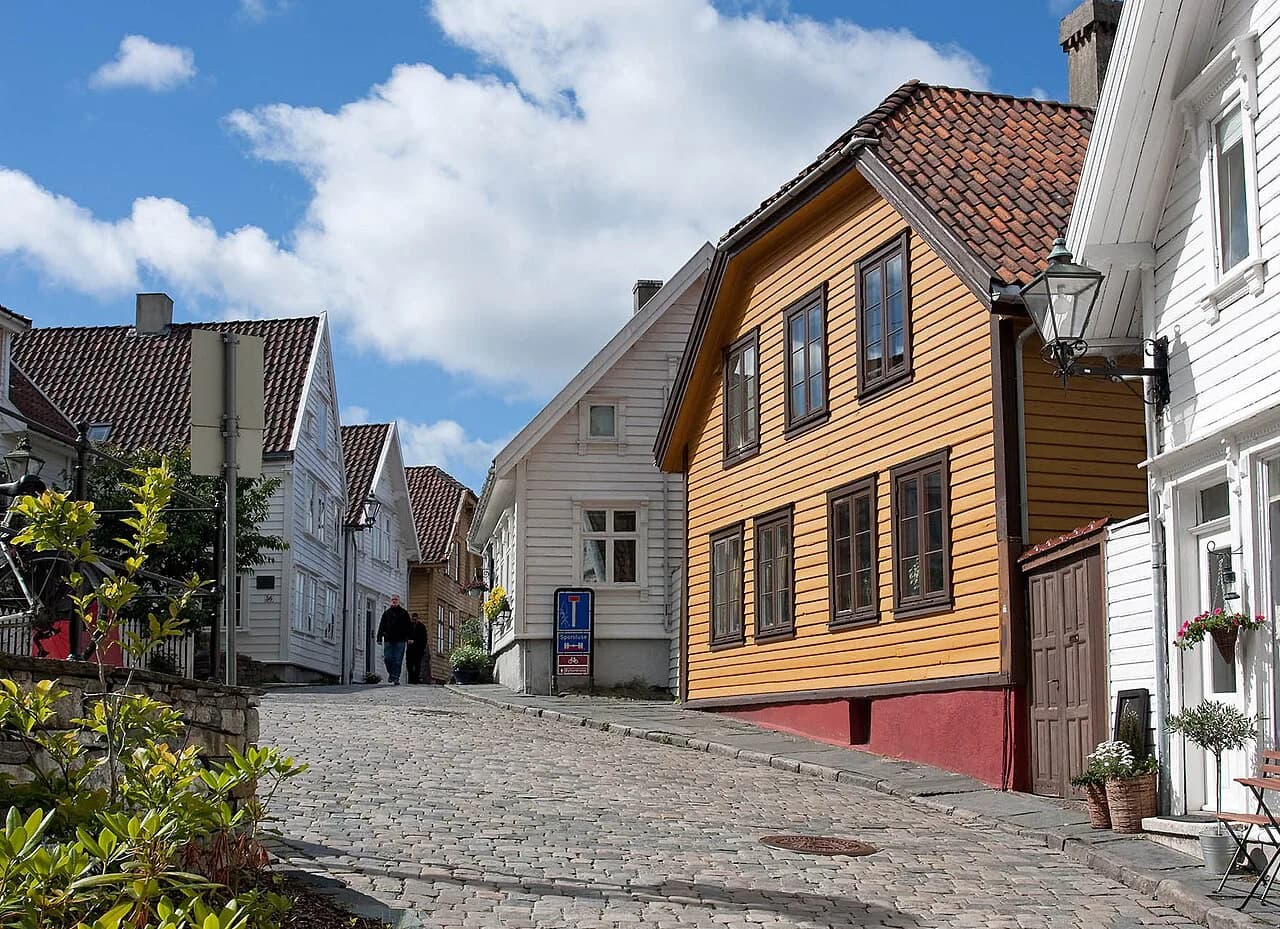
Stavanger suits passengers who want a real town within walking distance of the gangway rather than a coach transfer. Fishing boats and restaurants line the inner harbor, pastel wooden houses climb the slope in Gamle Stavanger, and the 12th-century cathedral sits a few minutes further inland, so a satisfying day ashore needs no transport at all.
The day splits into three tiers. The old town, harbor and museums fit comfortably inside even a short call; a fjord or Lysefjord boat trip works when you have a full half-day to spare; and the climb to Preikestolen is a serious outing that only makes sense with a long call and a reliable return plan. Deciding your tier before you leave the ship is the single most useful thing you can do.
What a Stavanger port day offers and who it suits
Stavanger is Norway's oil capital and a historic port city on the Stavangerfjord, and the waterfront puts its signature sights close together. From the quay you are looking at a compact, walkable core: old wooden streets, a cathedral with Romanesque and later Baroque layers, and a harbor full of working and leisure boats.
It suits two very different passengers. If you want a gentle day of streets, coffee and museums, Stavanger is close to ideal and carries almost no return-time risk. If you want scenery at scale, the payoff is the fjord and the cliff, and those need planning rather than impulse. Passengers weighing that trade-off elsewhere on the coast can compare it with the options at the Ålesund cruise port, where the same walk-or-excursion decision shapes the day, or browse the wider Cruise Ports in Norway: A Port-Day Guide for Passengers for other coastal calls.
Parties with mixed mobility often split here: one group wanders Gamle Stavanger and the cathedral, another takes the boat, and everyone meets back at the harbor. Because the sights sit so close to the ship, that split is easy to manage without anyone depending on a taxi.
Where ships dock and how close you are to town
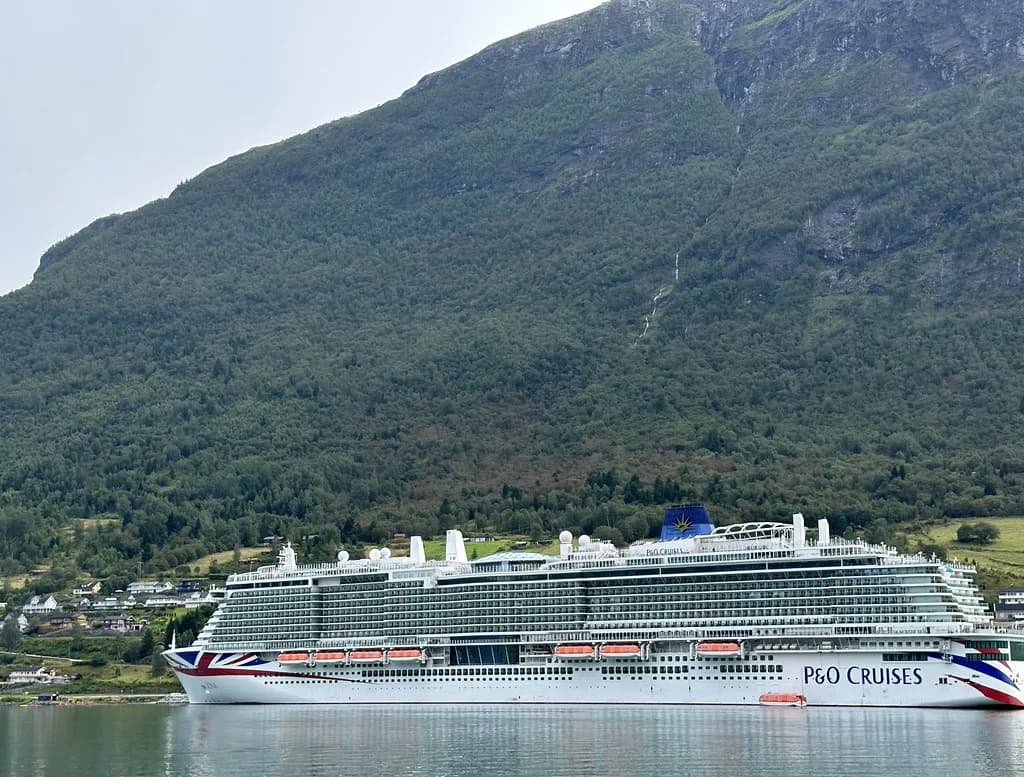
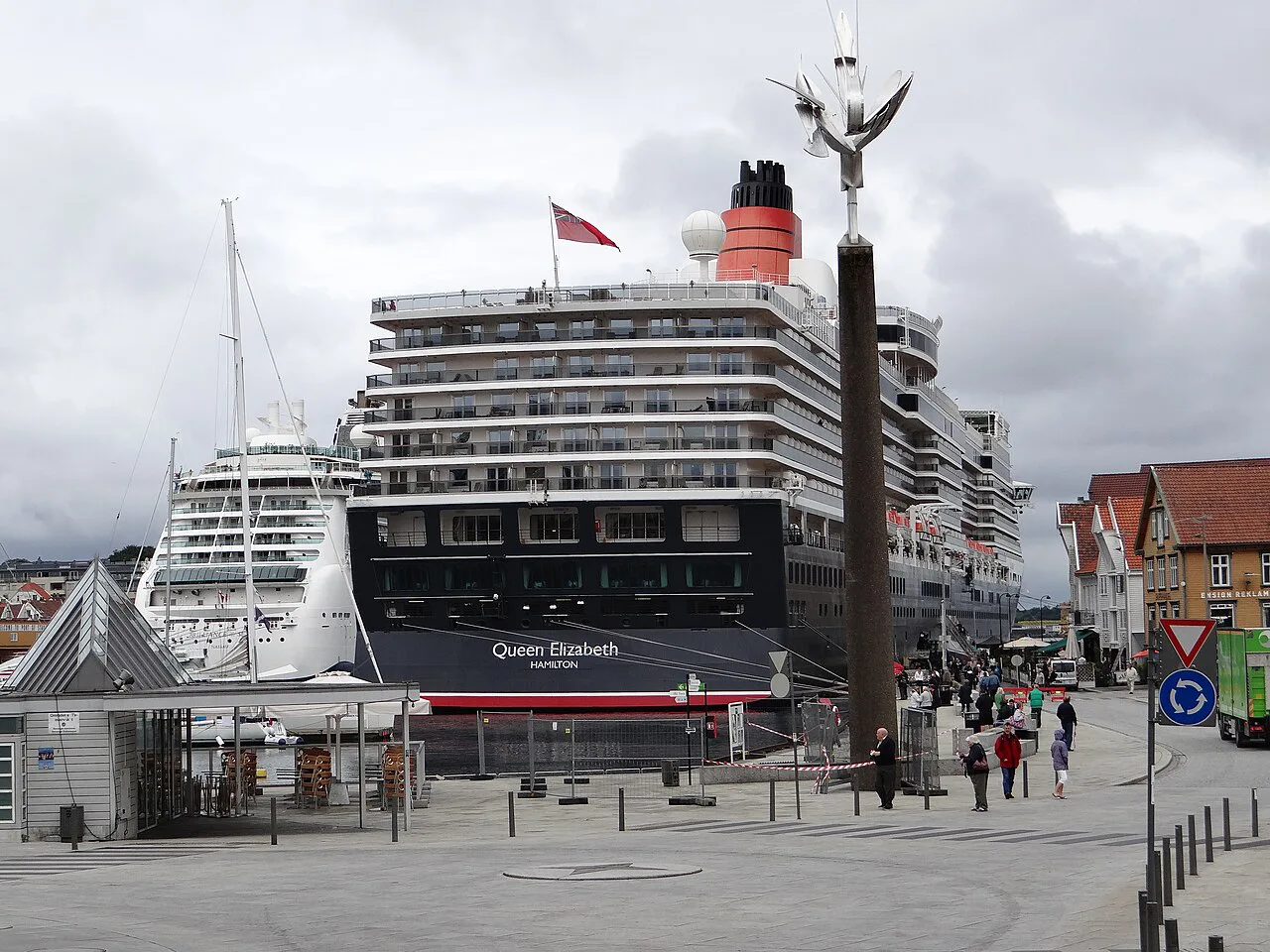
Cruise ships call at Stavanger's modern terminal, and the arrival opens straight onto views of the Gamle Stavanger wooden houses and the surrounding fjord scenery. The calm waters of the fjord mean docking rather than tendering, so you walk off through the terminal rather than waiting for a boat.
The practical consequence is that your day starts the moment you clear the gangway. You do not need to build a transfer into your schedule, and you can return to the ship mid-day to drop off shopping or change layers before heading out again.
Confirm the exact berth and walking route for your sailing against your cruise line's port information before you travel, since berth assignments are the ship's business, not the town's. Everything else about the day you can plan from the terminal location itself.
Walking into the centre from the berth
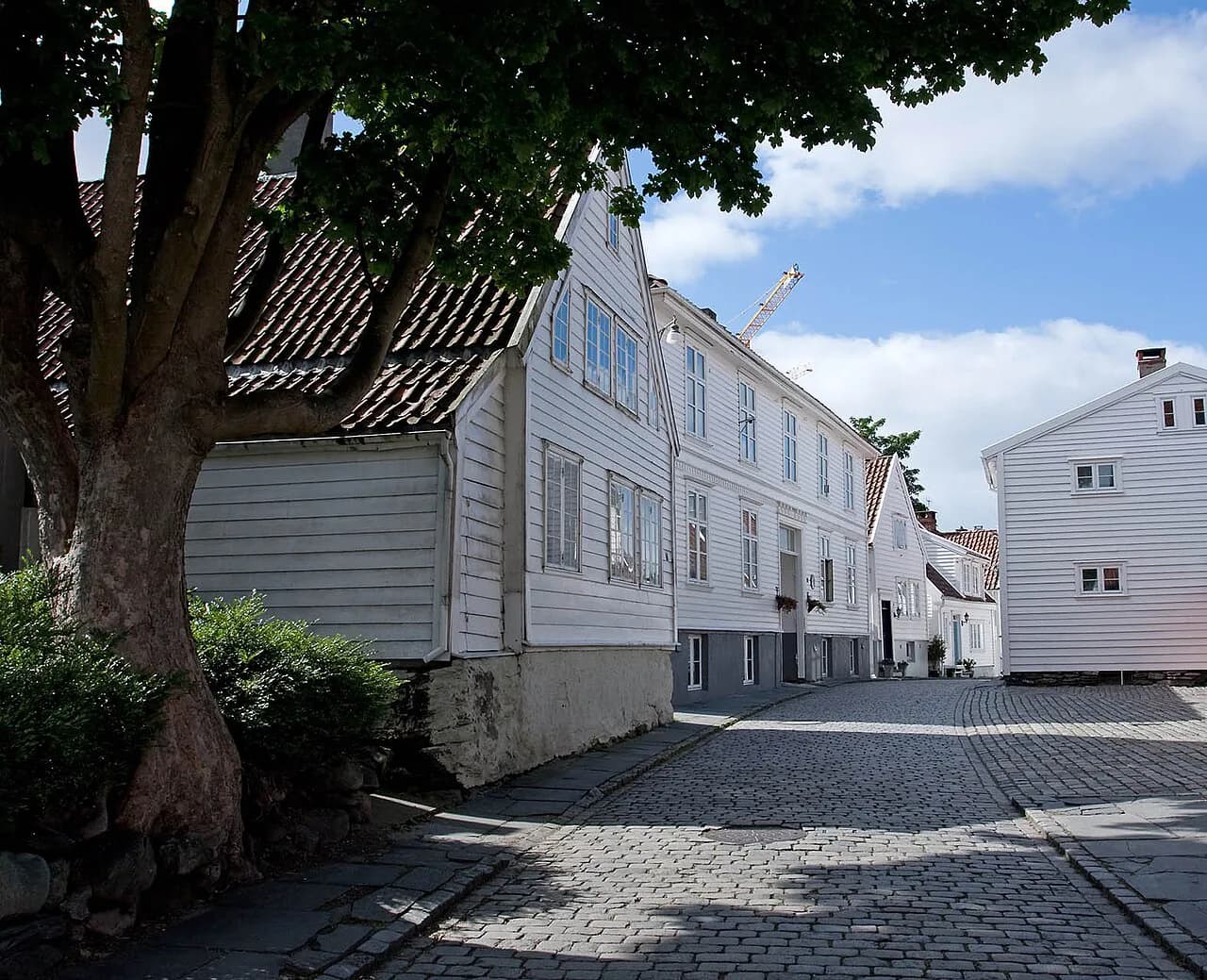
From the terminal, the old town and harbor are a flat walk and the natural first move is to head for the water and follow it. Gamle Stavanger's preserved wooden houses, painted in pastel shades and dating back to the 18th century, are the most photographed sight and sit on the town side of the port.
Stavanger Cathedral, the Domkirke, is a short continuation inland from the old town, with architectural elements running from Romanesque to ornate Baroque after successive rebuildings. Pairing the two on foot takes a morning at an unhurried pace and leaves the afternoon free.
If you want the detail on routes, surfaces and how long each leg really takes, the dock-to-town guide walks through it.
Taxis, buses and the hop-on hop-off option
You can do Stavanger entirely on foot, but some passengers use a hop-on hop-off bus to link Old Stavanger, the cathedral and the Stavanger Museum in one loop without retracing steps. That is a reasonable choice for anyone managing a bad knee or a tight timetable, and it removes the guesswork about which direction to walk next.
Taxis wait at the port, and they earn their fare on two specific jobs: getting a slow-moving group up to the museum district, or making a quick return to the ship when the clock is tight. Prices are set locally, so ask the driver the fare before you get in rather than estimating.
Public buses cover the town and suburbs, but for a port day confined to the centre they add complexity without much benefit. Save them for a plan that reaches Sverd i fjell, the three-swords monument in Madla outside town, which is easy to reach but has little else around it.
Old Stavanger and the cathedral on foot
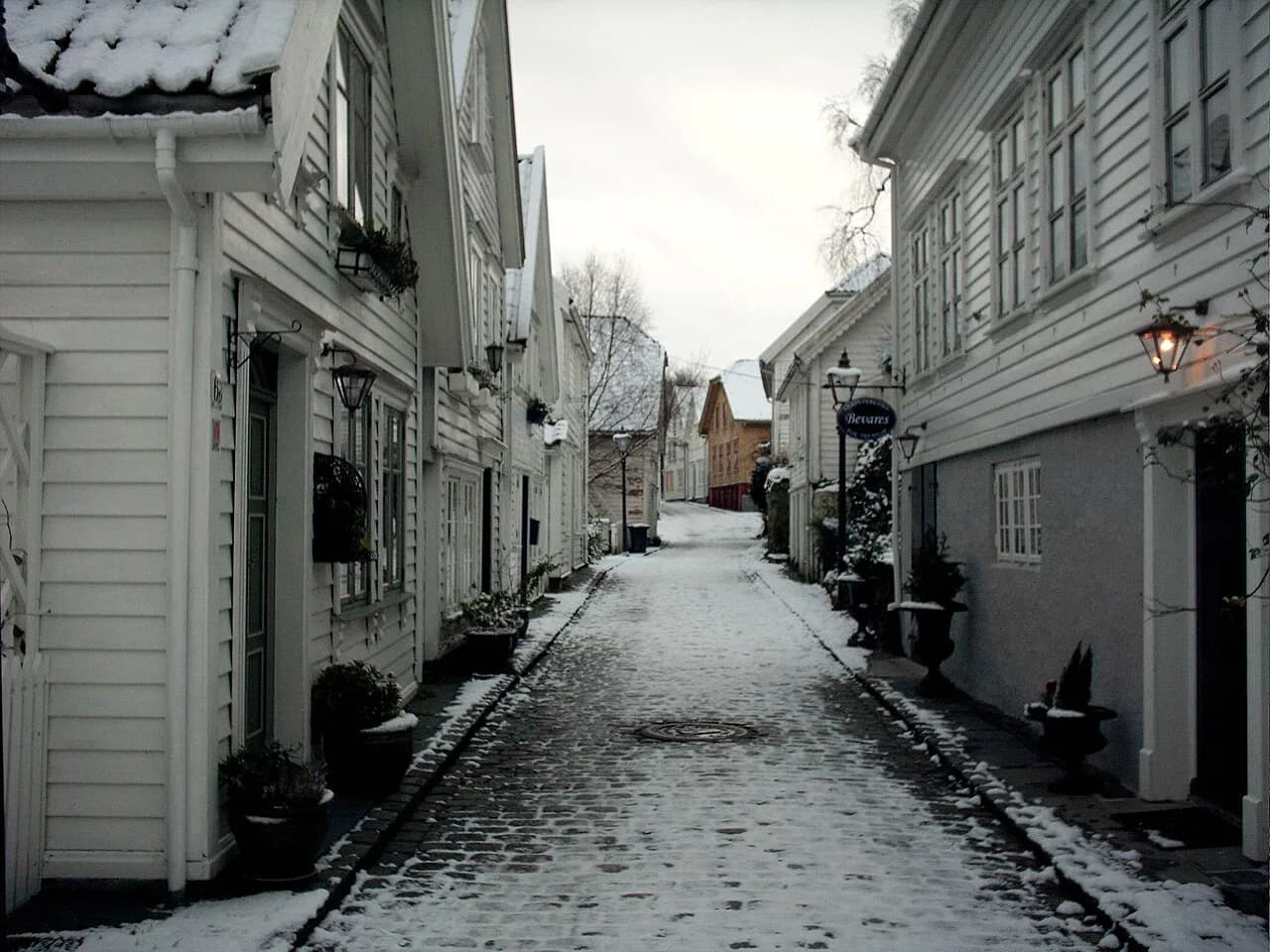
Treat Gamle Stavanger as a slow wander rather than a sight to tick off. The lanes are narrow, the houses are private homes, and the pleasure is in the details: hand-blown glass and handicrafts in the small shops, and the odd classic Norwegian knit sweater or nisse figure to take home.
Then continue to the cathedral and the surrounding streets. This is the low-risk core of a Stavanger day: no transport, no timetable, and a five-minute retreat to the ship if the weather turns. On a short call, build the whole day around it instead of squeezing in something distant.

The harbor, Øvre Holmegate and the city museums
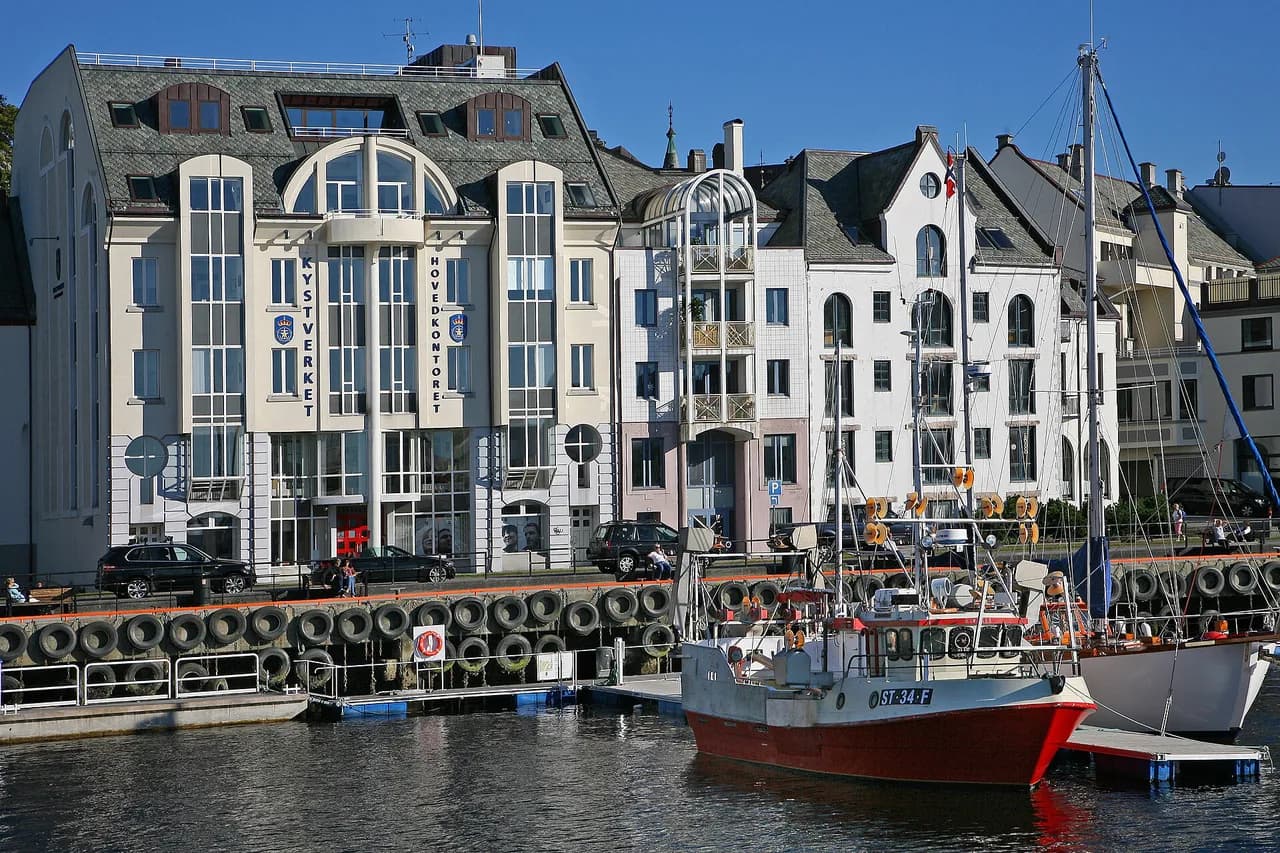
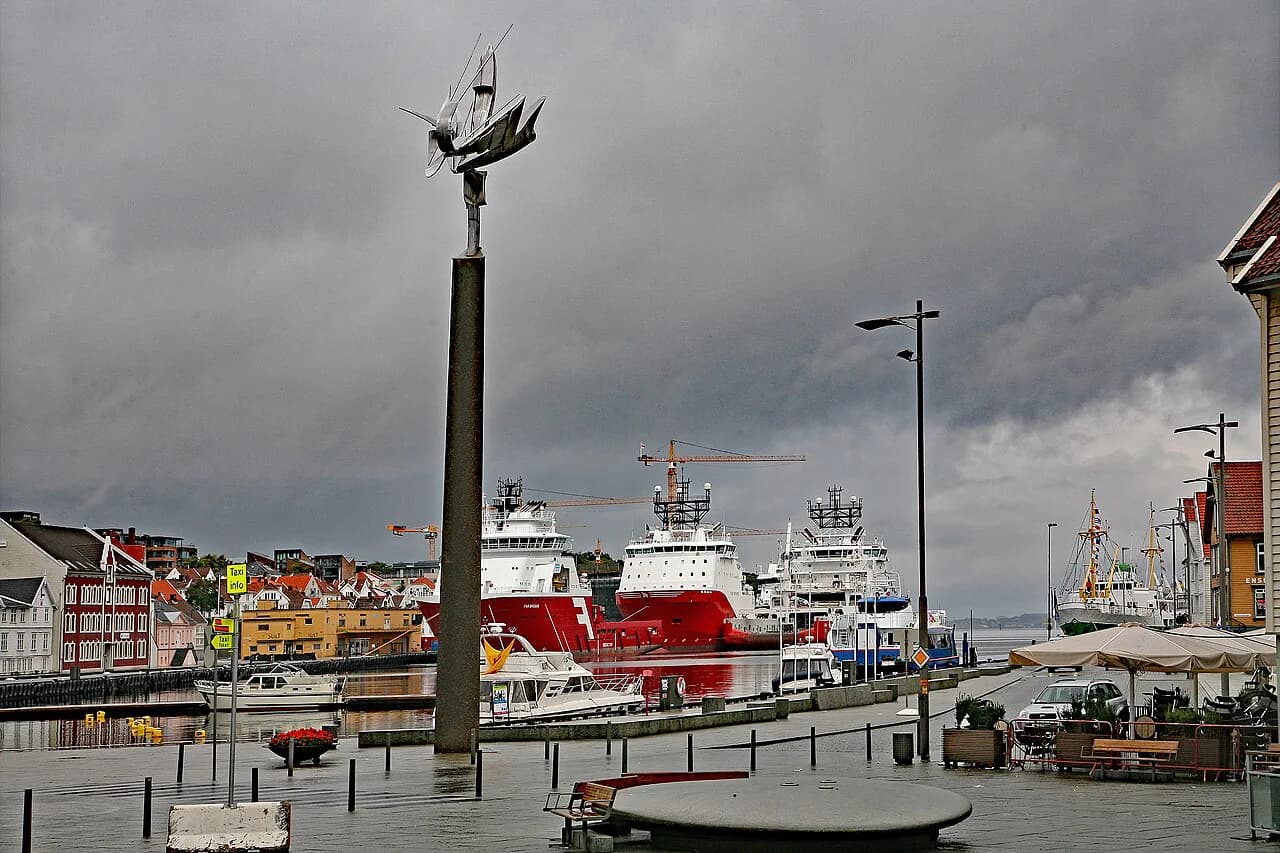
The inner harbor is where Stavanger feels most alive, with fishing vessels tied up alongside and the little marina houses given over to restaurants and bars. Walk the quayside slowly, then cut inland to Øvre Holmegate, the colorful street often compared to Notting Hill, lined with quirky shops and bars that are good for people-watching.
Museum-goers have strong options indoors. The Norwegian Petroleum Museum explains how North Sea oil exploration reshaped the city, and the Museum of Archaeology covers the Viking story. The fish canning factory museum and the maritime museum sit close enough that one ticket can cover both, which makes a sensible wet-weather pairing.
Stavanger has also become a culinary stop, so build lunch into the plan rather than eating aboard. Local shellfish, oysters and crabs are the specialties, and modernist Nordic kitchens serve dishes such as herring with pickled carrots or summer trout risotto.
For a fuller shortlist of sights and how to string them together, work from the things to do in Stavanger cruise port guide before you sail.
Lysefjord cruises and fjord safaris from the harbor
Fjord trips leave from the harbor itself, which is what makes them feasible on a port day: you walk from the ship to the boat without a coach leg. The classic outing is a Lysefjord cruise that passes beneath the Pulpit Rock cliffs, and a fast open RIB safari covers the same dramatic scenery in about two hours.
The RIB option trades comfort for speed and closeness. You get within touching distance of waterfalls and rock walls, you will get wet, and you need warm layers even on a bright day. If you would rather stay dry and have more time on the water, the conventional fjord cruise is the better fit.
Either way, book the sailing that returns well before all aboard rather than the last one that technically fits. Fjord boats run on their own schedule, and a late return is your problem, not the ship's.
Preikestolen: hike versus sightseeing tour
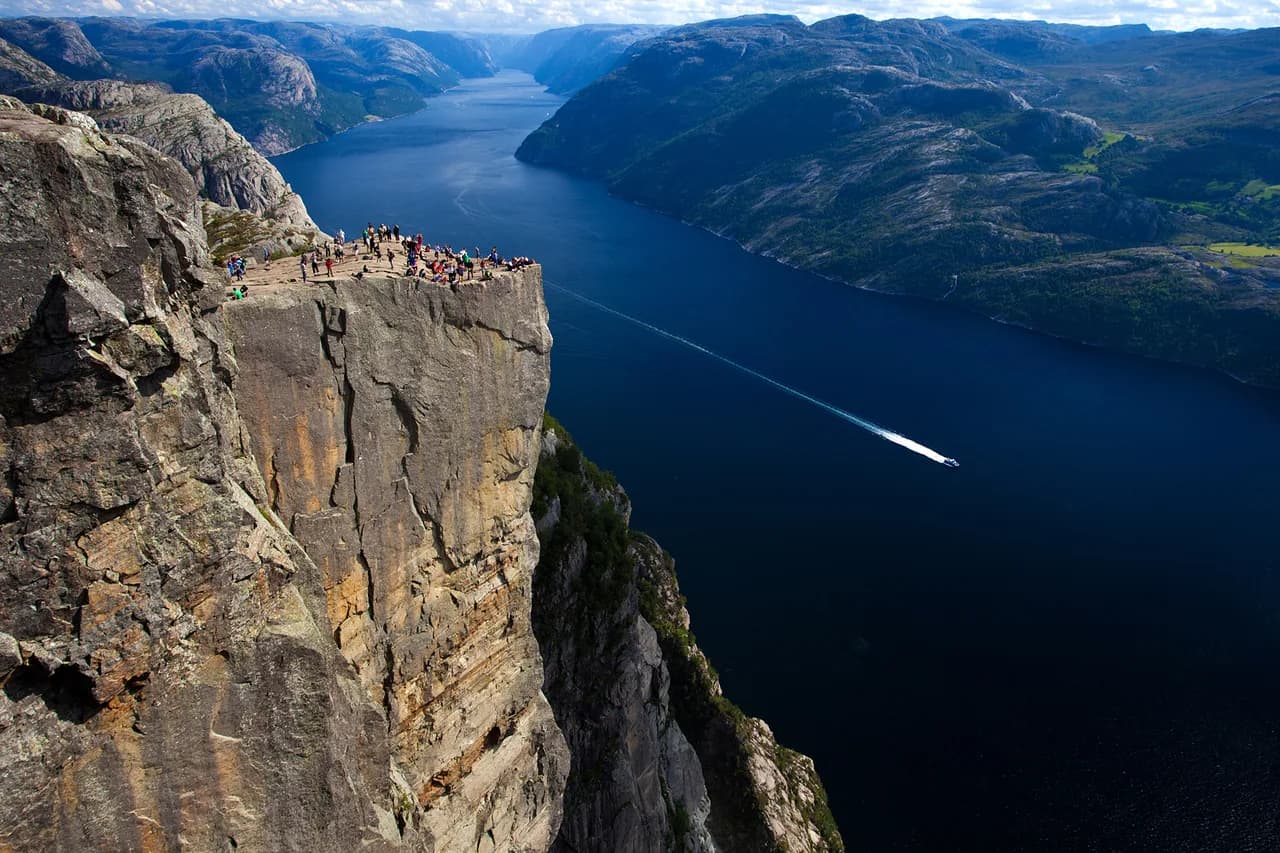
Preikestolen, the Preacher's Pulpit, is the cliff ledge above Lysefjord and the region's biggest draw. The trail to the top is well marked and the views unfold as you climb, with the fjord topography opening up below you. It is a genuine hike on rock, though, not a stroll from a car park.
That distance is what makes this the riskiest option on a cruise call. The hike requires a transfer from Stavanger plus several hours on the trail, so it only belongs in a long call with a ship tour or a carefully chosen operator. The dedicated guide to the route and its logistics sets out how to judge whether your hours ashore allow it.
A sightseeing tour that views the cliff from the water is the lower-risk substitute. You see the same rock face from below on a fjord cruise, with no climbing and a much shorter footprint on your day.
Ship tours versus local operators versus independent days
The ship's tours are the low-risk choice for anything involving a coach or a boat that leaves town, because the tour company and the cruise line are coordinating the return. That coordination is the product you are paying for, and it matters most on the Preikestolen hike and any trip that crosses the fjord.
Local operators booked directly usually cost less and run smaller groups, and for harbor-based fjord safaris the logistics are simple enough that the risk is modest. The trade-off is that you own the return: if the boat is late, the ship still sails at its published time. Never assume the ship will wait because you booked with a local company.
An independent day in the old town, cathedral and museums carries essentially no risk and needs no booking at all. That is the version to choose when your call is short or when the weather is marginal, and it is the day most passengers remember most fondly anyway.
How much time you need: 6-, 8- and 10-hour calls
On a six-hour call, stay in town. Walk Gamle Stavanger, the cathedral and Øvre Holmegate, take lunch on the harbor and add one museum if the weather pushes you indoors. That fills the time without a single transport decision.
With eight hours, you can add a Lysefjord cruise or a RIB safari and still have an hour or two in the old town. Book the earlier departure of the day, keep the return margin generous, and treat the town as the flexible part of the schedule.
A ten-hour call is the only realistic window for Preikestolen, and even then the hike should come through a ship tour or a local operator with a proven record on cruise timings. Otherwise use the extra hours for a longer fjord trip plus a proper sit-down lunch and the petroleum museum.
Return-to-ship buffer and all-aboard planning
All aboard is the fixed point around which everything else is planned, and it usually falls before the ship's published departure. Work backwards from it rather than forwards from the gangway, and set a personal turnaround time that puts you at the terminal with slack to spare.
For anything on foot in the center, thirty minutes of buffer is plenty because the walk is short and flat. For a fjord boat or a coach tour, keep at least an hour between your return and all aboard, so a delayed departure on the water does not become a missed ship.
Keep the ship's daily program or app to hand for the stated all-aboard time, and note the port agent's contact details from it. Those two pieces of information are the ones that matter if a plan starts to slip.
Pier-side practicalities: weather, cash and layers
Stavanger sits on Norway's western coast, where fjord weather shifts through the day and rain arrives without much warning. Pack a waterproof shell and a warm mid-layer even in midsummer, and wear shoes with grip for the old town's cobbles and any wet boat deck.
The local currency is the Norwegian krone, and Norway is a largely card-based society, so a card handles almost everything from coffee to museum tickets. Carry a little cash for small stalls and leave the rest in your cabin safe.
Return to the ship in time to change out of wet clothing before dinner service, and use the mid-day flexibility the terminal location gives you. The day works best when the town is your base and the adventures are add-ons, not the other way round.
Plan Your Visit
Stavanger rewards a simple strategy: anchor the day on the walkable old town and harbor, then add a fjord trip only when your hours ashore comfortably allow it. Preikestolen is the exception that needs a long call, a booked operator and a hard return deadline, and it should never be an afterthought.
Decide your tier before you sail, keep your all-aboard time in view, and let the compact port layout do the rest. Compare the full range of Stavanger shore excursions options alongside your ship's tour list before committing.
Explore more Stavanger cruise port guides
Frequently Asked Questions
Where do cruise ships dock in Stavanger?
Ships dock at Stavanger's modern terminal, which opens onto views of the Gamle Stavanger wooden houses and the fjord. It is a docking port rather than a tender port, so you walk off through the terminal. Check your cruise line's port information for the berth assigned to your sailing.
How far is the cruise port from Stavanger old town?
The old town and inner harbor are a short, flat walk from the terminal, and the cathedral is a little further inland. Passengers who are comfortable on their feet can cover the center without any transport at all.
Can you walk from the Stavanger cruise port into town?
Yes. The walk from the terminal to Gamle Stavanger and the harbor is straightforward and level, and it is the natural first move of the day. Cobbles in the old lanes make grippy shoes worthwhile.
How do you spend a day in Stavanger from a cruise ship?
Start with Gamle Stavanger and the cathedral, wander the harbor and Øvre Holmegate, and take lunch ashore. On a longer call, add a Lysefjord cruise or RIB safari from the harbor, and save the Preikestolen hike for a ten-hour call with a booked operator.
Is Preikestolen doable on a cruise stop in Stavanger?
Only on a long call. The hike needs a transfer from Stavanger plus several hours on the trail, so it suits a ship tour or a local operator with a solid cruise-timing record. For shorter calls, a fjord cruise that views the cliff from the water is the lower-risk substitute.
How long does a Lysefjord cruise take from Stavanger?
A fast RIB fjord safari takes about two hours, and conventional Lysefjord cruises run longer. Both leave from the harbor, a short walk from the ship, so the main planning decision is picking a departure that returns well before all aboard.
What should you pack for a Stavanger port day?
Bring a waterproof shell, a warm mid-layer and shoes with grip, because west-coast fjord weather changes quickly and boat decks get wet. Carry a bank card, since Norway runs largely on cards, plus a small amount of cash for stalls.
Sources
Port-day notes for your next cruise
Optional updates to our port guides.
You might also like
Continue reading
More guides you'll find useful