Helsinki Cruise Port Guide: Terminals & City Plans
Helsinki cruise port guide: where ships dock, how to walk or ride into the city center, what fits a 6- or 8-hour call, and the buffer for all-aboard time.
On this page
Helsinki suits passengers who want a real city within reach of the gangway rather than a coach ride through countryside. Finland's capital wraps around a harbor, with Market Square, the Esplanadi park and Senate Square stacked close together on the same peninsula, so a short call can still deliver a proper walk.
The day's key decision is how you cover the ground between your quay and the center, because that transfer sets the time you actually have for sights. Plan the return leg before you leave the ship, and treat the all-aboard time as fixed.
Where ships dock
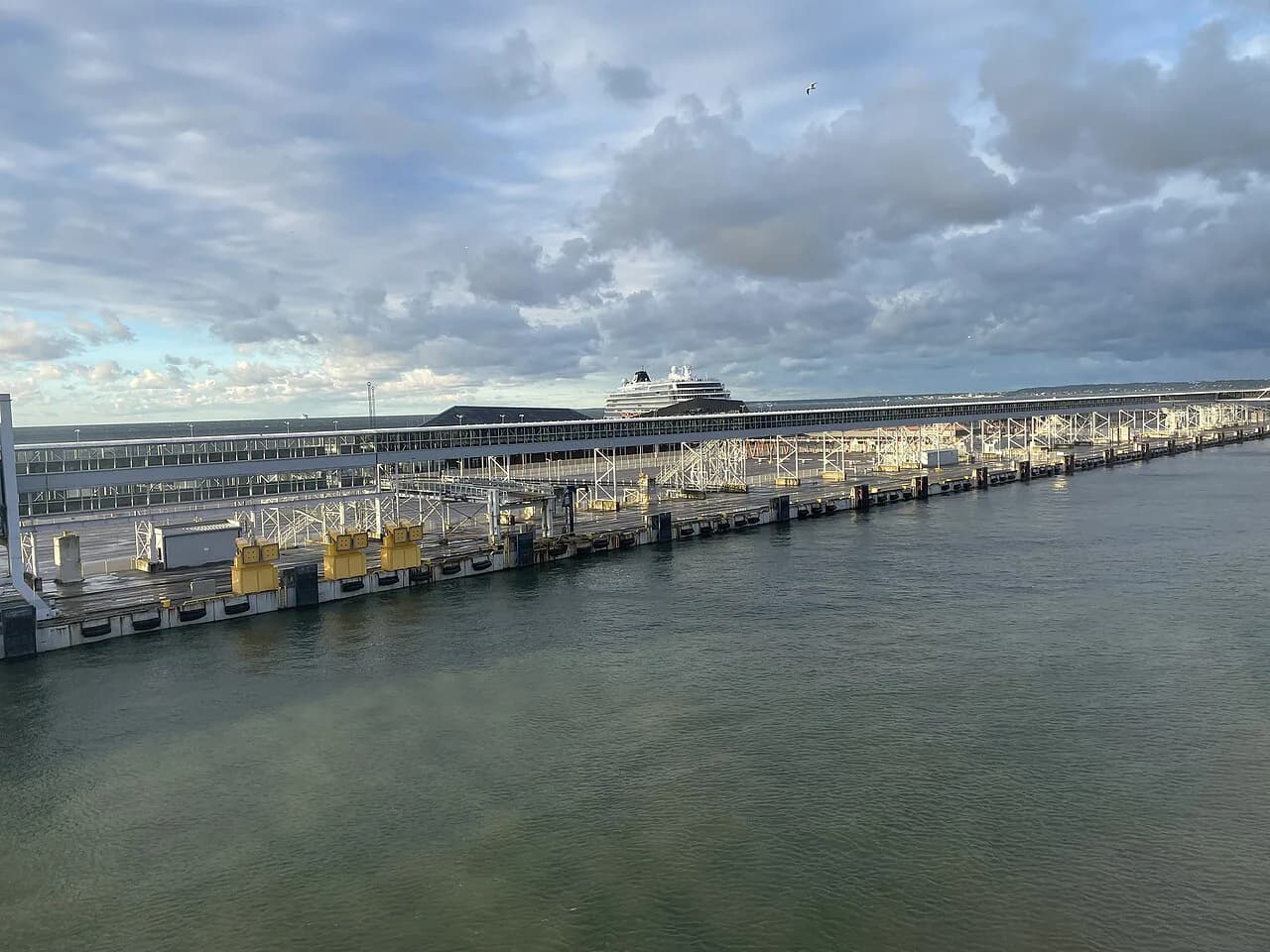
Cruise ships calling at Helsinki berth at the Port of Helsinki's international cruise quays, which sit within a harbor spread across the city's southern and western waterfront. The port groups its passenger traffic into named terminals: West Terminal 2, Olympia Terminal, Katajanokka Terminal and Hansa Terminal in Vuosaari, the last of which mainly handles Finnlines ferry traffic.
That terminal list covers ferries to Tallinn, Stockholm and Travemünde as much as cruise calls, so the name on your ship's daily programme is the reliable signal for where you berth. Check the port's cruise quay maps and your cruise line's app once you have the berth, then match it against the Helsinki Cruise Terminals layout before planning a walking route.
Helsinki is one of Europe's busiest international passenger ports, and the port counted 9.6 million passengers across all traffic in 2025. That figure mixes ferry and cruise movements, but it explains the scale of the harbor: several working piers, each with its own approach road and connections into the city.
Some calls are turnarounds rather than port days, with passengers boarding and disembarking on the same morning. If your sailing starts or ends here, arrive at the terminal named on your documents rather than the first cruise berth you see, because the harbor areas are kilometres apart.
Distance and orientation
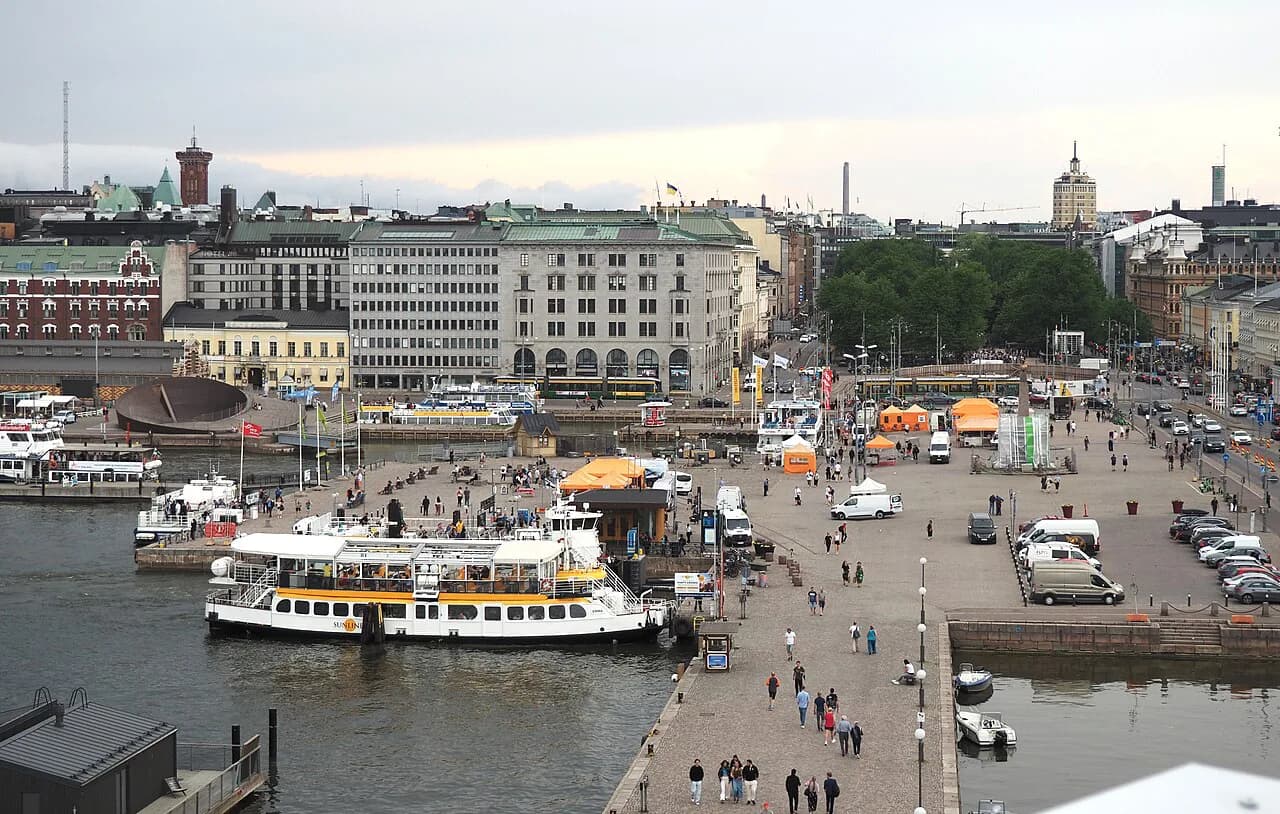
Think of Helsinki as a peninsula pointing south, with the city center on its spine and harbor water on both flanks. Market Square sits at the eastern edge of the center, Senate Square slightly inland and uphill from it, and the Esplanadi park runs west from Market Square toward the main shopping streets.
The berths closest to that core lie on the South Harbor side, which puts Market Square within a short stroll of the gangway. The western harbor terminals sit further out, past the Hernesaari and Jätkäsaari districts, where the approach into town is longer and a tram or taxi becomes the sensible choice rather than a luxury.
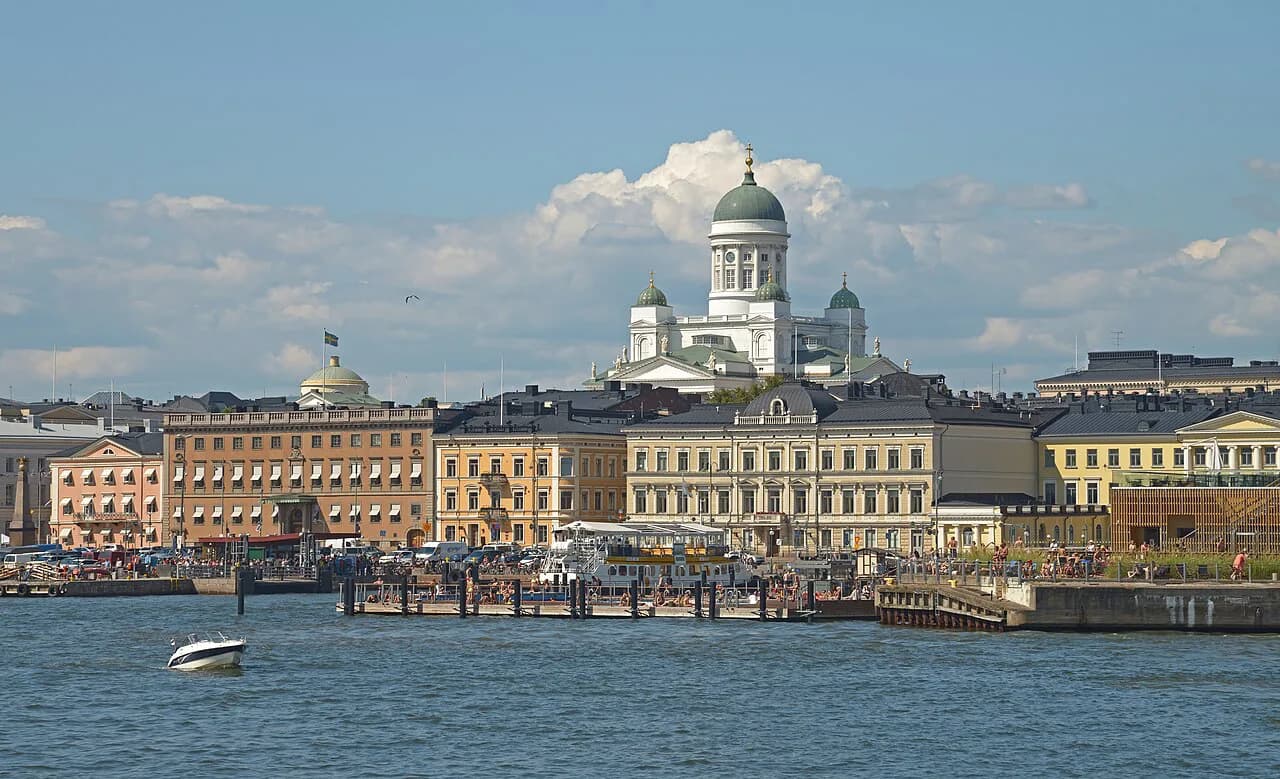
Whichever quay you use, fix your orientation on the water: the Market Square ferry pier and the skyline of the cathedral dome give you two landmarks that make the walk back easy to judge. Note them on the way in so the return leg does not depend on a map with a dying battery.
Getting into town on foot
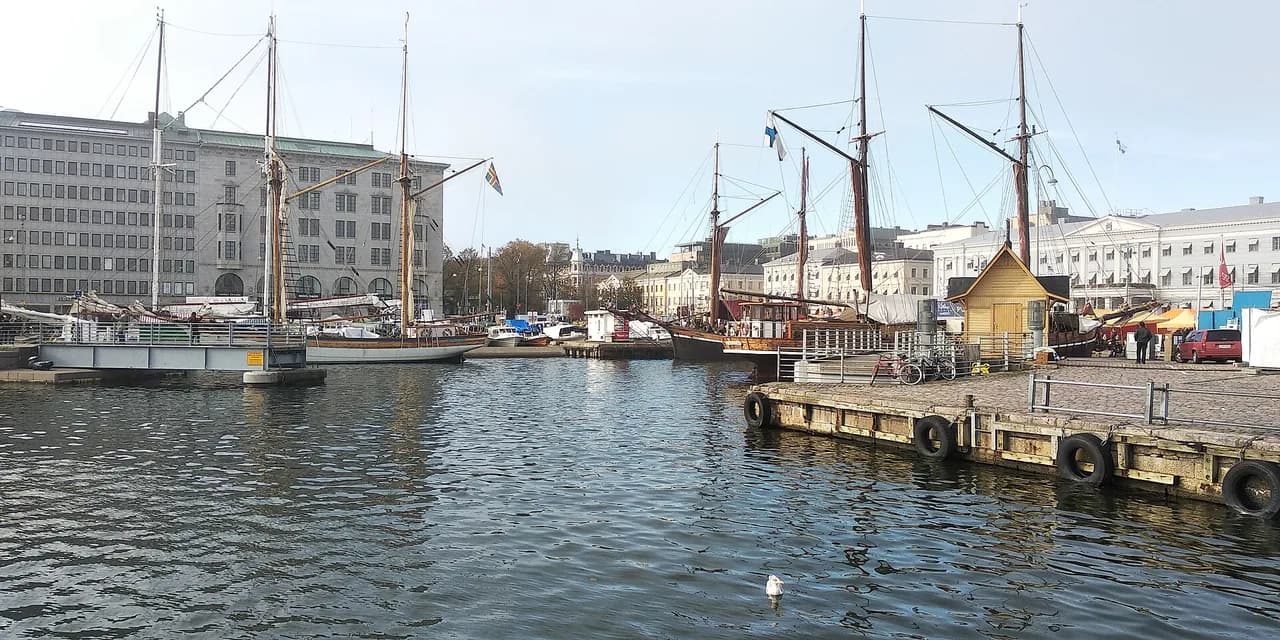
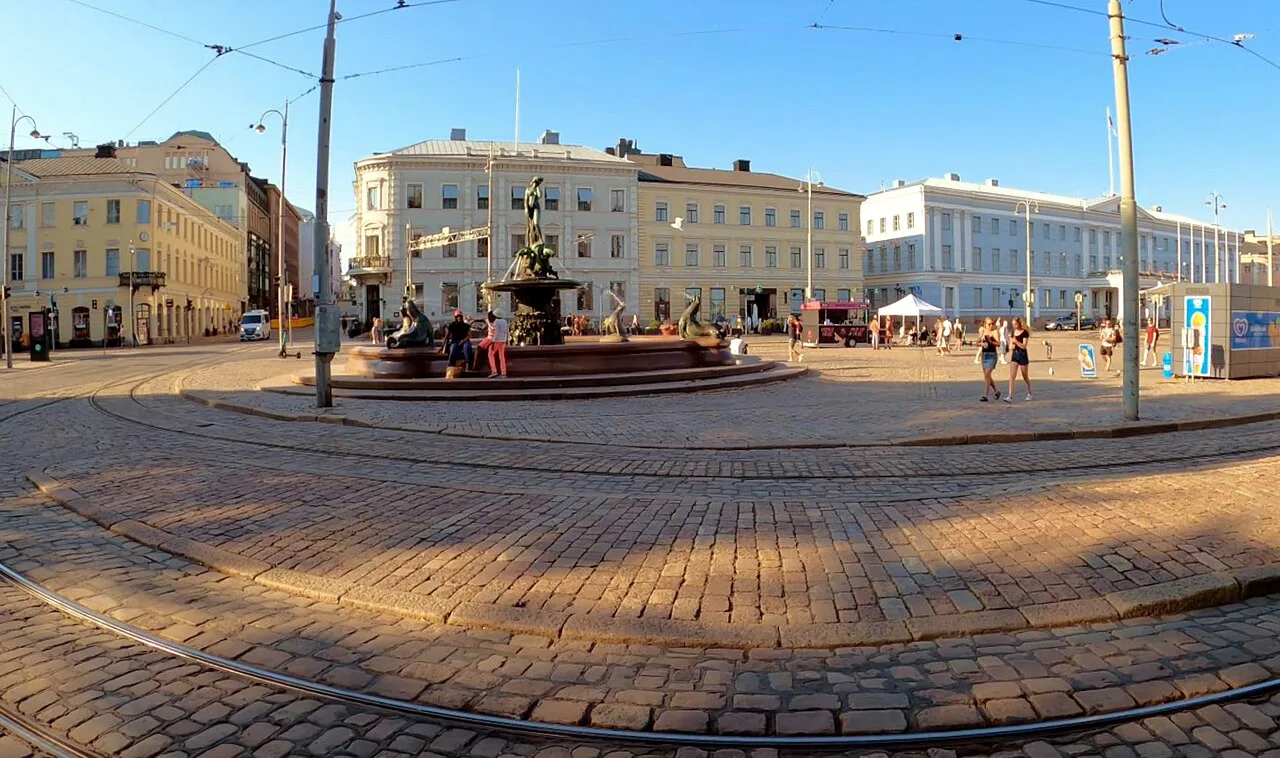
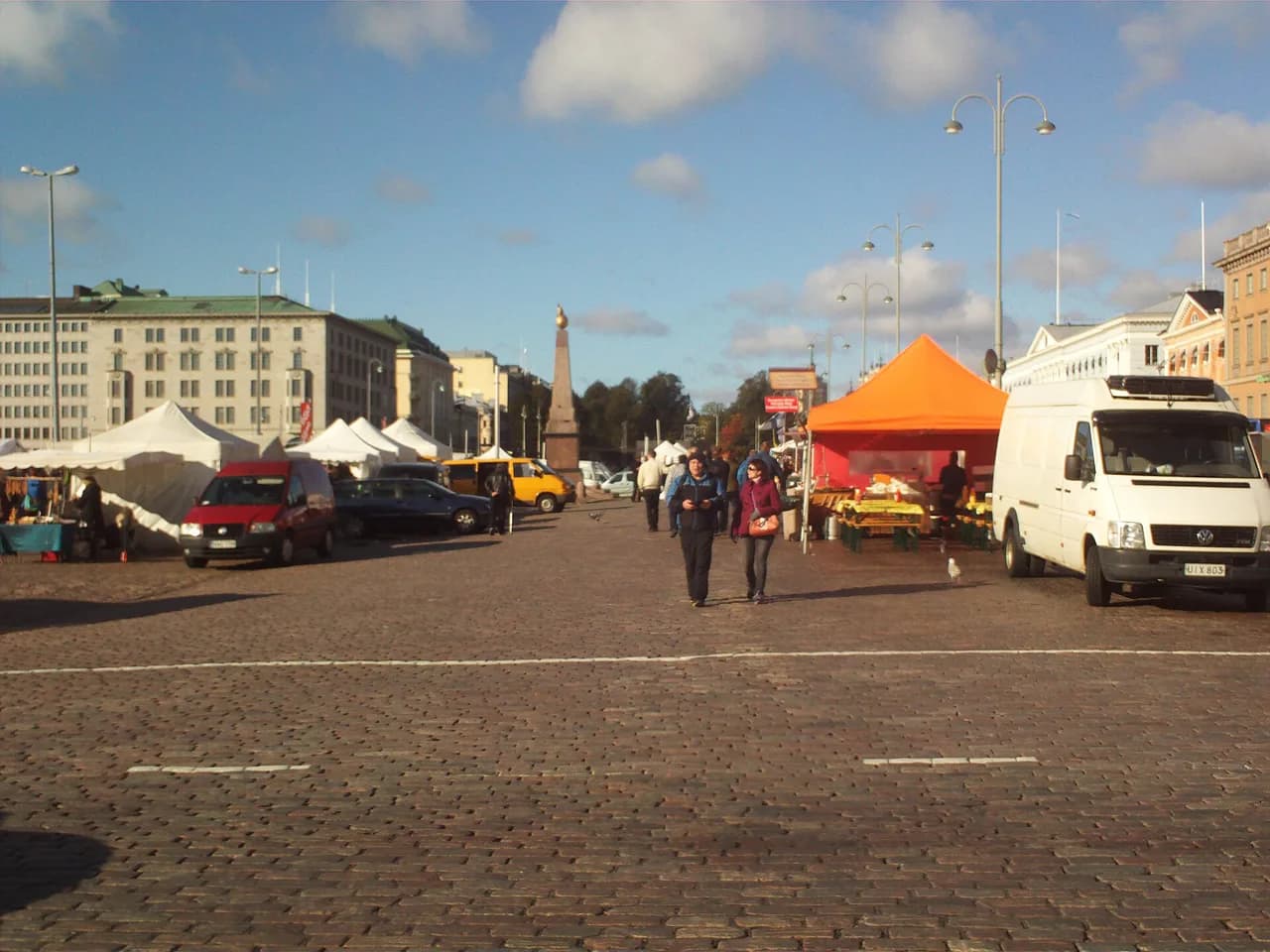
From the South Harbor quays, walking is genuinely competitive with any vehicle for the center. The route follows the waterfront past the market stalls, then turns inland to Senate Square or continues west along Esplanadi, with the whole core reachable on foot in a stroll rather than a hike.
Walking makes sense when your ship berths close to Market Square and you plan to stay in the core, because you avoid waiting for a tram and you can duck into courtyards and the Design District on impulse. It stops making sense if you berth at the western terminals or if cold rain turns the waterfront into a wind tunnel.
The city rewards on-foot passengers with sights that sit close together: the Havis Amanda statue at the head of Market Square, the 19th-century facades around Senate Square and the cathedral steps above them. Build the day around those clusters, and add any museum visit as a single fixed anchor rather than a list. A look at the full walk from the quays to the market helps you judge it against your own berth, so use the Helsinki Cruise Port to the City Centre breakdown when the terminal name is clear.
Public transport from the harbor
Helsinki's trams are the practical way to cover the middle distance between a western berth and the center, with routes running through the core and past the main sights. Buses fill the remaining gaps toward the eastern districts and the ferry piers, and both accept the same city ticket system.
Buy your ticket before boarding where possible, either from a machine or through the city transport app, and keep it valid for the whole ride. Single tickets cost more when bought on board than in advance, so price the day's journeys before choosing between single fares and a day pass.
A Helsinki Card bundles museum entry with city transport, which can make sense for a full-day call built around several paid sights. For a short call focused on Market Square and the cathedral, singles or a day ticket usually work out cheaper, so do the arithmetic against your own list before buying.
Allow for the walk from the quay to the stop as well as the ride itself. The tram journey into the center is short, but the minutes spent finding the right platform and waiting can eat a chunk of a six-hour call.
Taxi and port transfers
Taxis wait at the passenger terminals and are the fastest way to close the gap between a western berth and Market Square when you are short of time or carrying luggage on a turnaround day. Official taxis take card payments, and the queue at the rank moves quickly outside peak ferry arrivals.
Ride-hailing apps operate in Helsinki and can be cheaper off-peak, but the pickup point at a large terminal may be a walk from the ship's gangway. Ask the terminal staff where the app pickup zone is before you order, or you will spend the saving on a hunt.
If your call is a turnaround and you need the airport, the train from Helsinki's central station is the fixed-price option, with the terminal transfer on either end done by tram or taxi. Compare that against a direct taxi from the quay when your baggage makes a station change painful.
Suomenlinna by ferry
Suomenlinna, the sea fortress on a cluster of car-free islands, is Helsinki's standout half-day. The ferry crossing from Market Square takes about 15 minutes, and the islands are linked to each other by walking bridges, so you can wander the ramparts and museums without a fixed circuit.
Budget the day honestly: the crossing, the walk from the pier to the fortress walls and the return leg cost you well over an hour before you have seen anything. Add a museum or two and Suomenlinna becomes a three-to-four-hour block, which is most of a short call.
The trade-off is real. Choose Suomenlinna on an eight- or ten-hour call and accept that the Design District and Temppeliaukio Church may not fit; keep the fortress for a long call and the city core for a short one.
Helsinki in six hours
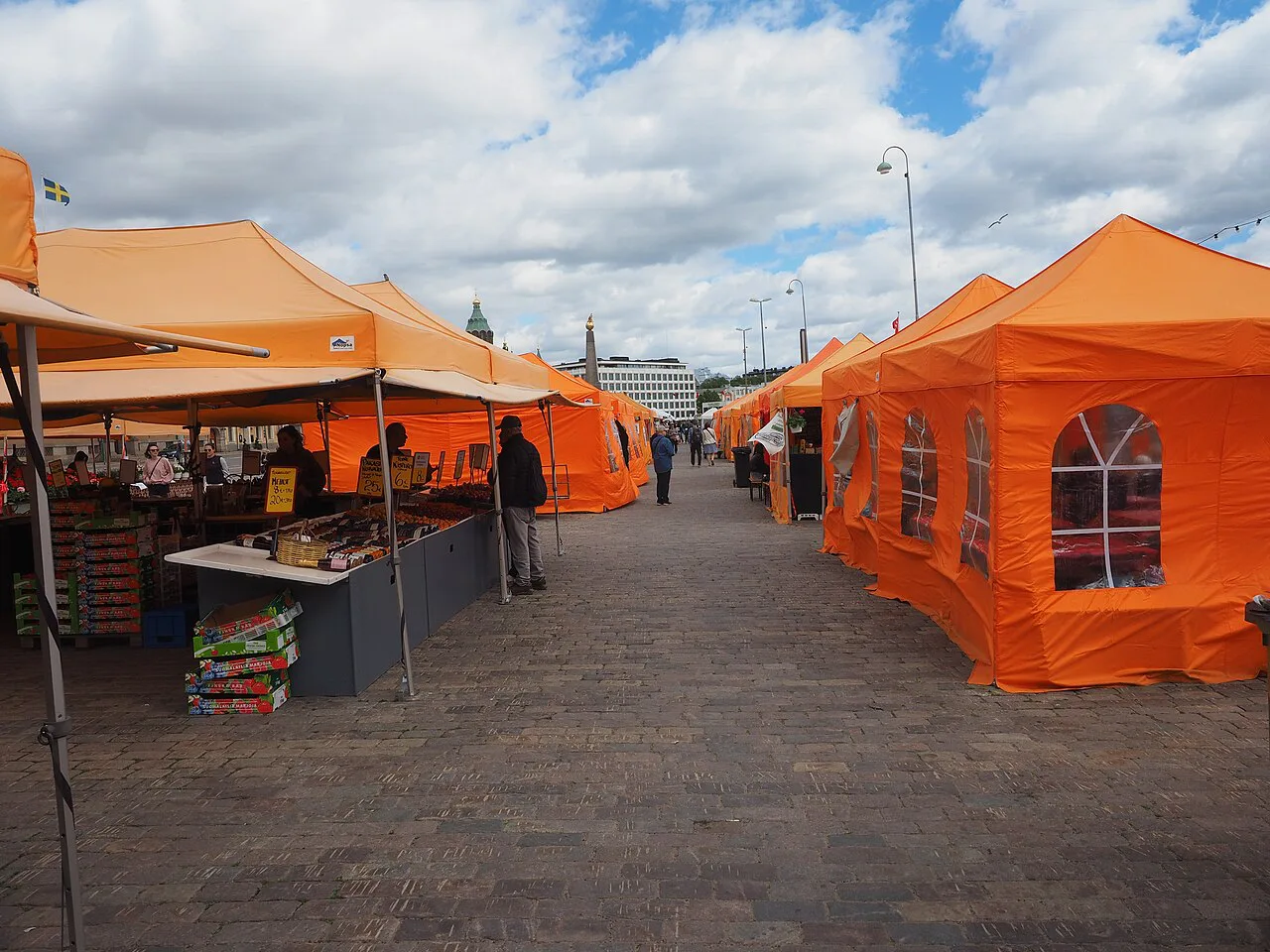
A six-hour call belongs to the peninsula. Walk or ride to Market Square, browse the stalls and the Havis Amanda statue, then climb through Esplanadi to Senate Square and the cathedral steps, which together give you the postcard Helsinki view without a single ticket.
Add one indoor stop, such as Kiasma or the Design Museum, and keep it to a single collection rather than two. The Finnish Design Museum and Kiasma both sit in the center, so pick the one that matches your interest and leave the other for another call.
Eat lunch in the market or on the Esplanadi edge, where salmon soup and fresh fish are the local staples. Cafés in the center often run a fixed-price lunch buffet that is cheaper than ordering à la carte, which suits a tight schedule.
Leave the last hour for the return leg and a buffer, because a six-hour call has no room for a missed tram. If you are at a western berth, take the tram back rather than testing the walk.
Helsinki in eight hours
Eight hours buys you the core plus one excursion out of it. Temppeliaukio Church, carved into rock, is the classic add-on, and the Design District fills the hours around it with design shops, galleries and the Stockmann department store on the Esplanadi edge.
An eight-hour call also makes Suomenlinna feasible if you move briskly: ferry over, walk the ramparts, one museum, ferry back, then the market before all-aboard. Do not attempt the fortress and Temppeliaukio on the same day unless you are content to see both from the outside.
Kallio, the neighborhood north of the center, is worth an evening rather than an afternoon on a cruise call. Its cocktail lounges and rock venues sit within walking distance of each other, but they open late and the call will not stretch that far.
Helsinki in ten hours
A ten-hour call lets you do Suomenlinna properly and still walk the center. Take the early ferry to the fortress, spend the morning on the islands, return to Market Square for lunch and finish with Senate Square and Esplanadi before heading back to the quay.
With that much time, a sauna becomes realistic, and Helsinki has public options including a wood-fired sauna from the 1920s and a smoke sauna in an art deco building. Book ahead where the venue takes reservations, and check the session length against your all-aboard time.
Long calls also suit a slower lunch and a museum at leisure rather than a checklist. Ten hours rewards depth: two sights seen properly beat five glimpsed from a tram window.
Ship tours, local operators and independent sightseeing
Ship excursions buy you certainty on timing: the operator plans around the vessel's schedule and the coach leaves from the pier. The price premium pays for that logistics, and for the fact that the tour is designed to return before all-aboard, though no tour can guarantee the ship will wait in every circumstance.
Local operators and independent sightseeing cost less and give you freedom over pace, but every minute of transfer and delay is yours to manage. For a city core this close to the quays, independence is low-risk and rewarding; for Suomenlinna on a short call, a guided tour removes the ferry-timing worry. The same choice between ship tour and going it alone plays out at the Warnemünde cruise port, where the run into Rostock is the deciding factor. If you are weighing that decision across several calls, the Baltic Cruise Ports: Where Ships Dock and What Fits Your Day guide compares how docking distance shapes each port day.
Cruise lines publish their Helsinki shore excursion programmes through their own booking systems, and the offerings change by sailing. Compare the listed duration and meeting point against your own plan before booking, because a four-hour coach tour may cover less ground than an hour on foot.
Rain, snow and cold-weather alternatives
Helsinki's weather can turn a waterfront walk into a trial, and snow or rain makes a tram-based loop the better plan. Many of the center's sights sit close to tram lines, so you can hop between the market, Senate Square and the Design District while staying mostly dry.
Museums are the obvious shelter: Kiasma for contemporary art, the Design Museum for Finnish design history, and the city's churches for architecture. Pick two at most and check opening days before you commit, since museum schedules vary by season.
Dress for the harbor wind rather than the forecast temperature, particularly if you plan the Suomenlinna ferry, where the crossing is exposed. A waterproof layer and warm hands matter more here than in the sheltered streets.
The return buffer before all-aboard
Calculate your buffer from the berth, not from the city center. From a South Harbor quay, a 30-minute cushion covers an unhurried walk back; from a western terminal, allow at least 45 minutes for the tram or taxi plus the walk to the gangway.
Add the time you would need if your first choice failed: a missed tram, a taxi queue, or a ferry delayed at Suomenlinna. Aim to be at the terminal an hour before all-aboard on an independent day, and treat that as the hard deadline for leaving the city.
Ship tours carry their own return margin, which is the main reason to pay for one when your itinerary includes a distant sight. Independent travelers should plan the last hour in the center as travel time, not sightseeing time.
Practicalities on the day
Finland uses the euro, and cards are accepted almost everywhere, including market stalls and transport machines, so you rarely need cash. Finnish and Swedish are the official languages, and English is widely spoken in shops, museums and cafés.
Port schedules list ship arrivals and departures, and the published times give a sense of how busy the harbor will be on your date. Treat those times as indicative and rely on your own ship's confirmation for all-aboard.
Distances inside the center are short, so a folding umbrella and comfortable shoes earn their place more than any gadget. Keep your cruise card and a photo of the berth map in your pocket for the walk back.
Plan Your Helsinki Port Day
Helsinki rewards a simple plan: fix your quay, choose walking or the tram for the transfer, and pick one anchor sight for the day. A short call belongs to Market Square and Senate Square; a long call earns Suomenlinna.
Before you leave the ship, write down the berth name, the all-aboard time and your return route, then build the buffer from the actual distance rather than optimism. That single step turns a good port day into a relaxed one.
Explore more Helsinki cruise port guides
Frequently Asked Questions
Where do cruise ships dock in Helsinki?
Cruise ships use the Port of Helsinki's international cruise quays, which sit in the harbor areas served by West Terminal 2, Olympia Terminal, Katajanokka Terminal and Hansa Terminal in Vuosaari. Your ship's daily programme names the berth for your call, and the port publishes terminal and cruise quay maps.
How far is the Helsinki cruise port from the city center?
It depends on the berth. The South Harbor quays put Market Square and Senate Square within a short walk, while the western terminals sit further out and are better reached by tram or taxi. Check the berth name before deciding.
Can you walk from the Helsinki cruise port into town?
Yes from the South Harbor quays, where the waterfront route leads past Market Square into the core. From the western terminals the walk is longer and a tram or taxi is the practical choice, especially in rain or snow.
How do you get from Helsinki cruise port to Market Square?
Walk along the waterfront from the nearby quays, or take a tram or taxi from the western terminals. Trams run through the center and accept the city ticket system, with cheaper fares when you buy before boarding.
Is Suomenlinna worth it on a cruise stop in Helsinki?
It is the standout sight, but it costs time: the ferry crossing takes about 15 minutes each way, plus walking on the islands. It suits eight- and ten-hour calls; on a six-hour call the city center gives more for the hours.
How long does the ferry to Suomenlinna take?
The crossing from Market Square takes about 15 minutes, and the islands are linked by walking bridges. Add the walk from the pier to the fortress walls and the return leg when planning your morning or afternoon.
What can you do in Helsinki in 6 hours from a cruise ship?
Market Square, the Havis Amanda statue, Esplanadi and Senate Square fill a six-hour call comfortably on foot. Add one museum, such as Kiasma or the Design Museum, and keep the final hour for the return to the ship.
How early should you return to the ship in Helsinki?
Aim to be at the terminal an hour before all-aboard on an independent day, calculated from your berth. From a South Harbor quay a 30-minute cushion covers the walk; from a western terminal allow at least 45 minutes.
Sources
Port-day notes for your next cruise
Optional updates to our port guides.
You might also like
Continue reading
More guides you'll find useful