Things to Do in Kotor from a Cruise Ship: A Port-Day Guide
Plan a Kotor port day around the Old Town, the fortress climb, the bay villages and Perast, with honest timing for six-, eight- and ten-hour calls.
On this page
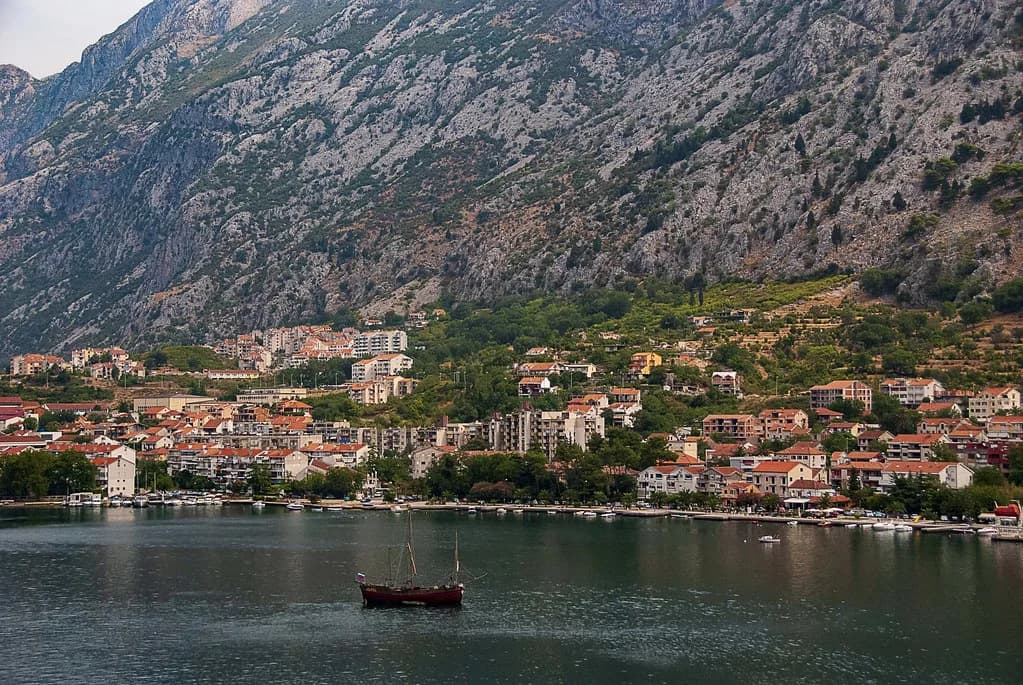
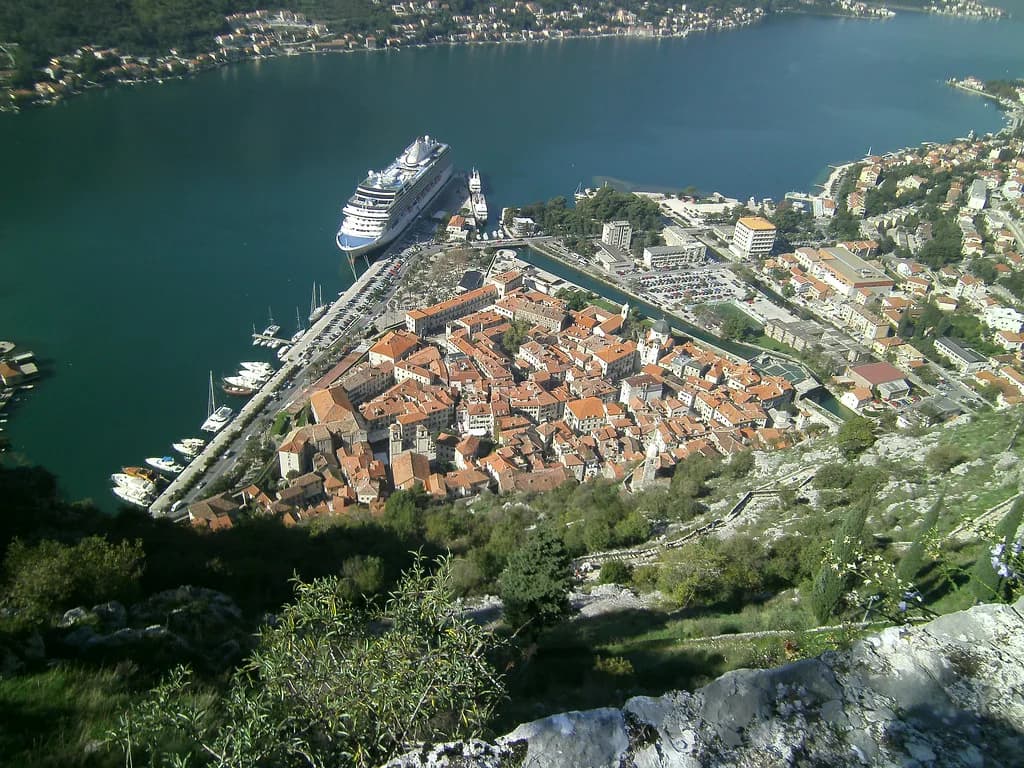
Kotor hands you the scenery before you step off the ship: a bay ringed by steep grey mountains, a compact walled town at the waterline and a litany of stairs climbing straight up behind it. The port suits passengers who want one concentrated block of sightseeing with a view, not a full day on a coach.
The practical advantage is scale. Kotor's central area is small enough to see in a few hours, which leaves room for a second stop such as Dobrota along the bay or Perast with its church island further around the shore. If you enjoy that kind of compact, walkable call, the Split cruise port guide shows how a similarly tight port day comes together.
Why Kotor Fits a Short Call
Very little of a Kotor day is spent traveling between sights. The Old Town is the historic, cultural and religious core of the city, and its lanes, churches and palaces sit in a knot you can walk across in minutes.
That compactness is what makes a two-stop day possible. Build the Old Town and the fortress into the first half, then use what is left for the waterfront path or a bus ride to the bay villages, rather than trying to fill hours inside the walls.
Where Ships Dock and the Walk to the Sea Gate
Cruise ships call directly at Kotor at the head of the bay, and passengers step into a town laid out around a single waterfront. The practical anchor for your day is the Sea Gate, the main entrance through the city walls from the water side, built in Renaissance and Baroque styles.
Two other gates matter for routing: the Northern Gate over the Scurda river and the Southern Gate, also called Gurdic Gate. Walking through the Sea Gate, pause in the passage to find the 15th-century Gothic relief of Our Lady with Christ, St. Tryphon holding a model of the city and St. Bernard.
Kotor Old Town: Cathedral, Churches and Palaces
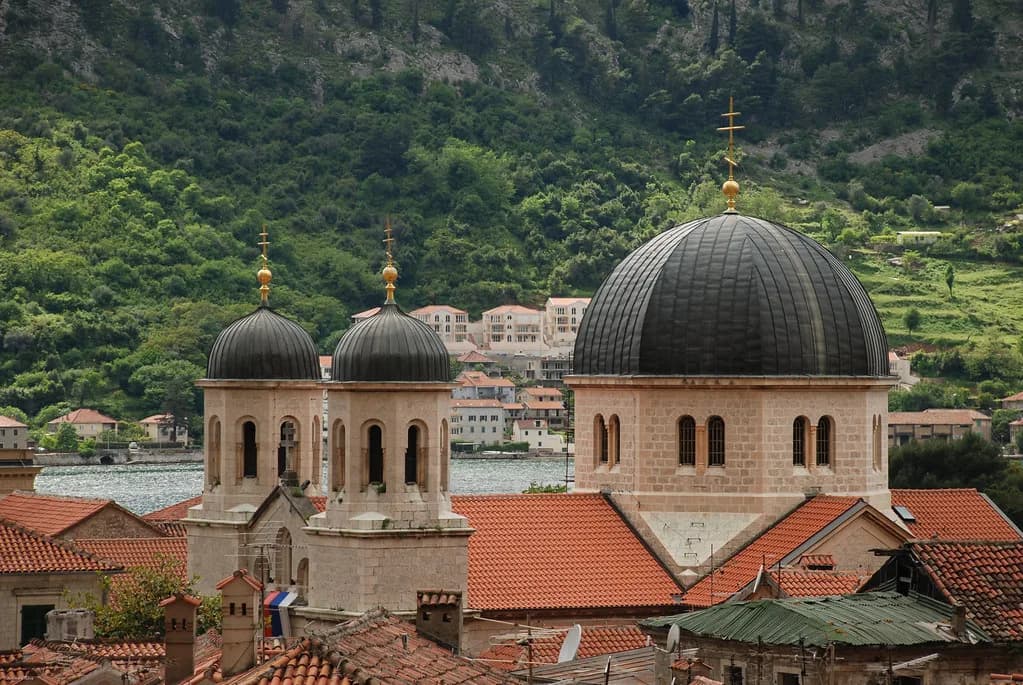
Start with St. Tryphon Cathedral, the city's most important church and the seat of the Catholic bishopric, built in 1166 and rebuilt after earthquakes in a mix of Romanesque, Byzantine, Renaissance and Baroque styles. Look up: one bell tower is shorter than the other because funds after the 1667 earthquake did not stretch to both.
St. Nicholas Church, from the early 20th century, is the main Orthodox church in town and looks quite different from the surrounding sacral buildings. Smaller churches such as St. Luke's, St. Anne's and St. Michael's are scattered through the same lanes, so a single wander passes several.
The palaces are the quiet pleasure of the Old Town. Between the 15th and 18th centuries Kotor's noble families built in Baroque and Romanesque styles, and the 17th-century Pima Palace shows how well the two combine; many others blend into ordinary facades until you look at the details.
A 90-minute guided walk adds the history a self-guided loop misses, which is worth the time if this is your only call at the port. Cat lovers should also look for the small Cat Museum near the Sea Gate, a compact collection of cat-related artifacts.
Climbing to St. John's Fortress
St. John's Fortress is the one sight that genuinely sets the shape of a port day. Reaching the castle at the top means climbing 1,350 stairs, some of them worn, and the round trip runs about two hours; good shoes and plenty of water are not optional in summer.
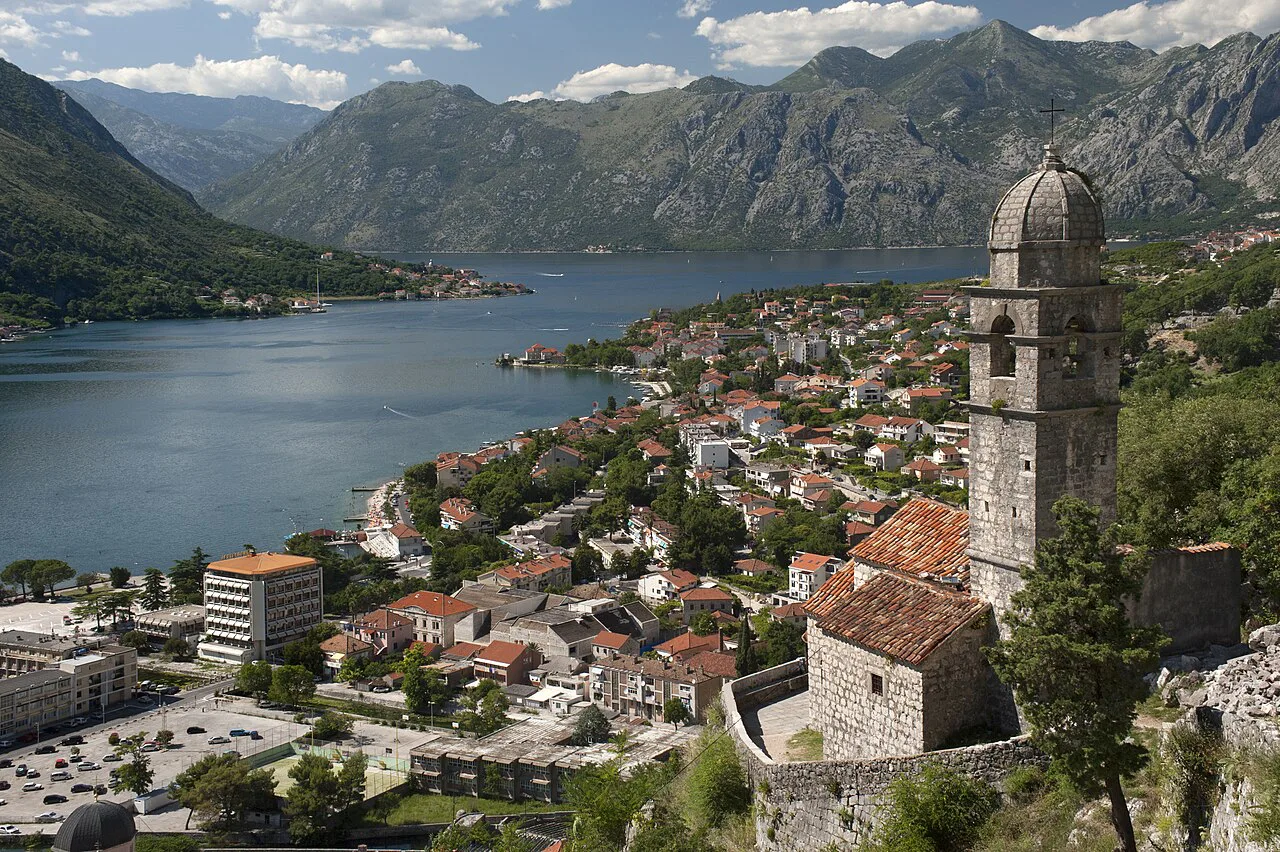
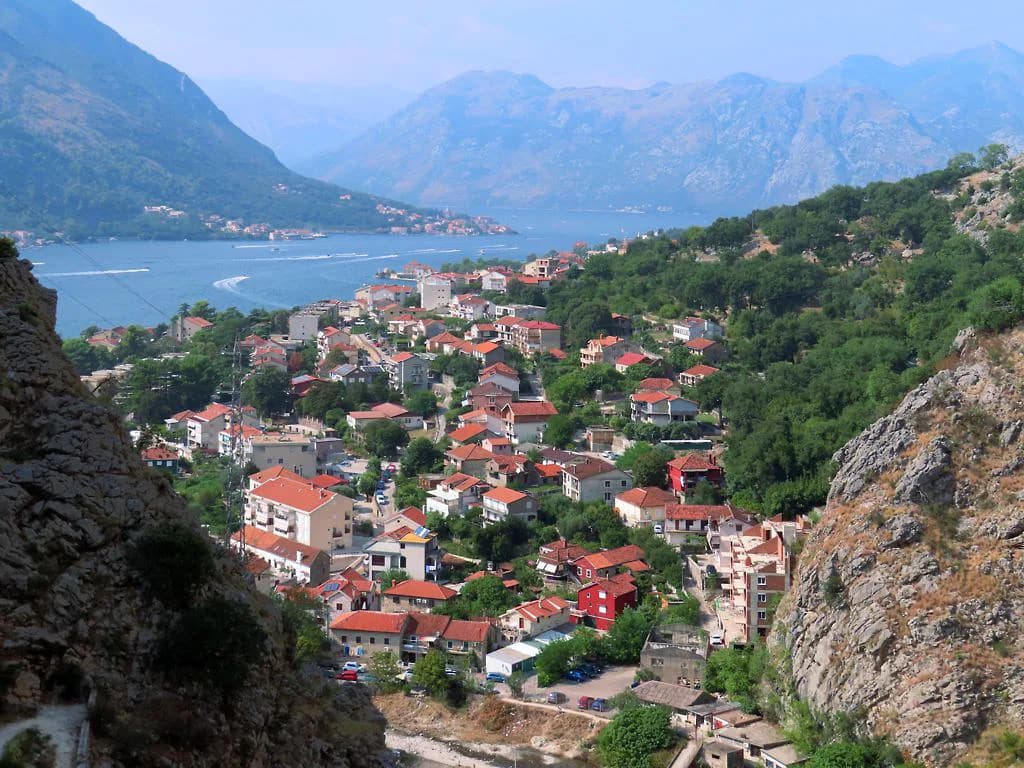
You do not have to go all the way. Roughly halfway up, a small square already delivers the classic panorama of the bay and the mountains, and stopping there is the sensible choice when the clock is tight. Both entrances to the fortifications are inside the Old Town, reached by following the signs; the climb passes the 16th-century Church of Our Lady of Remedy.
Entry to the fortifications is reported at 8 euros, with the possibility of free access early in the morning or later in the afternoon. Treat that as a reported pattern rather than a guarantee, and confirm the current arrangement before budgeting.
Walking the Bay Path to Dobrota and the Beaches
When the Old Town has had enough of you, follow the old road along the water toward Dobrota, roughly five kilometers away. The path runs directly beside the bay, catching the breeze on hot days and offering a changing view back toward Kotor's walls.
Beaches here are small and often stony rather than long and sandy. The nearest sits just past the point where the Scurda river meets the bay but can be crowded, while the stretch toward Dobrota holds quieter spots; walk as far as your remaining hours allow rather than committing to the full distance.
Perast and Our Lady of the Rocks as a Half-Day
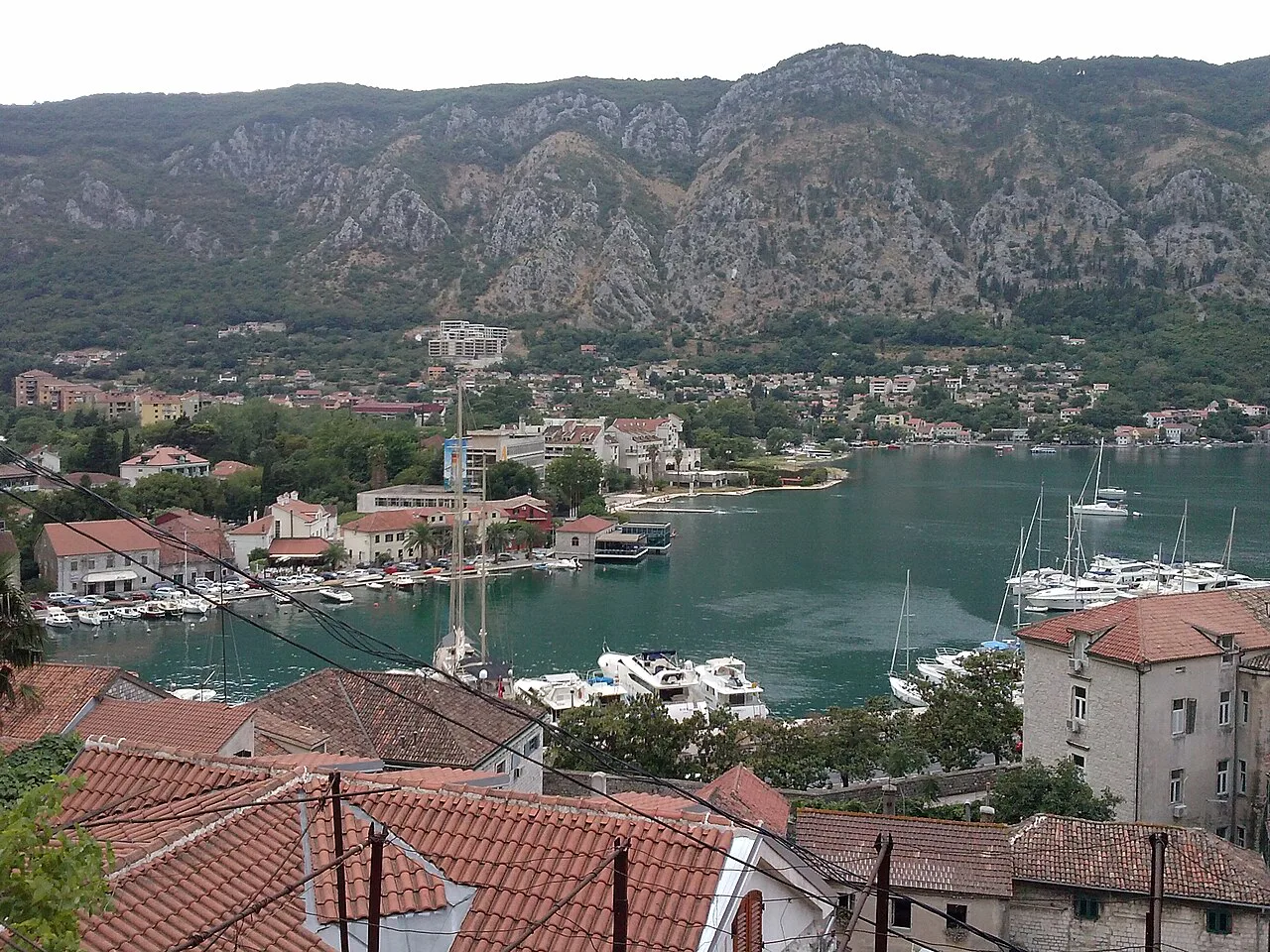
Perast is the standout extension from Kotor: a small baroque town of 17th- and 18th-century palaces and churches facing two islets. Our Lady of the Rocks, the artificial island with its church, is the main draw, and boatmen typically meet visitors on the shore for the crossing at around 5 euros per person return.
To get there independently, take the Blue Line bus from outside the Old Town walls; buses run every 30 to 60 minutes and the fare is around 1 euro. Add the waits on both ends to the boat crossing and the town walk, and the round trip is a genuine half-day. If that math feels tight against your all-aboard, a half-day Perast and Kotor boat tour removes the scheduling risk without shortening the sightseeing.
The Other Side of the Bay: Muo and Prčanj
Muo and Prčanj, the two nearest villages across the water, trade Kotor's bustle for calm and a view back at the walled town. Blue Line buses reach both, running roughly once an hour, so this is a half-day at most and best paired with a slow morning in the Old Town.
A boat trip on the bay is the other low-effort way to see the same scenery from the water, with some routes adding the Blue Cave, the former prison island of Mamula or old military tunnels. Lengths vary considerably, so match the sailing to your hours ashore rather than booking the longest option by default.
Getting Around: Buses, Taxis and Boats
The Blue Line is the workhorse for independent travel around the bay, caught outside the Old Town walls and heading to Perast, Muo and Prčanj. Frequencies differ by route and seasonal timetable, so build in the waiting time when you plan your day and check the current departure times at the stop or with the driver before you commit to a return leg.
Inside town, everything on the core itinerary is on foot. For anything higher up the mountain behind Kotor, including the cable car that appears among cruise-passenger suggestions, plan the transfer separately and confirm the current operating arrangement locally before counting on it.
Three Day Shapes for Six, Eight and Ten Hours
For a six-hour call, stay inside and immediately above the walls: a slow loop of the Old Town taking in St. Tryphon, St. Nicholas and a palace or two, then the climb to the halfway viewpoint for the bay panorama. Skip Perast entirely and keep lunch short, since restaurants fill when ships are in.
With eight hours, add the bay path. Do the Old Town first, walk toward Dobrota for the breeze and the view back, and return along the same road or pick up the Blue Line bus at the main road. This shape gives you the fortress or the walk, comfortably, plus time to eat.
Ten hours buys Perast. Take the bus out, cross to Our Lady of the Rocks, walk the waterfront and return with an hour of slack before all-aboard. Alternatively, spend the morning on the fortress and the afternoon on a bay cruise; both fit, but not alongside each other.
Ship Tour Versus Independent Day
Independently, Kotor is one of the easier Mediterranean ports: no long transfer, walkable sights and cheap public transport to the villages. The risk sits in the return leg from Perast, where a missed bus can cost you 30 to 60 minutes you had not planned for.
A ship's tour removes the transport uncertainty on longer excursions and bundles the boat to Our Lady of the Rocks with the drive, which suits passengers who want the fortress, the Old Town and Perast in one call. It costs more freedom: fixed departure times and less lingering in the lanes. Neither option changes the all-aboard time, and no operator makes the ship wait.
Practical Notes for the Port Day
Time your Old Town loop around the crowds. The walled town is busiest roughly between 10 a.m. and 4 p.m. when ships are in, so an early start or a late-afternoon return gives you the same streets with breathing room.
Just outside the walls near the Sea Gate, the farmers' market runs daily from 7 a.m. to 2 p.m., with the best selection early and a livelier spread on Saturdays. It is the simplest place to buy local cheese, honey, olives or fruit before reboarding.
Carry water and wear shoes with grip for the stairs, and note that Montenegrin cooking leans on seafood and meat, which leaves vegetarians with fewer options in the Old Town restaurants. Aim to be back at the gate at least an hour before all-aboard to absorb the unexpected.
Plan Your Kotor Port Day
Kotor rewards a decision made in advance: fortress and Old Town for a short call, the bay path for a medium one, Perast for a long one. Pick one shape, hold the rest as optional, and the port day runs without rushing.
Settle the logistics before you sail, since the walk from the berth to the Sea Gate and the options beyond town shape everything else.
Frequently Asked Questions
Can you walk from the cruise ship into Kotor Old Town?
Ships call at Kotor at the head of the bay, and the Sea Gate, the main entrance through the city walls, is on the waterfront side of town. Plan your day around that gate as the entry and exit point, and allow extra time on busy mornings when several ships are in.
How long does it take to climb Kotor's fortress?
The climb to St. John's Castle involves 1,350 stairs and a round trip of about two hours, some of it on worn steps. A small square roughly halfway up already gives the classic bay panorama, which is the sensible turnaround point on a shorter call.
What can you do in Kotor in one day from a cruise ship?
A realistic day pairs the Old Town, including St. Tryphon Cathedral, St. Nicholas Church and the palaces, with either the fortress climb or a waterfront walk toward Dobrota. Only a longer call of around ten hours leaves comfortable room for Perast and Our Lady of the Rocks.
Is Perast worth it on a Kotor port day?
Perast is worth the trip when you have ten hours or more ashore. The Blue Line bus runs every 30 to 60 minutes, the boat crossing to Our Lady of the Rocks is a small per-person fare, and the combined waits make it a genuine half-day rather than a quick add-on.
How do you get around Kotor without a ship tour?
On foot inside the Old Town, and by Blue Line bus for Perast, Muo and Prčanj. Buses leave from outside the Old Town walls, but frequencies vary by route, so build waiting time into your plan and keep a margin before all-aboard.
What is free to do in Kotor from a cruise ship?
Wandering the Old Town lanes, the churches and the waterfront costs nothing, and the climb partway up the fortifications gives the view without the full ascent. The fortress entrance is ticketed at the wall, and the port authority lists the current charge.
Sources
Port-day notes for your next cruise
Optional updates to our port guides.
You might also like
Continue reading
More guides you'll find useful