Liverpool Cruise Excursions: Tours vs Local Guides vs DIY
Liverpool's cruise terminal sits on the waterfront, so most sights are walkable. Compare ship tours, local Beatles and Chester excursions, and DIY days.
On this page
Liverpool suits passengers who want to step off the gangway and be among the sights within minutes, and it suits them so well that many calls need no excursion at all. The trade-off is that the easy sights and the worthwhile far ones pull in different directions: the waterfront rewards walkers, while Chester, Anfield and the outer Beatles sites eat hours in transit. Deciding which camp you are in, and how much slack to keep before all-aboard, is the whole planning job.
What the city-center berth means for your day
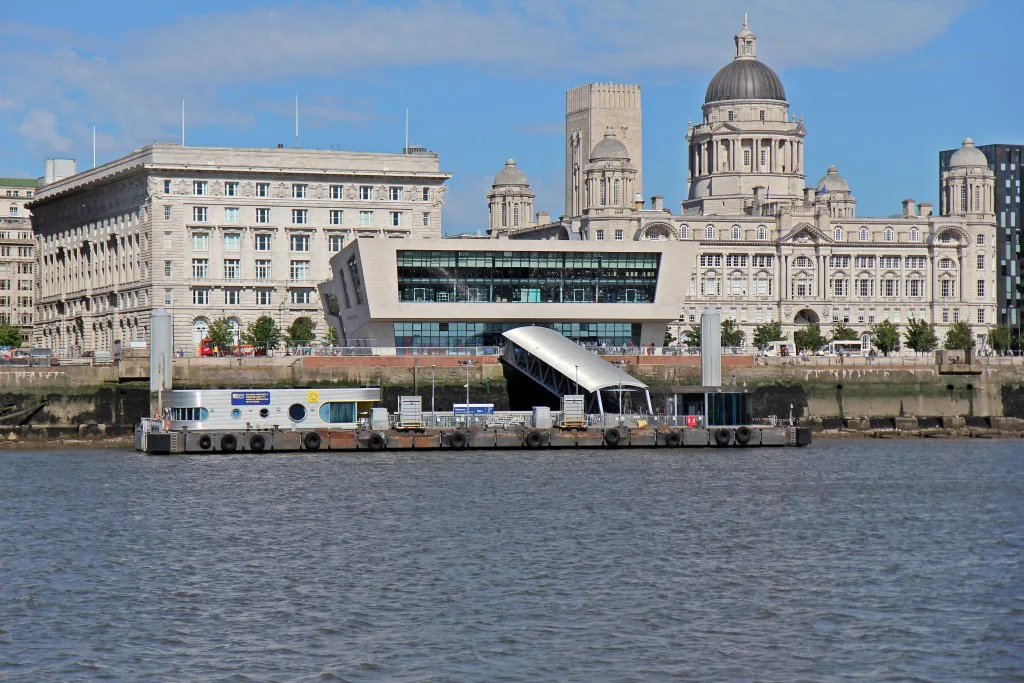
Liverpool Cruise Terminal sits at Princes Parade directly on the River Mersey, ships come alongside rather than tendering, and passengers step straight onto the Pier Head promenade with no industrial estate and no shuttle to reach the city. That single fact reshapes the usual excursion maths: you are not buying a tour to solve a transfer problem, you are buying time, interpretation or distance.
Walking times from the ship are short enough to plan around: roughly 10 to 15 minutes to Royal Albert Dock, about 10 minutes to the Liverpool ONE shopping district, around 15 minutes to the Cavern Quarter on Mathew Street, and 20 to 25 minutes to Lime Street Station. The cathedral sits uphill and takes about 30 minutes on foot, which is the first point where a taxi starts to make sense.
Where ships dock at Liverpool Cruise Terminal
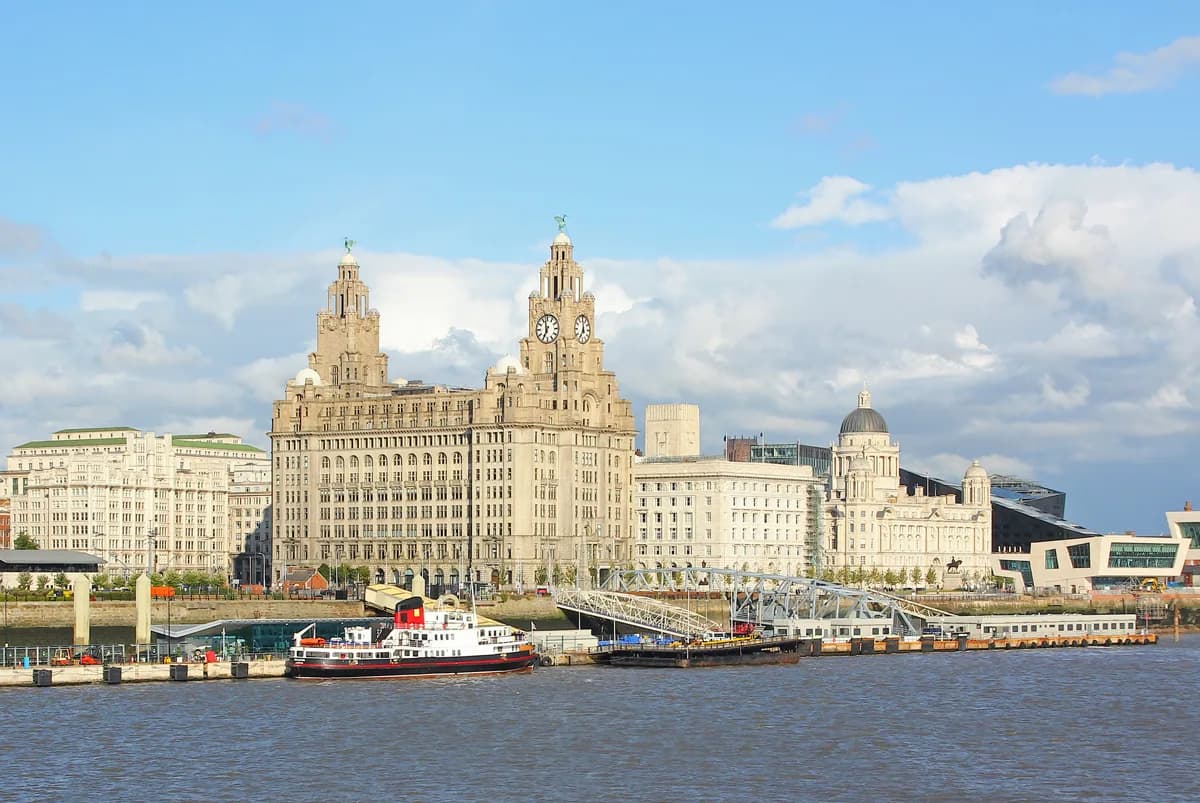
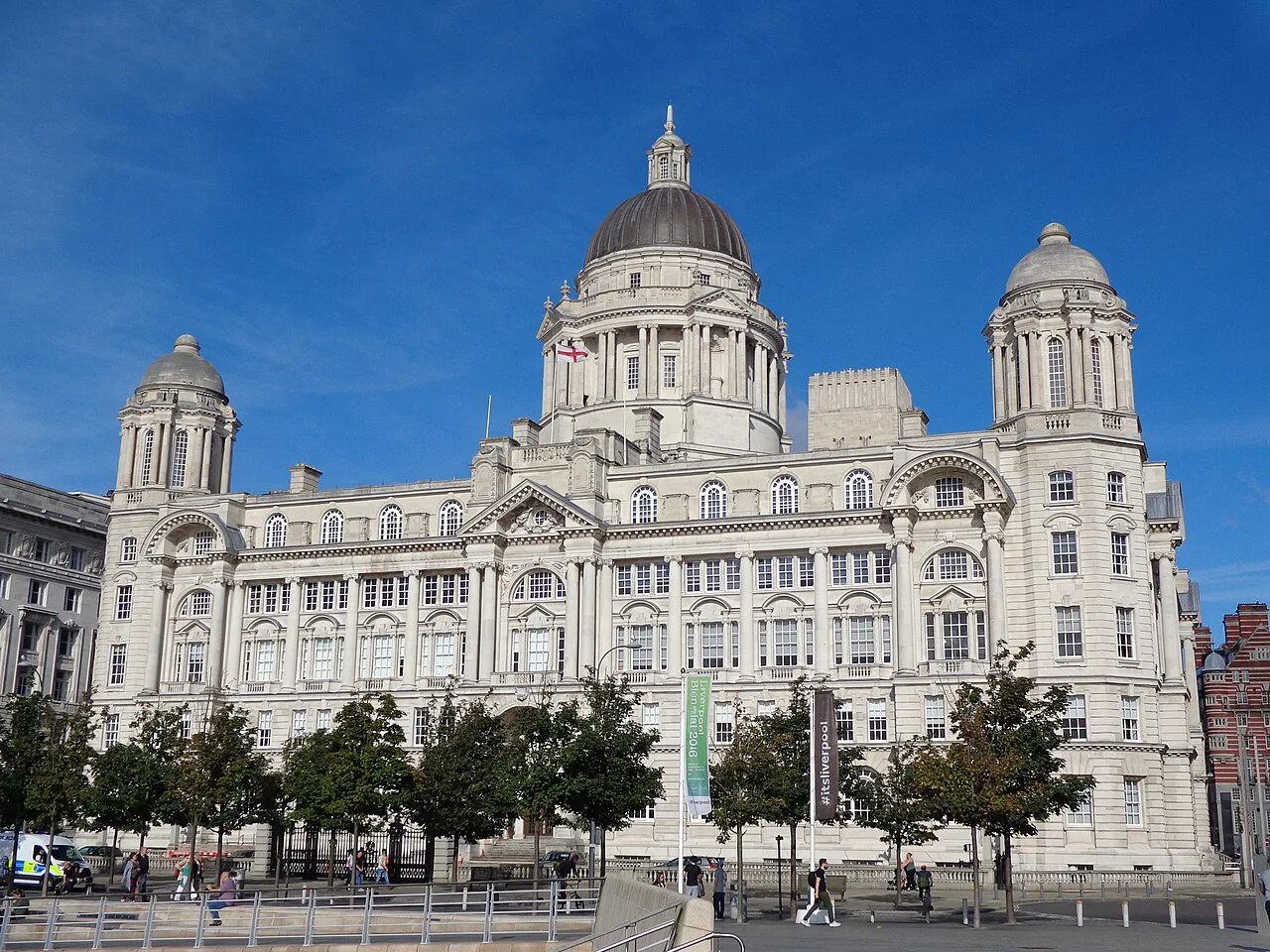
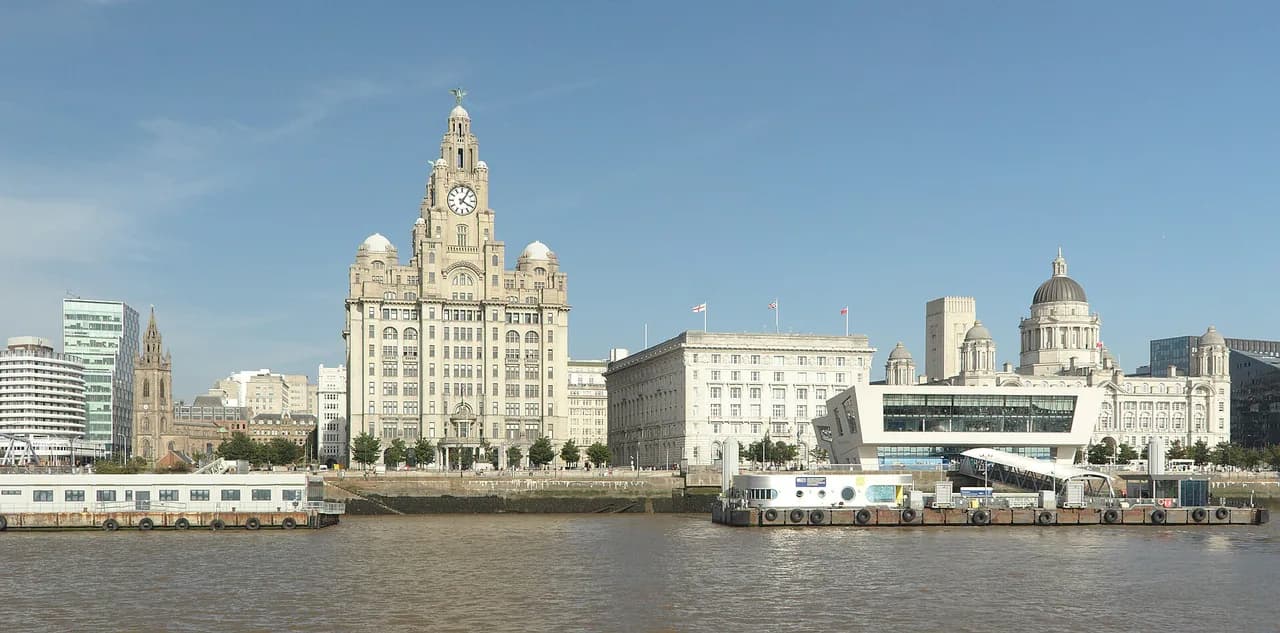
The terminal handles both transit calls and turnaround days in the same shared space, so on a busy morning you may be sharing the building with embarking passengers and their luggage. Transit passengers simply walk off and enter the waterfront, passing the Mersey Ferry landing stage and the historic Pier Head buildings immediately next to the terminal.
Because the berth is central, the return leg is unusually forgiving: you can see the ship from much of the waterfront and dock area, and a delayed museum stop rarely turns into a missed departure. The risk shifts to anything that takes you out of the city, where traffic or a late train can consume your buffer.
The DIY day: a walking route from the ship
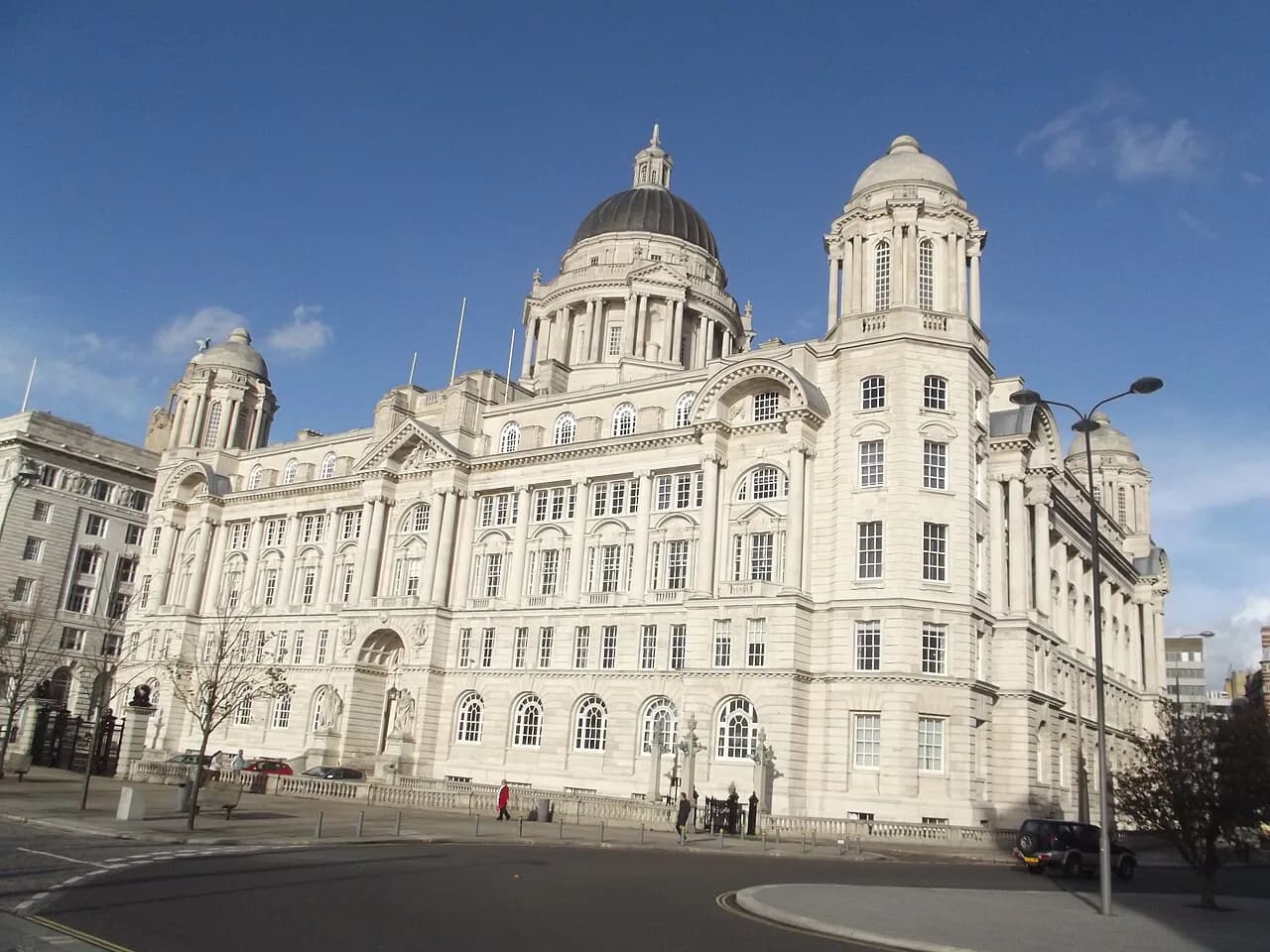
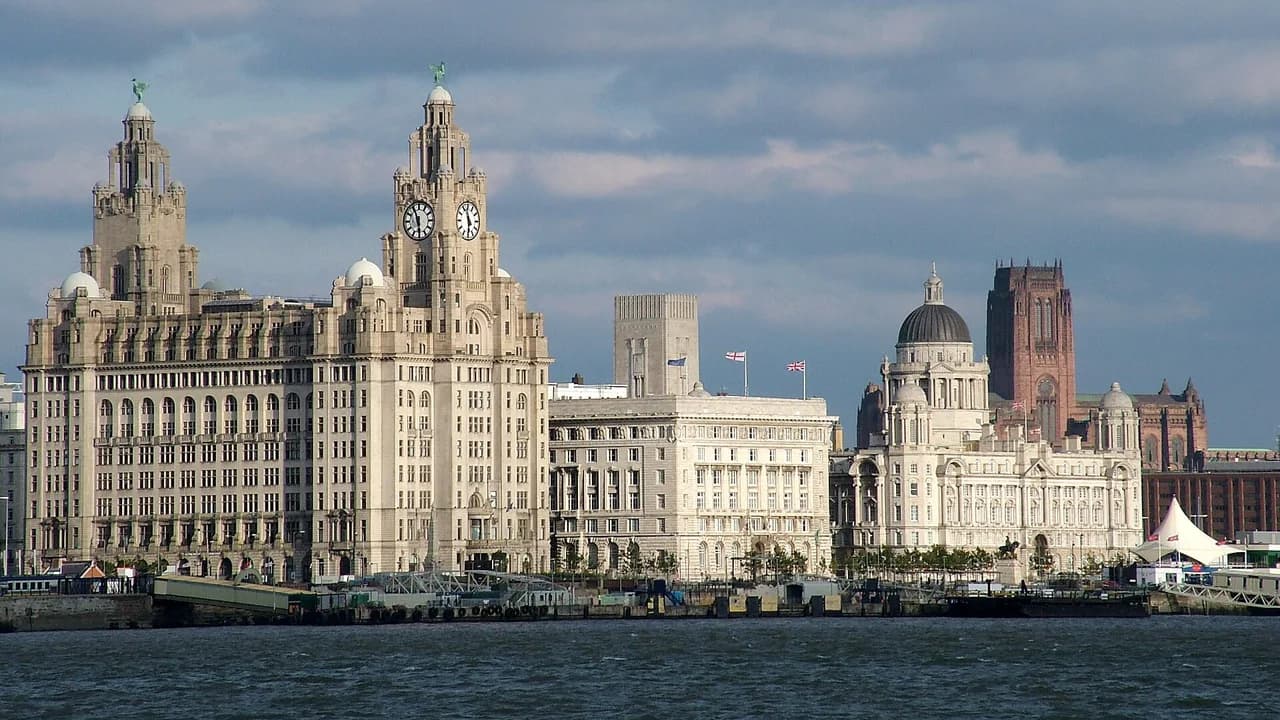
Start at Pier Head with the Three Graces: the Royal Liver Building with its Liver Birds, the Cunard Building, and the Port of Liverpool Building, with the Museum of Liverpool alongside. Allow 30 to 60 minutes including photos, then follow the waterfront south to Royal Albert Dock, whose 1846 warehouses now hold museums, cafés, shops and galleries. Plan 1.5 to 3 hours there depending on how many museums you enter.
From the dock, head inland to the Cavern Quarter around Mathew Street, about 15 minutes from the terminal, then continue to St George's Hall and the cultural quarter with the Walker Art Gallery, World Museum and Central Library. That inland loop adds one to two hours beyond the waterfront and gives you a full day without a single ticket.
Ship-sponsored excursions in Liverpool
Ship tours earn their price mainly when the destination is outside the city: Chester, North Wales, the Lake District, or a structured Beatles tour that reaches Penny Lane and Strawberry Field. They bundle the coach, the commentary and the guarantee of a scheduled return to the vessel, which matters most on the longest transits.
For central Liverpool, a ship tour mostly buys narration you can get from a local walking guide for less, and it commits you to a group pace along a route you could walk alone. Passengers with limited mobility or a preference for zero logistics are the clearest exception.
Local operators, sightseeing buses and river cruises
Independent options cluster around three formats: Beatles-themed tours, hop-on hop-off sightseeing buses that loop from the waterfront past the main landmarks, and short river cruises on the Mersey. The walking routes need no booking; the bus and boat products are best reserved ahead when several ships are in port.
Mersey Ferries run historic crossings from the landing stage next to the cruise terminal, with daytime sailings down the old docks and across to Seacombe, New Brighton and Woodside at Birkenhead for the heritage trail. Treat a crossing as a short scenic break rather than a sightseeing cruise, and keep an eye on the return sailing.
Hop-on hop-off buses are operated by more than one company in Liverpool, so compare the route map rather than the livery before buying. On a short call the loop can waste time in traffic that walking avoids.
Beatles sights on your own versus on a tour
Split the Beatles map in two. The walkable core is the statue at Pier Head, The Beatles Story at Royal Albert Dock and the Cavern Quarter, all reachable on foot from the ship with no transport. The outer sites, Penny Lane and Strawberry Field, sit beyond the immediate waterfront and need a taxi, public transport or a guided tour.
A local Beatles tour pays off if the outer sites are non-negotiable for you; otherwise the waterfront cluster plus a Cavern Quarter wander delivers most of the story in two hours or less. Give The Beatles Story a proper slot if you go in, since it is the city's main Beatles museum.
Day trips beyond the city: Chester by train or coach
Chester is the standout day trip: Roman walls that form a complete circuit, timbered buildings and the Rows shopping galleries. The train from Liverpool takes around 45 minutes, while coaches take a similar time depending on traffic. If your itinerary also calls at other Scottish Highlands ports, compare this day-trip logic with the shore excursions from Invergordon before committing to a long coach tour.
Rail gives you flexibility but puts the return connection on you. Lime Street, the mainline station, is a 20-minute walk or about five minutes by taxi from the terminal, and Fred. Olsen's port notes point passengers to National Rail Enquiries for specific train times, so build your Chester plan around a confirmed return service rather than a hoped-for one.
On a long call, Chester by train is cheaper and more flexible than a coach tour; on a short call it is the wrong bet entirely, because the travel time alone can eat half your hours ashore.
Anfield Stadium tours and match days
Anfield sits outside the waterfront area, so a stadium tour needs a taxi, public transport or a guided transfer. Tours usually cover the dressing rooms, players' tunnel, stands and club museum, and fixed tour times make advance planning essential.
Match days change access and crowd conditions around the stadium, so an Anfield visit only fits a longer call where a delay still leaves you a comfortable buffer to the gangway.
Museums and free sights for rainy or short calls
Royal Albert Dock works in poor weather because the museums sit inside the old warehouses: the Maritime Museum for shipping, emigration and Titanic history, Tate Liverpool for modern art, and The Beatles Story for the band. Most museums in the city are free to enter, which makes a wet-weather Plan B effectively costless.
The World Museum and Walker Art Gallery near St George's Hall extend that list inland, and the Museum of Liverpool sits on the promenade next to the Three Graces. On a two- to three-hour call, stay around the waterfront and dock and skip the inland loop.
How to choose for a 4-, 6- or 8-hour call
With two to three hours ashore, stay around Pier Head, the Three Graces, Royal Albert Dock and The Beatles Story area. Four to five hours adds the city center, Liverpool ONE, a museum or a short Beatles stop, and six to eight hours covers the waterfront, museums, city center and a guided Beatles or city tour. Only at eight hours or more does Chester, North Wales or the Lake District become realistic, and only if you accept the travel time.
Whatever the call length, work backwards from all-aboard: subtract the walk back from your furthest point, add a crowd allowance if a second ship is in port, and treat the remainder as your usable time. Independent travelers should keep a margin that survives one delayed train or a full taxi rank.
Cost and risk: ship tour, local operator, walking
Walking is free and the most controllable option in central Liverpool, with no operator between you and the ship. A local operator costs less than a ship tour for comparable ground coverage but carries the same return risk as any independent booking. A ship excursion costs most but bundles transport and timing, which is worth paying for when the destination is far from the berth.
No option guarantees the ship will wait for a late return, so choose the format whose worst-case delay still gets you back. For anything outside the city, prefer the option that leaves the largest buffer rather than the one that squeezes in the most stops.
Accessibility and mobility from the terminal into town
The waterfront route from the terminal is flat and signposted, which makes the Pier Head and Royal Albert Dock loop manageable for many passengers with limited mobility. The cathedral and the inland cultural quarter involve uphill walking, where a taxi is the sensible substitute.
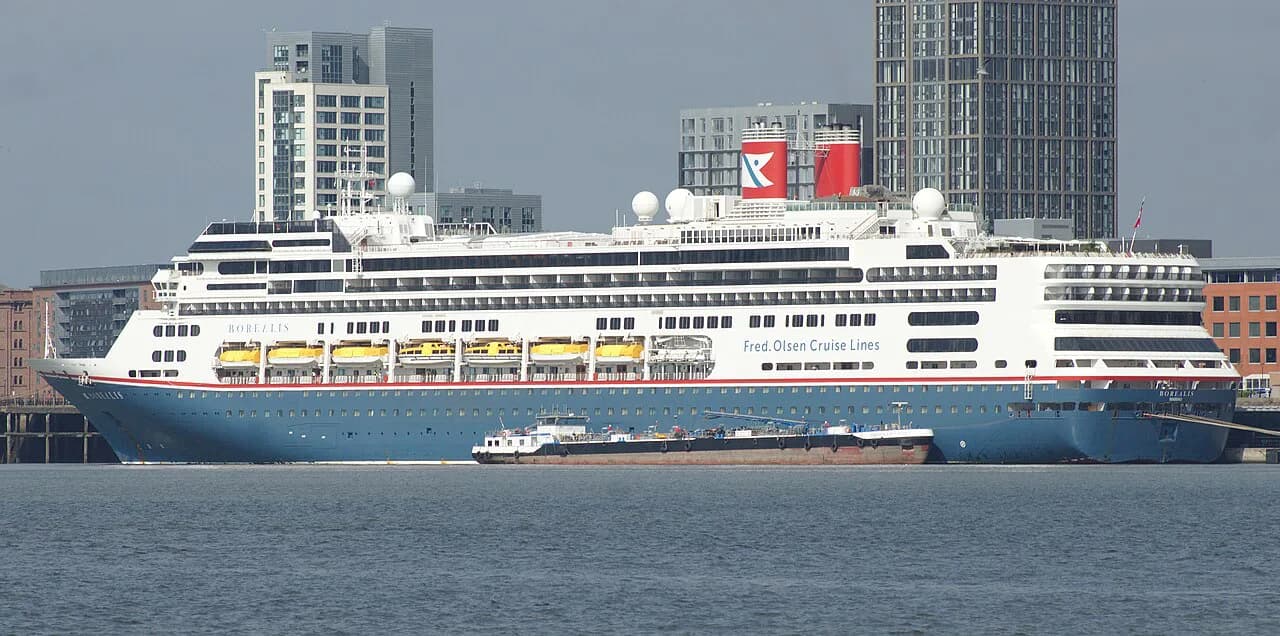
If you plan to bring a wheelchair or scooter on a cruise departing Liverpool, the line requires it to be pre-booked because each vessel has a strict limit on mobility devices. Fred. Olsen, for example, asks guests to bring the device to check-in rather than packing it in luggage.
What to bring and how to pay ashore
The local currency is the British pound, contactless payment is accepted almost everywhere, and mobile data coverage in the city is reliable. A light waterproof layer is worth carrying because river weather can turn quickly even on a promising morning.
Many museums open around 10:00, so there is no reason to rush off the ship at first light unless you are heading out of the city. Shops and cafés near the waterfront open early for coffee and supplies.
Staying over before or after your cruise
If your Liverpool call is really an embarkation, an overnight near the waterfront puts you within walking distance of the terminal on the morning of the sailing. Hotels cluster within roughly half a kilometer of the Pier Head promenade, including Staybridge Suites Liverpool by IHG and 62 Castle Street Hotel.
Drivers should sort out their parking before arrival: Fred. Olsen directs pre-booked Cruise and Passenger Services customers to the Q-Park Liverpool ONE car park, where they check in and are transported to the terminal. Check-in requires your passport and a credit or debit card to open your on-board account.
Plan Your Liverpool Port Day
Most Liverpool cruise passengers get the best value by walking: the terminal opens onto Pier Head, the docks and the Cavern Quarter, and a self-guided loop costs nothing but time. Spend money on an excursion only when you are leaving the city for Chester, North Wales or Anfield, or when you want a guided Beatles route that reaches Penny Lane and Strawberry Field.
Whichever format you pick, set your return against all-aboard rather than the ship's advertised departure, and keep enough slack for one transport delay. On a waterfront berth that slack is cheap; on a Chester train it is the difference between a good day and a tense one.
Frequently Asked Questions
Do you need to book a shore excursion in Liverpool?
No. The ship berths alongside at Princes Parade, and Pier Head, the Three Graces, Royal Albert Dock and the Cavern Quarter are all within a short walk of the gangway. Book a tour only when you want to leave the city, reach the outer Beatles sites at Penny Lane and Strawberry Field, or prefer a guided format with fixed logistics.
Can you walk from the Liverpool cruise terminal to the Beatles sights?
You can walk to the Beatles Statue at Pier Head, The Beatles Story at Royal Albert Dock and the Cavern Quarter around Mathew Street in roughly ten to fifteen minutes each way. Penny Lane and Strawberry Field sit further out, so plan a taxi, public transport or a guided tour for those.
How far is Chester from Liverpool cruise port and how do you get there?
Chester is a train ride of around 45 minutes, and Lime Street station is about 20 to 25 minutes on foot from the terminal or a short taxi hop. Coach tours take a similar time depending on traffic. Rail gives you more flexibility but puts the return connection on you, so confirm times with National Rail before setting out.
Are Liverpool museums free to enter?
Most museums in the city are free to enter, which makes Royal Albert Dock a low-risk choice in poor weather or on a short call. The Maritime Museum, Tate Liverpool, the World Museum and the Walker Art Gallery all sit within the walkable core. The Beatles Story is the main paid exception and is worth a dedicated slot.
Is a ship tour or a local Beatles tour better in Liverpool?
A local Beatles tour covers comparable ground for less and gives you more control over pacing. A ship tour bundles transport and timing, which pays off when the route runs far from the berth or when you want zero logistics. Neither guarantees the ship will wait, so pick the format whose worst-case delay still gets you back comfortably.
Can you visit Anfield from a cruise ship in Liverpool?
Yes, but only on a longer call. Anfield sits outside the waterfront and needs a taxi, public transport or a guided transfer, and stadium tours run at fixed times. Match days change access and crowd conditions around the ground, so leave a generous buffer to the gangway on those dates.
Sources
Port-day notes for your next cruise
Optional updates to our port guides.
You might also like
Continue reading
More guides you'll find useful