Trieste Cruise Port to Venice: Train or Transfer?
Compare the train, transfers and ship excursions from Trieste cruise port to Venice, with journey times and a realistic buffer for your all-aboard time.
On this page
A call at Trieste puts two very different days within reach: a compact Habsburg-era city where the main square is minutes from the gangway, or a dash to Venice, roughly 150 km west. Venice repays the effort with canals, palazzi and St Mark's, but it eats most of a port day in travel alone.
The decision hinges on how many hours you actually have ashore. On a short call, Venice is usually out of reach; on a long one, the train makes it workable if you plan the return leg backwards from all-aboard. What follows is the practical arithmetic.
Where ships dock in Trieste
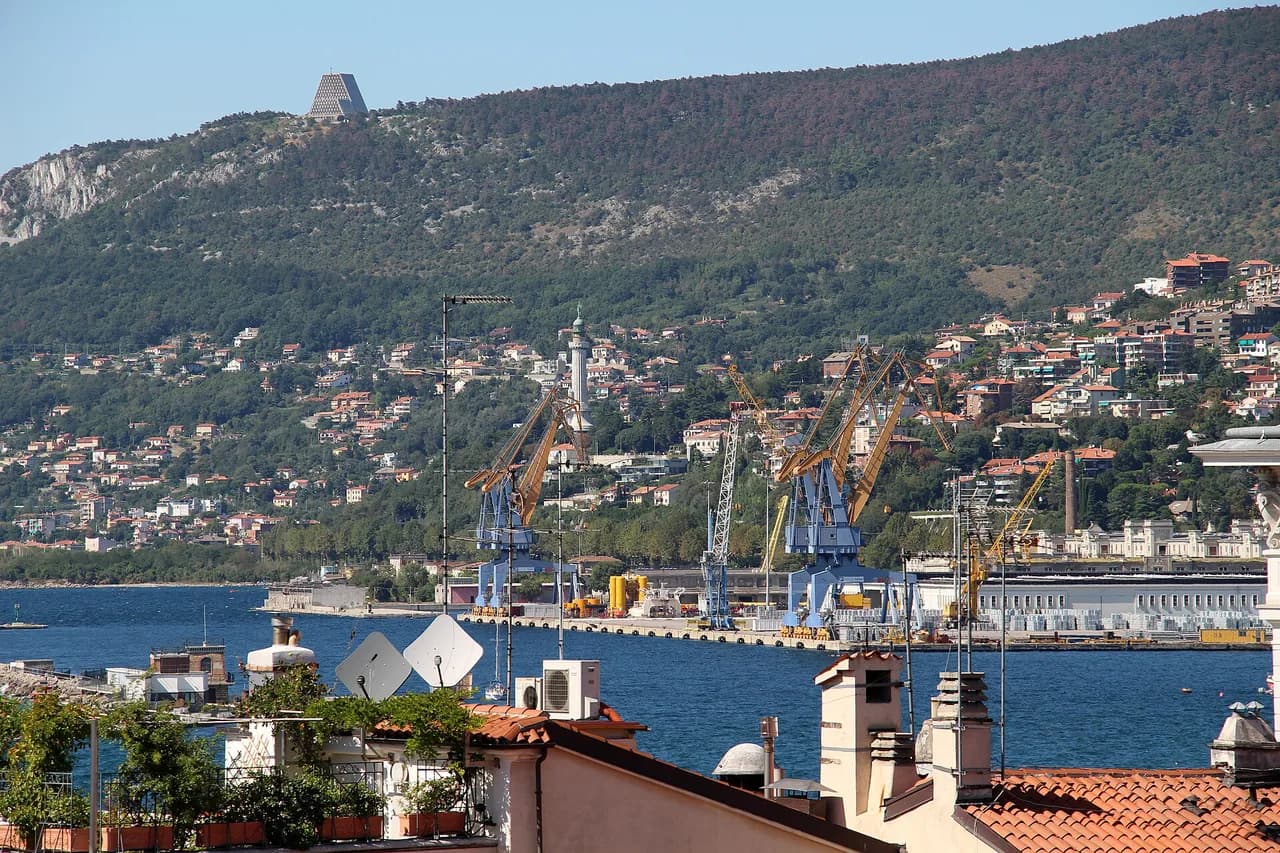
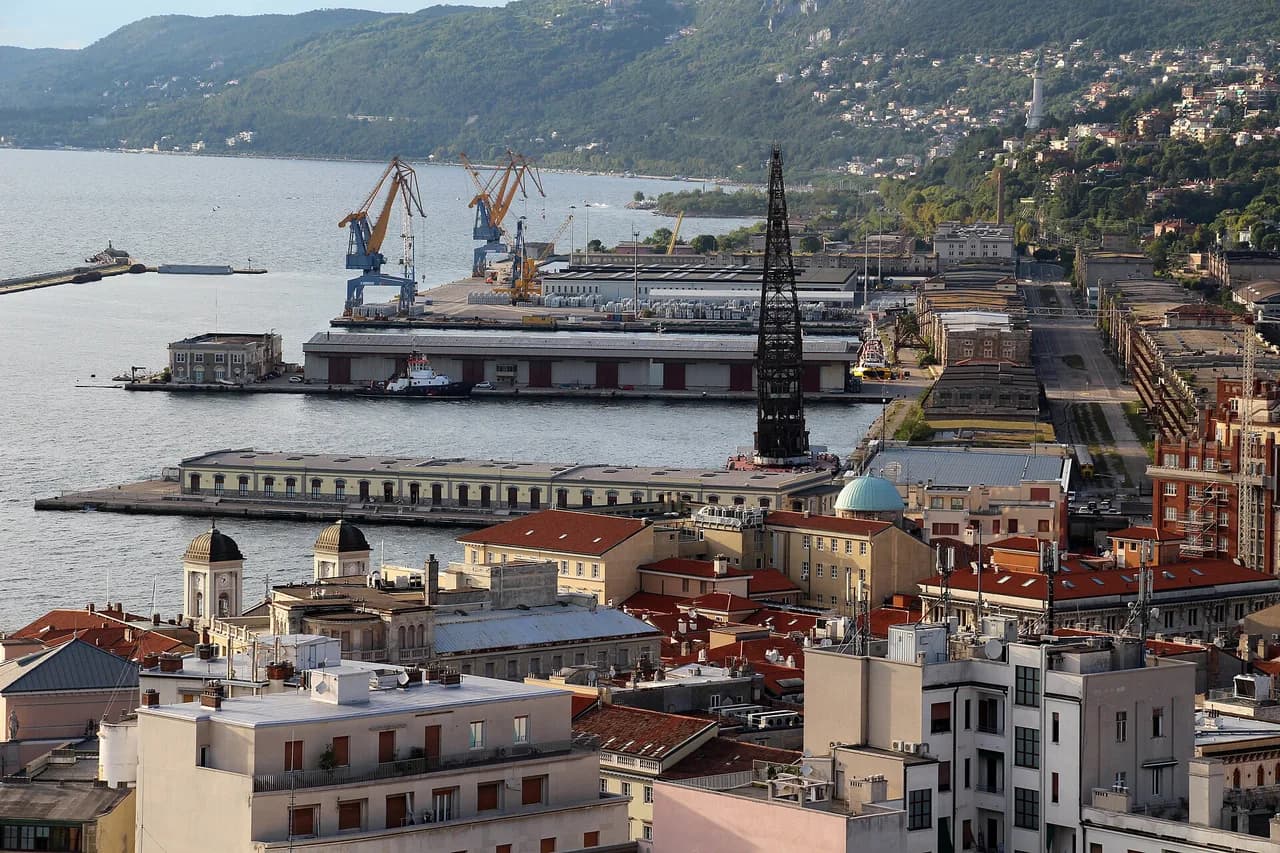
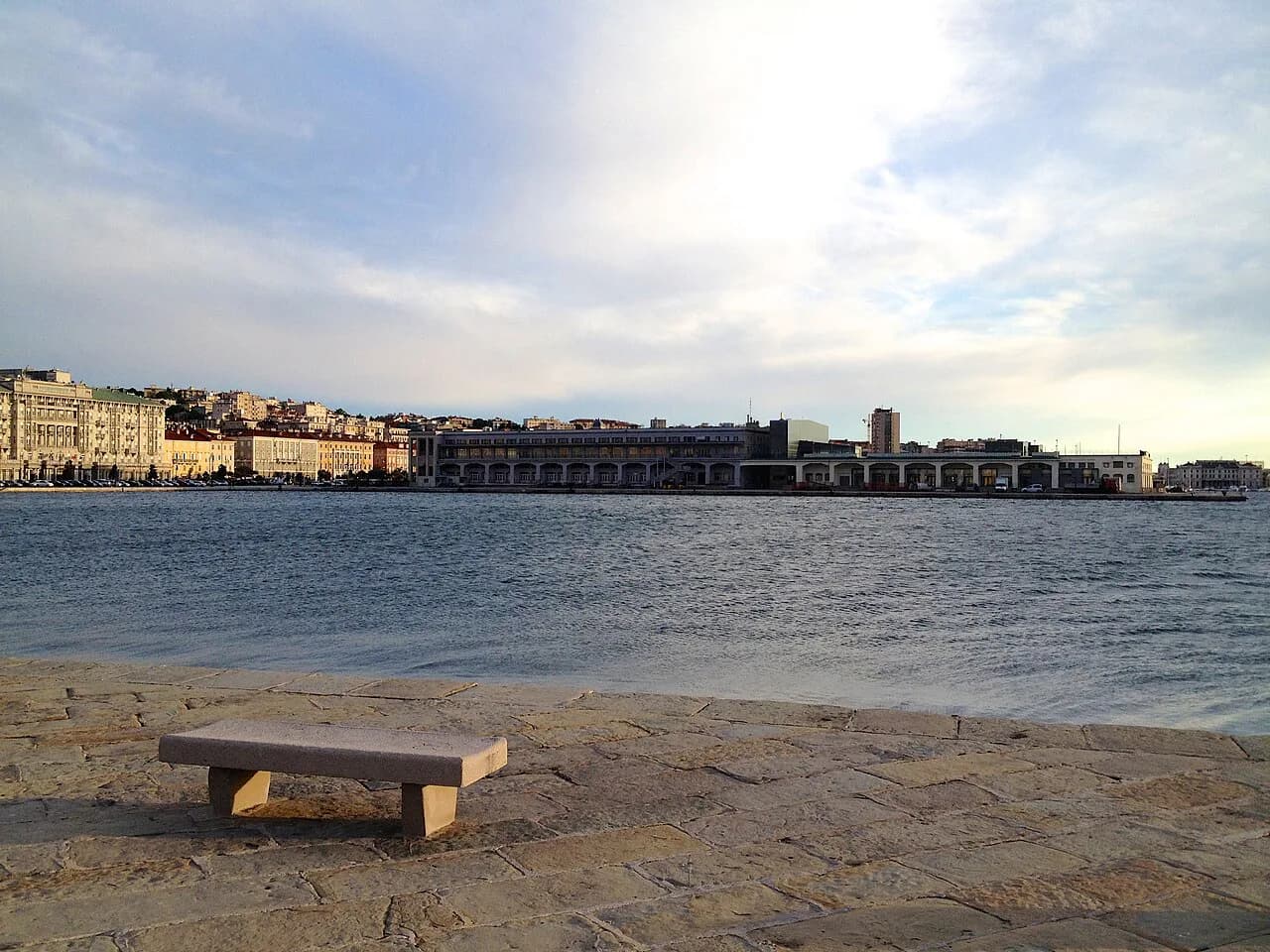
Most cruise ships berth at Stazione Marittima on Molo Bersaglieri, a waterfront terminal two to five minutes on foot from Piazza Unità d'Italia. The terminal has ramps, lifts, accessible restrooms and free Wi-Fi, which makes the start of any day ashore unusually easy.
Some larger vessels and overflow traffic use Pier 57, also listed as Trieste Marine Terminal, about 4 km from the centre on a more industrial stretch of port. If your paperwork gives Via della Rampa as the address, that points to Pier 57 rather than the central terminal, so match the berth named in your documents before planning a walk to the station.
A handful of winter calls use a separate terminal in the bay of Sistiana instead of either city berth. That changes the whole calculation, because Sistiana sits outside Trieste and adds a transfer before you even reach the station.
The distance to Venice
Venice is not a water-taxi hop from the ship. The rail run between Trieste Centrale and Venice covers 95 miles, or 152 km, and takes about 1 hour 49 minutes on the fastest services. No boat links the two cities in a time frame that fits a port call.
Treat the journey as three legs in each direction: terminal to Trieste Centrale, Trieste Centrale to Venice, then the Venetian leg from the station to wherever you actually want to be. Each leg has its own queue and its own failure mode.
Getting to Trieste Centrale from the ship
From Stazione Marittima, Trieste Centrale is a flat walk of around 2 km, which takes roughly 15 to 20 minutes with luggage. Some berths sit under a mile from the station, so the walk can be shorter than the headline figure.
A taxi covers the same route in about 12 minutes. If you are catching a specific train, take the taxi: the time saving is small in minutes but large in certainty when a departure is fixed.
From Pier 57, budget a taxi rather than a walk, since the berth is around 4 km from the centre and the surrounding roads are industrial. The full route from terminal to station is set out in the guide to the Trieste Cruise Port to Trieste Centrale Train Station.
The train from Trieste Centrale to Venice
Numerous direct Regionale trains run from Trieste Centrale to Venezia Santa Lucia each day, alongside Frecciabianca services that terminate at Venezia Mestre on the mainland. ItaliaRail quotes the fastest trip at 1 hour 49 minutes, while slower workings stretch the journey out.
On fares, expect a modest regional ticket rather than a high-speed price. Travellers on the Rick Steves forum report a Trieste Centrale to Venezia Santa Lucia fare of €16 per person; buy at the station or through the Trenitalia channels and treat any quoted figure as a snapshot rather than a fixed rate.
Regionale trains do not require seat reservations, so you find a free seat in the class on your ticket. That also means no reserved return: on a busy afternoon you may stand, and you should not count on a specific departure being your safety net.
If you would rather let the ship handle the logistics, a ship excursion removes the ticket queue and the station walk entirely, at the cost of a fixed itinerary and a coach schedule. Cruise lines such as Princess publish Venice excursions from Trieste as a full-day option, which tells you how much of the call they expect it to consume.
Mestre versus Santa Lucia
Venice has two stations and they are not interchangeable. Venezia Santa Lucia sits on the island at the head of the Grand Canal, with a vaporetto stop right outside; Venezia Mestre is on the mainland and requires a connecting train of about 10 minutes to reach Santa Lucia.
Aim for Santa Lucia on the outward leg and watch the announcements: getting off at Mestre by mistake costs you a connection and twenty minutes you do not have. Some trains serve both stations, so check the destination on the departure board before you board.
From Santa Lucia to St Mark's
Outside Santa Lucia, the Grand Canal is directly in front of you and the vaporetto stop is a few steps from the exit. From there it is a short waterbus ride or a walking route through the calli toward the Rialto and St Mark's, with bridges and crowds setting the pace rather than distance.
Keep the Venetian leg deliberately small. On a port day the realistic prize is the canal front, the Rialto area and a coffee, not a museum queue. Anything that involves timed entry makes the return leg fragile.
Ship excursion versus independent train
A ship excursion buys you a guaranteed seat, a guide and a schedule tied to the vessel's departure, which is why it suits nervous first-timers and anyone travelling with people who walk slowly. It does not buy more time in Venice; a coach from Trieste uses the same road corridor and often arrives later than a morning train.
Going independently is cheaper and faster on the rail leg, but the ship will not wait for a delayed Regionale. Plan to be back at Trieste Centrale well before you need to be, and remember that a missed connection compounds: one late train can consume the entire buffer.
Short calls of six hours or less
Under six hours ashore, Venice does not fit. The round trip alone consumes the best part of four hours before you count the station walks, the vaporetto and any time at St Mark's. Stay in Trieste instead.
That is no consolation prize. Piazza Unità d'Italia is a two to five minute walk from Stazione Marittima, and San Giusto Hill is a 15 to 20 minute climb through the old town to the cathedral and rooftop views. Add a coffee in a historic café on the square and you have a full, unhurried short call.
Miramare Castle, around 7 km north along the coast road, needs a taxi, local bus or excursion rather than a walk. It fits a six-hour call only if you go straight there and straight back.
An eight-hour call
Eight hours is the tightest realistic Venice plan. Leave the ship as early as disembarkation allows, take a taxi to Trieste Centrale, and target a morning direct train so you reach Santa Lucia with the middle of the day intact.
Work backwards from all-aboard for the return. A sensible rule is to be on a train leaving Venice no later than three hours before you must be at the gangway, which covers the rail run, the walk or taxi from Trieste Centrale and an unplanned delay. Skip the last possible departure.
Within Venice, pick one axis: Santa Lucia to Rialto to St Mark's on foot, or a single vaporetto ride and a slow walk back. Two or three stops of sightseeing, not a circuit of the city.
A ten-hour call
With ten hours ashore, Venice becomes comfortable rather than frantic. You can take a morning train, spend four or five hours between the Rialto and St Mark's, sit down for lunch and still return with margin.
The same backward planning applies, only with more slack. Use the extra hour for a vaporetto along the Grand Canal rather than for one more museum, because a boat ride keeps you near the station end of the city and easy to extract.
If your ship berths at Pier 57 instead of the central terminal, subtract twenty minutes of buffer for the taxi back out to the industrial port. The berth, not the train, is the variable most passengers forget.
Staying in Trieste instead
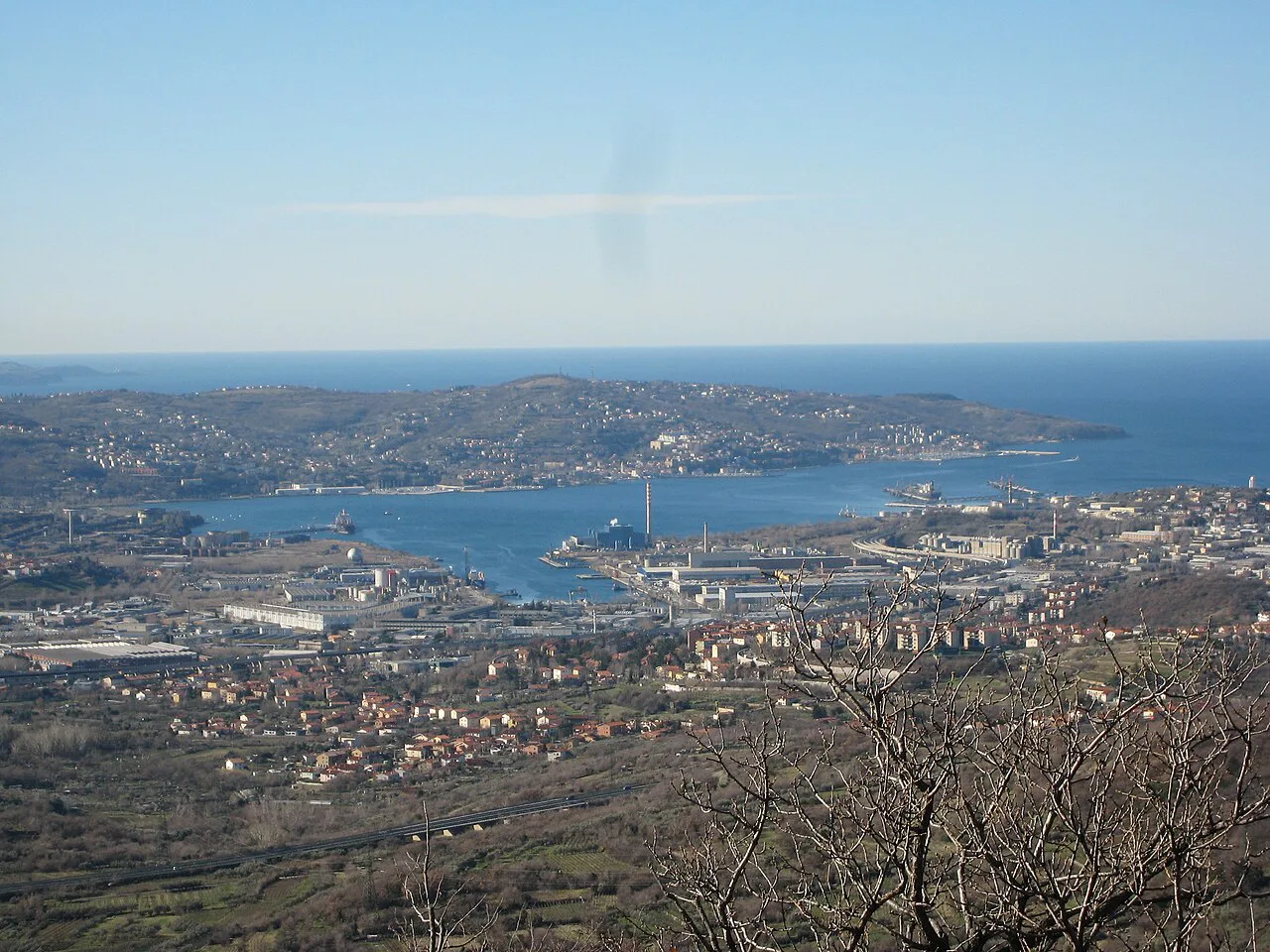
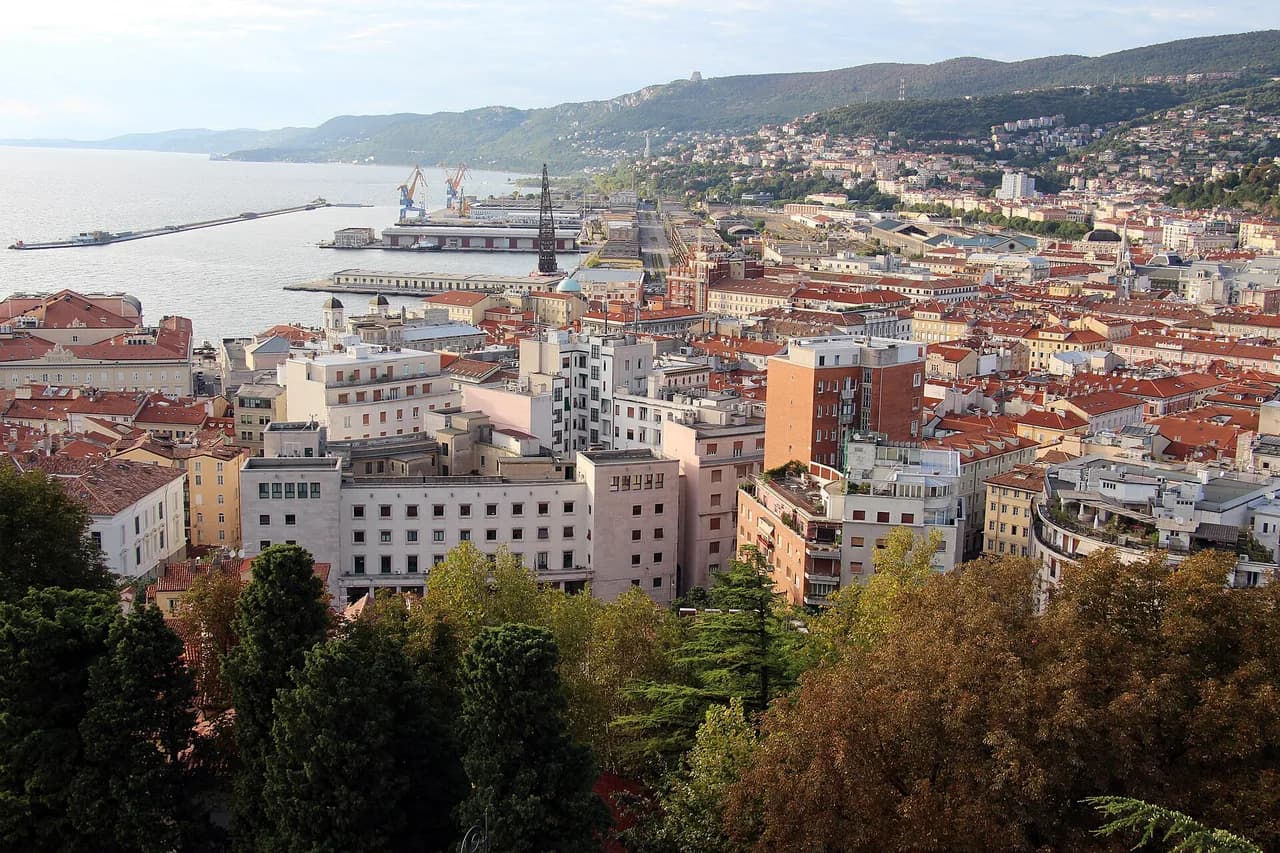
Trieste rewards a slower day. The route from the terminal to Piazza Unità d'Italia, up to San Giusto and back through the old town for jota or a plate of brodetto fits comfortably into six hours with time for coffee on the square.
The hop-on-hop-off bus climbs San Giusto Hill and continues along the Barcola seafront, which makes it a useful tool for anyone who wants the views without the cobbles. Sturdy shoes still matter on the hill's streets.
Combining Trieste and Venice around a cruise
The far better use of Venice is at the start or end of the cruise, not in the middle. Fly into Venice Marco Polo, take the train to Trieste Centrale, and stay near Piazza Unità d'Italia so the terminal, the station and the waterfront are all within walking distance.
Coming from Venice by rail, the run takes from a little over two hours on the fastest Trenitalia services up to around three and a half hours on slower ones, arriving at Trieste Centrale for the walk or taxi to the ship. Passengers arriving by air can also use Trieste Airport, connected to Trieste Centrale by a direct train several times an hour.
Travellers weighing a different turnaround port can compare the options in Ravenna to Venice for Cruise Passengers, which covers the same rail-and-canal logic from the other direction.
Practical planning for the Venice run
Buy train tickets before you travel if you want a specific departure, and carry your passport for any route that crosses into Slovenia; border towns on these lines can require it. Regionale tickets are the flexible, unreserved choice if your timing may shift.
Finally, confirm your assigned berth with your cruise line a few days before sailing, since Stazione Marittima and Pier 57 lead to different station walks and different buffers.
Plan Your Visit
Venice from Trieste is a train day, not a stroll, and it only pays off on calls of eight hours or more. On shorter calls, stay in the city and let the square, the hill and the castle fill the time.
Whichever you choose, anchor the day to your all-aboard time, keep one departure in reserve on the return leg, and let the rest of the plan flex.
Frequently Asked Questions
How far is the Trieste cruise port from Venice?
Venice sits roughly 150 km west of Trieste. The rail run from Trieste Centrale to Venice covers 95 miles, or 152 km, and takes about 1 hour 49 minutes on the fastest services, before you add the transfer from the ship to the station.
Is there a water taxi from Trieste to Venice?
No boat crossing between the two cities fits a port day. The practical route is a taxi or walk from the terminal to Trieste Centrale, then a train to Venezia Santa Lucia, followed by a vaporetto or a walk into the city.
Is there a high-speed train from Trieste to Venice?
Most direct services are Regionale trains, which do not require seat reservations. Frecciabianca trains run from Trieste Centrale to Venezia Mestre on the mainland, where you connect by local train to Santa Lucia.
How long is the train from Trieste to Venice?
The fastest direct trips take about 1 hour 49 minutes, according to ItaliaRail. Slower services take longer, so check the specific departure when you buy your ticket.
Can I visit Venice from a Trieste cruise call?
Yes if you have eight hours ashore or more, provided you leave early and are back on a train no later than three hours before all-aboard. On calls of six hours or less, the round trip consumes too much of the day to be worthwhile.
Which Venice station should I aim for?
Aim for Venezia Santa Lucia, which sits on the island at the head of the Grand Canal with a vaporetto stop outside. Venezia Mestre is on the mainland and requires a further short train connection, so watch the destination board.
Does the ship wait if the train is late?
No. Ship excursions are timed to the vessel's departure, but independently travelling passengers carry the risk of a delayed train themselves. Build a reserve departure into your return plan rather than relying on the last train.
What should I do in Trieste on a short call?
Walk from Stazione Marittima to Piazza Unità d'Italia in a few minutes, climb to San Giusto for the views, and finish with coffee on the square. Miramare Castle needs a taxi or bus and suits longer calls.
Sources
Port-day notes for your next cruise
Optional updates to our port guides.
You might also like

Continue reading
More guides you'll find useful