Skagen Cruise Port to Grenen: Bus, Bike or Tour for Your Day
How to reach Grenen from the Skagen cruise pier by bus, bike or ship's tour, with travel times and a realistic plan for a short port call in Denmark.
On this page
Grenen is the sand spit at Denmark's northern tip where the Skagerrak and Kattegat currents collide, and it is the one Skagen sight most passengers decide is worth leaving town for. It suits anyone who wants big landscape and a short walk rather than a museum morning, and it rewards a plan built around a firm return time. The good news is that the pier sits in the town itself, so the trip out to Grenen is a short local journey rather than a full-day expedition.
Treat the excursion as a half-day with a hard return leg. The bus back to the pier is the piece that decides whether your day works, so build the morning or afternoon around it rather than squeezing Grenen in at the end. Once you know how the return works, the rest of the day in town falls into place easily.
Why Grenen is worth the trip out of town
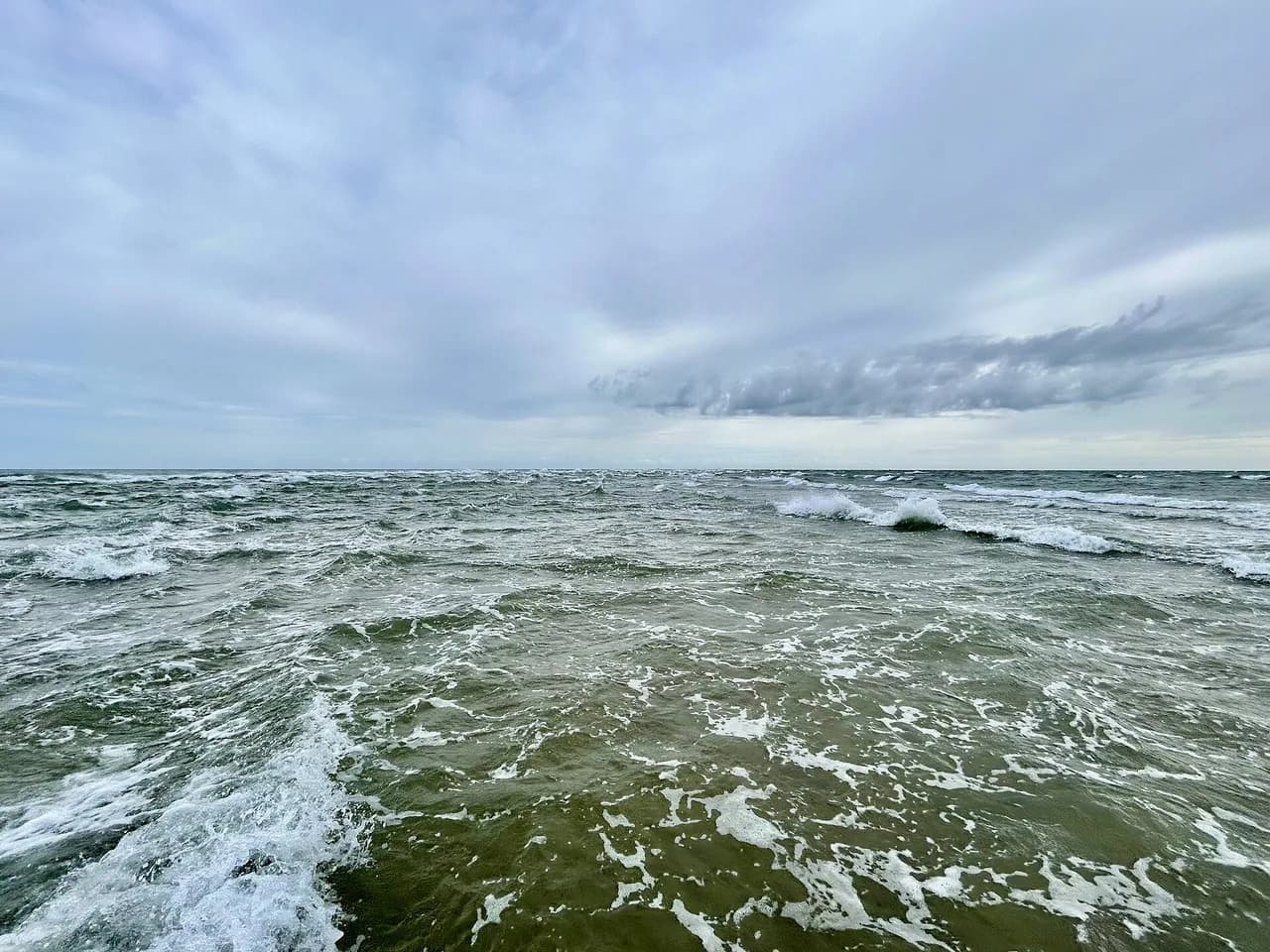
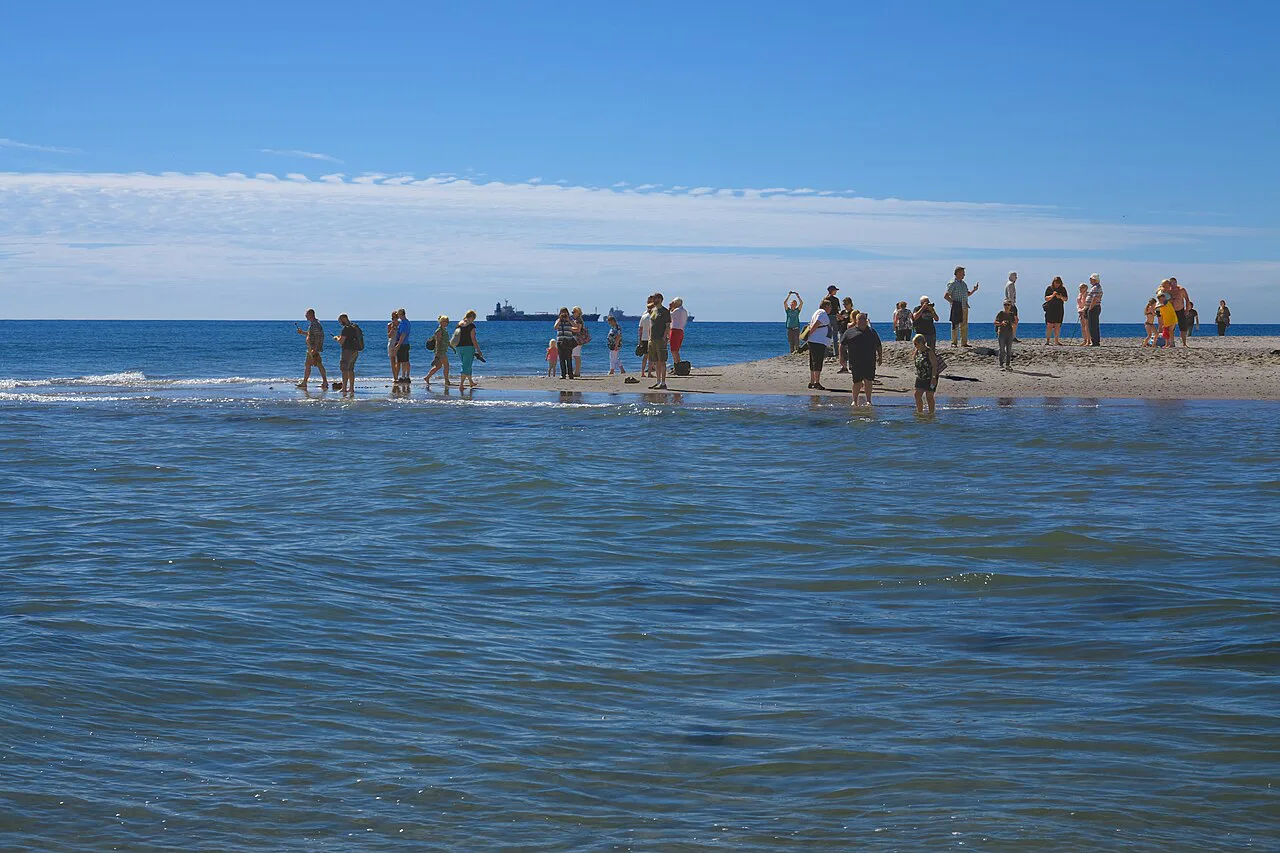
Grenen is a long sandbar that divides the Skagerrak and Kattegat straits, the meeting point of the North Sea and the Baltic Sea. Standing at the tip with water on both sides is the reason people come, and the approach crosses the dune country that drew the Skagen painters north in the 19th century. It is scenery rather than a site with an entrance, so the time you need is mostly walking and looking.
The port guide is blunt about one thing: swimming is not possible at Grenen because of the high currents. That matters for planning because it turns Grenen into a short visit with a photo stop rather than a beach afternoon. Bring a windproof layer, since the same winds that shape the dunes make the tip exposed even on a bright day.
If you want more than the sandbar, the wider region holds Råbjerg Mile, the largest migrating dune in Northern Europe, and the Sand-Covered Church, where only the tower of St Laurence's church remains above the sand after the congregation abandoned it. Both reward a vehicle rather than a bike, so they belong in a longer call. The town museums, the Grey Lighthouse and the harbour fill the hours when you stay closer to the ship.
Where your ship docks and how far it is from town
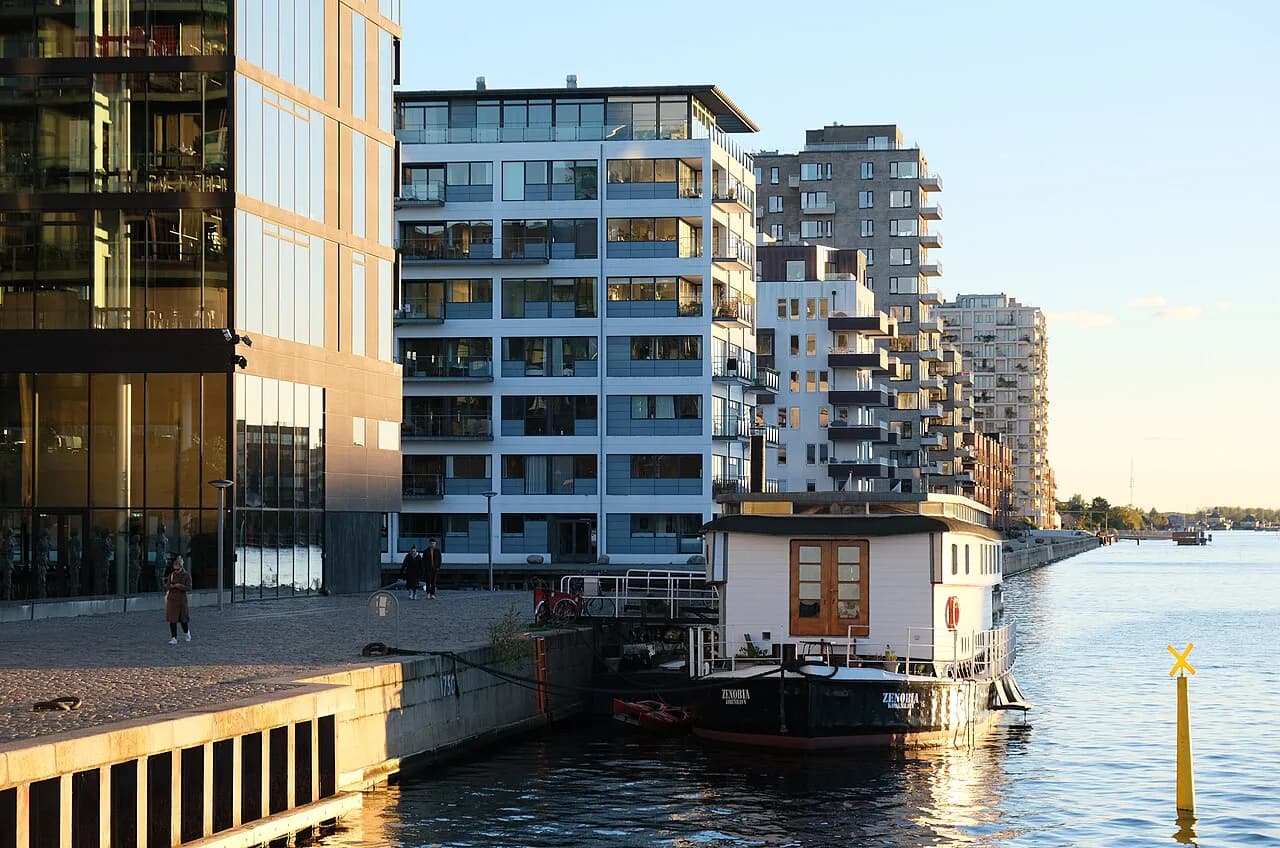
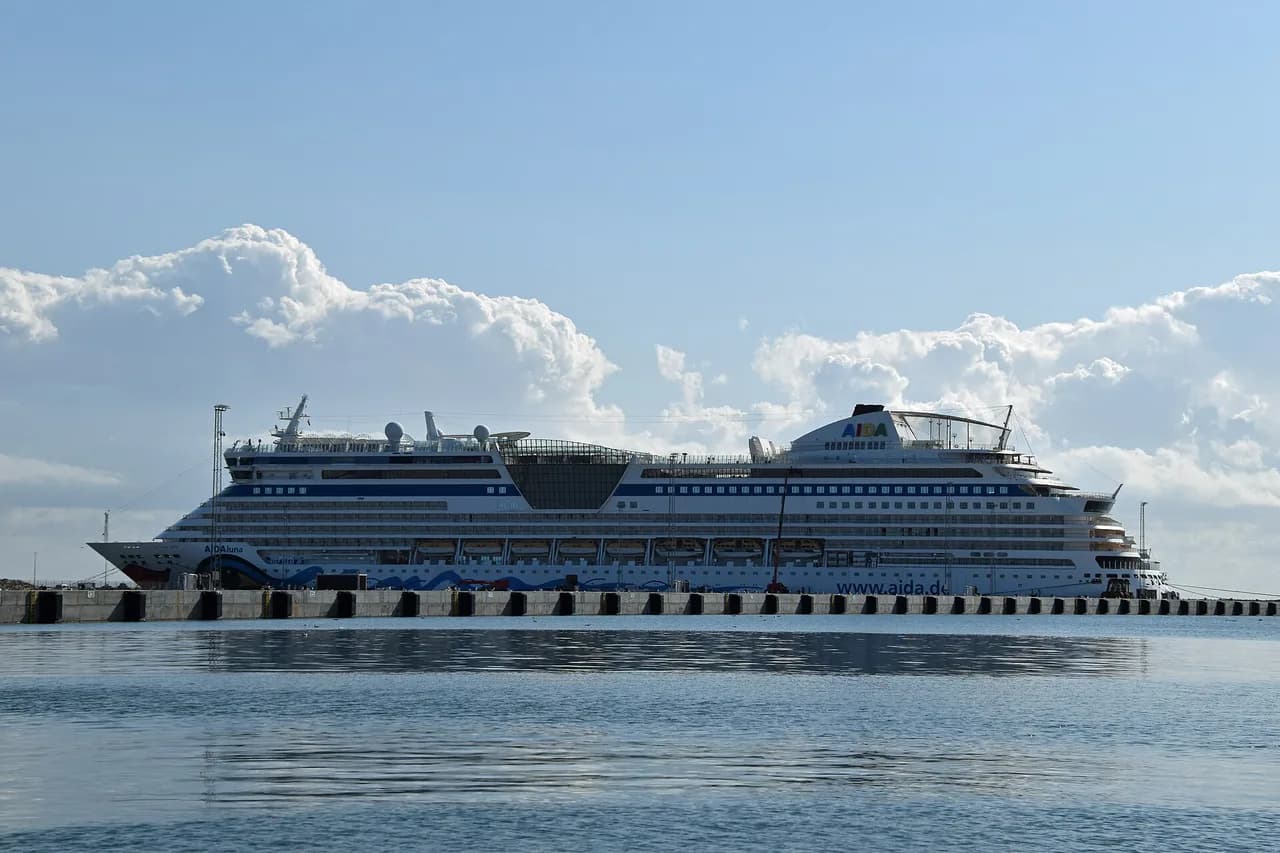
Cruise ships berth at the port of Skagen, which sits in the centre of the city, so you are not out in an industrial estate miles from anything. The port runs a shuttle to the port entrance, and you can also walk the roughly one kilometre into town and then explore on foot. That short distance is what makes an independent day at Grenen realistic.
A tourist information kiosk at the port is the practical first stop, with Wi-Fi available there. It is also where you can sort out bike hire and ask which way the Grenen bus is running that day. Skipping it and walking straight into town works too, but the kiosk saves guesswork on your first call.
Walking out of the port and into the centre
Disembark, take the port shuttle or walk to the entrance, then follow the short route into town. A kilometre on flat ground takes most people around fifteen minutes at an easy pace, and the yellow houses with red tile roofs start almost immediately. From the centre you can pick up the bus, hire a bike or simply wander the harbour and shopping streets. If you enjoy this kind of compact, walkable port day, the Helsinki cruise port guide shows a similar setup with terminals close to town and simple plans built around a fixed return.
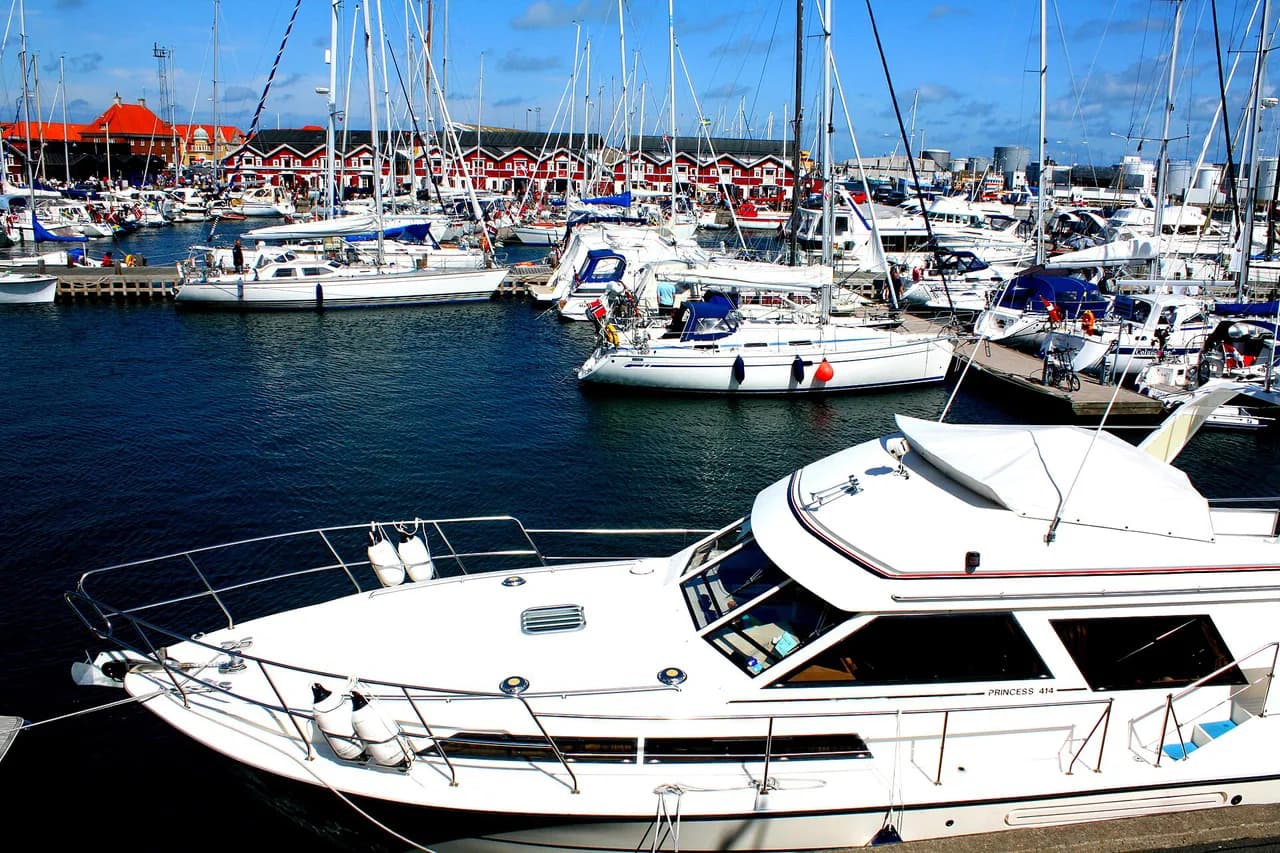
Skagen is flat and compact, so walking between the harbour, the museums and the shopping streets costs little time. Save your energy for the Grenen tip rather than for town, and use the centre as the place where your transport choices begin and end.
Bus to Grenen: frequency, journey time and paying the driver
A local bus connects Skagen with Grenen, and traveller reports put the service at roughly every 20 minutes through the day, with a pause around lunchtime. Reports describe the fare as cash only, paid to the driver for a return ticket. Because these are passenger accounts rather than a published timetable, ask at the port kiosk or the Skagen tourist office for that day's first and last departures before you rely on the bus for your return.
Plan the trip as two legs: the ride out, then the walk from the bus stop to the tip. The stop is not at the water's edge, so budget time for the final stretch on foot in wind and sand. The return bus is the one that matters, so note where it picks up and aim to be there well ahead of the departure you need.
Bus fare and cash logistics
Traveller reports put the return bus fare at about 50 Danish kroner, or roughly seven euros or seven US dollars, paid in cash to the driver. Carry small notes and coins rather than a large bill, and do not count on card payment on board based on those reports. Check the current fare and payment method at the port kiosk or the Skagen tourist office before you set out.
Denmark uses the Danish krone, and cards are widely accepted in town shops and cafes even though the bus is reported as cash only. Withdraw or break a note in the centre before heading out, so the fare is settled before you are standing at the stop. Keep the return portion of your ticket somewhere you can find it in a hurry.
Bike hire at the pier and in town
Bikes are available for rent at the kiosk on the dock and from shops in the city, which makes cycling the most flexible way to reach Grenen independently. The city's network of bike paths is well developed and safe, and the flat landscape keeps the ride manageable for ordinary riders. Rent on the dock if you want to leave the ship and go, or pick up a bike in town if you want to look around first.
Royal Caribbean's port notes point to the same thing: the flat terrain makes Skagen well suited to two wheels. The trade-off is exposure, since the wind that shapes the dunes is the same wind you pedal into on the way out. Allow more time than the distance suggests, and turn back early enough that a headwind cannot eat your buffer.
The last stretch to the sandbar tip
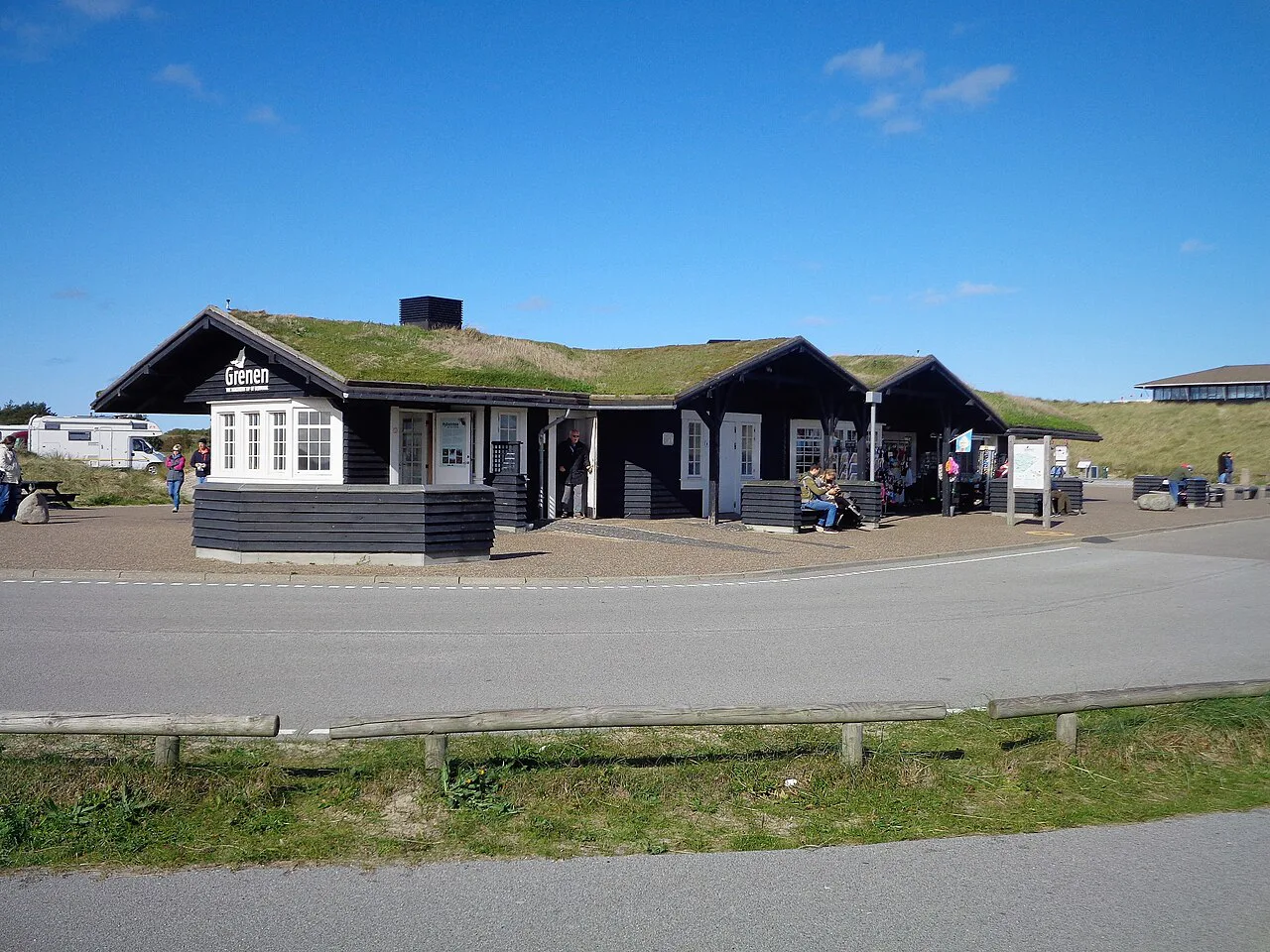
The bus and bike take you close to Grenen, but not to the tip itself. A tractor-pulled trolley covers the final stretch out to the very end of Denmark, which saves legs and time on a short call. Holland America's tour description mentions the trolley on this last section, so you can expect it to be part of the Grenen experience rather than a private arrangement.
Decide in advance whether you will ride the trolley or walk the final section. Walking gives you more control over timing; the trolley saves energy but puts you in a queue with everyone else arriving at once. Either way, the tip is exposed and sandy, so sturdy shoes and a layer against the wind make the visit more comfortable.
Ship's tour, local bus or bike: the real trade-offs
A ship's coach tour removes the logistics question entirely. Holland America's Best of Skagen tour runs three and a half hours and includes Råbjerg Mile, the buried church and Grenen with the trolley, and requires about an hour of walking on terrain with a few stairs. That is a lot of ground in a short time, and it works best for passengers who want the dune country without arranging transport.
Princess offers a gentler alternative: a two-and-a-half-hour panoramic coach tour with photo stops at Råbjerg Mile and the start of Grenen, mostly sightseeing from the bus. Each drive segment is scheduled at about 30 minutes with 15 minutes at each stop, which shows how much of a short tour is spent travelling. If you want to stand at the tip rather than photograph it from a distance, the local bus or a bike gets you closer on your own schedule.
Going independently is cheaper and more flexible but puts the return journey in your hands. No source promises the ship will wait for passengers who travel on the local bus or by bike, so treat the all-aboard time as fixed and plan to be back at the pier well before it. The ship's tour carries the advantage that the cruise line is watching the clock for you.
A 6-hour call: town and Grenen by bike
With six hours ashore, the bike is the best compromise: you cover the flat coastal route to Grenen without waiting for a bus, and you keep control of the return. Hire at the dock kiosk, ride out with the wind, spend a focused spell at the tip, then turn back early enough to fight the headwind comfortably. Leave the museums for another call, since town time is what gets squeezed first.
Keep the town portion short and close to the harbour: a walk past the yellow houses, a coffee stop and a look at the fishing port are enough before you head back through the port entrance. Aim to be at the ship with time to spare rather than cutting it fine on a bike.
An 8-hour call: bus to Grenen, then town on foot
Eight hours gives you room to take the bus out to Grenen in the morning and still walk the town afterwards. Ride out early, walk the final stretch or take the trolley, then catch a return bus with a comfortable margin before your all-aboard time. Back in the centre, the museums, the harbour and the shopping streets are all within easy walking distance of each other.
This is the plan that suits most passengers, because it splits the day into a landscape morning and a town afternoon without needing a vehicle of your own. Keep the return bus as your fixed point and build the town time around it.
A 10-hour call: Grenen plus the dunes and the buried church
A long call is the one that justifies a ship's tour covering the wider region. Holland America's itinerary combines Råbjerg Mile, the Sand-Covered Church and Grenen in three and a half hours, leaving the rest of the day for Skagen itself. The trade-off is a fixed schedule and about an hour of walking, but you see the dune country that independent bus passengers usually miss.
If you would rather stay independent, use the bus for Grenen and keep the dunes for a separate outing, since Råbjerg Mile and the buried church sit away from the Grenen road. With a full day you can also add the Grey Lighthouse, where 210 steps lead to a migratory bird exhibit, or the Skagen Art Museum and Anchers House in town.
Pairing Grenen with the museums and the lighthouse
Skagen's identity comes from the painters who settled here in the 19th century, and the town's museums carry that story. Skagen Art Museum shows their work, Anchers House preserves the painters' home as it was left, and Drachmanns House holds nearly 150 works by the poet and painter Holger Drachmann. Any one of them fits an afternoon after a morning at Grenen.
The Grey Lighthouse is the other landmark worth the climb, with 210 steps to the top and a migratory bird exhibit inside. The Sand-Covered Church tells a different story: its tower is all that remains after the sand and the abandonment of 1795, and Royal Caribbean notes it was built in the 14th century. Pair the church with Grenen on a tour, or with the museums on a town day, rather than trying to do everything.
Return-time buffer for the Grenen bus
The return leg is where independent travellers get caught. Buses reported at roughly every 20 minutes sound frequent until a full bus passes and you wait for the next one, so target a departure at least two cycles before the one that would just get you back. Add the walk from the stop to the pier and the shuttle or stroll through the port on top of that.
If the last reliable bus leaves earlier than you expected, or the queue at the stop is long, take the decision early rather than gambling on the next one. A missed independent bus is your problem, not the ship's, and no operator guarantees a hold for late return. Being an hour early at the pier costs you a coffee; being late costs you the ship.
Grenen practicalities: wind, sand and currents
Grenen is exposed, sandy and windy, and the currents make swimming impossible. Wear shoes that cope with soft sand, carry a windproof layer and bring water, since shade is limited on the open dunes. The trolley handles the last stretch if walking in sand is not for you.
Skagen's climate is cool even in summer, with average highs around 19°C in July and August and single-figure temperatures in winter, so the wind matters more than the sun. That is also why the light has drawn artists for generations and why the landscape looks the way it does.
Who Grenen suits and who should stay in town
Grenen suits passengers who want a landscape experience, do not mind wind and sand, and are comfortable managing a return bus or a bike. It also suits anyone on a ship's tour who wants the dunes and the buried church in one go without arranging transport. Families with small children and passengers with limited mobility should weigh the final walk and the trolley queue carefully.
Stay in town if you would rather browse the shops, eat smoked fish and herring by the harbour, and visit the museums at an easy pace. Skagen rewards that too, and the compact centre means you waste no time getting between them. Decide before you leave the ship, because the bus and bike decisions both start at the port entrance.
Plan Your Day at Grenen
Decide first how you will get back from Grenen, then build the rest of the day around that. Bikes give you control on a six-hour call, the bus plus a town walk suits eight hours, and a ship's tour earns its place when you want the dunes and the buried church on a ten-hour call.
Carry cash in kroner for the reported bus fare, wear something windproof, and be at the pier with time in hand rather than on the last possible return. Ask at the port kiosk for that day's bus departures and the trolley arrangements, and the day will run to your all-aboard time rather than against it.
Frequently Asked Questions
Is there a bus from the Skagen cruise pier to Grenen?
A local bus connects Skagen with Grenen, with traveller reports describing a service roughly every 20 minutes through the day and a lunchtime pause. The pier sits in the town centre, so you reach the bus from the centre on foot or via the port shuttle to the entrance. Ask at the port information kiosk for that day's departures before you set out.
How much is the bus from Skagen to Grenen?
Passenger reports put the return fare at about 50 Danish kroner, or roughly seven euros or seven US dollars, paid in cash to the driver. Treat that as a reported figure rather than a published tariff and confirm the current fare and payment method with the operator or the tourist office when you arrive.
How far is Grenen from the Skagen cruise port?
The pier is in the town centre, about one kilometre from the shopping streets, and Grenen lies beyond the town at Denmark's northern tip. The bus and bike both cover the road distance, but neither takes you to the water's edge, so add a walk or the tractor-pulled trolley for the final stretch to the sandbar tip.
Can I walk from the cruise port to Grenen?
The port entrance to the town centre is a walk of about one kilometre, but Grenen itself is too far for most passengers to walk both ways within a port call. Use the bus, hire a bike at the dock kiosk or in town, or take a ship's tour. Save your walking for the tip and the final stretch of sand.
What is the tractor-pulled trolley at Grenen?
A tractor-pulled trolley carries visitors over the last stretch from the Grenen approach out to the sandbar tip. Ship tours include it, and independent visitors can use it to save time and energy. Arrangements can vary by season, so ask at the port kiosk or the tourist office on the day.
Will the ship wait if I am late back from Grenen?
No source promises that the ship will wait for passengers travelling independently by bus or bike, so treat the all-aboard time as fixed. Plan to catch a return bus at least two cycles earlier than the one that would barely get you back, and allow for the walk to the pier. A ship's tour carries less risk because the operator watches the schedule.
Can I swim at Grenen?
No. The port guide states that swimming is not possible at Grenen because of the high currents where the Skagerrak and Kattegat meet. Treat it as a viewpoint and a walk rather than a beach stop, and keep children close at the water's edge.
What should I wear for a trip to Grenen?
Bring a windproof layer, shoes that cope with soft sand and water. Skagen's summer highs average around 19°C and the tip is exposed, so the wind matters more than the sun. Shade is limited on the open dunes, so a hat and sunscreen help on bright days.
Sources
Port-day notes for your next cruise
Optional updates to our port guides.
You might also like
Continue reading
More guides you'll find useful