Skagen Shore Excursions: Ship Tours vs Going It Alone
Compare Skagen shore excursions with independent sightseeing: Grenen, Råbjerg Mile, the Grey Lighthouse and the town centre, with realistic timings.
On this page
Skagen packs a fishing harbor, a compact artists' town and two dramatic sand landscapes into a short call, and the choice that matters most is whether you stay in town or head for the coast. The town centre is close enough to the berth that a purely urban day needs no transport at all, while Grenen and Råbjerg Mile sit outside the streets and reward anyone who plans a vehicle or a longer ride. This guide separates the walkable core from the sites that demand wheels so your choice fits the all-aboard time.
What Skagen offers on a port day
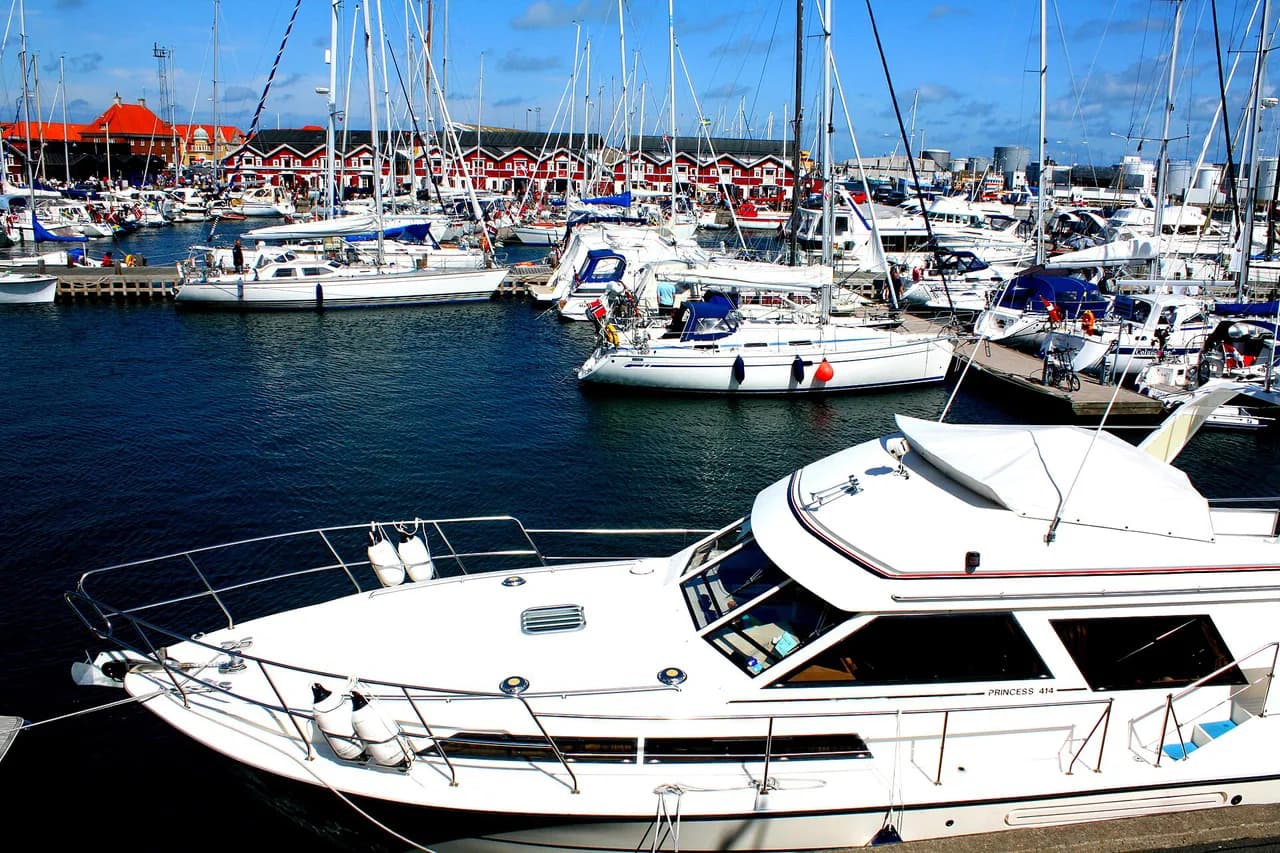
Skagen is Denmark's largest fishing port and a former artists' colony whose light drew painters in the nineteenth century, and the town still shows that heritage in its yellow houses, red roofs and small galleries. The surrounding dunes, wide beaches and the meeting of two seas make it one of the country's most visited destinations outside Copenhagen, with a long coastline and lighthouses along the way.
A port day can be split roughly in two: the compact town with its museums and streets, and the sand landscapes outside it. Anyone with only a short call gains most from the town, while a longer call can reasonably add Grenen or the dune country without feeling rushed.
Where ships dock and how far the town centre is
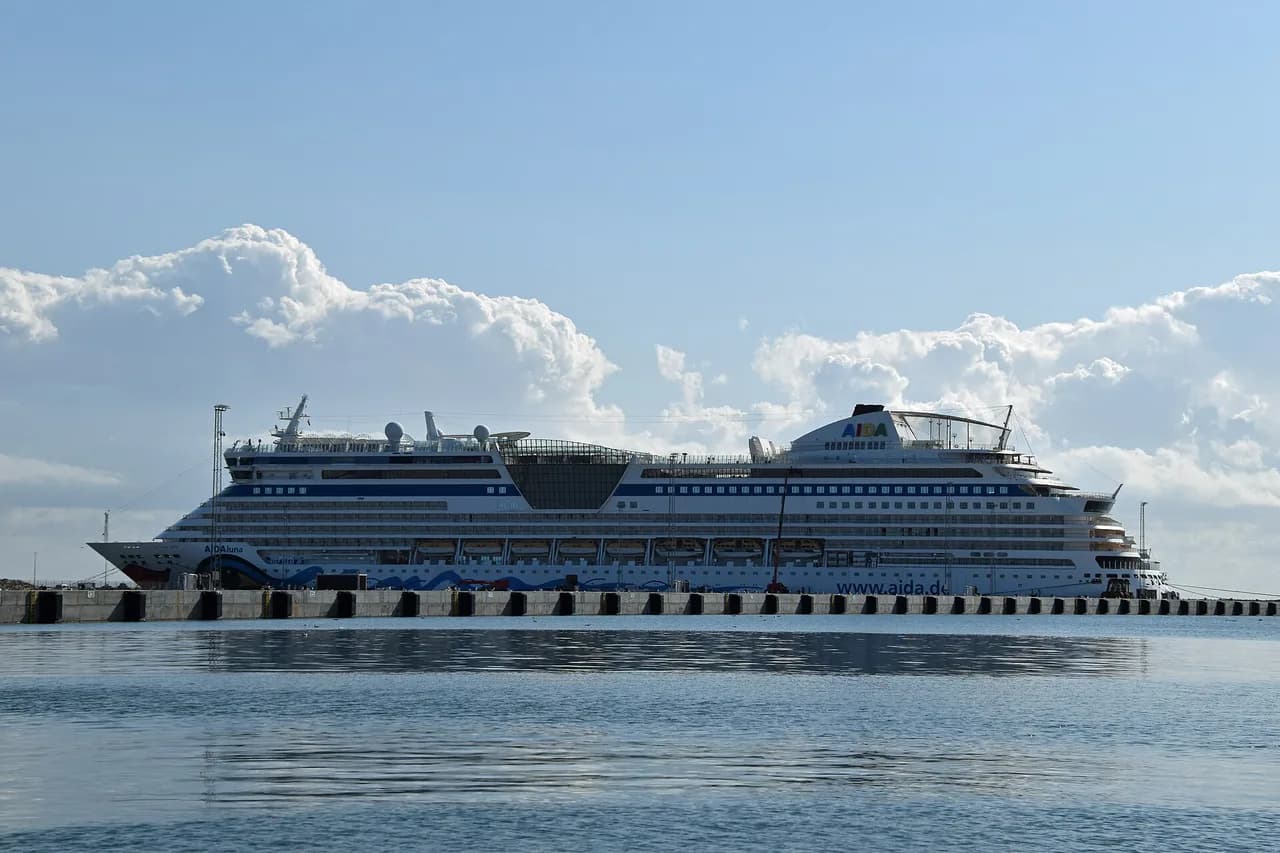
Cruise ships berth at the Port of Skagen, which sits in the town itself, and a port shuttle runs from the ship to the port entrance. The walk from the berth to the town centre covers about one kilometre on flat ground, so passengers who prefer to stretch their legs can easily cover it.
Once inside the town, the main streets, the harbor front and the museum quarter are walkable, and you can combine a shuttle out with a walk back or the reverse depending on how much time you want to save. The berth is close enough that there is no meaningful taxi leg required just to reach the shopping streets or the waterfront.
The excursion geography
Town sights such as Skagens Museum, Anchers Hus and Drachmanns Hus cluster within easy walking distance of each other, so an art-and-streets morning needs no vehicle. The out-of-town sights sit beyond that walking radius and require a coach, car or bicycle to reach them comfortably inside a port call.
Grenen marks Denmark's northern tip and the point where the Skagerrak and Kattegat meet, while Råbjerg Mile is the largest migrating sand dune in Northern Europe. Both are scenic stops rather than long visits, so their time cost is mostly the driving between them and the ship.
Grenen: the sandbar where two seas meet
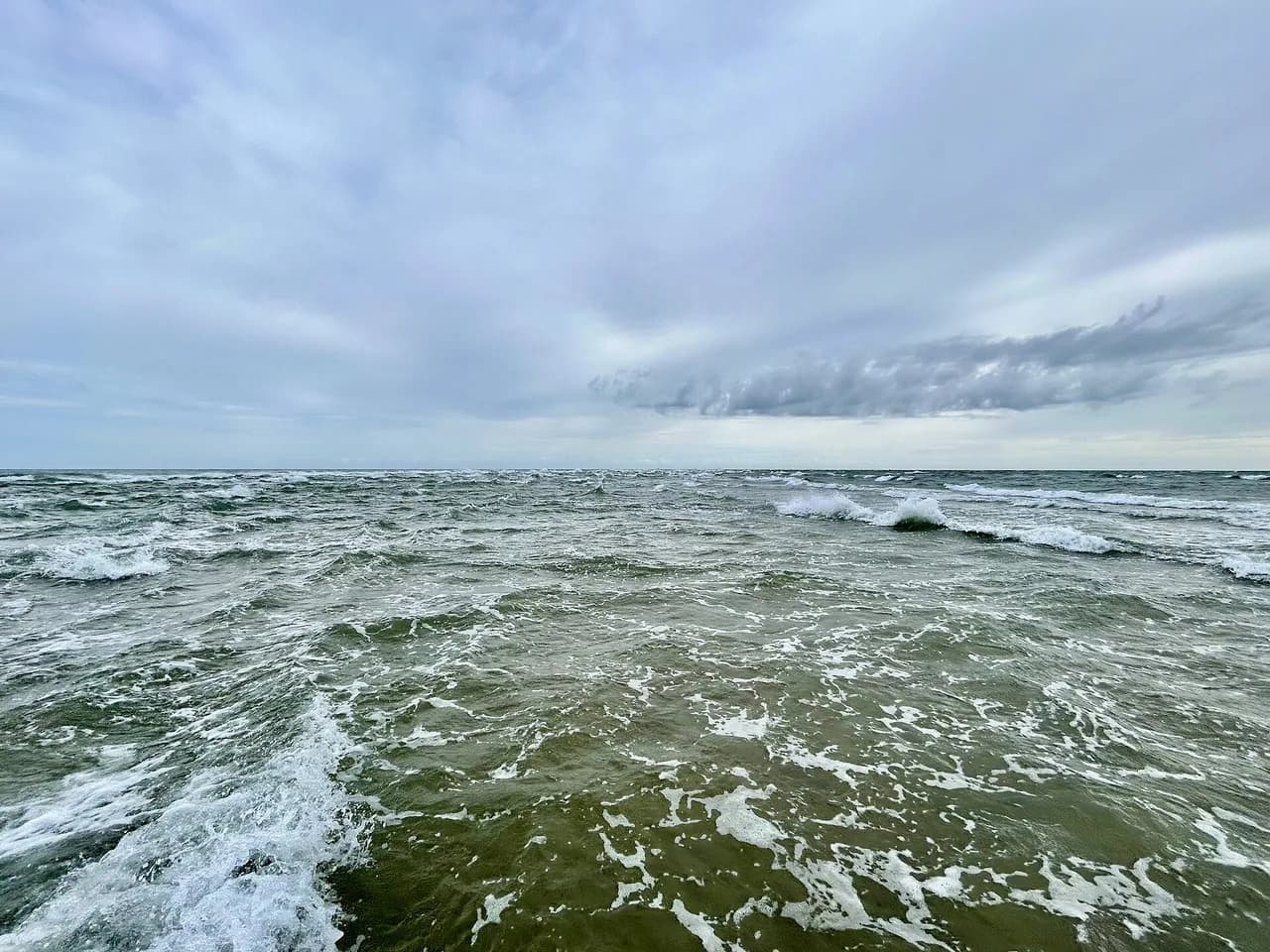
At Grenen, a long sandbar divides the Skagerrak and Kattegat straits, and the colliding currents create a shifting line of surf that is the area's signature viewpoint. Swimming is not advisable here because of the strong currents, so treat it as a place to walk out, photograph and turn back.
Reaching the sandbar from the ship takes a drive, and the published panorama tours typically allow a short photo stop at the beginning of Grenen rather than a long walk to the tip. If touching the actual point where the seas meet matters to you, budget extra time for the walk out and back on foot.
A step-by-step route from the berth helps you plan the day, but note that Grenen sits outside the town and is reached by drive or a long bike ride rather than on foot from the pier, so build your return with that in mind.
Råbjerg Mile: the migrating dune and why it needs a vehicle
Råbjerg Mile is a drifting sand dune that has slowly crossed the landscape since the sixteenth century, and it is the largest of its kind in Northern Europe. The dune sits well outside Skagen's streets, so it is practical only with a coach, car or a very long bicycle day.
Published panorama tours budget roughly thirty minutes of driving from the ship toward Råbjerg Mile, around fifteen minutes at the dune, then thirty minutes back through Skagen, followed by another thirty-minute drive toward Grenen. That pattern shows how much of a coach excursion is spent in the seat rather than on the sand, which matters if your call is tight.
If you choose an independent taxi or local operator for Råbjerg Mile, agree a fixed return time with a buffer before all-aboard and confirm the meeting point in the port area. A vehicle of your own lets you pair the dune with Grenen in one loop, but the driving time remains the same and should anchor your schedule.
Grey Lighthouse and the buried church
The Grey Lighthouse, also called Skagen Lighthouse, can be climbed via 210 steps and holds a migratory bird exhibit inside. The climb is the main event, and the tower is a natural stop on a coastal drive rather than a lengthy visit.
The Sand-Covered Church is the surviving tower of a building abandoned in 1795 and partly buried by shifting dunes, a short and atmospheric stop that pairs well with the lighthouse. Both sit outside the immediate town core, so plan them as part of a vehicle loop and keep the stops brief if you are also heading north to Grenen.
Town-centre walking: Skagens Museum, Anchers Hus and Drachmanns Hus
Skagens Museum holds works by the nineteenth-century artists who settled in the town, while Anchers Hus preserves the home of painters Michael and Anna Ancher as it was left in the 1930s. Drachmanns Hus, the home of poet and painter Holger Drachmann, displays nearly 150 of his works alongside pieces by contemporaries.
These three sit close enough together that an art-focused half day on foot is realistic, and you can add the harbor and the yellow-house streets without needing transport. The trade-off is that a museum morning leaves no time for Grenen and Råbjerg Mile, so decide early which version of Skagen you want. If comparing art-and-museum mornings across Danish calls, Copenhagen shore excursions offer a similar ship-tour-versus-DIY decision.
The ship's panorama tour: what the driving-only format looks like
Princess Cruises' Easy Skagen tour lasts about two and a half hours and is mostly sightseeing from an air-conditioned coach with short photo stops, including roughly fifteen minutes at Råbjerg Mile and fifteen minutes at the beginning of Grenen. It is rated easy and uses a coach of about forty seats, which suits passengers who want a broad look at the landscape without much walking.
The format is worth understanding before booking: a large share of the published schedule is panoramic driving, and the stops are short. If your priority is a genuine walk on the sandbar or a long look at the dune, the coach format will feel hurried, but if you mainly want context and photographs from a comfortable seat it is a low-effort way to see the region.
Ship tours carry the advantage that the operator is aware of the vessel's schedule, but no tour operator guarantees the ship will wait, so keep an eye on the all-aboard time regardless. For a wider look at the layout of the harbor and town, the Skagen Cruise Port guide is a useful companion.
Going independent: bicycles rented at the dock and in town
Bicycles can be rented at the kiosk on the dock and at shops in town, and the local path network is well developed and safe, making cycling a genuinely useful way to link the town with nearby coastal viewpoints. For a call of six hours or more, a bike lets you cover more ground than walking without depending on a coach schedule.
Cycling to Grenen or Råbjerg Mile is possible for fit riders, but it adds distance and exposure to wind, so choose one out-of-town target rather than both. The town's compact core, the harbor and the Skagens Odde landscapes are all reachable at a relaxed pace, which makes the bike a good middle path between a coach tour and a walking day.
Taxis and local operators
Taxis and local operators can be arranged from the port area or the town, and they make sense if you want to combine the Grey Lighthouse, the Sand-Covered Church and Grenen in one loop. Agree the route and the return time before setting off, and note that no operator can guarantee the ship will wait for an independent return.
Because the town centre is only about a kilometre from the berth, a taxi is not needed for a walking day and is best saved for the out-of-town sights. Weigh the flat walk and the port shuttle against your transport budget when deciding whether to spend it on town or coast.
Matching excursions to 6-, 8- and 10-hour calls
With around six hours ashore, stay in town: walk or shuttle from the berth, visit Skagens Museum or Anchers Hus, and leave the peninsula sites for a future visit. The compact town and the short walk from the ship make this the lowest-risk plan and the easiest to keep on schedule.
Around eight hours gives you room for one out-of-town target, either Grenen or Råbjerg Mile, paired with a short town walk, which fits the pattern of a two-and-a-half-hour coach tour plus independent time. Ten hours allows a vehicle loop covering the lighthouse, the dune and Grenen with a relaxed town stop, but keep driving time in mind because the coach schedule alone shows how much of the day is spent in transit.
Return-time buffers and tender considerations
Ships at Skagen normally berth alongside the town, but if your itinerary lists a tender, add waiting time for the boat ride and plan to be back at the tender point well before all-aboard. Even on a alongside berth, build at least thirty minutes of buffer beyond your expected return, and more if you are driving back from Råbjerg Mile or Grenen in traffic.
The town centre is only about a kilometre from the ship, so an independent walking day carries very little risk once you are back within the port area. The risk rises sharply the further you travel from the berth, so judge your buffer by distance rather than by confidence.
Who each option suits
Families and mobility-limited passengers do best with the ship's coach panorama or a short town walk, because both minimize walking and keep stops brief. Art lovers should prioritize Skagens Museum and the artists' houses, which are within the town and need no vehicle.
Photographers and fit independent travelers get the most from a bicycle or a private vehicle targeting Grenen and Råbjerg Mile, where the light and the landscape are the point. Anyone who wants to see both the town and the coast should pick a longer call or accept a driving-heavy day.
Plan Your Visit
For a first call at Skagen, the strongest plan is a short town walk combined with one out-of-town target, chosen by call length: Grenen for the drama of two seas meeting, Råbjerg Mile for the dune landscape. If you have only six hours, stay in town and save the peninsula for a return.
Check your cruise line's excursion listing for departure times and the all-aboard time on your daily programme, and keep a buffer that reflects how far you have traveled from the berth. The port authority's Cruise Skagen site carries further information on sights and events, while the Skagen Cruise Port guide covers the terminal layout for your arrival morning.
Frequently Asked Questions
What seas meet at Grenen in Skagen?
The Skagerrak and the Kattegat meet at Grenen, the sandbar at Denmark's northern tip, and the colliding currents create the shifting surf that draws visitors. The water is not suitable for swimming because of the strong currents, so plan to walk out along the sand and photograph the meeting point.
Can you walk from the Skagen cruise port into town?
Yes. The berth sits in Skagen itself, about one kilometre from the town centre, and flat ground makes the walk straightforward. A port shuttle also runs from the ship to the port entrance if you prefer to save your legs for the streets and museums.
How long does a Skagen panorama tour take?
Princess Cruises lists its Easy Skagen coach tour at about two and a half hours, mostly sightseeing from the bus with short photo stops at Råbjerg Mile and the beginning of Grenen. The format is low-effort but does not allow lengthy walks on the sandbar, so choose it for context rather than for a long hike.
Can you rent bicycles at the Skagen cruise port?
Bicycles can be rented at the kiosk on the dock and at shops in town, and the local path network is well developed and safe. A bike is a practical way to reach the town and nearby coastal viewpoints without relying on a coach, though riding all the way to Grenen or Råbjerg Mile adds distance and wind exposure.
Is Grenen worth visiting on a cruise stop?
Grenen is worthwhile if you have at least eight hours ashore, because reaching the sandbar involves a drive from the ship and a walk out to the tip. On a shorter call, the town's museums and streets offer more reward for the time, and Grenen is better saved for a longer visit.
Sources
Port-day notes for your next cruise
Optional updates to our port guides.
You might also like
Continue reading
More guides you'll find useful