Lisbon Cruise Port to City Centre: Transport Options Guide
Most Lisbon ships berth a short walk from Alfama and Praça do Comércio. Compare walking, metro, buses, taxis and trams for a port day ashore.
On this page
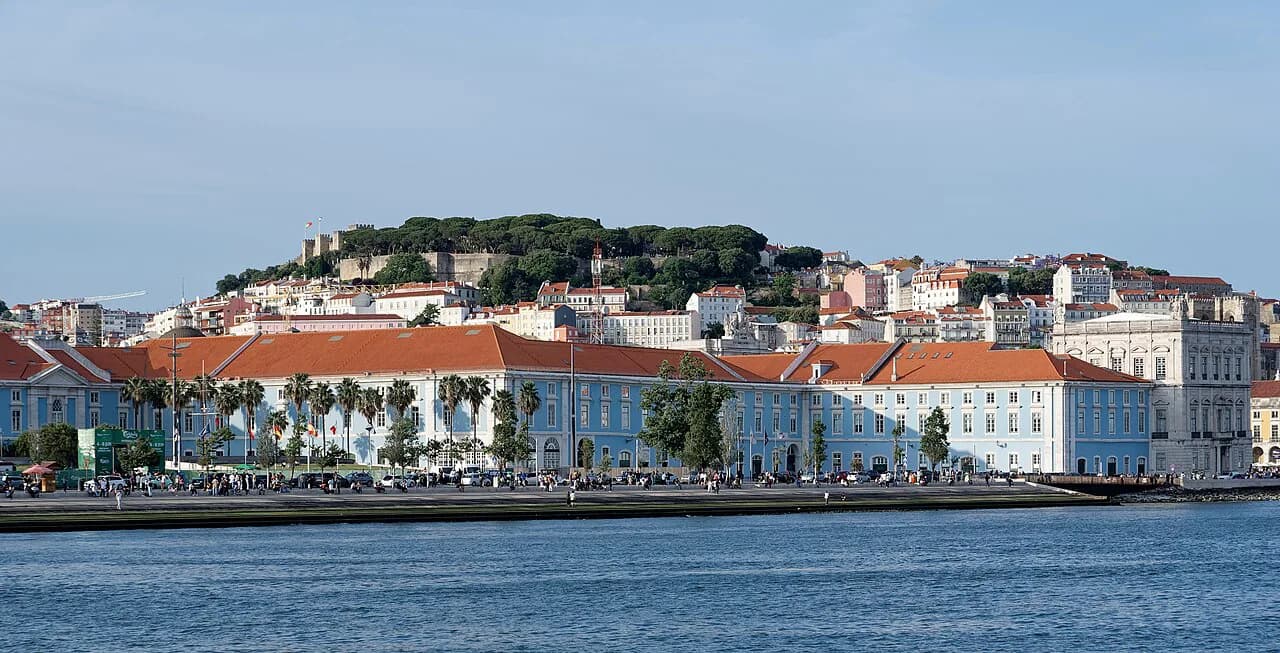
Lisbon rewards passengers who treat the port as the front door of the city rather than a transfer point. The main terminal sits on the Tagus between Alfama and the old waterfront, so you can be standing on Praça do Comércio about ten minutes after stepping off the gangway. This guide suits anyone with a six- to ten-hour call who wants a workable plan rather than a checklist.
Where ships dock
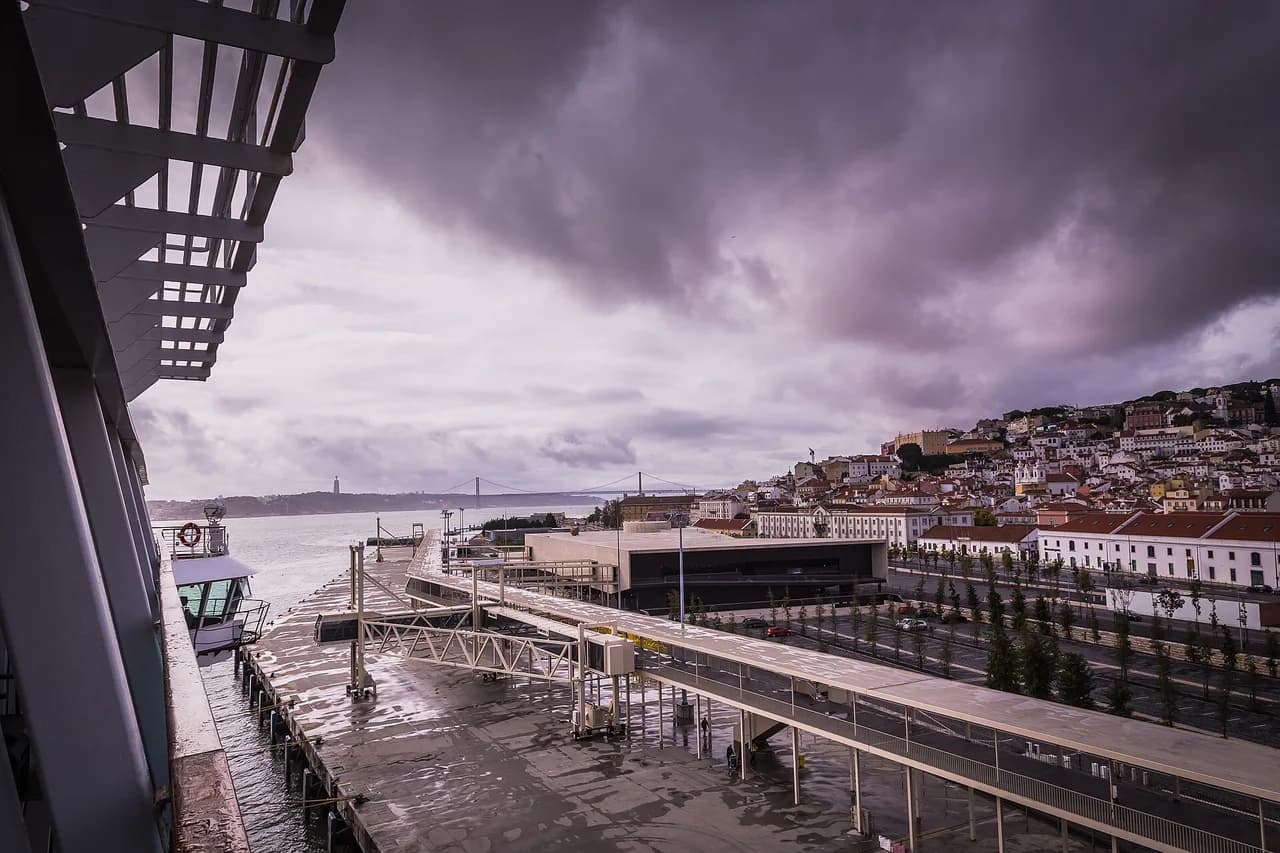
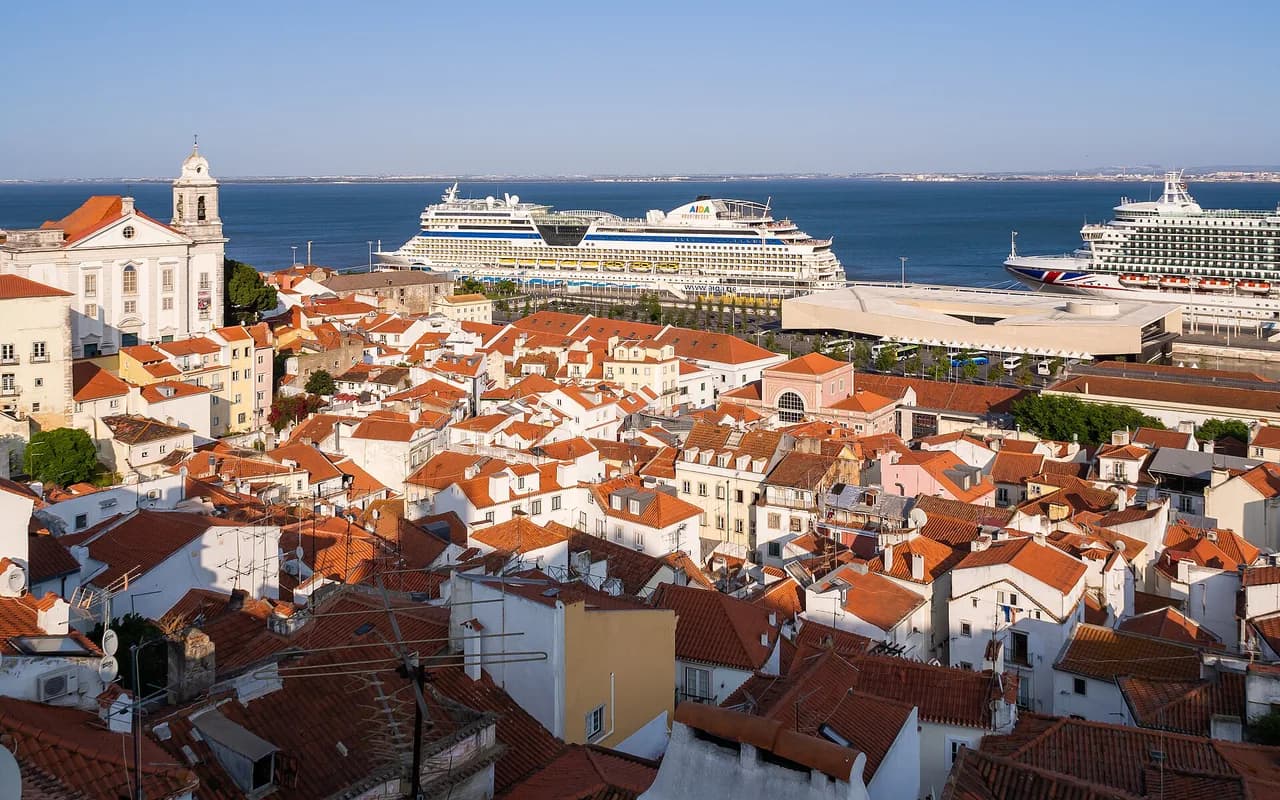
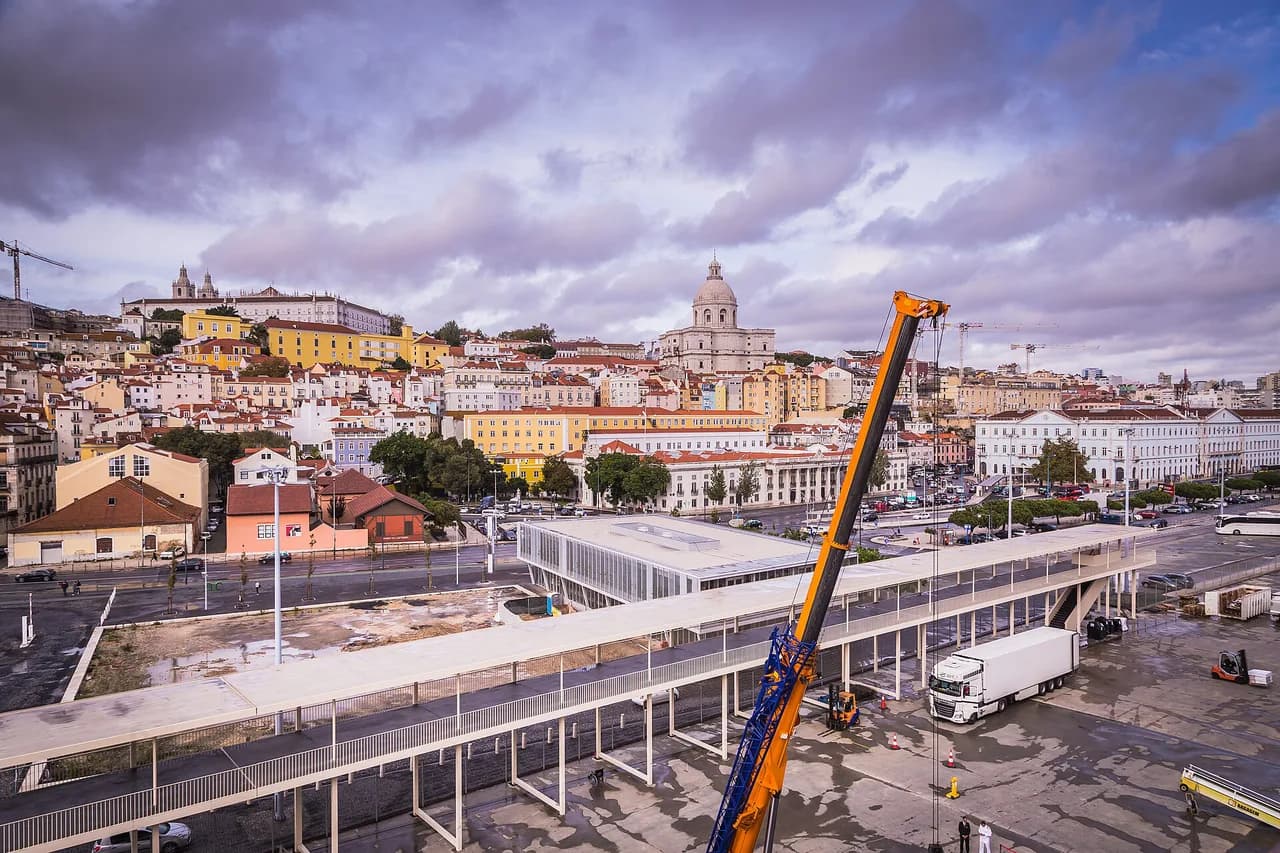
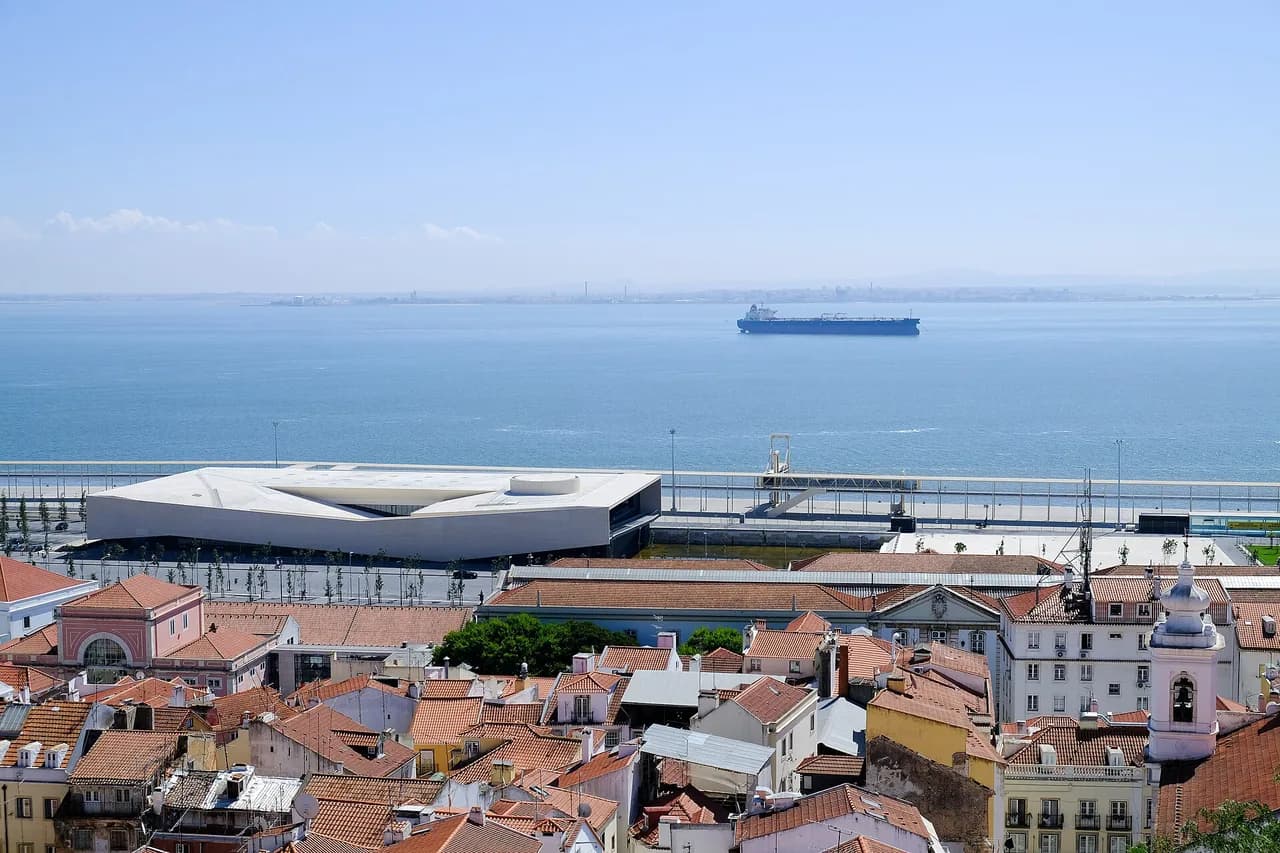
Most large ships use the modern Lisbon Cruise Terminal at Jardim do Tabaco, on Avenida Infante Dom Henrique at the edge of the historic centre. Sailawaze reports that large ships berth either at Jardim do Tabaco or at Santa Apolónia, and that when all berths in the modern terminal are taken, ships move to the older Alcântara and Rocha Conde de Óbidos berths further west along the river. The starting point for the lisbon cruise port is therefore usually a riverside pier, but it is worth reading your ship's daily bulletin on arrival to see which one you drew.
The distinction matters because the two groups of berths sit at opposite ends of the central waterfront. Jardim do Tabaco puts Alfama across the road and the Baixa a short riverside walk away, while Alcântara and Rocha Conde de Óbidos are west of the centre, closer to the LX Factory and Belém side of town. If your ship is assigned there, plan on transport into the centre rather than a stroll. The same walk-in-versus-transfer decision shapes a Vigo port day, where the berth also determines how much of the city you reach on foot.
Walking from the terminal into town
Walking is the default for the main terminal, and the route is simple once you pick the right exit. Crystal's port guide describes leaving the terminal onto Avenida Infante Dom Henrique and turning left to follow the riverfront for about 14 minutes (0.6 miles) to Praça do Comércio, the vast square that opens onto the Tagus. The port authority puts the same walk at roughly ten minutes to the city centre, a difference explained by pace and exactly where you stop counting.
For Alfama, ignore the riverfront and cross the main road instead. Crystal describes exiting the terminal and crossing Avenida Infante Dom Henrique to take the Cais Lingueta cut-through to Largo do Chafariz de Dentro, the old Alfama square, from where it is a steep climb of about eight minutes to the Miradouro de Santa Luzia and a further six to São Jorge Castle. That climb is short on paper and long in the legs under October sun, so budget the time honestly.
Distances and times for each berth
From Jardim do Tabaco, treat the centre as a five- to fifteen-minute walk depending on your destination and pace. Sailawaze notes that Alfama sits directly opposite the terminal and that Terreiro do Paço, the old name of Praça do Comércio, is about ten minutes on foot. The old port berths are a different proposition: Sailawaze puts them just under 3 km from the city centre and around 30 minutes on foot, which turns a casual wander into a proper hike at the start and end of the day.
If you are berthed at Alcântara or Rocha Conde de Óbidos, plan to take a taxi or a bus into the centre and save your walking for the hills. Sailawaze notes that cruise lines may run a shuttle where this happens, and that taxis are an alternative, but you should not count on a shuttle at that berth. Asking at the terminal information desk on arrival is more reliable than assuming.
The metro option
Lisbon's metro is the fastest budget option for anyone heading beyond the immediate waterfront. The nearest station is Santa Apolónia, a seven-minute walk (0.3 miles) from the terminal by turning right out of the exit and following the main road, according to Crystal's guide. From there the Blue Line runs into the city, connecting with the rest of the network for destinations like the airport.
The port authority describes the airport run in reverse as a Red Line journey toward São Sebastião, a change onto the Blue Line toward Santa Apolónia, and then a 5- to 10-minute walk to the terminal, with a total time of 30 to 40 minutes. That makes the metro a credible plan for a late flight if you are disembarking, though it is not fully accessible with heavy luggage. For a fuller comparison of transfers, the lisbon cruise port to airport options are worth reading before you commit.
Buses from the terminal door
City buses stop immediately outside the terminal, which makes them useful for sights beyond easy walking range. Crystal lists routes 728, 759 and 794 for the National Tile Museum in about eight minutes, the 728 for Jerónimos Monastery in around 24 minutes, the 728 for LX Factory in about 16 minutes, and the 728 or 781 for Marvila 8 in about 12 minutes. Tram 15E from Praça do Comércio reaches Jerónimos in roughly 38 minutes, slower but more scenic.
The port authority confirms that routes 206, 210, 728, 735, 759 and 794 stop directly outside the terminal, and advises passengers to check which route serves their destination. Fares and timetables are published by Carris, whose site is the place to confirm both before you leave the ship. Buy tickets from the driver or a vending machine, since a day pass usually only makes sense over several rides.
Taxis and ride-hailing
A taxi rank forms outside the terminal exit, and Crystal notes that metered taxis wait there while Uber and Bolt can be summoned by app. The port authority gives the trip between the port and the airport as 15 to 20 minutes at an average of 10 to 15 euros, depending on traffic, baggage and time of day. For the centre, the same short hop is worth taking if you are berthed at the old port rather than Jardim do Tabaco, but walking beats sitting in traffic from the main terminal.
Use taxis and ride-hailing for return trips that are time-sensitive, such as a monastery slot in Belém followed by lunch downtown. Pin the Jardim do Tabaco terminal address rather than a street name, since the waterfront has several piers, and leave a few minutes to walk from the drop-off point to the gangway. If you are staying ashore independently, the ship will sail without you, so treat the meter as insurance against a long walk.
Trams and funiculars once you are downtown
Once you are in the centre, the yellow trams do the climbing for you. Crystal advises picking up the 28E at its eastern terminus at Praça Martim Moniz, about a 22-minute walk (1 mile) from the terminal, to avoid the long queues that form at intermediate stops, with a ride into the centre taking about 25 minutes. The route passes the Cathedral and the Castle district, so it doubles as sightseeing rather than pure transport.
Crystal also describes a one-hour circular Hills Tramcar Tour departing every 25 minutes in front of the Rua Augusta Arch, with hop-on hop-off privileges at monuments and viewpoints. Fares and timetables for public trams are published by Carris, and you should check them on the Carris site rather than relying on a stop-side sign in English. A single tram ride costs less time than walking up to São Jorge, but the queue can cost you the ride.
What fits a 6-hour call
A six-hour call is enough for Alfama, the Baixa and Praça do Comércio on foot, with a stop for pastéis de nata or a drink in the old streets. Crystal suggests walking the riverfront and then climbing to Santa Luzia and São Jorge, which is a realistic half-day if you start early and skip the castle interior. Sailawaze's shorter option is a single neighbourhood and one long lunch, which suits a hot afternoon better than a forced march.
Do not pair a six-hour call with Belém. Crystal measures Belém at three miles west of the centre and the cruise port, and the tram ride alone can take around 38 minutes each way, before you queue for the monastery. Add a return buffer and the day is gone.
What fits an 8-hour call
With eight hours, Belém becomes feasible, but only as a morning trip with a fixed return. Crystal recommends timed tickets booked in advance for Jerónimos Monastery and rates the monastery above the tower for touring time. Combine the monastery with a pastel at Pastéis de Belém and the Monument to the Discoveries, then take the tram or a taxi back into the centre for the rest of the day.
An eight-hour call also opens up the LX Factory and Alcântara waterfront for shopping and seafood, or a long lunch at the Time Out Market. Both are close to the Alcântara berths, which makes them the obvious first choice if your ship is parked there rather than at Jardim do Tabaco. Confirm the market's opening hours on the day, since the stall lineup changes.
Belém and Sintra as half-day add-ons
Sintra sits about half an hour's drive from Lisbon, according to Sailawaze, and its palaces and gardens are a UNESCO World Heritage Site worth several hours in their own right. That drive time is one way, so a half-day trip uses most of a call and leaves little margin for traffic on the return. Treat Sintra as the main event of a ten-hour day rather than a detour from a shorter one.
Belém is the safer add-on: three miles west of the centre, reachable by tram or bus, with three headline sights within walking distance of each other. If your ship offers a shore excursion that guarantees a fixed return, it can be worth the premium on a short call, and the lisbon shore excursions comparison sets out the trade-offs. Going independently is cheaper and more flexible, but the all-aboard time is entirely your responsibility.
Return-time buffer and getting back to the gangway
Work backwards from all-aboard, not from your last sight. A twenty-minute buffer is thin in Lisbon, where traffic on the waterfront can stall a taxi and the walk from Praça do Comércio takes longer when crowded. Give yourself forty-five minutes for a downstream return from Belém, and an hour if you are taking a bus.
The simplest insurance is to end the day within walking distance of the terminal. From Praça do Comércio, the riverfront walk back to Jardim do Tabaco takes about fourteen minutes, so leaving the square forty minutes before all-aboard is comfortable. That also gives you time to pick up a last coffee rather than sprinting down Avenida Infante Dom Henrique.
Accessibility in Alfama and the Baixa
The distance from the terminal is short, but the hills are what eat time and energy. Crystal notes that Alfama and Baixa have steep cobblestone lanes that challenge passengers with mobility issues, despite funiculars and lifts, while the riverfront, Praça do Comércio, Rossio and Rua Augusta are flat with dropped kerbs. Buses and modern trams have ramps, and the metro is not fully accessible.
If mobility is a concern, plan the day around the flat waterfront, use taxis for the Belém leg, and treat any castle visit as a taxi drop-off plus a shorter climb. Crystal describes the terminal as catering well for mobility issues, with a small restaurant and duty-free shop at check-in. Travellers staying overnight before or after the sailing will find hotels near lisbon cruise port concentrated around the Baixa and the riverside.
Plan Your Port Day
For most Lisbon calls the plan is straightforward: walk into town from Jardim do Tabaco, spend the morning on the Baixa and Alfama, and use a tram or taxi only for Belém or the further sights. Check your assigned berth in the ship's bulletin, since Alcântara adds a transport leg to everything.
Build the day around one anchor sight and one neighbourhood rather than a list, and leave the last hour for the return. The cruise terminal publishes transport options and the terminal address, and the cruise line publishes all-aboard time; those two facts decide your day.
Frequently Asked Questions
Can you walk from the cruise ship into Lisbon?
Yes. From the main Jardim do Tabaco terminal it is about ten minutes on foot to Praça do Comércio, and Alfama is across the road from the terminal. From the older Alcântara and Rocha Conde de Óbidos berths the centre is roughly 3 km away, so plan on a taxi or bus.
How far is Lisbon cruise port from the city centre?
The port authority puts the main terminal about ten minutes' walk from the centre, with the riverside route to Praça do Comércio taking slightly longer at a relaxed pace. The older berths are just under 3 km away and around 30 minutes on foot.
Is there a shuttle from Lisbon cruise port to the city centre?
Some cruise lines lay on a shuttle where their ships berth further out; ask your line whether yours does. From the main terminal most passengers simply walk, and taxis wait outside the exit if you prefer a ride.
Which metro station serves the Lisbon cruise port?
Santa Apolónia, on the Blue Line, is the closest station, about a seven-minute walk from the terminal by turning right out of the exit and following the main road. The port authority gives 30 to 40 minutes for the journey between the terminal and the airport by metro with one change.
How do you get from Lisbon cruise port to the airport?
The port authority publishes taxi and ride-hailing journey times and average fares for the airport run, and both vary with traffic, baggage and time of day. Its transportation page also sets out the metro route with one change. Check that page and your cruise line's transfer desk for the current figures before you decide.
Can you visit Belém or Sintra during a Lisbon port call?
Belém is about three miles west of the centre and workable on an eight-hour call if you take timed monastery tickets and keep a fixed return. Sintra is roughly half an hour's drive each way and needs most of a ten-hour day, so treat it as the main event rather than a casual add-on.
What tickets do you need for Lisbon's trams and buses?
Fares and timetables are published by Carris, the city bus and tram operator. Buy on the day or at a vending machine rather than relying on a stop-side sign in English. Check current details before boarding.
Sources
Port-day notes for your next cruise
Optional updates to our port guides.
You might also like
Continue reading
More guides you'll find useful