Lisbon Cruise Port: Terminals, Getting to Town and Port Days
Which Lisbon terminal your ship uses, how to reach Alfama, Baixa and Belém, and how to shape a 6-, 8- or 10-hour call around all-aboard time.
On this page
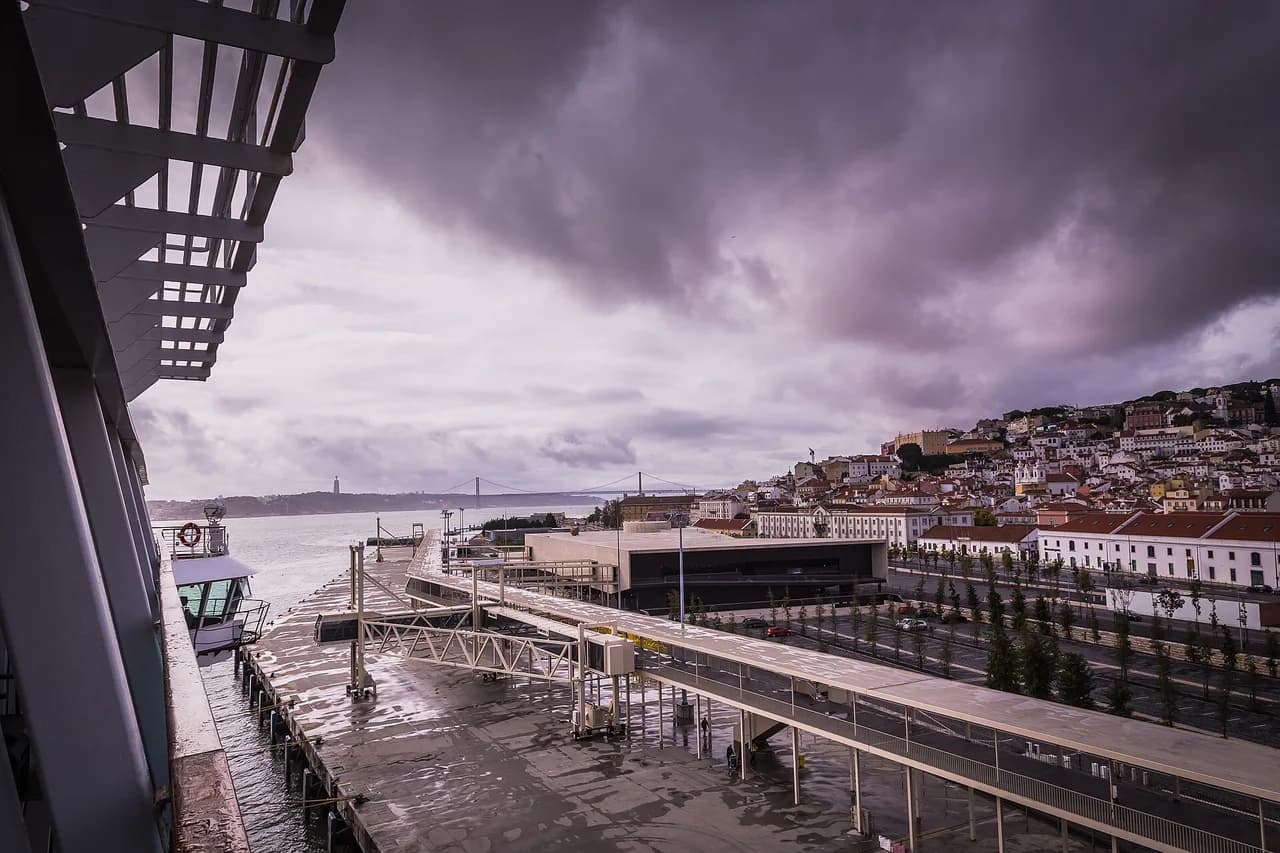
Lisbon rewards passengers who treat the port day as a short city break with a hard finish time. The Tagus River runs along the foot of the old town, so ships tie up close to the historic districts rather than at a distant industrial dock. The catch is the terrain: the city climbs steeply from the water, and the number of viewpoints and alleys you can cover drops sharply with every hill.
Your plan hinges on which berth your ship is assigned. One sits beside Alfama at Jardim do Tabaco; the other, the Lisbon Cruise Terminal at Alcântara, lies west of the centre and nearer Belém. Read the terminal name on your ship's daily programme before you set out, because the walking route and the time budget differ between them.
Lisbon cruise port at a glance
Lisbon is a river port, and the Tagus gives ships a sheltered berth within sight of the old town. Cruises calling here typically market the day around Alfama's lanes, the Baixa grid, the Belém monuments and the custard tarts, all reachable without a long motorway transfer. That compactness is what makes Lisbon a strong independent port of call rather than a tour-only stop.
The city is built over seven hills, so distance on a map understates effort. A straight line from the riverfront to a miradouro can mean several flights of stairs and steep cobbles. Budget your hours by climbs, not kilometres: two sights on the flat beats four that each require a hill.
Lisbon also absorbs turnaround traffic, with passengers ending and starting cruises alongside day callers. If you are embarking or disembarking, the terminal building and luggage arrangements matter as much as the sightseeing. If you are simply in port for the day, you can treat the terminal as a doorway to the city and nothing more.
Which terminal serves which ships
Lisbon works with two cruise locations on the north bank of the Tagus. Jardim do Tabaco quay sits in the old city next to Alfama, within walking distance of the Baixa and the Santa Apolónia area. Alcântara, further west, is the larger terminal complex used for bigger ships and turnaround operations.
Berth assignment is decided by the port and the cruise line, and it can change with ship size and the day's other calls. Your booking documents or the daily programme normally name the berth before arrival. Treat the terminal name as the single most useful piece of information for planning the day.
Where ships dock: Jardim do Tabaco quay in Alfama
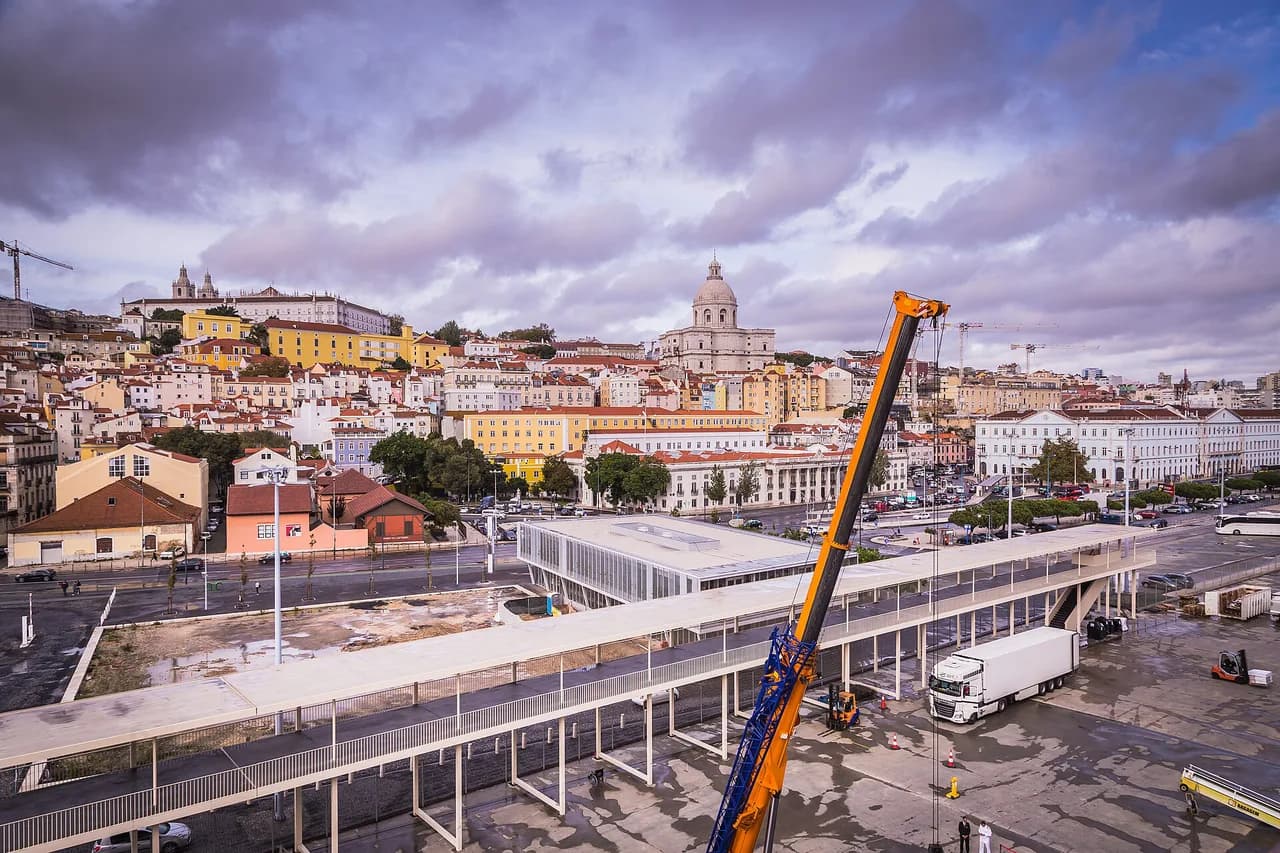
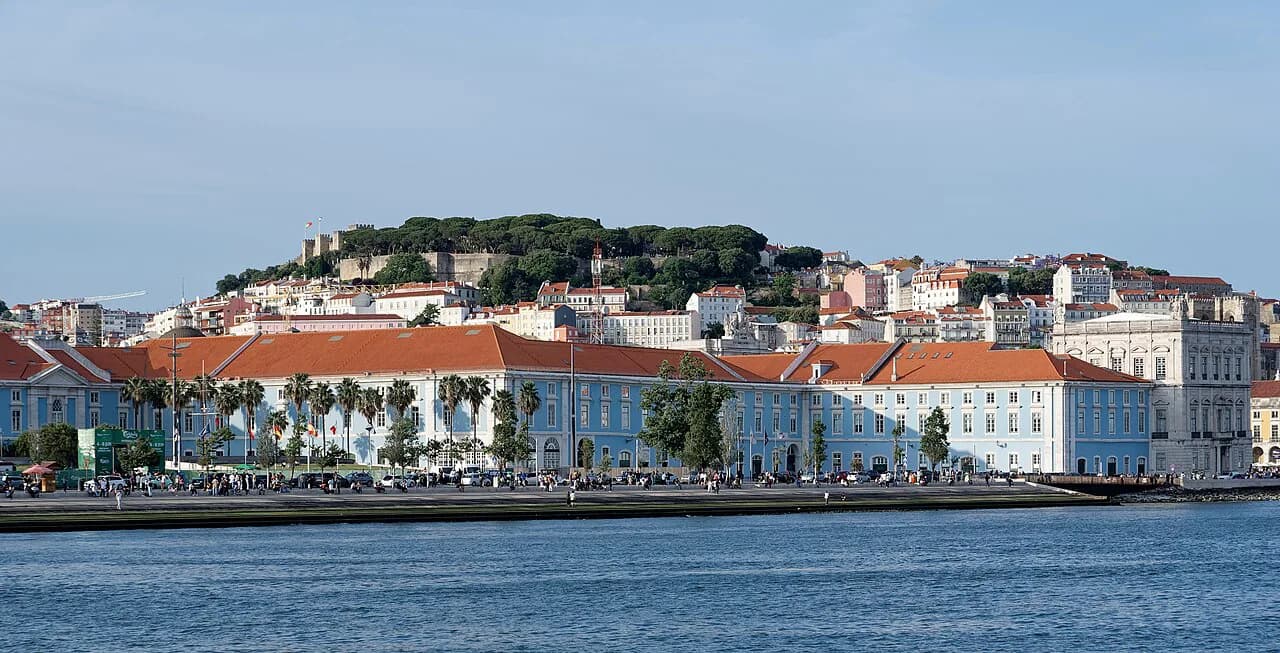
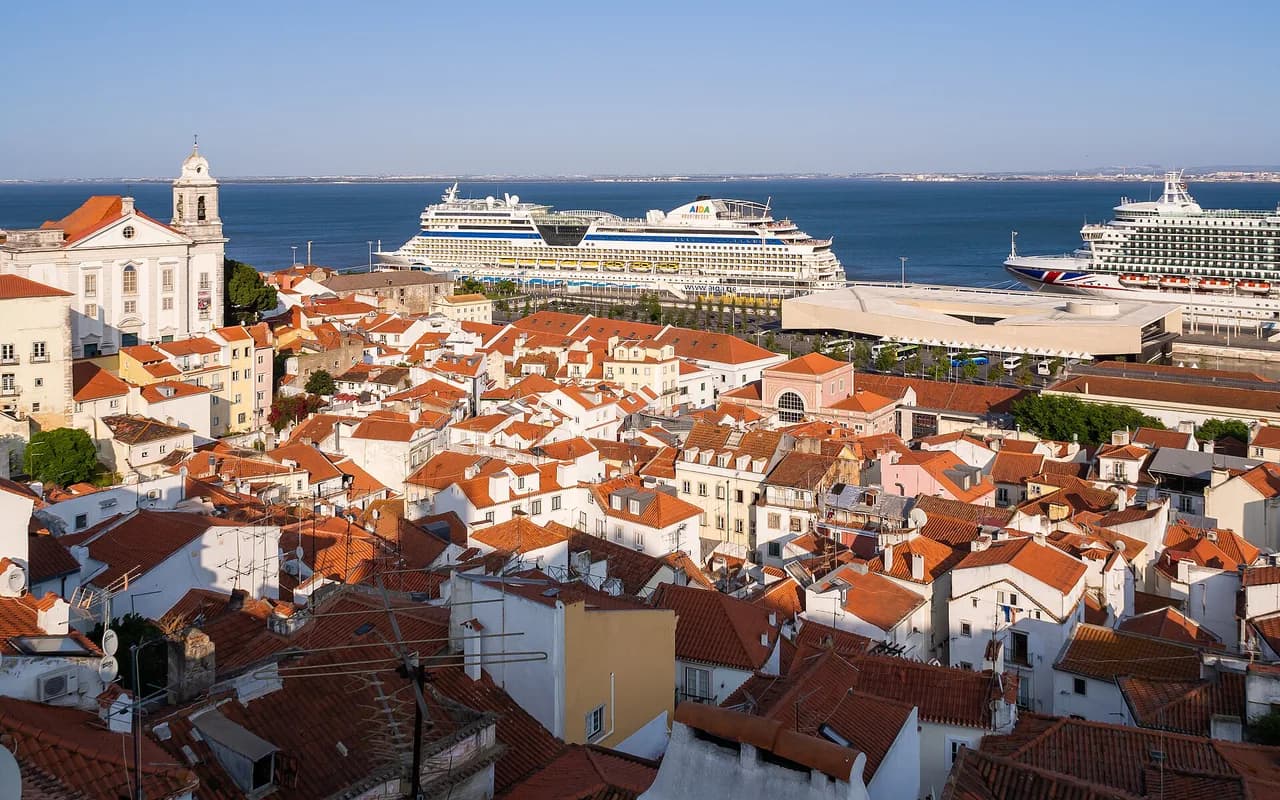
Jardim do Tabaco is the berth that makes Lisbon feel effortless. Step off the gangway and you are at the edge of Alfama, the oldest quarter, with its tight lanes climbing towards the castle. The Baixa grid and the riverfront square at Praça do Comércio are a level walk away along the water.
From this quay you can walk into town rather than queue for transport, which frees time for a proper sit-down lunch or a second neighbourhood. The trade-off is that everything west of the centre, including Belém, is now a longer ride in the opposite direction. Plan the day around the old town unless Belém is a priority.
Where ships dock: Alcântara terminal west of the centre
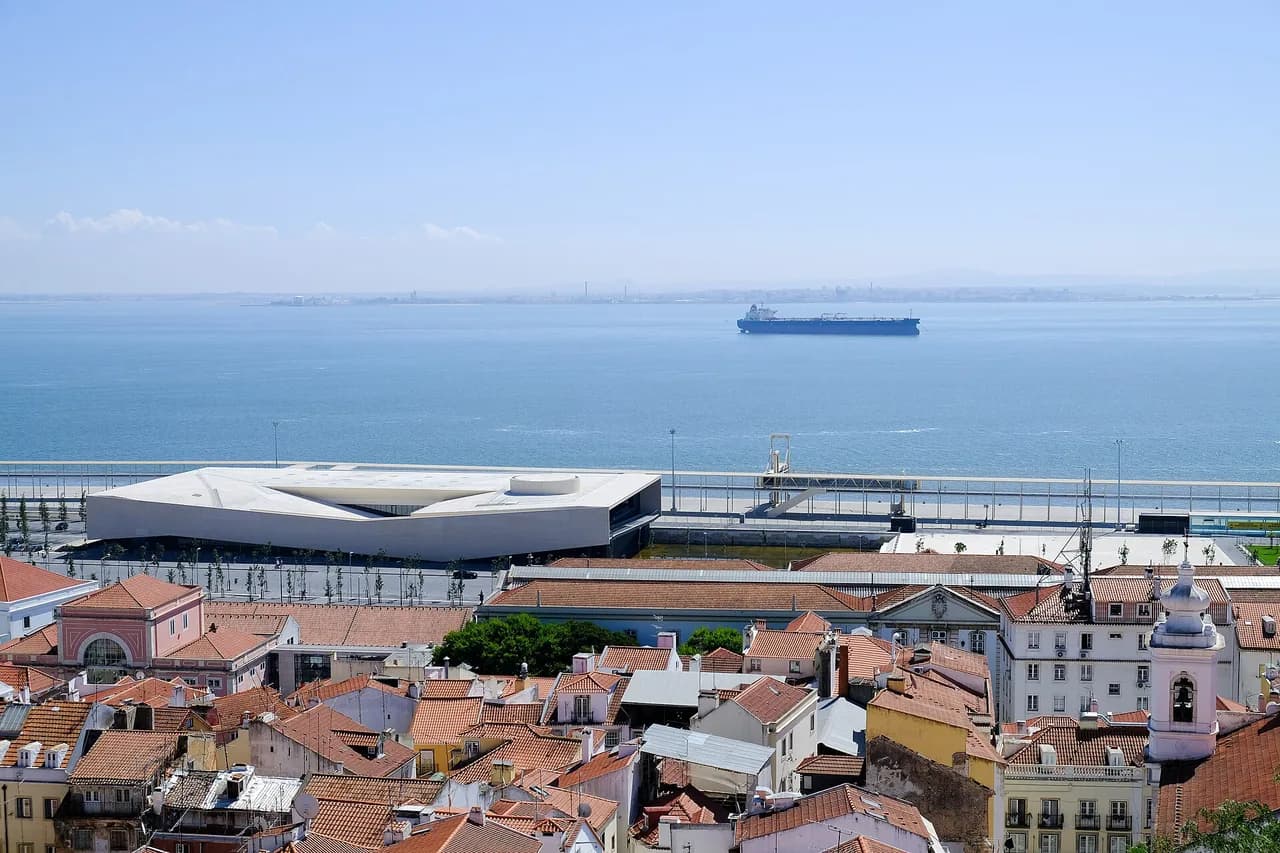
The Lisbon Cruise Terminal at Alcântara lies along the river west of the historic core, on the same stretch of waterfront that leads towards Belém. It is a modern terminal building rather than a bare quay, which suits turnaround days with luggage and coach transfers. For a day call, it puts you further from Alfama and closer to the monuments at Belém.
The airport's own cruise terminal page notes that the new cruise terminal sits just over eight kilometres from Lisbon Airport, which is the useful figure for anyone connecting a flight with a ship.
Because Alcântara sits on the western waterfront, your route into the centre follows the river east rather than climbing immediately. That makes it a natural starting point for Belém and a less natural one for a quick dash to Alfama. Choose your first destination accordingly, and save the old town for the afternoon if time allows.
Getting into town from Jardim do Tabaco
From Jardim do Tabaco the honest answer is that you walk. Head away from the water into Alfama for the castle and the viewpoints, or follow the riverfront east into Praça do Comércio and the Baixa streets behind it. Both routes start flat and only climb once you enter the old quarter.
Alfama's lanes are stairs and slopes rather than pavements, so wear shoes with grip and expect to stop. The reward is the closest thing in Lisbon to a village inside a capital, with laundry lines, tiled facades and small tavernas. Keep the return leg in mind: the climb down is easier than the climb up, so do the high ground first.
For the Baixa, the riverfront is the simplest corridor. Walk east along the water to Praça do Comércio, then explore the grid of streets behind it, which is flatter and easier on tired legs. This is the route to choose if you want shops, cafés and a straightforward walk back to the ship.
Getting into town from Alcântara
Alcântara is a working waterfront district, so you cover the first stretch to the centre by transport rather than on foot. Buses and trams run along the riverside towards the old town, and taxis or ride-hailing apps are the quickest way to reach a specific sight. Check the stop nearest the terminal exit on arrival rather than guessing from a map.
The railway line along the Tagus serves the Alcântara area and continues west towards Belém, which makes the train a practical option for the monuments rather than a scenic extra. Buy tickets at the station machines and validate them before boarding.
A taxi from Alcântara into the Baixa is short enough to be worth the fare when you have a late arrival or a tight all-aboard. Ask the driver to drop you at Praça do Comércio rather than deep inside Alfama, where narrow streets slow the car and the meter.
Alcântara and the Lisbon Cruise Terminal building: luggage, transfers and turnaround days
On a turnaround day, the terminal building becomes the first and last stop of the trip. Passengers disembarking hand over cases and head for coaches or taxis, while embarking passengers arrive with luggage and wait for their check-in slot. Keep your passport and boarding documents in hand luggage rather than in the cases you hand over.
If you are staying in the city before or after the cruise, pick a hotel with the terminal in mind rather than the airport. The riverside districts west of the centre shorten the transfer on turnaround morning, while Baixa and Chiado hotels put the sights on your doorstep.
Coach transfers between the airport and the terminal are normally arranged through the cruise line or a pre-booked operator, with pick-up points outside arrivals. Confirm where your transfer meets before you fly, since the arrivals hall has several exits and drivers cannot wait indefinitely.
Getting to the port from Lisbon Airport
Lisbon Airport sits close to the city, and the cruise terminal lies just over eight kilometres away according to the airport's cruise terminal page. That short distance makes a taxi the simplest option with luggage, and it keeps transfer costs modest compared with airports serving other cruise ports.
For independent travellers, the metro connects the airport to the city centre, and from there a taxi or bus covers the final leg to Alcântara or Jardim do Tabaco. The metro is cheap and frequent but involves stairs and changes with cases, so weigh it against a direct taxi.
Allow generous time on turnaround day. Immigration, baggage and coach loading all take longer than the driving time suggests, and arriving at the terminal well before the published check-in window removes the stress from the morning.
Getting to the port from Santa Apolónia and Oriente railway stations
Lisbon has two main rail gateways. Santa Apolónia serves the old city and sits close to Jardim do Tabaco, making it the convenient station if your ship berths in Alfama. Oriente, further north and east, handles high-speed and international trains and is a longer transfer to either terminal.
From Santa Apolónia you can reach the Jardim do Tabaco area on foot or with a very short taxi ride, which is ideal for passengers arriving by train on the day of the cruise. From Oriente, take a taxi or the metro into the centre and continue from there.
If you are joining a ship at Alcântara, treat the station-to-terminal leg as a proper transfer rather than a stroll, and keep enough slack for city traffic. Rail delays are the real risk on turnaround day, so book an earlier train than you think you need.
Tram 28, the hills and the walking reality of a port day
Tram 28 is Lisbon's best-known ride, threading through Graça, Alfama, Baixa and up towards Estrela. It is also the route most likely to be full, with long queues at the central stops and pickpockets working the crush. Board at an early stop or late in the day if you want a seat rather than a scrum.
The tram is a way of climbing the hills without walking them, which matters when your hours ashore are limited. Treat it as transport with a view rather than a sight in itself: use it to gain height, then walk down through the neighbourhoods on foot.
Lisbon's pavements are calçada, small stone setts that are beautiful and slippery when wet. Flat shoes with grip are the single most useful thing you can pack for a port day here, more so than any map or app.
Alfama and Baixa on foot: what fits a short call
On a six-hour call from Jardim do Tabaco, choose one district and do it properly. Alfama gives you the castle, the viewpoints and the lanes; the Baixa gives you the riverfront square, the grid streets and easy cafés. Attempting both plus a tram ride usually means rushing all three.
A sensible short-call loop starts at the quay, climbs through Alfama to a viewpoint, drops down to the riverfront and returns along the water. That keeps the climbing to one direction and ends on flat ground near the ship. Add a coffee stop rather than a full monument visit if the clock is tight.
With eight hours you can add the Baixa and Chiado, or take the tram up to Graça for the view back over the castle and river. Ten hours opens up Belém as well, but only if you use transport for the western leg instead of walking it.
Belém independently: tram, train or taxi from the terminal
Belém lies west along the river and holds the monastery, the tower and the waterfront park in a compact area. From Alcântara it is the obvious half-day, reachable by tram, train or taxi along the riverside. From Jardim do Tabaco it is a longer ride across the city, so budget the return leg carefully.
Belém's sights draw queues, and the monastery in particular can absorb an hour before you have seen anything. Arrive early, pick one interior to visit and see the rest from outside. The riverside walk between the monuments is free and gives the best photographs.
A taxi back to the ship from Belém is straightforward, but allow for traffic along the waterfront in the late afternoon. Independent travellers should set a firm turn-back time that puts them at the gangway well before all-aboard, since the ship will not wait.
Taxis, ride-hailing and the return buffer before all-aboard
Taxis in Lisbon are metered and generally available at the terminals and main squares, and ride-hailing apps work well across the city. The risk is not the fare but the wait: at peak times, a car can take far longer to reach you than the drive itself. Request your ride before you finish your last sight.
Build a return buffer into the day rather than treating all-aboard as a target. Aim to be back at the terminal at least an hour before the published time, which absorbs a missed tram, a slow taxi or a wrong turn in Alfama. The buffer is what turns a good day into a relaxed one.
Ship tours versus independent sightseeing
Ship tours make sense in Lisbon when you want Belém and the monastery without managing the return leg yourself, or when the call is short and you would rather not think about logistics. The coach handles the distance west, and the cruise line builds in the queue time the monuments demand; check current prices and dates with your line before booking.
Independent sightseeing suits Alfama and the Baixa, where the ship berths within walking distance and you can set your own pace. The trade-off is that you own the return risk, and a delayed tram or a taxi stuck in traffic is your problem, not the tour desk's.
A middle path works well: take a ship tour to Belém in the morning and spend the afternoon on foot near the terminal. You get the far sightseeing done under someone else's clock and keep the closest district for the hours when you can watch the time yourself.
Sample plans for a 6-hour, 8-hour and 10-hour call
Six hours, Jardim do Tabaco: walk into Alfama, climb to a viewpoint, drop to the riverfront and return along the water with a coffee stop. Skip Belém entirely and keep the day on foot. You will see the city's character without spending your hours in traffic.
Eight hours, either terminal: add the Baixa and Chiado on foot, or use the tram to gain height in Graça and walk back down. If you are at Alcântara, start with Belém in the morning and take a taxi into the centre for the afternoon. If you are weighing this kind of two-part day against a Spanish call, the Málaga port day sets out a similar walk-or-ride decision.
Ten hours, Alcântara: Belém in the morning, then the old town after lunch, finishing with a riverside walk near the terminal. From Jardim do Tabaco, the same ten hours allow Alfama, the Baixa and a short tram ride, with Belém only if you move briskly and use taxis both ways.
Practicalities: tickets, footwear and weather
Carry a contactless card or small change for trams, buses and the metro, and validate tickets on board or at the gate. Buying a day pass pays off if you plan more than a couple of rides, particularly on a Belém day. Keep tickets until you leave the system, since inspections are routine.
Lisbon is warm and bright for much of the year, and the exposed viewpoints and riverfront offer little shade at midday. A hat, water and sunscreen matter more here than an umbrella, though Atlantic showers can roll in quickly. Layer rather than overpack.
Remember that the ship's clock, not the city's, decides your day. Set an alarm for your turn-back time, keep the terminal name and a map screenshot on your phone, and leave the shopping for the last hour near the ship.
Plan Your Visit
Lisbon works best when you pick two districts rather than a checklist. Settle the terminal first, then choose Alfama and the Baixa on foot or a transport-assisted run to Belém, and build the day backwards from all-aboard.
The hills are the real constraint, so wear shoes with grip, use the tram to gain height and walk down. If you are embarking or disembarking, sort your hotel and airport transfer before you travel rather than on the morning of the cruise.
Explore more Lisbon cruise port guides
Frequently Asked Questions
Where is the port in Lisbon?
Ships berth on the north bank of the Tagus at one of two locations: Jardim do Tabaco quay beside Alfama, or the Lisbon Cruise Terminal at Alcântara to the west. Your booking documents or daily programme name the berth, so use that to plan the route into town.
How far is the Lisbon cruise port from the town centre?
Jardim do Tabaco is at the edge of Alfama and a level walk from the Baixa riverfront. Alcântara is further west and needs a bus, tram, train or taxi to reach the centre. The airport's cruise terminal page gives the distance from Lisbon Airport to the terminal as just over eight kilometres.
Can you walk from the Lisbon cruise terminal into the city?
From Jardim do Tabaco you can walk into Alfama and along the riverfront to Praça do Comércio without transport. From Alcântara, plan on a bus, tram, train or taxi for the first stretch, then walk once you reach the old town. Shoes with grip help on the stone pavements and stairs.
How do you get from Lisbon Airport to the cruise terminal?
A taxi is the simplest option with luggage, and the airport is close to the city. The metro connects the airport to the centre, where you can pick up a taxi or bus to the terminal. Coach transfers are usually arranged through the cruise line or a pre-booked operator.
How many hours do you need in Lisbon on a cruise?
Six hours suits one district on foot, usually Alfama or the Baixa. Eight hours adds a second neighbourhood or a tram ride up to a viewpoint. Ten hours allows Belém as well, but only if you use transport for the western leg.
Is Belém worth it on a Lisbon port call?
Belém is a strong half-day if you use transport rather than walking, and it is closest to the Alcântara terminal. The monastery and tower draw queues, so pick one interior to visit and see the rest from outside. Set a firm turn-back time and keep a buffer before all-aboard.
What is the best way to get around Lisbon on a port day?
Walk the flat riverfront and Baixa, use the tram to gain height without climbing, and take taxis for longer hops such as Belém. Carry a contactless card or small change for public transport and validate tickets before boarding. The ship will not wait for late independent travellers.
Sources
Port-day notes for your next cruise
Optional updates to our port guides.
You might also like
Continue reading
More guides you'll find useful