Vigo Cruise Port: A Practical Guide to Your Day Ashore
Vigo's cruise traffic berths in the central port area right in the city, 20 km from the airport. Here's how to plan your port day on foot, by bus or on a tour.
On this page
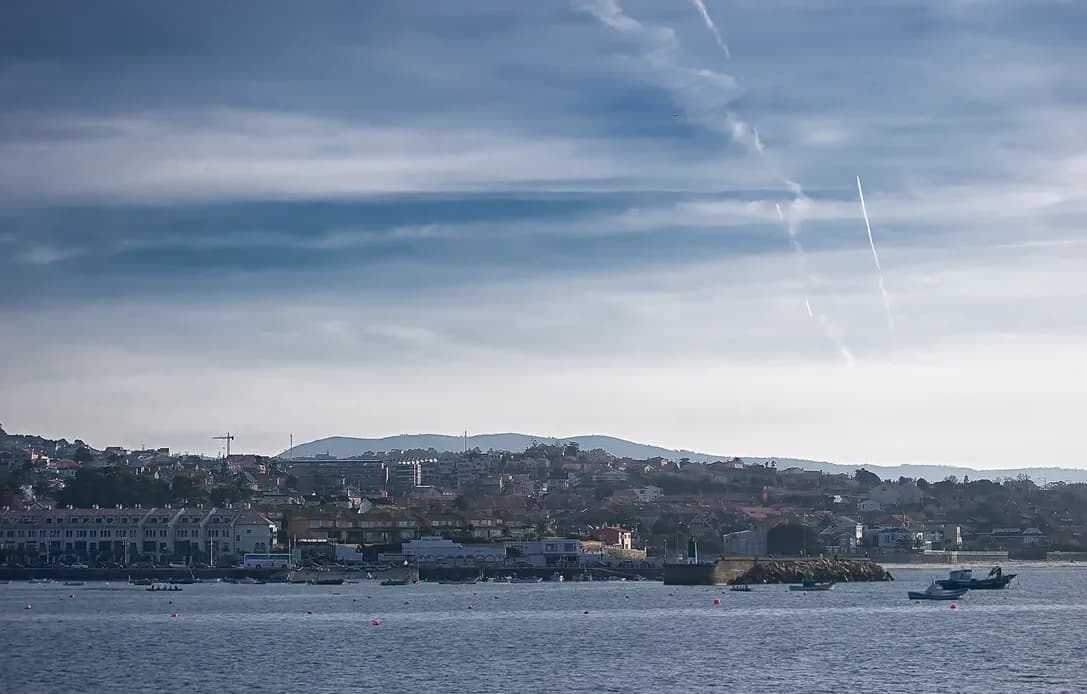
Vigo is one of those rare cruise calls where the ship docks inside the city rather than in an industrial estate miles out. Galicia's largest city combines one of the world's busiest fishing ports with a compact old quarter stacked on the slopes above the water, so a satisfying day needs no bus ticket at all.
The port day suits passengers who like eating, walking and looking at water. Oyster sellers work the streets of the old town, tapas bars serve pulpo and Albariño, and a hilltop fortress gives you a full view of the harbour and the Atlantic beyond it. Those with a long call can trade all that for a half-day run to Santiago de Compostela or a ferry out to the Cíes Islands.
What a Vigo port day offers and who it suits
Vigo rewards passengers who treat the call as a city day rather than a coach excursion. Spain's busiest fishing port sits at the heart of a working Galician town, and the seafood culture that follows from that is the main event for many visitors: oysters shucked to order, octopus with paprika, and glasses of the local Albariño.
Beyond the table, the draw is variety within a small radius. A hilltop castle park, a revived medieval quarter, a contemporary art museum in a former prison and a mile-long beach at the city edge all sit within reach of a normal port call. Families gravitate to Samil Beach, while photographers and history-minded passengers usually head uphill to Castro.
Where ships dock: the central port area and its position in the city
Cruise traffic in Vigo uses the central area of the port, which sits in the heart of the city rather than on an outlying quay. The port authority's address is Praza da Estrela, 1, 36201 Vigo, Pontevedra, on the waterfront edge of the centre. That location is what makes a walking day viable here.
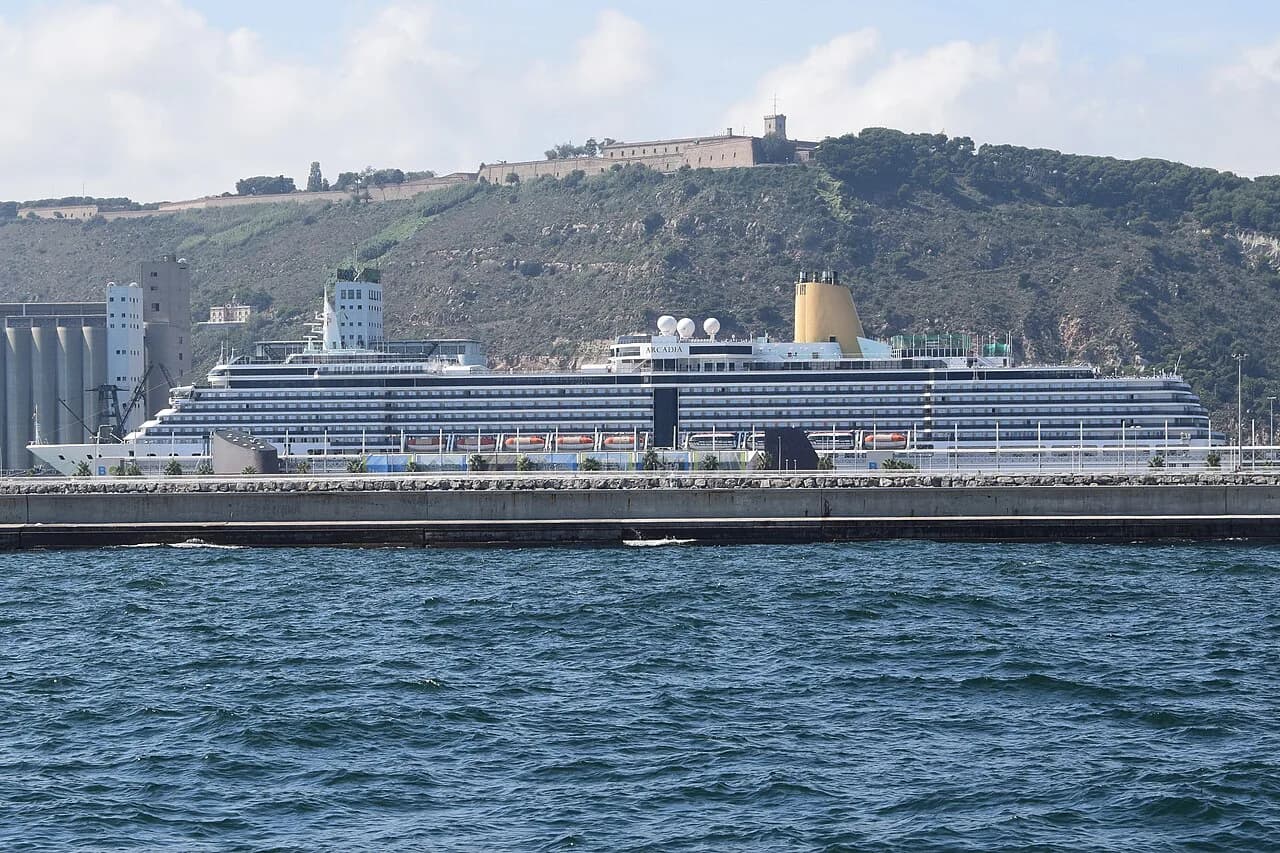
Ships come in all sizes, from the largest vessels afloat to transatlantic and expedition calls, so the exact berth varies by sailing. Your cruise line's daily programme or app will show the berth name for your call, and the port authority website lists ship movements. Treat any specific quay number you read online as sailing-specific rather than fixed.
The practical consequence is simple: you almost certainly do not need a shuttle to reach the town. Everything in the old centre begins at the port boundary. If you want the street-level detail on the exit route and the shortest line to the old town, the cruise port to city centre breakdown covers the walking options, and most passengers cover the route twice in a day without thinking about it.
Can you walk into town from the ship? The route to the Old Town and Rúa da Pescadería
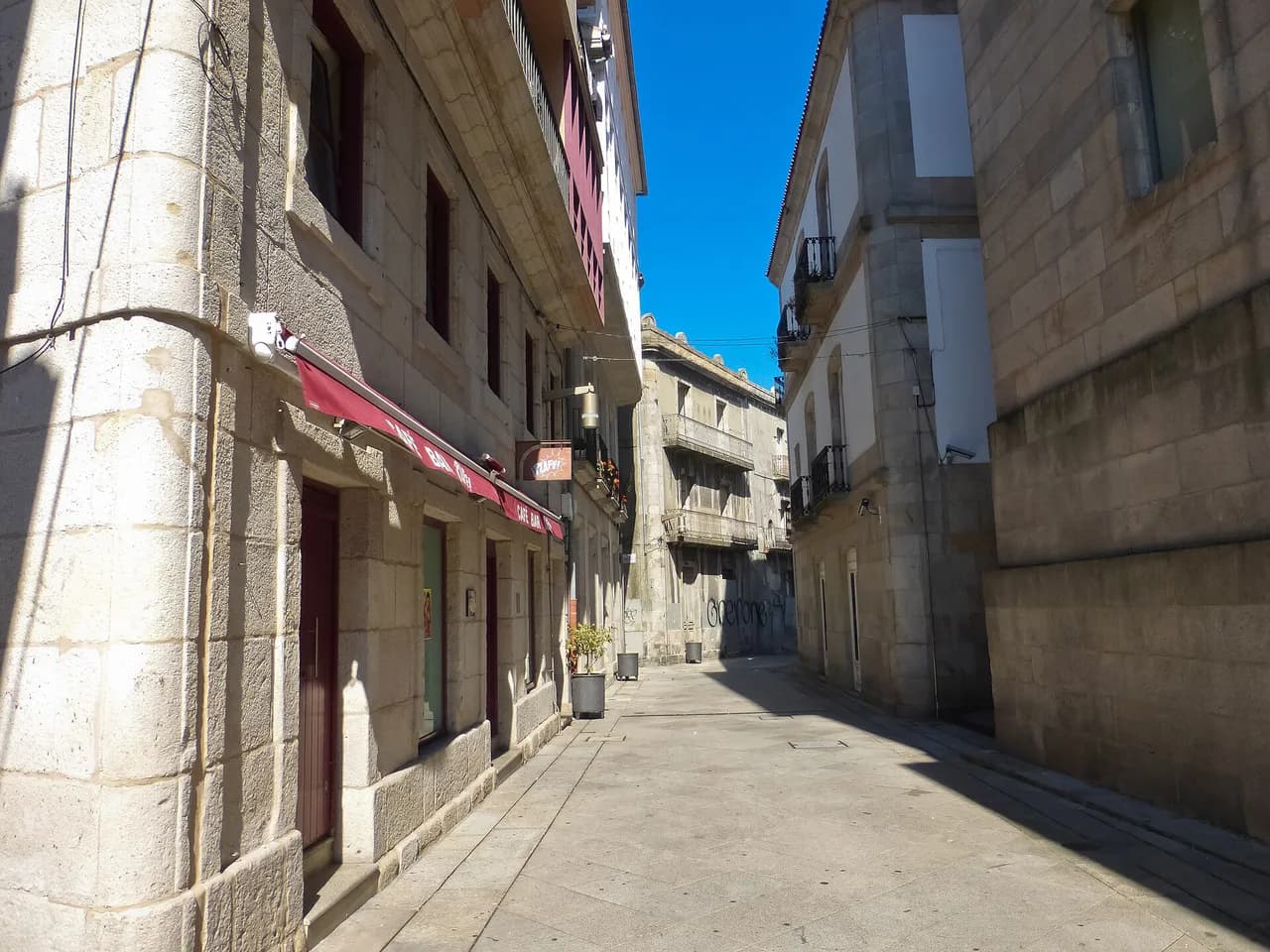
You step off the ship into the city, not into a transfer queue. The Old Town, Casco Vello, climbs the slopes directly above the port, a warren of winding streets, steep steps and small plazas around the Concatedral de Santa María. Allow a slow half-hour to wander up rather than a brisk ten minutes, because the pleasure is in the alleys.
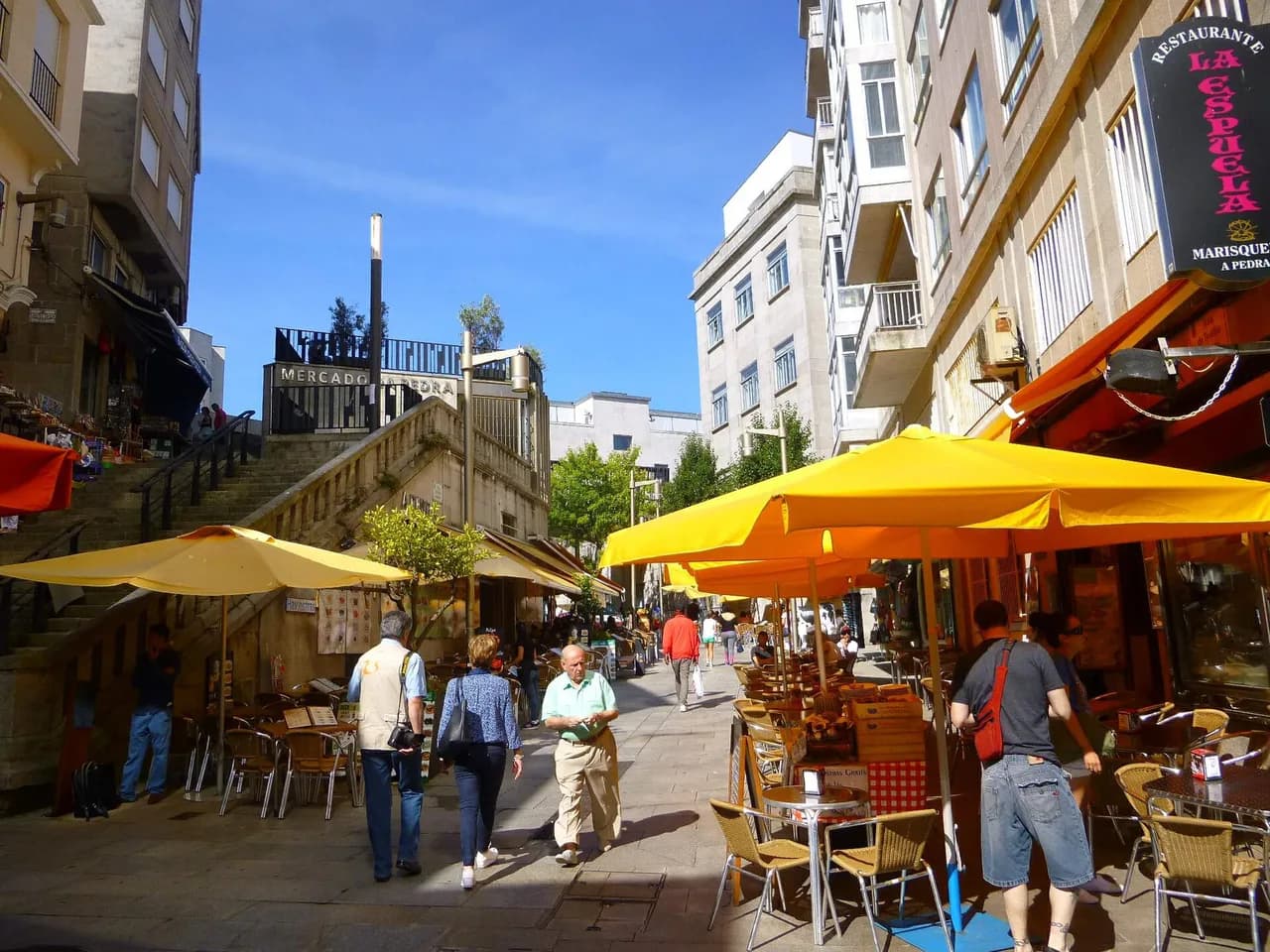
Rúa da Pescadería, the fish street, is the anchor of the old quarter for anyone who eats seafood. Vigo's famed oyster sellers work here, shucking shellfish from the ría and serving them with lemon, and the street is also the place to settle in for a plate of tapas. Plan your walking route so that you pass through it around lunch rather than at an awkward hour.
The city also has a Maritime Museum for anyone interested in the fishing economy that built the port, and the MARCO contemporary art museum occupies a former prison and courthouse in the centre. Neither requires a bus. Both work well as rain plans or as a cool hour in the middle of a hot afternoon.
Getting further afield: public buses serving the port area
For Samil Beach and other points along the coast, Vigo's urban bus network serves the port area. The lines listed by Spain's tourism office for the port are A, C1, C3, L5A, L10, L11, L15B, L15C and L28, which gives you plenty of options from the waterfront into the city and out to the beaches.
Check the route that matches your destination at the stop or on the Vitrasa city bus information before you board, since line numbering alone will not tell you which one reaches the sand. For a beach run, build in the walk from the road to the sand and the wait for the return bus. A taxi is the simpler choice when two or more of you are travelling together on a short call.
Taxis, ferries and the Cíes Islands gateway
Taxis wait at the port area, and Vigo is a compact enough city that a ride to Samil Beach or the rail station is short. The same cannot be said for the airport, which sits about 20 kilometres from the port, so factor that distance in if you are joining or leaving a ship here rather than just visiting for the day.
The harbour is also the departure point for ferries to the Cíes Islands, an unspoiled archipelago inside the Atlantic Islands of Galicia National Park, with Playa de Rodas among its beaches. This is the most rewarding trip on a long warm-weather call and the riskiest on a short one, because visitor numbers are limited and sailings operate in the warmer months rather than year-round.
Book the island crossing through the official park or ferry operator channels before you commit, and choose a return sailing that leaves a generous margin before all-aboard. An island ferry that runs late has no obligation to your ship. For a first call, the old town and the hilltop are the safer use of the same hours.
Vigo on foot in a short call: Casco Vello, oyster street and the fish market
With six hours ashore, stay in the centre. Walk up from the port through Casco Vello, pause at the Concatedral de Santa María, and follow the lanes to the fish market and Rúa da Pescadería. That loop plus a proper sit-down lunch of oysters, pulpo and Albariño is a complete Vigo day and leaves an easy walk back to the berth.
The old town has been revived in recent years with boutiques, wine bars and art spaces alongside its medieval layout, so the neighbourhood rewards browsing between food stops. Praza da Constitución makes a good orientation point if the alleys start to feel like a maze. Keep the map on your phone rather than relying on street signs.
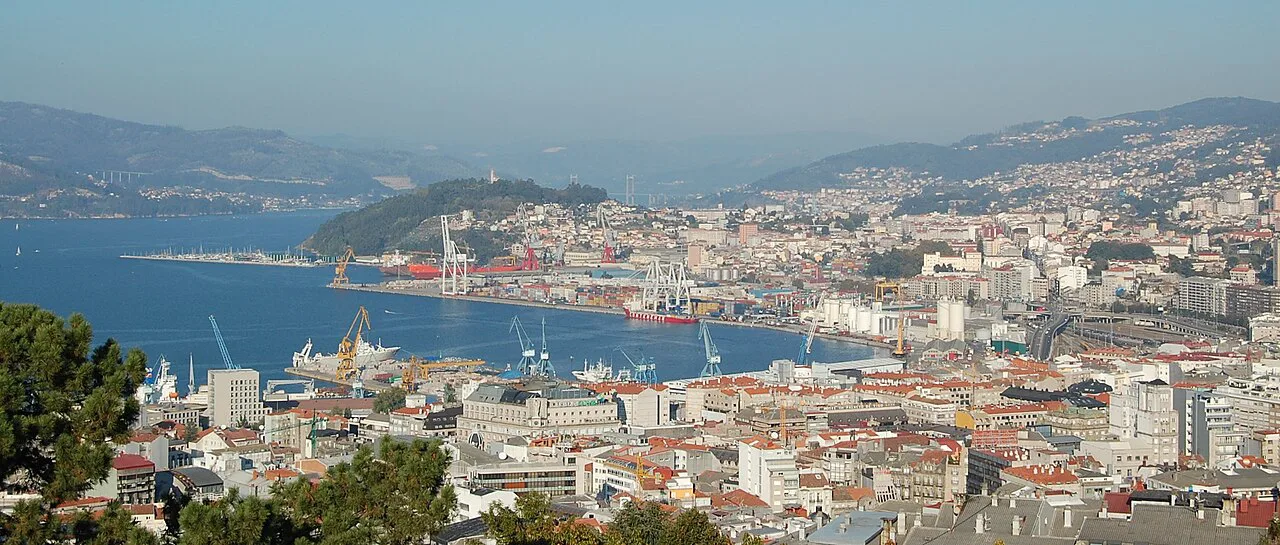
Monte do Castro and the view back over the harbour
Monte do Castro is a lush hilltop park in the centre of the city with sweeping views over the estuary, the port and the surrounding neighbourhoods. The fort on the hill was built to defend the harbour, and the walk up is the best value sight in Vigo on a clear day. The trail passes the ruins of a Celtic settlement and old city walls along the way.
Budget the climb and the descent together, because the hill is steep and the heat in high summer is real. Go up early in the call while your legs are fresh and the light is clean, then come down into the old town for lunch. That sequence also keeps the walking downhill at the end, when you are carrying a full stomach and a camera bag.
Samil Beach and the city's coastal fringe
Playa de Samil is the largest and most popular of the roughly 45 beaches in and around Vigo, a mile-long stretch of white sand fronted by a busy boardwalk with amenities behind it. Views reach out to the Cíes Islands, and the beach has pools, skate parks and green space that make it work for families.
It sits a few miles from the city centre, which is close enough for a short taxi ride but far enough that walking both ways would eat your call. Take a taxi or one of the urban bus lines out and plan the return deliberately rather than hoping a bus appears at the moment you want one. On a six-hour call, the beach is an either-or choice against the old town, not an addition to it.
Galician food: pulpo, oysters and Albariño in a few hours
Galician cooking here leans on the ría: oysters from local beds, pulpo a la gallega with paprika and olive oil, razor clams and a hearty greens-and-bean soup called caldo gallego. The city's seafood is widely regarded as among the best in Spain, and the local white wine is Albariño. Treat lunch as the centrepiece of the day rather than a break from it.
Oyster stalls along Rúa da Pescadería serve shellfish straight from the estuary with lemon and a glass of Albariño, standing at marble-topped counters. It is fast, cheap in spirit and unbeatable for atmosphere. If you want a table and a slower meal, book a restaurant in the old town before you leave the ship, since popular places fill at Spanish lunch hours.
Day trips: Santiago de Compostela, Pontevedra, Combarro and the Rías Baixas
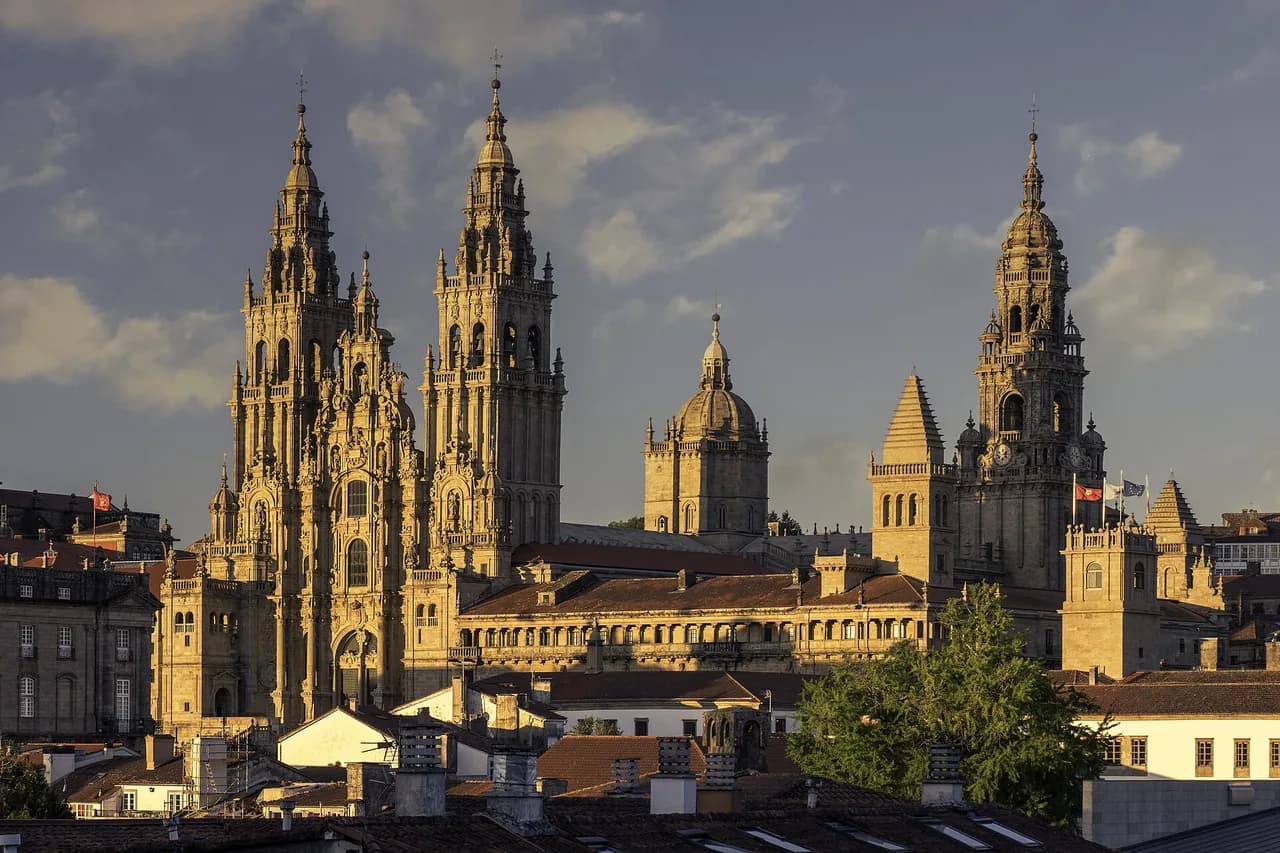
The big outside attraction is Santiago de Compostela, the pilgrimage city that has drawn travellers since the Middle Ages. Vigo is also a practical base for Pontevedra's well-preserved old town, the granite waterfront houses and hórreos of Combarro, and the vineyards of the O Rosal in the Rías Baixas. All of these consume most of a port day once travel is counted.
None of these destinations sits on Vigo's doorstep, so the decision is about transport rather than distance on a map. A cruise-line excursion handles the driving and the return timing; a local operator or the train gives you more freedom but puts the clock in your hands. Read the timings for the rail option on the dedicated route guide and pick a service that gets you back with the buffer described below.
Ship tours vs independent sightseeing: time, distance and the all-aboard risk
For Santiago de Compostela, the ship's tour is the defensible choice. The drive each way eats a large share of a normal call, and the ship will not wait for a coach that is late only because it is a ship's coach, but it does control the schedule. Independent travellers have more flexibility at the cathedral but carry the full risk of a missed departure on a long road transfer.
For Vigo itself, go independent. The old town, the oyster street, the hilltop fort and Samil Beach are all short hops from the berth, and buses and taxis are plentiful around the port. Local walking tours and small-group options are covered in the Vigo shore excursions planning guide, and they are cheap in time compared with a coach day. Book through P&O Cruises or your ship before relying on finding one at the quayside.
How long you need: 6-, 8- and 10-hour calls
A six-hour call fits Casco Vello, Rúa da Pescadería, the fish market and a climb to Monte do Castro, with lunch in between. Skip Samil Beach on this schedule, because the round trip and the time on the sand will crowd the old town into a rushed hour. Walk everywhere and keep the day compact.
At eight hours, add Samil Beach or the Maritime Museum and MARCO without strain, and still eat properly. At ten hours, Santiago de Compostela or the Cíes Islands become realistic, but not both, and the island ferry depends on the season and on visitor limits. Choose one long excursion and protect the rest of the day for the port itself.
Return-time buffer and getting back to the berth
The walk back from the old town to the central port is short, so a 30-minute buffer covers a stroll, a wrong turn and a photo stop. For Samil Beach, allow an hour before all-aboard to cover the return bus or taxi, since demand at the beach peaks when everyone decides to leave at once. For Santiago or the islands, confirm current return times with your cruise line and add your own margin on top.
Note the ship's local time rather than your phone's automatic setting, since Spain keeps Central European time well west of the meridian. If you are unsure of the berth on return, the port authority publishes its contact details and can point you to the cruise area. None of this guarantees a late arrival will be accommodated.
Practical points: port address, transport lines and the airport distance
The port authority is based at Praza da Estrela, 1, 36201 Vigo, Pontevedra, reachable by email at apvigo@apvigo.es and by telephone on +34 986 268 000. The airport lies about 20 kilometres away, which matters for passengers joining or leaving a cruise here rather than just calling for the day. Bus lines A, C1, C3, L5A, L10, L11, L15B, L15C and L28 serve the port.
For airport transfers on embarkation or disembarkation day, arrange the ride through your cruise line or a licensed transfer provider in advance rather than hunting for a taxi at the terminal on the morning. If you are stringing Galician ports together on one itinerary, the northern port of A Coruña works on a different layout and is worth reading separately. Ports elsewhere in Spain vary just as much, so it pays to check the barcelona cruise port layout and transfer options before you commit to a plan. Vigo is also a useful comparison point when you weigh how close the ship gets to the city, as you'll see in the Lisbon cruise port guide.
Plan Your Vigo Port Day
Vigo is a walking port with a serious food culture, and the best days here are built around the old town rather than a coach. Step off, climb through Casco Vello, eat oysters on Rúa da Pescadería and take the view from Monte do Castro before strolling back to the berth. Save the Cíes Islands and Santiago de Compostela for a call of eight hours or more, and only if the timetable gives you a comfortable return margin.
The key decisions are straightforward: walk for the centre, use a taxi or the urban bus for Samil Beach, and choose a ship tour or a reputable local operator for any long road transfer. Confirm your berth, all-aboard time and the day's schedule with your cruise line before you leave the ship, then enjoy the fact that one of Spain's great seafood cities starts at the gangway.
Explore more Vigo cruise port guides
Frequently Asked Questions
Can you walk into Vigo from a cruise ship?
Yes. Vigo's cruise traffic berths in the central port area in the heart of the city, so the old town, the fish market and the waterfront are all reachable on foot from the ship without a shuttle or taxi. Allow a leisurely half-hour to climb into Casco Vello.
Where do cruise ships dock in Vigo?
Ships use the central area of the port, which sits inside the city rather than on an outlying quay. The specific berth varies by sailing, so check your cruise line's daily programme or the Port of Vigo website for the berth assigned to your call.
How far is Vigo cruise port from the city centre?
The port is in the centre, so the distance is measured in a short walk rather than a drive. The Old Town rises directly above the port, and the port authority's address at Praza da Estrela, 1 is on the waterfront edge of the city.
What can you do in Vigo in a few hours off a cruise ship?
The classic short call is Casco Vello, the Concatedral de Santa María, Rúa da Pescadería for oysters and tapas, the fish market and Monte do Castro for the harbour view. That loop fits comfortably into six hours ashore with time for a proper lunch.
Is Santiago de Compostela worth it from Vigo on a port day?
It is worth it only on a longer call, and the ship's excursion is the safer way to do it because the road transfer consumes much of the day. Independent travel gives you more time at the cathedral but leaves the return timing entirely in your hands.
What is Vigo known for?
Vigo is known for its Atlantic coastline, its seafood and its role as the gateway to the Cíes Islands. Oyster stalls line Rúa da Pescadería, the old town has been revived with wine bars and boutiques, and Monte do Castro gives the best view over the harbour.
How do you get to Samil Beach from the cruise port?
Samil Beach lies a few miles from the centre, so take a taxi or one of the urban bus lines serving the port area. Plan your return before you settle on the sand, and allow an hour before all-aboard for the trip back.
What food should you try in Vigo?
Start with the oysters shucked to order on Rúa da Pescadería, then pulpo a la gallega, razor clams and caldo gallego, with a glass of Albariño. Lunch is the centrepiece of a Vigo port day, so book a table in the old town before leaving the ship.
Sources
Port-day notes for your next cruise
Optional updates to our port guides.
You might also like

Continue reading
More guides you'll find useful