Marseille Shore Excursions: Ship Tours vs Local Operators
Compare ship tours and local operators for Marseille shore excursions, with realistic timing for the Old Port, Notre-Dame de la Garde, the Calanques and Aix.
On this page
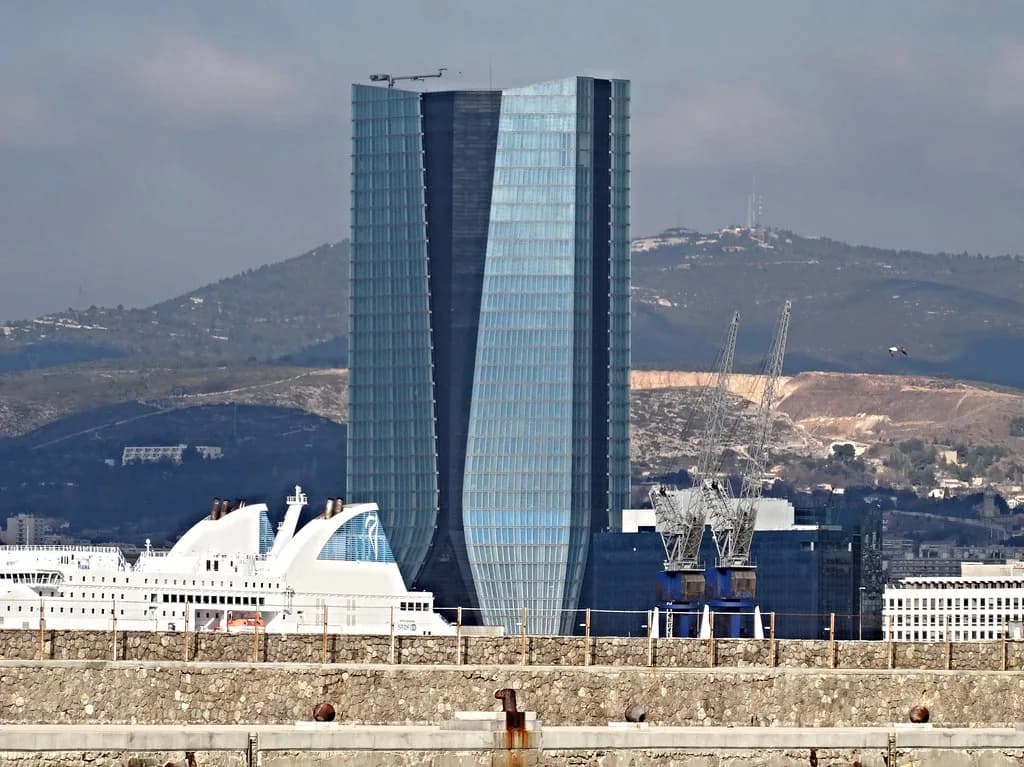
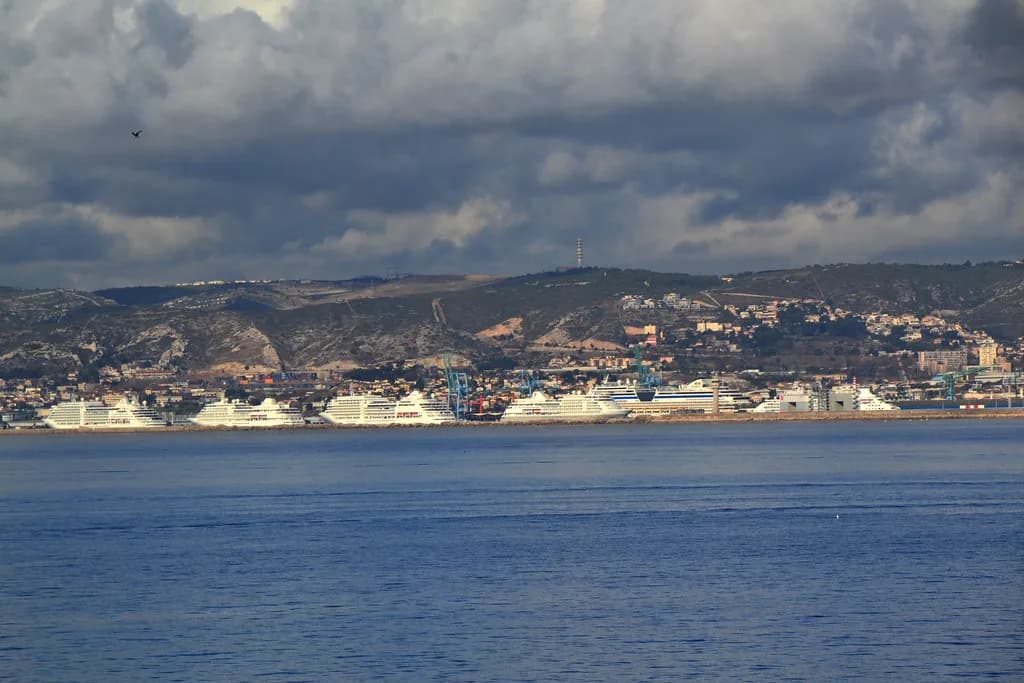
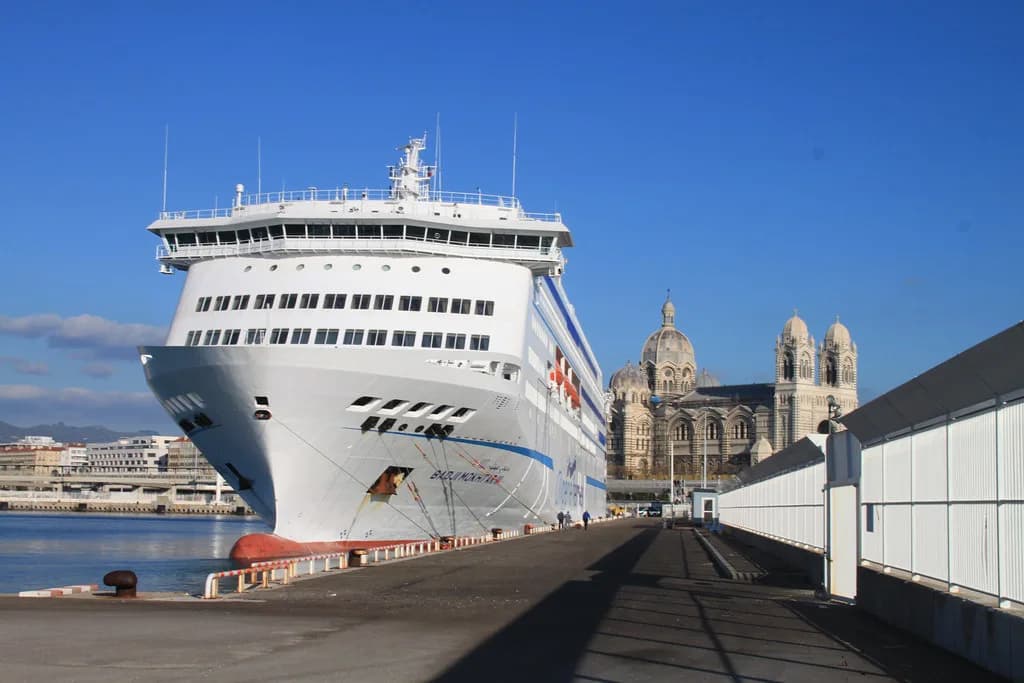
A Marseille port call splits into two very different days depending on where your ship ties up. Large vessels dock at Marseille Provence Cruise Terminal on the Môle Léon Gourret, roughly 7–10 km from the Old Port, while smaller ships berth at La Joliette within a fifteen-minute walk of the Vieux-Port. That single fact decides whether an excursion is a convenience or a necessity.
Once you are in town, Marseille stacks up neatly for cruise passengers: a working harbor ringed by cafés, a hilltop basilica with the best view on the coast, an island fortress twenty minutes offshore and a national park of limestone calanques beyond the city edge. Each one sits in a different time bracket, so the right choice depends on how many hours you actually have.
Why the berth decides your excursion
Marseille operates two cruise areas, and they are not interchangeable. Marseille Provence Cruise Terminal, known as MPCT, sits inside the commercial port; La Joliette, next door to it, serves smaller ships and expedition vessels and connects directly to the city's sightseeing areas. Check your daily program or ask at reception for the berth name, since it decides whether you can walk ashore or need transport into town.
From La Joliette you can walk to the Old Port in about fifteen minutes, which makes Notre-Dame de la Garde, Le Panier and the cathedral all realistic on foot plus one short bus ride. From MPCT the same day needs a transfer first, so an organized tour that collects you at the terminal saves the most time. Neither berth is a tender port in normal conditions; you step ashore and walk the quay.
Marseille Provence Cruise Terminal: walking time to the port exit and where tours meet you
At the Môle Léon Gourret terminal, follow the green line painted on the ground from your gangway to the terminal exit. That walk takes around ten to fifteen minutes depending on which berth your ship has, and the surroundings are industrial, so there is nothing to browse along the way. Build that time into any meeting point you arrange with a local operator.
Ship excursions typically assemble inside or just outside the terminal building, and many local operators offer pickup at the cruise gate. When a private guide asks for a meeting point, give the terminal gate number rather than a city address, because drivers cannot always reach the quay itself. Confirm the exact gate and time in writing the day before arrival.
Getting to the Old Port: free port shuttle, taxi and tram 35
The most useful free option is the port shuttle that runs between the cruise terminal and the Les Terrasses du Port area near La Joliette, with a ride of roughly fifteen minutes. One guide reports it operating from about 9:00 am to 5:00 pm every half hour, with times posted at the maritime station, so treat that window as the planning assumption and confirm on the day. From the Les Terrasses du Port stop, the La Joliette metro station is across the street and the Old Port is a further walk or one short ride away.
Cruise lines also sell their own shuttle from MPCT to the Vieux-Port, taking fifteen to twenty minutes and dropping you at the main sightseeing area. Taxis wait outside the terminal and reach the Old Port in a similar time, which works well for a group splitting the fare. For the cheapest route, the local bus connects the port area with La Joliette after a walk of ten to twenty minutes to the port exit, though it is the least predictable option on a fixed schedule.
If you prefer to skip the shuttle, a taxi or ride-hail from the port exit reaches the Vieux-Port in ten to fifteen minutes. Walking the whole way is not sensible: the center sits nearly six miles from the large-ship terminal and would take over an hour one way. Save your legs for the steep streets around Notre-Dame de la Garde instead.
Ship tours versus local operators versus independent travel
The ship's tour buys you a bus at the gangway, a guide, and the line's own return planning; you pay for it in price and in group pace. A local operator booked ahead usually costs less and can pick you up at the terminal gate, but you carry the return-timing risk yourself. Independent travel is cheapest and most flexible, and it is genuinely easy once you reach the Old Port — the metro, buses and trams all use the same RTM tickets, and a day pass covers unlimited rides within the city.
Where the calculation shifts is distance. Trips that stay in Marseille — the Old Port, the basilica, Château d'If — are comfortable on your own because a delay costs you a taxi ride back. Trips to the Calanques, Cassis or Aix-en-Provence involve more road time and fewer fallback options, which is where an organized tour earns its premium. The same logic applies to shore excursions from Le Havre, where distant D-Day beaches and Honfleur reward a booked return. No operator can guarantee the ship waits for you, so choose the version that leaves slack in the schedule.
Option 1: Old Port, Le Panier and MUCEM on foot
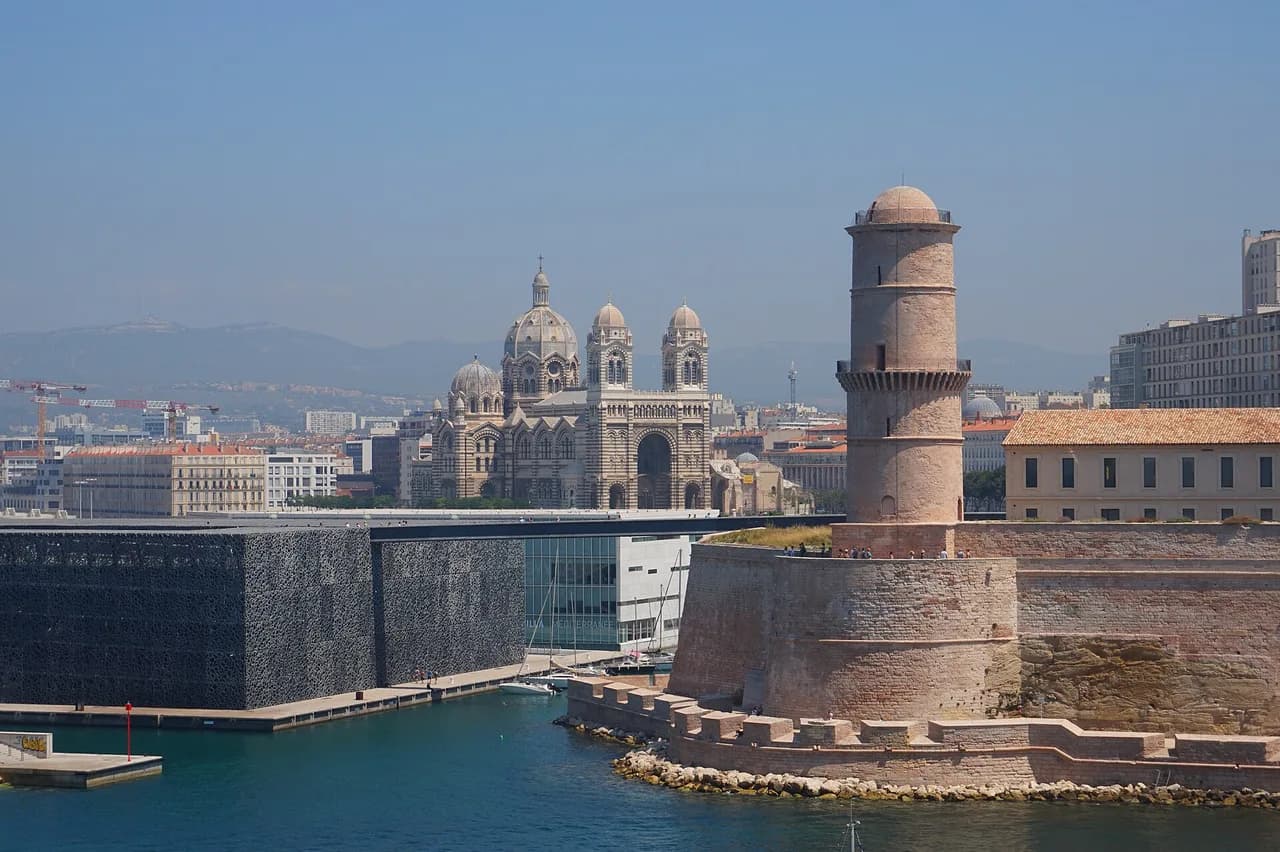
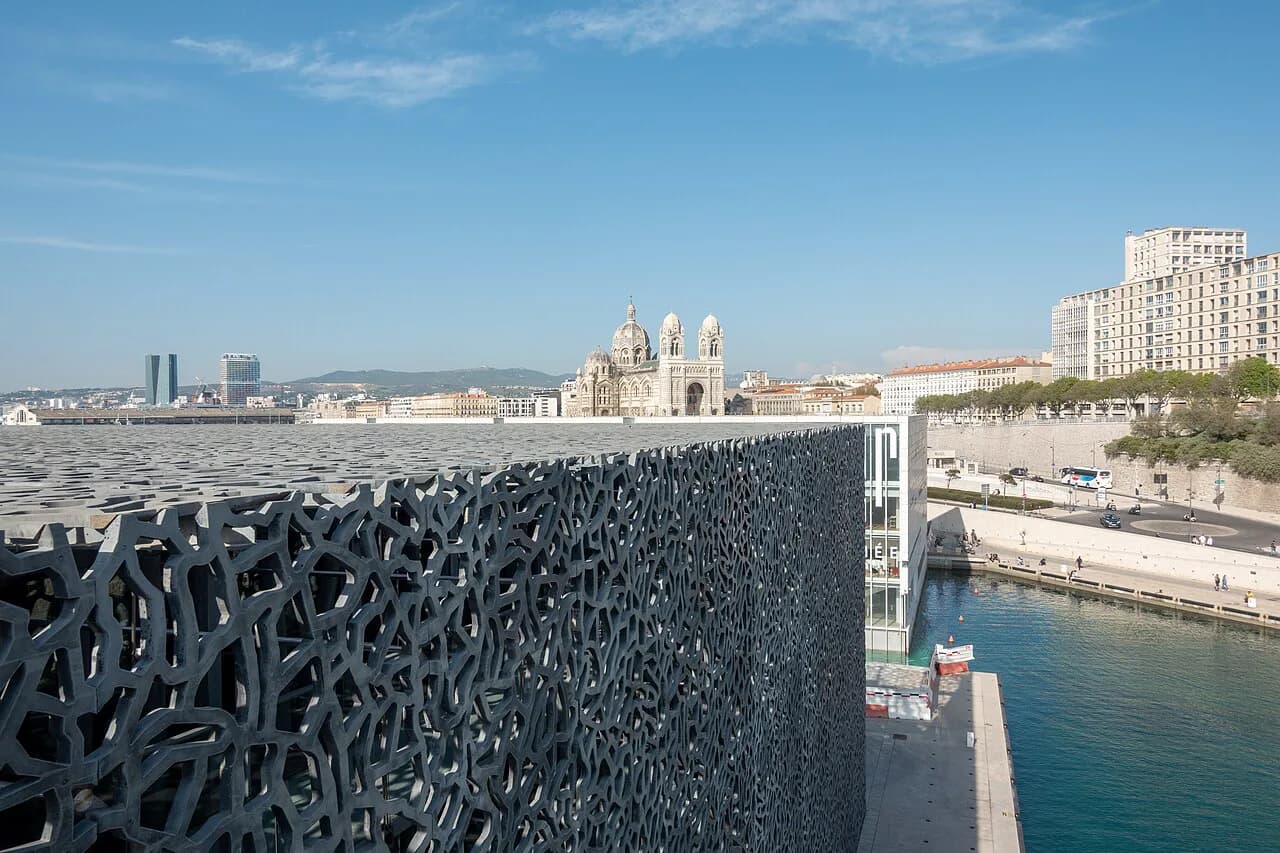
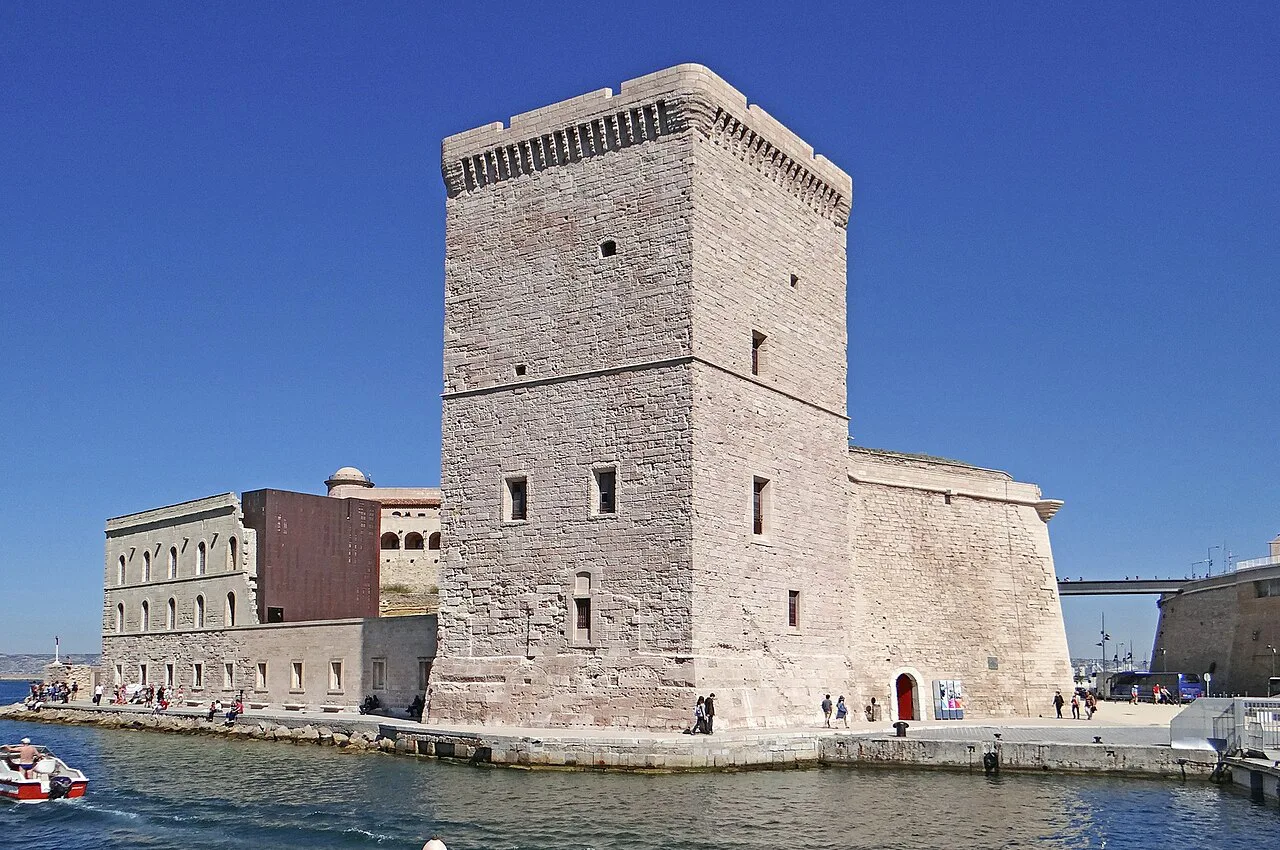
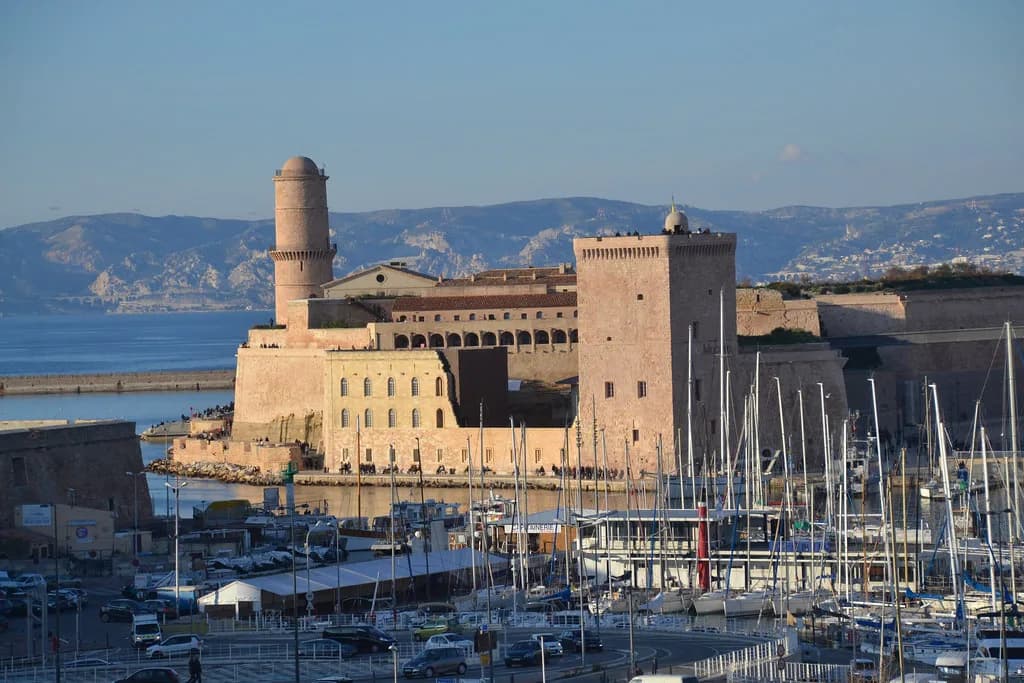
The Vieux-Port has been Marseille's center since Greek settlers founded the city, and today it is a working harbor lined with cafés, shops and historic buildings. From the quay you can walk into Le Panier, the oldest district, with its narrow streets and street art, and continue to the Cathédrale de la Major with its striped stone façade. MUCEM, the cathedral and Fort Saint-Jean cluster within walking distance of the harbor.
Allow two to three hours for the Old Port area when you stay close, or longer if you push out to La Canebière or take the metro to the Palais Longchamp fountain and park. This is the best choice for a short call or a first visit, because everything is flat, walkable and close to the shuttle and taxi drop-offs. It is also the plan that survives a late arrival or an early all-aboard.
Option 2: Notre-Dame de la Garde by bus 60, tourist train or hop-on hop-off bus
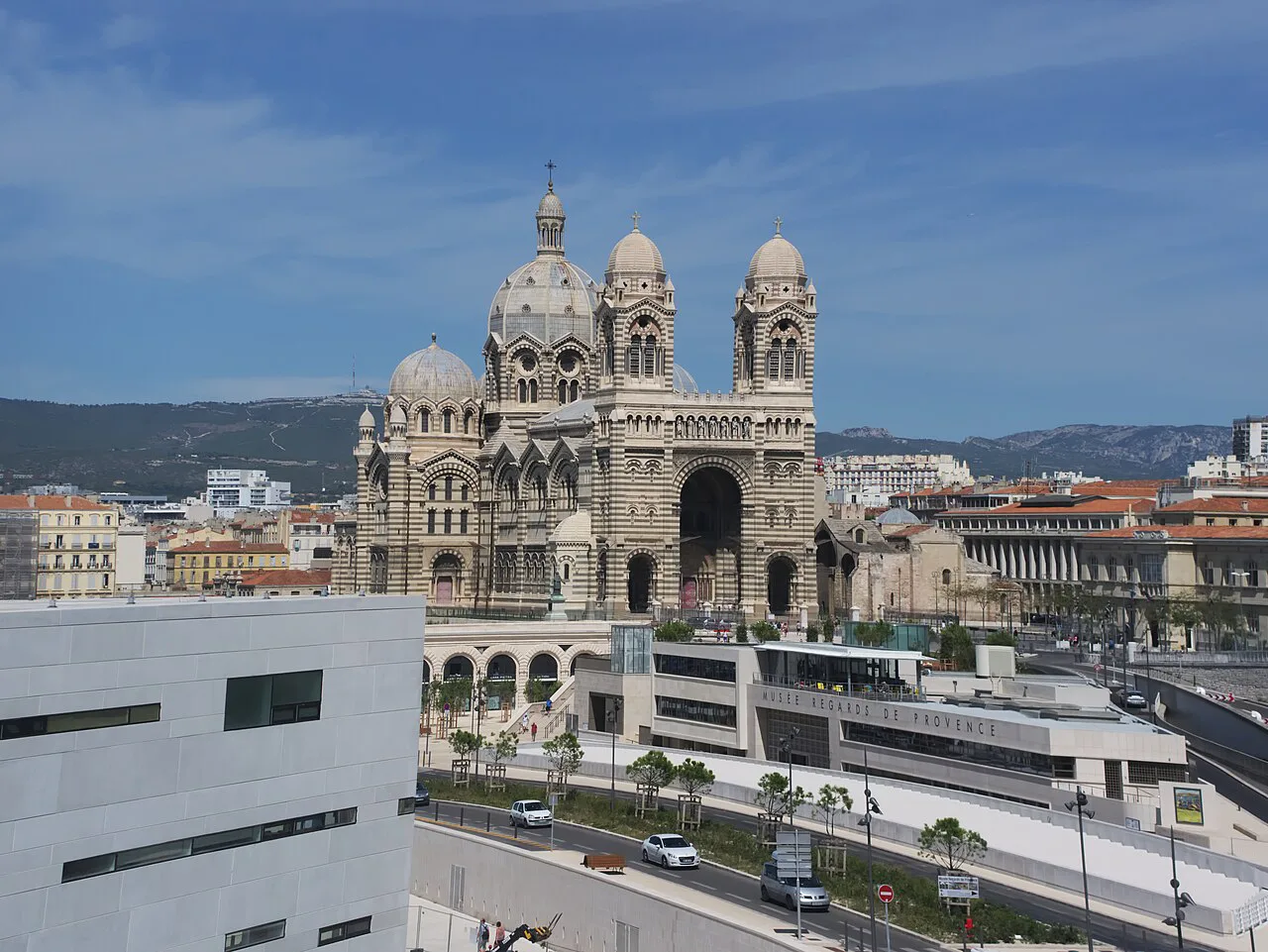
Notre-Dame de la Garde sits on the highest hill above the city, crowned by a golden statue visible from almost everywhere, and the terrace gives you the widest view over the harbor, the coastline and the islands. Walking up is a steep climb, so most passengers ride. Bus 60 runs from the Old Port to the basilica, the Petit Train tourist train stops directly in front, and the Colorbüs hop-on hop-off bus stops a short walk downhill. All of them start around the Vieux-Port, where the tourist train and sightseeing bus depart side by side.
Budget one to two hours total, including the church interior and the viewpoint. Because every option begins at the Old Port, this pairs naturally with a morning wandering Le Panier and a late lunch by the water before you head back to the ship.
Option 3: Château d'If by boat from the Old Port
The 16th-century fortress on its small island offshore was built to defend the harbor and later served as a prison, and it is best known through The Count of Monte Cristo. Boats leave directly from the Old Port and the crossing takes about twenty minutes, which makes this the easiest excursion to run without a tour guide. Strong currents around the island explain why escape was considered impossible.
Allow two to three hours in total, including the crossing, the visit and the wait for a return boat. Because you start and finish at the Vieux-Port, the fallback plan if a sailing is full is simply to spend the time in town instead. Check sailing times at the Old Port ticket booths on the morning you arrive rather than committing to a fixed departure in advance.
Option 4: the Calanques by boat or guided trip
The Calanques are a protected stretch of limestone cliffs and turquoise water between Marseille and Cassis, and they are the main reason many itineraries call here at all. Boat tours from the Old Port are the simplest way in; guided trips handle the transport, and hiking routes demand more time and planning. Allow three to five hours, and only commit on a day with stable weather, since wind can affect both boat sailings and cliff paths.
This is the excursion where a booked tour most clearly beats going alone. The park is outside the city, public transport does not reach the best viewpoints efficiently, and a missed connection puts your all-aboard time at risk. A ship tour or a local operator with a fixed return to the terminal removes that uncertainty, and you still get the same cliffs and water.
Independent tour platforms list kayak trips and boat excursions in the calanques for travelers who prefer to book their own seats. Compare departure points against your berth before booking, because a tour that starts in central Marseille still leaves you the transfer from MPCT at each end of the day.
Option 5: Aix-en-Provence as a half-day trip
Aix-en-Provence sits about thirty minutes from Marseille and offers a quieter, more elegant contrast: tree-lined Cours Mirabeau, fountains, and the Cézanne connection. It is one of the most common cruise excursions from the port precisely because it is short enough to fit a normal call without rushing. Allow four to six hours total, including the drive each way and a walk through the old town.
Going independently means a bus or train from Marseille and a walk from Aix's station into the center; a tour means doorstep transport and a guide. The trade-off is cost against control: independent travelers can linger over lunch on Cours Mirabeau, but they also own the return connection. Choose the tour if your call is short or your ship docks at MPCT, since the transfer into Marseille eats into the margin.
What fits a 6-hour, 8-hour and 10-hour call
A six-hour call realistically gives you about four usable hours after the terminal transfer and the return buffer. That covers the Old Port, Le Panier and one highlight such as Notre-Dame de la Garde, or a quick Château d'If crossing if the boats line up. Trying to add Aix or the Calanques on this schedule turns a pleasant day into a sprint.
With eight hours you can add a half-day trip: Aix-en-Provence, a Calanques boat tour, or the basilica plus the island. Ten hours or more is the bracket for combining the Calanques with a walk around the Old Port, or for extending toward Cassis. Whatever the length, keep the last hour free for the ride back to the berth rather than filling it with one more stop.
Building in the return buffer to Môle Léon Gourret or La Joliette
Coming back from town, the free shuttle leaves from near the Les Terrasses du Port shopping center by the white gate marked Grand Port Maritime de Marseille, and it runs in the opposite direction to the morning route. If you just miss one, the next may be up to half an hour away, which is the single most common way passengers cut it fine. A taxi from the Old Port is the reliable fallback and takes ten to fifteen minutes.
At La Joliette you simply walk back along the quay, so a fifteen-minute margin is enough. At MPCT, allow the shuttle or taxi ride plus the ten-to-fifteen-minute walk from the terminal exit to your gangway, then add the buffer your cruise line asks for before all-aboard. Set a phone alarm for your personal latest departure from the Old Port and stick to it even if the day is going well.
Choosing Your Marseille Excursion
Let the berth make the first decision. At La Joliette, walk ashore and build your own day around the Old Port, bus 60 and the island boat. At MPCT, pick either a tour that collects you at the terminal or the shuttle-plus-taxi chain into town, and keep the return buffer sacred.
Then match the trip to your hours: the Old Port and basilica for a short call, Château d'If or Aix-en-Provence for a standard one, and the Calanques only when you have time and a booked return. If you are staying in Marseille before or after the cruise, sort out your bed near the Vieux Port rather than the industrial port edge.
Frequently Asked Questions
Can you do Marseille shore excursions independently?
Yes, once you reach the Old Port. From La Joliette you can walk there in about fifteen minutes and pick up bus 60, the tourist train or the Château d'If boats. From the large-ship terminal you first need the port shuttle, a taxi or the local bus into town, which adds time and a little planning.
How far is Marseille cruise port from the Old Port?
The Marseille Provence Cruise Terminal at Môle Léon Gourret sits roughly 7–10 km from the Old Port, a fifteen-to-twenty-minute drive or shuttle ride. La Joliette, used by smaller ships, is about a fifteen-minute walk from the Vieux-Port, which changes the whole shape of the day.
Does the ship wait if my independent excursion runs late?
No operator or port can promise that. If you book independently, the return timing is yours to manage, so choose trips that finish well before all-aboard and keep a taxi as your fallback from the Old Port. Ship tours are built around the sailing time, which is part of what you pay for.
Should I take a Marseille shore excursion to the Calanques?
For most passengers, yes. The national park lies outside the city, public transport does not reach the best viewpoints efficiently, and a booked tour removes the return-timing risk. Allow three to five hours and only go when the weather is stable, since wind affects sailings and paths.
What can I see in Marseille on a six-hour call?
Plan on about four usable hours after transfers and buffer. The Old Port, Le Panier and Notre-Dame de la Garde fit comfortably, or a short boat trip to Château d'If if sailings line up. Aix-en-Provence and the Calanques belong on longer calls.
Where do shore excursions pick up at Marseille cruise terminal?
Ship tours usually meet inside or just outside the terminal building, and many local operators collect passengers at the gate. Agree on the gate number rather than a city address, since drivers cannot always reach the quay, and note the ten-to-fifteen-minute walk from your ship to the exit.
Sources
Port-day notes for your next cruise
Optional updates to our port guides.
You might also like
Continue reading
More guides you'll find useful