Shore Excursions From Le Havre: D-Day, Honfleur or Paris?
Compare shore excursions from Le Havre by time ashore: D-Day beaches, Honfleur, Étretat, Fécamp and Paris, with ship tours versus local operators and buffers.
On this page
A call at Le Havre puts Normandy's biggest sights within reach, but not all on the same day. The port sits on the Seine estuary, and every headline destination sits inland or along the coast, so the first job is deciding which single option earns your limited hours ashore.
This guide treats the day as a set of competing choices: the D-Day landing beaches, Honfleur, Étretat and the Alabaster Coast, Fécamp's Benedictine Palace, or Paris. It flags which fit a shorter call and which demand most of a long one, and how ship tours and local operators differ in risk when the ship has a fixed all-aboard time.
Why Le Havre is a gateway port, not a port day in itself
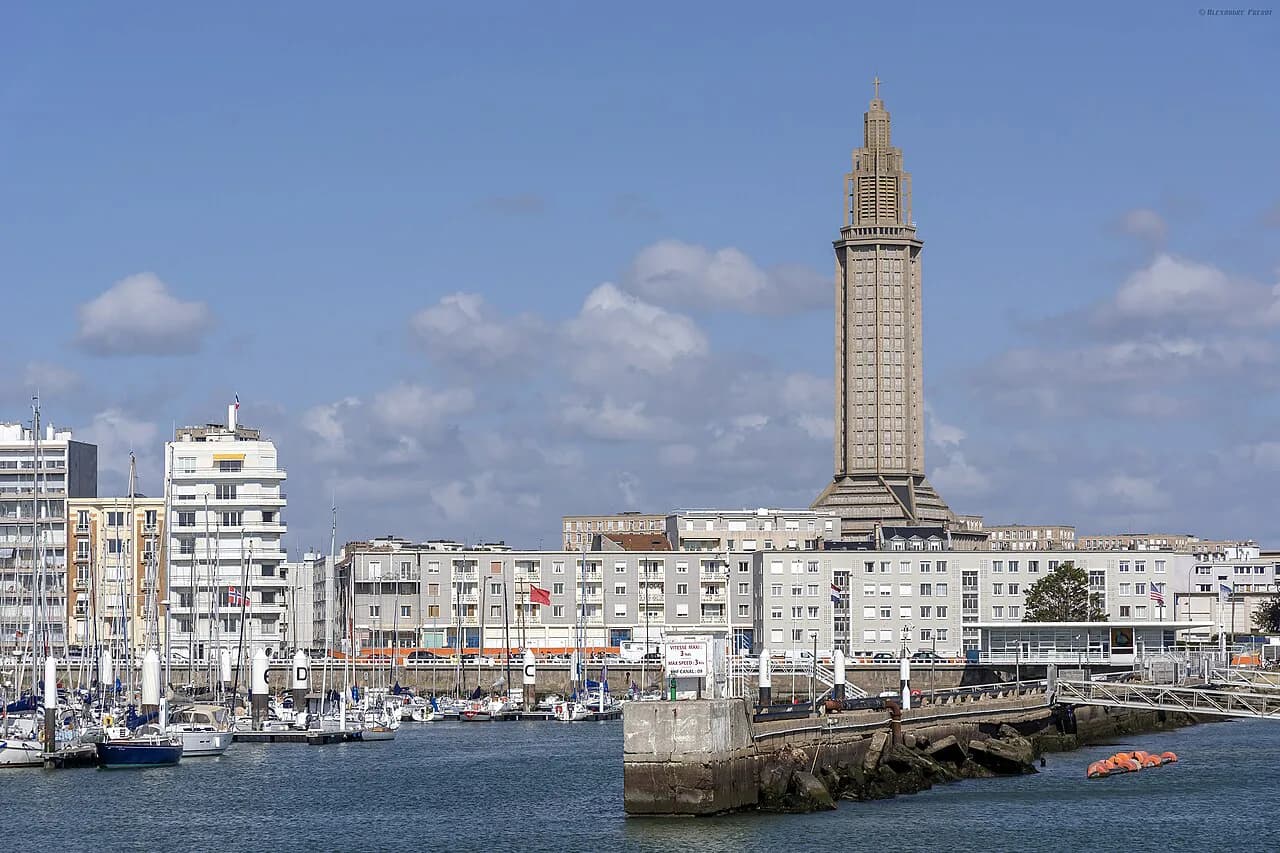
Le Havre's value to a cruise passenger is access, not the immediate waterfront. The city was rebuilt after severe wartime bombing, and the surrounding region packs in the Normandy landing sites, the Alabaster Coast, Honfleur and the road to Paris, which is roughly two hours away by road according to excursion operators who run trips from here.
That means the berth is a starting line rather than a destination. Passengers who treat Le Havre as a base for one strong excursion get more out of the call than those who try to squeeze in several stops. The exception is a short call, where staying in the city is the sensible move.
Where ships dock and how far you travel from the berth
Cruise ships calling at Le Havre tie up at the port's passenger quays, and the terminal area sits away from the historic core of rebuilt Le Havre. You should plan on some form of transfer, whether a shuttle, taxi or tour pickup, rather than stepping off into the old town. The Le Havre Cruise Port Guide sets out the layout so you know which exit leads toward town.
For tour departures, the practical question is not the walk into town but the pickup point and how early you must be there. Coach excursions to the D-Day beaches or Paris leave from the port area, and independent travelers need a plan for getting from the berth to a meeting point without eating into the excursion itself. Allow extra time on busy multi-ship days, when taxis are shared among several thousand passengers.
The realistic map: what each destination costs you in time
Paris is the longest haul, at roughly two hours by road each way. The D-Day beaches lie west along the Normandy coast and involve a full day of driving and site visits. Honfleur is the shortest transfer and the easiest independent outing. Étretat and the Alabaster Coast sit north along the coast, while Fécamp is further along the same stretch.
Treat each destination as claiming a block of your port day, not a quick stop. The two-way travel plus time on site is what determines whether an option fits. For a shorter call, Honfleur and Le Havre itself are the only comfortable choices; for a long call, one of the big excursions is realistic, but only one.
D-Day landing beaches: Pointe du Hoc, Omaha Beach and the American Cemetery
The Normandy landing sites are the most historically weighty option from Le Havre, and the standard circuit takes in Pointe du Hoc, Omaha Beach and the American Cemetery. Independent tour operators advertise trips from Le Havre that cover these main American sights, and forum discussion notes that Utah and Sainte-Mère-Église are harder to add on the same day.
This is a full-day commitment, and the value comes from having time at each site rather than racing between them. Ship tours are the lower-risk way to do it, because the cruise line builds the return around the all-aboard time. If you book a local tour company, confirm the pickup point and the planned return to the port before you commit, and treat any schedule that leaves little margin as a risk you are taking on yourself.
Honfleur: the shortest transfer and the easiest independent day
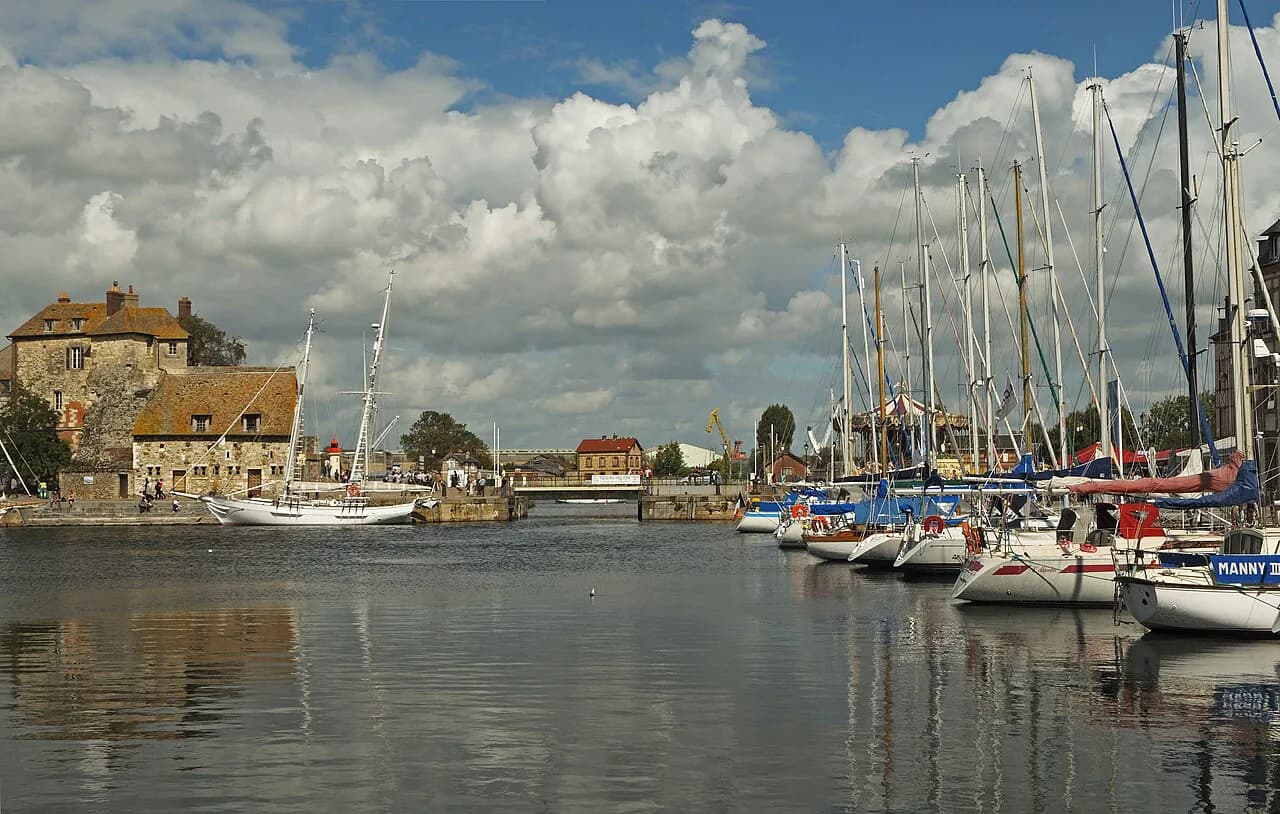
Honfleur's picturesque harbor has drawn painters for generations, and it is the most forgiving excursion from Le Havre. The transfer is short, so you can go independently and still keep a comfortable buffer before all-aboard. A morning in Honfleur leaves room to return to Le Havre and see the city in the afternoon.
This is also the option that works best when you want control over your own timing. You are not tied to a coach schedule, and a delay on the road back is a shorter problem than it would be from Paris or the D-Day beaches. For a six-hour call, Honfleur plus a short walk in Le Havre is a realistic shape for the day.
Étretat and the Alabaster Coast
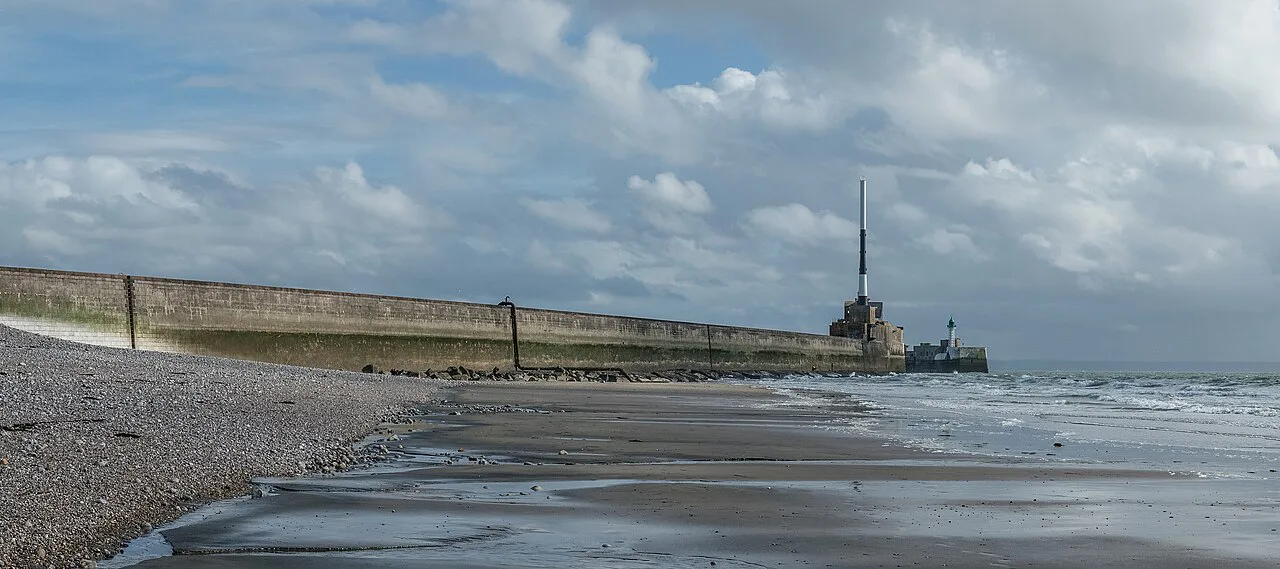
The Alabaster Coast around Étretat is a cliff-and-sea landscape that inspired Monet, and it makes a scenic half- to full-day excursion. The town is small and tourist-oriented, so the draw is the coast itself and the views rather than a long list of sights. Ship tours and local operators both run this route, and it can be paired with Honfleur on some itineraries.
The trade-off against Honfleur is distance: Étretat sits further along the coast, so you spend more of the day in transit. If you have a long call and want coastal scenery, it is a strong choice. On a shorter call, Honfleur gives you more time on the ground for the same effort.
Fécamp and the Benedictine Palace
Fécamp adds a different flavor: the Benedictine Palace, where the liqueur made from herbs and spices is produced. It is a focused visit rather than a whole day, and it fits naturally on the same coastal run as Étretat. The combination gives you a scenic coast stop plus a cultural one without crossing the region.
Because it sits further out, Fécamp works best as a ship-tour or organized-operator stop rather than a do-it-yourself add-on. The travel time stacks up, and you want the logistics handled so you are not watching the clock. Pair it with Étretat and you have a full coastal day that still returns to the Seine estuary.
Paris from Le Havre: what a two-hour-each-way day trip really means
Paris is the most popular shore excursion from Le Havre, and operators run it as the headline trip. The road transfer is roughly two hours each way, which means a large share of your port day is spent getting there and back. What remains is a compressed city visit, typically a walk or short stops at the main sights rather than a deep dive.
If Paris is the goal, treat it as a full-day coach trip with a fixed itinerary and a real risk of feeling rushed. The alternative is to see Paris on a separate land stay and use the Le Havre call for Normandy. For passengers determined to tick off the Eiffel Tower or the Louvre, the ship tour is the safer booking because the cruise line plans the return around the ship.
Ship tours versus local operators versus going independently
Ship tours cost more but carry the least risk of missing the ship, because the cruise line and the tour provider coordinate the return. Local tour companies can be cheaper and smaller-group, and independent travel gives you the most freedom, but each step away from the ship tour adds return risk. No tour provider or cruise line can guarantee the ship will wait, so you need to build your own margin. The same trade-off between ship tours and local operators shapes shore excursions from Marseille, where long transfers inland raise the same return-risk questions.
The right choice depends on distance. For Honfleur, independent travel is reasonable. For the D-Day beaches or Paris, the return is long enough that a delay on the road becomes a serious problem, so the ship tour or a well-reviewed local operator with a fixed return plan is the better trade. Always confirm the pickup point and the planned return time before booking.
Matching excursions to a 6-, 8- or 10-hour call
On a six-hour call, stay close: Honfleur or Le Havre itself. A six-hour window does not absorb a two-hour-each-way road trip plus meaningful time on site. On an eight-hour call, the D-Day beaches or Étretat become feasible by ship tour, but Paris is still tight and best left for a longer call. At ten hours, Paris is the classic full-day option and the D-Day circuit has room to breathe.
These are planning shapes, not guarantees. Your actual all-aboard time is the number that matters, and it may differ from the published port time. Build the day backward from all-aboard, not forward from the gangway.
Return-to-ship buffer and all-aboard time
The return buffer is the single most important number on an excursion day. For a short transfer such as Honfleur, aim to be back at the port well before all-aboard. For Paris or the D-Day beaches, the road time is long enough that a traffic delay can consume your margin, which is exactly why the return plan matters as much as the itinerary.
If you go independently, set your own turnaround time and treat it as hard. Know how you will get from the berth back to the ship, and keep the port's contact details and the ship's emergency number with you. The Le Havre Cruise Port Guide is the place to start on the terminal layout and exits.
Le Havre itself if you stay close to the ship
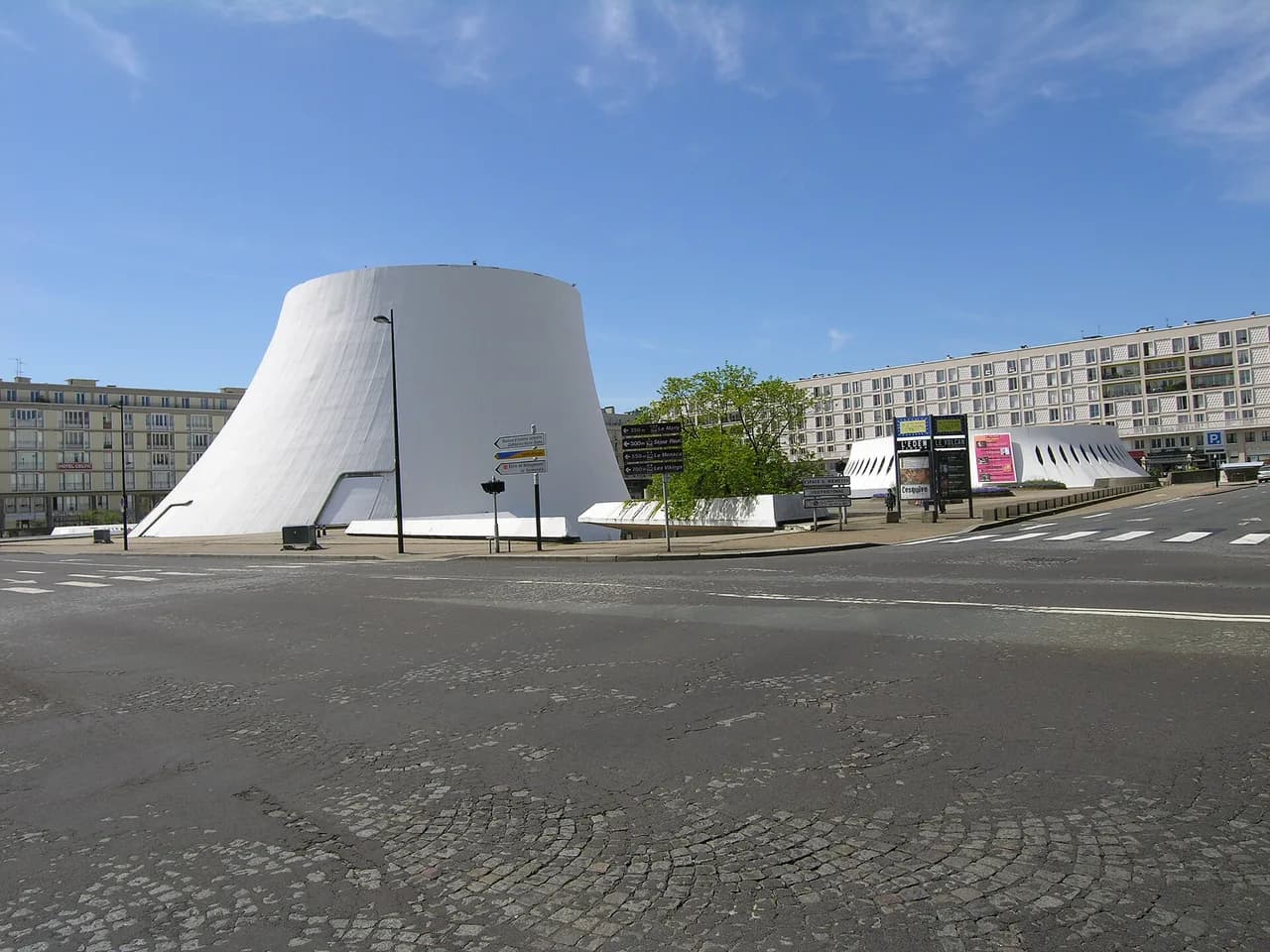
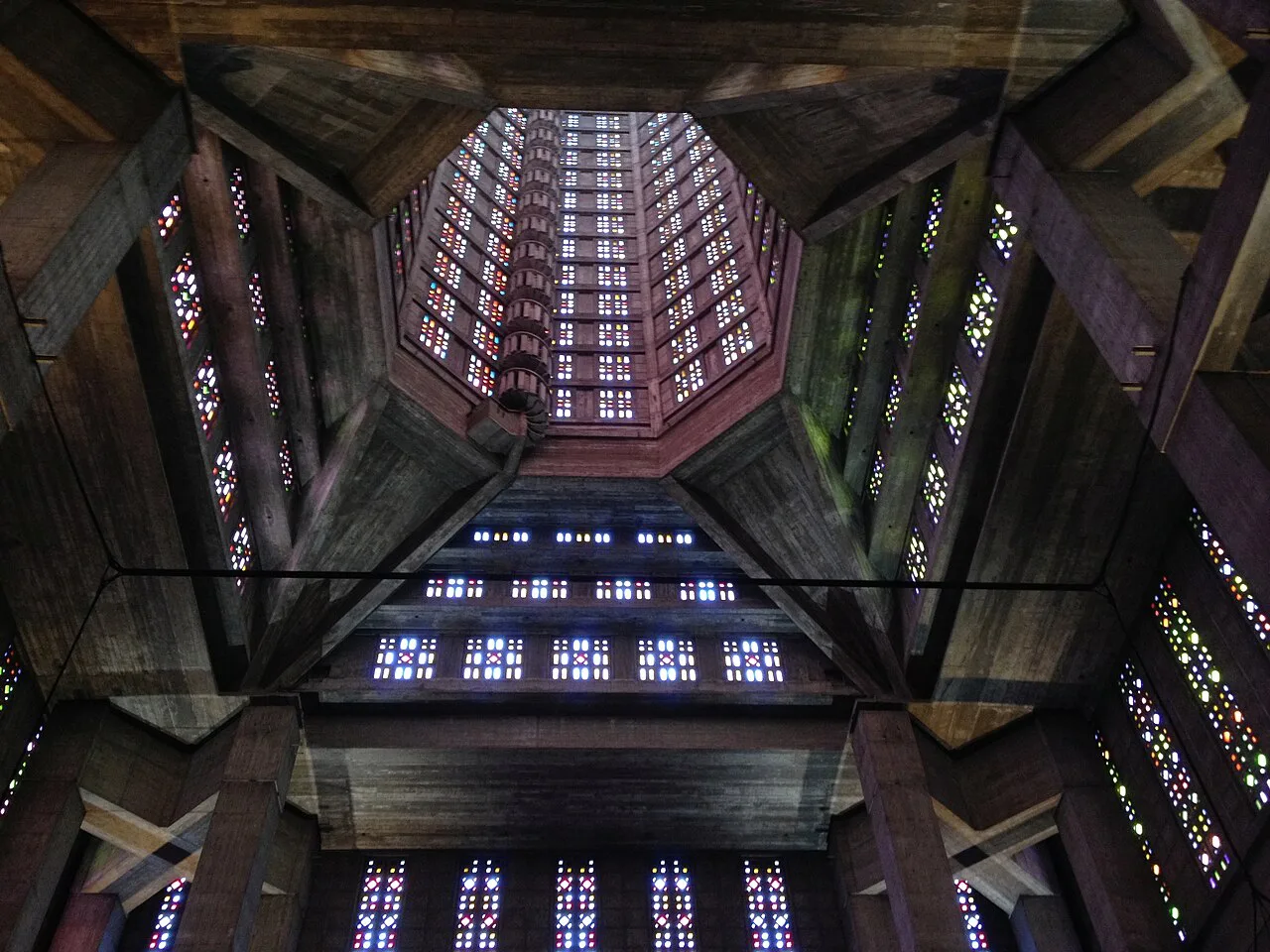
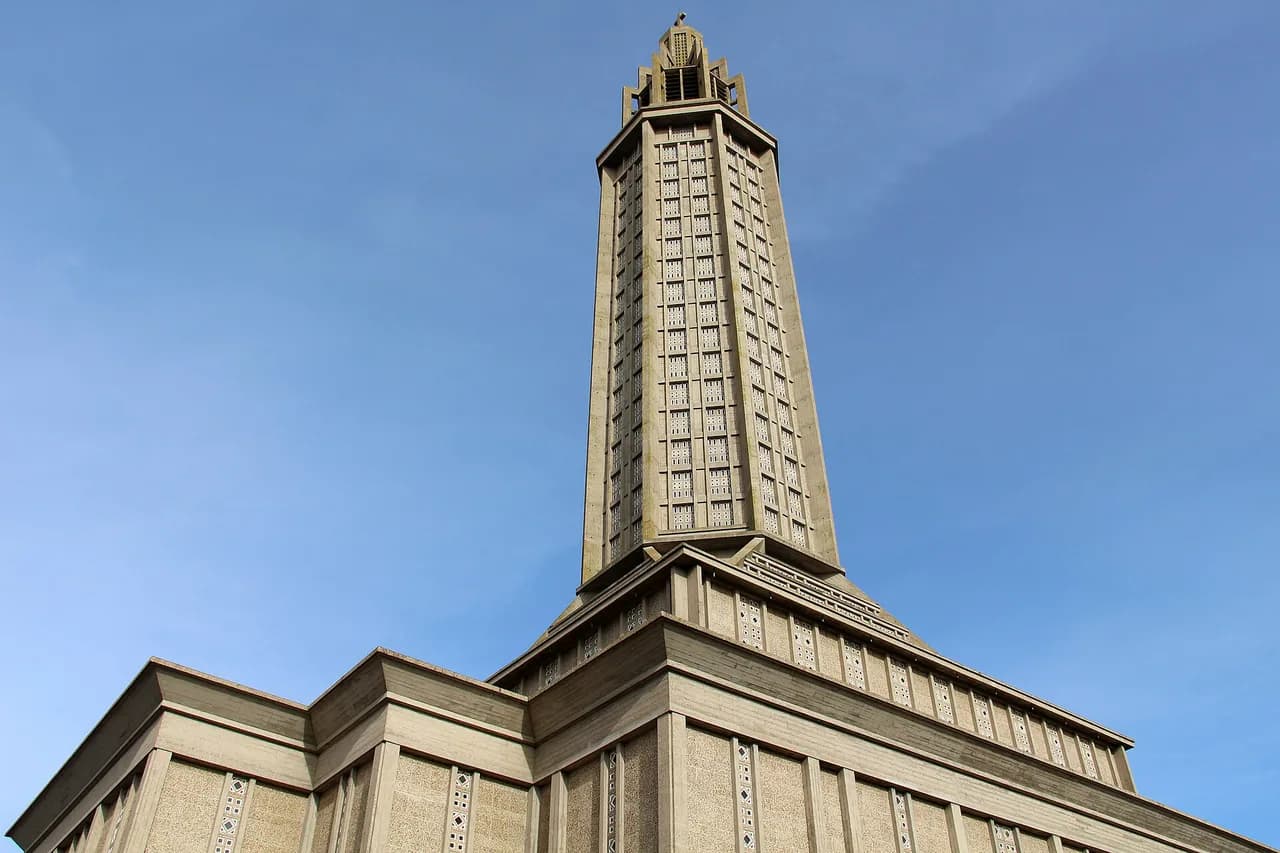
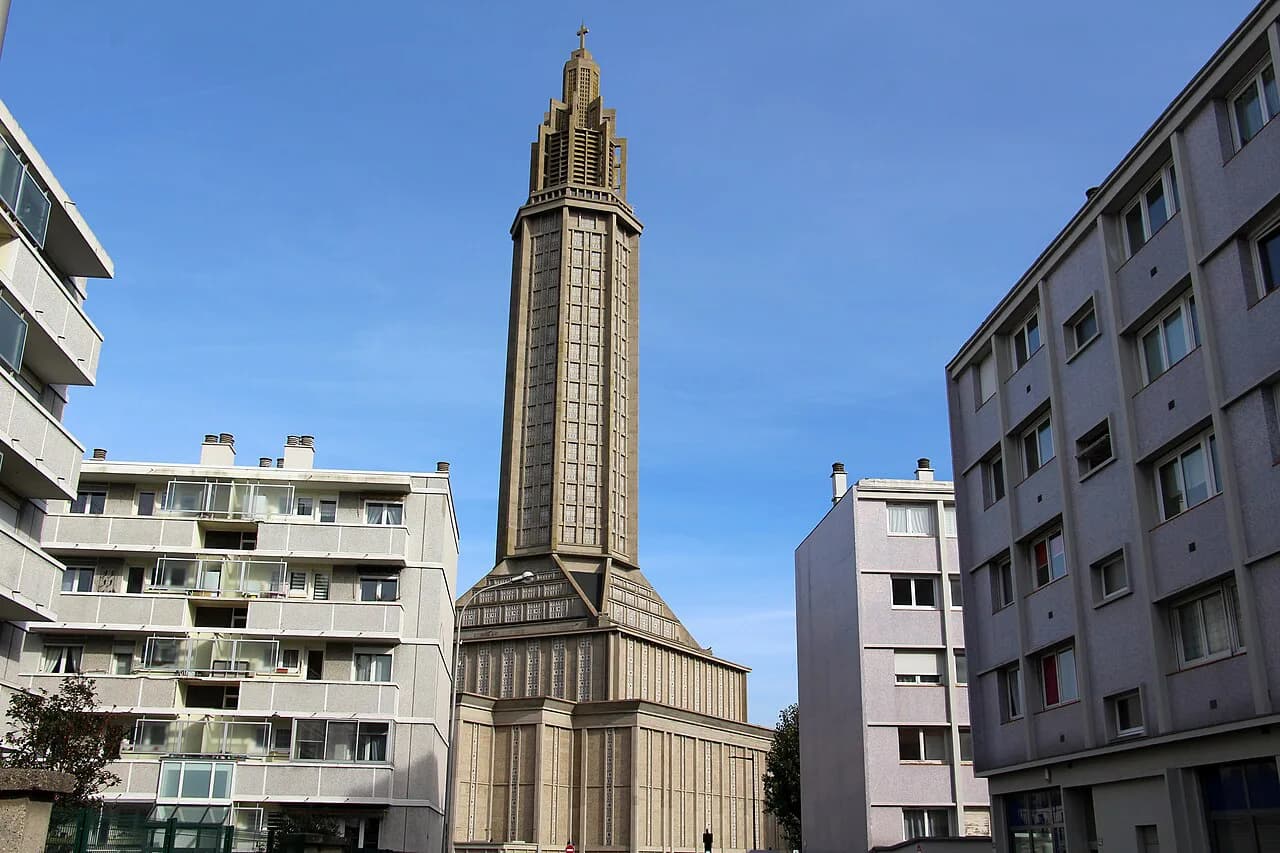
Le Havre rewards a short visit more than its post-war reputation suggests. The city is the birthplace of Impressionism, and its rebuilt center is a compact walk once you are in town. It is the natural choice for a short call or for the second half of a day that started in Honfleur.
The mix-and-match approach works well here: a shorter excursion in the morning, then time in Le Havre before all-aboard. That combination gives you a taste of Normandy without committing the entire day to a coach. If you are staying overnight before or after the cruise, the hotels near cruise port options are worth reviewing separately.
Plan Your Le Havre Port Day
Le Havre's excursion menu is really a choice between depth and breadth. Pick one anchor destination, match it to your all-aboard time, and decide early whether the return risk sits with the ship tour or with you. Honfleur and Le Havre suit short calls; the D-Day beaches, Étretat and Fécamp fit a full day; Paris is a long-haul commitment.
Before you book, confirm the pickup point, the planned return time and the cancellation terms with the operator or cruise line. The Paris Cruise Port at Le Havre guide covers the transfer arithmetic for the city day trip in more detail.
Frequently Asked Questions
Is Le Havre walkable from the cruise port?
The passenger quays sit away from the rebuilt town centre, so plan on a shuttle, taxi or organised transfer rather than a simple walk. The terminal layout and exits are the first thing to sort out on arrival.
Can you get to the D-Day beaches from Le Havre on a cruise call?
Yes, on a full-day call. The standard circuit covers Pointe du Hoc, Omaha Beach and the American Cemetery, and independent operators run trips from Le Havre. Utah and Sainte-Mère-Église are harder to add on the same day. Book a ship tour or a local operator with a fixed return plan.
How far is Paris from the Le Havre cruise port?
Roughly two hours by road each way, which makes Paris a full-day coach trip rather than a quick city break. The Paris Cruise Port at Le Havre guide explains what that transfer time means for your day ashore.
Is Honfleur or Étretat the better short excursion from Le Havre?
Honfleur for a short call, because the transfer is shorter and you keep more time on the ground. Étretat and the Alabaster Coast suit a longer call or a combined coastal day, since more of the day goes to travel.
Should you book a ship tour or a local operator from Le Havre?
For Paris or the D-Day beaches, a ship tour carries the least return risk because the operator plans around all-aboard. A local operator can work if you confirm the pickup point and return time. For Honfleur, going independently is a reasonable option.
What fits a six-hour call at Le Havre?
Honfleur or Le Havre itself. A six-hour window does not absorb a long road transfer plus meaningful time on site, so keep the day close to the berth and build the return around all-aboard.
Sources
Port-day notes for your next cruise
Optional updates to our port guides.
You might also like
Continue reading
More guides you'll find useful