Palma de Mallorca Cruise Port: Terminals and Transfer Guide
Ships berth at Estacions Marítimes 1-5 on the Paraires, Poniente and West quays. Plan the walk, taxi, shuttle or bus into town and a realistic Palma day ashore.
On this page
Palma hands you three days in one call: a Gothic cathedral on the waterfront, a dense old town behind it and a sandy city beach within a short ride. It suits passengers who want a walkable city day rather than a coach marathon, and it rewards anyone willing to decide early whether they are walking, riding or touring beyond the city. The catch is that the berths are not all in the same place, and the walk into town eats a real slice of a short call.
Where ships dock in Palma
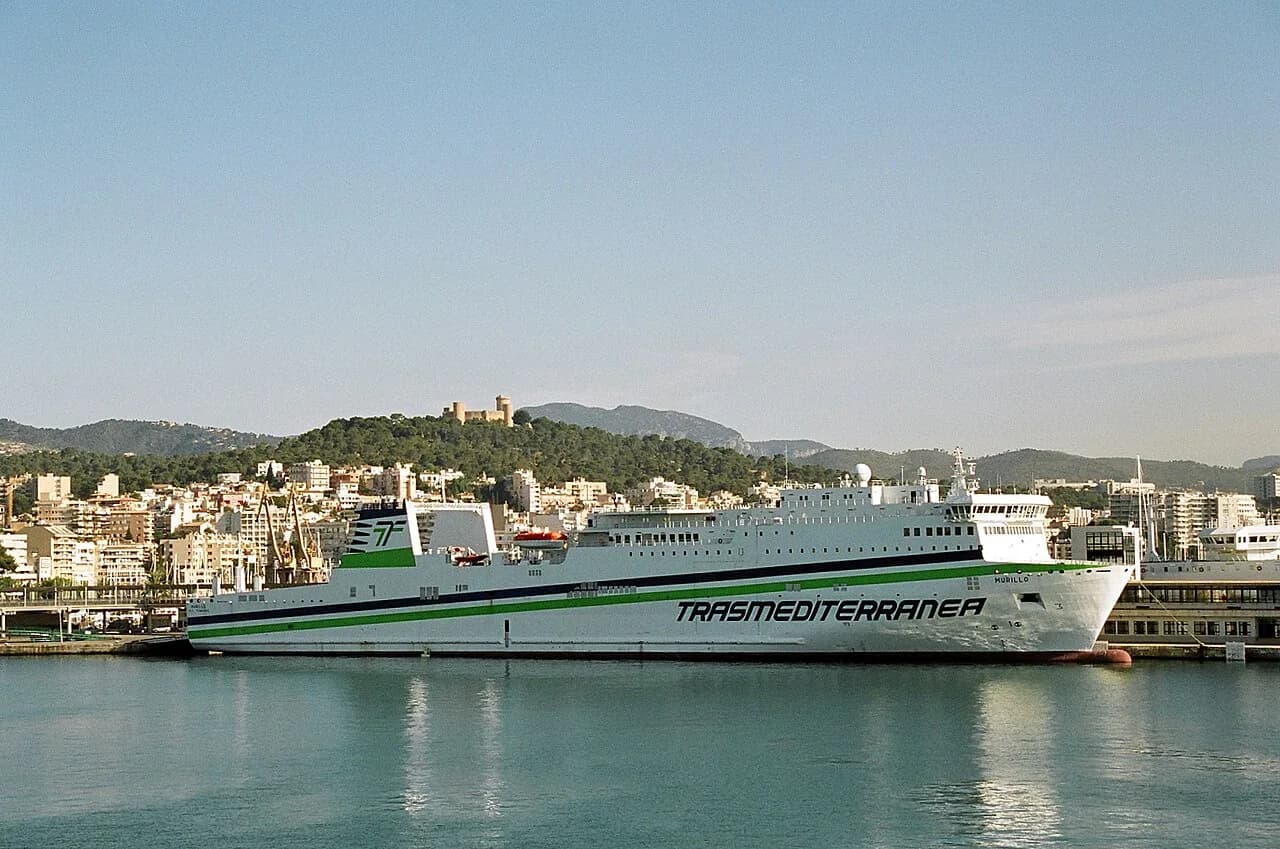
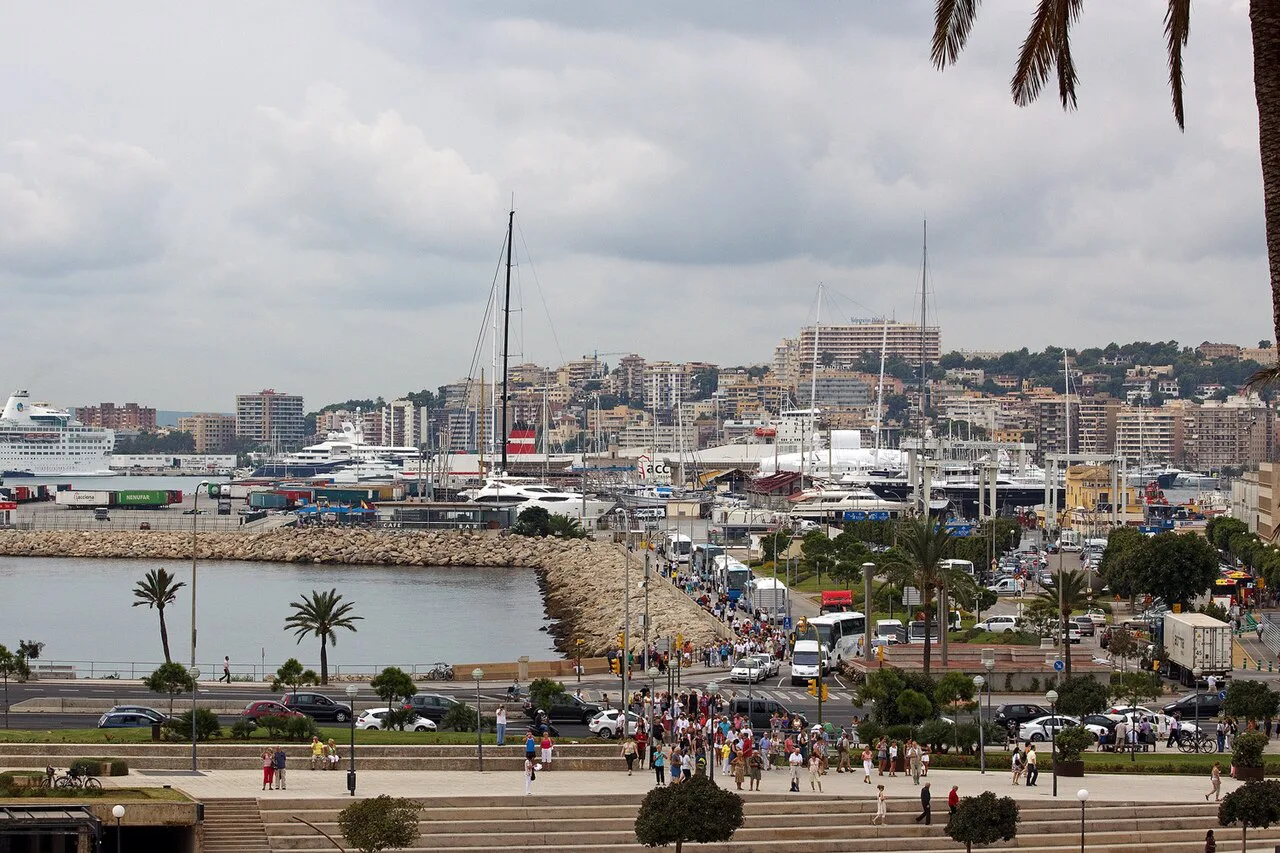
Palma's cruise terminals are numbered Estacions Marítimes 1 to 5. Terminals 1 to 4 serve ships at the Paraires and Poniente quays and are joined by covered walkways, with snack bars, cafeterias, restrooms, a post office, a police station and telephone kiosks between them. Ships that tie up at the west sea wall, the Dique del Oeste, are handled through Estació Marítima 5.
Celebrity Cruises gives passengers the practical version of the same layout: ships dock at the Port Estació Marítima on the opposite side of the bay from the cathedral, and the terminal area has restrooms, tourist information, taxis, Wi-Fi, a couple of cafés and souvenir shops. That mix is enough to sort out cash, a map and a taxi without leaving the port zone. The terminal you use depends on your ship's berth that day, so treat the number on your daily programme as the starting point for every plan below.
How far the berths are from the old town and La Seu
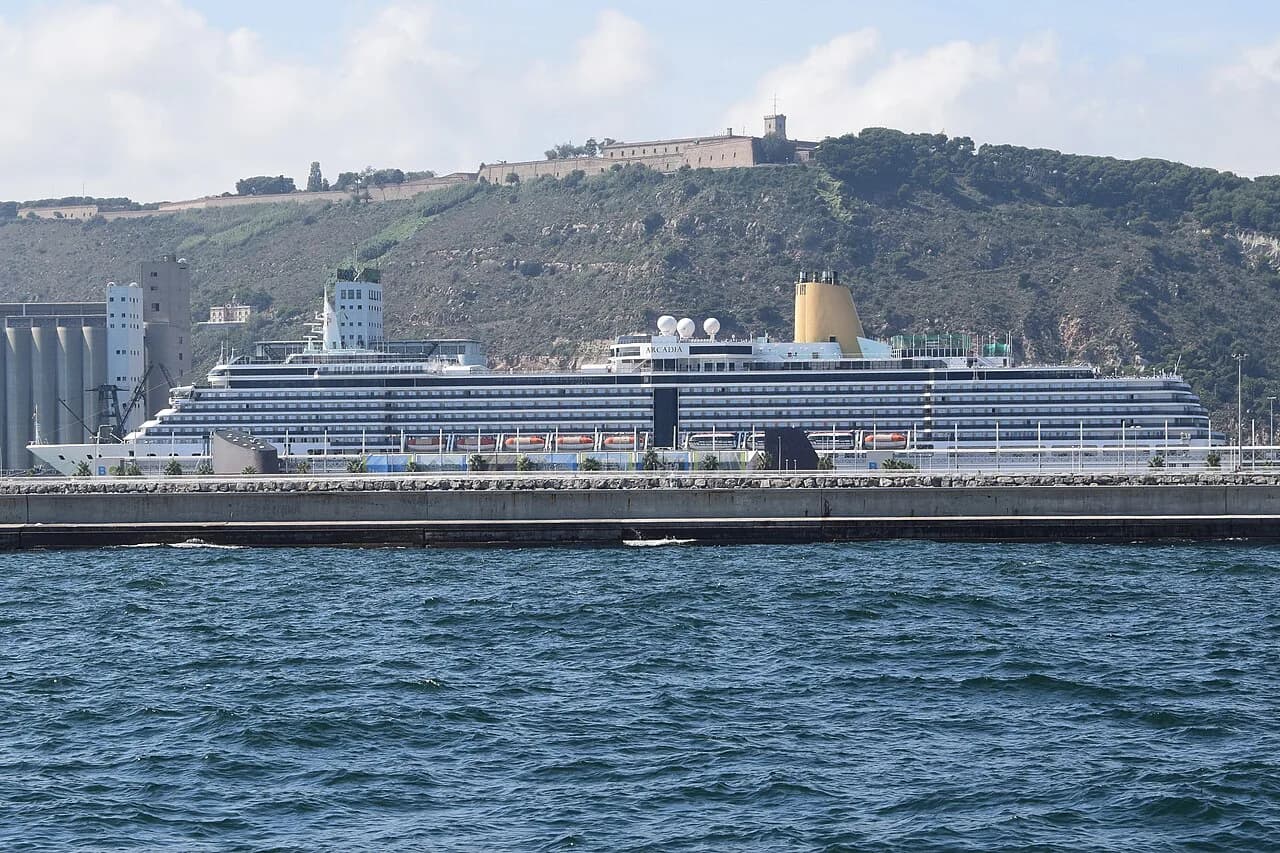
The main cruise port sits roughly 3 to 4 kilometers, or 1.9 to 2.5 miles, from the city center, and the waterfront walk between them takes about 30 to 45 minutes. Celebrity puts the walk from the Estació Marítima into the center at 30 to 40 minutes tracing the curve of the bay. Either way, this is not a five-minute stroll to the cathedral steps; it is a proper walk each way. Passengers weighing this distance against other Spanish calls can compare it with the barcelona cruise port, where the berths sit at a similar remove from the old town.
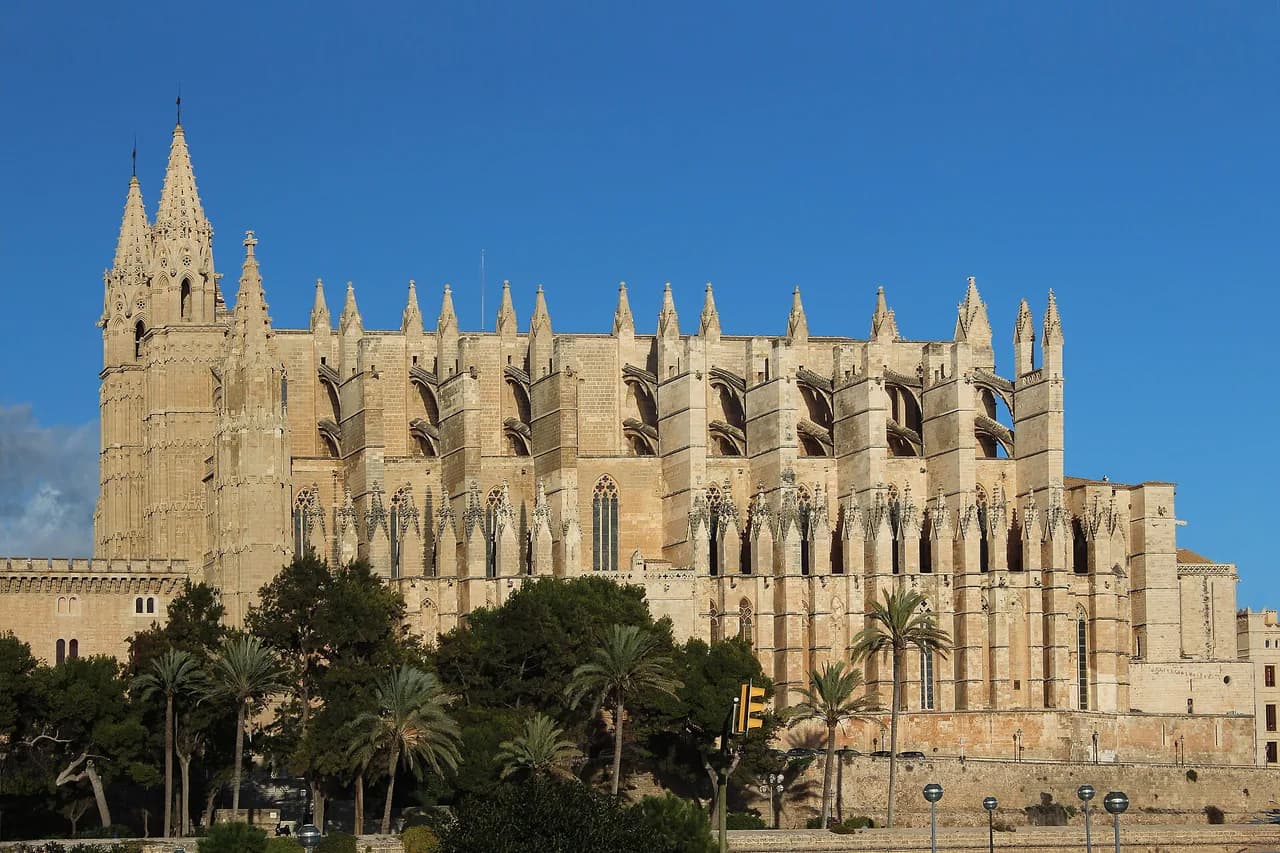
La Seu cathedral and the Royal Palace of La Almudaina stand side by side above the water, so once you reach the cathedral you have arrived at the heart of the sightseeing. The Dique del Oeste berths served by Estació Marítima 5 add distance on top of the Paraires and Poniente baseline, which makes a taxi or shuttle the sensible default from that quay rather than a full waterfront walk.
Walking into Palma from the terminal
The waterfront route is flat, follows the bay and drops you at the cathedral end of the old town, so it suits passengers with a long call, comfortable shoes and no fixed first appointment. Use it one way and ride back if the afternoon is hot, because the same 30 to 45 minutes that costs you little at 9 a.m. costs you more when you are tired and watching the clock.
Treat the walk as a commitment rather than a warm-up: a round trip on foot can absorb well over an hour of a six-hour call before you have entered a single building. Passengers who want La Seu, the old town and a sit-down lunch in a short call should plan to walk one direction at most.
Taxis from the terminal
Taxis wait at the cruise terminal, and the run to central sights such as La Seu takes about ten minutes. That makes a taxi the efficient choice when your call is short or when you are starting from the Dique del Oeste. Fares follow the island's tariff structure, with weekday daytime rates from 07:00 to 21:00 and a different tariff at all other times, plus supplements such as the charge applied to airport pickups and drop-offs; read the meter and posted tariff rather than counting on a flat fare.
Build the return taxi into your day rather than hoping to find one at the cathedral steps at the last minute. Give yourself a margin at the taxi rank near the old town, and keep the terminal name from your ship's daily programme to hand so the driver knows which Estació Marítima you need.
Cruise-line shuttle buses into central Palma
Many cruise lines run shuttles from the port into central Palma, often dropping passengers near La Seu or Plaça d'Espanya. Which of those drop points applies, how often the bus runs and whether there is a charge are set by your cruise line for that sailing, so confirm the arrangement on board before you rely on it. A shuttle that lands you near the cathedral saves the walk and leaves the whole old town within a few minutes on foot.
If your ship berths at the Dique del Oeste, the shuttle matters more, because the alternative is a long walk or a taxi from Estació Marítima 5. Ask at the shore excursions desk which terminal your ship uses and where the shuttle picks up, then note the last return departure time.
Public EMT buses from the port to the center
Palma's municipal EMT network links the port area with the city center, and Line 1 is the route commonly used for that connection at a low fare. Buses are the cheapest way to close the gap without a long walk, but they run to their own timetable rather than yours, so check the stop nearest your terminal and the return times before committing.
A bus works best for passengers with a long call and a flexible plan, where waiting ten minutes at a stop costs nothing. For a short call, the time spent finding the stop and waiting usually outweighs the saving over a taxi shared between two or more people.
Choosing transport for a 6-, 8- or 10-hour call
On a six-hour call, take a taxi or shuttle into the old town and concentrate on La Seu, the Almudaina palace and the lanes around them; walking both ways would consume too much of the day. An eight-hour call leaves room to walk into town, see the cathedral and old town, eat lunch and ride back. With ten hours you can add the beach, a museum or a half-day run out of the city, provided you have fixed your return transport in advance.
Whichever bracket you fall into, subtract your all-aboard time from your arrival and treat the difference as the real length of your day. Then subtract your chosen return leg, with a margin, before you decide what fits. This single calculation prevents most of the rushing that ruins a Palma call.
A walking plan for the old town
Start at La Seu cathedral, whose terrace gives you the bay view before you go inside. Reported admission is around nine euros and opening is from 10:00, so an early arrival means a wait or a walk first; buying a timed ticket ahead avoids losing that time in a queue. The cathedral's interior and its enormous rose window justify the stop even on a tight schedule.
Next door, the Royal Palace of La Almudaina mixes Moorish and Gothic architecture and reportedly charges around seven euros, with discounts for EU citizens. From there, wander into the Gothic Quarter toward Plaça Major, a square lined with restaurants and street performers, and look for the Modernist Can Forteza Rey building with its mosaic facade along the way. That loop covers the essential Palma in two to three hours of walking without stops.
If you would rather have the commentary, guided city and cathedral tours are available in the range of roughly fifty to eighty euros per person, while a self-guided version of the same ground costs only your cathedral and palace tickets. For a first visit with limited hours, the self-guided loop is the better use of time because you control the pace.
Es Baluard, the promenade and Bellver Castle
Es Baluard Museum of Modern and Contemporary Art occupies a former fortress with views over the harbor, and reported admission is around six euros. Even if you skip the galleries, the Passeig Marítim outside is a palm-lined promenade of yachts and cafés that works well as a slow loop back toward the port side of the city.
Castell de Bellver, the circular fourteenth-century castle on its pine-forested hill, needs a separate climb or ride and is best kept for a long call. Its position above the city makes it a viewpoint stop rather than a quick addition to a cathedral morning.
Beach time near the port
Platja de San Pere Antoni sits just beyond the cathedral, and Portixol, with its little fishing-village feel, is reachable along the same shore; Cala Major lies west of the city with seasonal chiringuito bars behind the sand. For a short call these are the realistic beach options because the transfer is brief. A swim and a coffee at Can Pere Antoni or Portixol fits comfortably into an eight-hour day alongside the old town.
Booking a beach club day is the simplest version if you want a lounger and no logistics, since transfers are arranged by taxi or bus. The trade-off is that you see little of the city, so save it for a repeat visit or a genuinely short window when sightseeing would be rushed anyway.
Beyond the city: Sóller and the Tramuntana
The vintage train from Palma climbs through olive groves and pinewoods to Sóller, where a 1912 wooden tram connects the town to its port. It is a charming half-day at minimum, and the return journey is the part that decides whether it belongs in your call. Check the train times in both directions before you buy, and if the timetable does not leave you a comfortable margin, choose the ship's excursion instead, because a delayed mountain train does not negotiate with your all-aboard time.
Excursions into the Tramuntana to Valldemossa and Deià run in the region of one hundred fifty euros and consume most of a port day. They suit passengers with a long call who want the mountain scenery more than the city, and they are the weakest fit for a six-hour stop.
Ship tour, local operator or independent
The ship's tours cost more but come with a guaranteed departure on the cruise line's schedule and no onward planning once you board the coach. Local operators and independent travel are cheaper and more flexible, and for Palma's compact old town the independent option carries little risk as long as you leave a generous buffer. For anything involving a train, a mountain road or a fixed return service, weigh the saving against the fact that the ship will not wait for you.
A sensible split for most passengers is independent time in the city and a ship tour only for the longer runs such as Sóller or the Tramuntana. That keeps your money for lunch and tickets where the logistics are trivial, and buys certainty where they are not.
Eating and shopping in the old town
Mercat de l'Olivar puts produce and small restaurants under one roof, while the smaller Santa Catalina market around it covers tapas, oysters and more. For a sit-down lunch, the tapas bars of the old town are the natural stop between the cathedral and Plaça Major. Look for local dishes such as arros brut, pa amb oli and ensaimada rather than international menus.
Passeig des Born is the address for designer shopping, with leather and sandals among the local buys, and El Corte Inglés has a large branch on Plaça d'Espanya. Cards are accepted almost everywhere, but carry some cash for markets and small purchases. If you have a short call, shop near the cathedral end of town so your return transport stays close.
Building in your buffer for all-aboard
Work backwards from all-aboard rather than from the ship's departure time. On a call where the vessel sails in the early evening, aim to be back at the terminal well before the stated deadline, because the last shuttle, the taxi queue and the walk from the terminal gate all take time you will not get back. Passengers using the waterfront walk should add the full 30 to 45 minutes to their plan, not an optimistic estimate.
Keep a note of your terminal number and the ship's contact details, and set a phone alarm for the moment you need to start back. That habit matters more in Palma than in ports where the berth is at the town edge, because here the return leg is a genuine journey.
Practical points on the ground
The local currency is the euro, cards are widely accepted and ATMs are common across the city. Tipping is modest by US standards, with around ten percent normal in restaurants when service is not already included, and a few euros per person for a good guide. Terminal facilities cover restrooms, cafés, tourist information and taxis, which is enough to start the day without a detour.
The Balearic Port Authority manages Palma's port, and the daily programme from your cruise line names the terminal for your ship. Those two sources settle any question about berth, shuttle pickup or boarding time.
Palma as an embarkation port
Palma is a turnaround port as well as a call, and Palma Airport (PMI) sits roughly 8 kilometers, or 5 miles, east of the cruise port, which makes the transfer short. Passengers joining the ship here often stay a night or two in Palma hotels before boarding, and that extra day is well spent on Bellver Castle or the Tramuntana rather than on the old town you will see on a port call.
Confirm your terminal before you book a transfer, because the airport run ends at a different quay depending on whether your ship uses the Paraires and Poniente berths or the Dique del Oeste. Give the driver the terminal number, not just the port name.
Short calls and wet days
If your call is only a few hours, take a taxi straight to La Seu, see the cathedral and the Almudaina palace, walk the immediate old-town lanes and ride back; skip the beach and the mountains entirely. For rain, La Seu, the palace and Es Baluard give you three indoor stops within a compact area, with the market for lunch in between.
That combination keeps you close to your return transport and out of the weather without wasting the day on a coach. Decide the plan before you leave the ship so the first ten minutes ashore are spent moving, not deliberating.
Plan Your Day Ashore in Palma
Decide your transport before you dock: walkers should commit to one direction only on a short call, and everyone else should pick taxi, shuttle or bus according to how far the ship is from the cathedral that morning. Then fix your return leg and your buffer, and let the sights fill the space that remains.
With that settled, Palma gives you a cathedral, a walled old town, a market lunch and a city beach without any long transfers. Confirm your terminal and all-aboard time with your cruise line on the day, and the rest of the plan holds.
Explore more Palma de Mallorca cruise port guides
Frequently Asked Questions
Is Palma de Mallorca walkable from the cruise port?
Yes, the waterfront route into the city is flat and follows the bay, but it takes roughly 30 to 45 minutes each way, so a round trip consumes a real part of a short call. Walk one direction and ride back if your hours ashore are limited.
How do I get from the Palma cruise port to the city center?
Taxis wait at the terminal and reach La Seu in about ten minutes. Many cruise lines also run shuttles that drop near La Seu or Plaça d'Espanya, and EMT public buses including Line 1 connect the port area with the center. Ask on board which terminal your ship uses and where the shuttle picks up.
What can I see in Palma in one day from a cruise ship?
A realistic day covers La Seu cathedral, the Royal Palace of La Almudaina, the Gothic Quarter and Plaça Major, with lunch at a tapas bar or market. A longer call adds Es Baluard, the Passeig Marítim, Bellver Castle or a swim at Can Pere Antoni or Portixol.
Can I visit Sóller or Valldemossa during a Palma port call?
Both are half-day commitments. The vintage train to Sóller and excursions to Valldemossa and Deià eat most of a port day, so they suit a long call with a comfortable return margin. Where the timetable leaves you tight, a ship excursion removes the risk of a late return.
Which beach is closest to the Palma cruise port?
Platja de San Pere Antoni lies just beyond the cathedral, and Portixol is a short walk along the same shore. Cala Major, west of the city, is a further ride but still practical in an eight-hour call.
Should I book a ship tour or explore Palma independently?
The compact old town suits independent sightseeing, with taxi, shuttle or bus covering the gap from the terminal. Book the ship's tour for the longer runs such as Sóller or the Tramuntana, where a delayed return is a genuine problem.
Sources
Port-day notes for your next cruise
Optional updates to our port guides.
You might also like


Continue reading
More guides you'll find useful