La Coruña Cruise Port: Dock and Day Plan Guide
La Coruña cruise port puts you a short walk from the old town. Here is where ships dock, how to reach the Tower of Hercules, and what fits a short call.
On this page
A Coruña hands you a rare cruise-day luxury: the ship ties up within a few minutes' walk of the old town, so you can be standing in María Pita square while most ports would still have you queuing for a shuttle. The city suits passengers who want a mix of architecture, seafood and Atlantic scenery without long transfers, and it rewards anyone willing to walk the coastal path toward the Tower of Hercules. The one real decision is how far along that coast you go before turning back.
Where ships dock
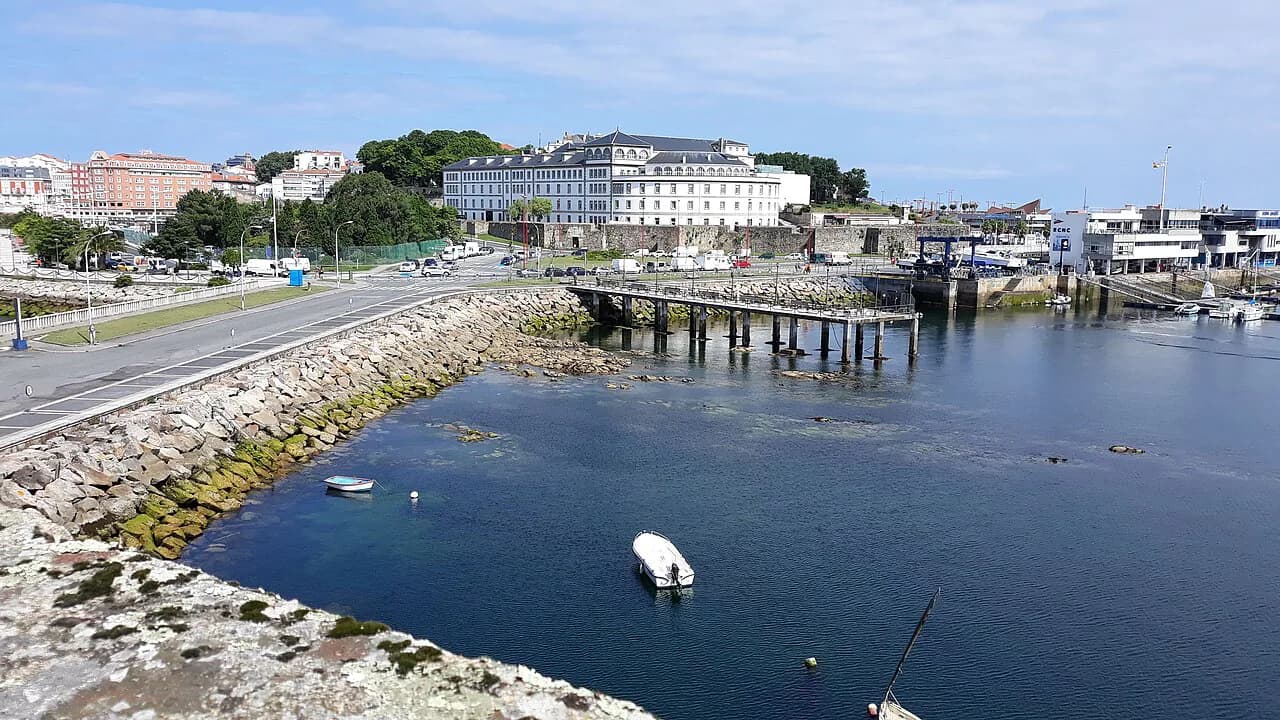
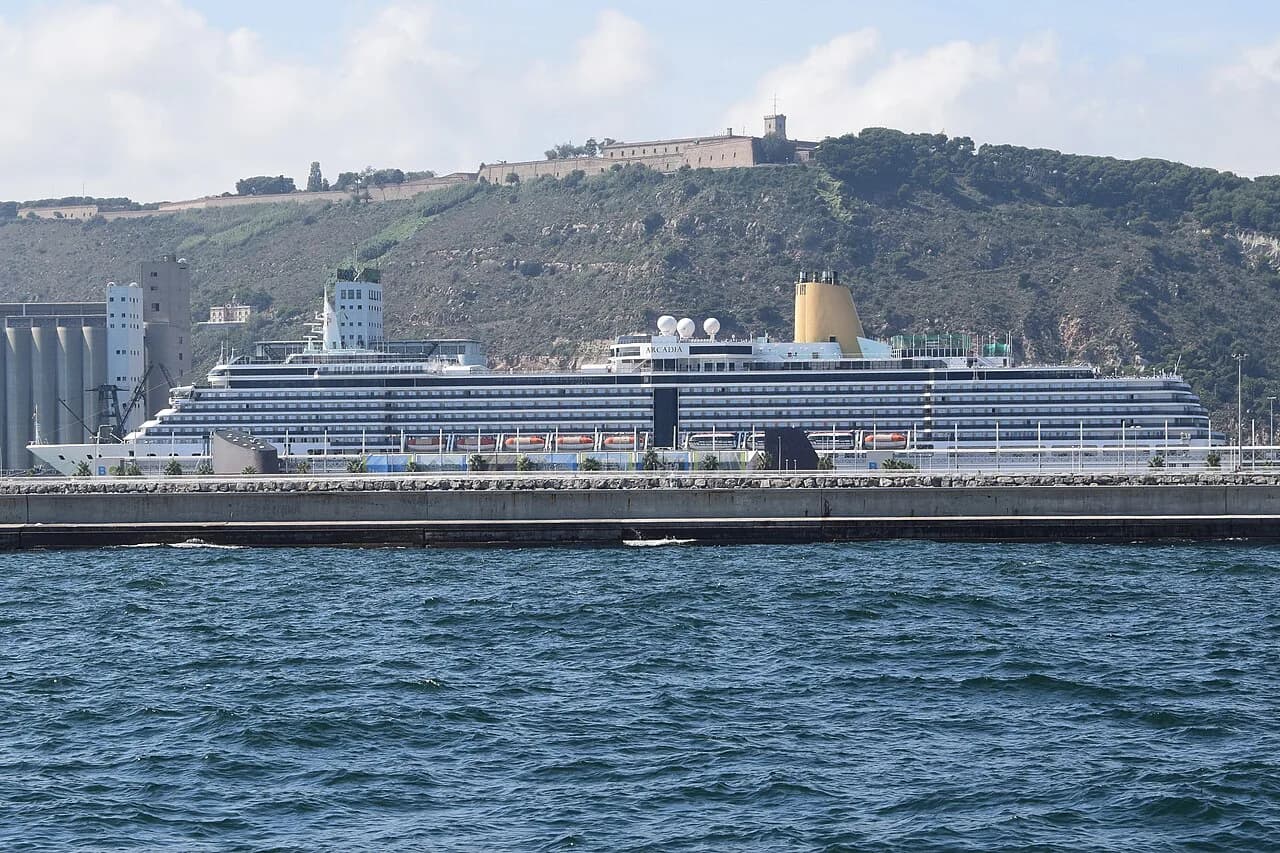
Cruise ships generally berth at the Transatlantic Quay, a dedicated cruise berth roughly five minutes on foot from the city centre. On days when two ships are in port, the Calvo Sotelo quay to the south, a converted cargo berth with new road access and a temporary tent terminal, is brought into use as well. The Transatlantic Quay handles one-ship days and can take two smaller vessels or one large one along its length.
Because the assignment depends on how many ships share the date, check your cruise line's daily programme for the berth rather than assuming the same walk every call. The distinction matters less than it sounds: both quays sit on the same waterfront, and the city centre remains reachable on foot from either. If your ship is the only one in, expect the short walk from the Transatlantic Quay and a straightforward route past the harbour.
The passenger terminal
The terminal at the Transatlantic Quay is a modern building with tourist information, restrooms and free Wi-Fi throughout, plus the Los Cantones shopping complex with stores, food outlets and a movie theatre. That combination makes the first ten minutes ashore useful rather than wasted: pick up a city map, confirm the day's all-aboard time and use the Wi-Fi to settle any last plans.
Treat the terminal as a staging point, not a destination. The sightseeing starts the moment you leave the building and head toward the harbour front, so don't burn an hour in the shops when the old town is a short stroll away. If you are travelling with someone who needs a rest stop later in the day, note that the terminal is the reliable place to return to for seating and facilities.
Getting into town on foot
Walking is the default in A Coruña because the berth sits inside the city rather than outside it. Head away from the ship along the harbour and you reach María Pita square, the city's main plaza, with the town hall and its long arcades framing one side. Iglesia de San Jorge is a stone's throw further on, and beyond it the streets of the Pescadería old town open into a maze of alleys, small shops and tapas bars.
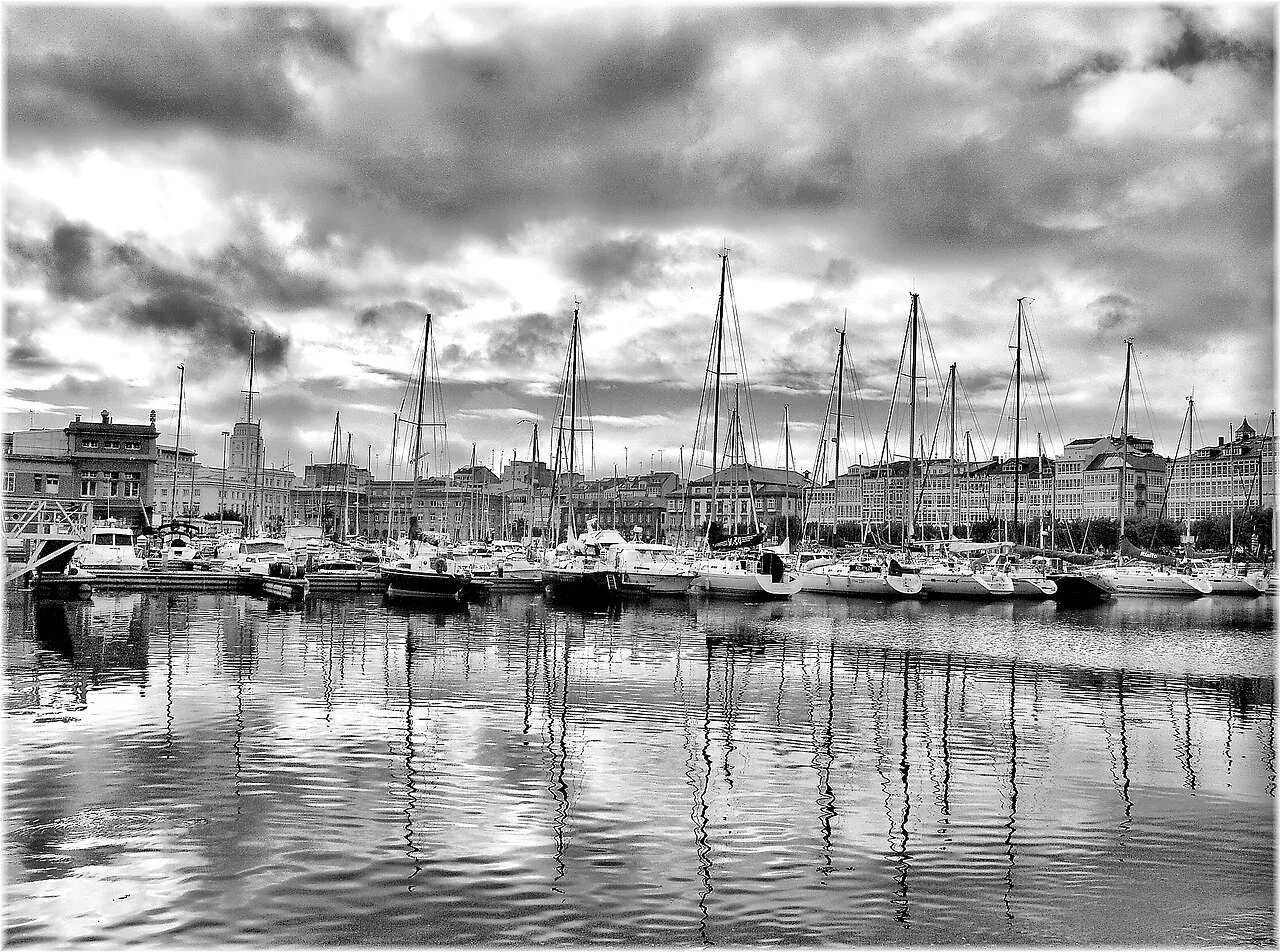
The distances here are short enough that a taxi into the centre makes little sense, and the stroll past the white buildings and moored boats along the harbour is part of the welcome. Plan your first hour as a slow loop through María Pita and the old town, then decide whether the coast or the shops get the rest of the day. Details of the route and walking times are set out in the guide to the A Coruña Cruise Port to the City Centre.
Taxis and the city bus
Taxis wait close to the dock, with a rank roughly half a kilometre from the berth, and they are the sensible answer if you want the Tower of Hercules without the coastal walk or if mobility limits how far you can cover on foot. The city also runs a public bus network across A Coruña, useful for reaching the beaches and the western edge of town when you would rather save your legs for sightseeing.
For a single day in the centre, neither option earns its keep: the old town, María Pita and Rúa Real are all within a walk of the gangway. Save the taxi for the outbound leg to the Tower of Hercules and consider walking back along the promenade, which turns a transfer into the best scenery of the day. Allow extra margin on busy multi-ship days, when the queue at the rank lengthens.
Walking the coast to the Tower of Hercules
The classic A Coruña day follows the Atlantic coast westward from the harbour. Start at Praia de Santo Amaro, a sheltered bay popular for swimming, then pick up the clifftop path that hugs the shoreline toward the lighthouse; there is an outdoor pool overlooking the beach if the sea looks cold. A kiosk near Santo Amaro is the last easy place for a cold drink before the longer, hotter stretch. If urban waterfront walks like this are your thing, the barcelona cruise port guide shows how a port-day plan can be built around a compact seafront.
The path leads through a sculpture park dotted with artworks, past the Monte dos Bicos rock carvings, which date to the Iron Age, and up to the headland. Small white-sand coves sit below the trail, so bring swimwear and a lightweight towel if the weather is warm. The route is beautiful but it is a proper walk, not a promenade amble, and the return leg is what usually catches people out on time. The dedicated route guide covers the La Coruña Cruise Port to Tower of Hercules walk.
The Tower of Hercules and its park
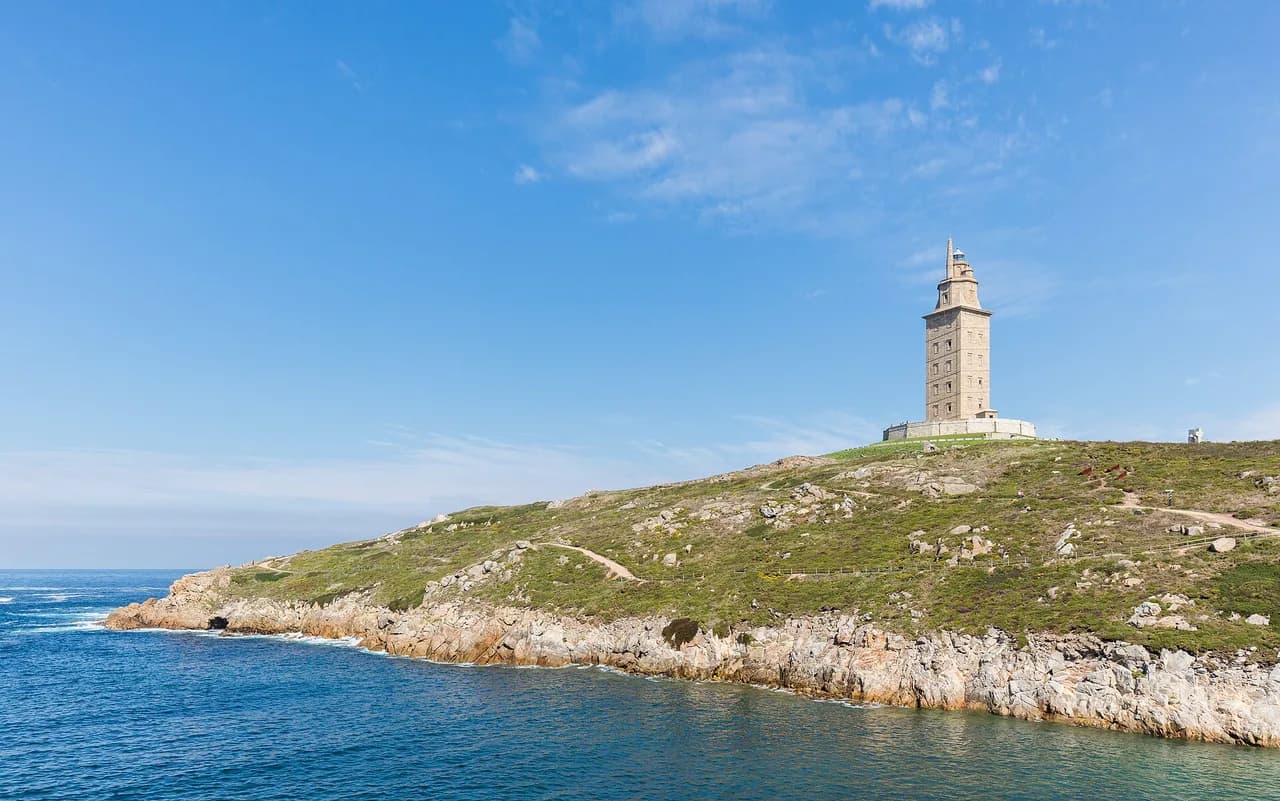
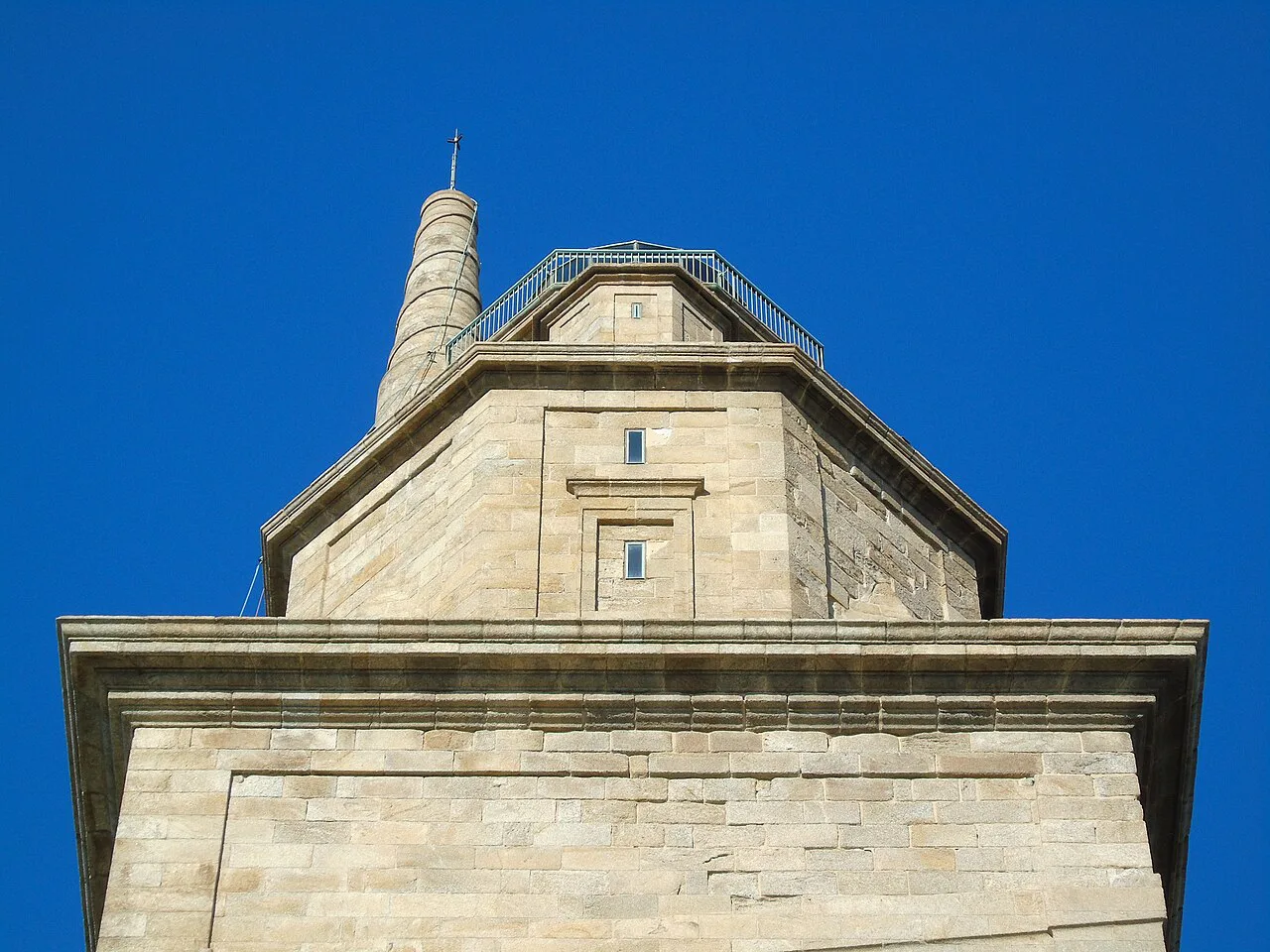
The Tower of Hercules is the oldest surviving lighthouse in the world, a working Roman-era beacon that has been in near-continuous operation since antiquity; the structure stands 55 metres tall, with most of that height from the original Roman build. It is a UNESCO World Heritage Site and the centrepiece of a large public park with a golf course and the sculpture trail. You can view it from outside at no cost to your schedule, or pay to go inside and climb to the top.
Decide on the climb before you set out, because the interior visit adds time at the far end of your walk. On a short call, the exterior, the park and the clifftop views are the prize; on a longer one, the climb is worth the queue. Admission prices and opening times are set by the tower's own management, and the cruise line's shore-excursion desk or the terminal information desk can confirm the day's arrangements.
Below the headland, Lapas beach is a small cove with white sand and views back up to the tower, while Playa del Orzán further along is a broad Atlantic beach used by locals for sunbathing, volleyball and surfing. These are the beaches to choose if you want sand and surf rather than a formal excursion.
Riazor, Orzán and the Paseo Marítimo
Playa de Riazor sits against the Paseo Marítimo promenade, about 1.4 km from the port, making it the easiest beach to reach if you would rather stay close to the ship. The seafront walk connects Riazor with the Orzán stretch and gives you a flat, fast route back toward the centre. For a short call, this is the sensible swim-and-stroll option.
If your priority is a beach day with minimal walking, head straight here after the old town and skip the Tower of Hercules altogether. The Atlantic water is bracing even in high summer, so a towel and a windproof layer earn their place in the day bag. Judge the walk back by the clock rather than by how close the promenade looks on the map.
Old town, museums and shopping
The compact old town, the Ciudad Vieja, is the heart of a city day, and the streets around María Pita reward slow wandering more than a checklist. Rúa Real is the main shopping street, lined with independent and family-owned businesses selling jewellery, perfume and artisan chocolate, and the La Pescadería and Ensanche neighbourhoods add clothing, shoe and book shops.
For art, the Picasso House Museum occupies the building where the artist spent his formative years and holds a collection of his early paintings, while the Museo de Bellas Artes covers European and Spanish masters from the sixteenth century onward. Both suit a cool, indoor hour when the Atlantic weather turns. Pick one rather than both on a short call, and leave enough time for the walk back to the berth.
Food and drink ashore
Galicia's seafood is the reason to eat ashore here. Polbo á feira, the region's octopus dish dressed with olive oil and paprika, and zamburiñas, small bay scallops, appear across the city's restaurants, and the tapas bars fill at lunchtime with small hot and cold plates ordered by the ración or as a tapa. Pair them with a cortado afterwards and you have the local rhythm of a port day.
Eat on the early side of Spanish lunch if your all-aboard time is mid-afternoon, because kitchens get busy and a leisurely menu del día can swallow two hours. The bars around María Pita and the old town put you within a short walk of the ship, which removes the risk of a late return. Cards are widely accepted, but a little cash helps in smaller bars and for tipping.
Santiago de Compostela as a day trip
Santiago de Compostela, Galicia's capital and a UNESCO-listed old town, sits roughly 56 km south of the port, making it the one destination that genuinely competes with A Coruña itself for your hours ashore. The city is served by high-speed rail and by road, but the transfer each way eats into the time you have for the cathedral quarter, so the trip only works on a longer call or as an organised excursion that handles the logistics.
Rail and coach timetables, journey times and fares change by season, so check current times for your date with Renfe and the regional coach services rather than relying on a remembered version. The A Coruña Cruise Port to Santiago de Compostela guide sets out the options and the realistic time budget. Be honest about the trade-off: a Santiago day means giving up the Tower of Hercules and the coastal path entirely.
Ship tour, local operator or independent day
A Coruña is one of the easier ports to do independently, because the berth is downtown and the main sights sit along a walkable coastal arc. A ship's tour earns its price when you want Santiago de Compostela without worrying about the return leg, or when you want the Tower of Hercules with transport included. A local operator sits between the two: often cheaper than the ship, but you carry the risk of a delay.
Whatever you choose, the ship will not wait for independent travellers who miss all-aboard, so set your own turnaround with a margin that reflects the distance back to the quay. The coastal path to the lighthouse is long enough that a slow walker should plan a taxi for the return, and the taxi rank near the dock is your fallback. Work backwards from all-aboard rather than forwards from the gangway.
How to shape a 6-hour call
With six hours ashore, stay in the city. Walk from the berth to María Pita, loop through the old town and Rúa Real, then take a slow lunch of pulpo or tapas before heading back. That plan uses no transport, keeps the return leg short and still gives you the architectural highlights and the atmosphere of the Pescadería.
If you want the lighthouse on a six-hour call, take a taxi out and walk back along the promenade, or vice versa. Attempting the full coastal walk out and back on foot, with a climb inside the tower, is too tight once you allow for the return buffer. Choose one beach or the tower, not both.
How to shape an 8-hour call
Eight hours opens up the coastal path properly. Walk west via Santo Amaro and the sculpture park to the Tower of Hercules, spend time on the headland and in the park, and take a taxi back to the berth to protect your margin. That gives you the clifftop scenery, the Roman lighthouse and a stop at one of the coves without rushing the return.
An alternative eight-hour plan pairs the old town and museums in the morning with an afternoon on Riazor and the Paseo Marítimo. This suits passengers who prefer culture and a swim to a long hike, and it keeps you within 1.4 km of the ship for the whole afternoon.
How to shape a 10-hour call
A ten-hour call is the one that can absorb Santiago de Compostela, either on a ship excursion or by arranging rail or coach travel yourself with a generous cushion for the return. The distance is only about 56 km, but the day is dominated by transfers, so accept that A Coruña's own sights will be reduced to whatever you manage before departure or after your return.
If you would rather stay local, ten hours lets you combine the Tower of Hercules climb, a swim at Lapas or Orzán, a proper sit-down seafood lunch and the old town without watching the clock. This is the version that shows why A Coruña repays a full day rather than a hurried couple of hours.
What to wear and carry
A Coruña sits on the Atlantic in Galicia, so the weather can change quickly even in summer. Pack comfortable walking shoes, a light waterproof layer and a water bottle, and add swimwear and a lightweight towel if the coastal path or the beaches are on your plan. The clifftop trail is exposed, so sun protection matters on clear days as well.
Bring your camera for the harbour, the galerías and the lighthouse, and keep your cruise card and a little cash handy for small bars. If you plan to climb the tower, note that the interior visit is a separate decision from the park, and check the day's arrangements at the terminal information desk or through your cruise line.
Plan Your Port Day
A Coruña works best when you decide early whether you are a city-and-seafood passenger or a coastal-path passenger. If you are the first, María Pita, the old town, Rúa Real and a long lunch fill a short call comfortably. If you are the second, walk or ride to the Tower of Hercules, take in the sculpture park and a cove, and keep the return leg simple.
Either way, set your return to the berth by your own margin, not by the last possible minute, and remember that the Transatlantic Quay and the Calvo Sotelo quay are both close to the centre but used according to the day's ship traffic. Your cruise line's programme confirms which one applies to your call.
Explore more A Coruña cruise port guides
Frequently Asked Questions
Can you walk into La Coruña from a cruise ship?
Yes. Ships generally berth at the Transatlantic Quay, about five minutes on foot from the city centre, and on two-ship days the Calvo Sotelo quay is used as well. Both sit on the same waterfront, so you can walk off the gangway and be at María Pita square shortly after leaving the terminal.
How do I get from the cruise terminal to the Tower of Hercules?
You can walk it along the Atlantic coastal path via Praia de Santo Amaro and the sculpture park, which is a proper hike rather than a short stroll, or take a taxi from the rank near the dock. Many passengers ride out and walk back along the promenade to turn the transfer into the best scenery of the day.
Is Santiago de Compostela a realistic day trip from the cruise port?
It sits roughly 56 km south of the port and is served by high-speed rail and road, so it fits a longer call or an organised excursion better than a short one. The transfers each way eat into your time in the cathedral quarter, and a Santiago day means giving up the Tower of Hercules and the coastal path.
Should you book a ship tour or explore independently in La Coruña?
Independence is easy here because the berth is downtown and the main sights sit along a walkable coastal arc. A ship's tour makes sense for Santiago de Compostela, where the return leg matters, or for the Tower of Hercules with transport included. The ship will not wait for independent travellers who miss all-aboard, so set your own buffer.
Sources
Port-day notes for your next cruise
Optional updates to our port guides.
You might also like


Continue reading
More guides you'll find useful