Port of Piraeus Cruise Terminal: Gates & Transfers Guide
Piraeus cruise ships use gates E11 and E12 at the south end of the port. Plan metro, bus, taxi and airport transfers around your call and all-aboard time.
On this page
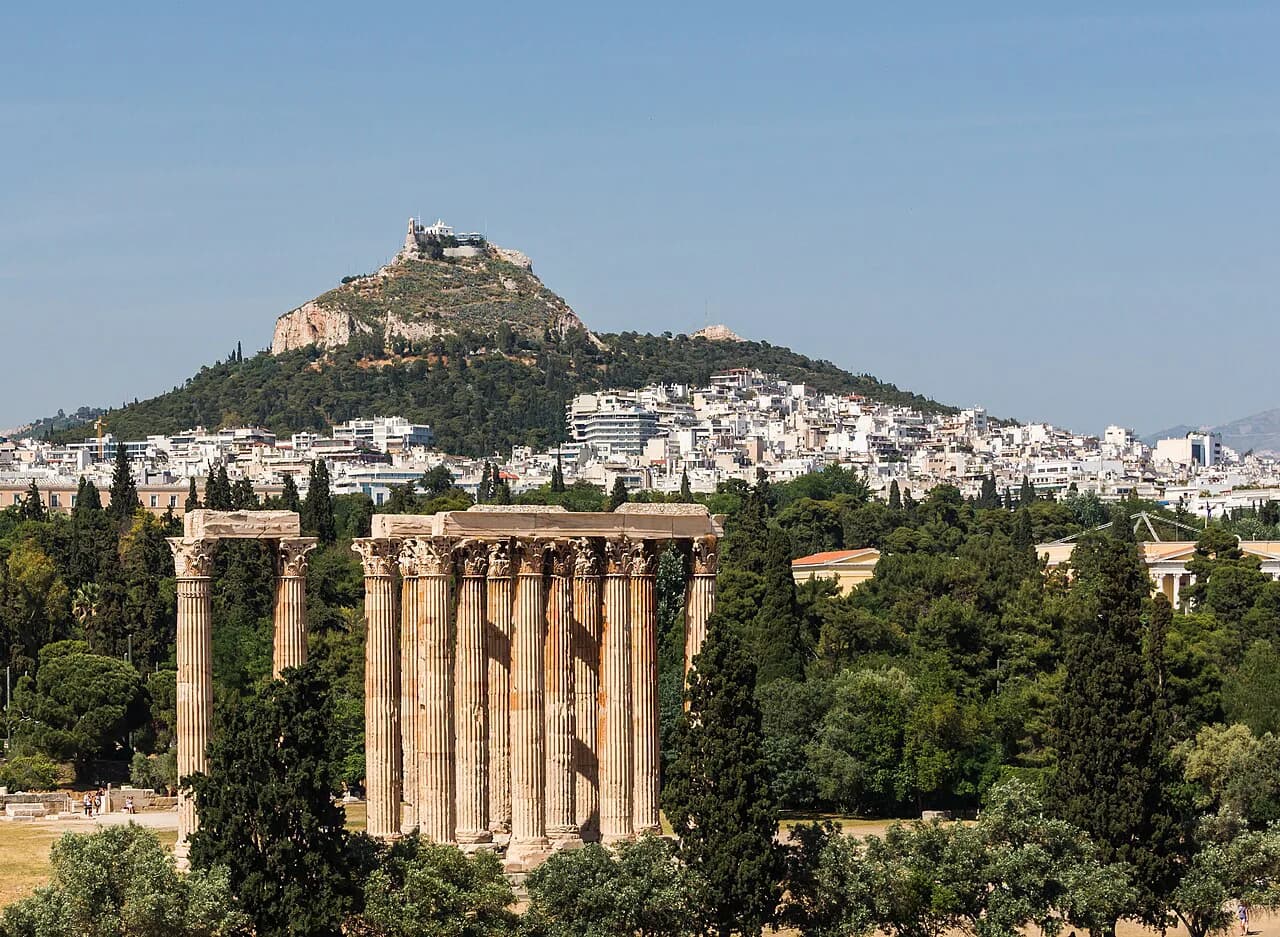
A call at Piraeus trades a working harbor for one of Europe's great sightseeing cities: the Acropolis, the Plaka and the museums of Athens sit a short ride from the berths. It suits passengers who accept that the cruise terminal is not downtown and that a little planning buys them the Parthenon instead of a wander around the quays.
Cruise ships use the two gates at the far south end of the port, E11 and E12, roughly 12 km southwest of central Athens. Your day works best if you decide early whether you are going into Athens or staying in Piraeus, because the two plans use the same exit and the same return buffer.
What the Piraeus port day offers
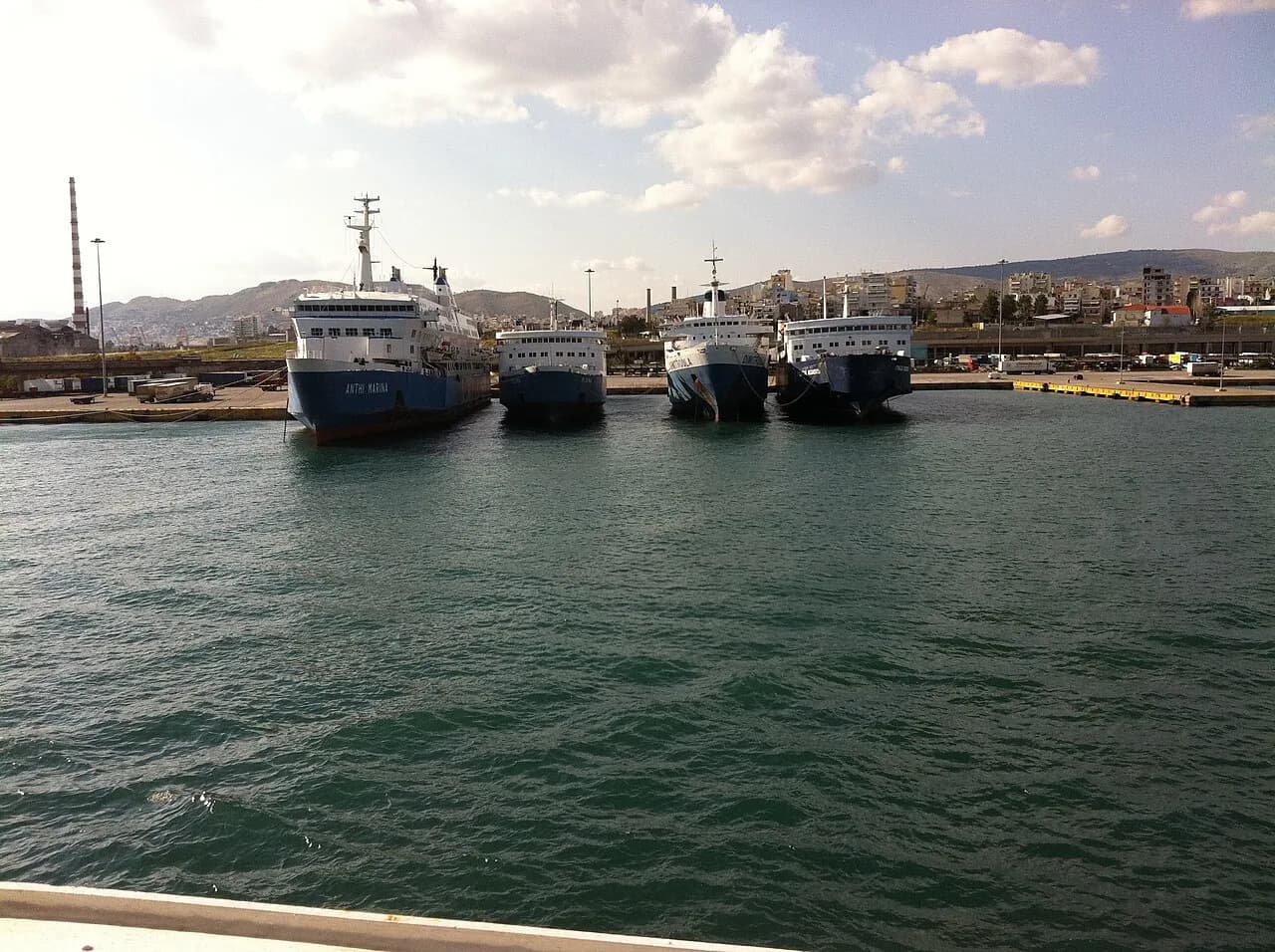
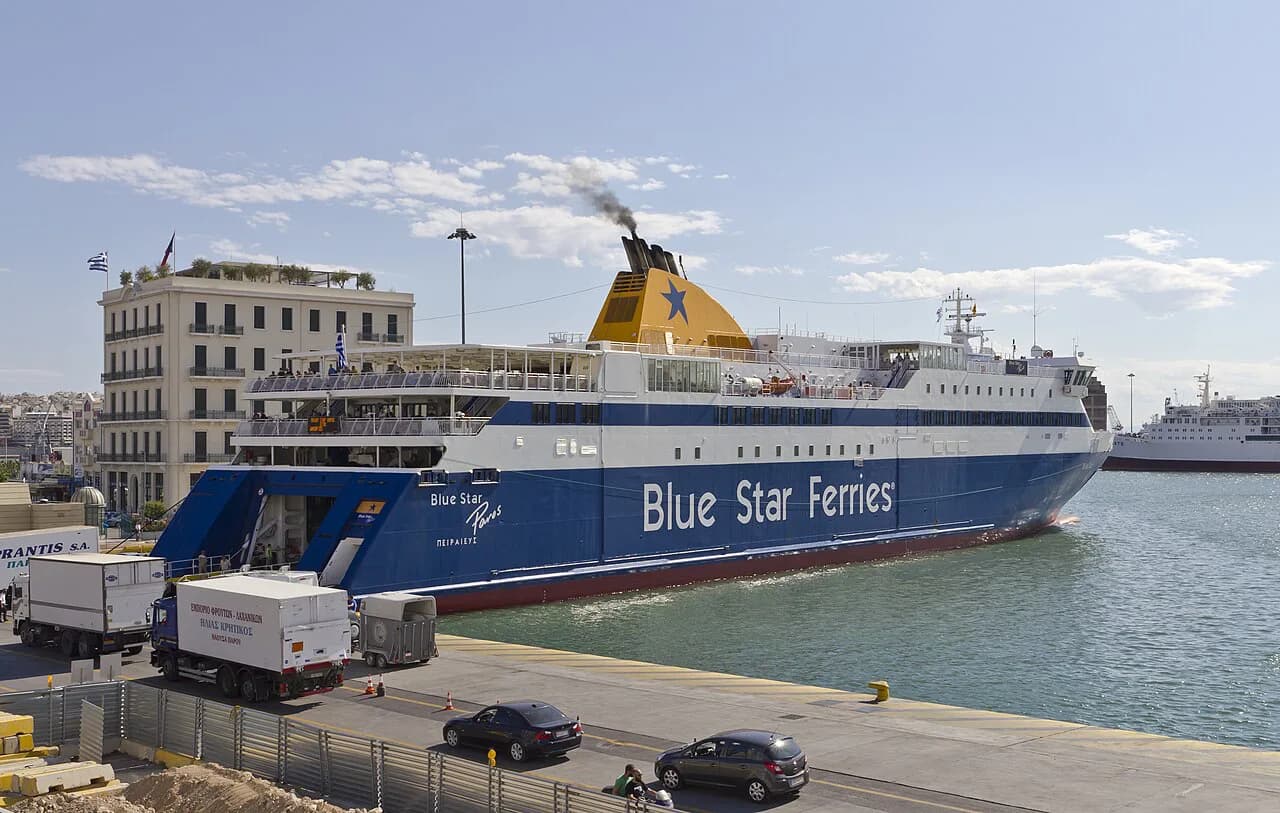
Piraeus is a homeport and a call port on Eastern Mediterranean itineraries, so you will share the harbor with turnaround passengers, ferries to the islands and other ships. For a call day, the appeal is straightforward: Athens is close enough for a proper visit, and Piraeus itself has a lively waterfront if you would rather stay local.
The city side of Piraeus is worth an afternoon on its own, with the neoclassical district of Kastella, the marina at Pasalimani and the seafood tables of Mikrolimano a short taxi ride or a longer walk from the cruise zone.
Passengers with limited mobility or a short call should weigh the long transfer to Athens against the compact pleasures of Piraeus, because the port's own neighborhoods need far less travel time.
Where ships dock: gates E11 and E12
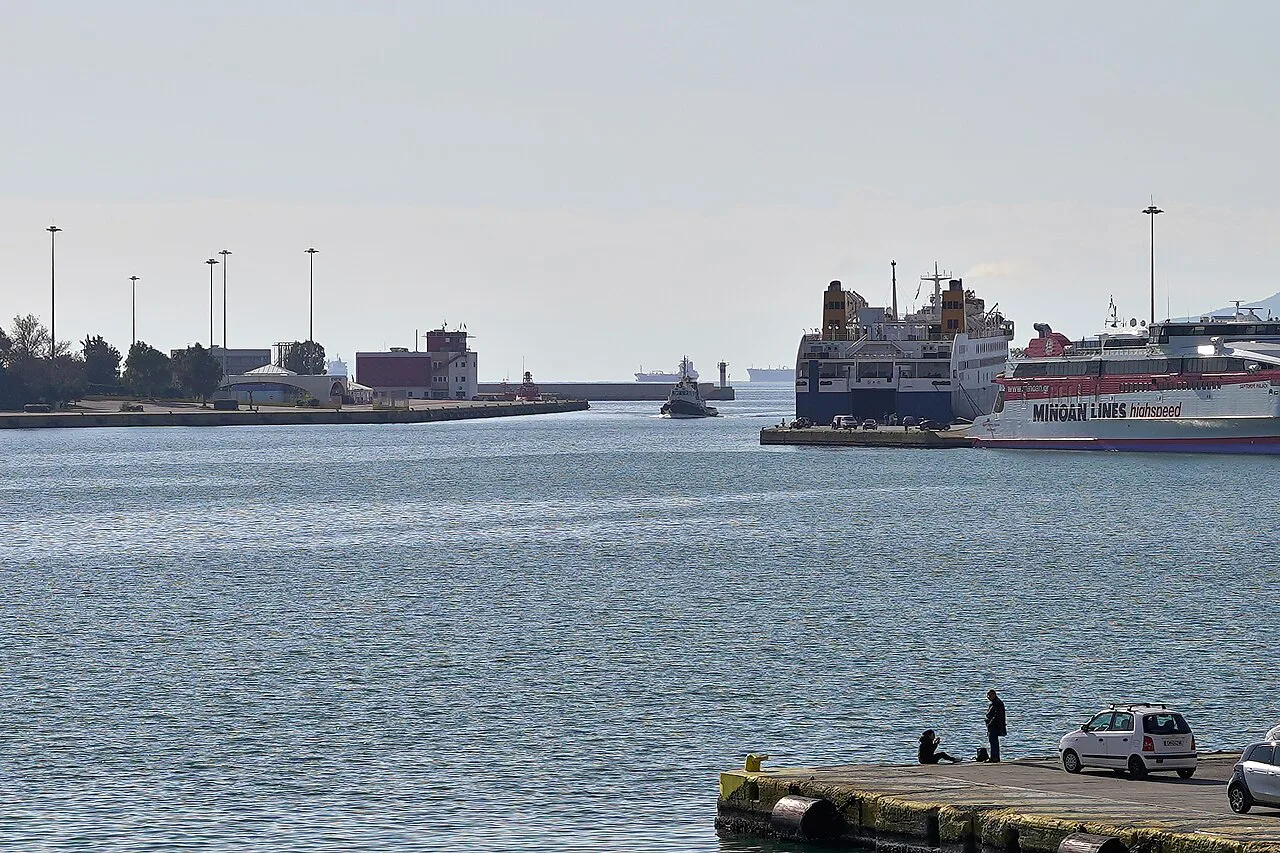
Cruise ships use the two gates at the far south end of the port, E11 and E12, not the central ferry quays where island traffic loads. Berth assignments within that cruise zone change with the ship and the schedule, so read your cruise line's port information for the exact gate rather than assuming a terminal from a previous trip.
The port sits about 12 km southwest of central Athens and about 35 km west of Athens International Airport, which is the key distance to hold in mind when you plan your return. Ships alongside rather than tender here, so you step off at the berth and walk or shuttle to the gate.
Terminals inside the cruise zone
The cruise area is served by passenger terminals, including Terminal C – Alkimos, alongside the berths and gates, and the port operator publishes the terminal layouts and facilities. Boarding is generally organized with clear signage, but allow for queues at reboarding when several large ships are in port on the same day.
Expect a functional port rather than a resort: basic services, taxi pick-up and signage, but no substitute for the shops and cafés of Piraeus town. If you need food, coffee or a pharmacy before heading back to the ship, it pays to take care of that in town rather than at the gate.
Distance from the berths to Piraeus town and central Athens
The cruise gates sit at the extreme south of a very large port, so the berths are closer to Piraeus town than to Athens but not adjacent to either. Count on a substantial walk or a short taxi ride to reach the metro and the commercial heart of Piraeus, and on a metro or road journey beyond that to central Athens.
Piraeus town is where you find the metro, the suburban railway, buses and taxis in one place, while Athens and its sights are the next stage of the trip. That two-stage structure is what makes the return journey worth rehearsing before you leave the ship.
Getting into town on foot
There is no train station inside the cruise port, so you will walk roughly a mile from the terminal to reach Piraeus station, or take a taxi or a bus for that stretch. The walk is flat but exposed, so carry water and a hat in summer and allow extra time if anyone in your party walks slowly.
The port is a working harbor with heavy traffic around the gates, so cross where it is marked and follow the signs for the town exits rather than cutting across quays.
Metro Line 3 from Piraeus to central Athens
Metro blue Line 3 runs to Piraeus and is the fastest public transport option into the city, bringing you to the heart of the harbor with the station opposite the port entrance near gate E5. From there it continues into central Athens, which makes it the default choice for a port day built around the Acropolis and the Plaka.
Line 3 also runs out to Athens International Airport, so the same line you use to reach the city can carry you to the airport on turnaround day. The airport trip takes about 55 minutes, which is worth knowing when you are juggling a flight and a ship's boarding window.
Bus 040 and the X96 airport express
Bus line 040 runs 24 hours from Syntagma Square to Piraeus, a journey of about half an hour, which makes it a useful fallback when the metro is not convenient for your route. It is also the bus to remember if your day in Athens ends in the city center rather than near a metro station.
The Airport Express bus X96 runs 24/7 between Piraeus and Athens International Airport, departing every 20 to 30 minutes with a journey of about an hour depending on traffic. At the airport, you catch it directly outside the arrivals exit doors and buy tickets at the kiosk to the right of the buses.
Suburban railway connections
The Suburban Railway station sits next to the metro station near gate E5 and connects you to Athens Central Railway Station, useful if your onward plans run on the national rail network rather than the metro. Trains run roughly hourly and the journey takes about an hour, so it is not the fastest way into Athens for sightseeing.
For an embarkation day, the rail option works best when you are arriving from mainland Greece and want to avoid Athens center entirely. For a short port call, the metro remains the better use of your hours.
Taxis from the cruise gates into Athens
Taxis are the most comfortable option from the cruise gates when you have luggage, limited mobility or a tight schedule. From central Athens to Piraeus, expect roughly €25 to €30; from Athens International Airport to the port, about €50 in daytime and about €65 between midnight and 05:00, with the ride taking 45 minutes to an hour.
At the cruise gates, confirm that the driver will take you to the destination on the meter and agree on the destination clearly, especially if going to the airport on turnaround day when road traffic can stretch the journey.
The free port shuttle
Free shuttle buses circulate inside the port to reach the various terminals and gates, departing from the main entrance at E5 opposite the metro station, with schedules displayed on the electronic board at the stop. Use them for the long internal stretches of the port rather than walking between distant quays.
The shuttle is not a city service, so it does not replace the metro or bus into Athens; it moves you around the port itself. Allow time at both ends of the trip, because the bus is shared with ferry passengers and crew movements.
Athens International Airport transfers for embarkation day
On a turnaround day, the airport is about 35 km from the port, with metro, the X96 express bus, the suburban railway and taxis all documented for the journey. The metro is the easiest option at about 55 minutes; the bus runs 24/7 every 20 to 30 minutes in roughly an hour; the suburban railway runs about hourly in about an hour; taxis take 45 minutes to an hour.
If you arrive the day before, staying in Piraeus keeps the morning simple, and the town has hotels at most price points close to the harbor.
A car is a liability on embarkation day because parking inside the port is prohibited, so pair any rental with a drop-off plan before you arrive.
Parking near the port
Parking inside the port is prohibited, so leave the car in a private facility or a gas station offering parking. The closest parking to the port is the OLP Parking Station at Karaiskaki Square, with another lot about 400 meters further on near the church of Agios Nikolaos.
Drop luggage at the terminal before parking, then walk or take a taxi back to the gate rather than moving the car between quays. Confirm the lot's arrangement with your cruise line if you will be away for a longer itinerary.
How long you need: 6-, 8- and 10-hour calls
With a 6-hour call, treat Athens as one main sight: pick the Acropolis or a museum and skip the wider city walk, using the metro both ways. Anything more ambitious turns the day into a transfer exercise.
An 8-hour call gives you room for the Acropolis plus the Acropolis Museum and a meal in the Plaka, with a comfortable margin if the metro is crowded. A 10-hour call supports a guided city tour or a site outside the center, but not a long excursion to Delphi or the Peloponnese, which would leave too little of the day in hand. If your itinerary also calls at the Messina cruise port, you can compare the same short-call trade-offs there.
Ship tours versus independent sightseeing
The ship's tours remove the logistics: coaches leave from the pier and return on the line's schedule, which suits first-time visitors, families and anyone uneasy about the return. They also cost more and follow a group pace, so you trade flexibility for a managed day.
Going independently on the metro is cheap and quick, but the return is entirely yours: a delayed train or a missed stop is your problem, and no source can promise the ship will wait. The same applies to local operators, who set their own return times, so choose one that plans to be back well before all-aboard.
Building in your all-aboard buffer
Work backwards from all-aboard rather than from the ship's departure time, and aim to be at the cruise gate well before the deadline, since the walk from the gate to the berth is not instant. The port's scale and road traffic are the reasons to leave Athens earlier than feels necessary.
In peak season, several large ships share the harbor on the same day, so build in time for crowds at the terminals and at the metro.
Plan Your Visit
Decide before you dock whether the day is Athens or Piraeus, check your cruise line's stated gate and all-aboard time, and pick one transport mode for the way back. Metro Line 3 is the default for sightseeing; taxis make sense with luggage or mobility needs; the X96 bus is the airport connection.
The cruise terminal is a working gateway rather than a destination, so plan the journey as carefully as the sights. That way a call at Piraeus becomes a manageable city visit rather than a race back to the quay.
Frequently Asked Questions
Where is the cruise ship terminal in Athens?
Athens' cruise ships berth at Piraeus, about 12 km southwest of the city center and roughly 35 km from Athens International Airport. The ships use gates E11 and E12 at the far south end of the port, while the metro and suburban railway stations sit near gate E5 at the other end of the harbor.
How do I know which Piraeus cruise terminal my ship uses?
The gate and terminal assignment depends on your ship and sailing date, so the reliable source is your cruise line's port information or your boarding documents. Piraeus has more than one cruise terminal inside the south-end cruise zone, so treat a terminal name from an earlier trip as a hint, not a guarantee.
How far is the Piraeus cruise terminal from the metro?
There is no station inside the cruise zone. From the cruise terminal you face a walk of roughly a mile to Piraeus station, or a short taxi or bus ride for that stretch. The station area near gate E5 is where the metro and suburban railway meet.
Can you walk from Piraeus cruise terminal to Athens?
No, the distance is too great for a practical walk at either end of a port day. Piraeus sits about 12 km southwest of central Athens, so the realistic route is a walk or taxi to Piraeus station, then metro Line 3 into the city.
Is there anything to do in Piraeus Port?
Piraeus has its own waterfront districts worth a few hours, including Kastella, Pasalimani and Mikrolimano, plus ferries and harbor life. It is a sensible choice for a short call or for passengers who prefer a low-transfer day over the ride into Athens.
Should I take the ship's tour or go independently to Athens?
A ship's tour removes the logistics and returns on the line's schedule, but it costs more and moves at group pace. Going independently by metro gives you flexibility, yet the return is entirely your responsibility, so leave a generous margin before all-aboard either way.
Sources
Port-day notes for your next cruise
Optional updates to our port guides.
You might also like
Continue reading
More guides you'll find useful