Piraeus Shore Excursions: Pick the Right Athens Option
Compare Piraeus shore excursions by travel time and risk, from the Acropolis half day to Cape Sounion, and pick what fits your ship's hours in port.
On this page
A Piraeus port call puts one of Europe's great ancient cities within reach, but not at the foot of the gangway. The berths sit in Piraeus, Athens is a separate journey inland, and the sightseeing you actually get depends on how much of your hours ashore you spend in transit. Our piraeus cruise port guide covers the terminals, transport and return timings in full detail.
This guide treats each excursion type as a berth-to-berth budget: time to the Acropolis, time for the full Athens circuit, and what Cape Sounion or a coastal afternoon really consumes. It suits passengers with a fixed all-aboard time who would rather choose one thing properly than sprint through three.
What a Piraeus port call actually gives you
Your usable time is not the hours printed on the itinerary. Subtract the walk and shuttle from the berth to the terminal exit, the transfer into Athens, and the return leg with a buffer, and a nominal eight-hour call often leaves four to five hours of sightseeing.
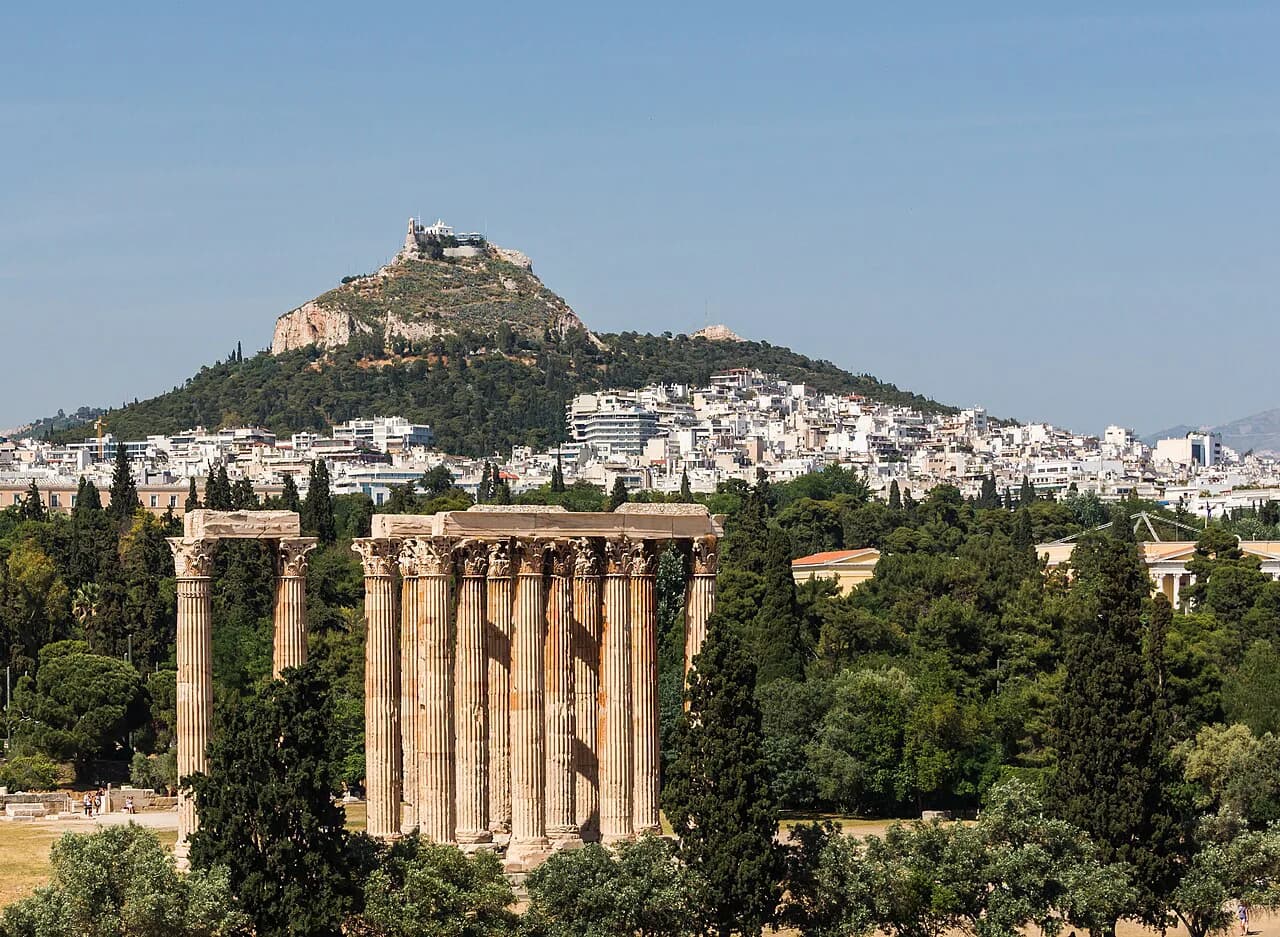
The practical consequence is that Piraeus rewards a single clear objective. The Acropolis and its museum form a natural half-day core, while the Ancient Agora, Temple of Olympian Zeus and Plaka only fit if you keep the transfer efficient and skip a long lunch. The same single-focus logic applies to a Rhodes port day, where Rhodes shore excursions trade Old Town depth against island time.
Where ships dock and why the berth matters
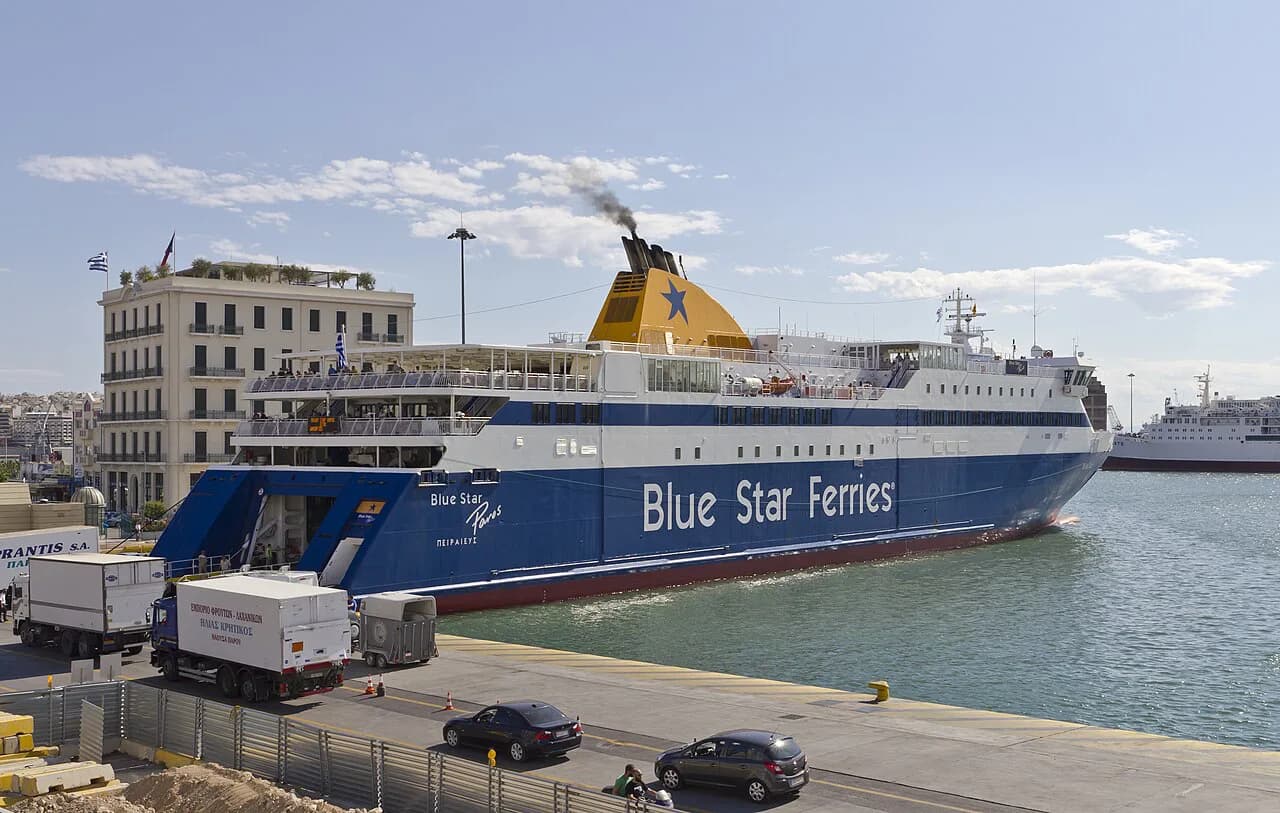
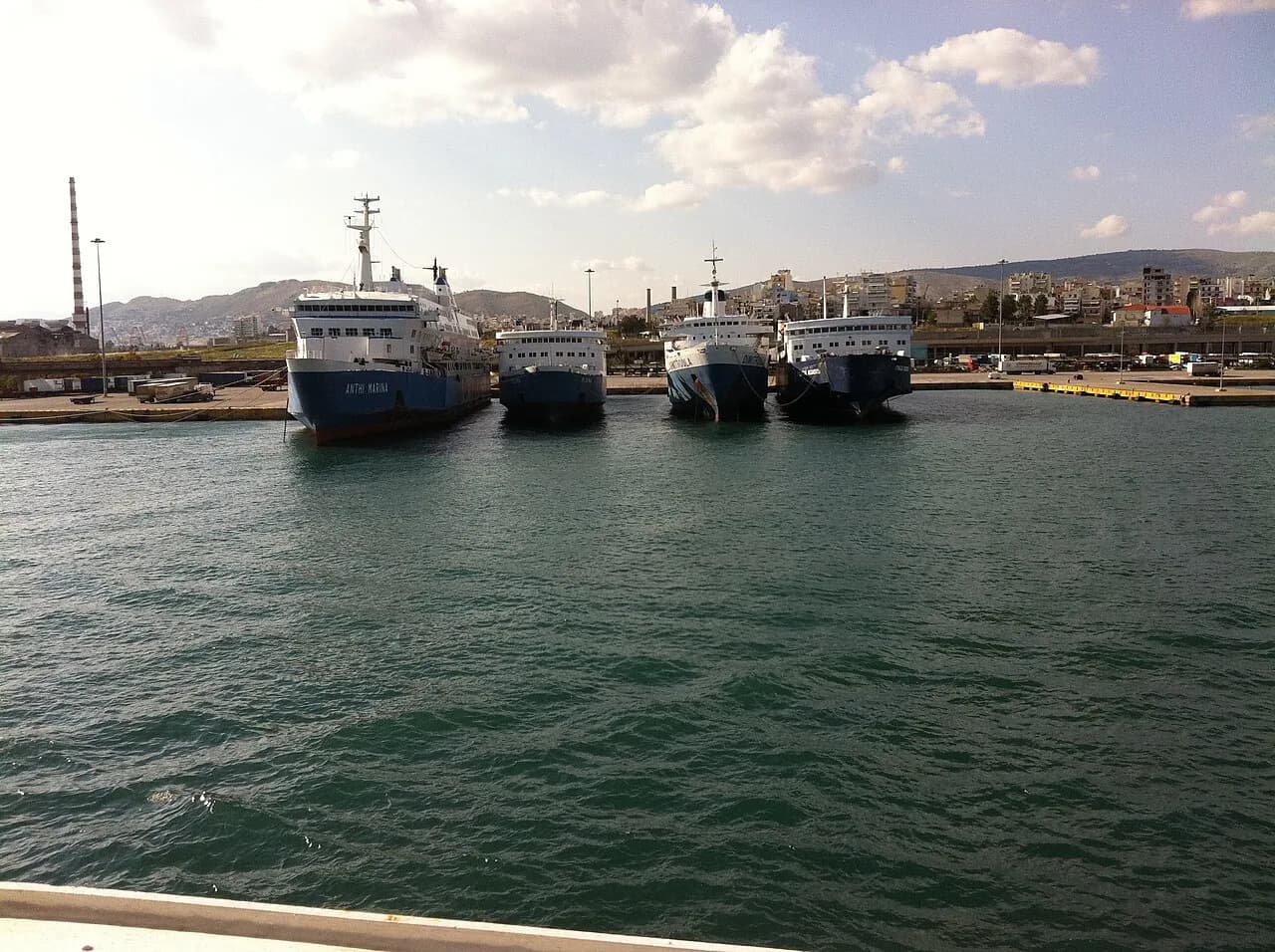
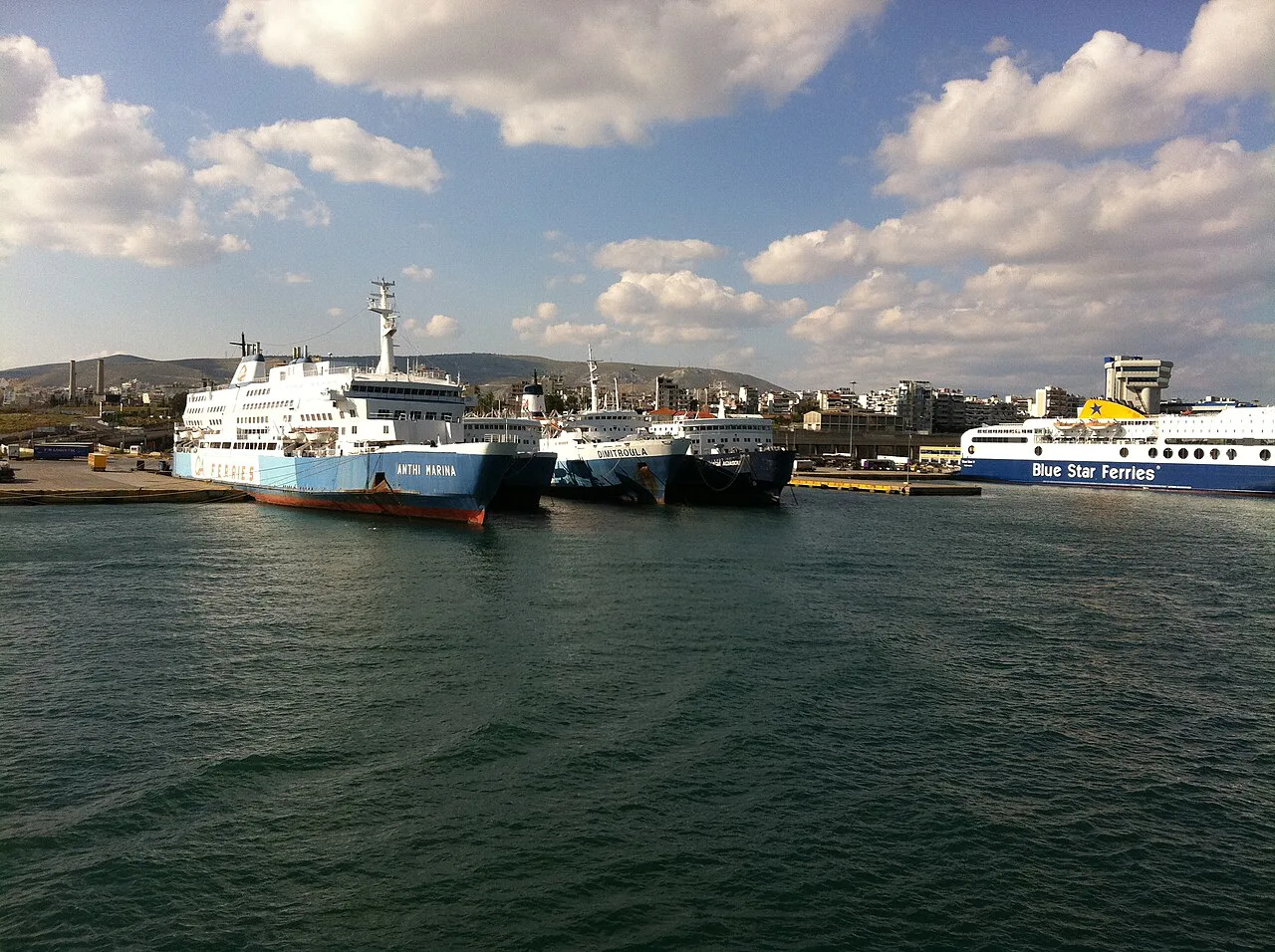
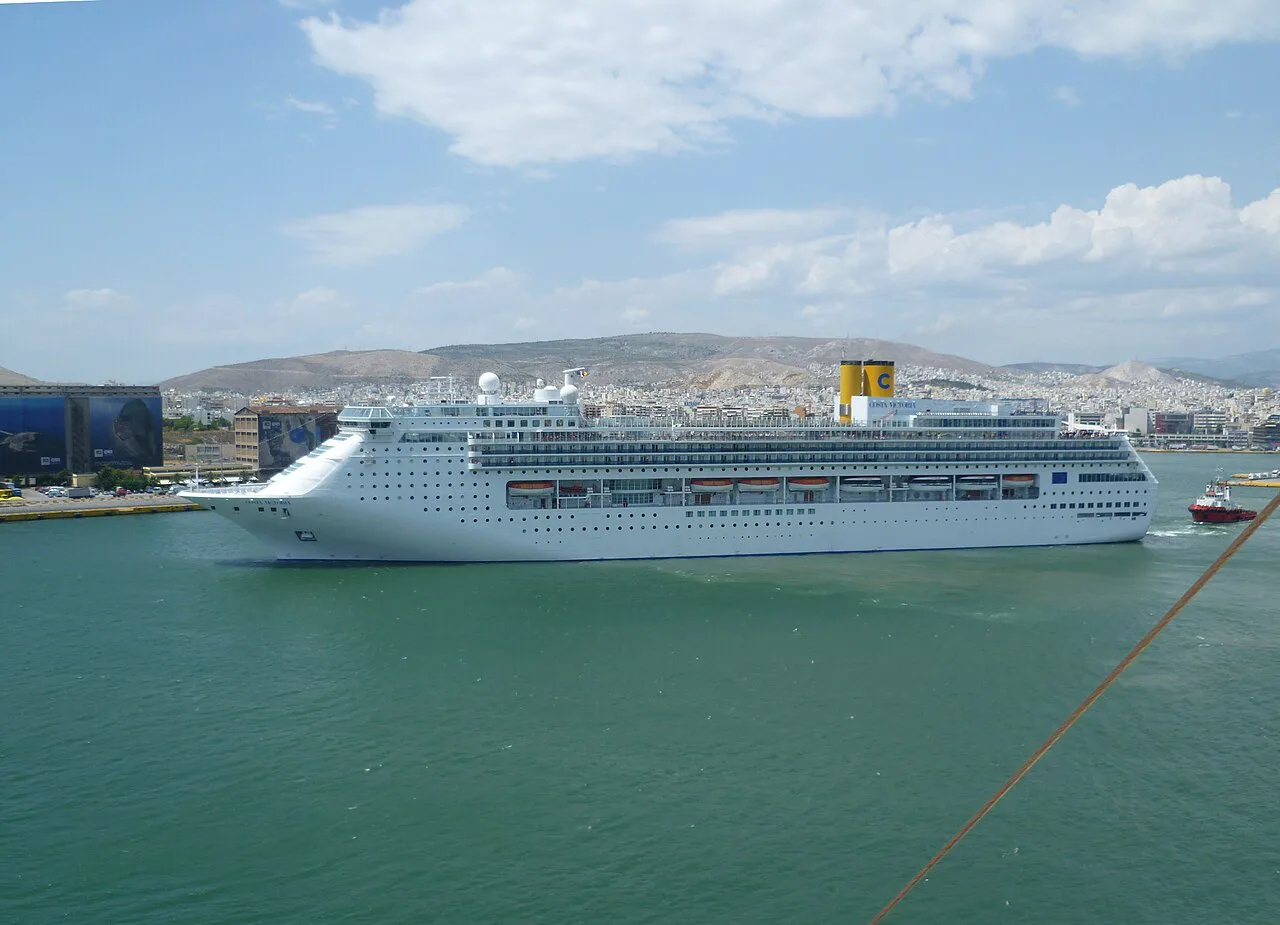
Piraeus spreads its cruise traffic across several terminals and quays, and large ships can be berthed well away from the terminal building. Terminal C, also called Alkimos, has an air-conditioned check-in hall with 20 counters, police and customs, free Wi-Fi and a taxi rank, and sits less than 20 metres from its quay.
The detail that catches independent travelers is the internal shuttle: free buses link the terminal to the further quays, so a distant berth can still mean a short ride before you even start walking. Check which terminal your ship uses with your cruise line, then treat the shuttle as part of your transfer time.
Terminal C is also close to public transport for Athens and Piraeus and has parking for 40 buses, which is why coach-based excursions load quickly there. That convenience is the reason ship tours feel seamless at the start of the day; it does not, however, shorten the road journey into the city. See our Athens cruise port guide for how each berth connects to the city.
The three ways to structure the day
Option one is the ship's excursion: coach from the quay, a guided route, entrance fees bundled in, and the ship's own schedule driving the timing. Option two is a local operator meeting you at the port, usually similar in structure but often smaller groups and a lower headline price. Option three is fully independent, using metro or taxi into Athens.
The trade-off is not comfort but risk allocation. A ship's tour is timed against the sailing, while an independent traveler owns every delay; no operator and no guide can promise the vessel will wait for you.
Metro Line 1 connects Piraeus with central Athens, including the Acropolis area, and is the most efficient public option, though it can be busy and is not immune to disruption. Taxis wait at the terminal rank and are direct but sit in the same city traffic as everyone else.
Half-day excursions: the Acropolis and its museum
The Acropolis and Parthenon, with the Acropolis Museum steps away from the site, is the strongest half-day pairing in Athens. It concentrates the walking and the historical payoff in one compact area rather than scattering you across the city.
This is the right choice for a six- or seven-hour call, because it tolerates a slow transfer in one direction. Book a timed entry for the Acropolis through the official ticket channel and carry water; the ascent is exposed, and summer heat slows the climb more than the distance suggests.
A guided version adds context and handles tickets and transport, at the cost of flexibility at each stop. Going independently on the metro keeps your own pace but leaves you responsible for queueing and for watching the clock on the return leg.
Full-day Athens: adding the Agora, Plaka and the museum circuit
With eight hours or more, you can add the Ancient Agora, the Temple of Olympian Zeus and a walk through Plaka to the Acropolis core. The National Archaeological Museum is a separate draw and sits away from the archaeological circuit, so pairing it with the Acropolis means choosing between depth and breadth.
Plaka rewards walking rather than transport, so plan the day as one continuous loop through the archaeological zone rather than a series of taxi hops. Keep the last hour free of new sights; that hour is your margin, not your sightseeing.
Beyond Athens: Cape Sounion and the Temple of Poseidon
Cape Sounion and the Temple of Poseidon sit at the end of the Attic coast, well beyond Athens itself, and a half-day or sunset trip there is offered as a shore excursion from the Athens area. The coastline drive consumes a substantial share of a port day in each direction.
Treat Sounion as a full-day commitment that replaces Athens rather than complements it. On a ten-hour call it is feasible with a coach tour; on a shorter call the road time leaves too little margin for the return through coastal traffic.
Coastal and beach alternatives for hot or low-mobility days
When summer heat makes the Acropolis ascent unwise, or mobility limits make uneven stone steps difficult, the coast is the better use of the call. Hop-on hop-off bus routes cover Athens, Piraeus and the beach riviera, letting you stay on the vehicle and choose flat, shaded stops.
Staying in Piraeus is a legitimate short-call plan rather than a compromise. The port area has seafood tavernas and local eateries within easy reach of the ships, which suits a late arrival or a call shortened by weather.
Ship's tour versus local operator versus independent
Ship's tours cost more per hour but bundle transport, guiding and admission, and the schedule is built around the sailing. Local operators compete on group size and price, and you meet them at the port rather than on the quay. Independent travel is the cheapest and most flexible, but every delay on the return is yours to absorb.
The honest comparison is about consequences. If the coach is late, the ship's excursion is a ship problem; if your metro is cancelled, it is your problem, and the vessel sails on its published schedule regardless.
Getting back to the ship and the buffer to build in
Plan to be back at the ship at least an hour before the final all-aboard time, which absorbs a missed metro or a slow taxi queue. Athens traffic is congested at peak hours, so a return that looks comfortable on paper can thin quickly between 16:00 and 19:00.
Build the return around the terminal shuttle as well: at a distant quay, arriving at the port gate is not the same as arriving at the gangway. Leave the shuttle and walking time inside your buffer rather than outside it.
Matching excursions to 6-, 8- and 10-hour calls
On a six-hour call, choose the Acropolis with its museum, or stay in Piraeus for seafood and a harbour walk. Athens plus the Agora plus the National Archaeological Museum does not fit, and attempting it produces a day spent in transit.
At eight hours, the classic Athens circuit works: Acropolis, museum, Ancient Agora and a Plaka wander, with a guided tour removing the logistics. Ten hours unlocks Cape Sounion as an alternative full day, or a relaxed Athens day with a proper lunch and time in the National Archaeological Museum.
Tickets, walking surfaces and heat
Buy Acropolis and museum admission in advance through the official ticketing service and note the entry time slot your booking carries; Piraeus Port Authority publishes terminal information, not site entry rules. The Acropolis involves uphill walking on uneven, polished stone, so grippy shoes matter more than distance.
For transport, taxis wait at the Terminal C rank and metro Line 1 runs from Piraeus into central Athens. Where fares and timetables matter to your plan, take them from the metro operator and the taxi rank signage on the day rather than from any pre-trip estimate.
Plan Your Port Day
Decide first how many hours you truly have between the shuttle and the all-aboard, then pick one anchor: the Acropolis half day, the full Athens circuit, or the coast. Everything else is optional padding.
If you are staying overnight before or after the cruise, a port hotel near the terminal keeps the transfer short on embarkation morning. Check your terminal and shuttle arrangement with the cruise line before you sail.
Frequently Asked Questions
How far is the Acropolis from Piraeus cruise port?
The Acropolis is inland in Athens, not in Piraeus, so you need a transfer by metro, taxi or coach from the berth. Terminal C sits close to public transport for Athens, and metro Line 1 links Piraeus with the city center, but the journey is a real part of your port day.
Can you do Athens independently from a Piraeus cruise stop?
Yes, using metro Line 1 or a taxi from the terminal rank into central Athens. The trade-off is that the return timing is entirely yours to manage, and the ship will not wait for a late independent traveler.
How many hours do you need for a Piraeus shore excursion?
Allow at least four to six hours on the ground for the Acropolis and museum as a half day, and a full port day of eight hours or more for the wider Athens circuit. Transfer time from Piraeus sits on top of that.
Is a ship's excursion in Piraeus worth it compared with the metro?
A ship's tour is worth it if you value schedule protection and guided context over flexibility and price, since the timing is built around the sailing. The metro is cheaper and more independent but leaves you carrying the risk of a late return.
Can you reach Cape Sounion from Piraeus on a port day?
Cape Sounion and the Temple of Poseidon are offered as a shore excursion from the Athens area, but the coastal drive takes a substantial share of a port day in each direction. It realistically replaces Athens rather than adding to it, and suits a ten-hour call.
What is the minimum port time for the Acropolis?
Treat roughly four to six hours in port as the working minimum for the Acropolis and museum, allowing for the transfer from Piraeus and a return buffer. Shorter calls are better spent in Piraeus itself.
Sources
Port-day notes for your next cruise
Optional updates to our port guides.
You might also like
Continue reading
More guides you'll find useful