Athens Cruise Port Guide: Piraeus Terminals to Acropolis
Ships dock at Piraeus, 12 km from Athens. Plan the metro ride to Monastiraki, choose between Athens and Piraeus, and leave a realistic all-aboard buffer.
On this page
A call at the Athens cruise port is really a decision about distance: Piraeus sits roughly 12 km from the Greek capital, and the Parthenon is two hours away on foot. That single number shapes the whole day, pushing most first-time visitors onto the metro or into a taxi and leaving repeat passengers to enjoy Piraeus itself. The good news is that this cruise port has frequent trains, an airport express bus and a compact waterfront to walk.
If it is your first call and you want the Acropolis, treat the day as a half-day in Athens plus travel and build the rest around that. If you have already climbed the hill, or your ship is in port for only a few hours, Piraeus rewards a slower plan: a marina stroll, a small museum, a beach and a long lunch. Either way, the experience starts with knowing which terminal you tie up at and how long it takes to get out of the port area.
Where ships dock in Piraeus
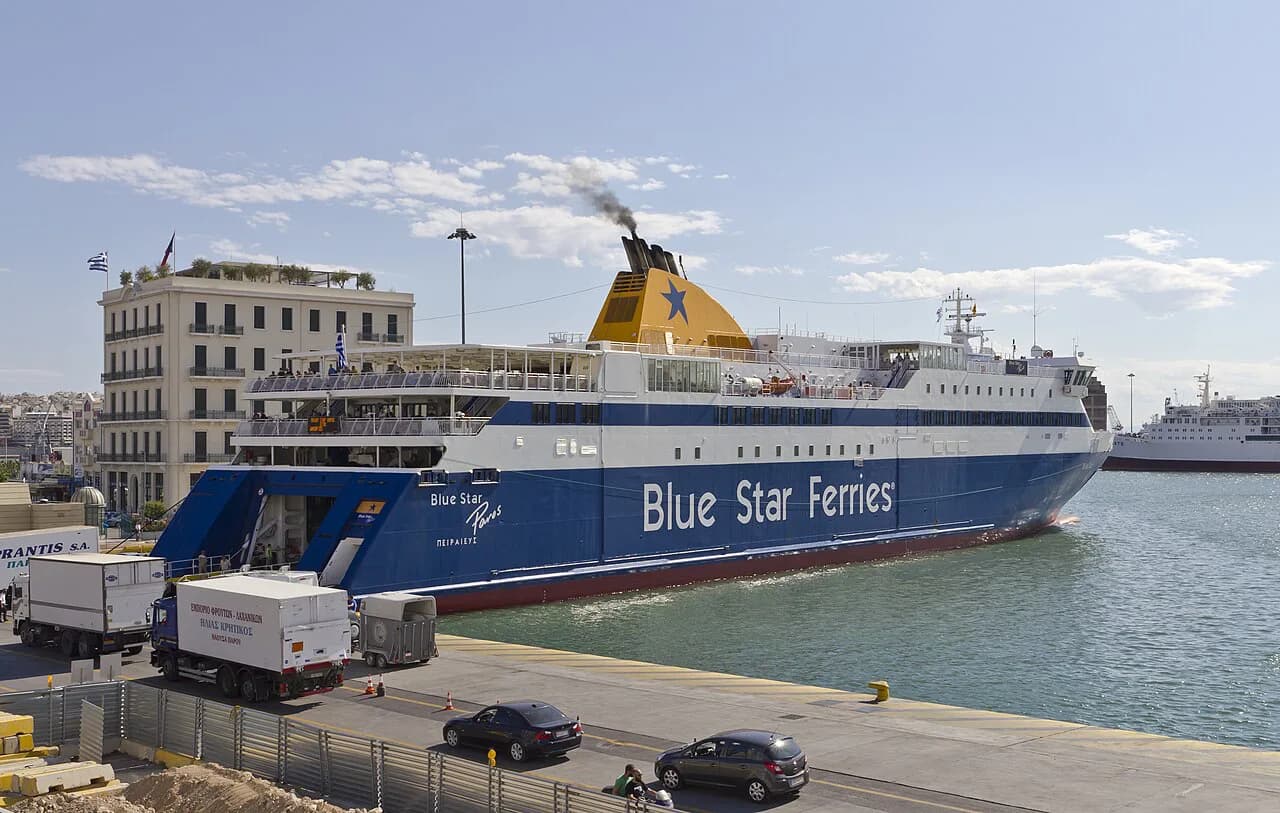
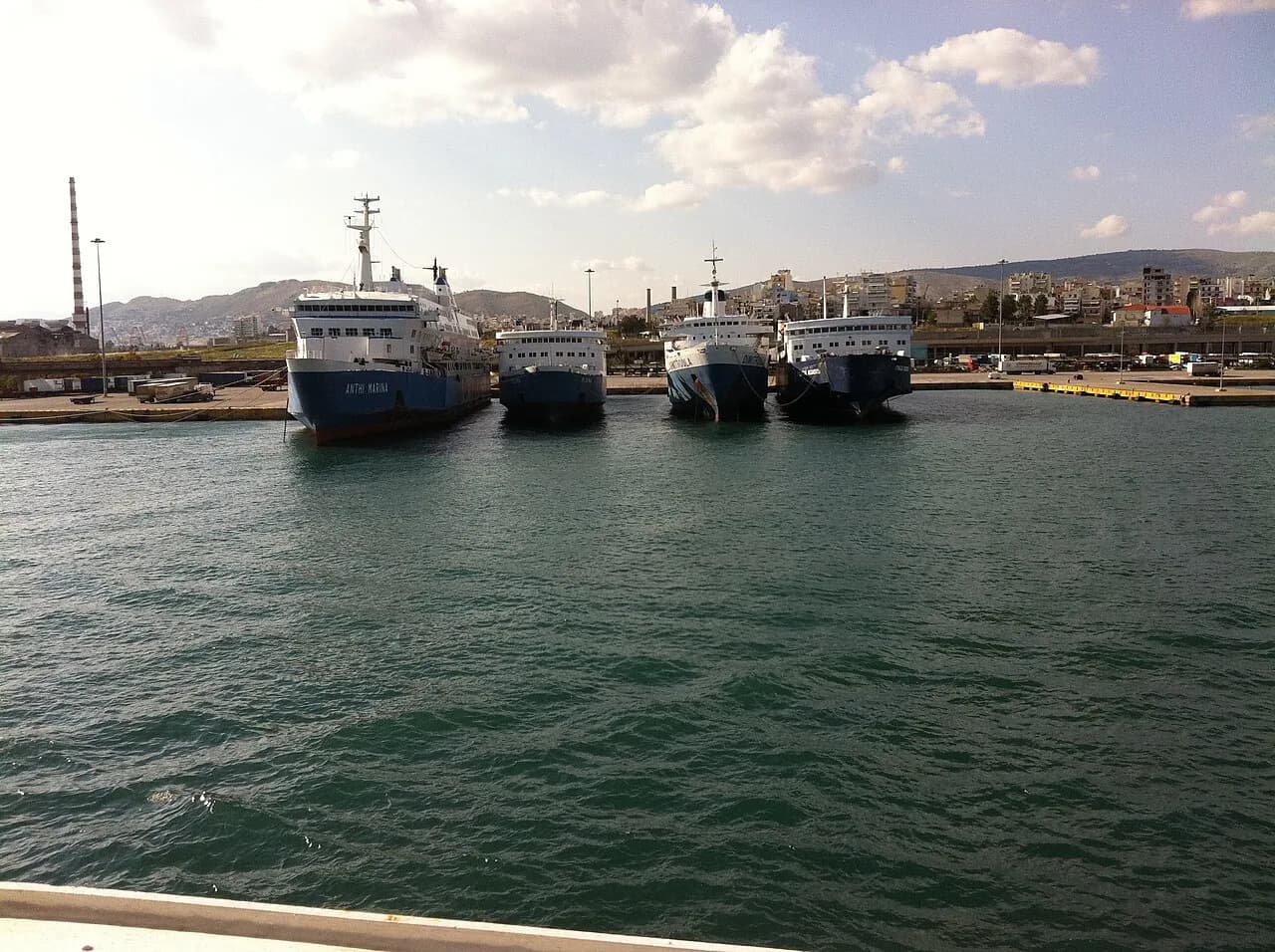
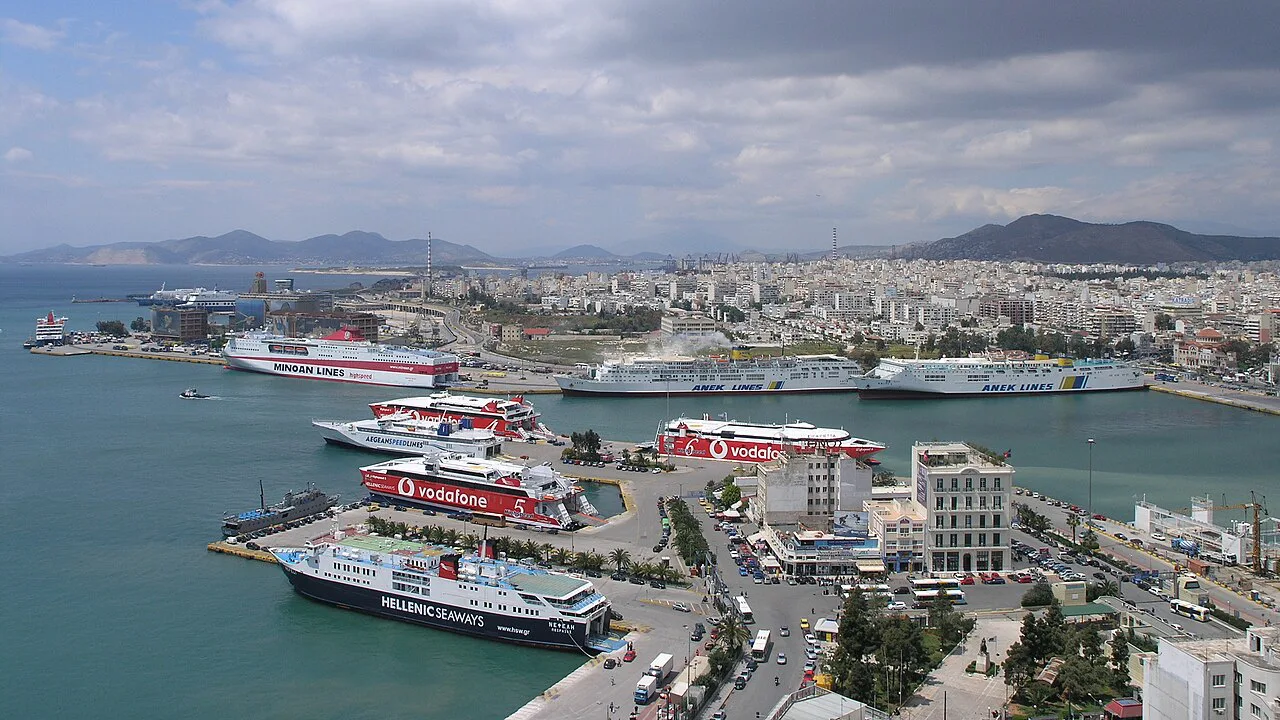
Cruise ships are handled at three terminals, labelled A, B and C, all within walking distance of each other, though Terminal C sits a little further out on a limb. Those who know the [port of piraeus cruise terminal](/piraeus-cruise-terminals) layout will recognize that the letter you get matters: a berth at the far end can add ten or fifteen minutes before you even reach a taxi or a station. Sailawaze describes Piraeus as one of Europe's largest passenger ports, ringed by ferries heading to the Greek islands, so the quays are busy rather than scenic.
The harbor is enclosed and Piraeus occupies a headland, which means the ship is never far from a lively town center street with shops and restaurants. That is unusual for a big Mediterranean port, where terminals often sit behind fences and industrial ground. Here you can walk off and be among cafes quickly, so a short call is not wasted even if you never leave Piraeus.
Walking from the berth into Piraeus town
From the terminal area, walk toward the waterfront and follow the harbor around toward Marina Zeas, a small circular city center harbor that is now a yacht marina and the base for sightseeing boats. Sailawaze puts that marina about a 15-minute walk through fairly streets from the nearest cruise dock. The route is flat and easy with a small day bag, though less pleasant with a large suitcase on a hot afternoon.
Continue around the peninsula and you reach the ancient port that now functions as a yacht marina, plus seafront views and a small beach at the end of a short promenade stroll. Allow half a day for this loop if you want to sit down rather than march. Anyone planning to use the day in town should start with the [Piraeus Cruise Port](/piraeus-cruise-port) orientation to fix the layout before choosing a direction.
The free terminal shuttle
Piraeus operates a free shuttle bus that moves passengers between Terminal A and Terminal B, with a bus roughly every 10 to 15 minutes according to Sailawaze. Use it if your ship is at one terminal and your transport of choice leaves from the other, and check which terminal your cruise line assigns before you plan a walking route. Sailawaze reports the shuttle covers terminals A and B, so do not count on it for Terminal C or for a lift into the center of Athens.
Some cruise lines also run their own shuttle buses into Athens, and Sailawaze notes this as a possibility rather than a given. Ask at the excursion desk the evening before arrival, because a line-run coach changes both the cost and the time budget of your day. Do not assume a city-center shuttle exists on your sailing simply because another line offers one.
Metro from Piraeus to Athens
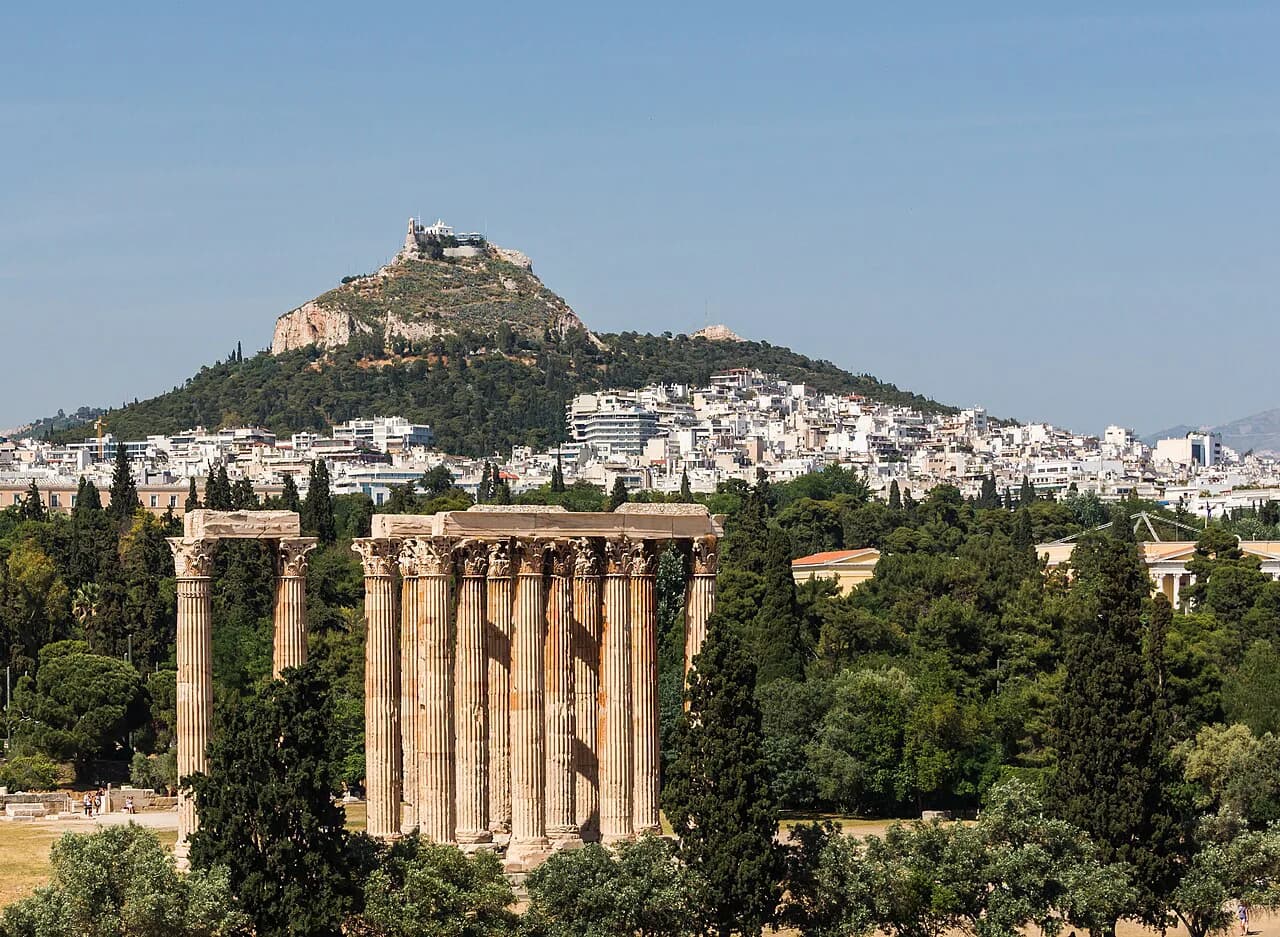
The metro is the most predictable way into Athens. Sailawaze gives the run from Piraeus into town as 18 minutes, with trains every 10 minutes, and the line to use is the green line, changing at Monastiraki for the Acropolis area. From Monastiraki, the climb up to the Acropolis takes around 10 minutes on foot. That makes the metro the default for independent travelers who want a fixed, frequent service rather than a road journey through traffic.
Piraeus Electric Railway Station is about a 20-minute walk from Terminal A, which is realistic with a day pack and awkward with anything heavier. The station building itself dates from the 1920s and has a glass and metal roof and a small museum with old trains, so arriving early costs you nothing. Buy a ticket at the machines and validate it before boarding, since inspectors work the line.
Bus, tram and the coastal route
Buses and trams supplement the metro. The tram shadows the resort beaches to the south before turning toward the city, which makes it an option if your plan is the coast rather than the Acropolis. The airport express bus X96 also runs along the beach road toward Piraeus, passing the Olympiacos stadium, so the coastal corridor is well served even when the metro is not on your route.
A traveler on Cruiseline.com reports taking an X-80 express bus from outside the cruise terminal to the Acropolis on a 24-hour ticket, with buses every 30 minutes. Treat that as one passenger's experience rather than a timetable you can rely on, and confirm the stop and frequency locally before committing your return journey to it. The metro remains the safer bet when you need a guaranteed interval.
Taxis and private transfers
A taxi between Athens center and Piraeus takes about 12 minutes and costs between 13 and 16 euros, per Sailawaze, which makes a shared cab competitive for two or more passengers. A taxi from Athens airport to Piraeus runs about 45 minutes, and Sailawaze gives the fare as 40 to 45 pounds. For a family with luggage on embarkation day, that is often easier than hauling bags through a metro change.
Be clear about the terminal, not just the city, when you give the driver the destination, and agree the approach to the port before setting off. Traffic around the ferry quays can stall in the afternoon, so a taxi is fast on paper and unpredictable in practice. For the fixed-price calm of a booked car, a private transfer is the option to compare.
Athens Airport to Piraeus
The X96 bus leaves from a stop outside the arrivals hall and reaches Piraeus in about an hour via the beach road, with departures as frequent as every 20 minutes and an all-night service every 40 minutes in winter. Sailawaze gives the single fare as 6 euros, half price for students, under-19s and passengers 65 and over, and tickets are available from the kiosk or the driver. From the Piraeus stop, the ship is roughly a 20-minute harborside walk with a wheeled suitcase.
The metro alternative uses the blue line from the airport with a change at Monastiraki onto the green line to Piraeus Electric Railway Station. Sailawaze puts that metro ticket at 10 euros, half price for concessions. The metro avoids road traffic but leaves you at the station, which is the better part of a 20-minute walk from Terminal A, so the bus often wins on luggage.
Independent, ship tour or local operator
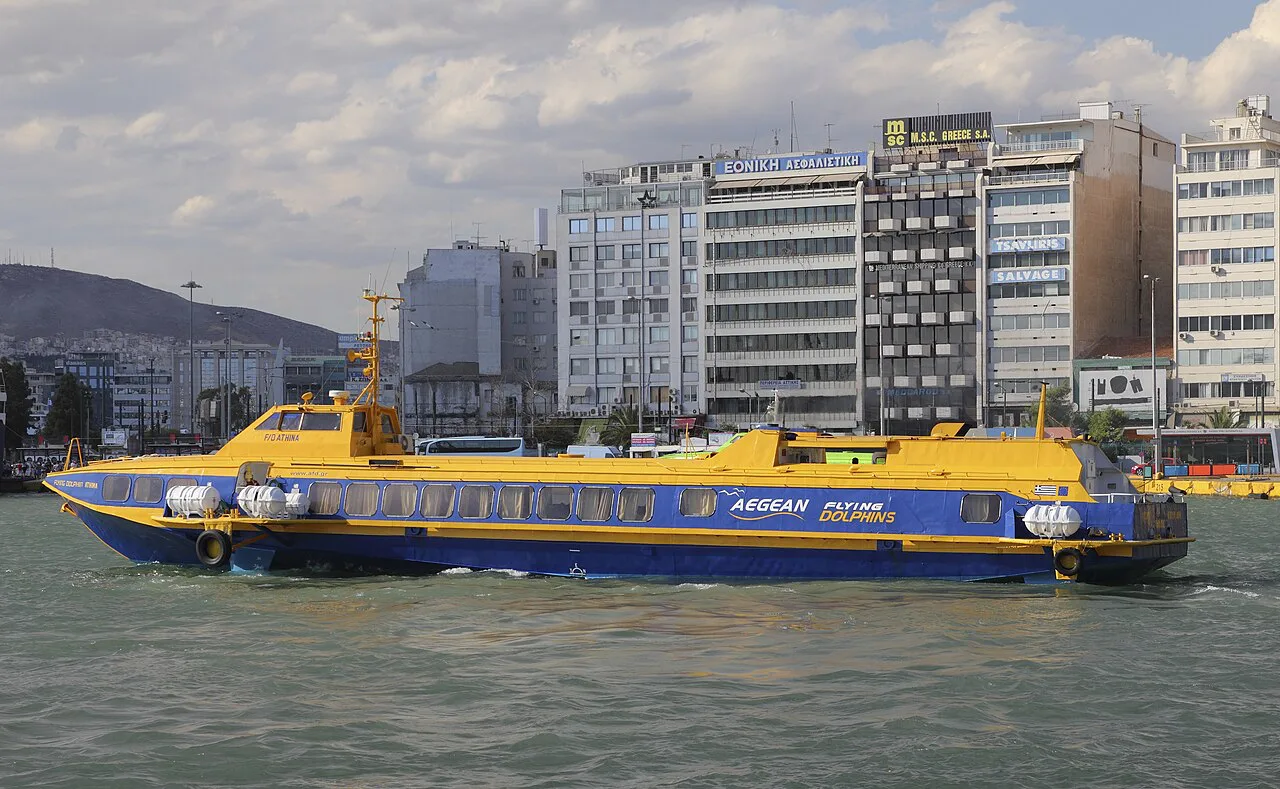
Three return-risk tiers exist, and the right one depends on how much you need to squeeze in. A ship-organized tour carries the strongest practical protection because the vessel's departure is tied to the coach if the coach is late. A licensed local operator with a private car usually moves faster and stops where you ask, but the ship is not obliged to wait if you are delayed, so the all-aboard time is yours to police. Fully independent travel on the metro is the cheapest and most flexible, and it carries all the risk yourself.
For a first visit with a hard deadline, a half-day organized tour that climbs the Acropolis and returns via a museum is the least stressful way to see the headline sight. Anyone comparing the options in detail should look at the range of [shore excursions](/piraeus-shore-excursions) before deciding, and then match the chosen tour's duration against the ship's published all-aboard time rather than the arrival time.
A 6-hour call
With six hours alongside, treat the usable time as about four hours after allowing for the walk to the station and a return buffer. On the metro that is enough for the Acropolis and a short wander down through Plaka, or the Acropolis Museum if the hill is crowded. It is not enough for the Acropolis plus Cape Sounion, and it is not enough for a ship tour that adds Ancient Corinth.
The stronger choice on a short call may be to skip Athens altogether. Piraeus offers the marina, the seafront promenade and a small beach within a walk of the berth, plus the Hellenic Maritime Museum near the harbor entrance. You will see less, but you will not spend two of your four hours on a train.
An 8-hour call
Eight hours gives you a comfortable Athens day: metro to Monastiraki, the climb to the Parthenon, a slow descent through the market streets, and one more sight such as the Acropolis Museum or the Temple of Zeus. Sailawaze notes that Monastiraki station puts you at the back of the hill, which is the best place to start because everything afterward is downhill. Carry water, since the exposed rock of the Acropolis gets brutally hot.
An eight-hour call also fits an organized tour that combines the Acropolis with a drive along the coast or a stop at the Corinth Canal. Reviews on Cruiseline.com describe ship tours that pair the Acropolis with Ancient Corinth and the canal, and those days are long but doable when the ship stays into the evening. Check the tour's stated duration against your all-aboard time before booking.
A 10-hour call
A ten-hour call opens up the wider region. Cape Sounion and the Temple of Poseidon above the sea are the classic add-on, and the coastal run south past Kalamaki, Glyfada and Voula gives you a sense of the Athens Riviera on the way. This is a day for a vehicle rather than the metro, since the temple sits far beyond the end of the urban line. If you would rather trade the long drive for a volcano, the Catania cruise port guide shows how Etna trips work on a similar long-call day.
Alternatively, spend the morning on the Acropolis and the Acropolis Museum and the afternoon in Plaka and the National Gardens, leaving time for a proper lunch. The Panathenaic Stadium, home of the first modern Olympics in 1896, and the Temple of Zeus sit close enough to combine. On a long call the main risk is over-scheduling, so pick two sights and let the rest go.
Staying in Piraeus instead
Repeat visitors and short calls get a better day in Piraeus than they expect. Votsalakia Beach is about a 30-minute stroll from the cruise port, around Marina Zeas, and is pebbly but relaxed with bars and places to eat nearby. Freatida Beach, on the other side near the Hellenic Maritime Museum, is more rock than sand but has a few shaded loungers.
The museums are small enough to fit between meals. The Hellenic Maritime Museum holds around 2,500 items tracing Greek seafaring, including the Aristotle Onassis collection of nautical instruments, weapons and furniture from his yacht Christina. The Archaeological Museum of Piraeus displays excavated statues from the city's time as Athens' naval dockyard, and the ancient city walls, begun in 493 BC, still run for about 2.5 km along the coast and are free to walk.
The Athens Riviera and the beaches
The coast southeast of Piraeus is a string of resort towns, and the beaches get progressively less pebbly the further you go. Kalamaki, Glyfada and Voula are the accessible names, and from Voula the Riviera continues toward Sounion. If your ship calls in the height of summer and you have no appetite for the Acropolis crowds, this is a sensible alternative.
The airport express bus follows the same coastal road, which means the beach strip is reachable without going through central Athens first. That matters on a short call when you want to minimize time in traffic. Pack a towel from the ship, since beach facilities vary by spot.
Where to eat near the port
Around the terminals and the marinas you will find everything from pavement tavernas to waterfront seafood. Sailawaze mentions Margero, a tavern-style place in the streets close to the cruise terminals near the Naval Academy, and Panorama, a seafood restaurant on a terrace with views toward the Acropolis and the marinas. Neither is a booking you should build the day around; use them as orientation when you want to eat within walking distance of the ship.
The cluster of bars and small restaurants around Marina Zeas is the most pleasant setting, with pavement tables overlooking the water. Service slows at peak lunch, so order promptly if your all-aboard time is close. For a fast turnaround, eat in Piraeus before heading back rather than squeezing a meal into central Athens.
Return-time buffer and all-aboard planning
Build your return around the all-aboard time your ship publishes, not the sailing time, and aim to be at the gangway 45 to 60 minutes before it on an independent day. The metro's 10-minute interval and 18-minute run make it the most calculable return, but allow for the walk from Monastiraki and the walk from Piraeus station to your terminal. If your ship is at Terminal C, add the extra port walking time.
Keep one fallback in reserve: enough cash for a taxi from Athens center, which Sailawaze times at around 12 minutes. If the metro is disrupted late in the day, that is your escape route. No tour or transport option obliges the ship to wait, so the buffer is your responsibility.
Embarkation and disembarkation at Piraeus
If Piraeus is where your cruise starts or ends, the terminal letter is the first thing to confirm, because Terminals A, B and C are spread along the quays and a drop-off at the wrong one means a walk with luggage. Cruise lines usually state the terminal on the boarding pass or in the final documents. Your ship's own transfer coaches and taxis both deliver to the correct berth when you give the driver the terminal, not just the port name.
Arriving by air, the X96 bus and the metro both land you in Piraeus with a short walk or taxi ride to the ship. If you are staying the night before, a [port hotel Piraeus](/hotels-near-piraeus-cruise-port) near the terminals shortens the morning considerably. Drivers who want their own wheels on arrival should compare [car rental piraeus port greece](/piraeus-cruise-port-car-rental) options before booking.
Common mistakes on an Athens port day
The first mistake is treating the Acropolis as walkable from the ship; it is around two hours on foot, and the climb at the top is steep. The second is assuming the free terminal shuttle reaches the city center, which it does not. The third is leaving the ship without knowing which terminal you return to, a real problem when three terminals serve the port.
The fourth is underestimating heat and crowds in summer, when the exposed rock of the Acropolis punishes a midday arrival. Start early, carry water and plan the museum for the hottest hours. The fifth is cramming Cape Sounion into a six-hour call, which turns a scenic drive into a race back to the gangway.
Plan Your Port Day
Decide first whether this call is an Athens day or a Piraeus day. First-timers with eight hours or more should take the metro to Monastiraki, climb early and keep the afternoon light; repeat visitors and short calls should stay in town, walk the marina and eat by the water. Either way, fix your terminal letter, know your all-aboard time and leave a margin that a delayed train cannot eat.
Ship schedule data for Piraeus, such as the arrivals and departures listed by CruiseDig, shows several large ships in port on the same day in peak season, which means queues at the Acropolis ticket office and full trains. Sailing times on any schedule can change, so confirm your own call with your cruise line. Build the day around the time you actually have, and the port will feel generous rather than rushed.
Frequently Asked Questions
Is there anything to do in Piraeus port itself?
Yes. Marina Zeas is a short walk from the nearest cruise dock and has bars, restaurants and sightseeing boats, and the seafront promenade leads to a small beach. The Hellenic Maritime Museum and the Archaeological Museum of Piraeus are both near the harbor, and the remains of the ancient city walls run for about 2.5 km along the coast.
Where is the cruise ship terminal in Athens?
Athens has no cruise terminal in the city itself. Ships dock at Piraeus, about 12 km from the center, at one of three terminals labelled A, B and C. They are within walking distance of each other, though Terminal C is further out, and the free shuttle connects A and B.
How do you get from Piraeus port to the Acropolis?
Take the green metro line from Piraeus Electric Railway Station to Monastiraki, which takes about 18 minutes with trains every 10 minutes, then walk up to the Acropolis in around 10 minutes. A taxi from the center to Piraeus takes about 12 minutes.
Is Piraeus worth visiting instead of Athens?
For repeat visitors or short calls, yes. Piraeus has a working waterfront, two small beaches, the maritime and archaeological museums and the ancient walls, all within walking or short taxi distance of the ship. It suits anyone who has already seen the Acropolis or does not want a two-hour round trip into the capital.
Can you walk from the cruise ship into Athens?
It is not practical. Walking from Piraeus to the Acropolis takes around two hours each way, which consumes most of a port day. Use the metro, a taxi or an organized tour instead, and budget the return journey in your all-aboard time.
How much is the bus from Athens airport to Piraeus?
The X96 airport express bus takes about an hour to Piraeus, with departures as frequent as every 20 minutes and an all-night service every 40 minutes in winter. Tickets are sold at the kiosk or by the driver, with half price for students, under-19s and passengers 65 and over.
How much time do you need for the Acropolis on a port day?
Allow about four hours from the gangway, covering the metro in and out, the walk up from Monastiraki and the time on the hill. That fits an eight-hour call comfortably with one more sight. On a six-hour call the Acropolis alone is a full outing.
Is there a free shuttle at Piraeus cruise port?
Yes, a free shuttle runs between Terminals A and B roughly every 10 to 15 minutes. It does not replace city transport into Athens, so plan on the metro, a taxi or a ship-run coach for the Acropolis.
Sources
Port-day notes for your next cruise
Optional updates to our port guides.
You might also like
Continue reading
More guides you'll find useful